



A 15th-century village house renovated in a modern style, with garden courts
and a rooftop pool, 20 minutes from Avignon high-speed train station
and a rooftop pool, 20 minutes from Avignon high-speed train station
Montfrin,
GARD
languedoc-roussillon
30490
FR

Location
The property lies in the historical centre of a village in France’s beautiful Gard department. This village has fewer than 4,000 inhabitants. It offers a wealth of built heritage, including four listed monuments: a chateau, a church, a townhouse and a former Knights Templar commandery. The well-preserved town, which lies off tourist trails, also has a remarkable natural backdrop, with a Natura 2000 conservation zone (Costières nîmoises) and two natural zones listed for their ecological, faunistic and floristic interest. The famous winegrowing areas of Lirac and Tavel – with their protected designation of origin accreditations – are nearby too. The Mediterranean Sea is less than 40 minutes away by car. And the high-speed train stations in the local cities of Avignon and Nîmes are less than 25 minutes from the property. Lastly, there are airports in the cites of Nîmes, Montpellier et Marseille, located between half an hour and just over an hour from the home.
Description
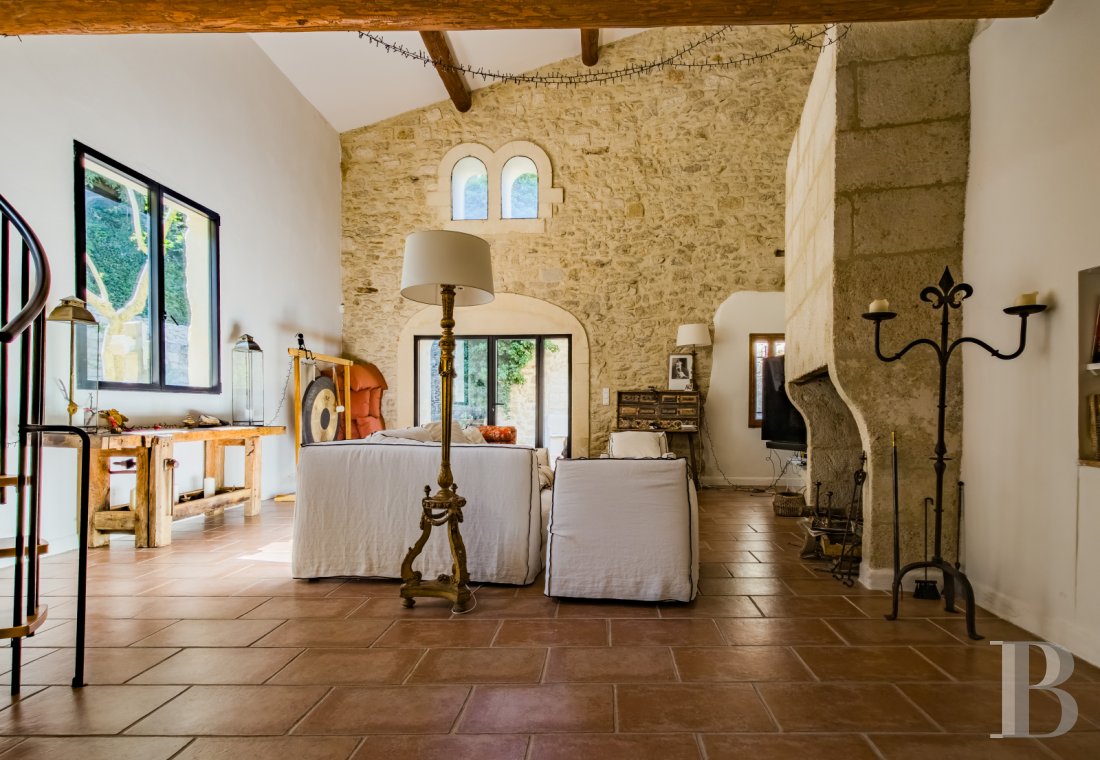
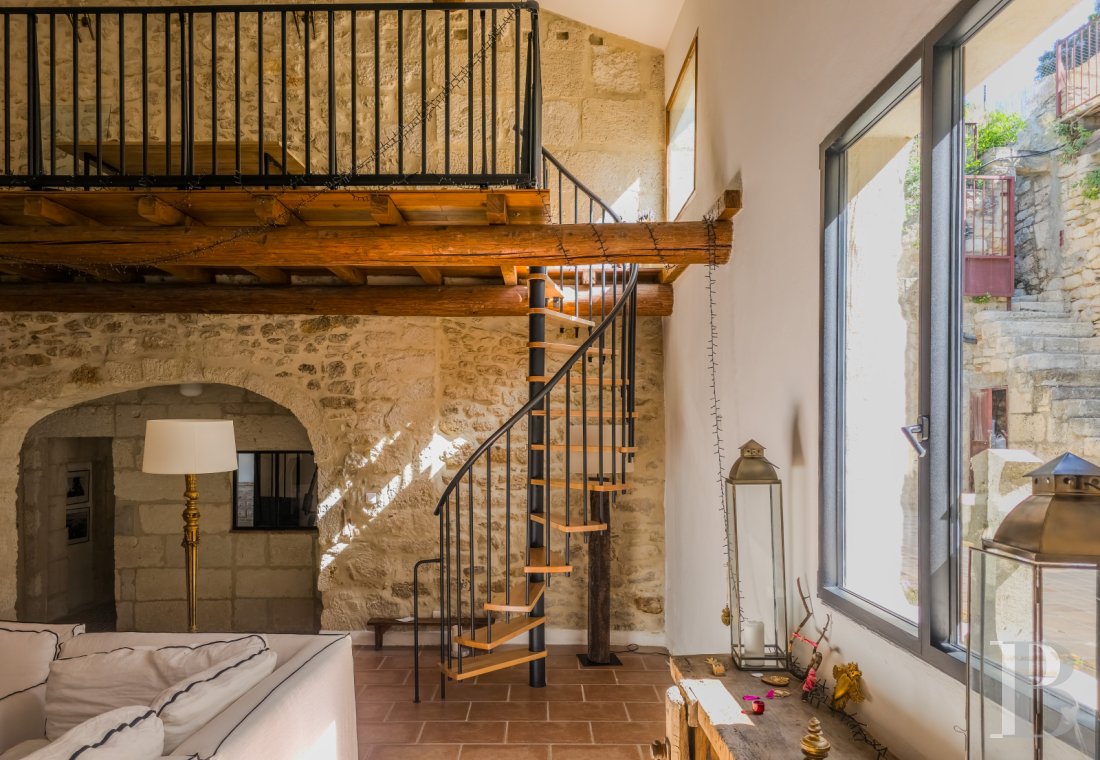
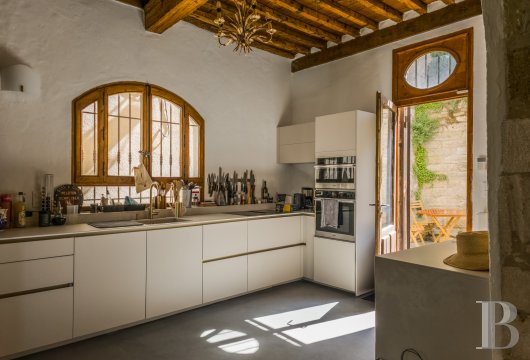
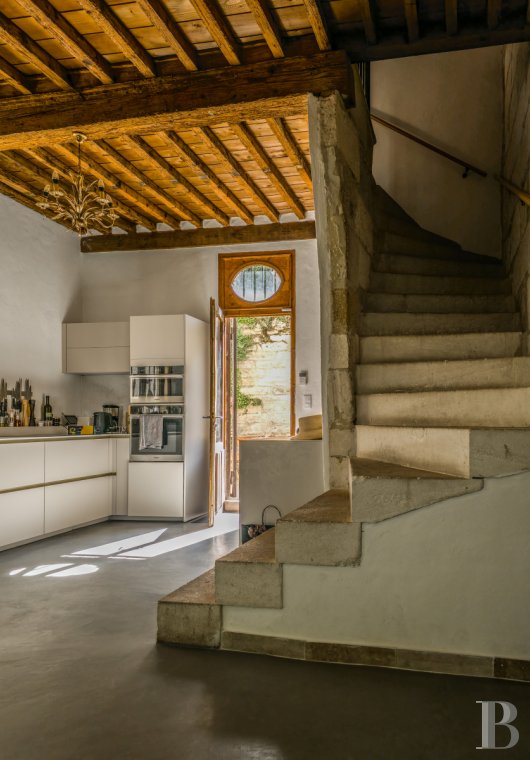
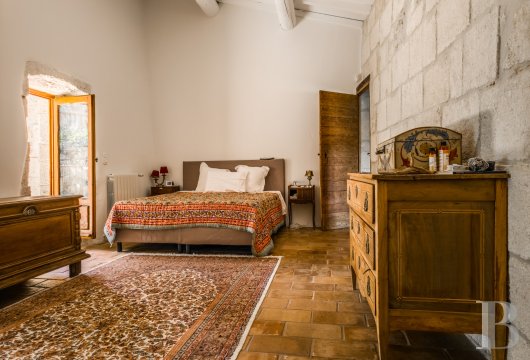
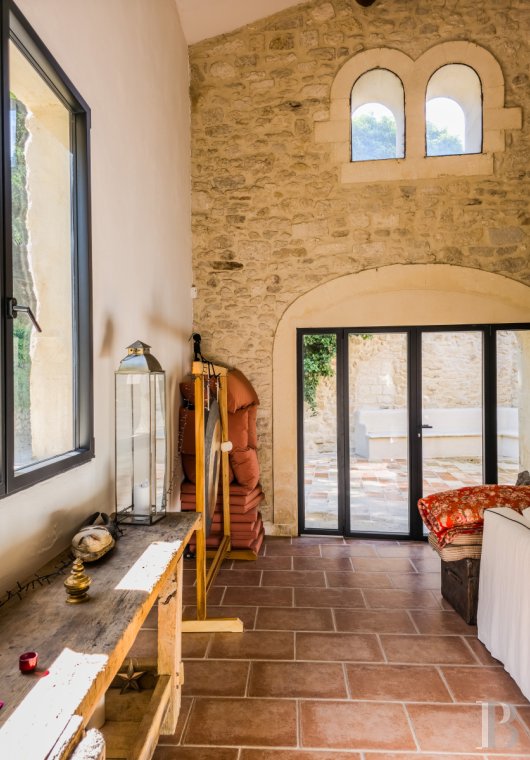
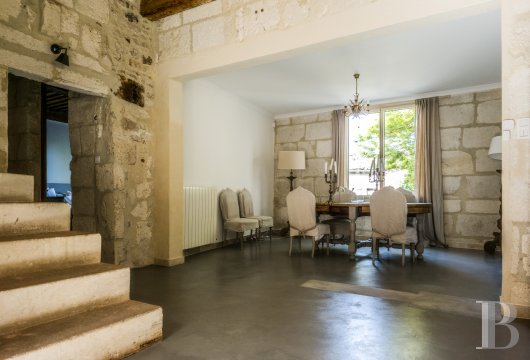
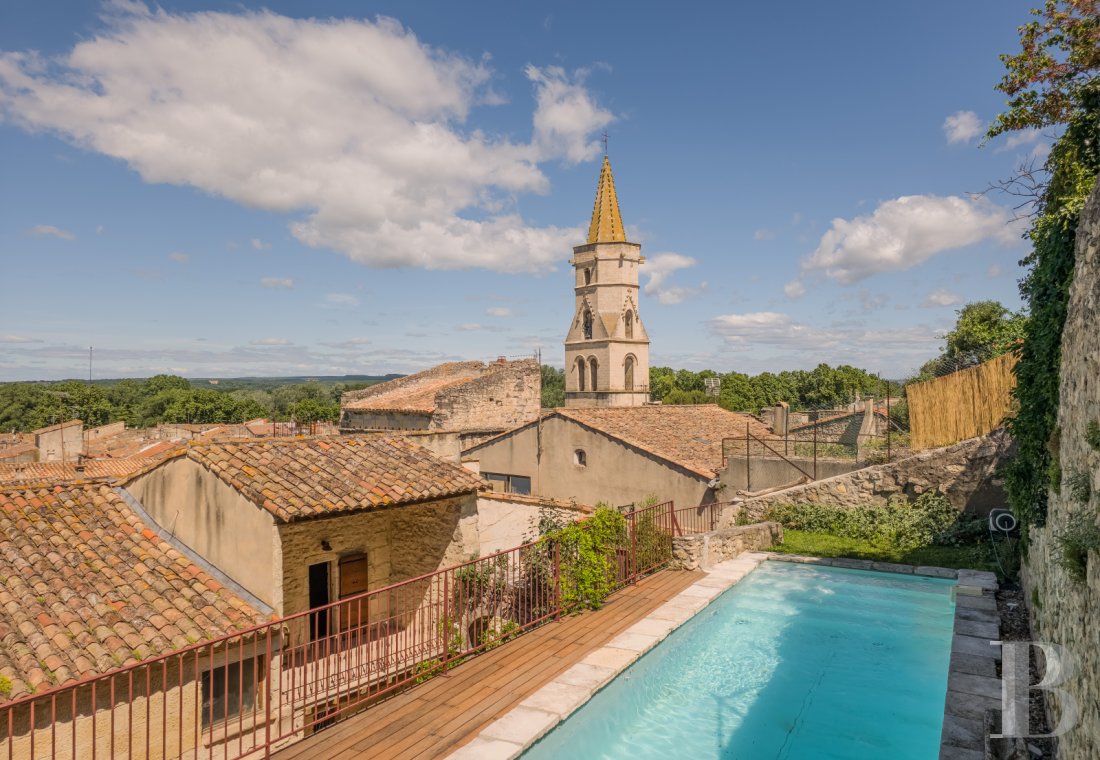
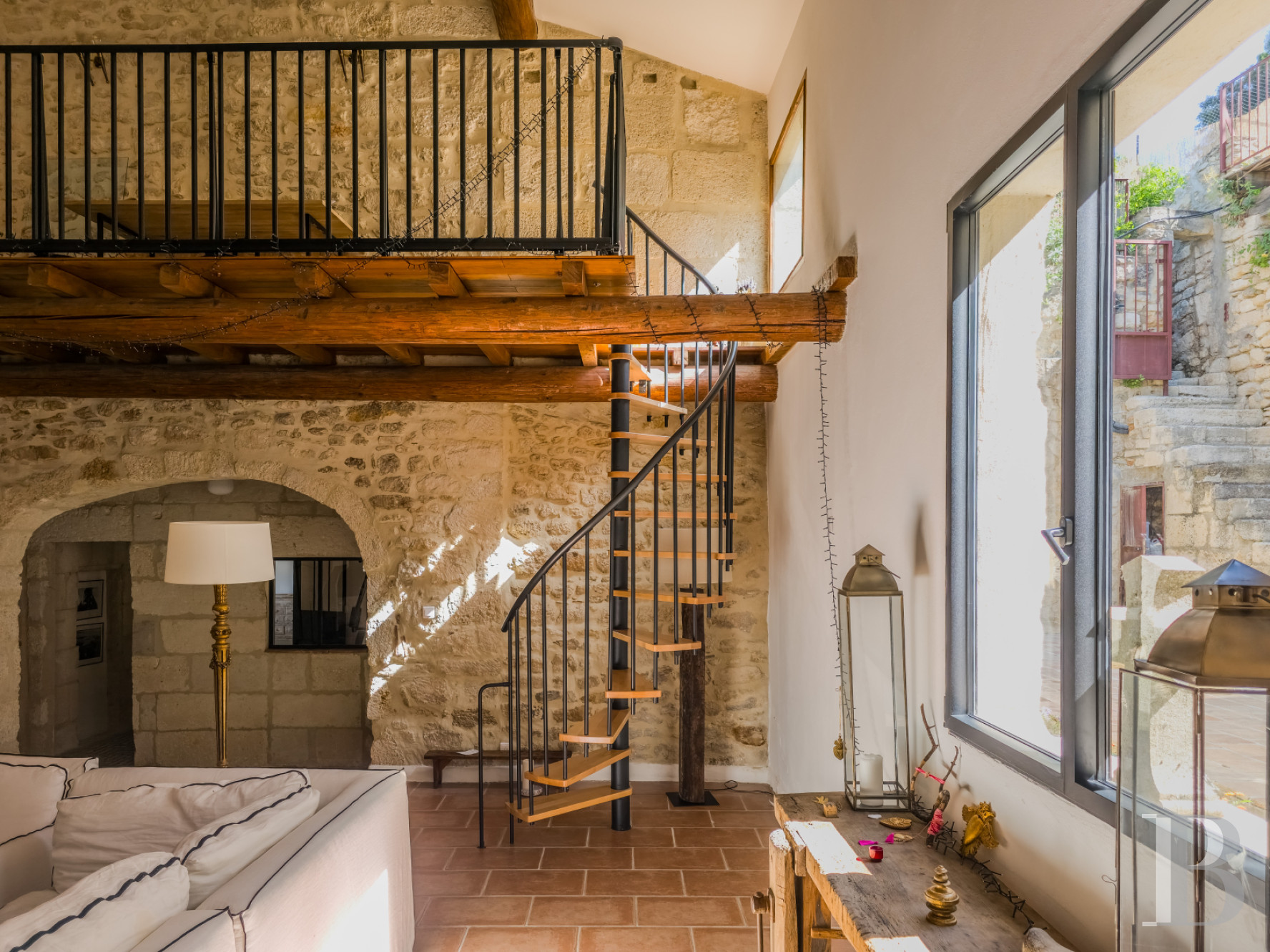
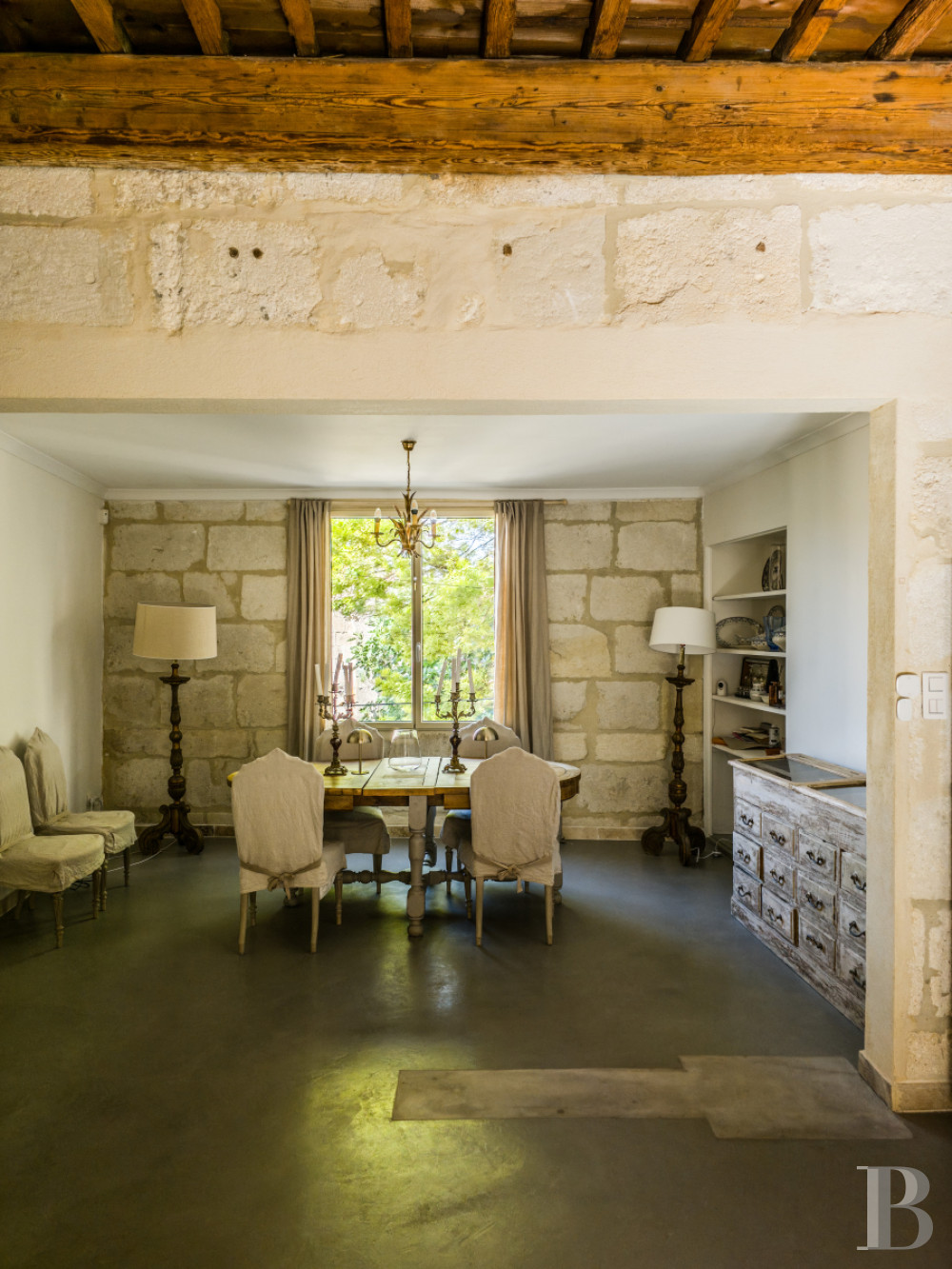
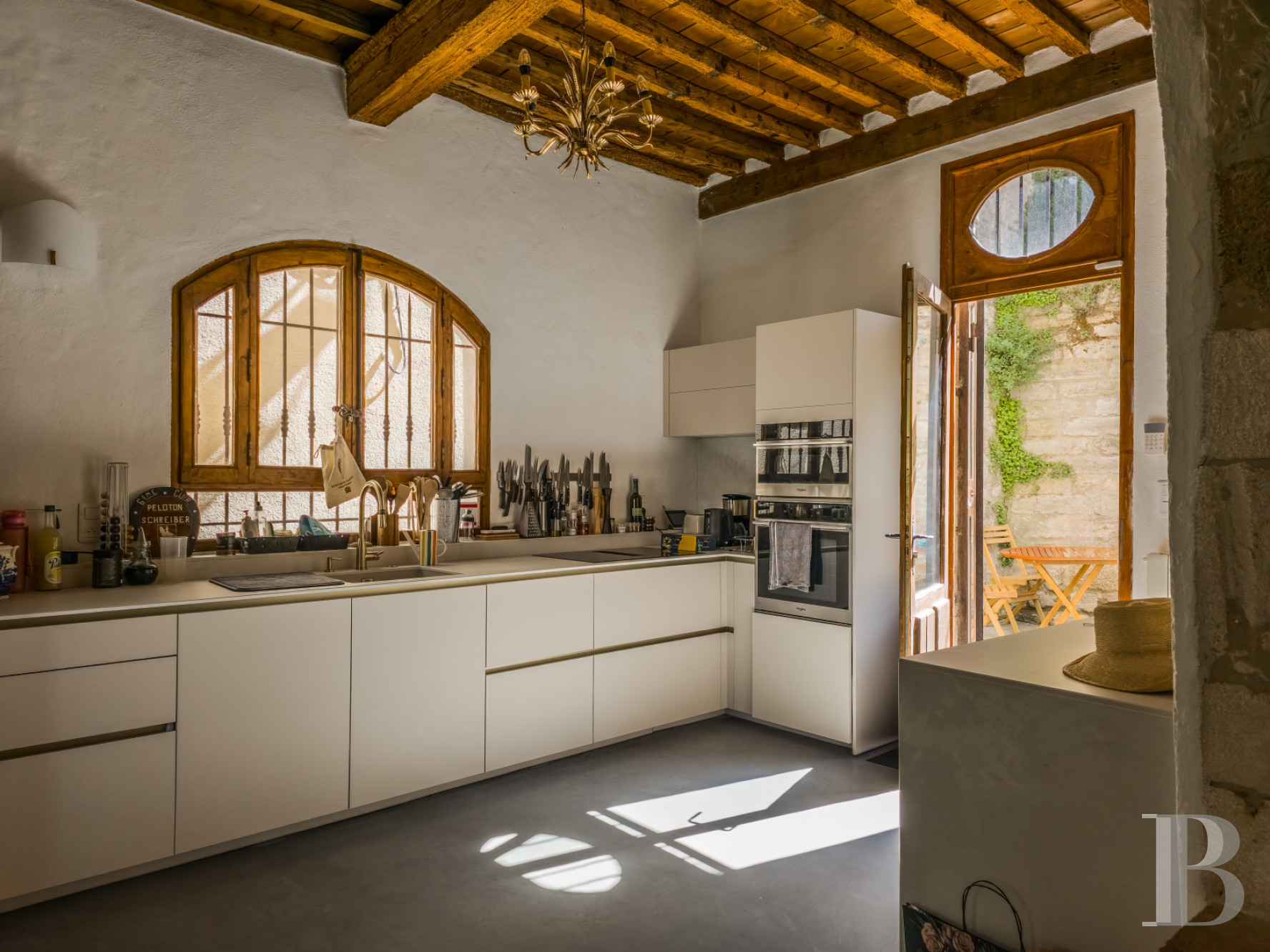
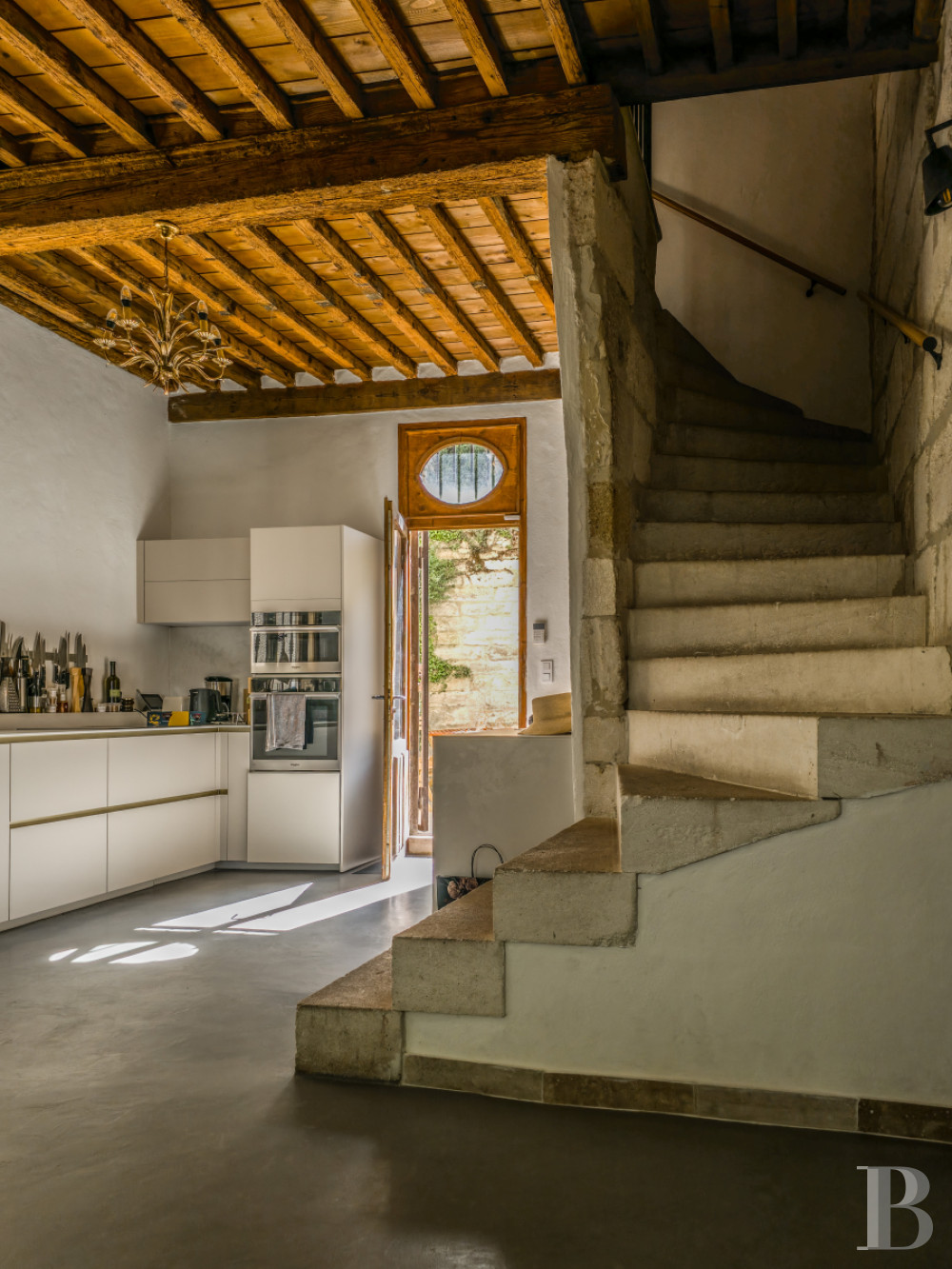
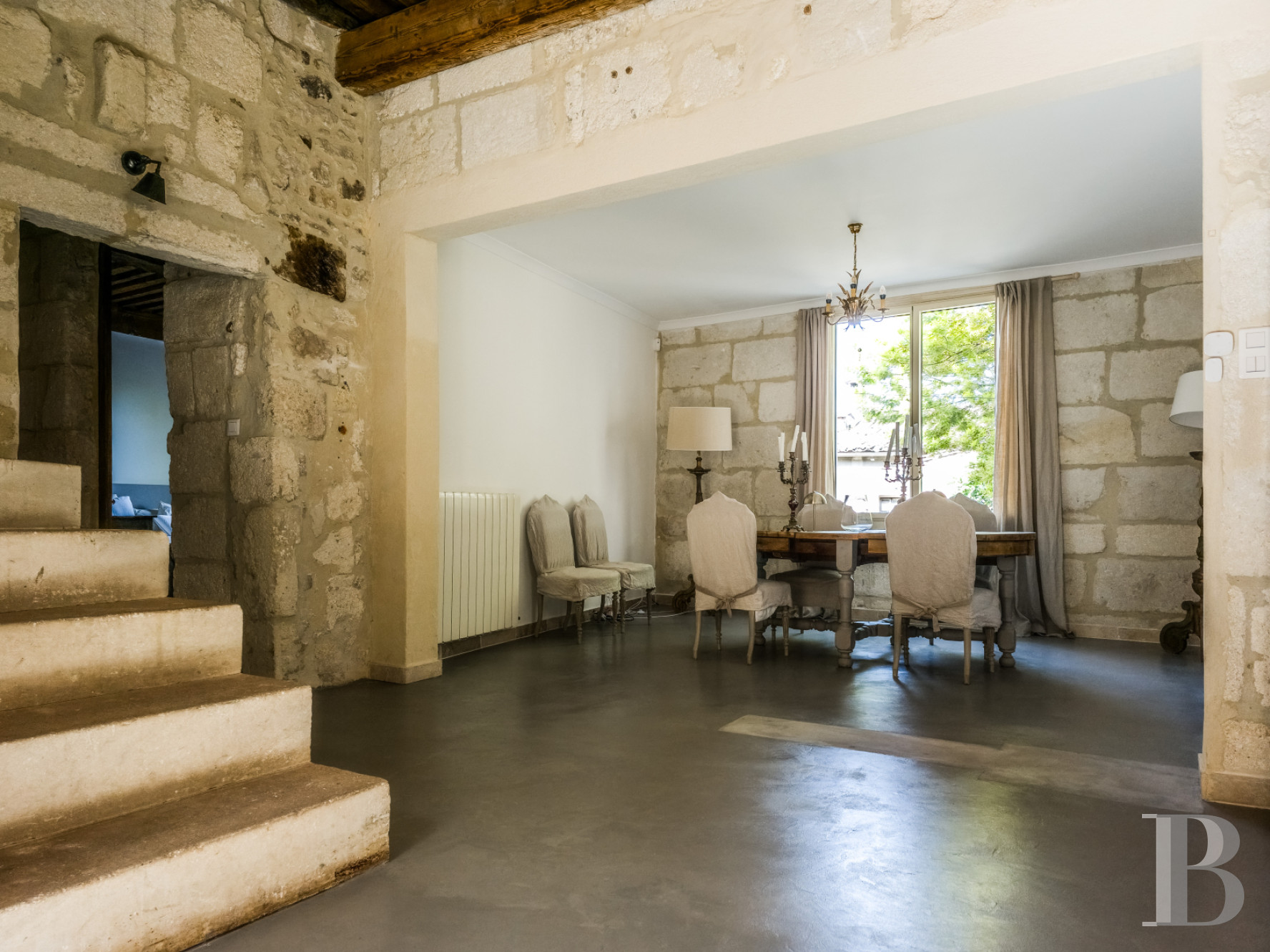
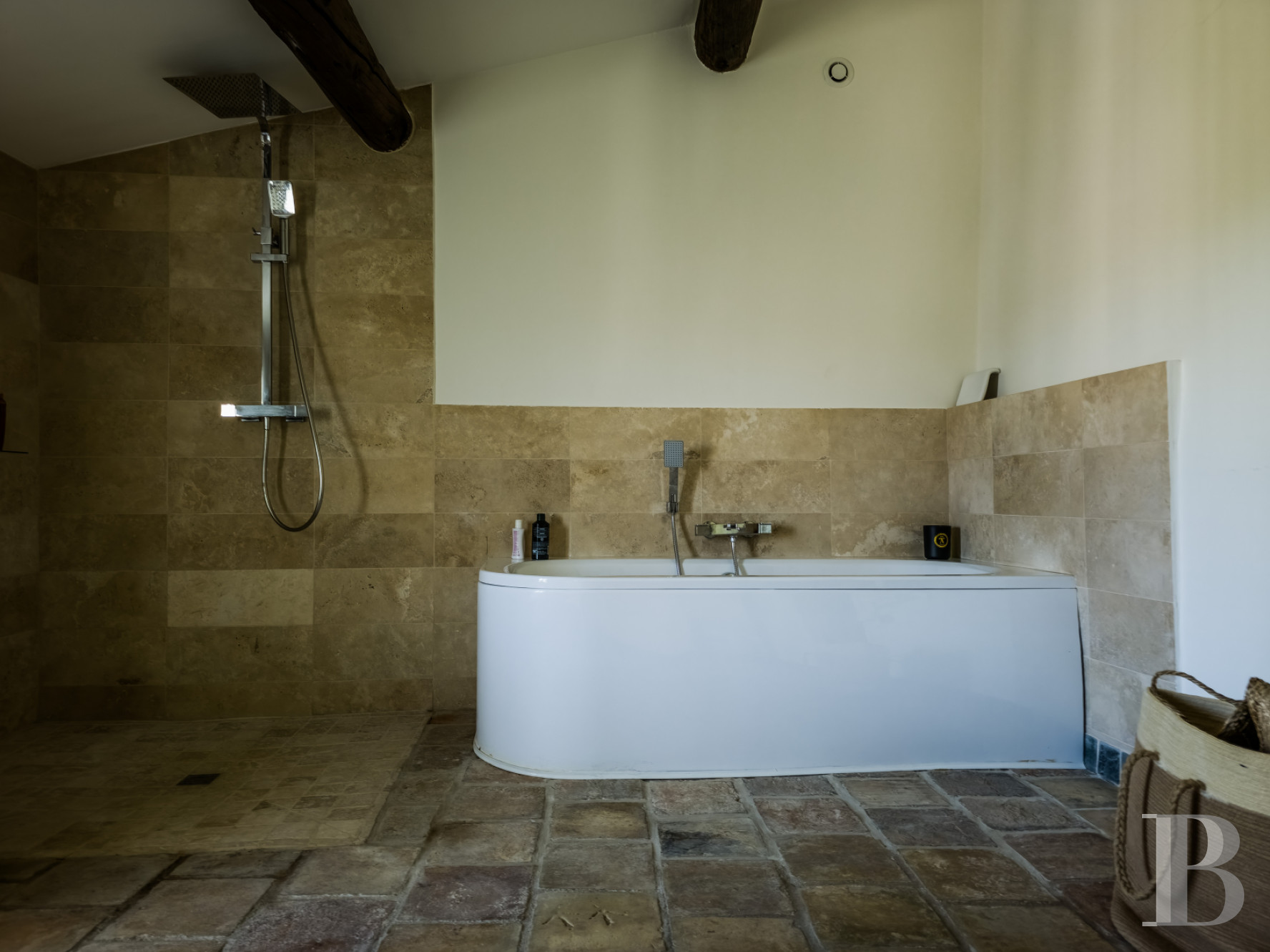
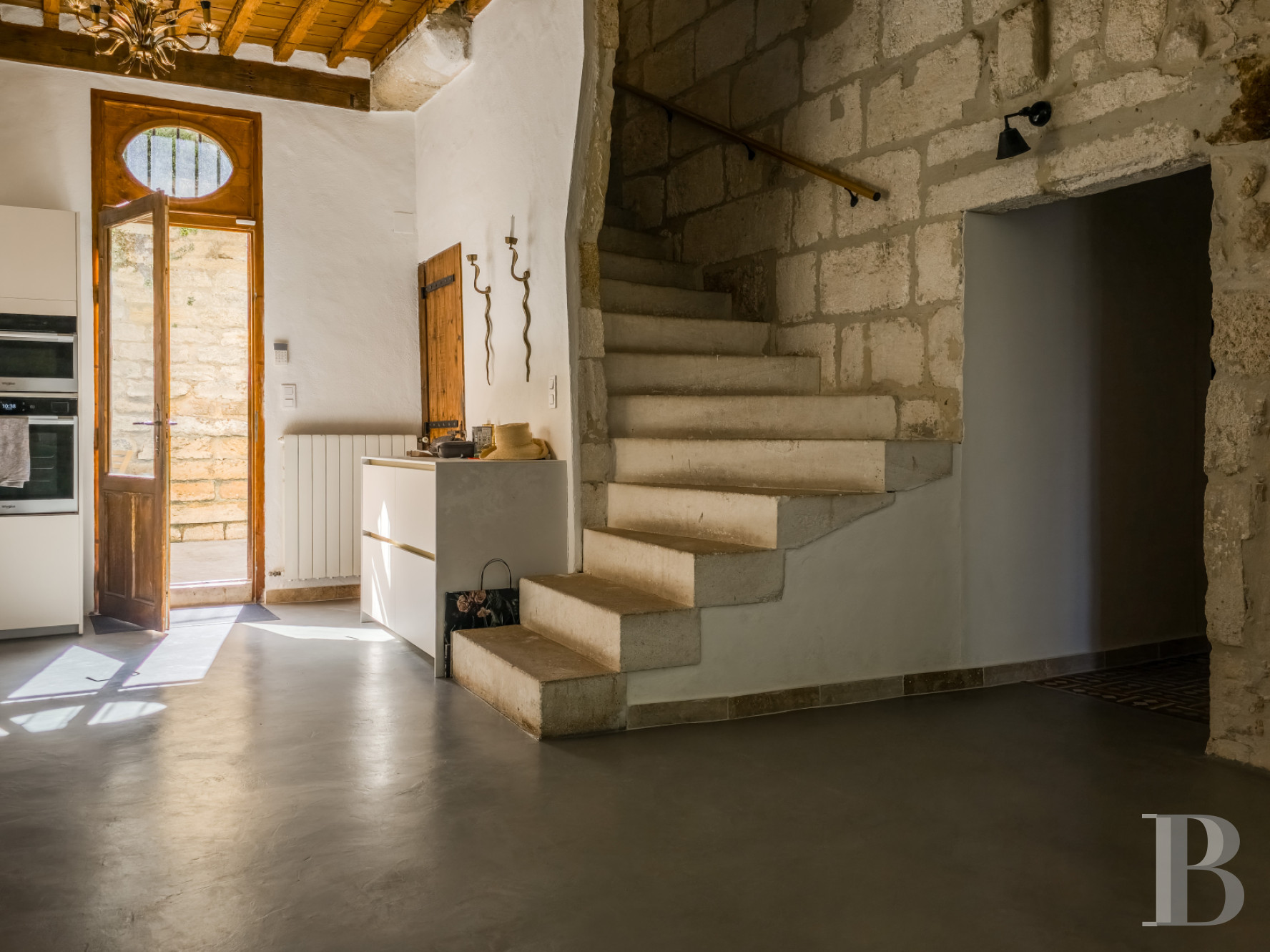
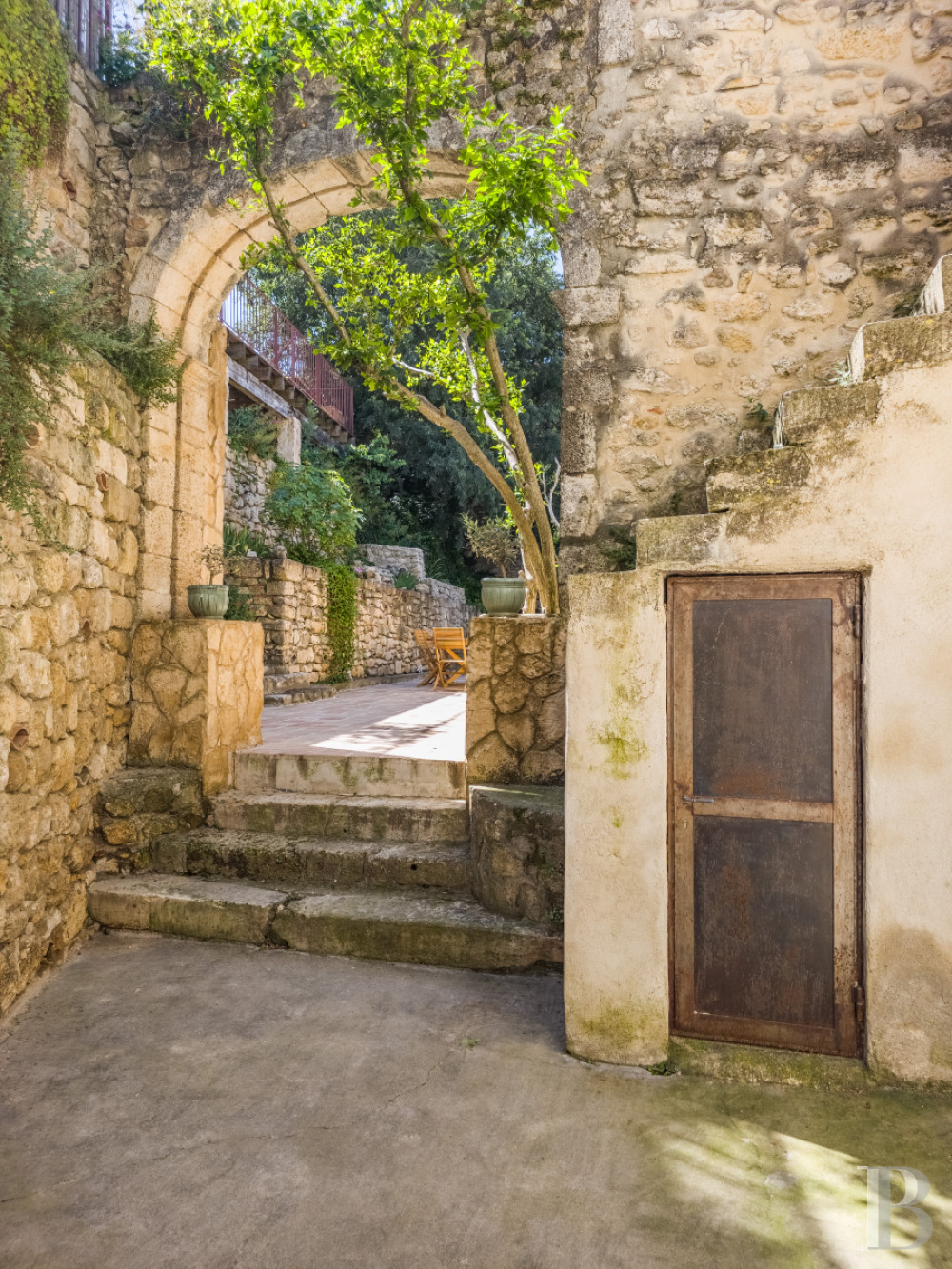
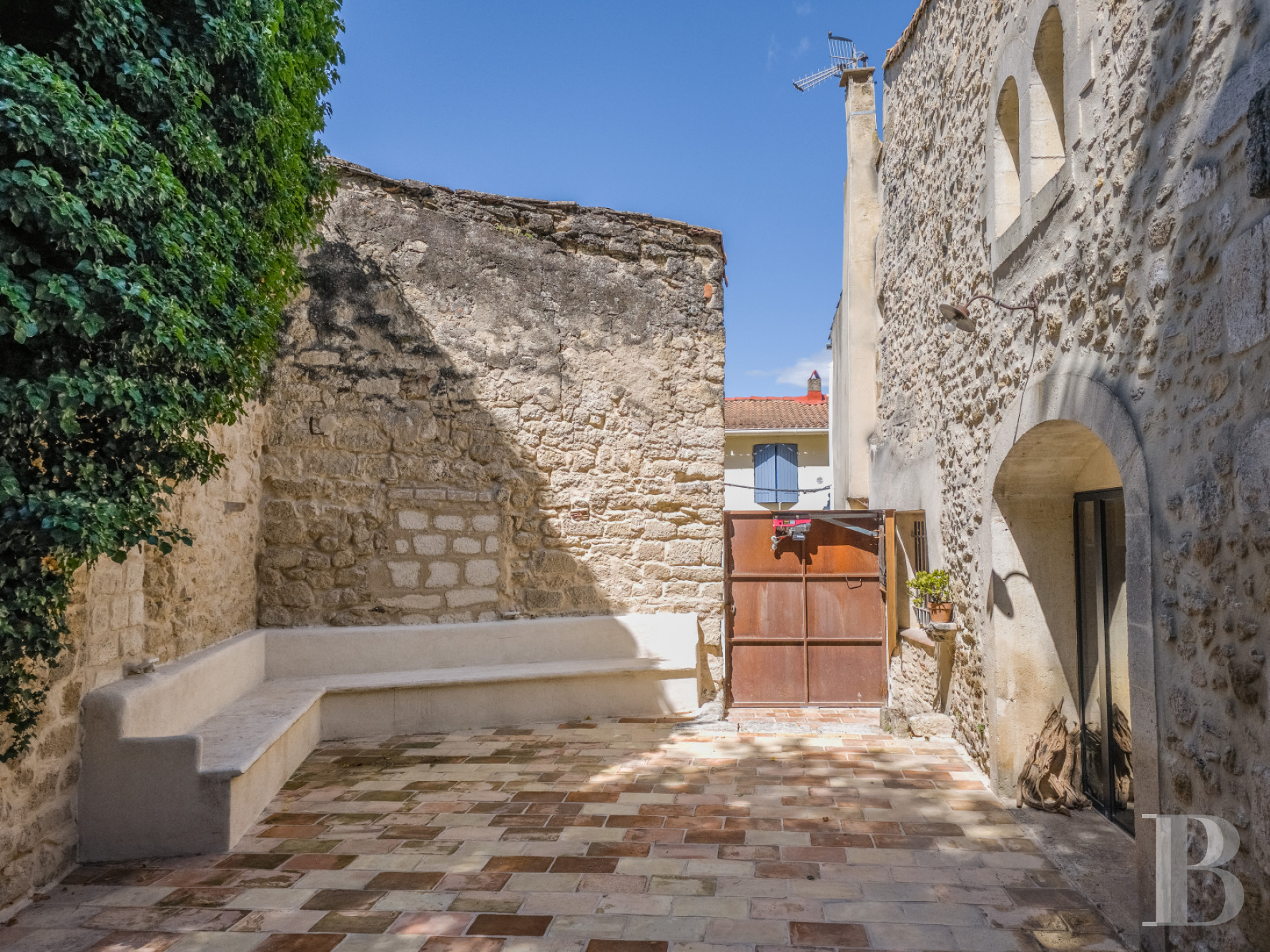
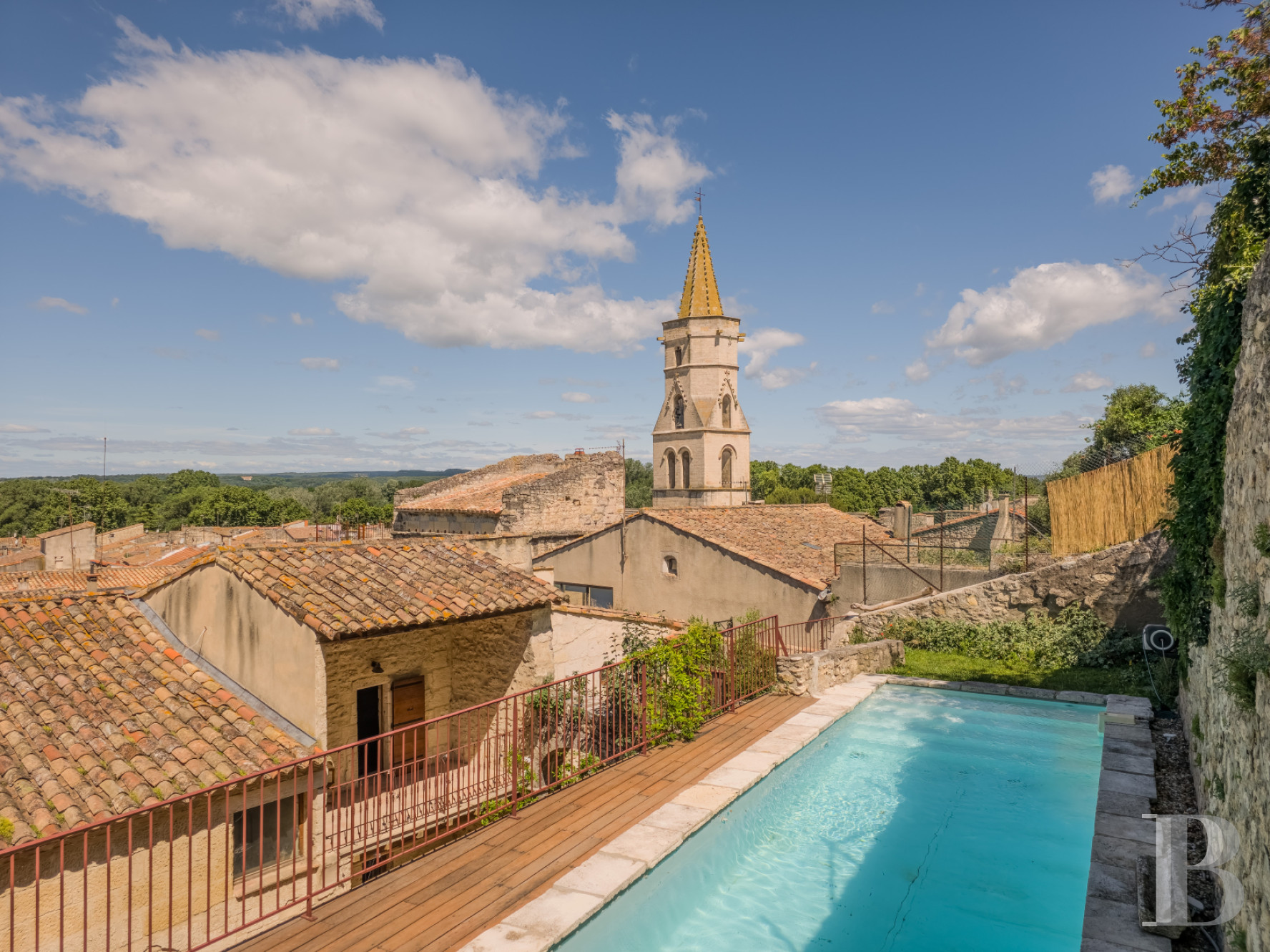
The house stands on a slope, spread over three levels that follow the land. It lies on one of the narrow streets that lead up to the chateau. Part of it is hidden behind an enclosed plant-dotted plot that covers around 600m² and part of it leads straight out onto a small, secret road in the village, which the house looks down at. You can either enter the house from the narrow street, via its former cellars, now used as a garage, or from a hidden door that leads, surprisingly, into a vast patio where local plants grow. This courtyard takes you, via a stone staircase, to a swimming pool, which, unusually, looks down at the house from above it, while also looking down at the rest of the village and offering an unrivalled view of the region. The house is a former annexe of the old Knights Templar commandery that neighbours it. The year 1411 can be seen in its majestic vaulted cellars, bearing witness to its true age. Yet the place was regularly extended up to the 19th century. Its facade has kept the monastic austerity of elevations in France’s Gard department. Indeed, this plain style contrasts with the exuberance of the Renaissance style that the remains of the commandery beside it display. Only the village's chateau and church bell tower look at the secret dwelling, which enjoys privacy yet offers spectacular views of the surrounding countryside. The edifice has been restored in a very modern style, but which respects the place’s original architecture and old high-quality materials. The dwelling is in excellent condition and offers a 300m² floor area, spread out, via a system of internal hallways that is both playful and practical, across a vast lounge with a cathedral ceiling and a mezzanine reading room, a contemporary open-plan kitchen with a dining area, six spacious bedrooms with bathrooms, an office and a fitness room. The connecting cellars with high four-part vaulted ceilings were medieval annexes that were once inhabited, but which, today, are not included in the home’s liveable floor area. Inside the house, the walls are lime-plastered white and the floors are adorned with glazed terracotta tiles and old wood strips. Even the tiniest fragment of the wealth of history contained in each piece of stone has been carefully preserved. This is the case outside too, where the stonework has been masterfully restored in a style identical to the original design, which is typical of France’s Gard department. Indeed, this property is a wonderful tribute to its rich past.
The house
The ground-floor cellars
The vaulted cellars on the ground floor serve as two garages for cars and motorbikes today. They offer a 150m² floor area. There are five cellars down here. They form the supporting framework and medieval base of the home. Three of the cellars lead straight out onto a calm, narrow street via old carriage doors that have been turned into garage doors. These cellars could easily be converted into new rooms, for example art studios.
The street-facing first floor
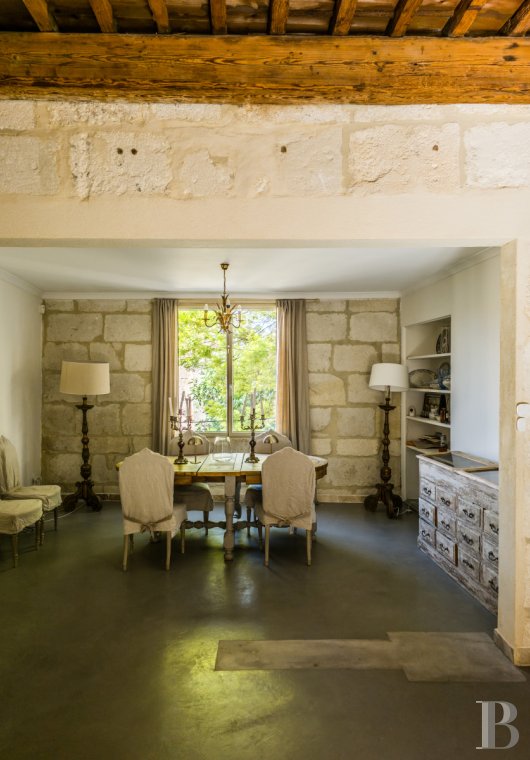
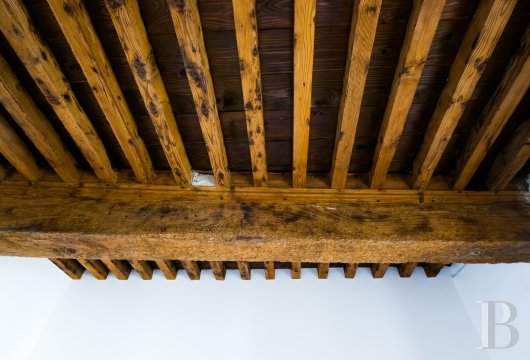
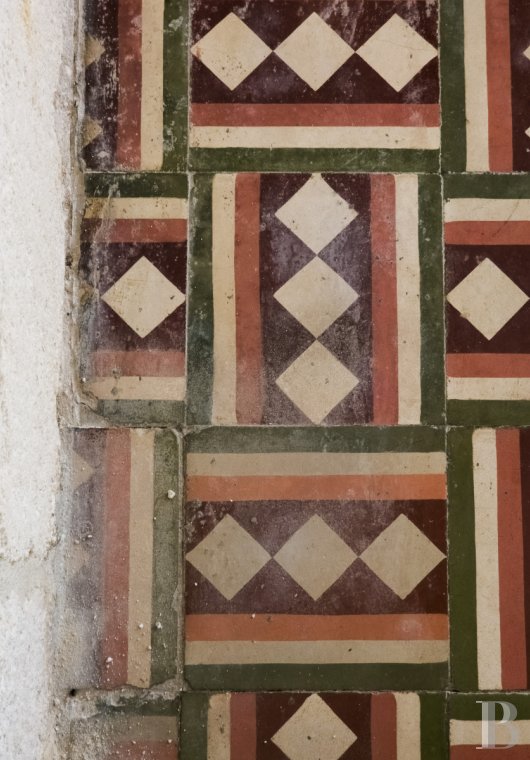
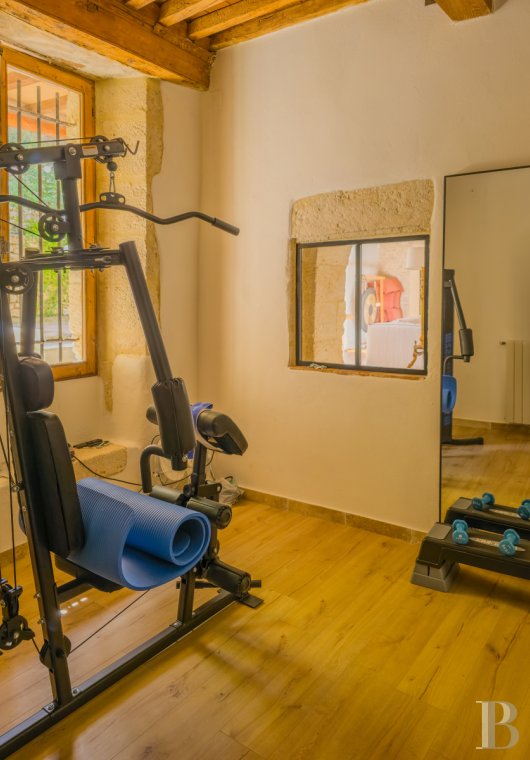
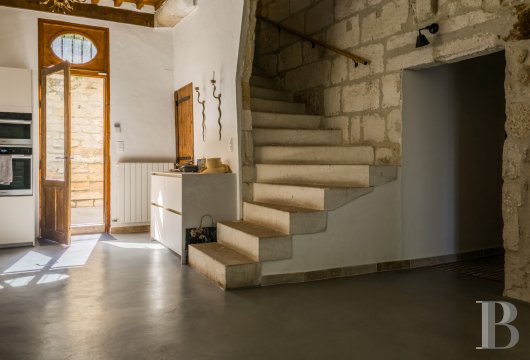
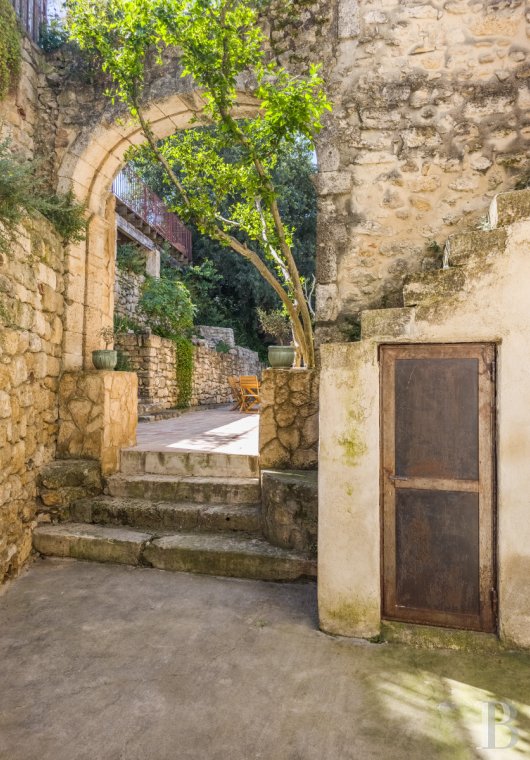
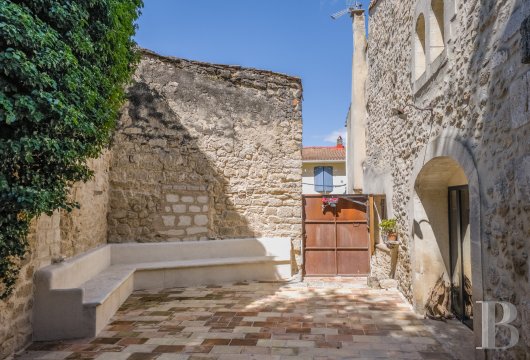
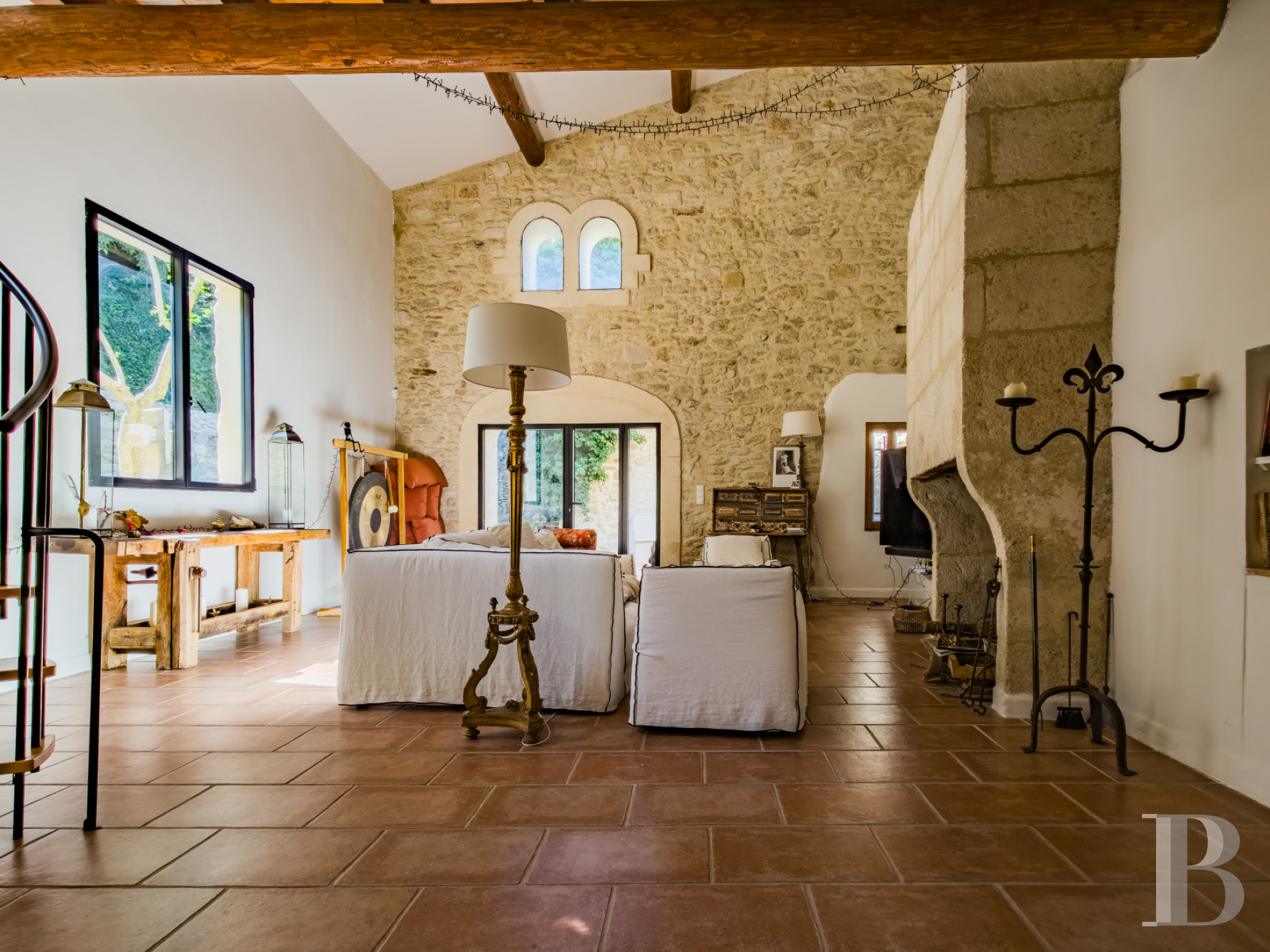
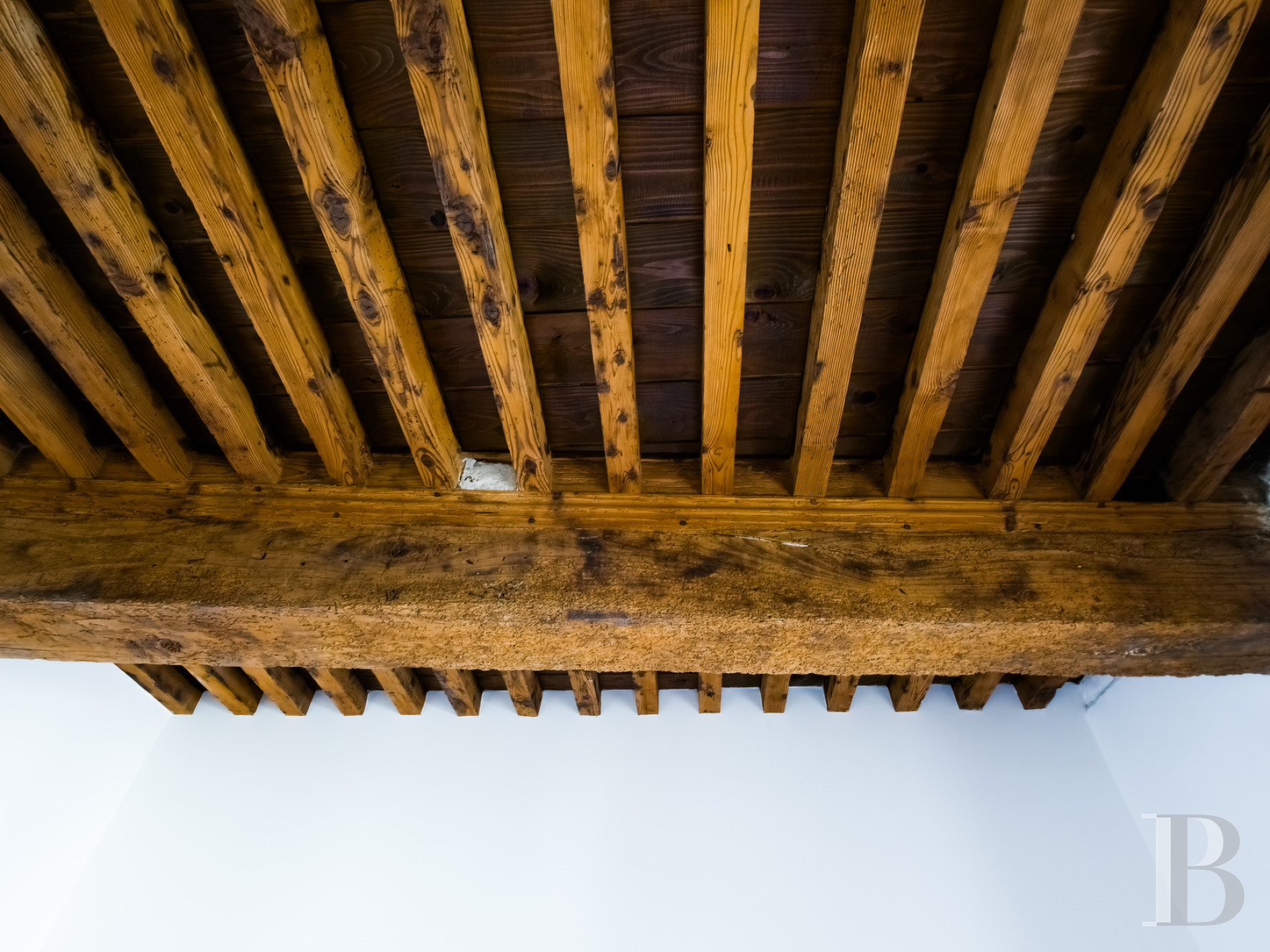
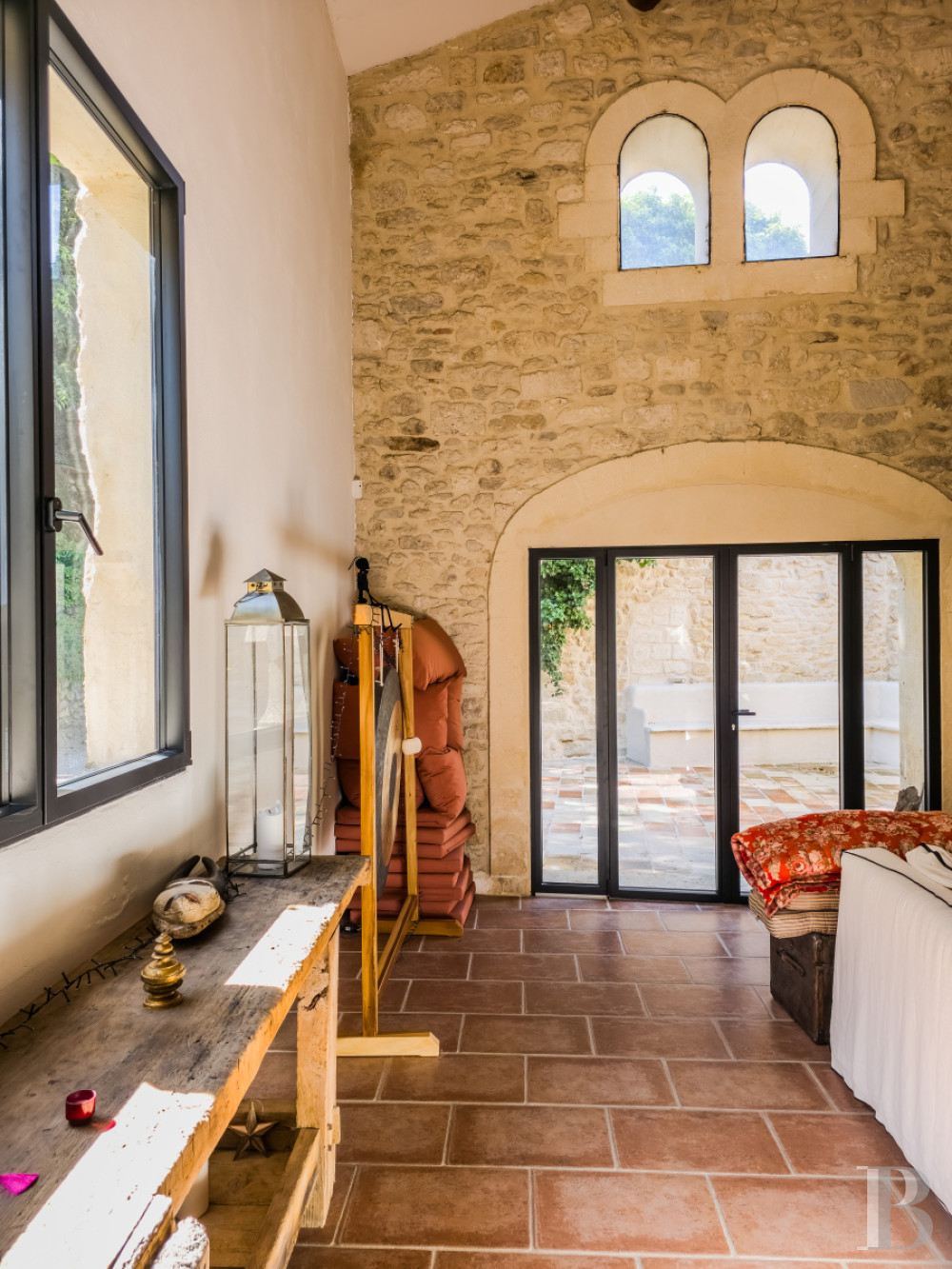
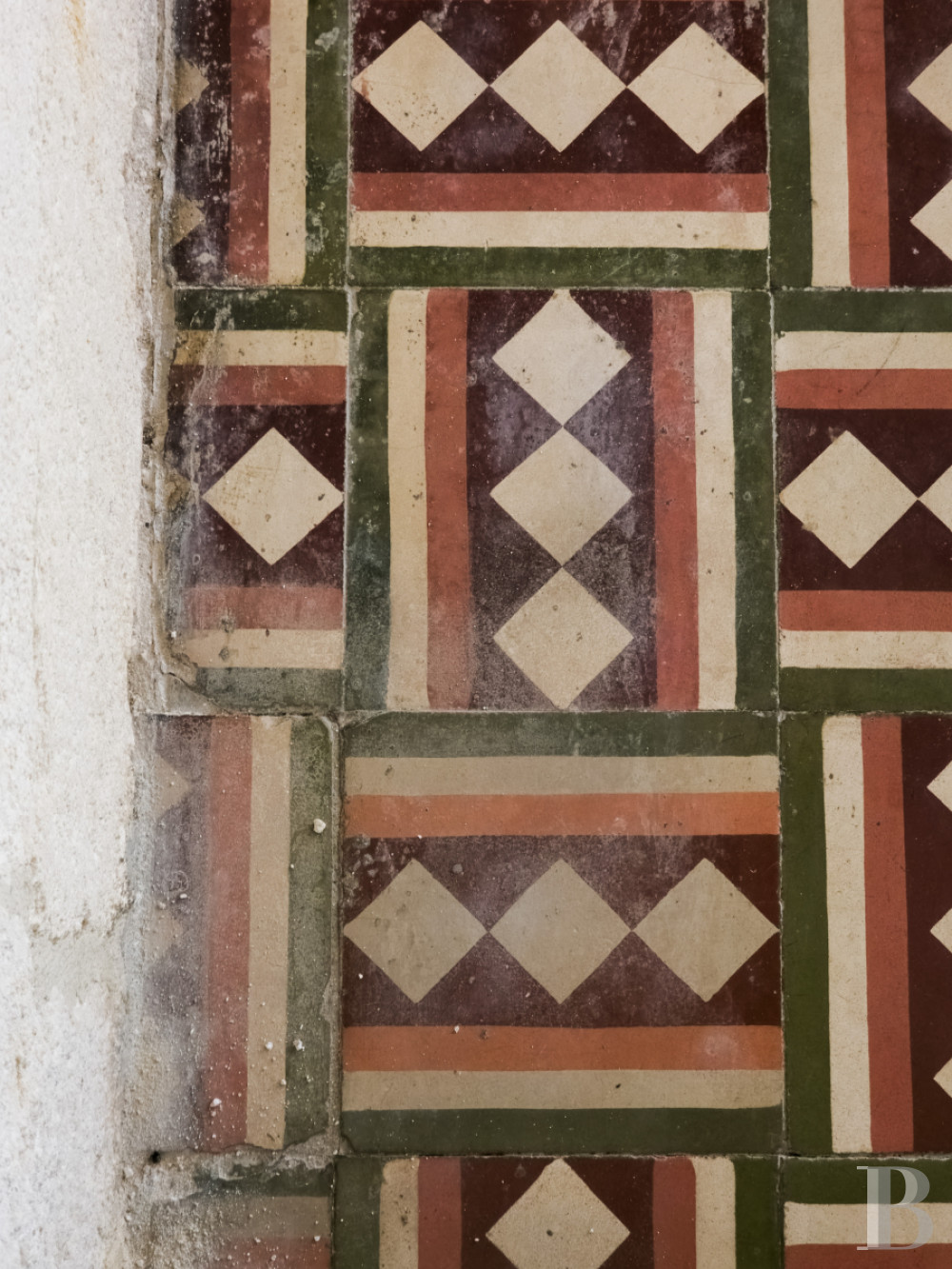
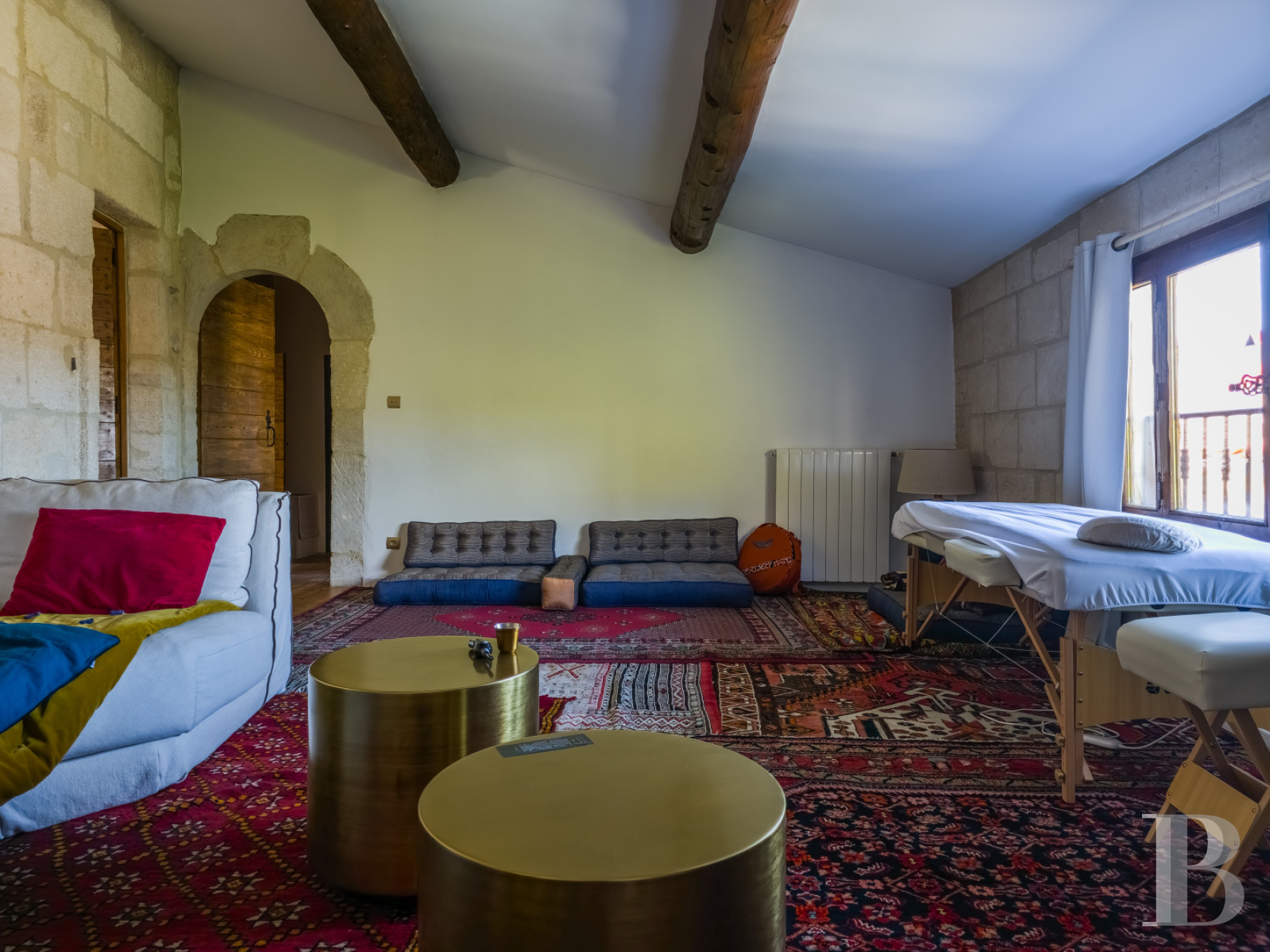
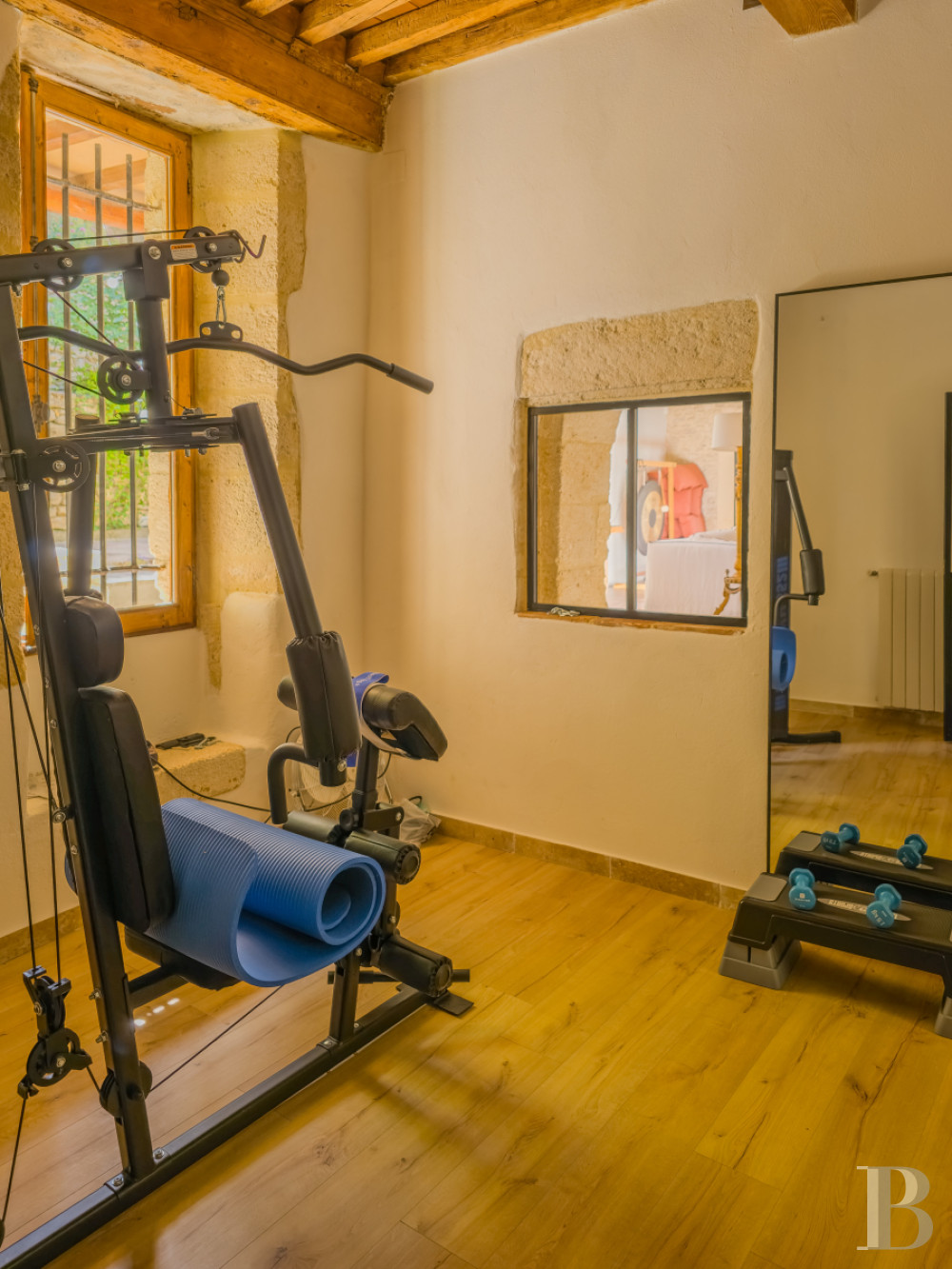
The garden-court entrance, hidden on the narrow street leading upwards, takes you to three successive courts, two of which are separated by a semicircular archway – the remains of a defensive gate that once guarded the village. The courts lead straight to the rooms for everyday life, including the open-plan kitchen with its dining area, the vast lounge with its cathedral ceiling, imposing fireplace and mezzanine, the fitness room, and a bedroom with its shower room. Because the house follows the slope of the land, these rooms actually lie on the ground floor on the garden-court side and on the first floor on the street side. Depending on the room, the floors are adorned with old cement tiles bearing a diamond motif, glazed terracotta tiles or broad wood strips. French-style beamed ceilings extend above the noble rooms.
The street-facing second floor
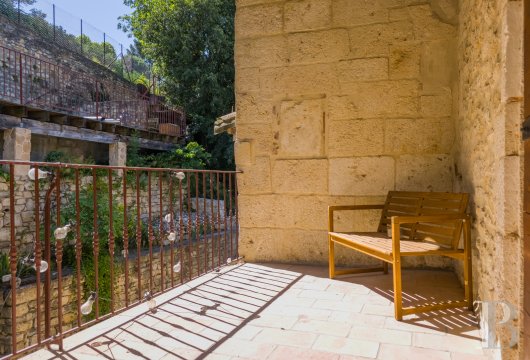
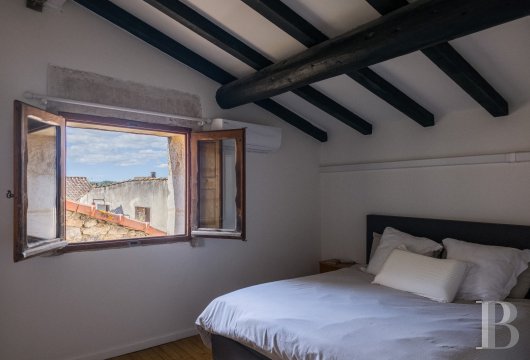
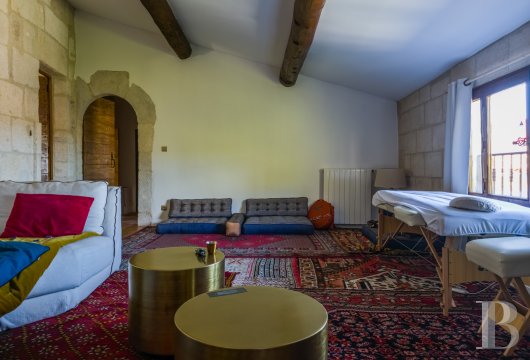
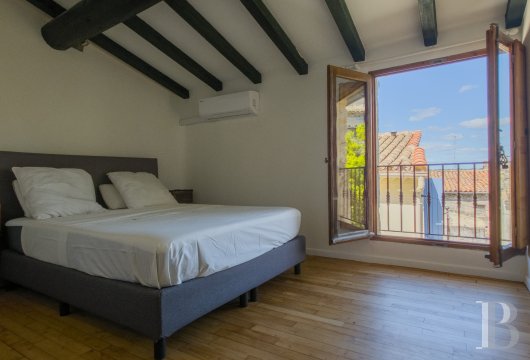
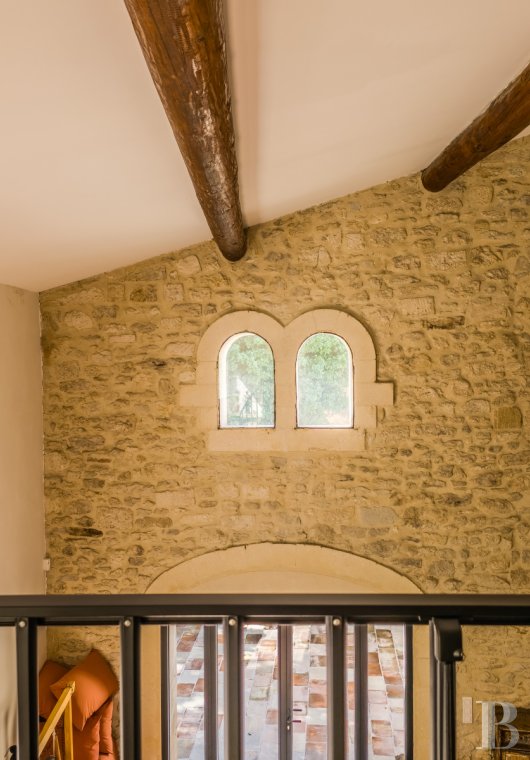
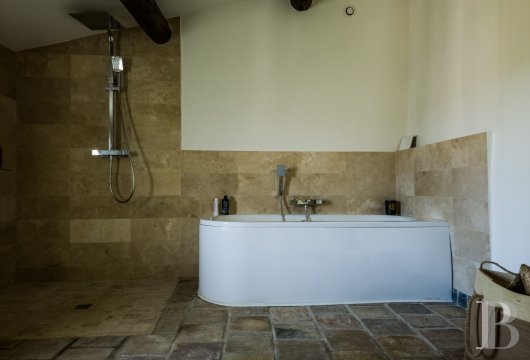
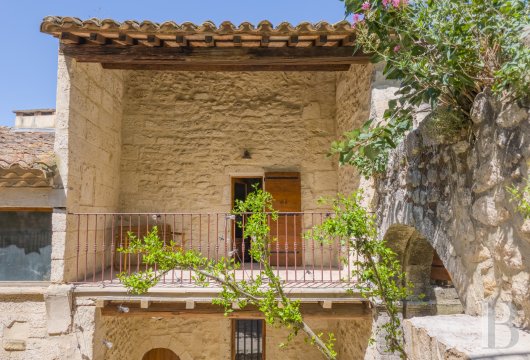
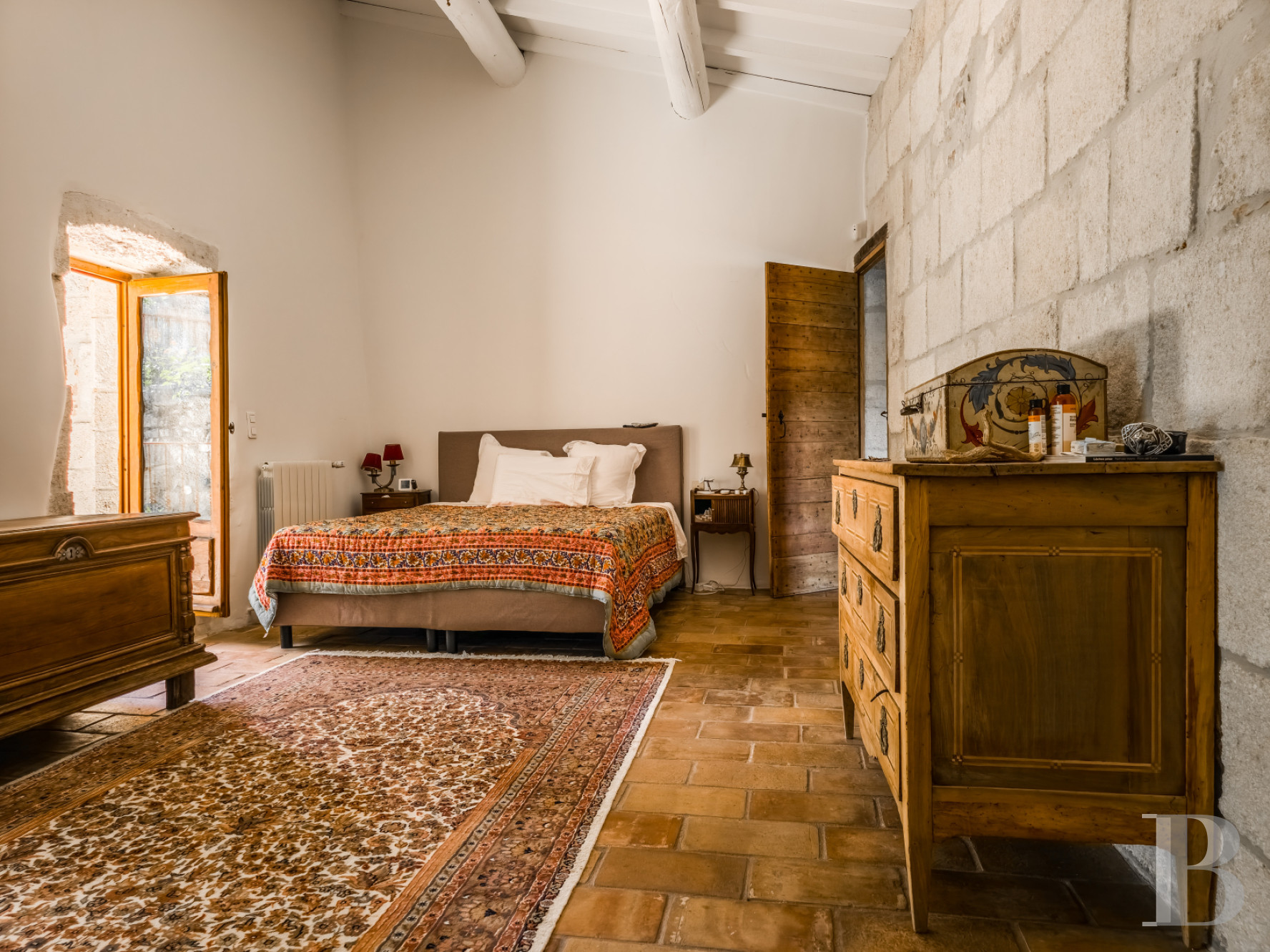
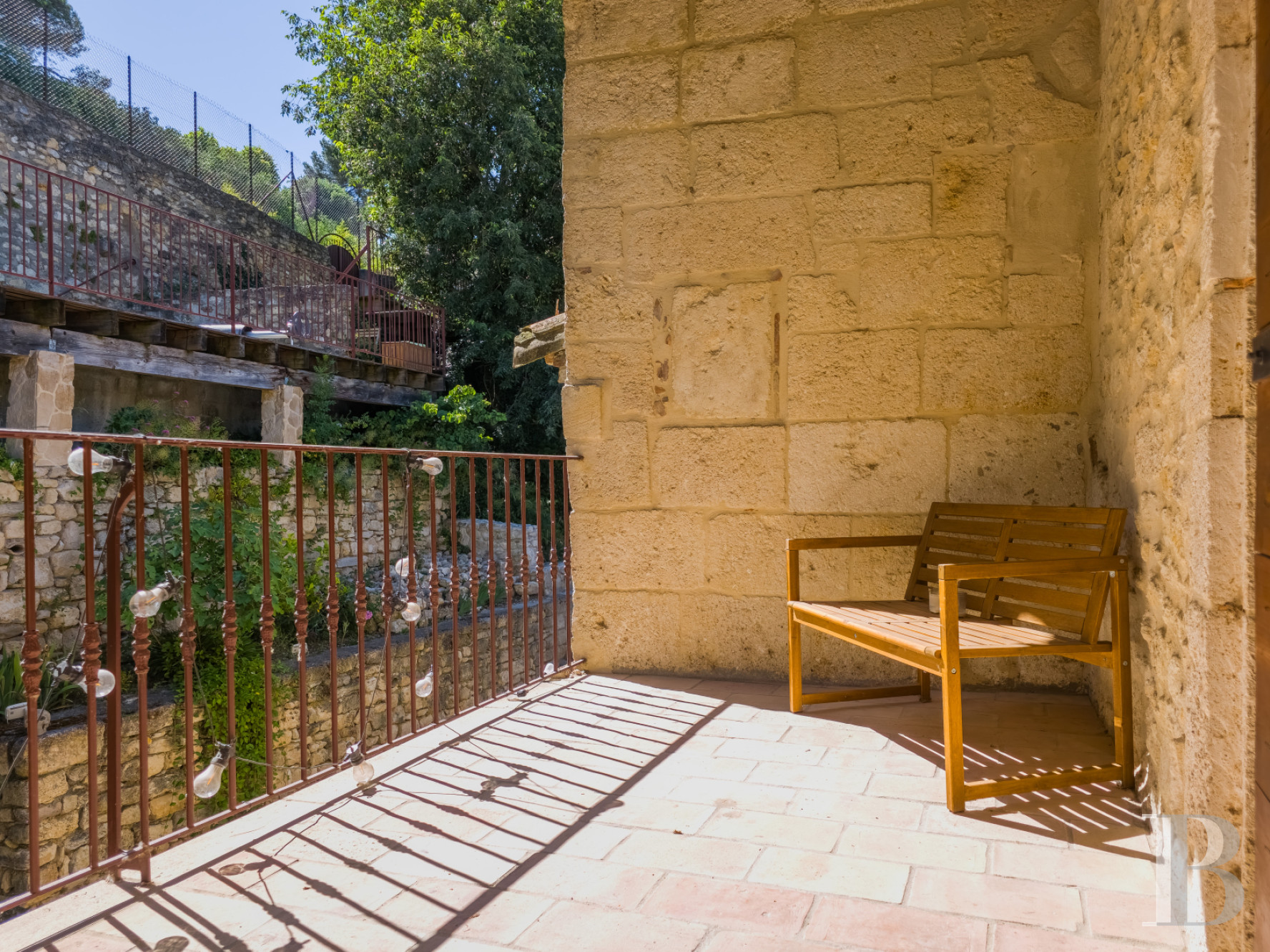
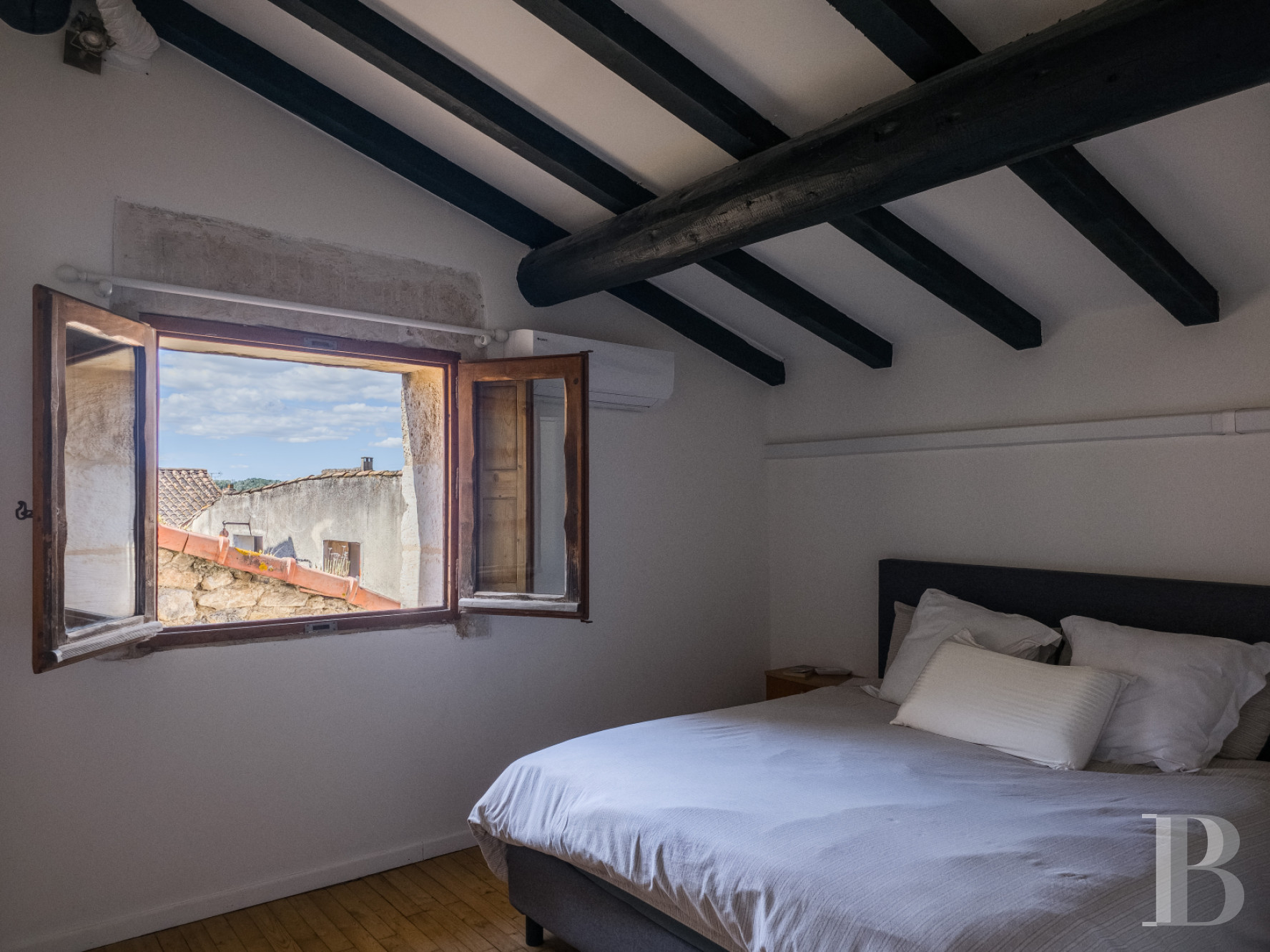
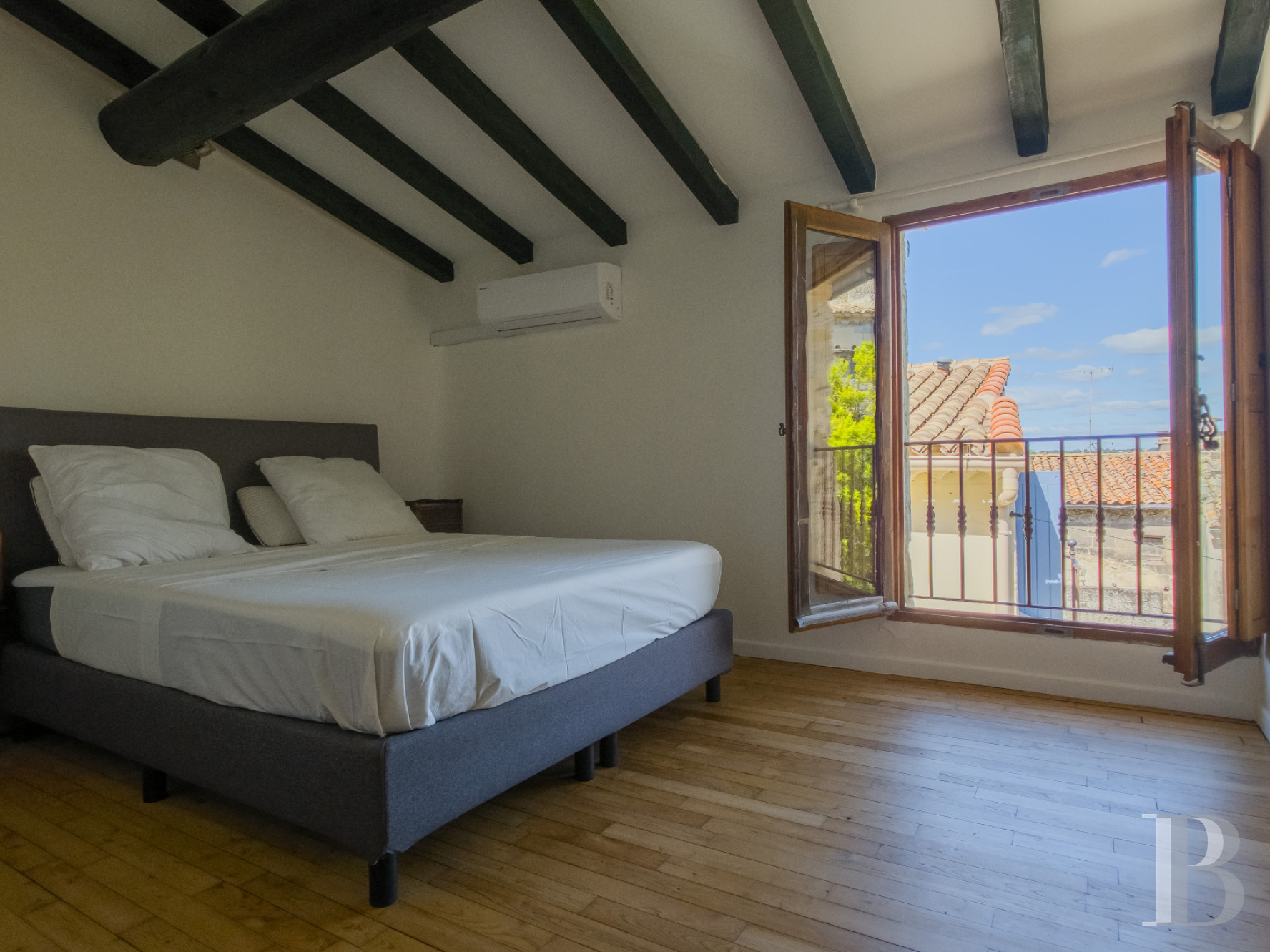
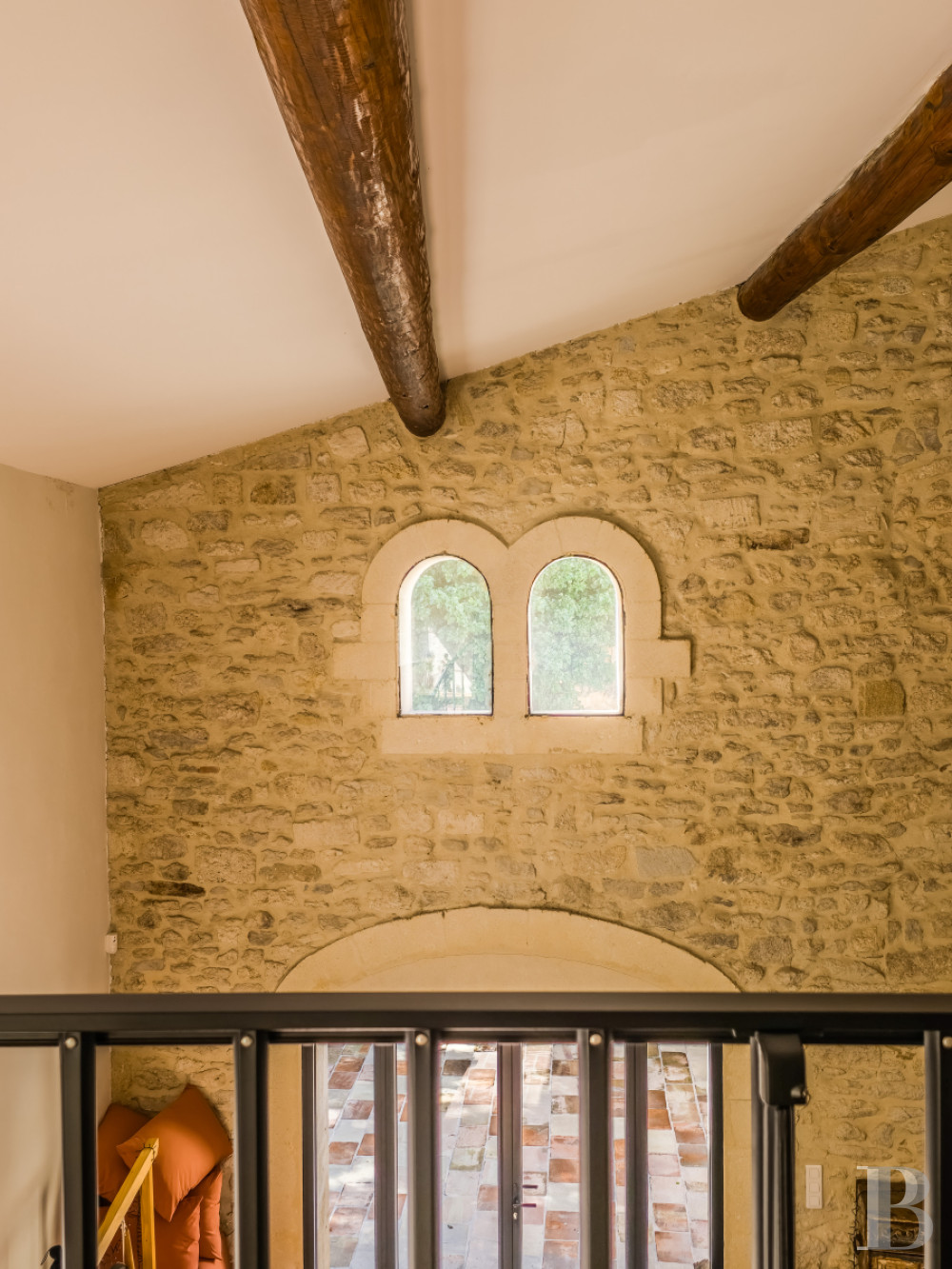
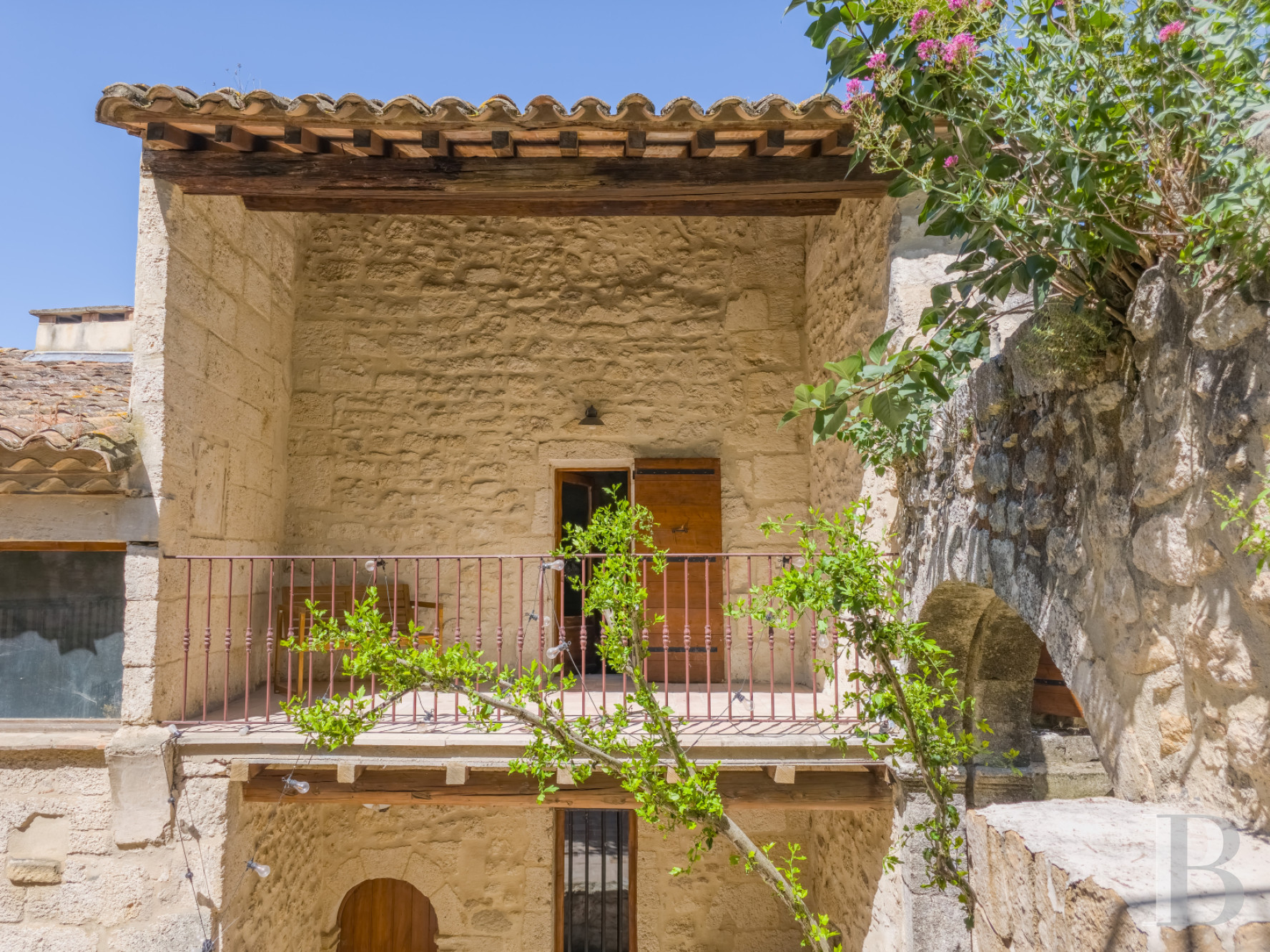
Four bedrooms, a bathroom and two lavatories lie on the second floor, as does the mezzanine reading room that looks down at part of the lounge. In this open space, a twin pair of arched windows suggests this building was once an oratory or chapel. The largest bedroom has its own balcony terrace, which looks down at the garden court. The hallways are plain and practical. They connect to the other bedrooms, where you can admire views over the village rooftops below and out towards the surrounding landscape of France’s beautiful Gard department. The walls are simply lime-plastered white. The terracotta tiles and broad wood strips that adorn the floors up here make this top level feel like a pleasant, homely dwelling that is easy to live inside, which, indeed, it is.
The three garden courts and the swimming pool
With plants growing up the exposed stonework on the house’s north side, a succession of plain courts that once lacked character has been transformed into a delightful series of structured gardens. At once oriental and minimalist in style, these oases of greenery soothe the mind in the face of memories of tumultuous battles between Saracens and Templar knights, evoked throughout the village. A narrow flight of stone steps climbs up alongside the wall, rising up to the summit of what was once a defensive wall with a rampart walk. The flight of steps ends in a space that not only looks down at the house’s garden courts but also down across the whole village. This secret haven lies in the shadow of the chateau, which – discreetly, unusually and symbolically – towers higher than the village church itself. Upon these ramparts, a rectangular swimming pool perches, built so high up that it cannot even be seen from the house. This refreshing pool seems to float above the rooftops. Indeed, it is one of the property’s most surprising features. On one side of the pool’s stone edging, there is a narrow poolside terrace of timber decking, lined with a metal guardrail.
Our opinion
Only in villages in south-east France can you find such dazzling jewels as this remarkable property. The secret dwelling is a unique gem, set back from bustle. The sense that this home is floating, perched upon ramparts it has occupied for centuries, gives it real character. The commanding position of its swimming pool is highly original and reflects the great attention paid to the masterful restoration of this historical haven. Battle cries of Saracens and Templar knights, who fought here in a bygone era, have given way to afternoon naps on the patio, sighs of contentment by the refreshing pool and well-deserved rest for both the body and mind. Could this be a family home? It already is one. Could it be a holiday home? It was a rest house for knights in the Middle Ages and today it could be a haven of rest once again for anyone who genuinely seeks to understand its uniqueness, to love it dearly and to make it theirs.
850 000 €
Fees at the Vendor’s expense
Reference 539097
| Main building floor area | 303 m² |
| Land registry surface area | 768 m² |
| Including parkland | 623 m² |
French Energy Performance Diagnosis
Information on the risks to which this property is exposed is available on the website: www.georisques.gouv.fr
Share


NB: The above information is not only the result of our visit to the property; it is also based on information provided by the current owner. It is by no means comprehensive or strictly accurate especially where surface areas and construction dates are concerned. We cannot, therefore, be held liable for any misrepresentation.