



A 16th-century residence in need of restoration, with a shop and period flats,
30 minutes south of Toulouse, in the historic centre of Auterive
30 minutes south of Toulouse, in the historic centre of Auterive
Auterive,
HAUTE-GARONNE
midi-pyrenees
31190
FR

Location
Crossed from south to north by the River Ariège, Auterive owes its settlement, dating as far back as the Neolithic period, to the fertility of its alluvial soils and the presence of fords, as evidenced by the numerous archaeological remains unearthed within its boundaries. Situated at the junction of two major transport routes – one linking Paris to Spain via Toulouse, the other linking the Atlantic to the Mediterranean – the town occupies a privileged position, which has fostered its development and given rise to a particularly rich history. Whilst the river remains one of the defining features of its landscape, the town also preserves traces of this past in its historic urban fabric, its squares, its shops, and the vibrancy that characterises local life. A situation which, at a time when Toulouse was extending its influence ever further south, took on particular significance.
Description
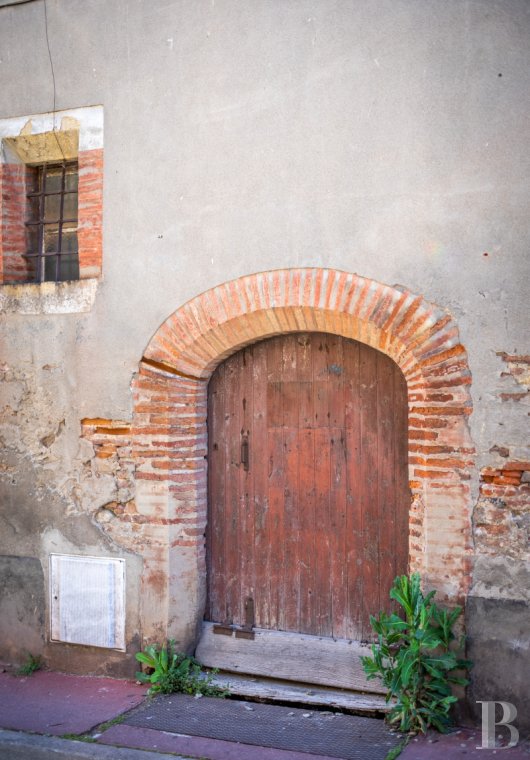
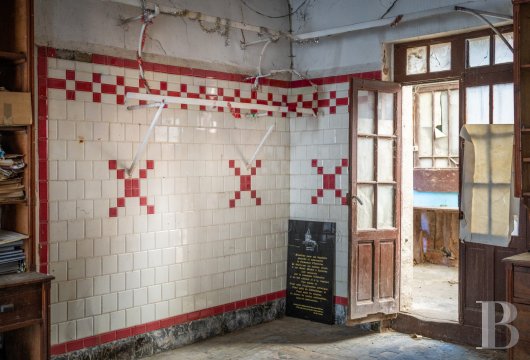
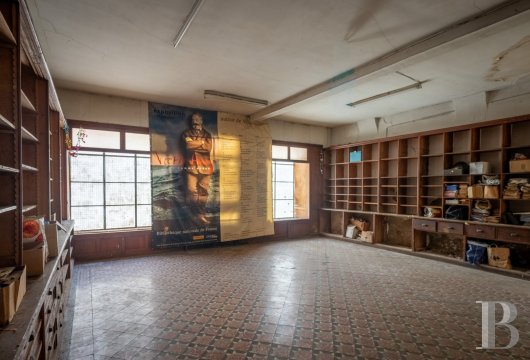
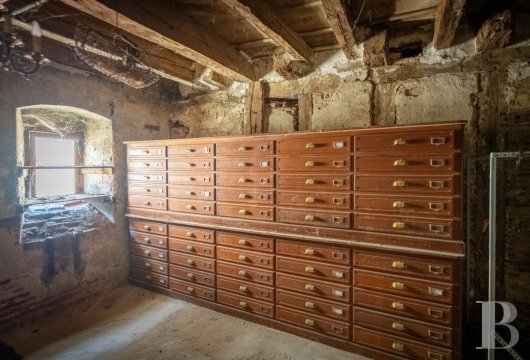
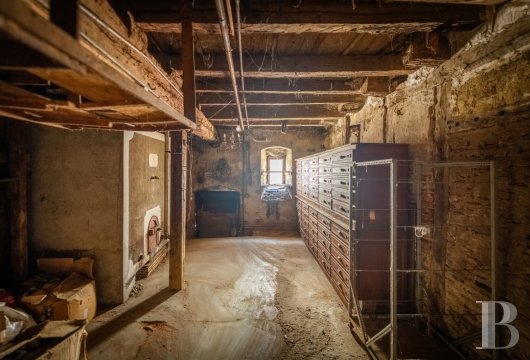
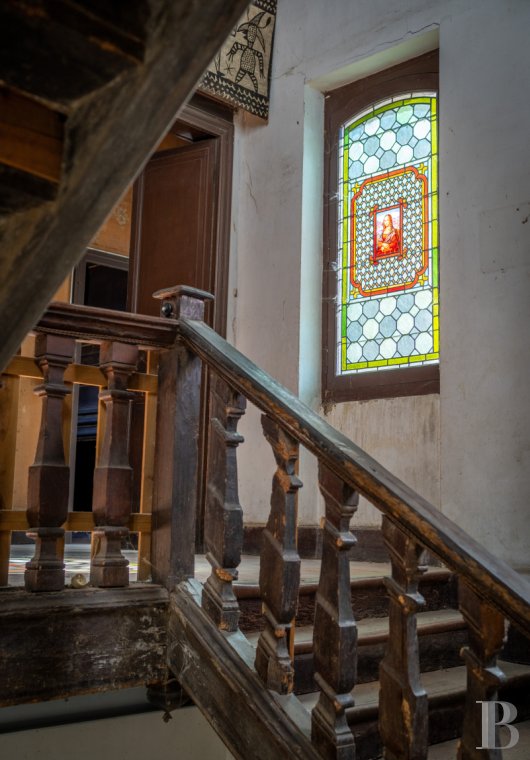
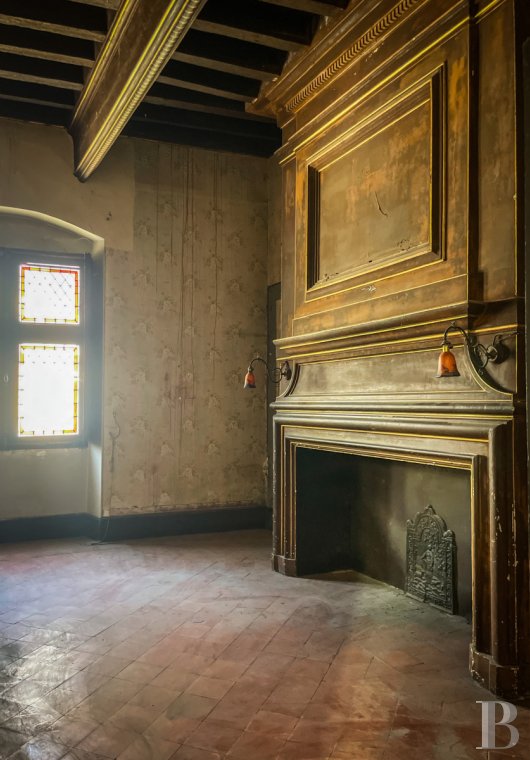
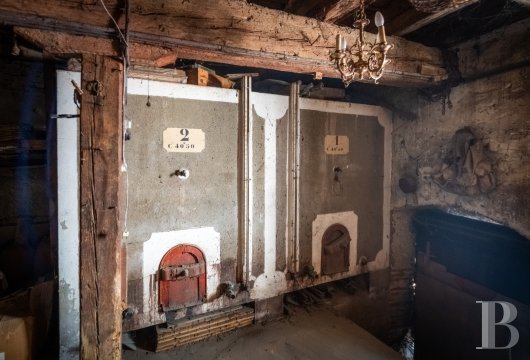
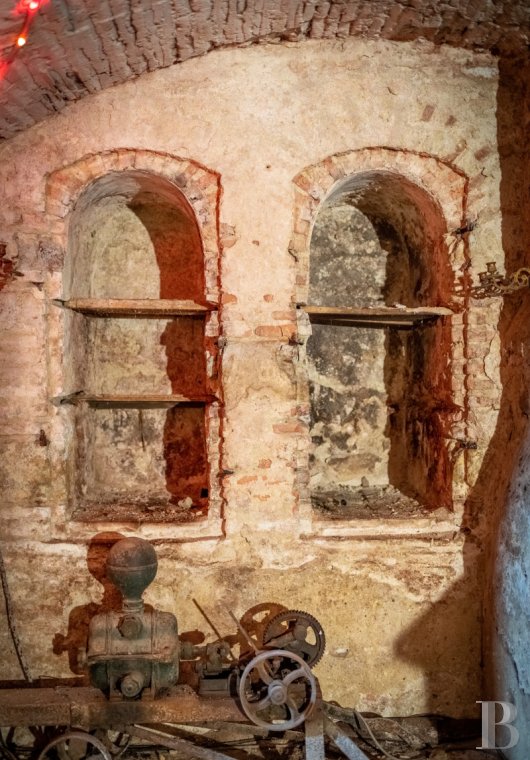
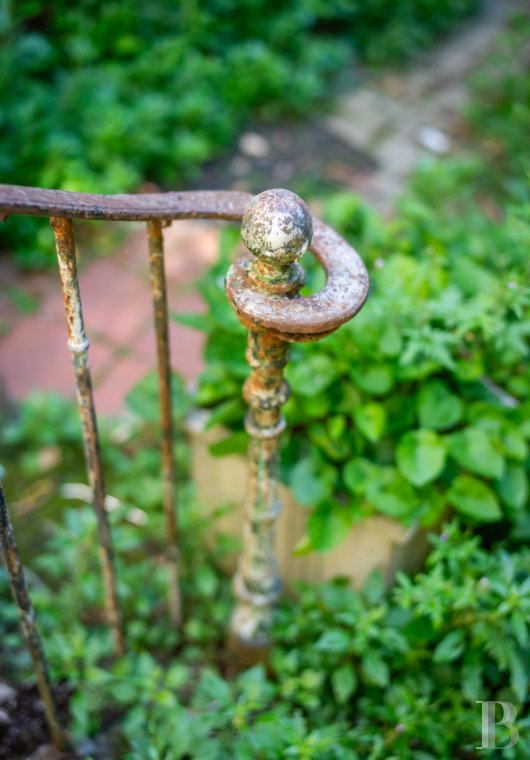
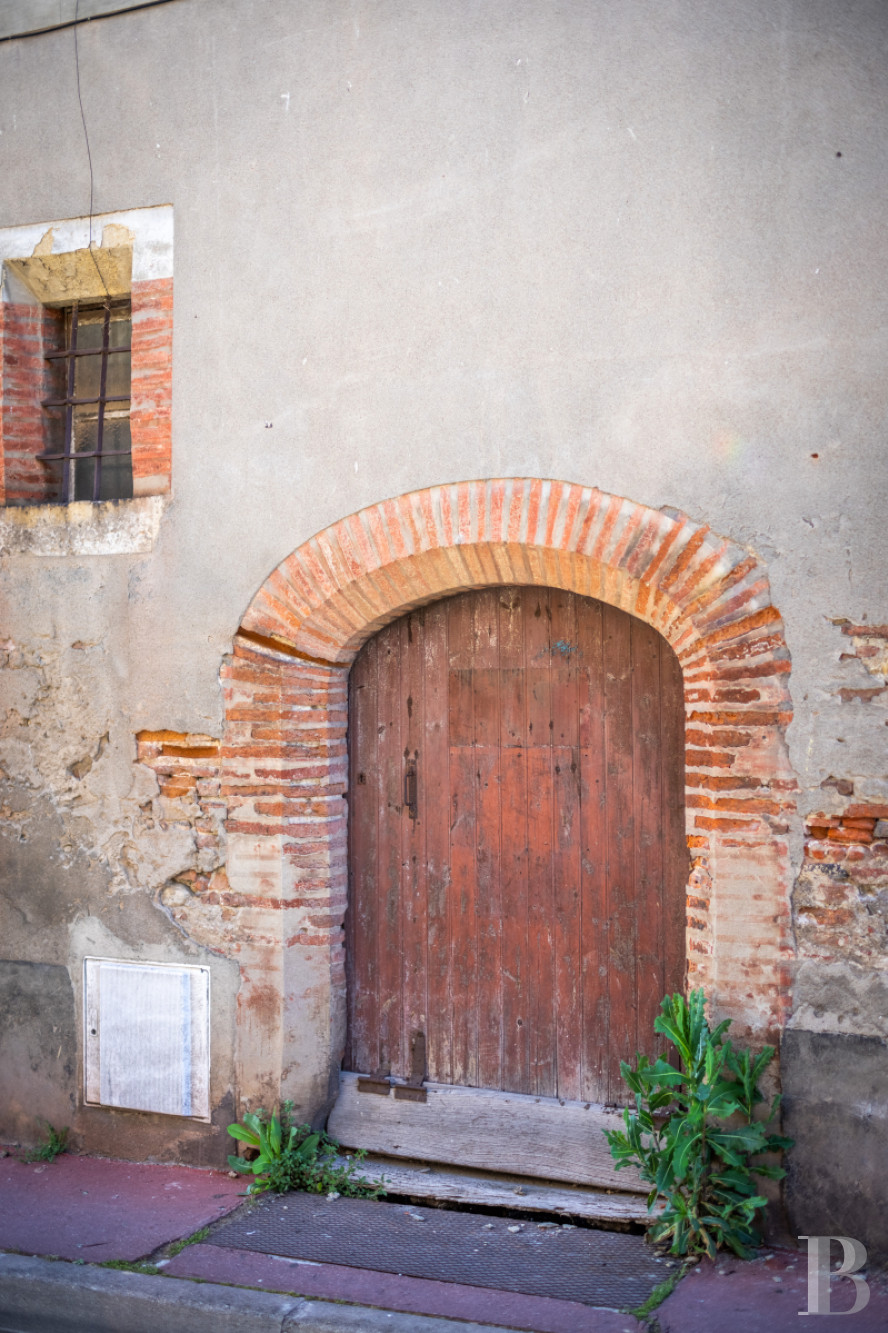
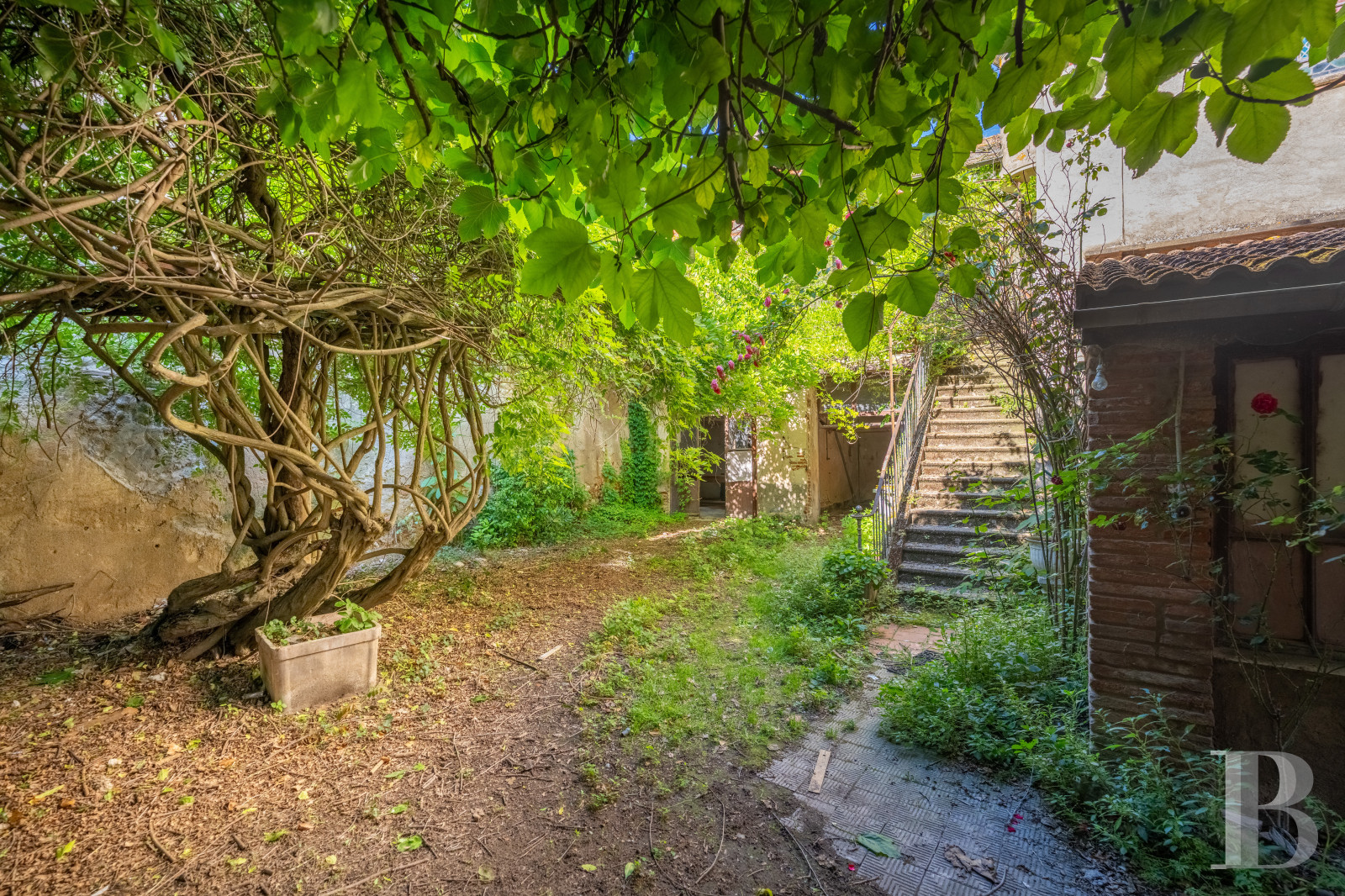
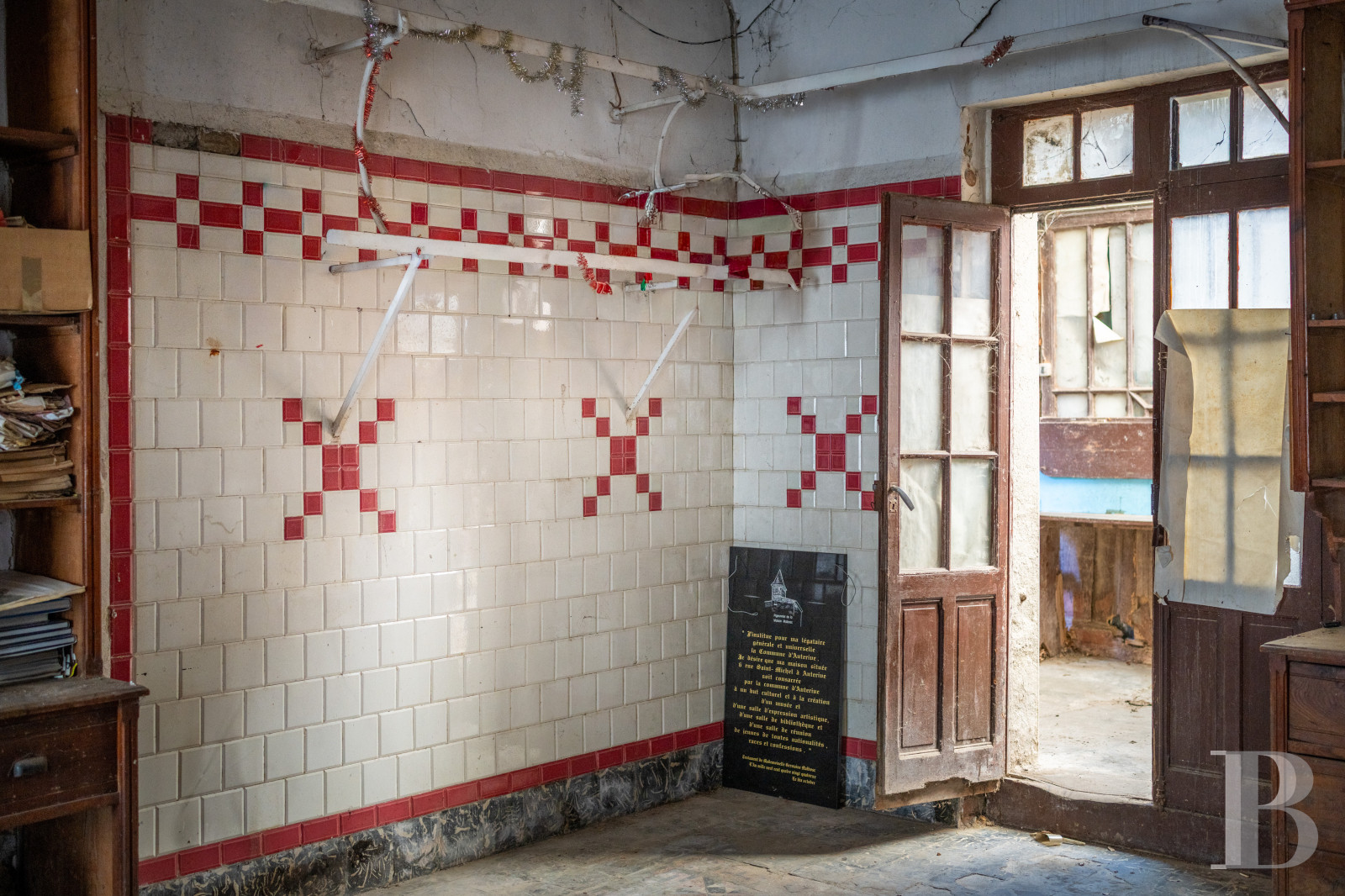
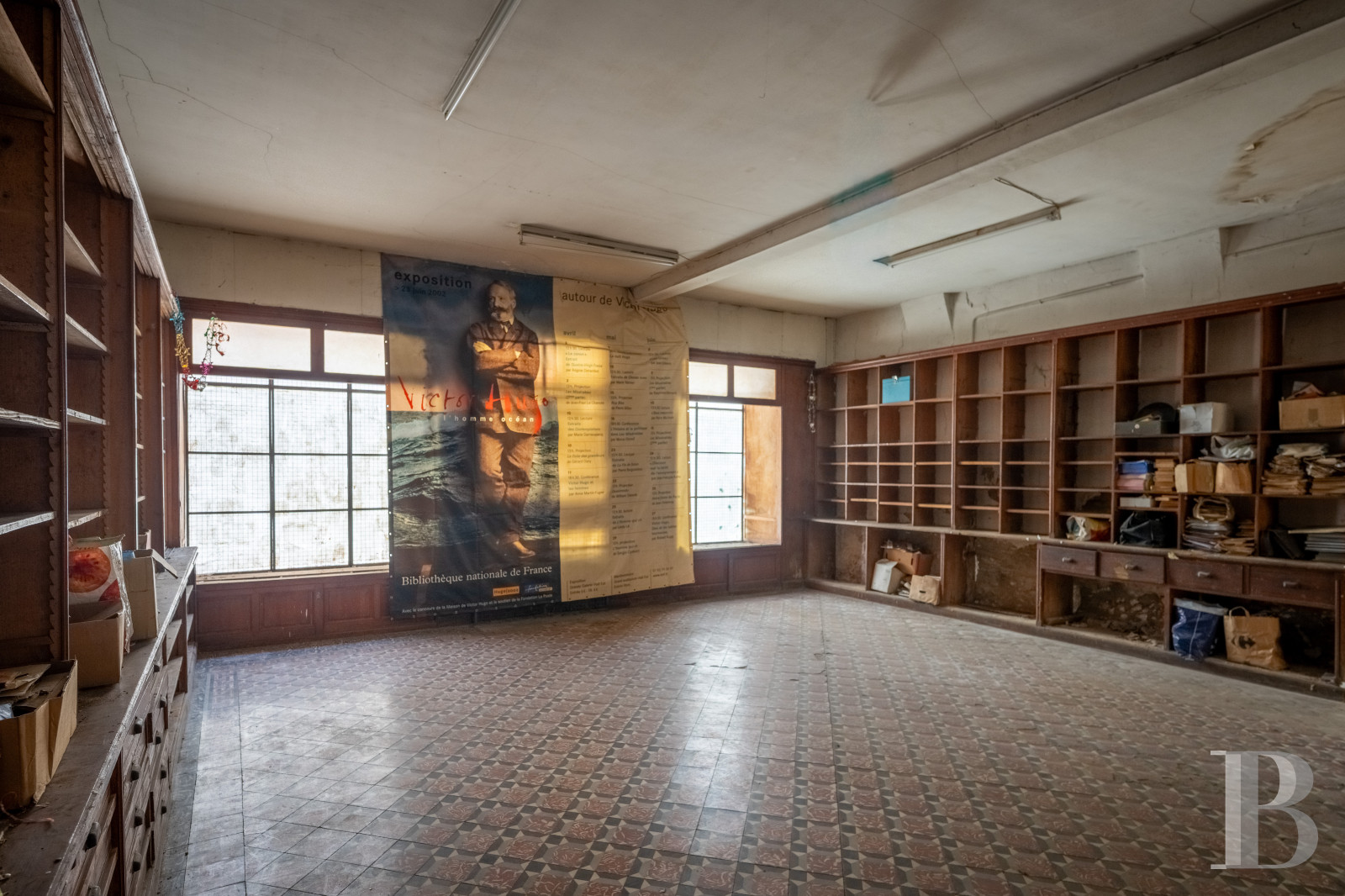
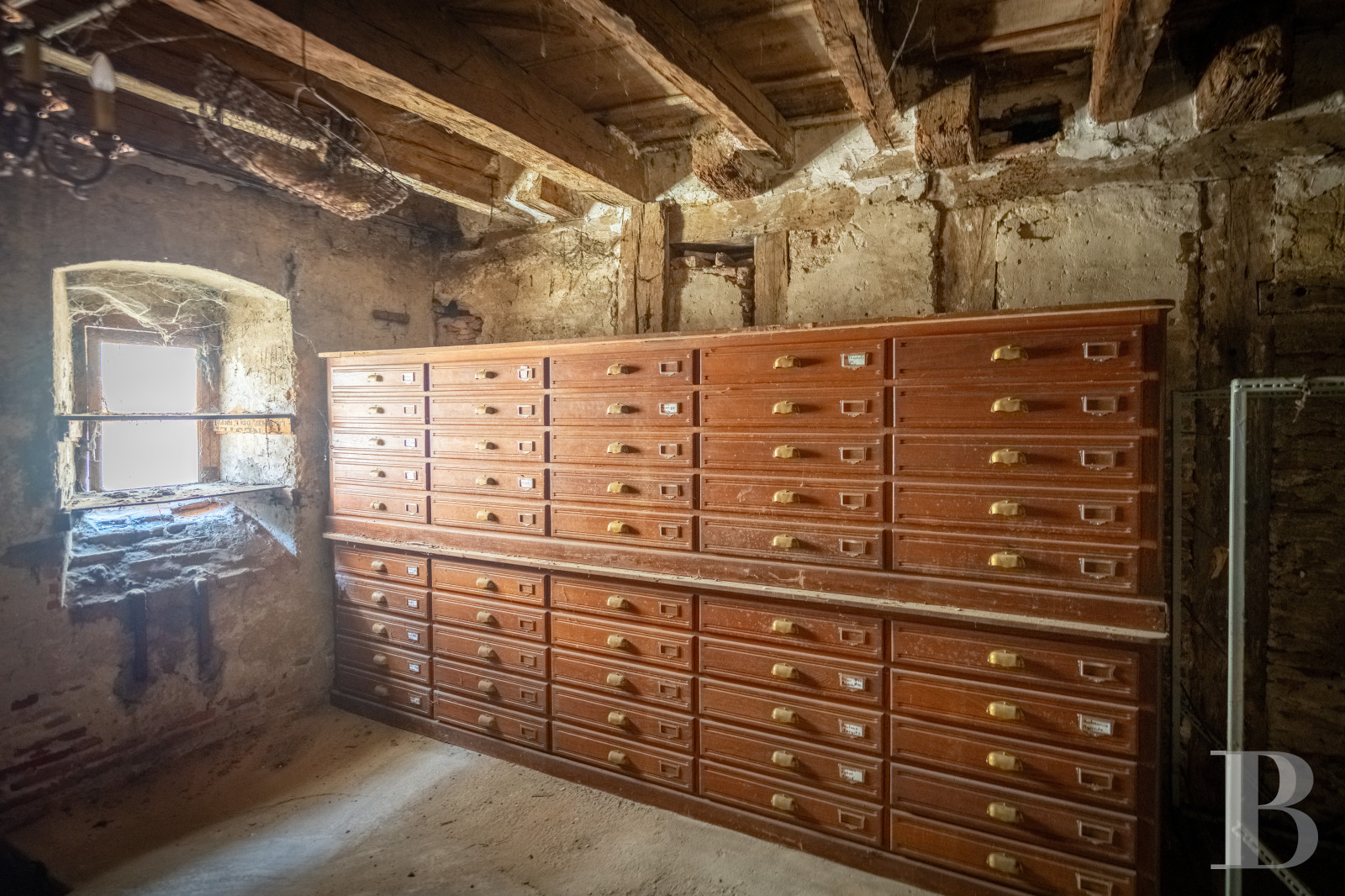
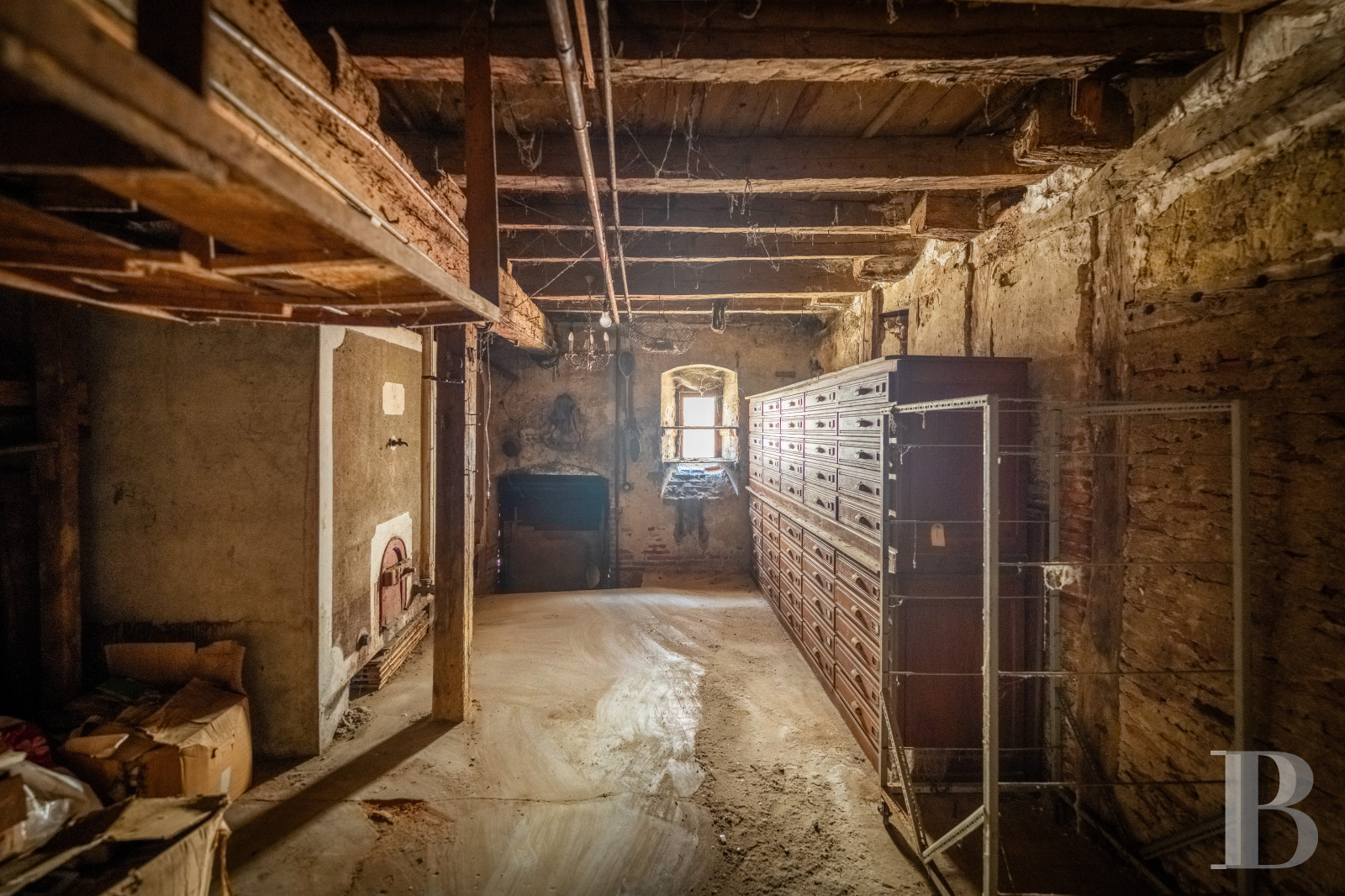
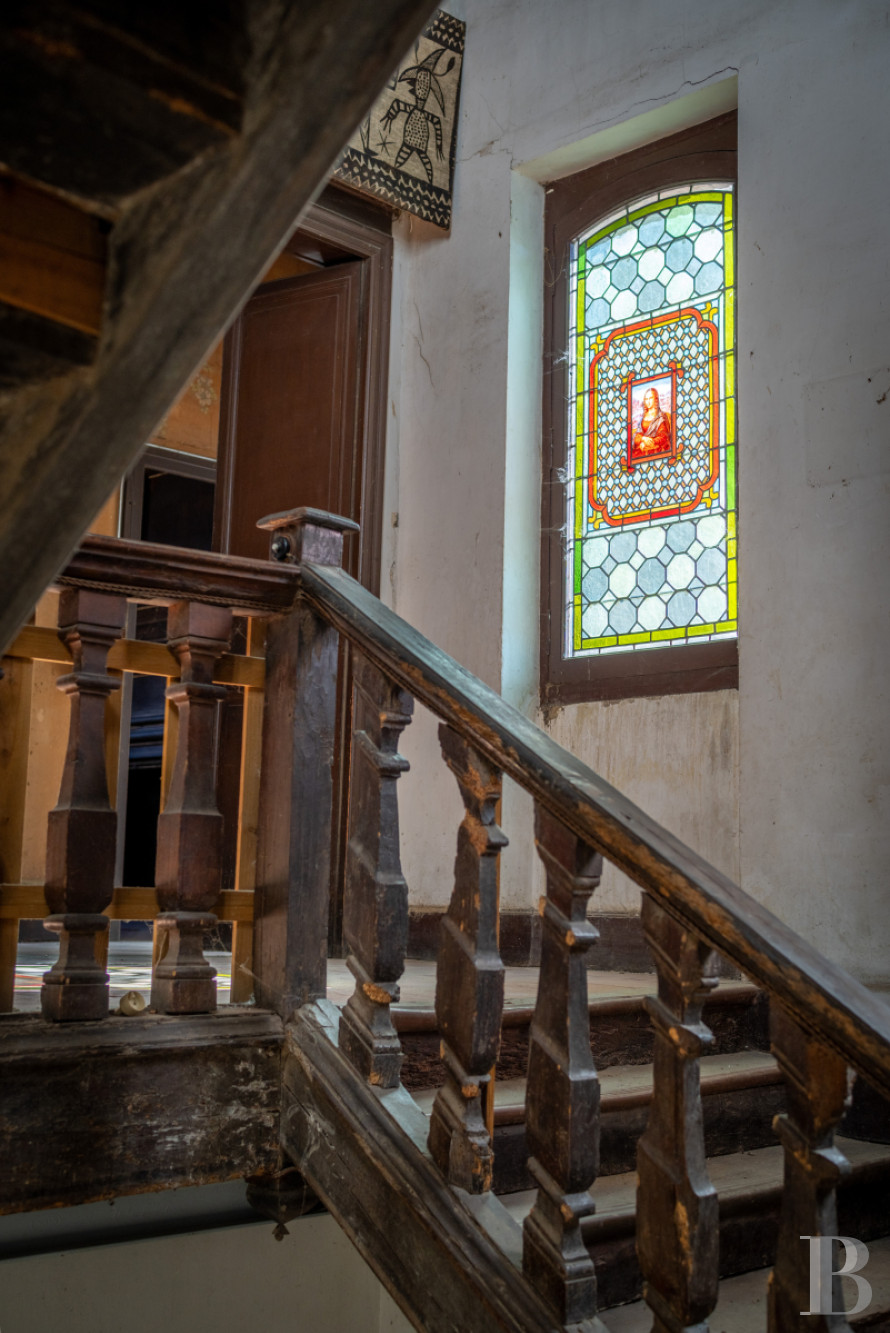
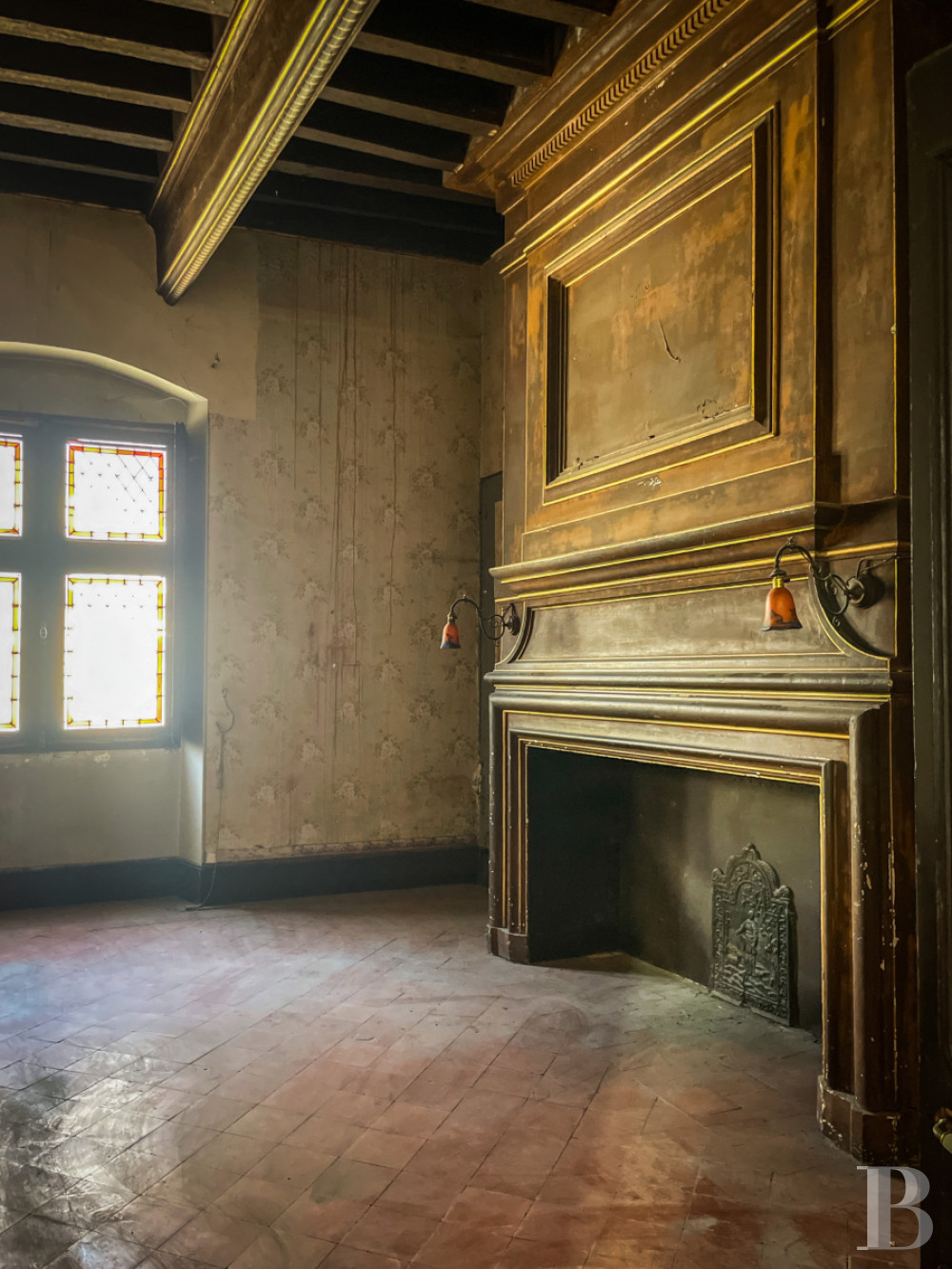
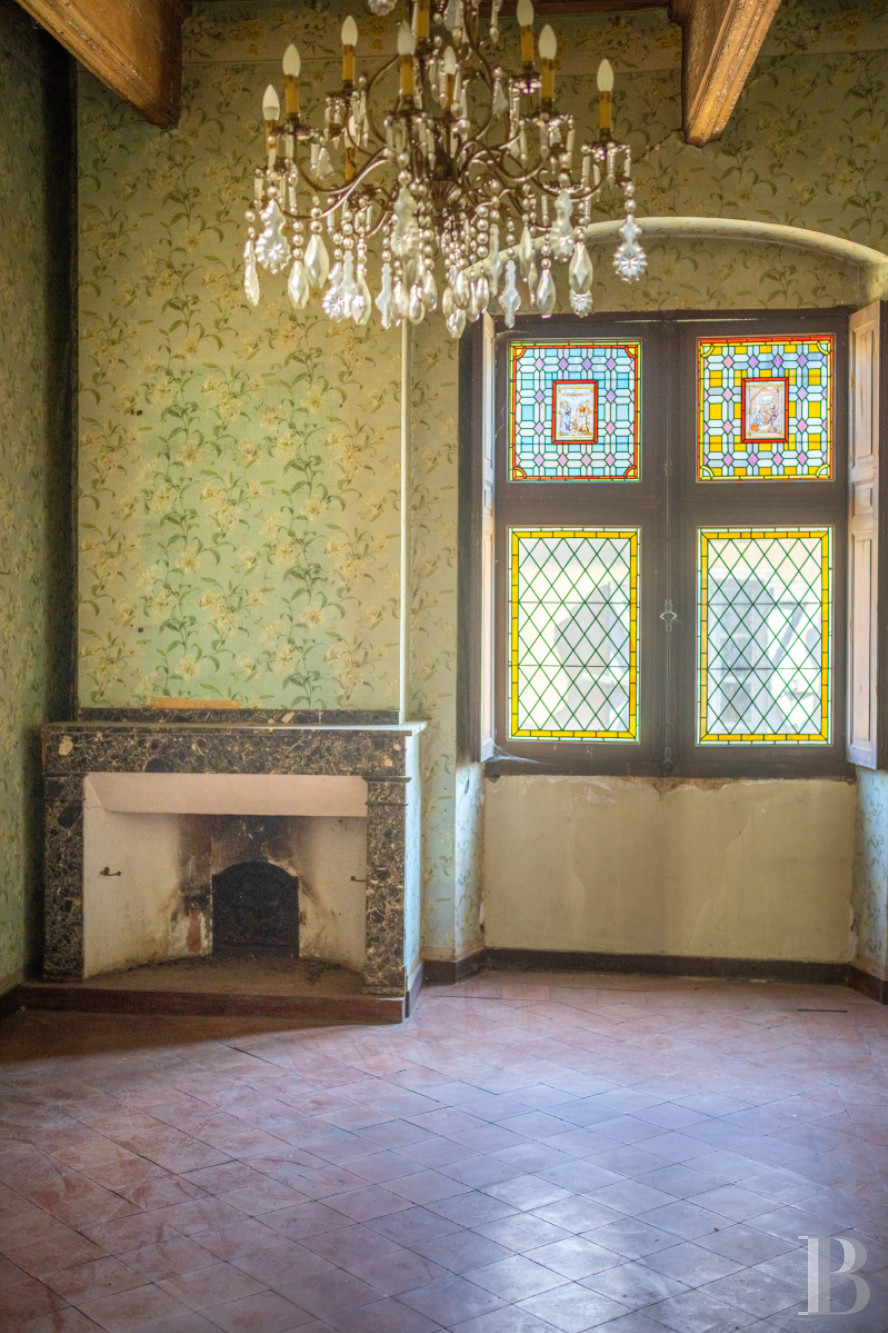
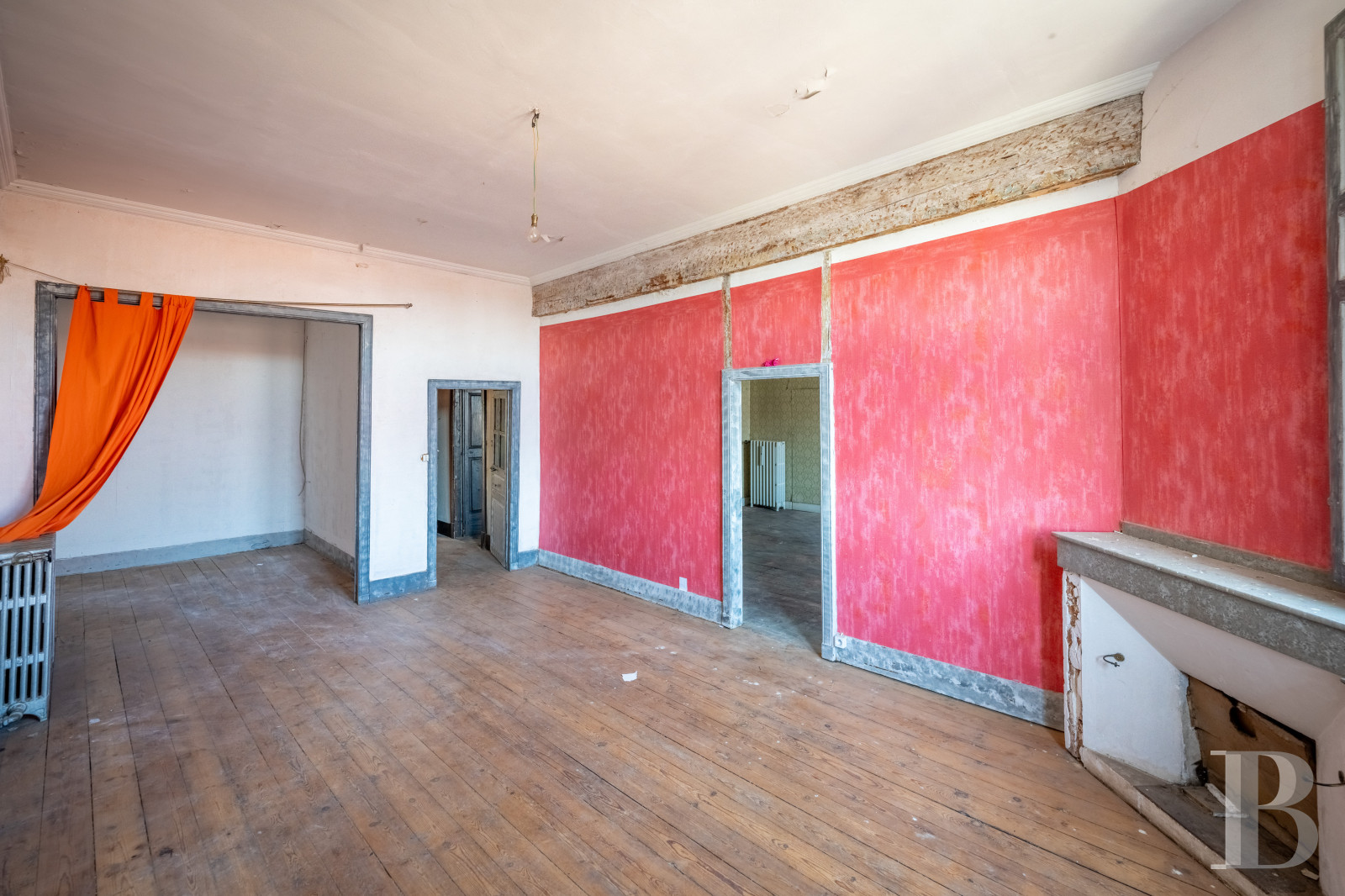
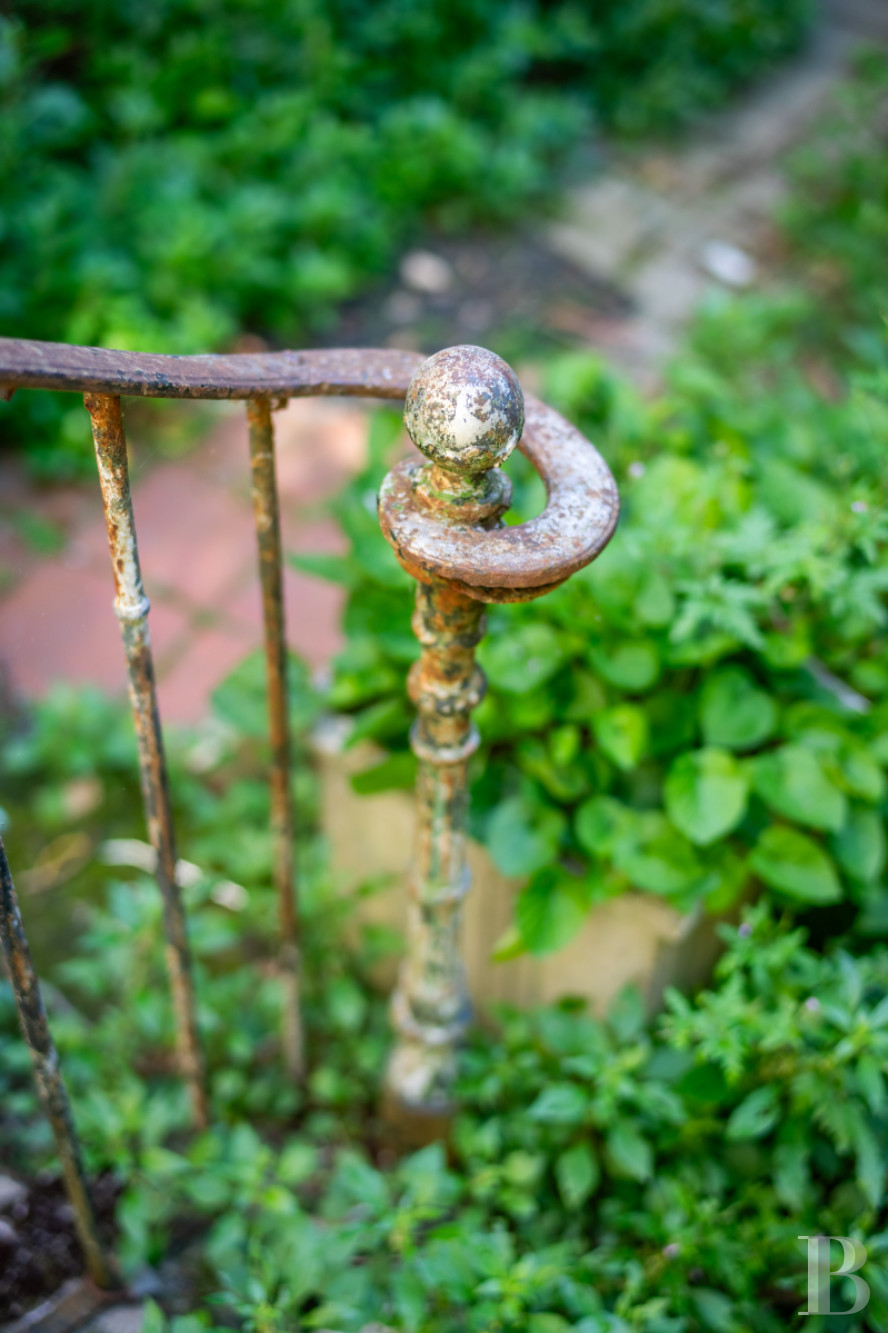
Hidden behind a Renaissance facade, the property is revealed as you follow a path that first leads to an L-shaped inner courtyard, which all the buildings are arranged around. A rare example of what was once a thriving business, it brings together former commercial premises, storage areas, service buildings and residential flats under one roof. As as you enter, a spacious shop that opens onto the street has retained most of its original layout. The wooden shelving, the wall tiles, the counters, the glass-fronted desk and the storerooms still bear witness to the daily life of a former shop. Further on, there is a vaulted cellar, an old safe, a remarkable set of scales and various other features that are traces of the bustling activity that once characterised this place. On the mezzanine floor, the old wine cellars, the imposing boilers, the industrial-style storage units and the internal passageways all reinforce the sense of travelling back through a history that has remained intact. The upper levels, meanwhile, reveal a whole new world. Arranged around a spacious landing, the high-ceilinged living areas follow on one after the other; reception rooms, bedrooms, kitchens, bathrooms and service areas have retained much of their original features: monumental fireplaces, terracotta floor tiles, stained-glass windows, wood panelling, built-in cupboards and alcoves. A panelled library extends into a conservatory shaded by the surrounding greenery, whilst, set back above it, a final bedroom overlooks the garden. Outside, the courtyard extends around a stone staircase topped with a wrought-iron banister, a garage, former workshops and a service building whose layout is reminiscent of a preparation laboratory. Rose bushes, a fig tree and climbing plants soften the stone. Shops, workshops, storage areas and living quarters continue to coexist in silent harmony here, forming a unique and endearing ensemble.
The house
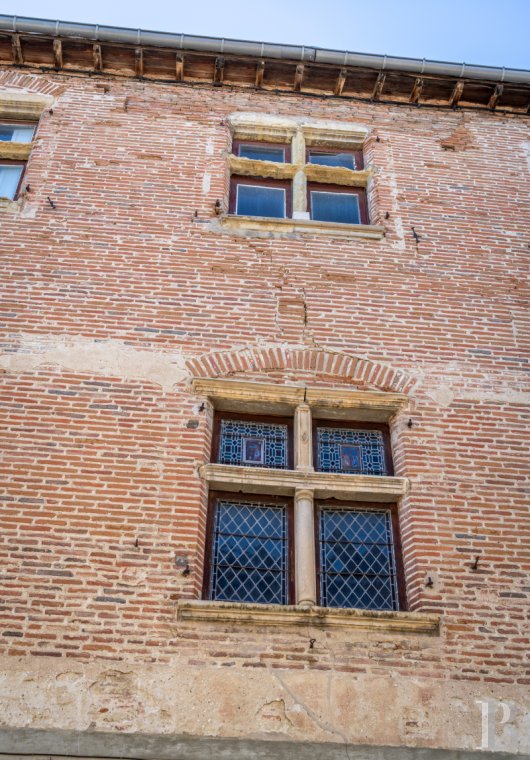
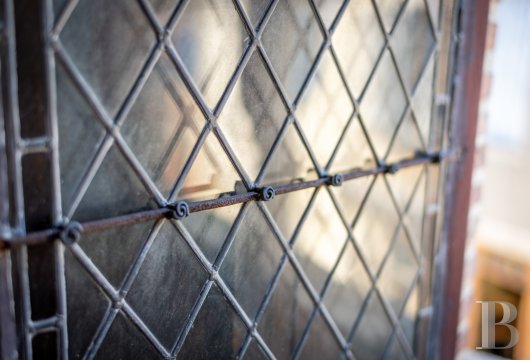
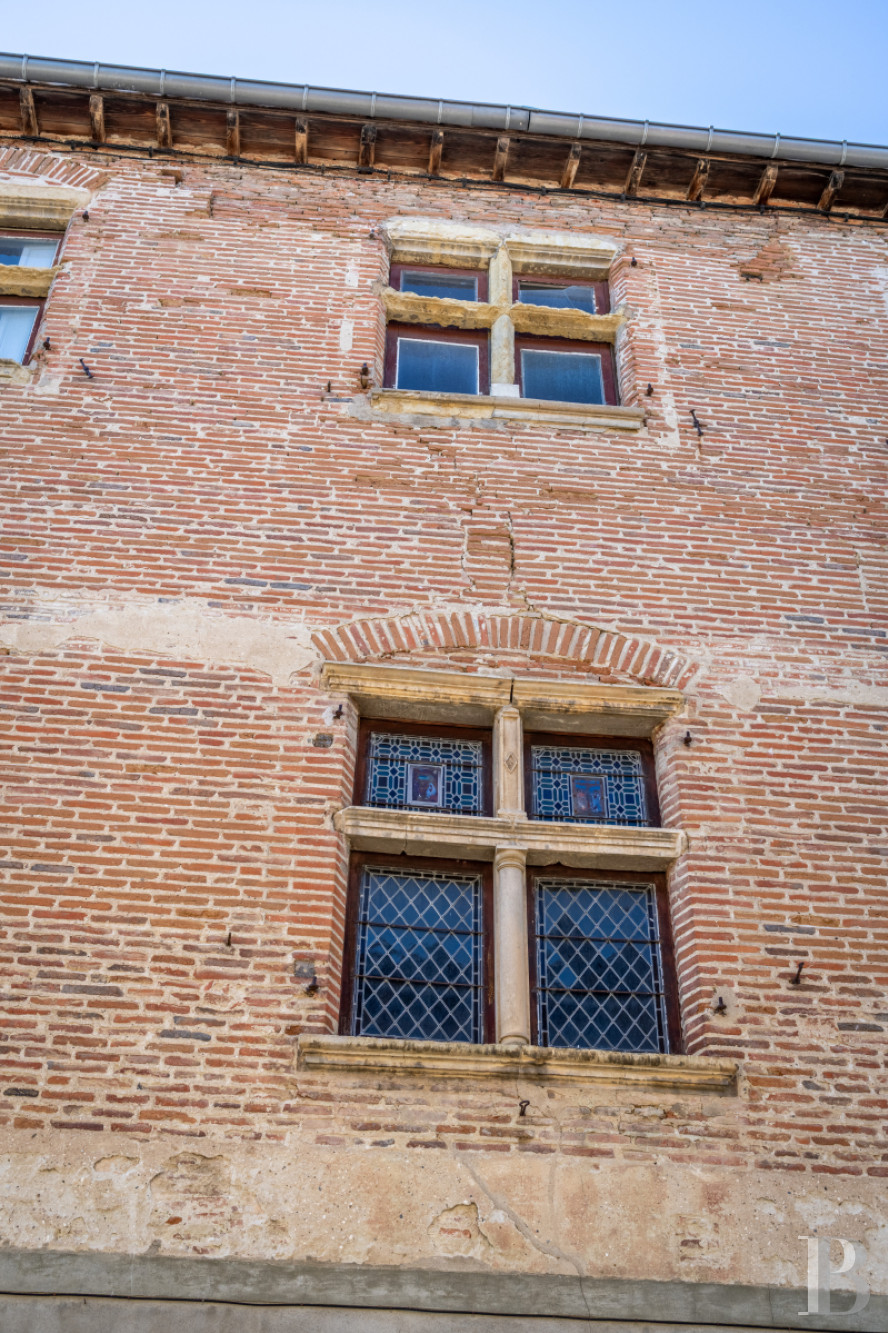
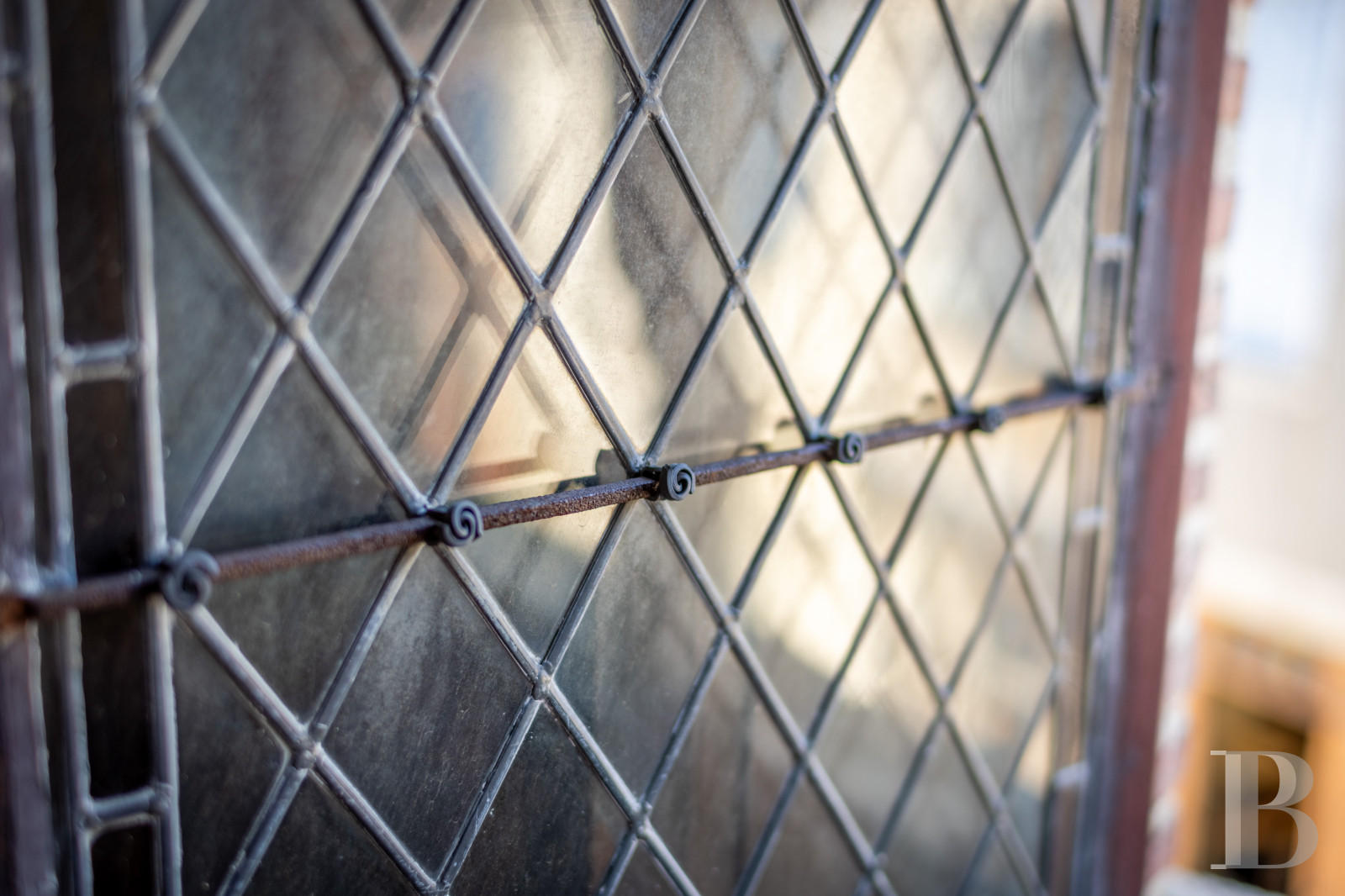
Known as the “Maison du Comte”, was built between 1532 and 1545 for Henri II of Navarre, then co-lord of Auterive. Henry III of Navarre, the future Henry IV, stopped off here and had dinner on 1 August 1584, whilst travelling through the Lauragais. Rising three storeys above its retail spaces, it features a brick facade on the street side whose layout echoes its former status. Six tall windows with stone mullions punctuate the storeys; some have retained their leaded stained-glass panes, whilst the pale stone frames stand out against the warm hue of the old bricks. The building’s proportions, its unusual height and the regular shape and location of its windows give it a distinctive presence in the Auterive townscape.
The ground floor
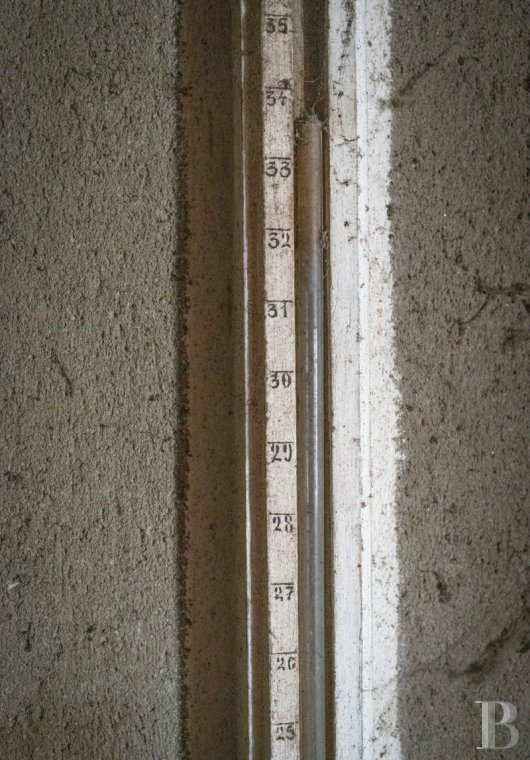
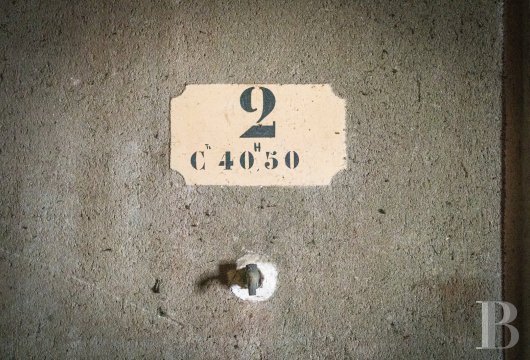
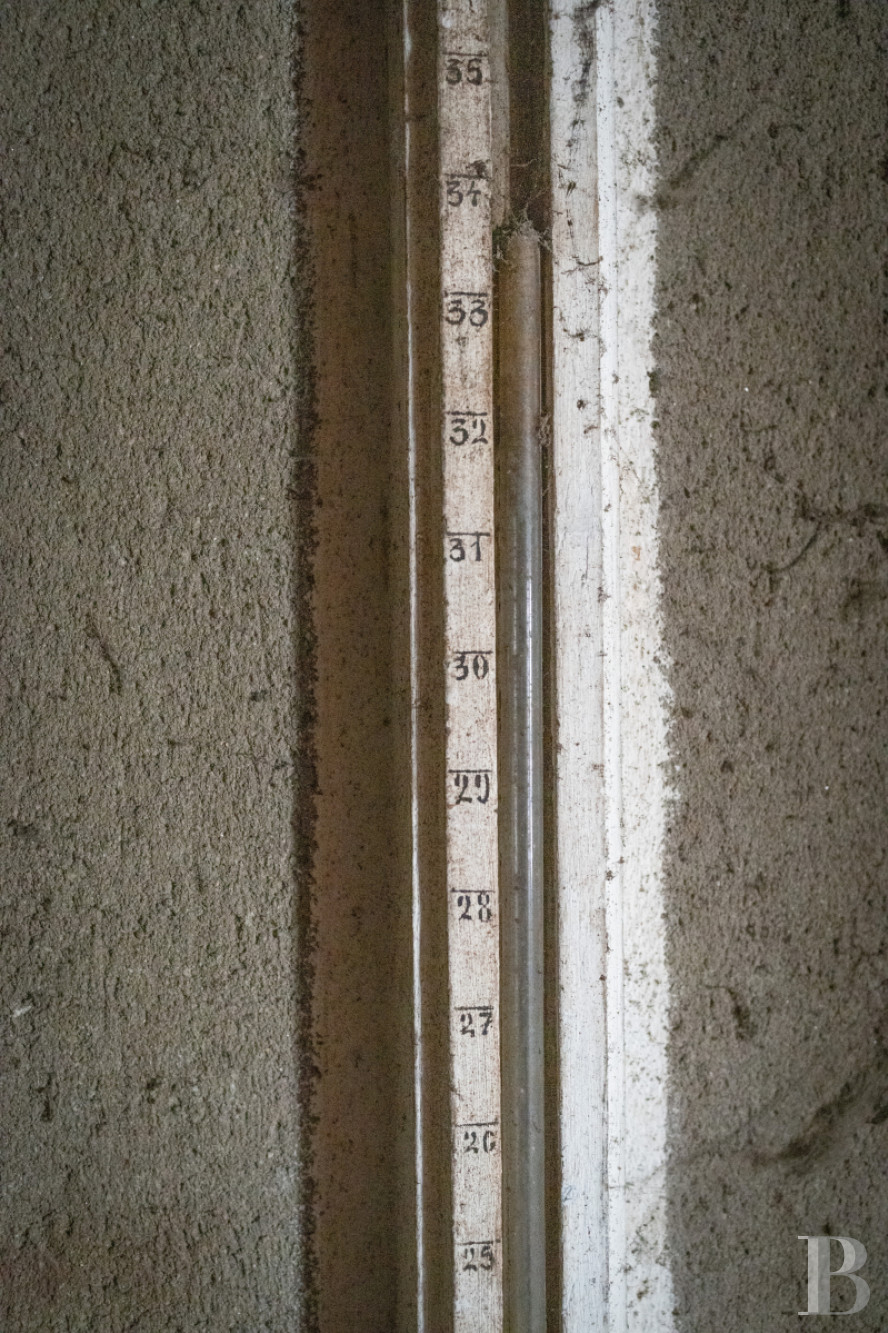
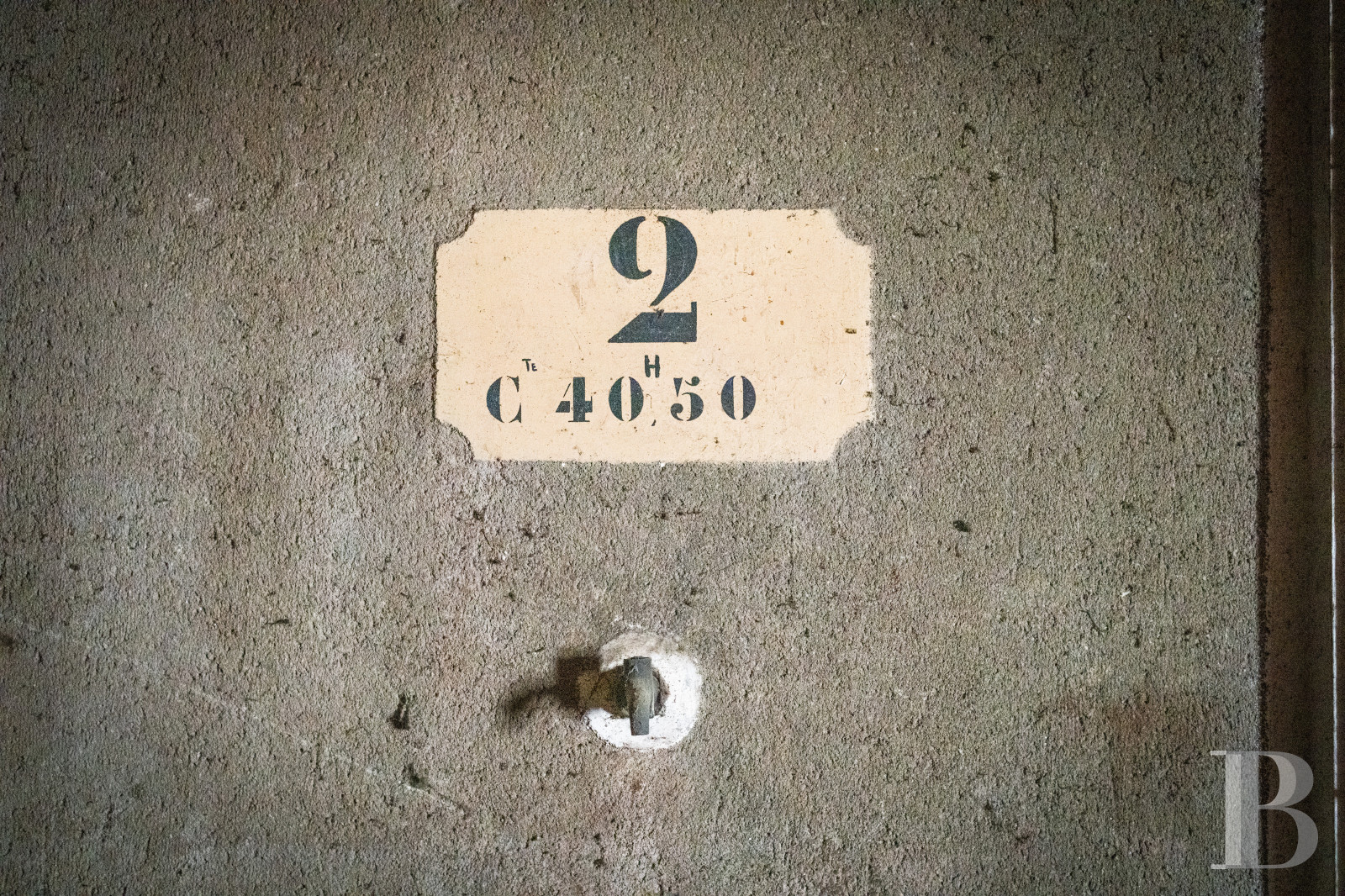
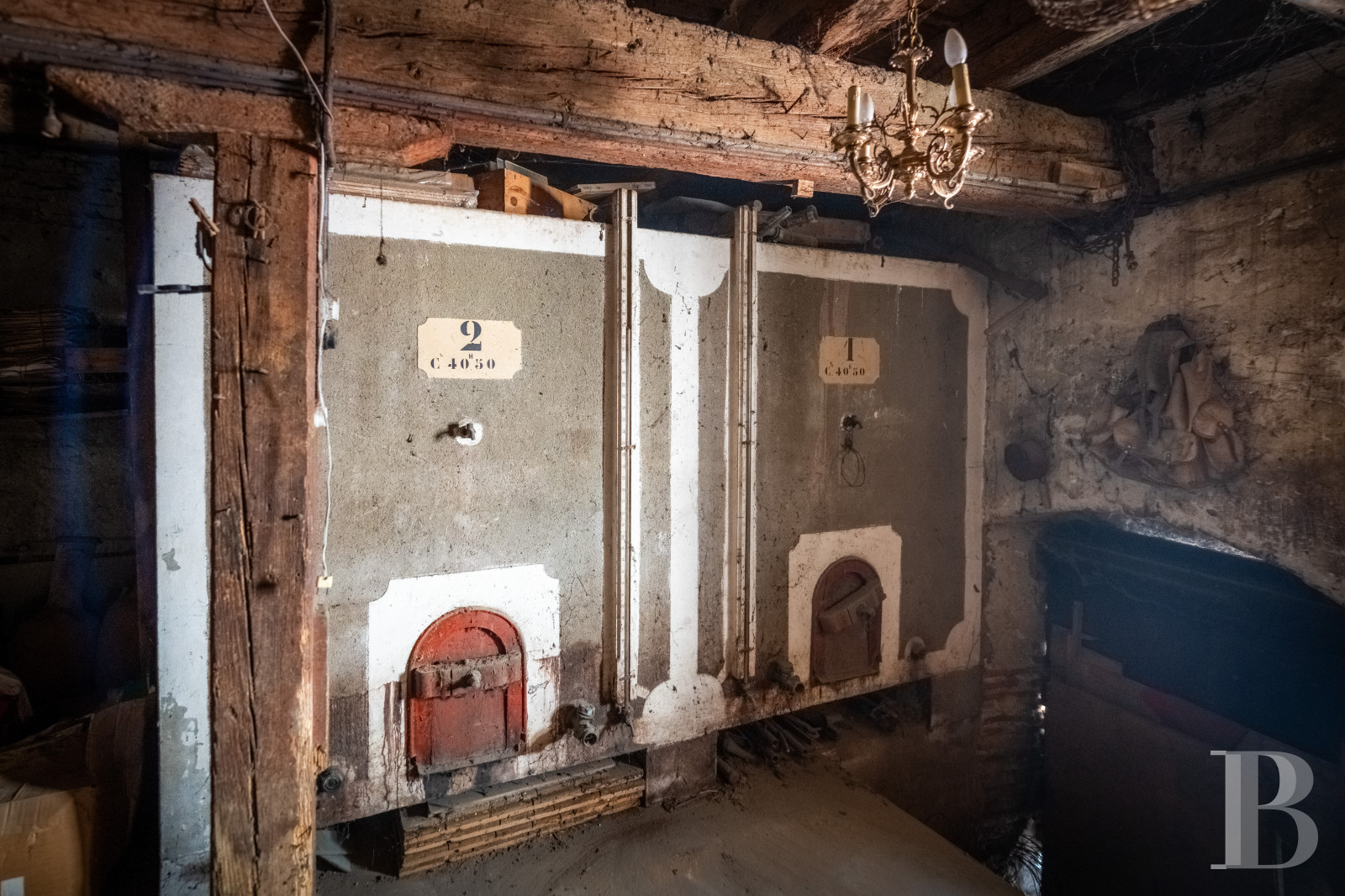
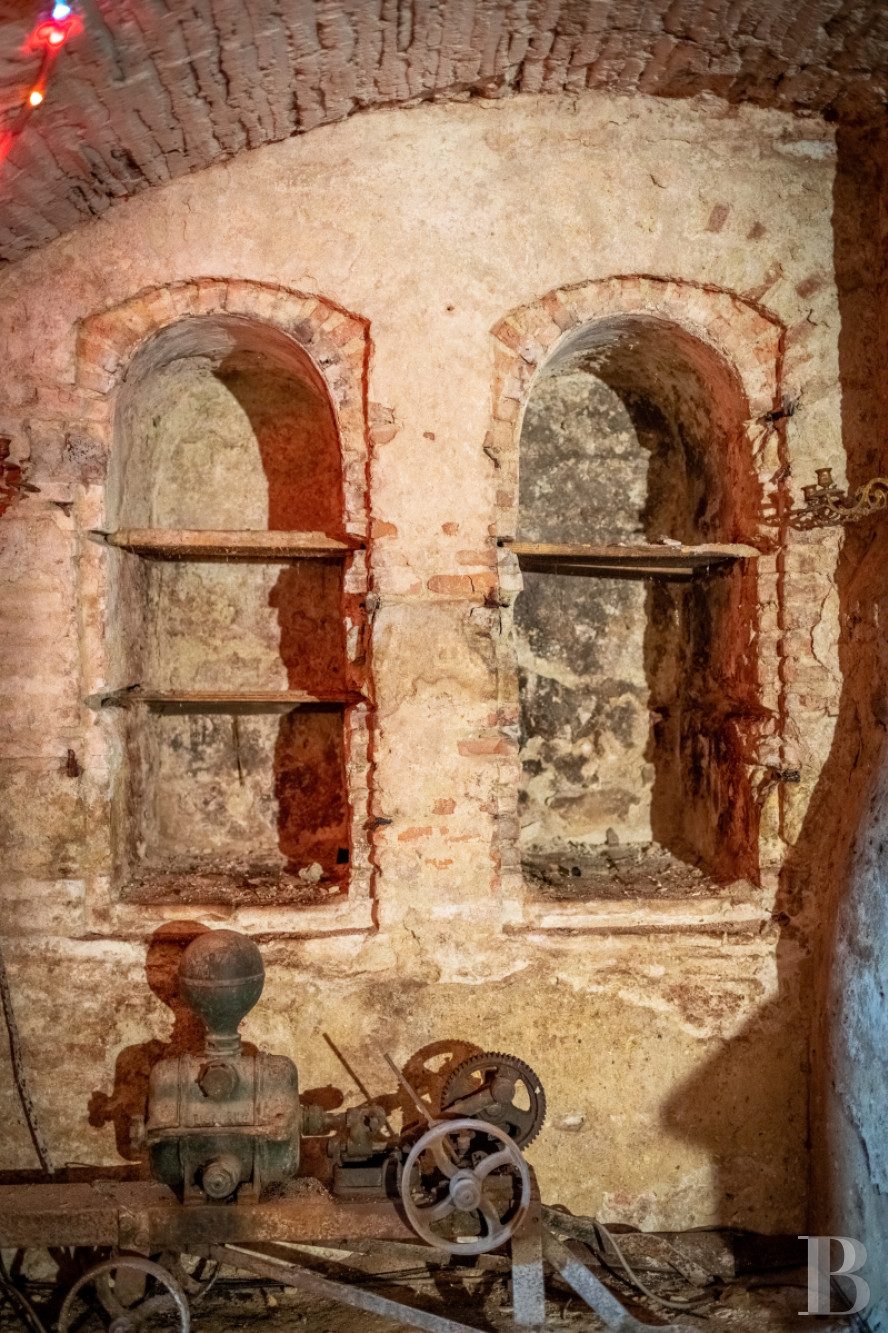
This demonstrates the commercial tradition that has long been a feature of the house. A space of around 100 m² opens up behind the large shop windows facing the street, bathed in abundant natural light. Adjoining this there are several service and storage areas: a former laboratory with glazed tiles, workshops, an office and a storeroom. An intermediate level features imposing storage vats with their original gauges, rare remnants of the village’s former trade. Below there is a typical Toulouse-style vaulted brick cellar, with arches running the entire length of the room. The entire property offers considerable potential, whilst also telling part of the economic and social history of Auterive.
The first floor
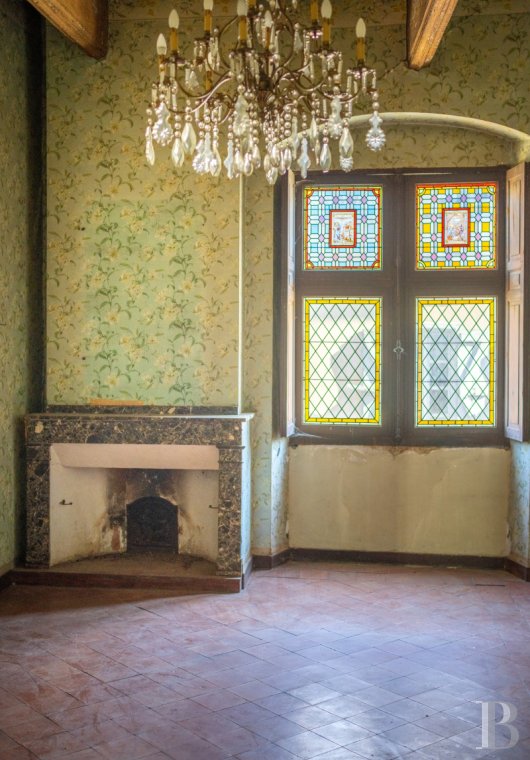
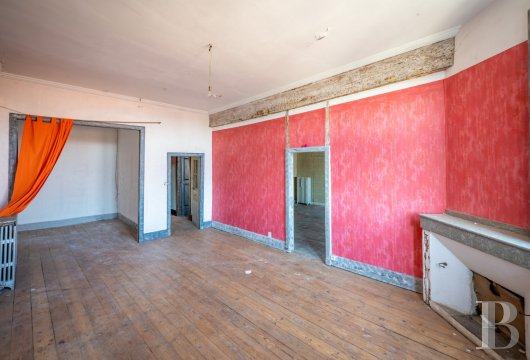
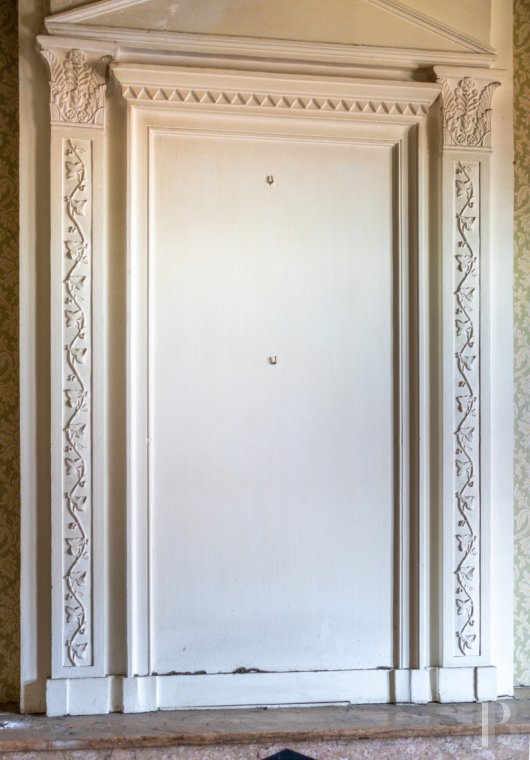
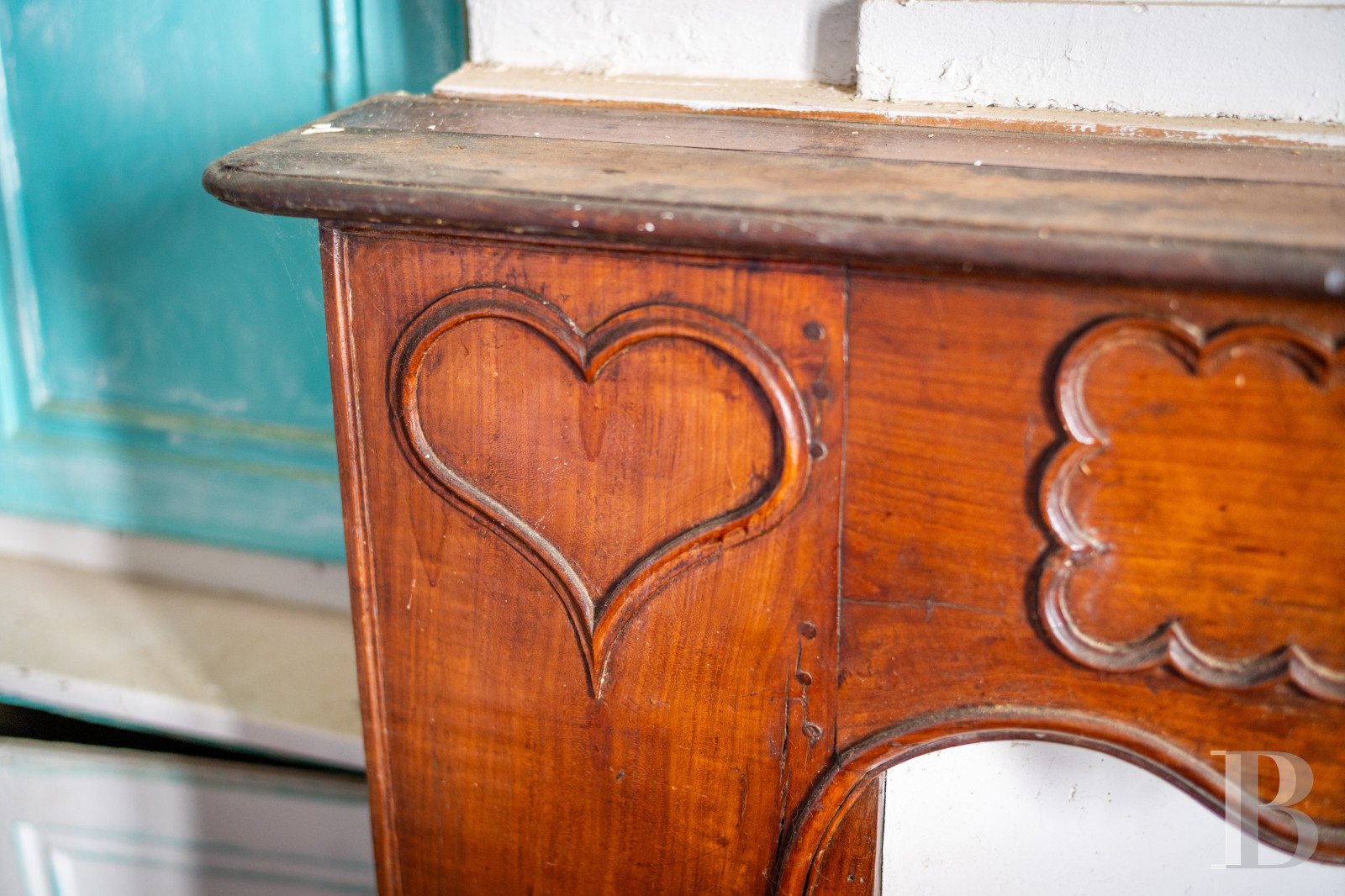
This houses the main living areas and could constitute a self-contained flat. The lounge is a central feature of the flat. Two bedrooms, one of which features colourful stained-glass windows, each have their own en-suite shower rooms and bathrooms. The dining room, featuring a painted fireplace, opens onto the kitchen, which has retained its 1950s decor, with its blue and cream chequered tiling, fitted sink, bright turquoise wood panelling and vibrant paint. Extending on from this, a conservatory overlooking the garden brings light and greenery to the space. Finally, a library completes this floor, which has numerous period features: terracotta floor tiles, fireplaces, panelling, stained-glass windows and original joinery.
The second floor
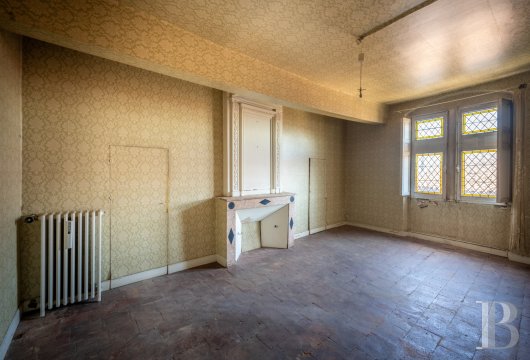
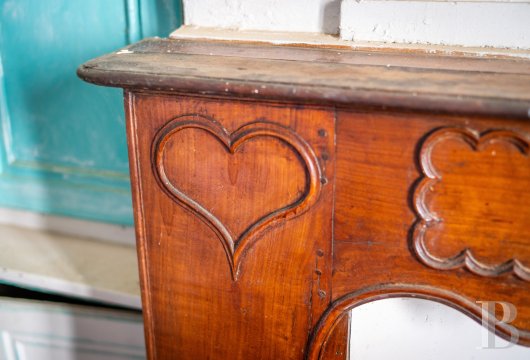
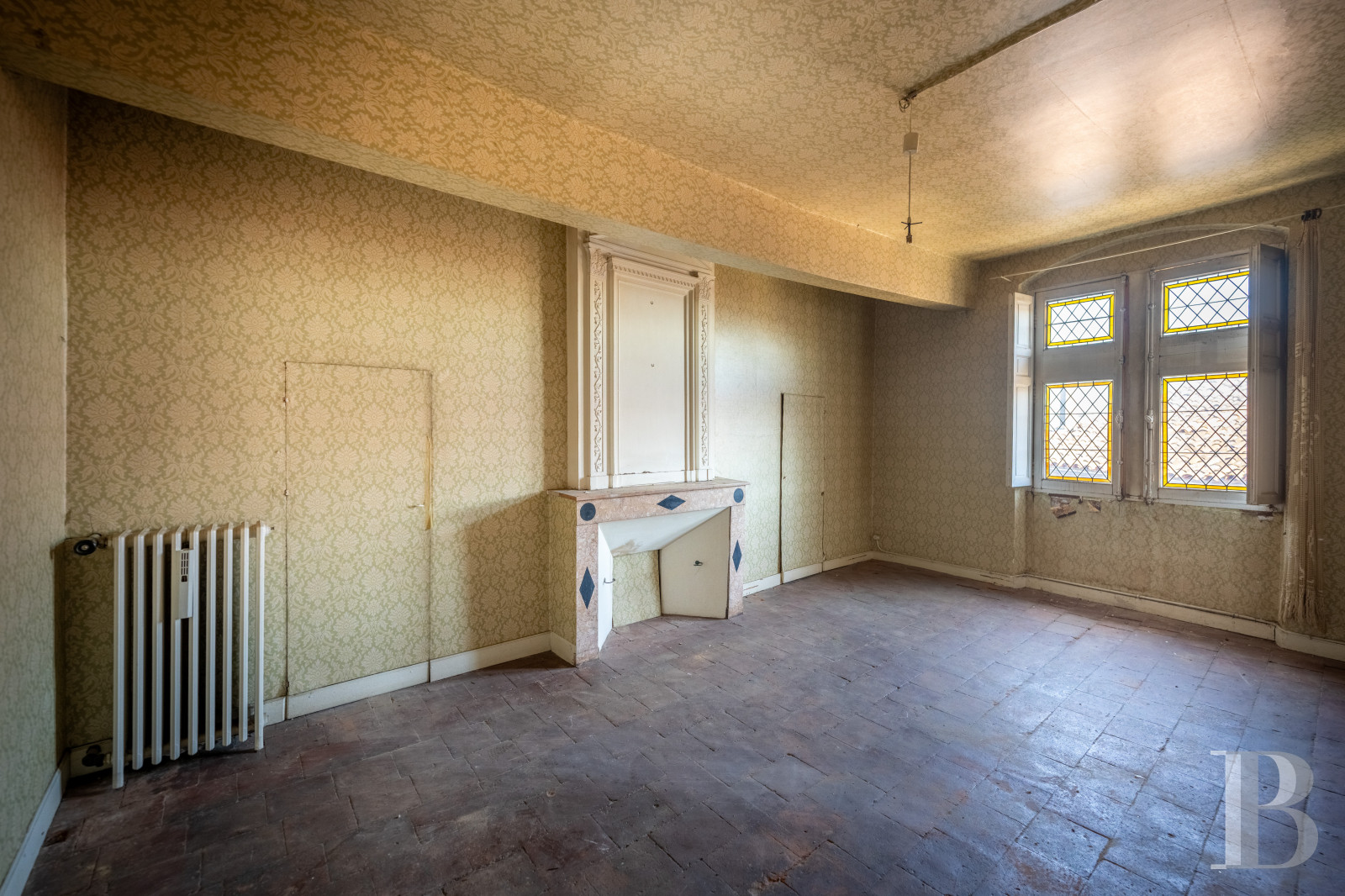
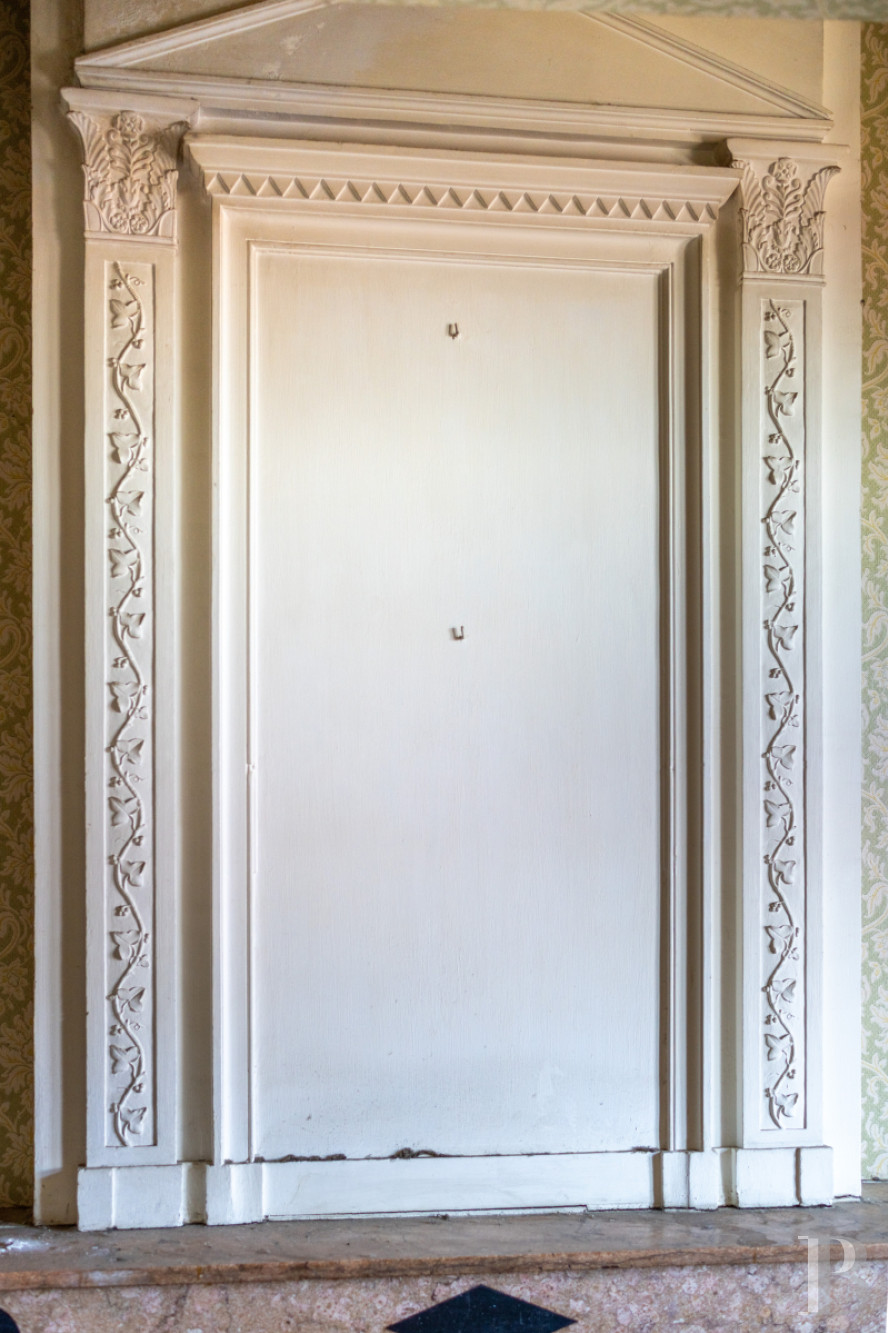
This comprises a former kitchen, which opens onto a dining room with a floor laid with antique terracotta tiles, where the richly decorated fireplace is the main feature. Next there are two adjoining bedrooms, each with its own fireplace. One of them features an alcove and built-in cupboards preserved from the past. There is a discreetly incorporated bathroom. A little further away there is an additional bedroom, facing the garden, from which there is a view of the historic centre’s old facades. The wallpaper, stained-glass windows and interior layout still tell the story of daily life in a family home that has remained true to its original character.
The attic
Beneath the roof, an attic which is accessible via a hatch covers the entire surface area of the house.
The courtyard
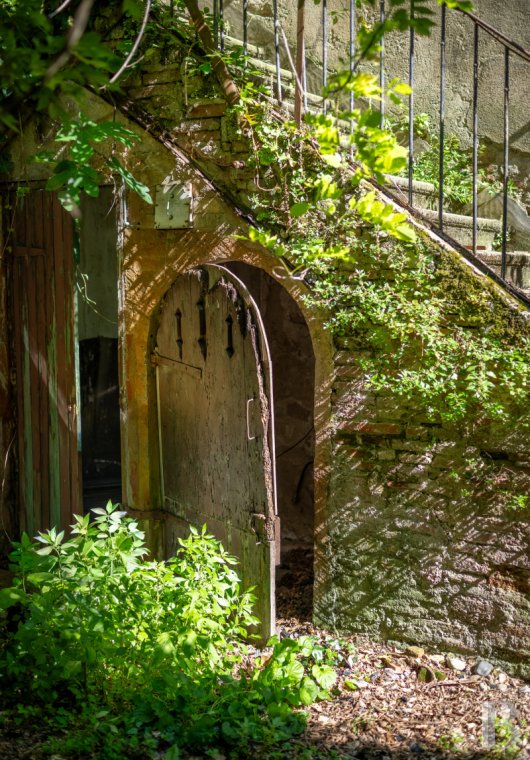
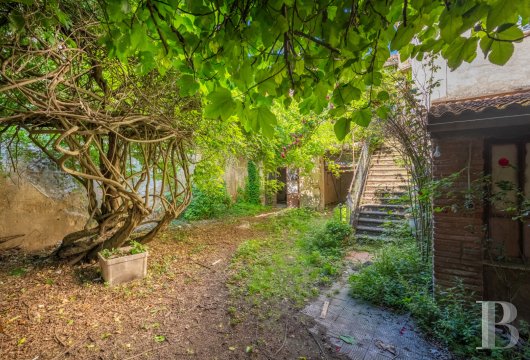
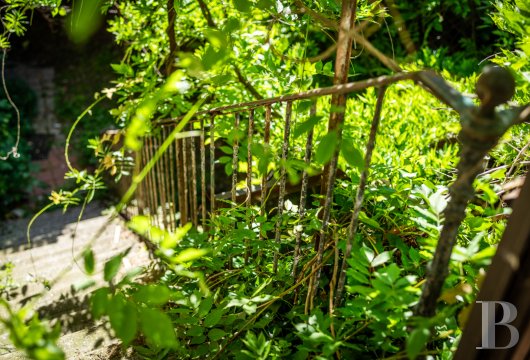
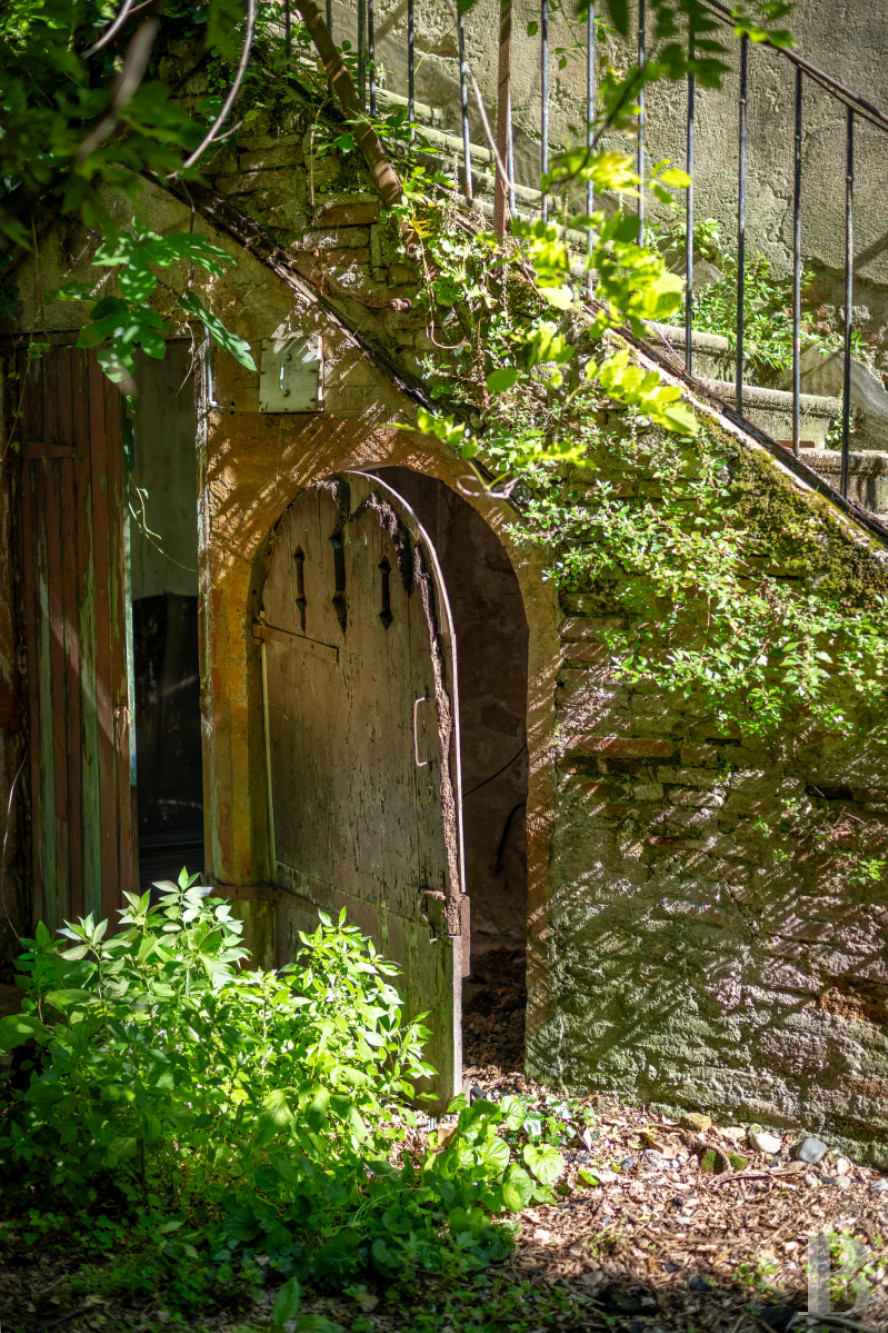
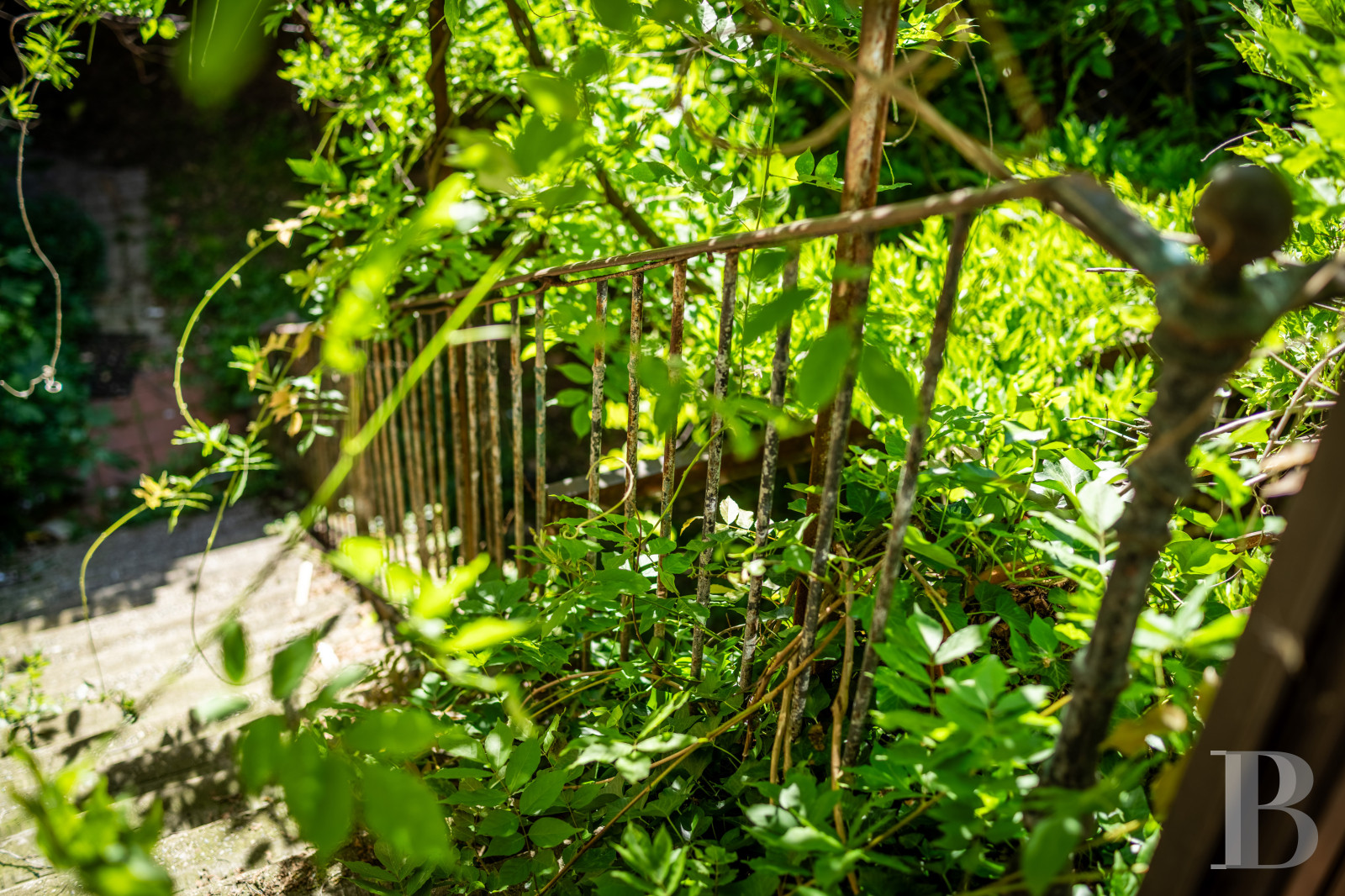
Accessed via a double-leaf wrought-iron gate, there is an L-shaped courtyard and garden covering an area of approximately 170 m² which is sheltered from view. An old wisteria, with its gnarled trunk, casts its shade here and seems to converse with a fig tree, whilst lush vegetation clings to the walls and the ironwork, weathered by time. An external staircase leads to the veranda, which overlooks the whole property. A few period architectural features, including the moulded columns that support it, are a reminder of the house’s former status. From the steps, there is a view above the canopy of trees, towards the rooftops of the historic centre, a half-timbered facade and the neighbouring bell tower which towers over the gardens.
Our opinion
If there is one property that deserves being brought back to life, this is it. With a history stretching back centuries, it has weathered the ages, and still retains many traces of the past. Whether they were Counts of Foix, Kings of Navarre, committed members of the Resistance, doctors or traders, its successive occupants have shaped history, leaving their mark on the place, guided by a certain vision of humanity. The current owners are ready to pass the baton to anyone who will respect the spirit of the house and carry on the adventure. There is no doubt that the lineages that have succeeded one another here will provide invisible support to the valiant souls who take on the mission of restoring the nobility of the Maison du Comte, and that this endeavour will be an endless source of satisfaction for those who set about the task.
Reference 830562
| Main building floor area | 360 m² |
French Energy Performance Diagnosis
Information on the risks to which this property is exposed is available on the website: www.georisques.gouv.fr
Share


NB: The above information is not only the result of our visit to the property; it is also based on information provided by the current owner. It is by no means comprehensive or strictly accurate especially where surface areas and construction dates are concerned. We cannot, therefore, be held liable for any misrepresentation.