



A 19th-century manor house and its immense garden,
in the south of the Seine-et-Marne department
in the south of the Seine-et-Marne department
Montereau-Fault-Yonne,
SEINE-ET-MARNE
ile-de-france
77130
FR

Location
In the southeast of the Ile-de-France region, about twenty minutes from the imperial city of Fontainebleau, the manor house overlooks a meticulously landscaped garden, while, located in Varennes-sur-Seine, the property is nestled within a pleasant and residential environment not far from the town’s local shops.
In addition, Montereau-Fault-Yonne, only a few minutes away, features all services, schools, medical facilities and an SNCF train station, all accessible on foot, bicycle or car in just a couple minutes. As for the capital, one hour from the property, it can be reached via the many trains departing from Montereau’s train station and arriving at Paris’s Gare de Lyon in 55 minutes, while the Porte d’Orléans is approximately 80 kilometres away.
Description
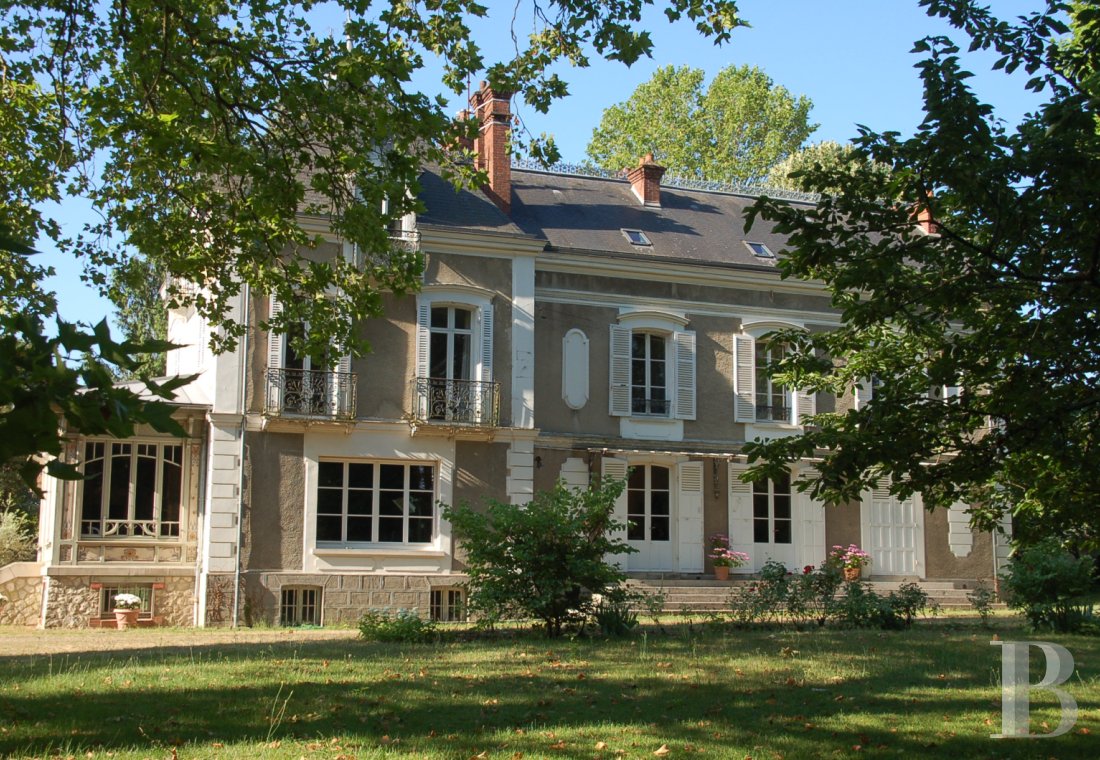
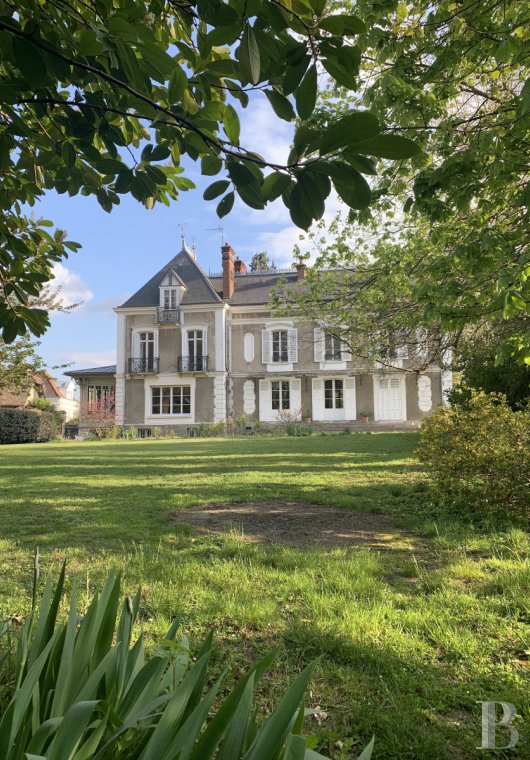
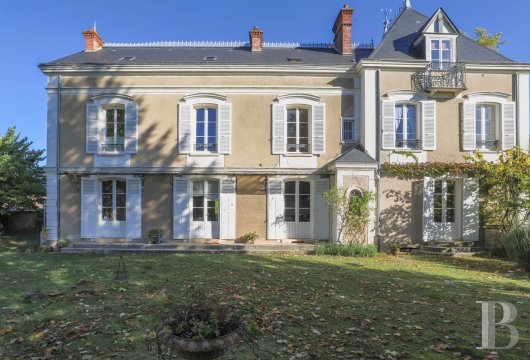
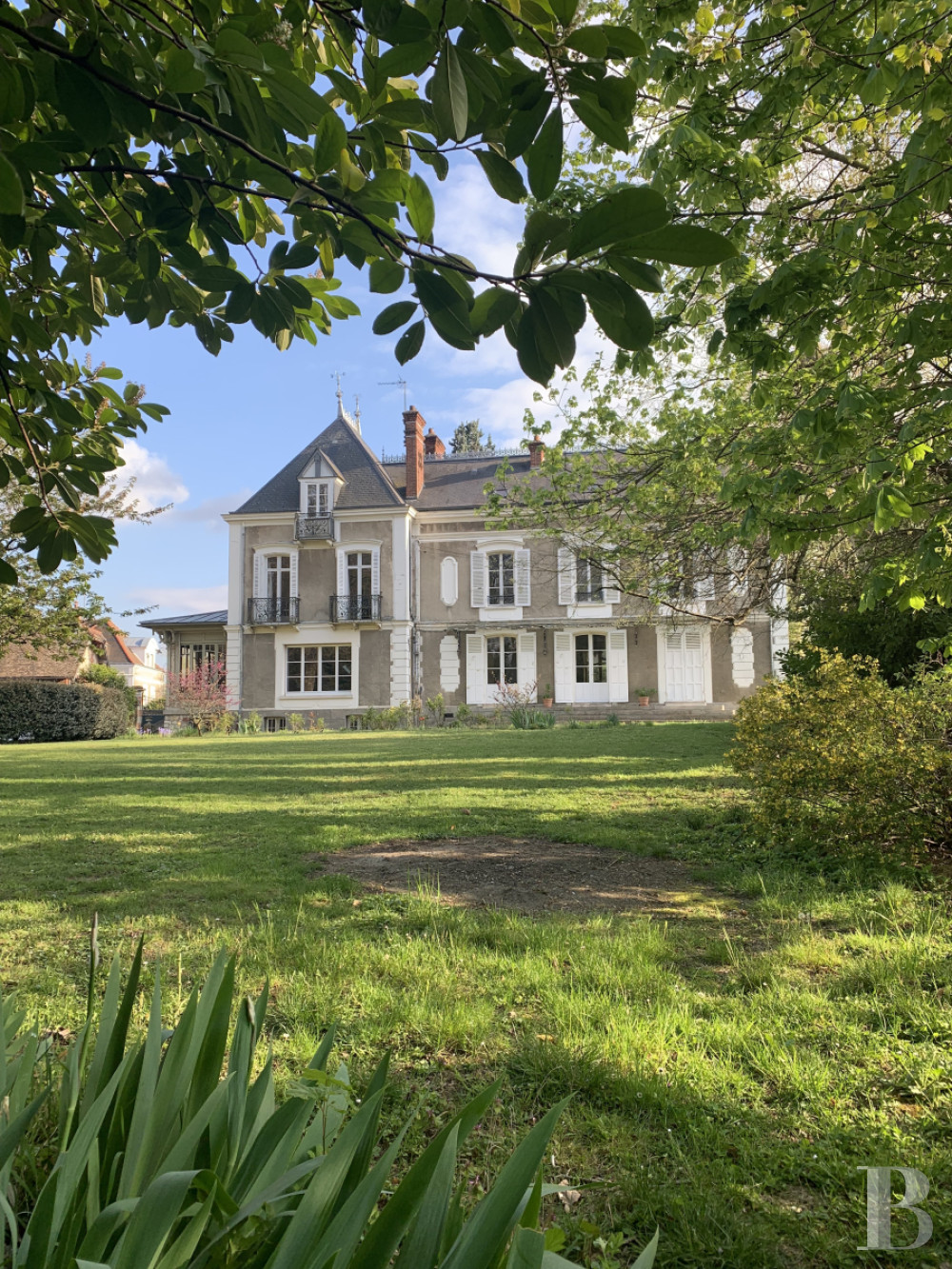
Near the countryside as well as a number of delightful bodies of water formed by the Seine, the property, partially surrounded by a tall stone wall, is accessible via a large automatic metal gate set back from the street. Parallel to the latter and rectangular in shape, the dwelling overlooks its immense garden in both the front and the back, the southern part of which is more private in nature, enclosed by a low wall and accessible from the property’s entrance via a flight of stone steps.
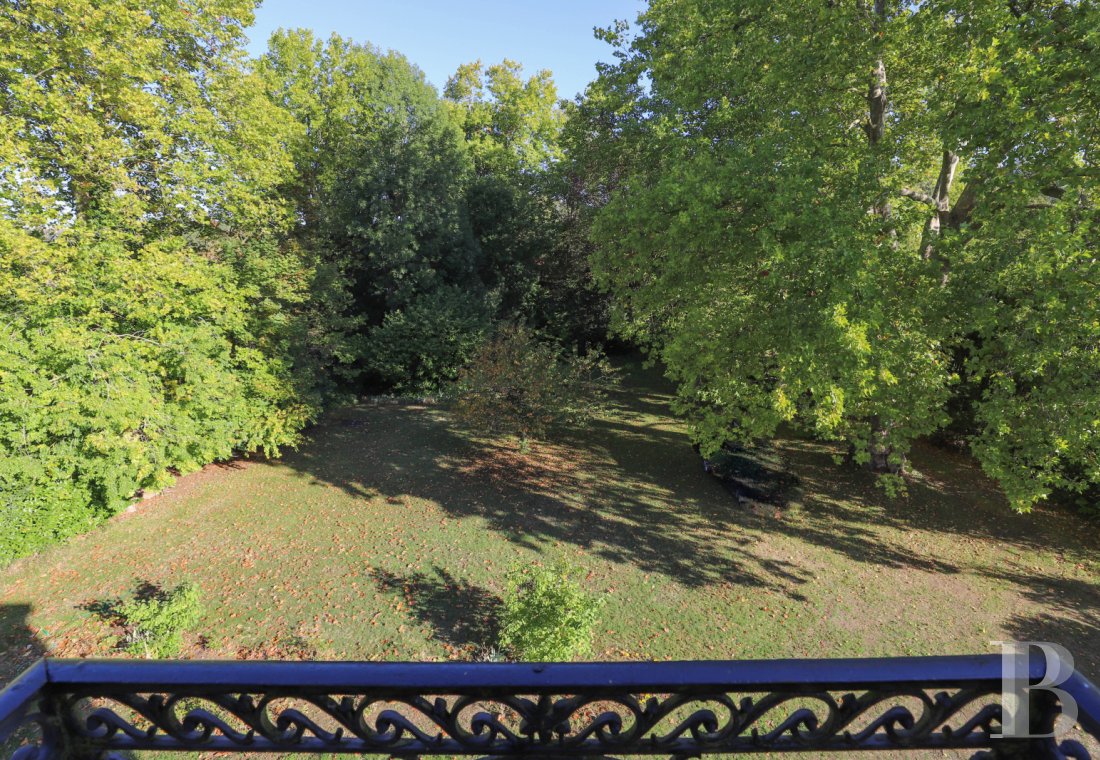
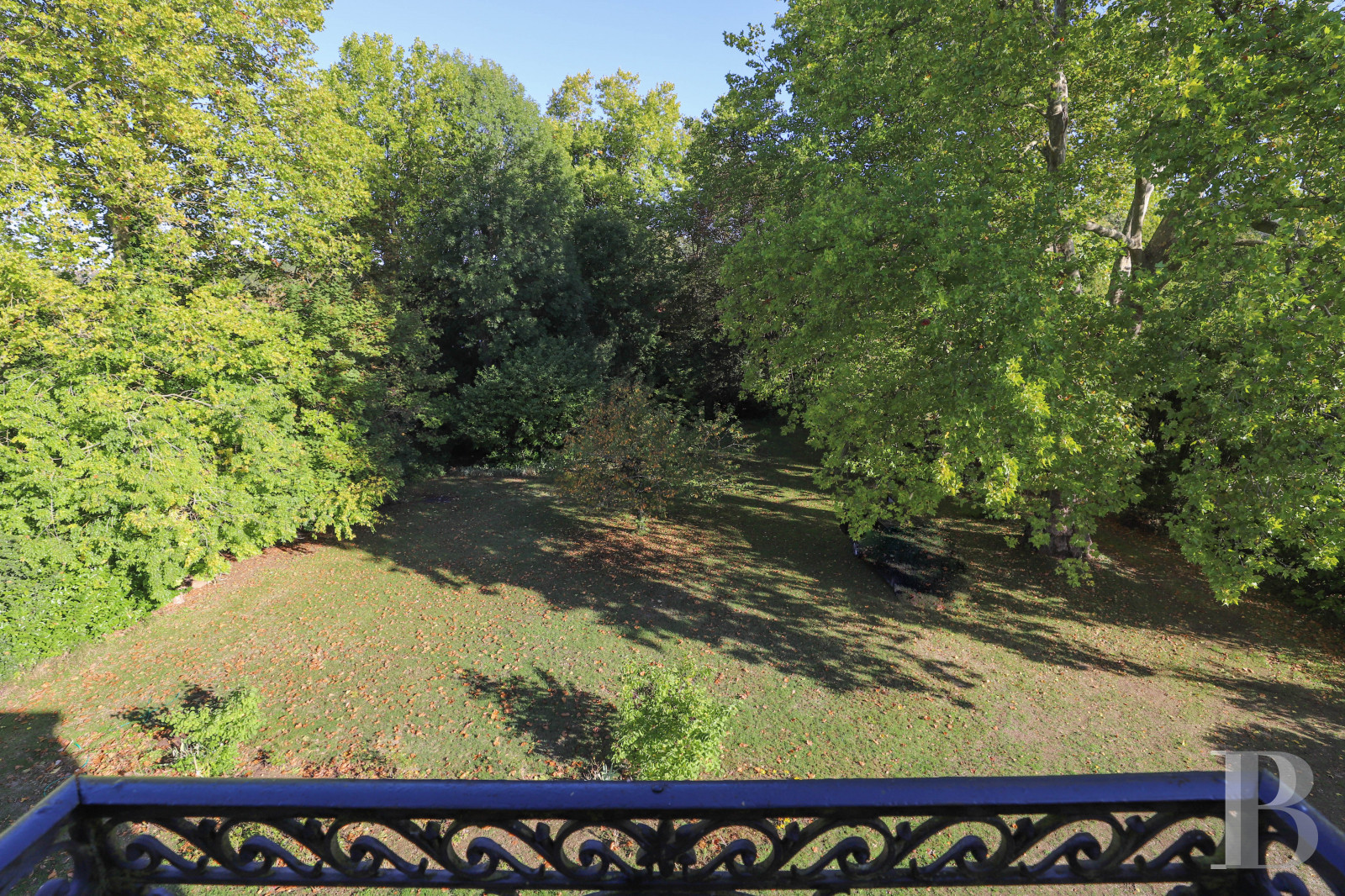
Here, the lawn is bordered by tall trees – cedars, limes and planes – and surrounds a small garden gazebo, whereas, to the north, the garden extends all the way to another curtain of tall trees – planes, elms and horse chestnuts – which conceals a carport large enough to accommodate two vehicles.
Here, the lawn is bordered by tall trees – cedars, limes and planes – and surrounds a small garden gazebo, whereas, to the north, the garden extends all the way to another curtain of tall trees – planes, elms and horse chestnuts – which conceals a carport large enough to accommodate two vehicles.
The Dwelling
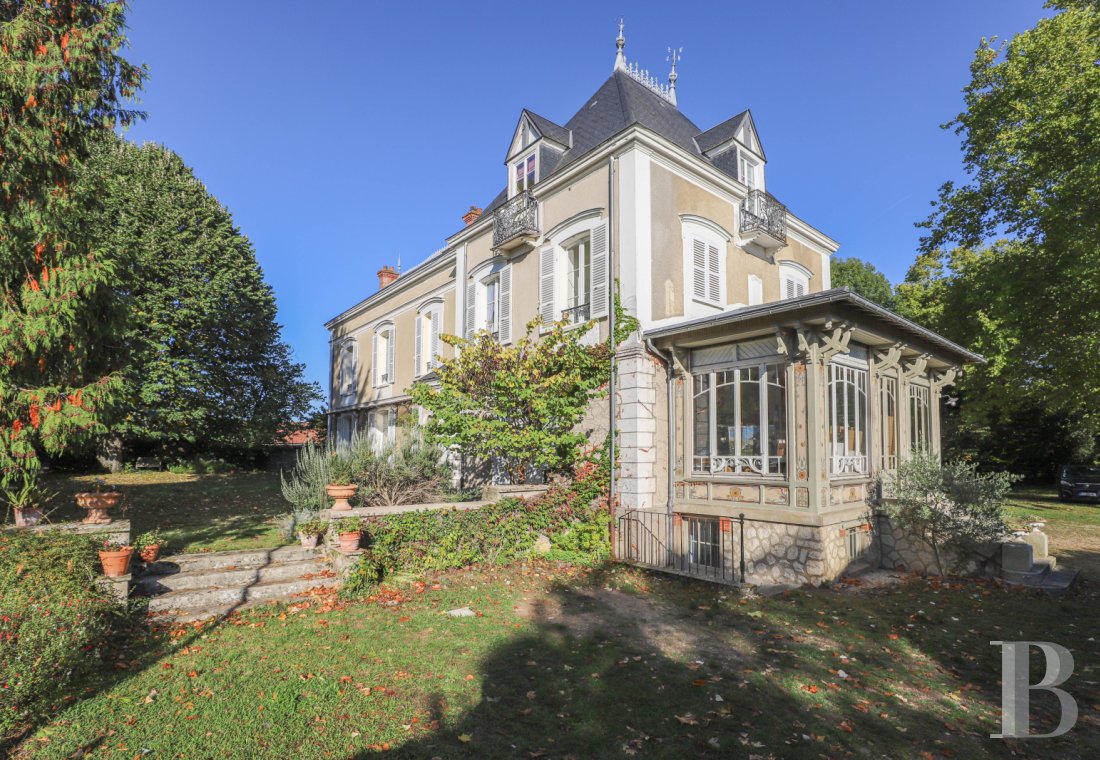
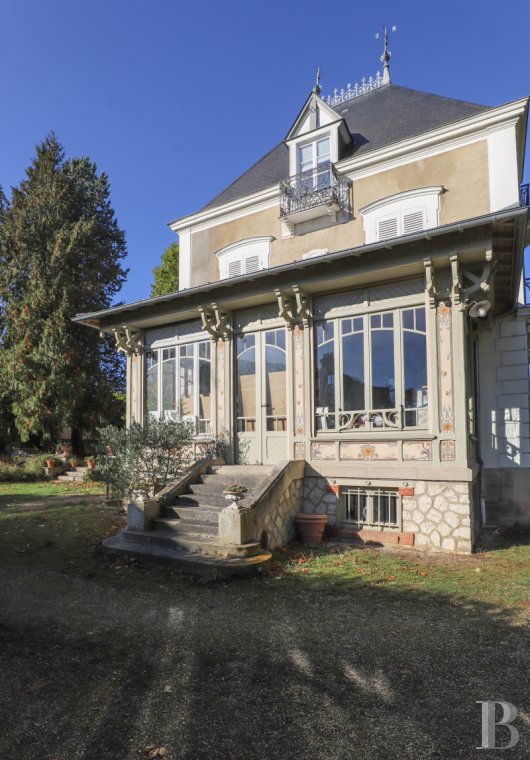
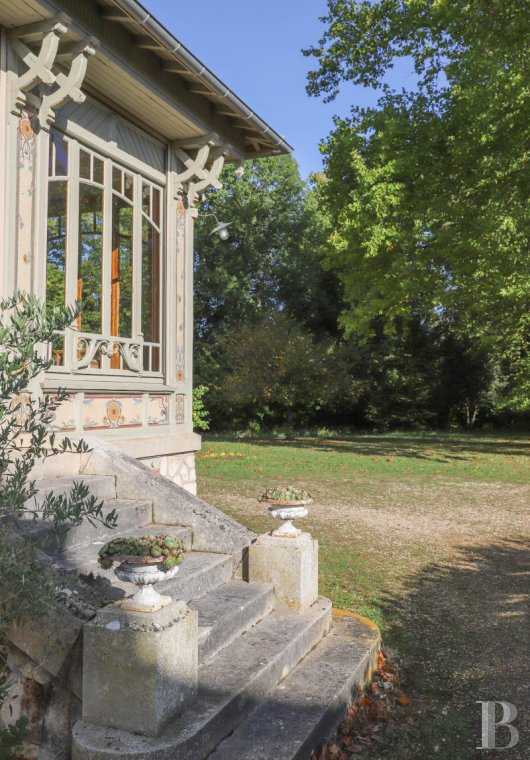
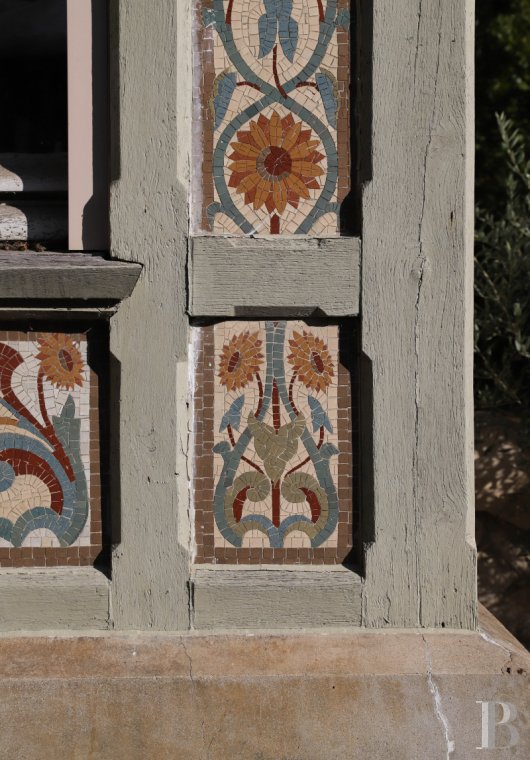
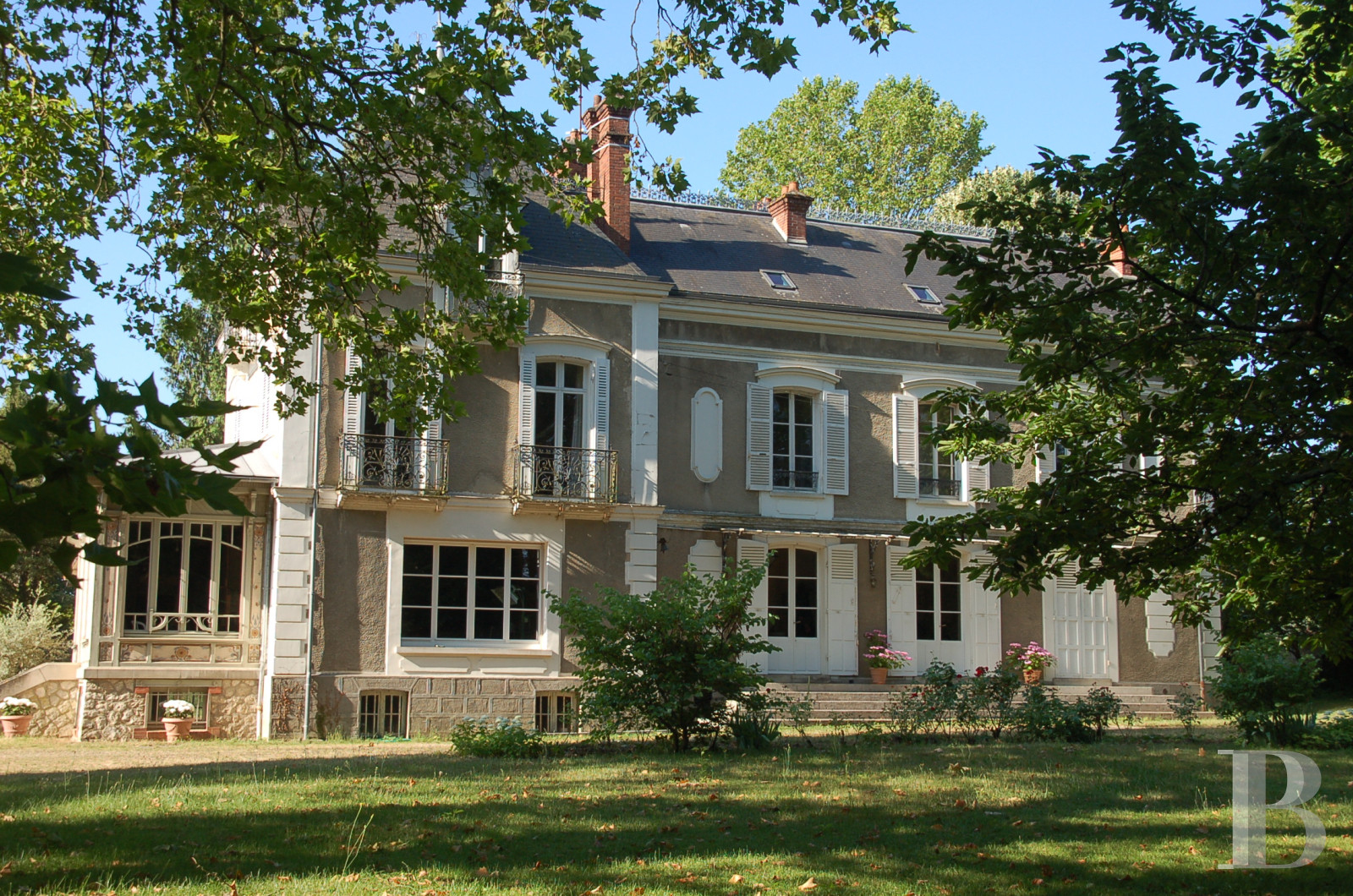
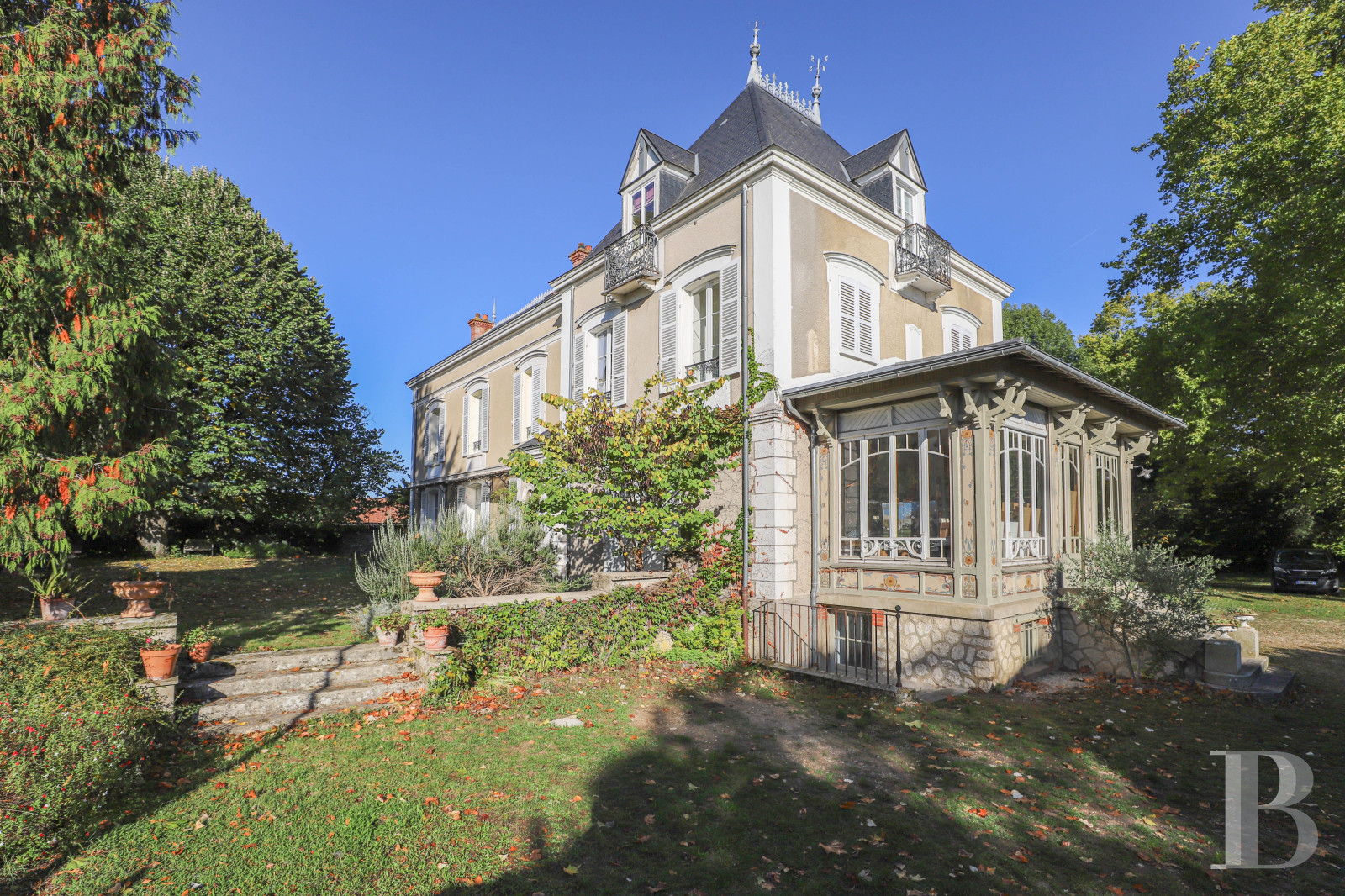
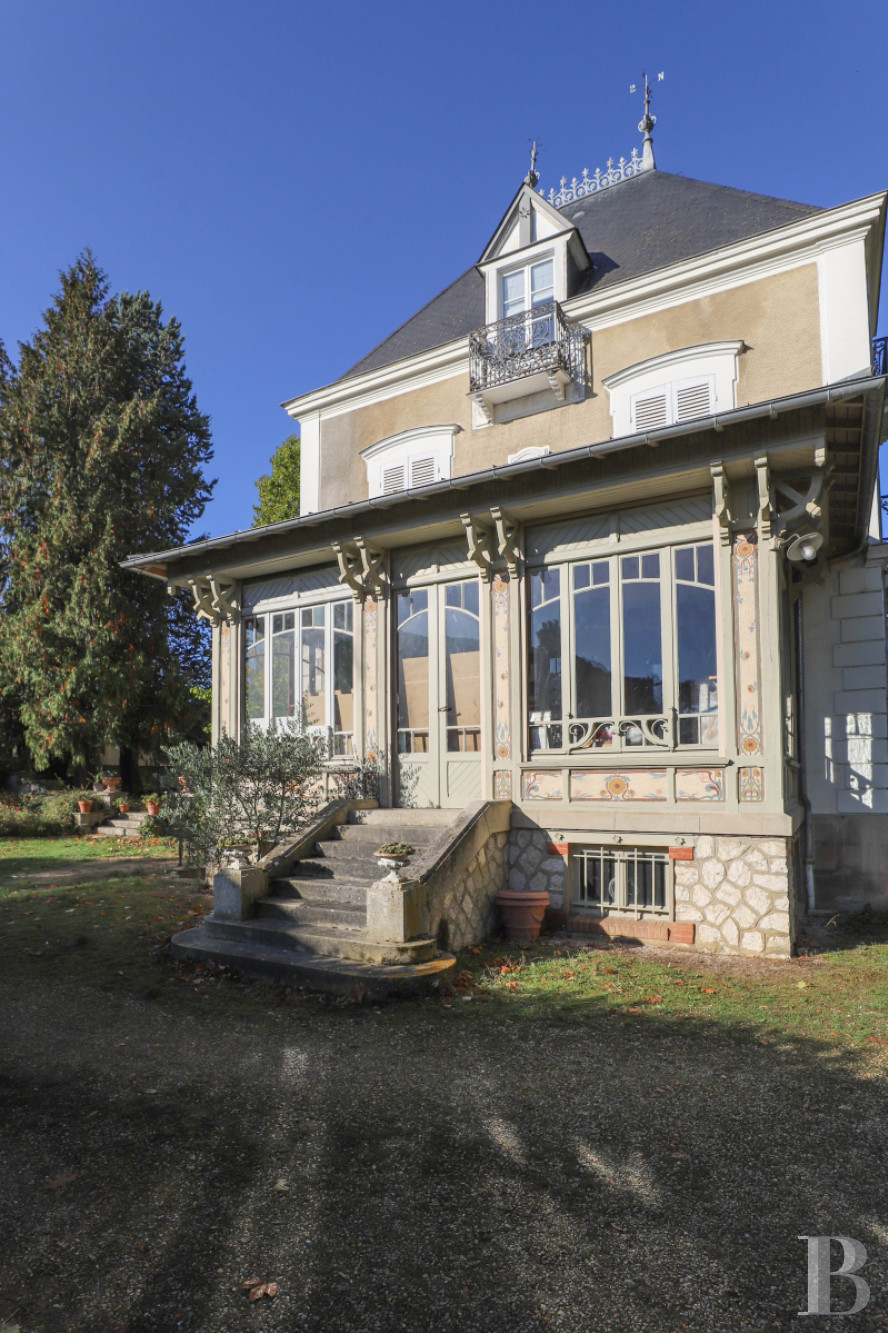
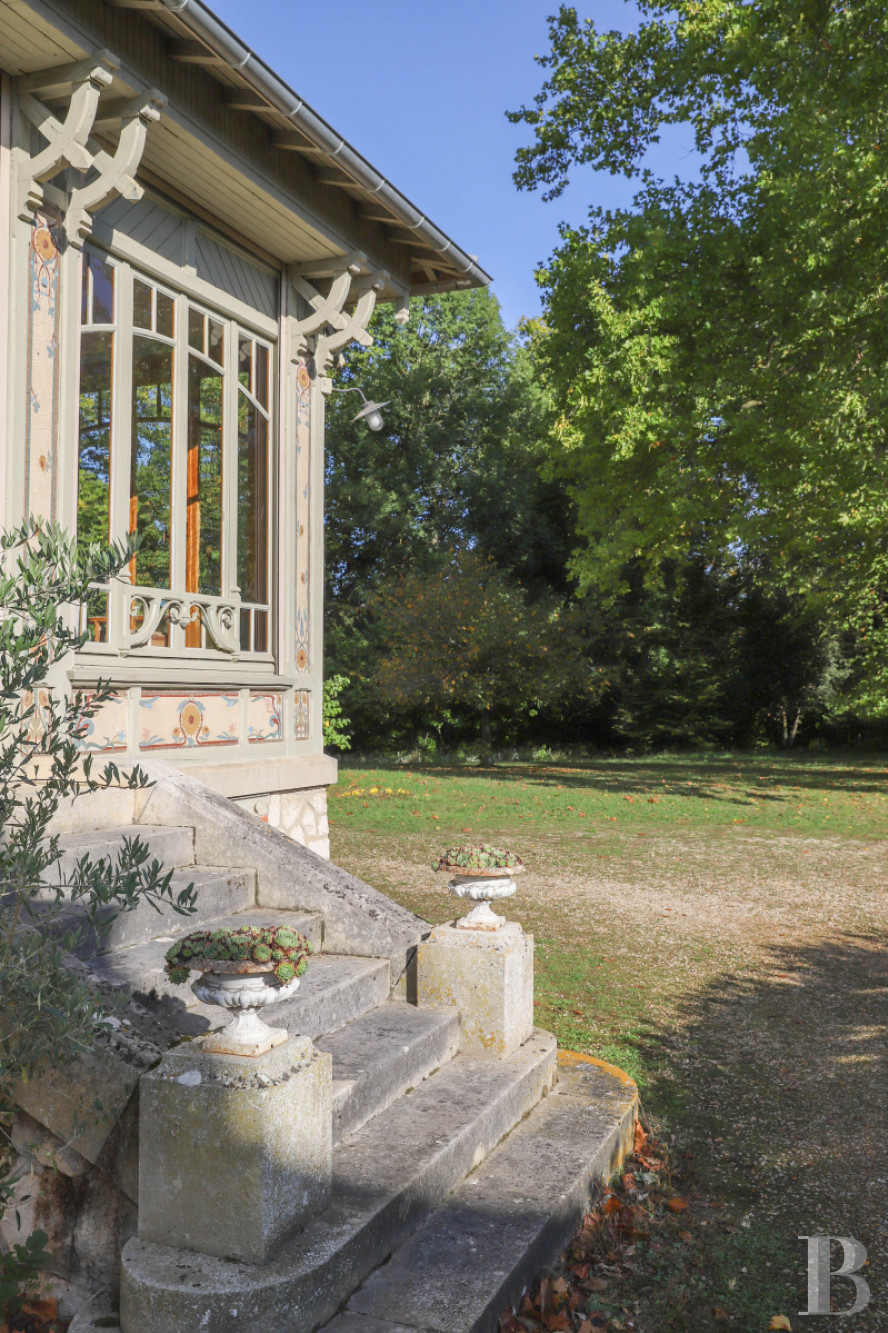
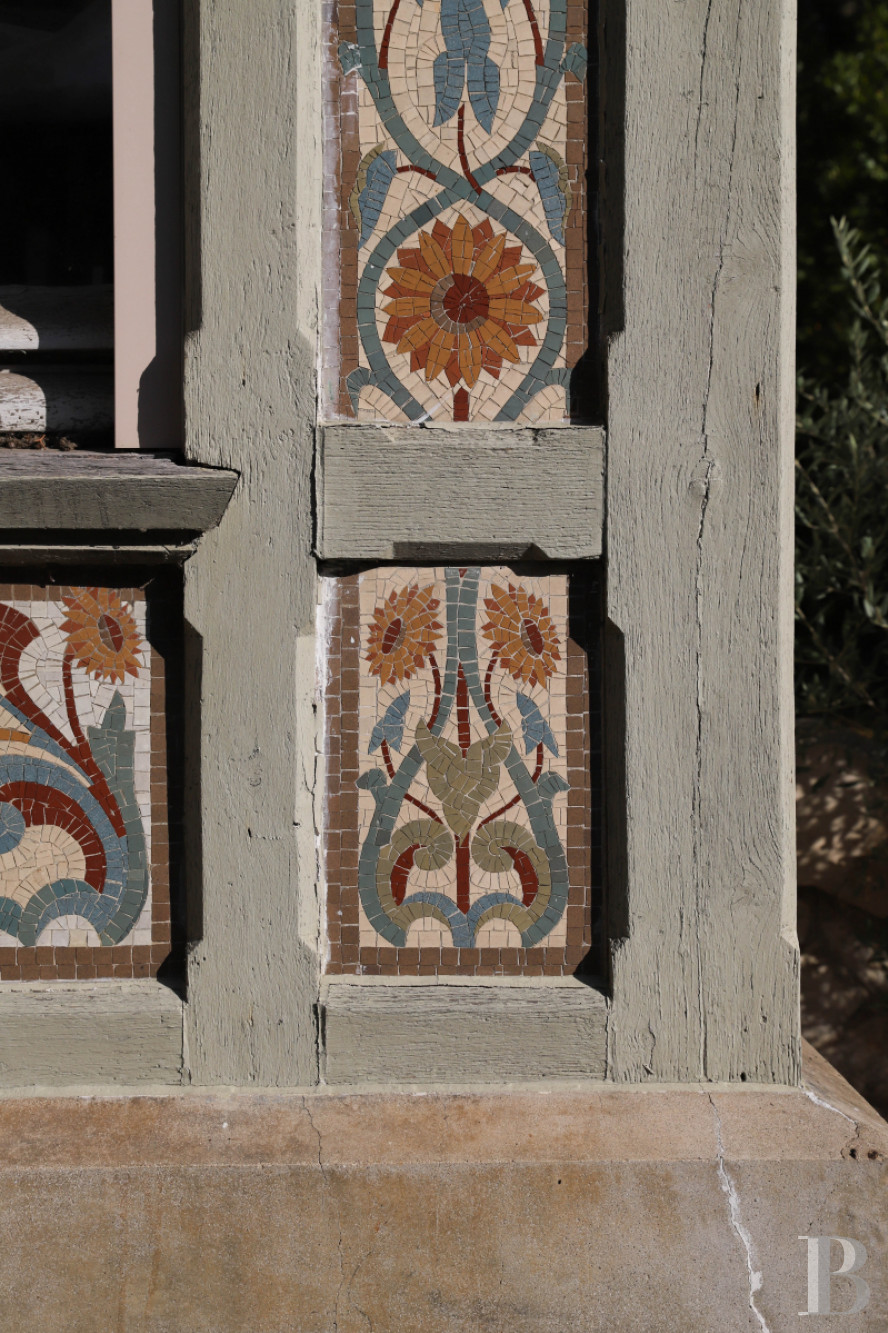
Dating from the 19th century, the dwelling boasts three storeys, one of which is under the eaves, while its exteriors, cadenced by a large number of slightly arched windows with wrought-iron guardrails, are divided into three separate sections: a conservatory, a forepart and the main structure. As for the first, abutting the eastern gable end, it was built in the 1920s and features a mosaic frieze decorated with Art nouveau motifs, whereas, from here, an external stone staircase provides direct access to the garden.
Next is the dwelling’s square-shaped forepart whose slate hipped roof is punctuated by hanging dormers, preceded by small balconies safeguarded with wrought-iron floral-patterned guardrails, as well as decorative metal roof ridge cresting, finials and a weathervane.
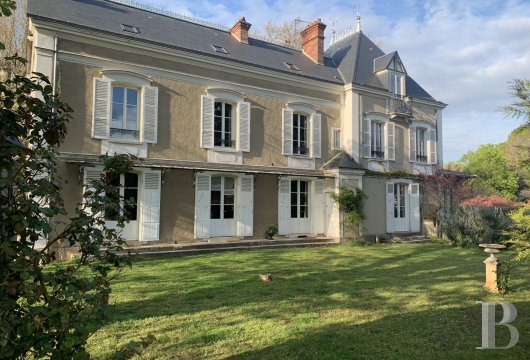
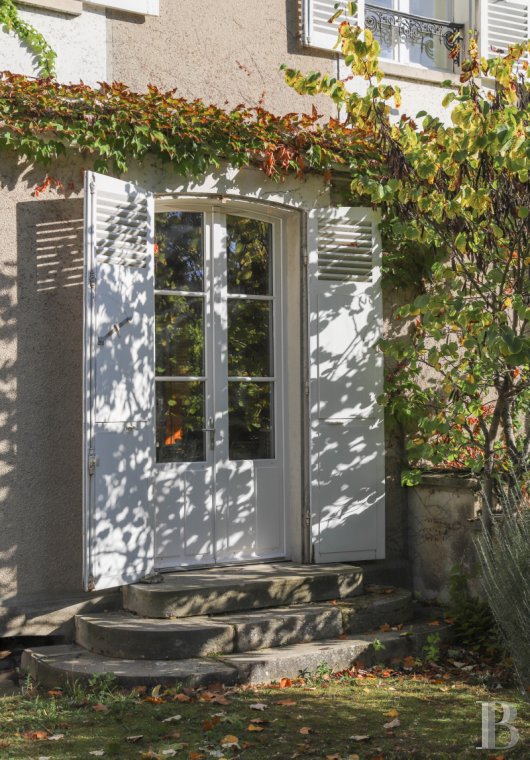
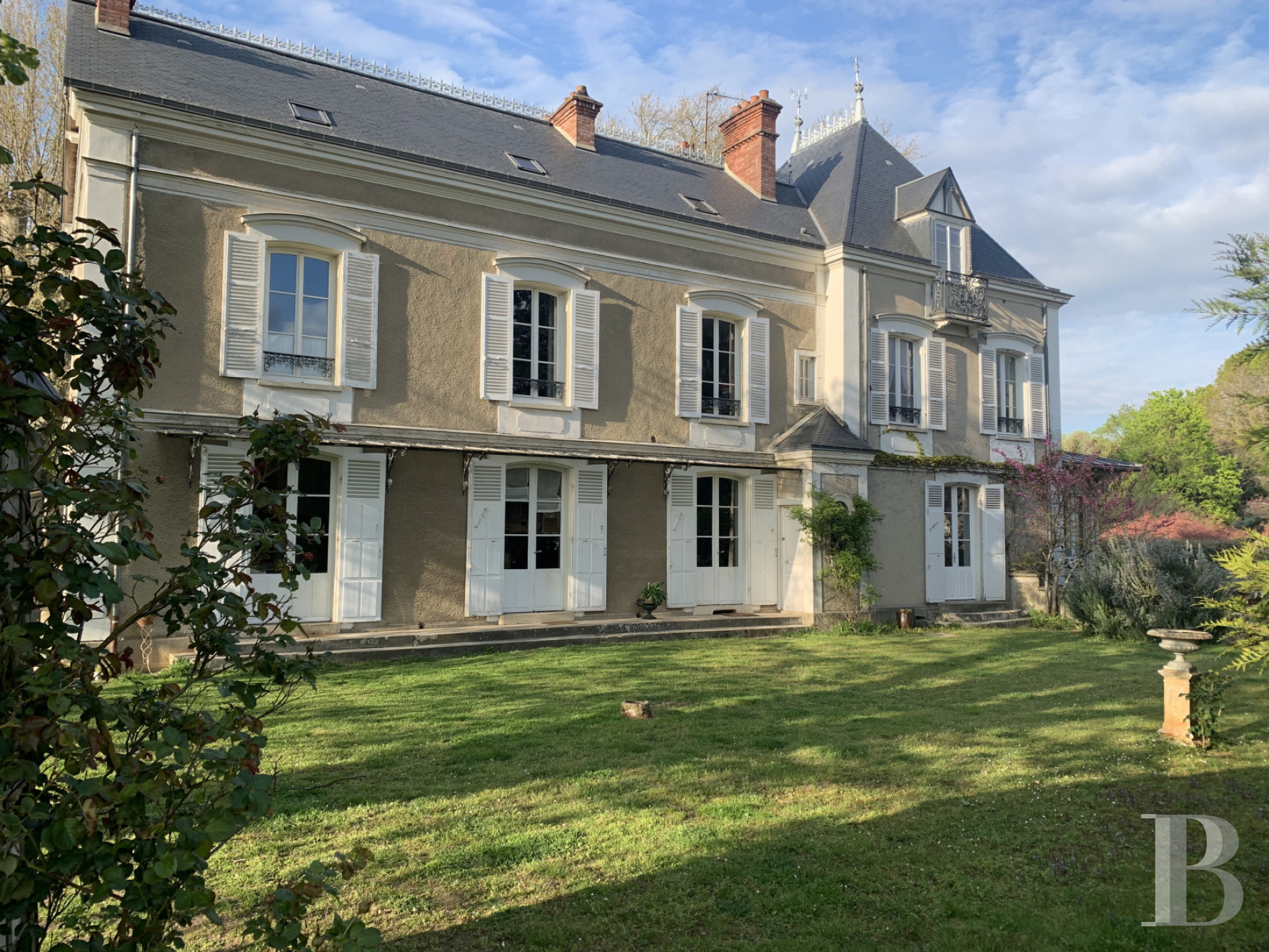
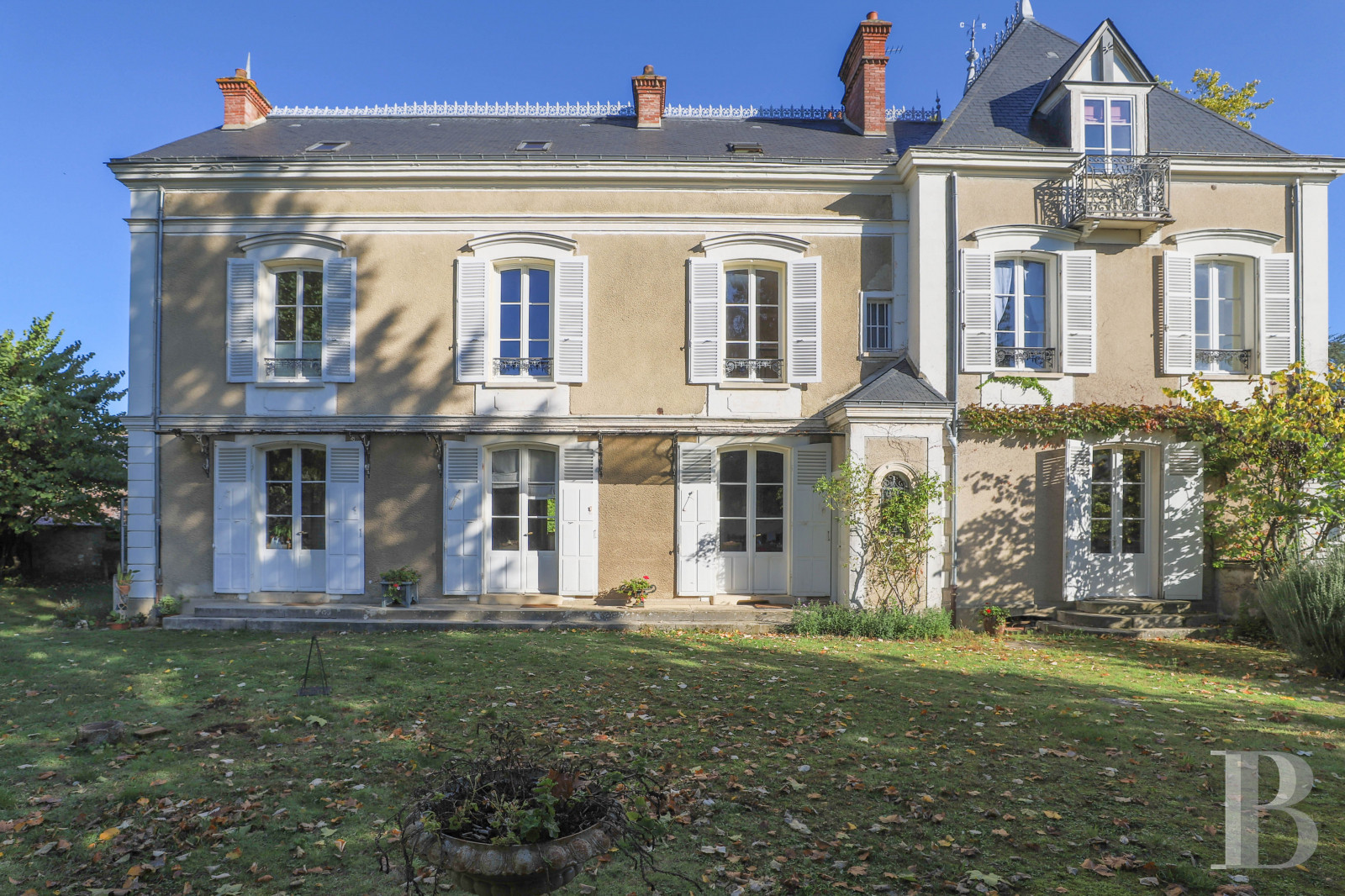
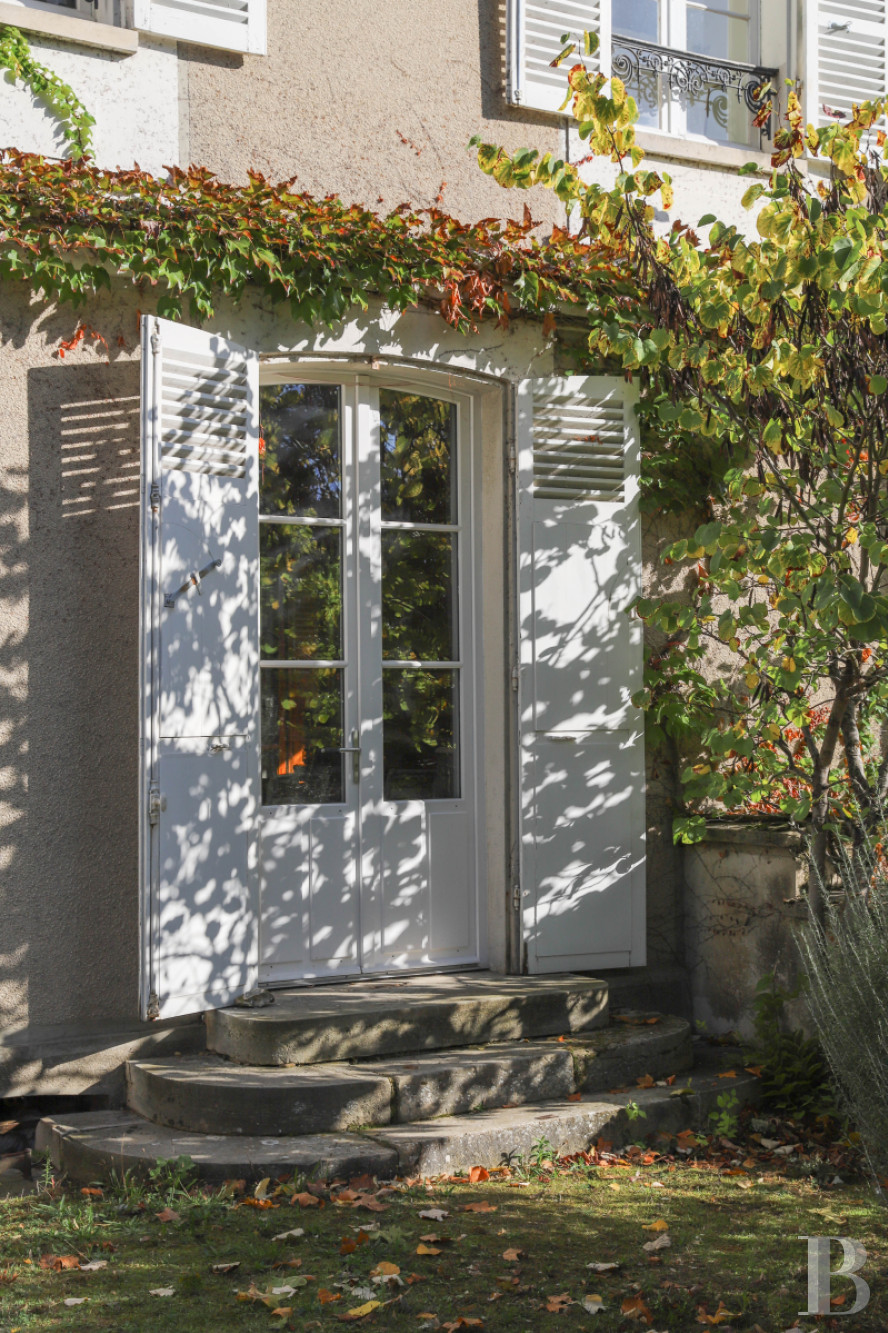
With small balconies providing added depth for the manor’s exteriors, the last part of the edifice, rectangular in shape and crowned with a gable roof, features three vertical rows of windows, made up of a series of glass double doors on the ground floor and large windows on the first, whereas a wide set of front steps, covered by a glass awning, provides access to the front door. Lastly, all around the dwelling, five exterior stone staircases descend towards the garden.
The ground floor
The manor is accessible via the first of three sets of glass double doors on the dwelling’s northern side, which open on to a foyer with original cement floor tiles. Directly opposite, a study communicates with the large drawing-dining room, followed by the conservatory, while this dual-aspect study, located between the dining room and a small sitting room, boasts bookshelves with painted wooden cupboards.
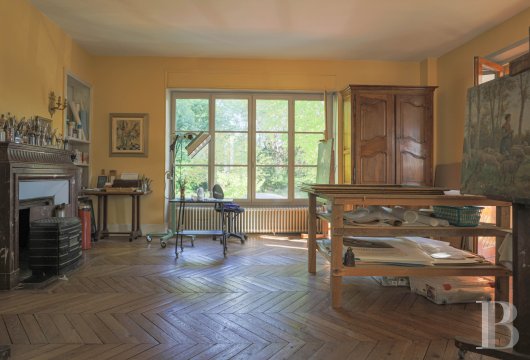
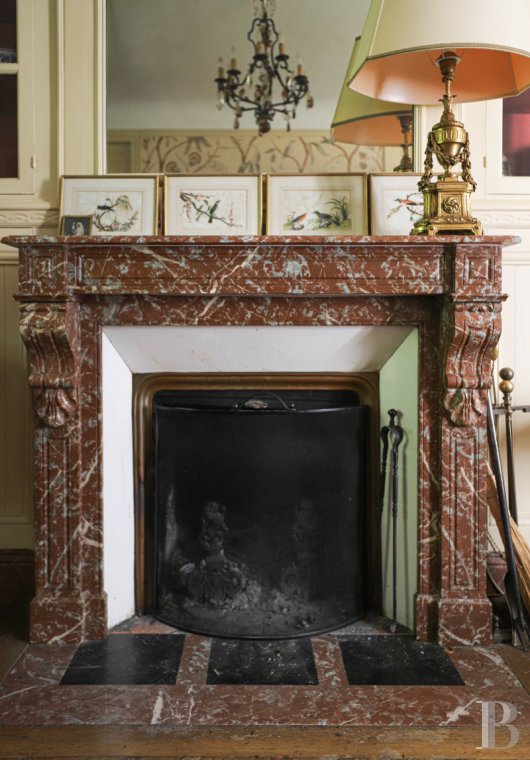
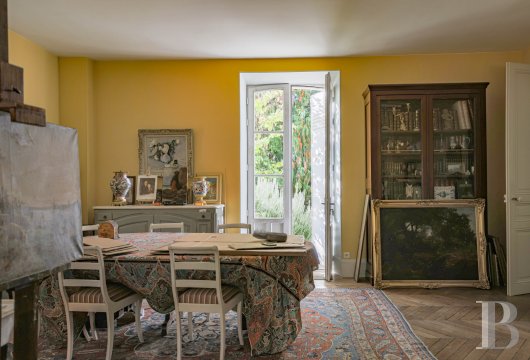
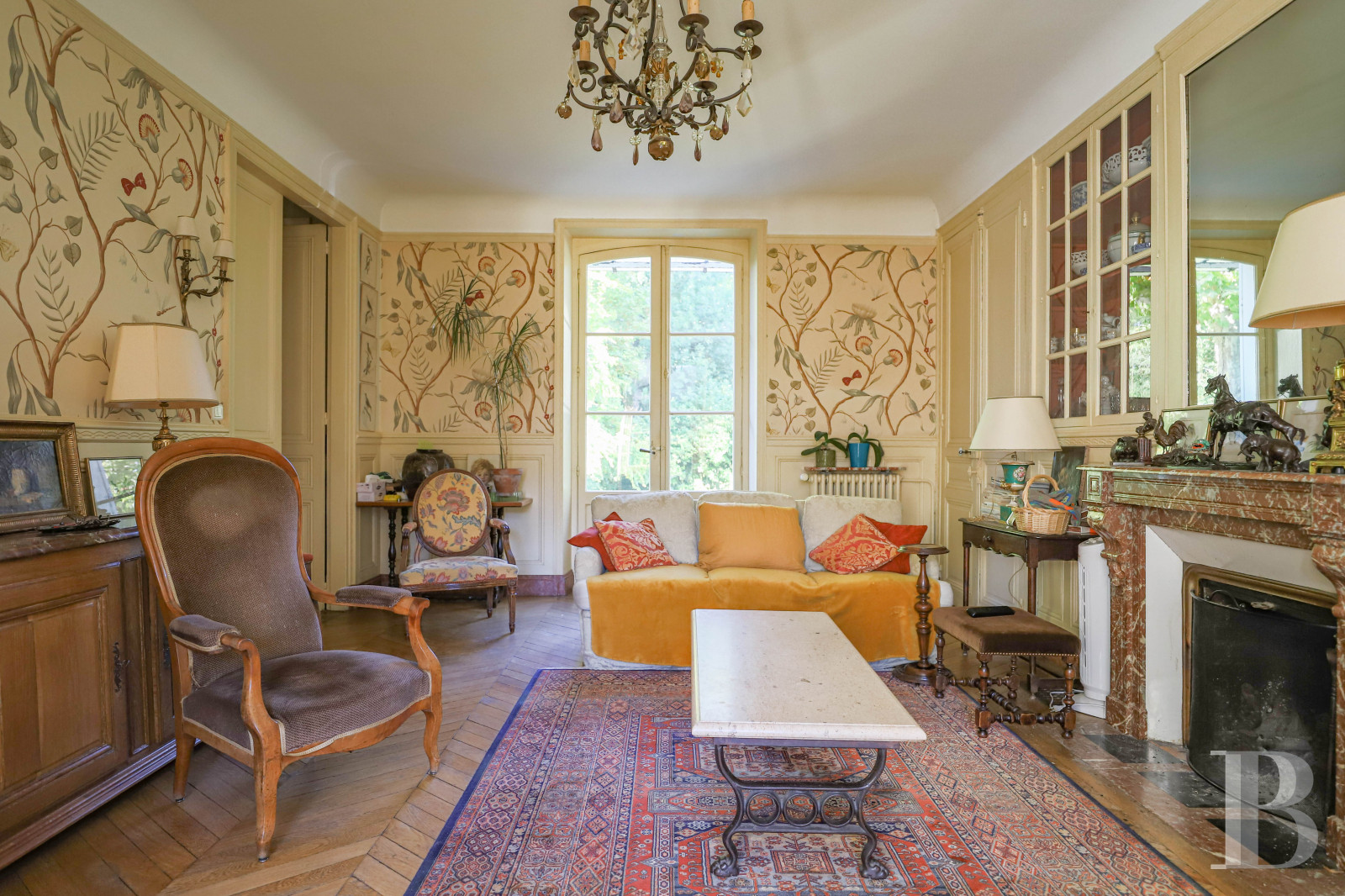
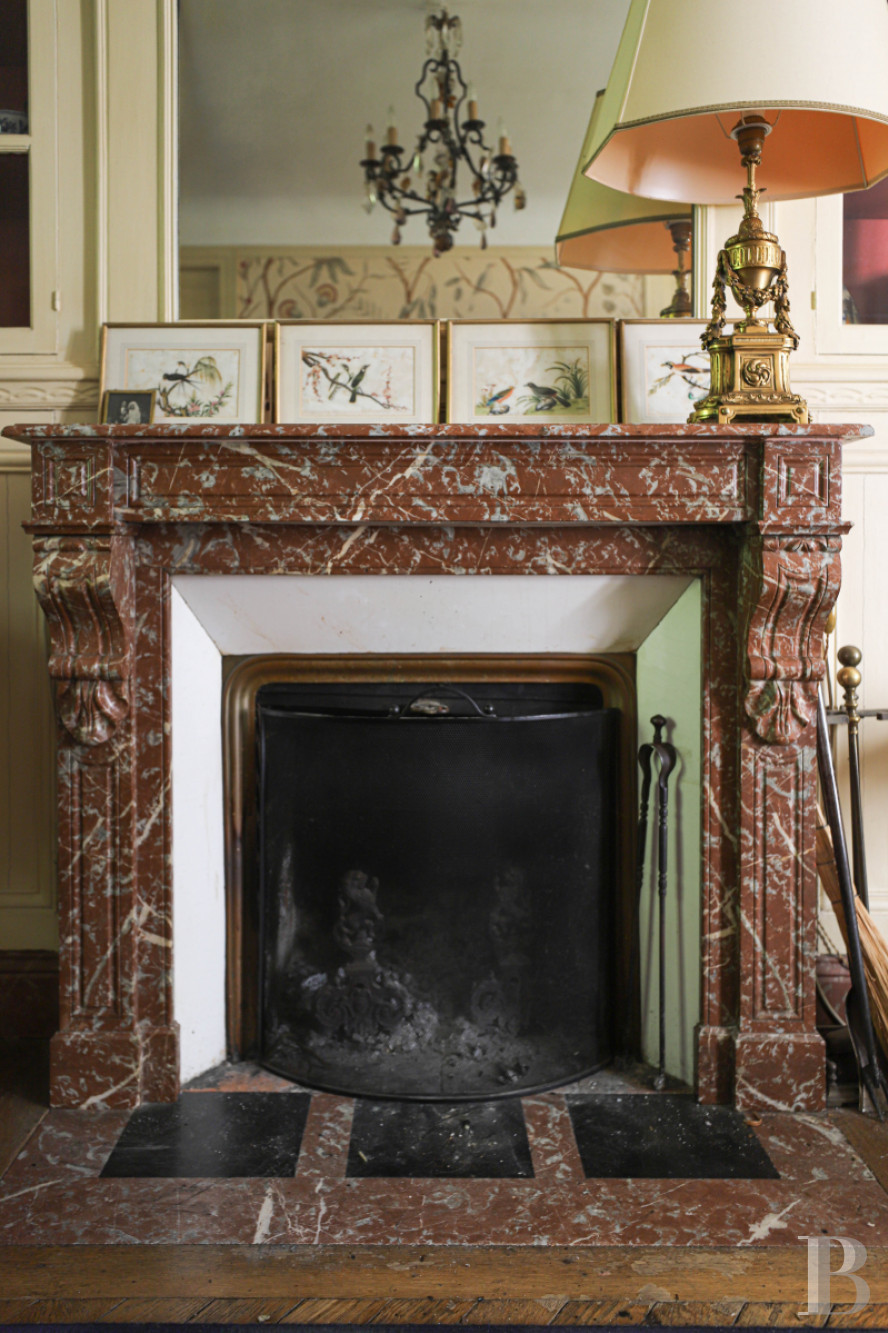
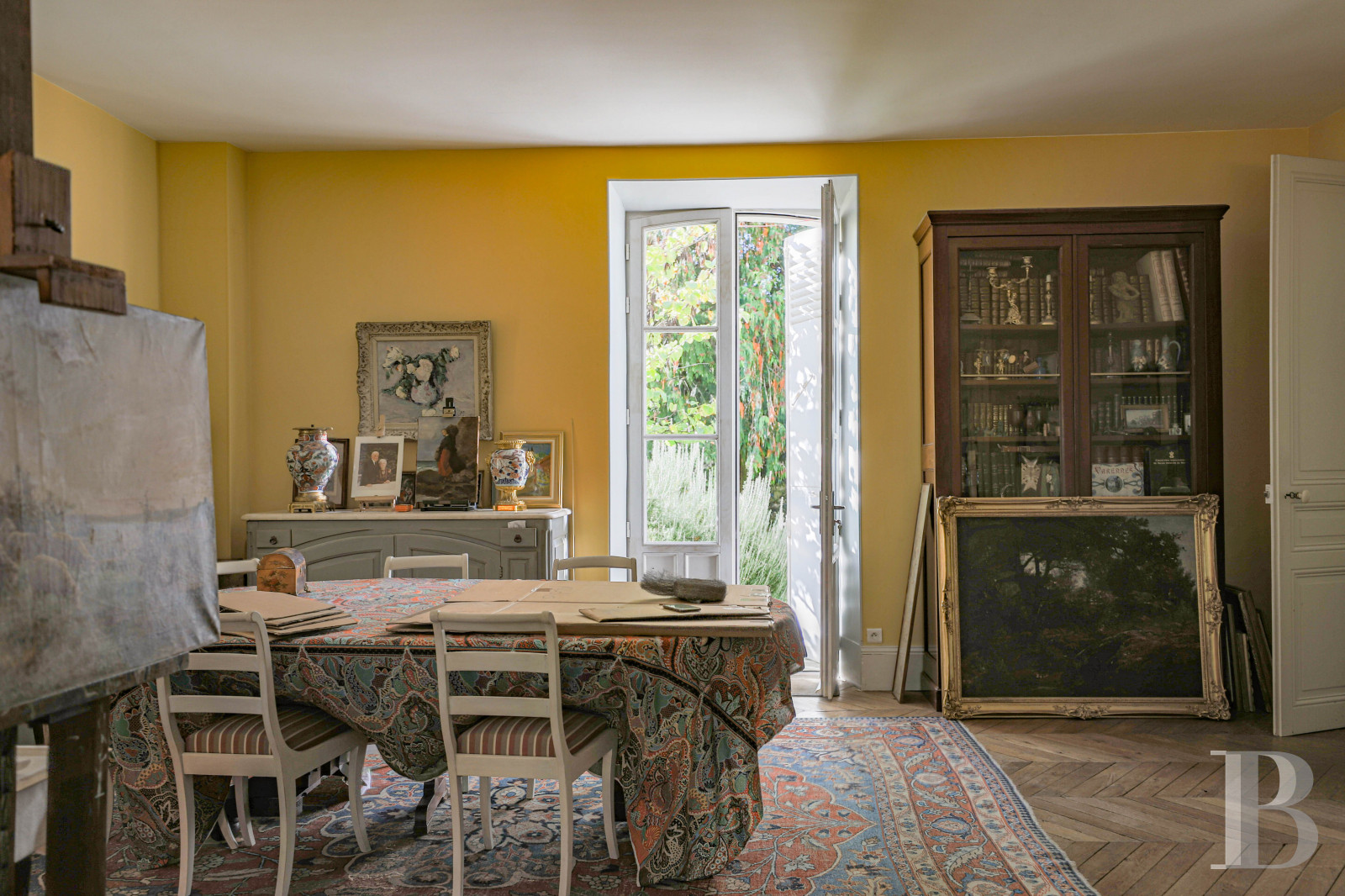
As for the large drawing room, of approximately 45 m2, it features a fireplace with a red marble frame and mantel, the latter of which is surrounded by small built-in shelves, as well as tall picture windows to the north and south, bathing the room in ample sunlight.
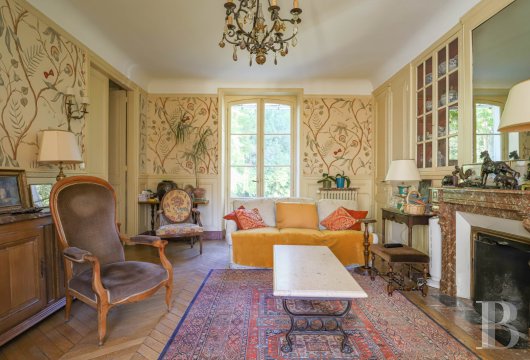
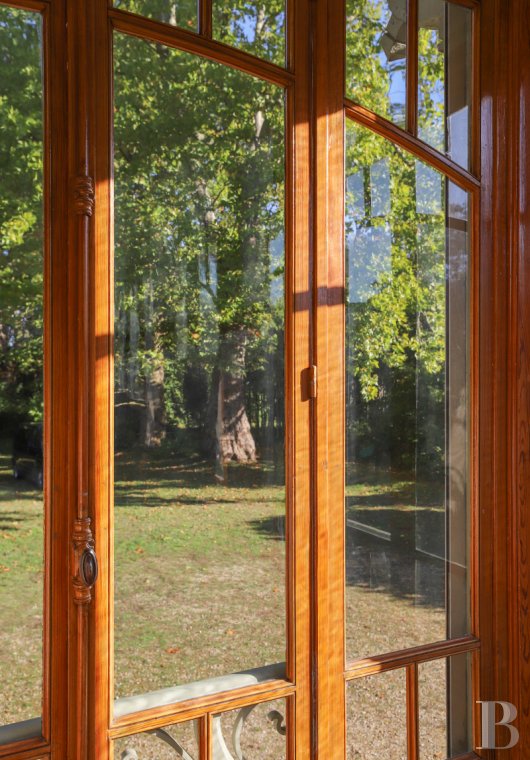
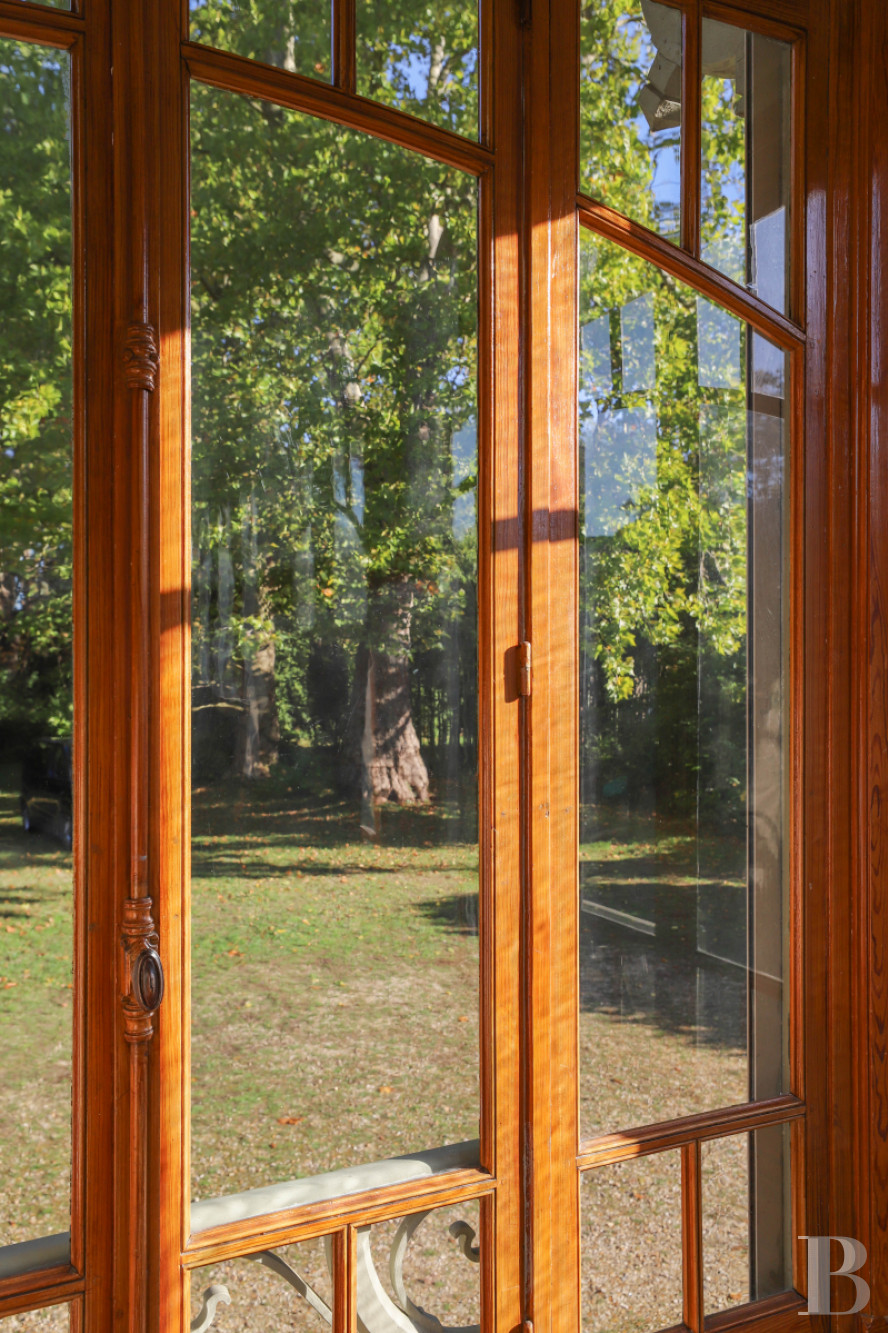
Following on from here, the conservatory is flooded in light thanks to five large picture windows decorated with vegetal motifs typical of the Art nouveau style: one to the north, one to the south and three to the east, whereas, back in the foyer and to the right, a small dual-aspect sitting room, providing access to the kitchen, pantry, as well as a lavatory via a small corridor, is decorated with delicate vegetal-patterned wallpaper.
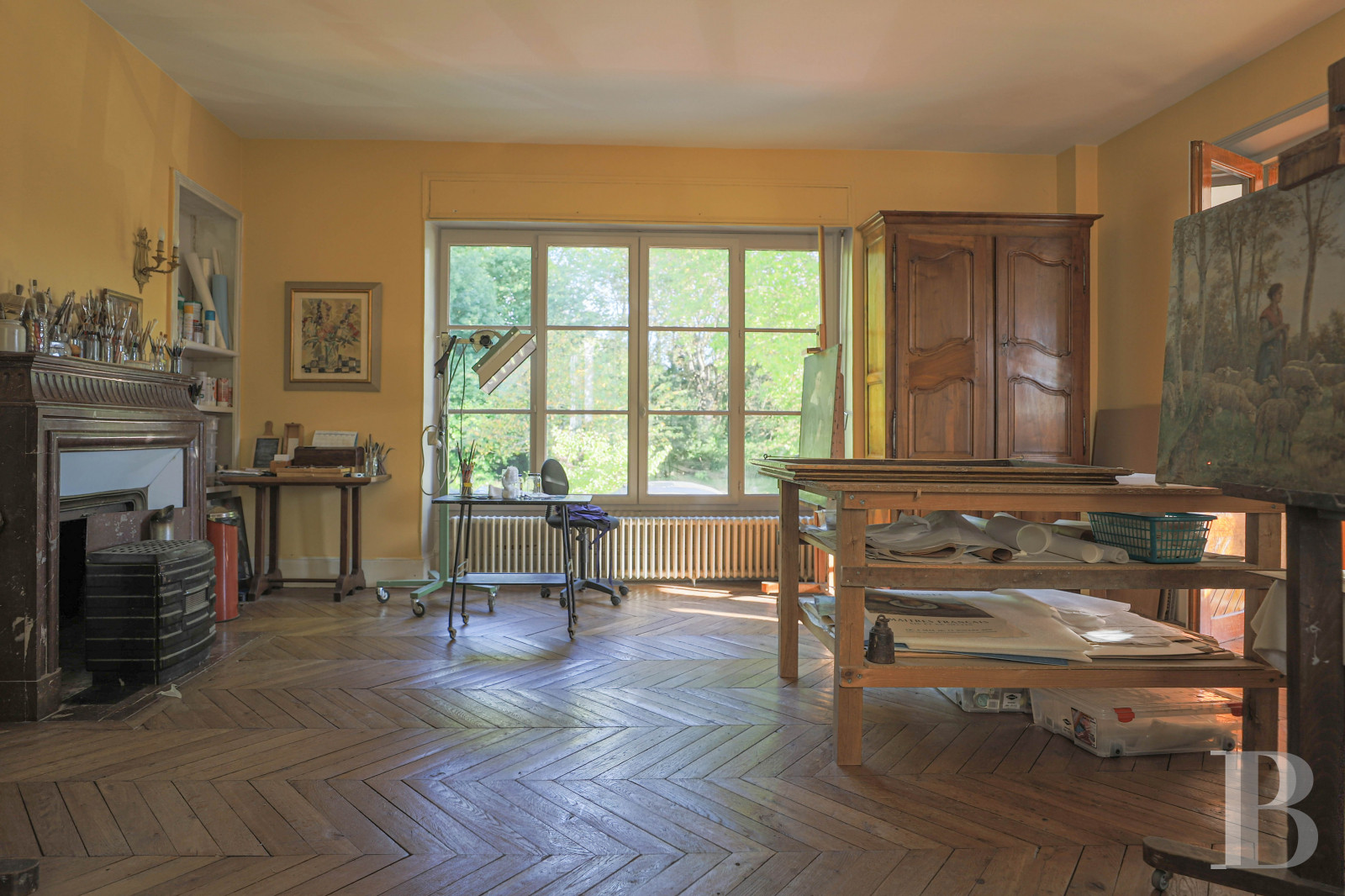
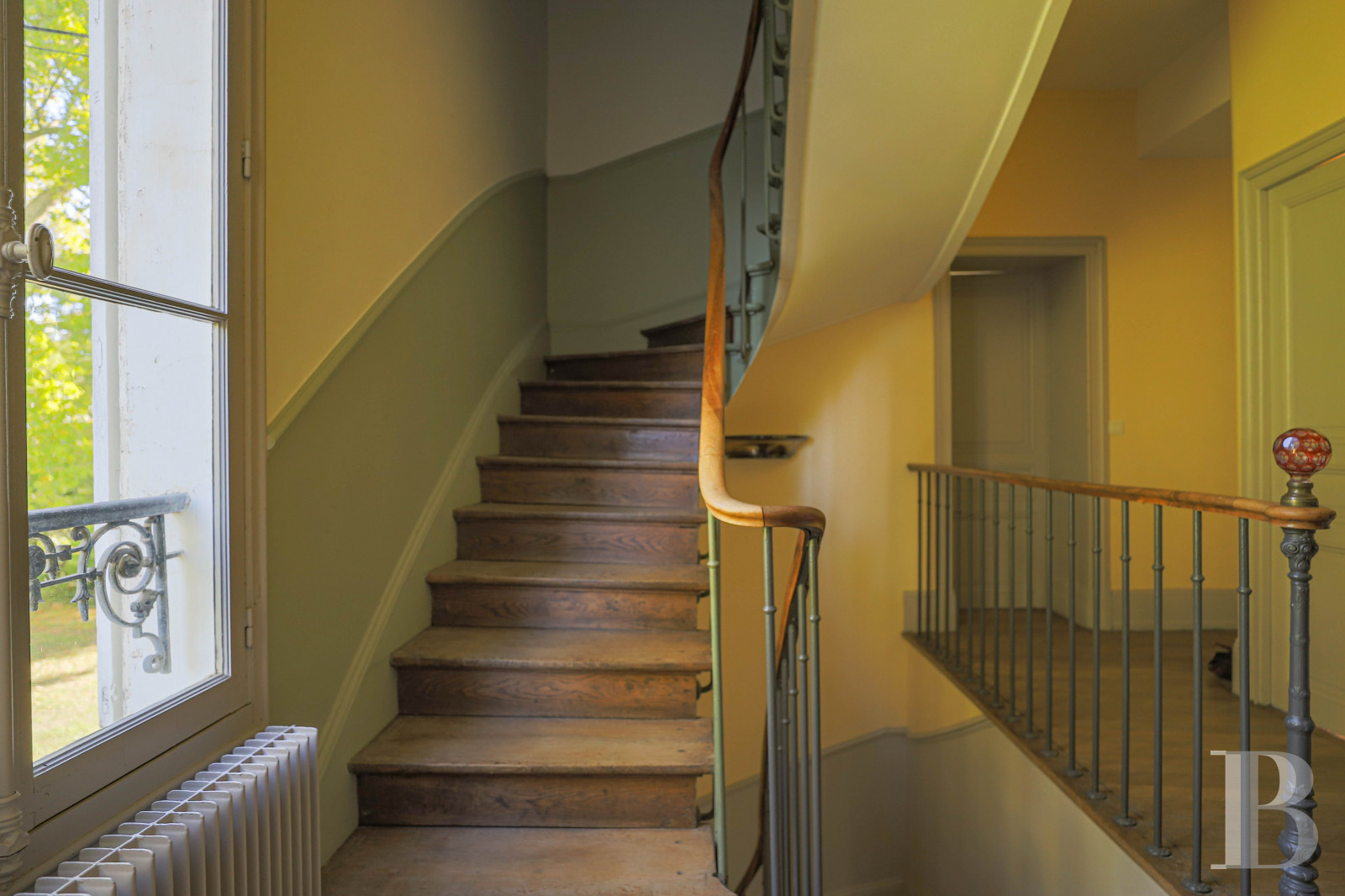
With large storage cupboards, armoires and built-in shelves, the kitchen also communicates with a small boiler-utility room via a door in the back, while once again in the foyer, a winding staircase in its left corner ascends to the dwelling’s upper levels and deftly conceals the adjacent entrance to the cellar. In addition, this level features either chevron or straight-plank parquet floors throughout, except in the kitchen and foyer, whereas all the rooms on this floor, flooded in light, boast direct access to the garden to the south and, sometimes, to the north, east or west as well.
The first floor
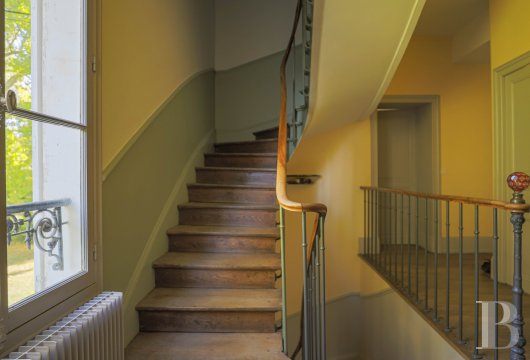
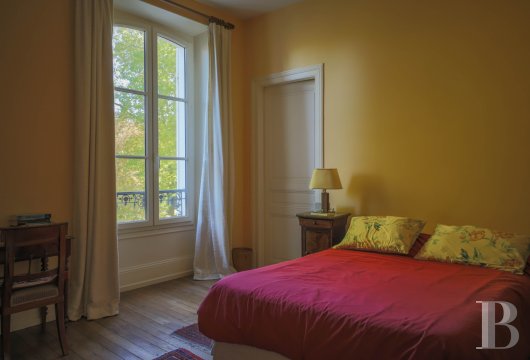
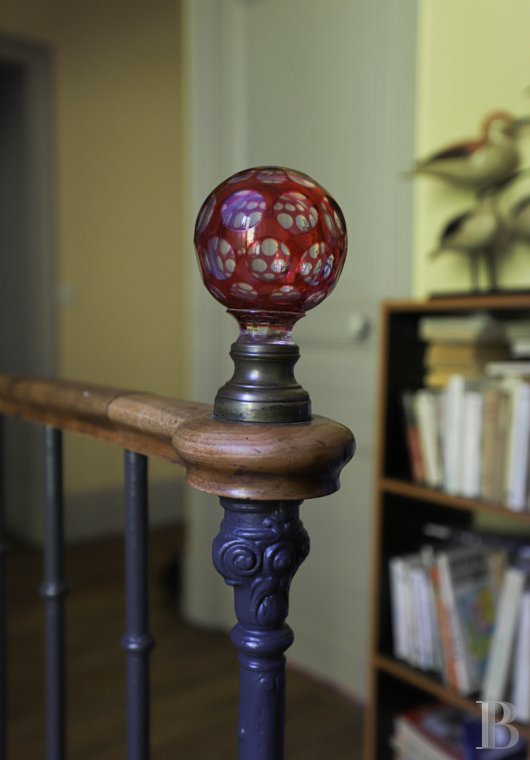
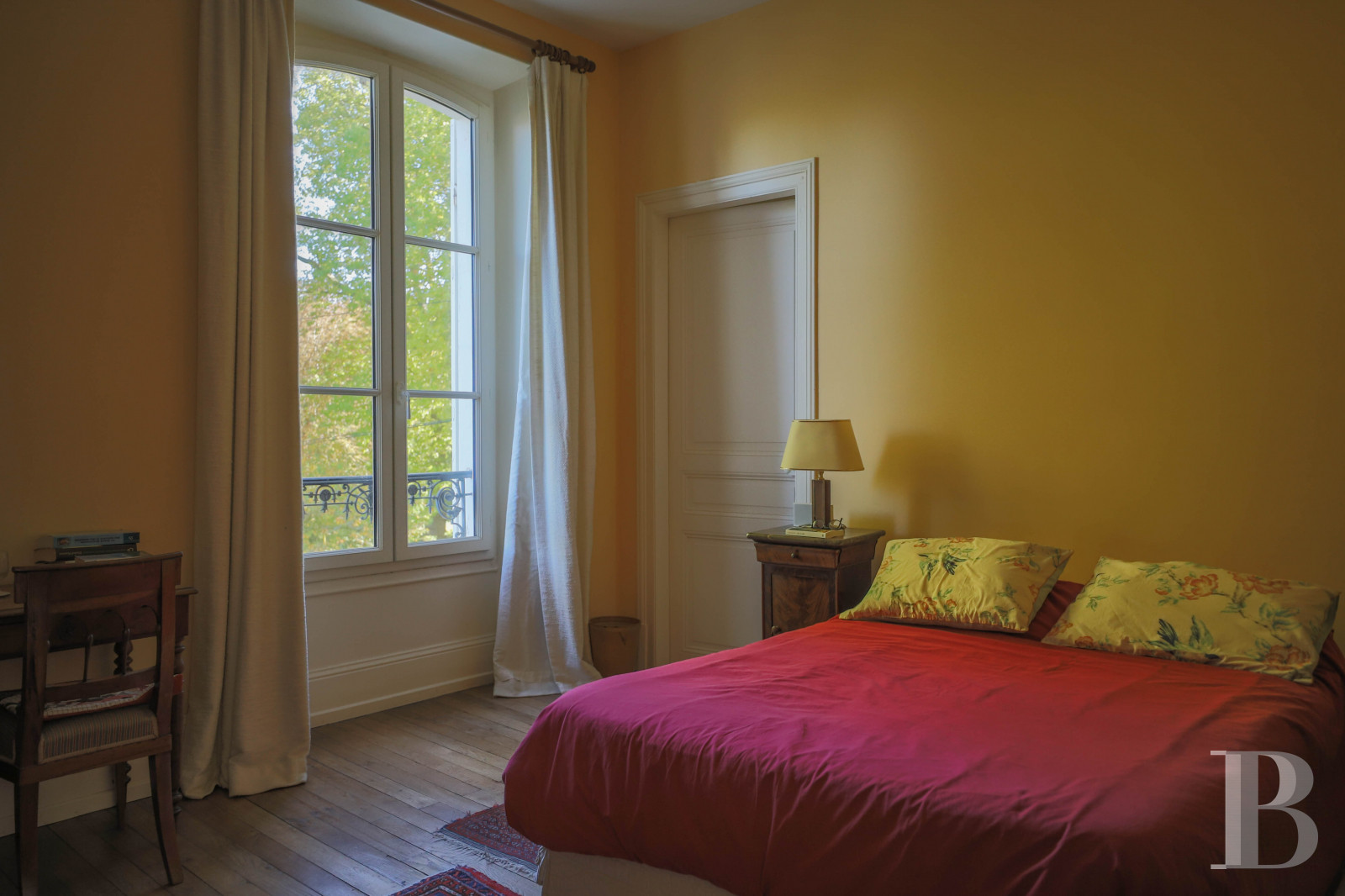
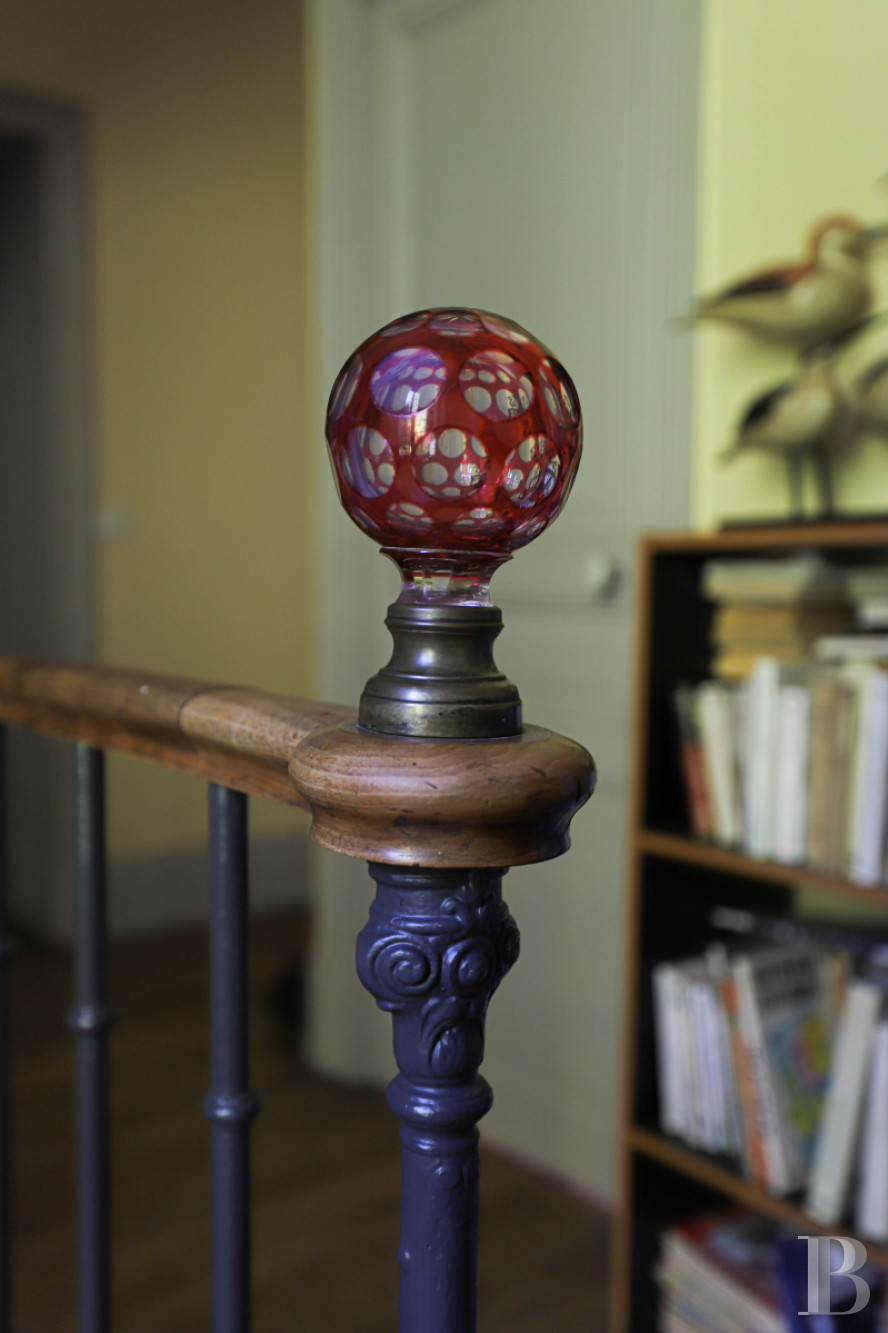
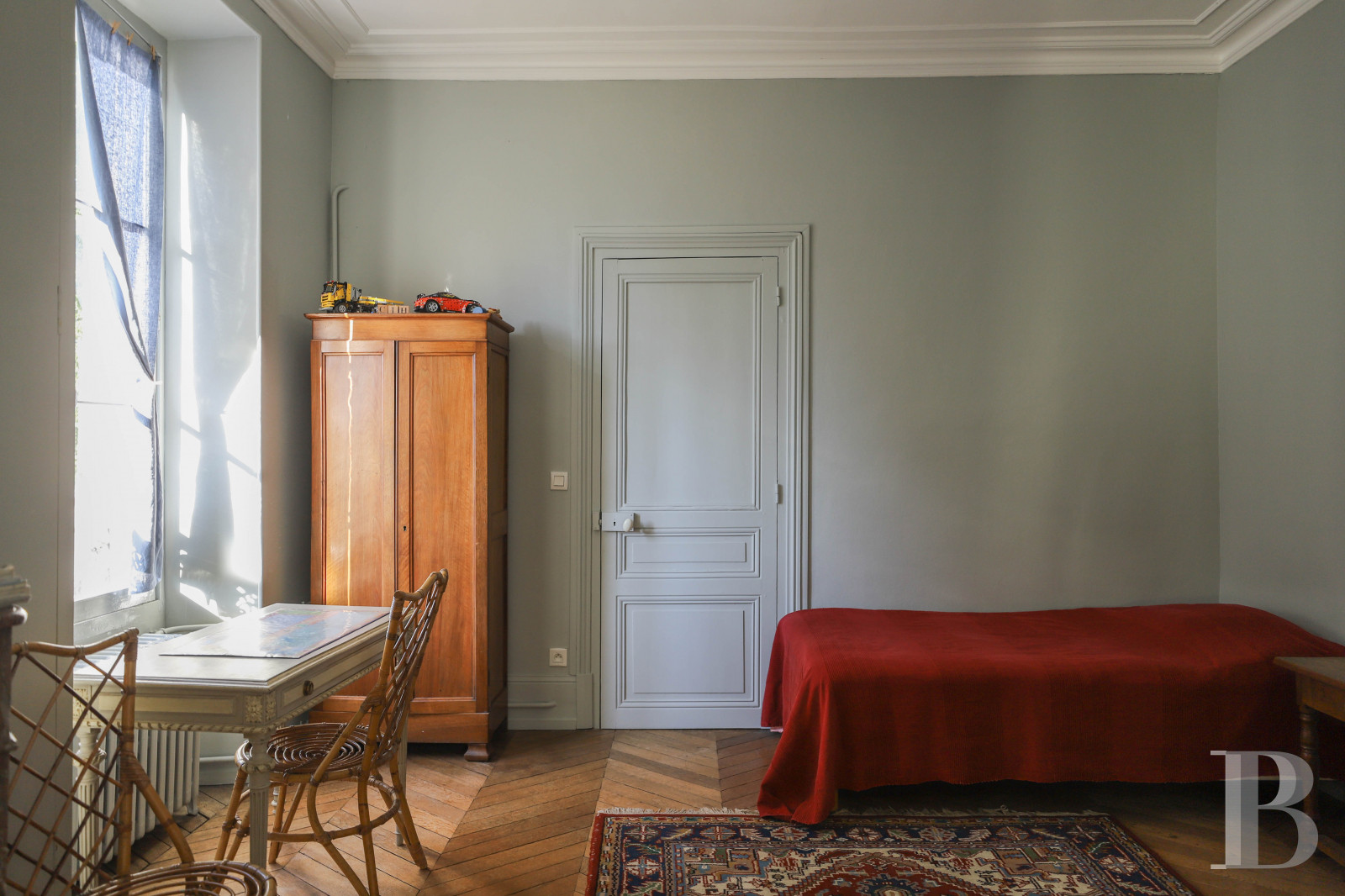
In the dwelling’s central section, a solid oak staircase, the top of which is decorated with an antique red baccarat crystal orb, ascends to the landing. With a total of five bedrooms on this floor, to the right, a hallway provides access to an initial bedroom, featuring a grey marble fireplace with a trumeau panel and two large cupboards, partially concealed by wood panelling, which communicates with a dual-aspect bathroom with a shower and lavatory.
At the end of the hallway, a second bedroom, also giving on to this same bathroom, boasts a white marble fireplace as well as a small built-in shelf, whereas, the manor’s western wing also contains a hallway providing access to two bedrooms, connected to one another via a dual-aspect shower room, and a separate lavatory.
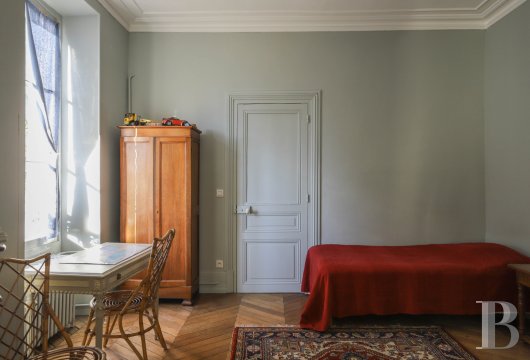
Each of these bedrooms comes with a fireplace, while the larger one, on the dwelling’s northern side, is flooded in light thanks to two sets of glass double doors each opening on to a small balcony. With mostly chevron or straight-plank parquet floors throughout this level, a fifth and final bedroom is located in the middle of the dwelling and directly accessible from the landing.
The attic
Once divided into five staff bedrooms under the eaves, the left wing has been reconverted into a self-contained flat with two bedrooms, including one with a washbasin, separated by a small kitchen, a shower as well as a lavatory. As for the right wing, it has not been reconverted and today features four rooms, which could become bedrooms, while one is currently being used as a utility/boiler room.
The basement
Still mostly covered in 19th-century hexagonal floor tiles, it extends over three-quarters of the dwelling’s floor area and, specifically, includes the manor’s former kitchen, a workshop under the conservatory, a former coal cellar, a boiler room as well as a wine cellar.
The carport
The property’s main gate opens on to a small dirt lane, which runs parallel to the conservatory and vast lawn before disappearing behind the centenary plane trees and ending at a double carport located below the dwelling and completely hidden by vegetation.
Our opinion
Overlooking its grounds, this sunny and spacious family dwelling, dripping with charm, exudes a protective air for its inhabitants given its reassuring and impressive structure, marked here and there with subtle and whimsical touches, while the dwelling’s interior and exteriors are in constant dialogue thanks to each room providing direct access to the garden, which, in turn, provides ever-changing and breath-taking tableaus for the enjoyment of its occupants. Designed initially for a family, its many bedrooms and separate, self-contained “flats” also lend themselves to a number of other interesting projects, such as a bed-and-breakfast or an artists’ residence.
630 000 €
Fees at the Vendor’s expense
Reference 273260
| Main building floor area | 350 m² |
| Land registry surface area | 3890 m² |
French Energy Performance Diagnosis
Information on the risks to which this property is exposed is available on the website: www.georisques.gouv.fr
Share


NB: The above information is not only the result of our visit to the property; it is also based on information provided by the current owner. It is by no means comprehensive or strictly accurate especially where surface areas and construction dates are concerned. We cannot, therefore, be held liable for any misrepresentation.