

Add to favorites
Log in to your personal space
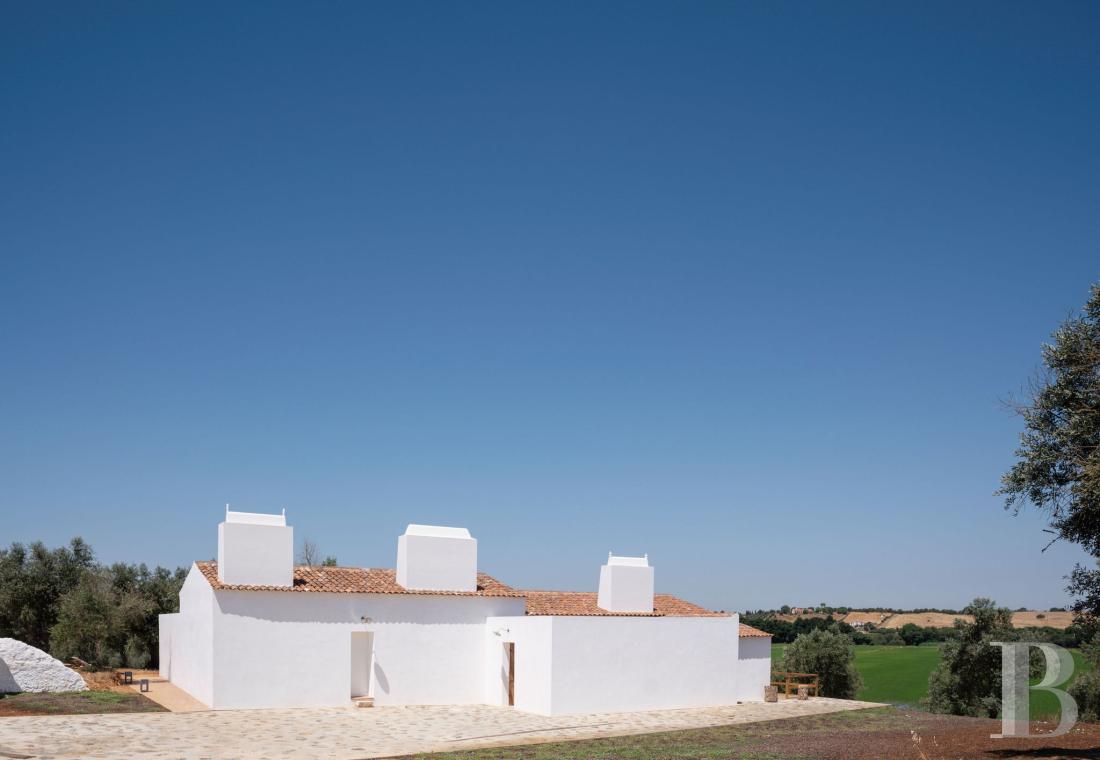
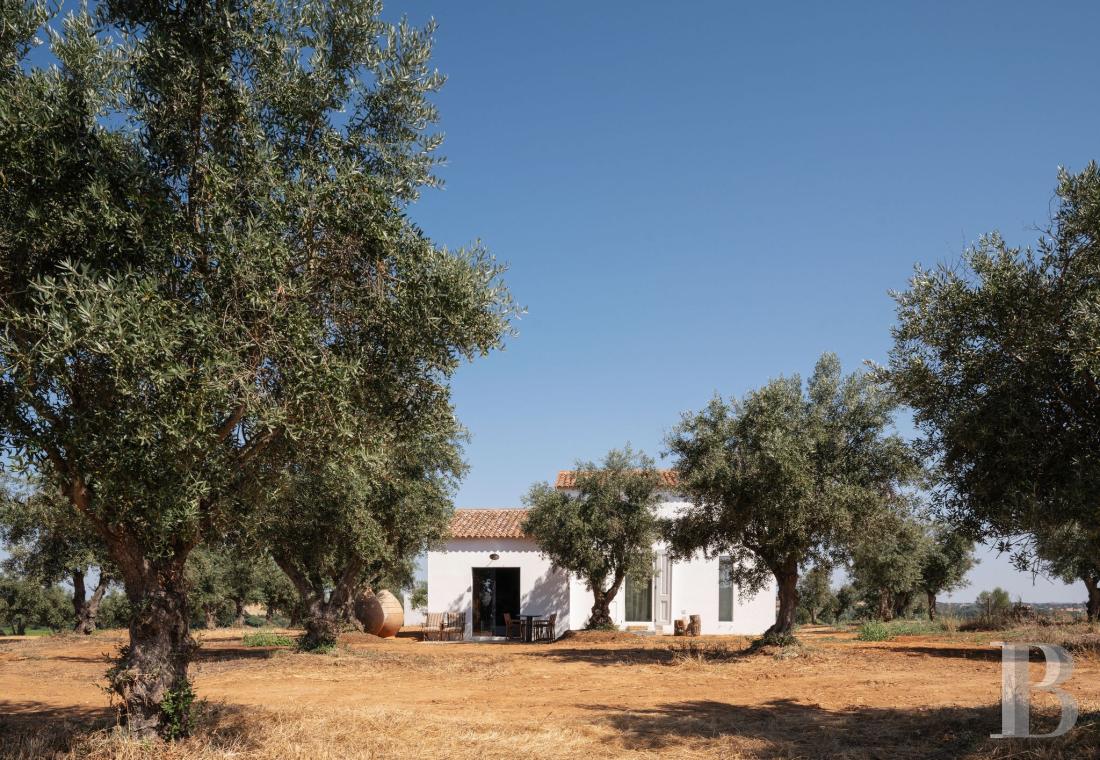
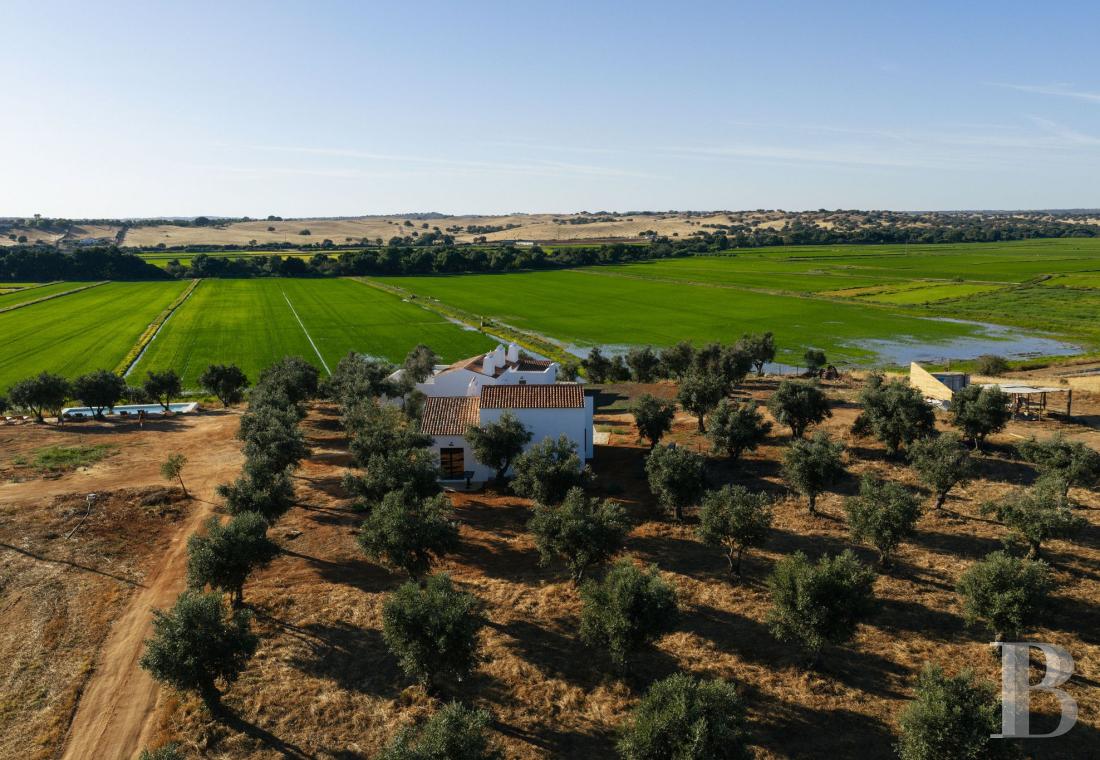
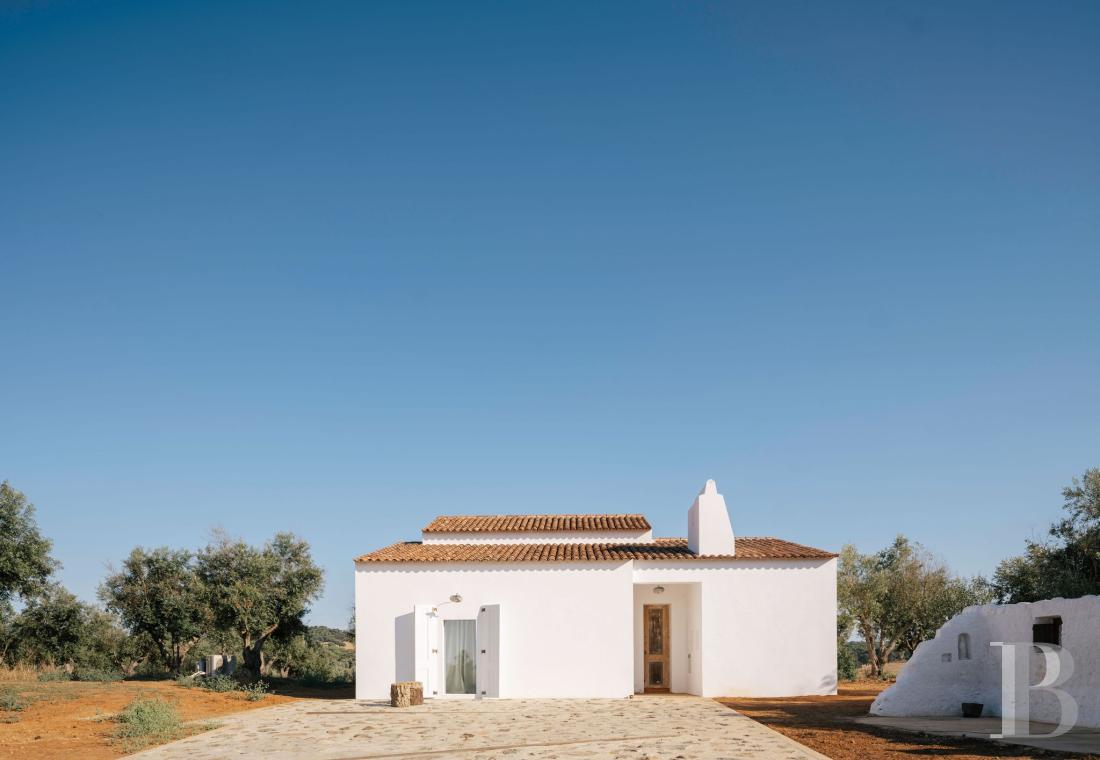
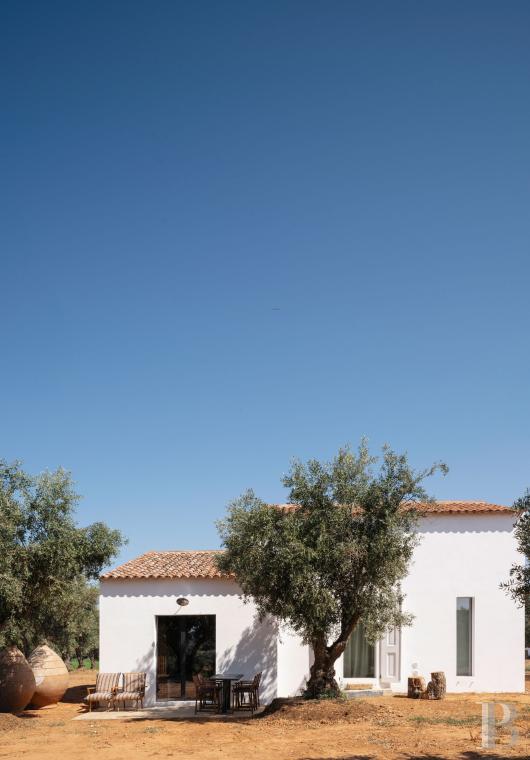
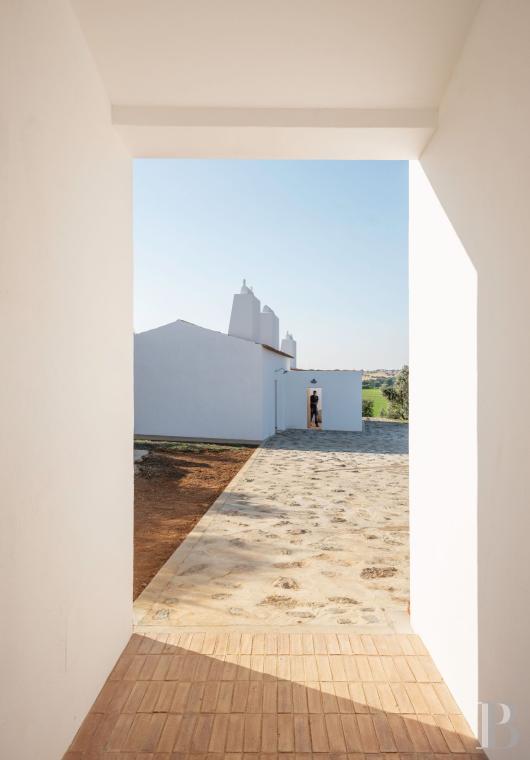
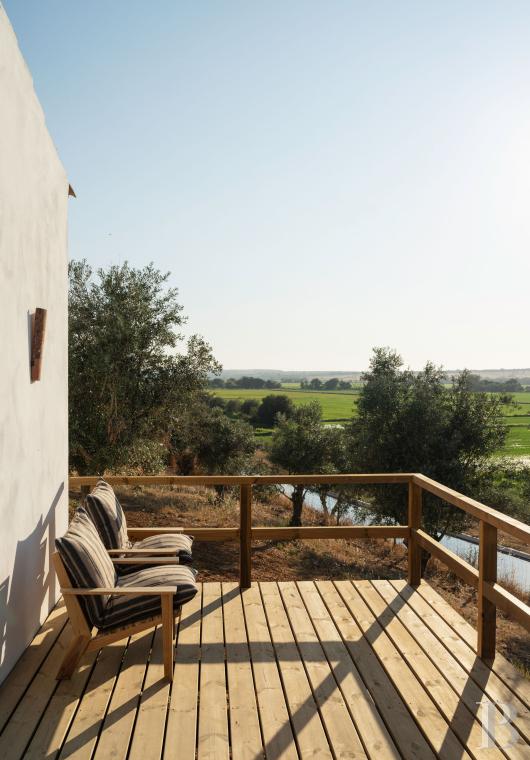
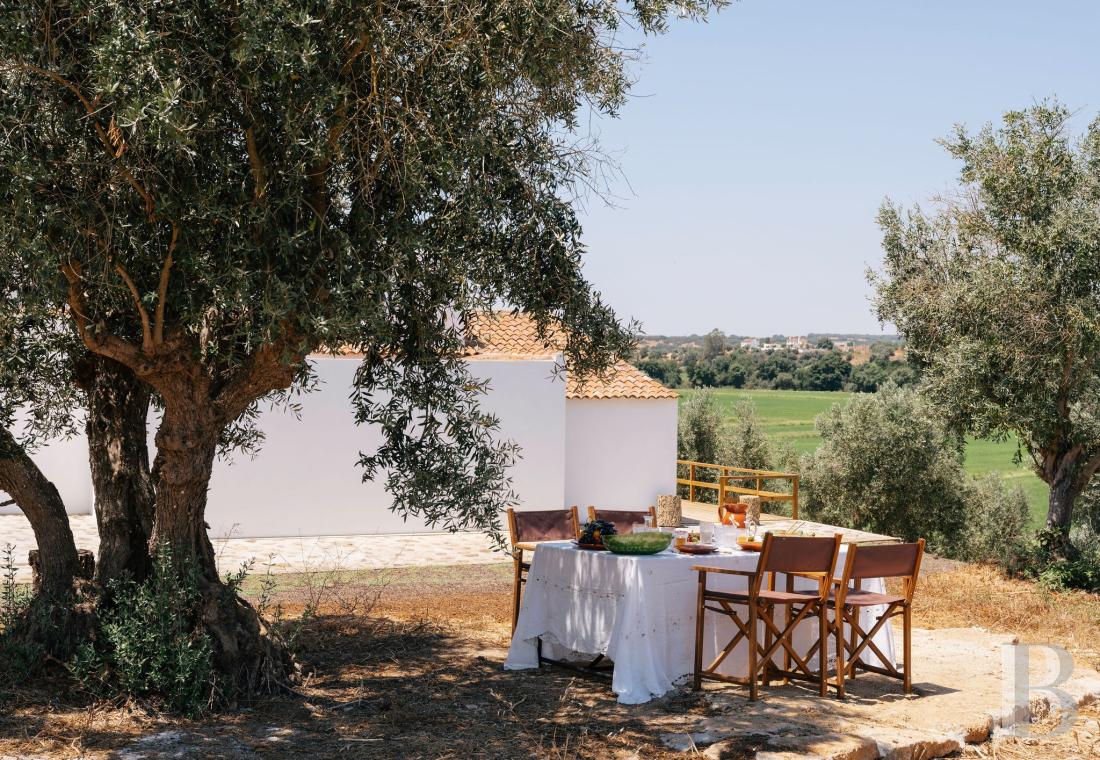
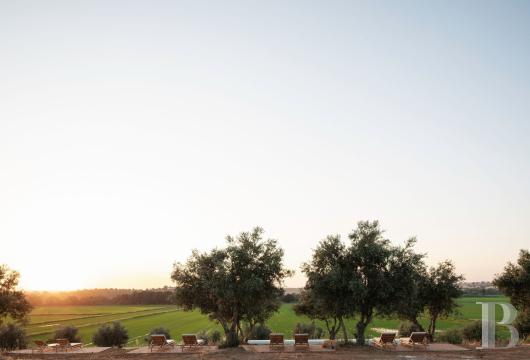
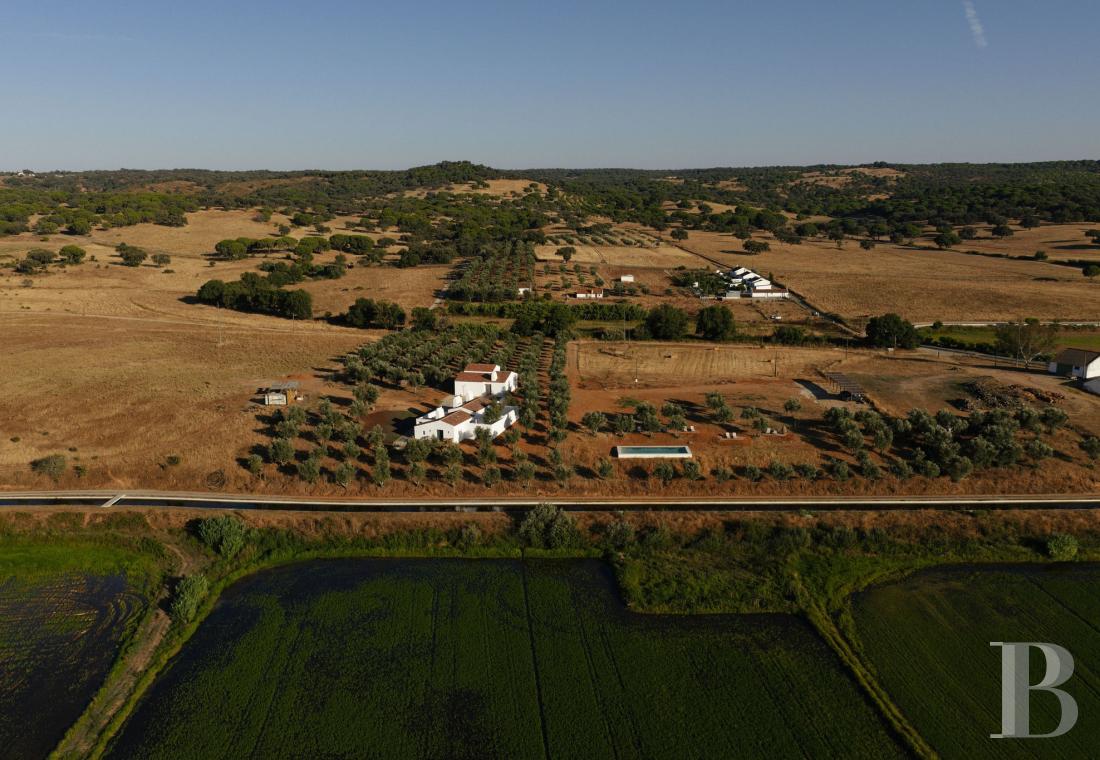
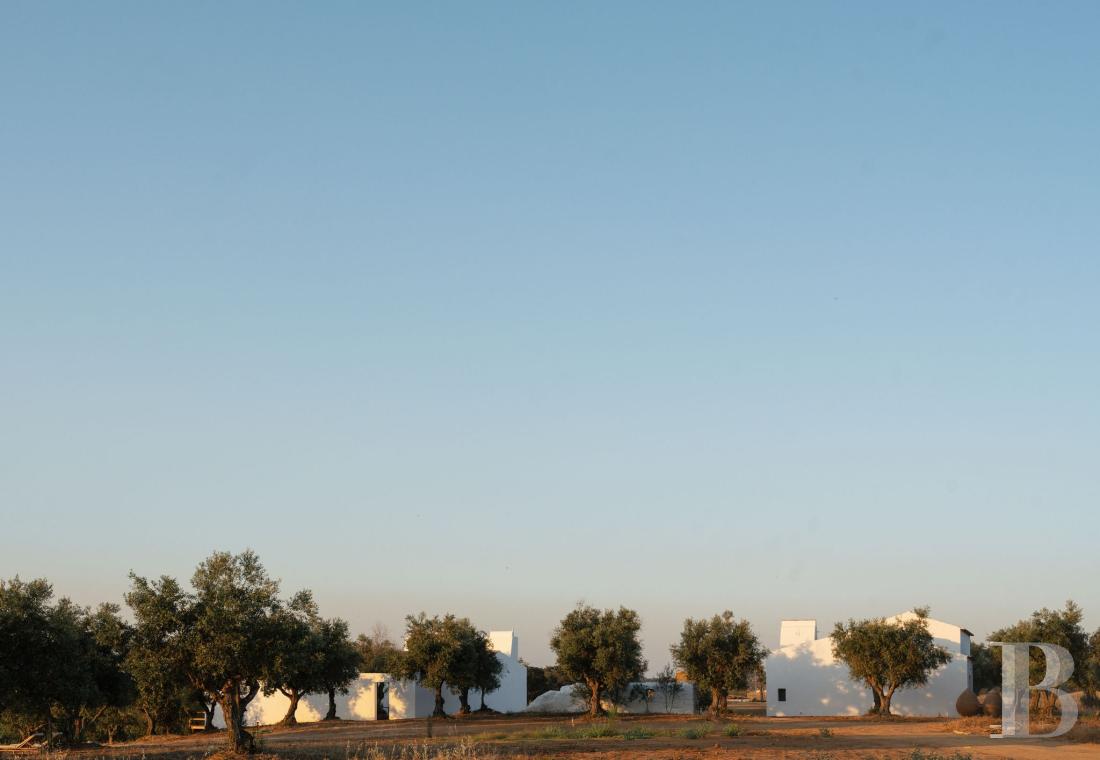
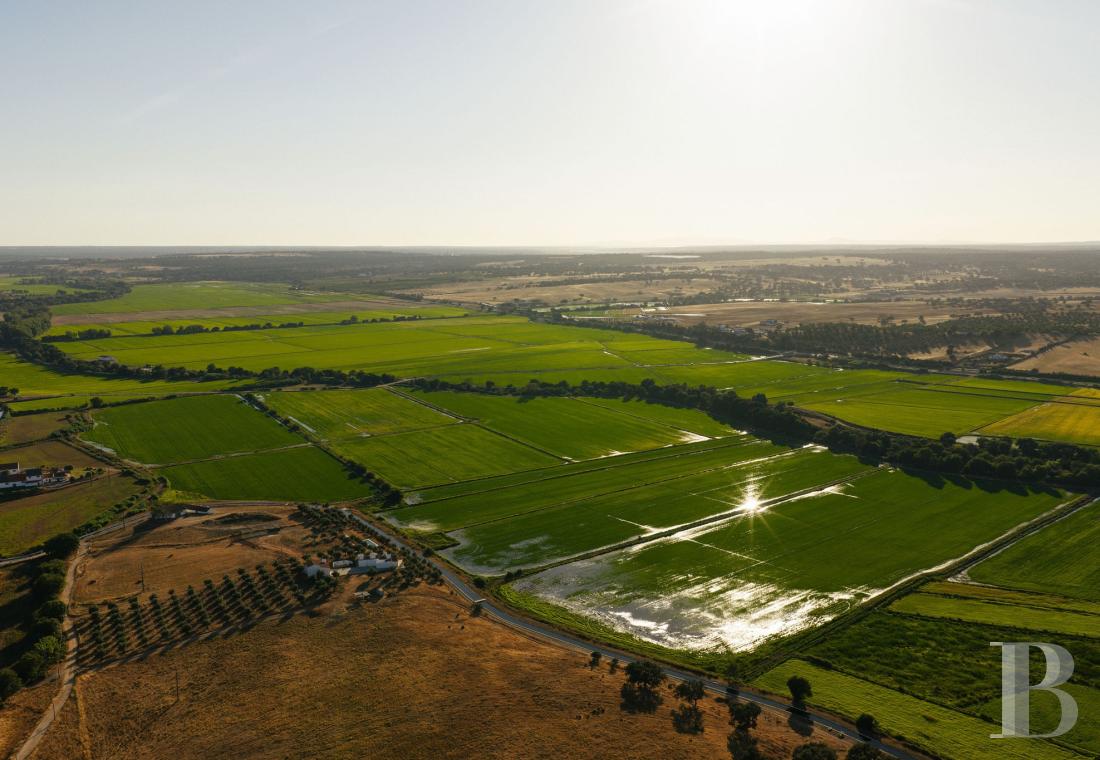
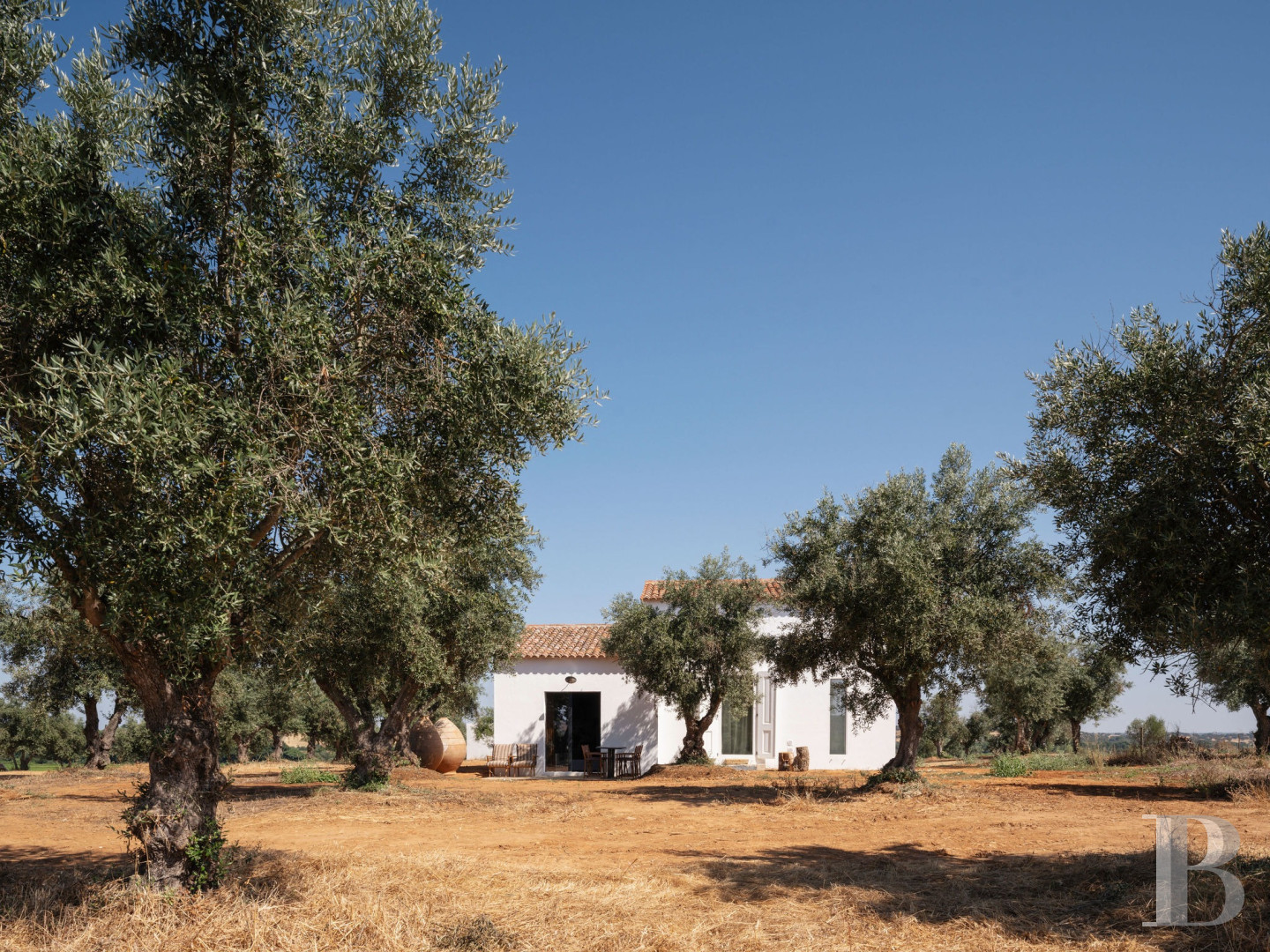
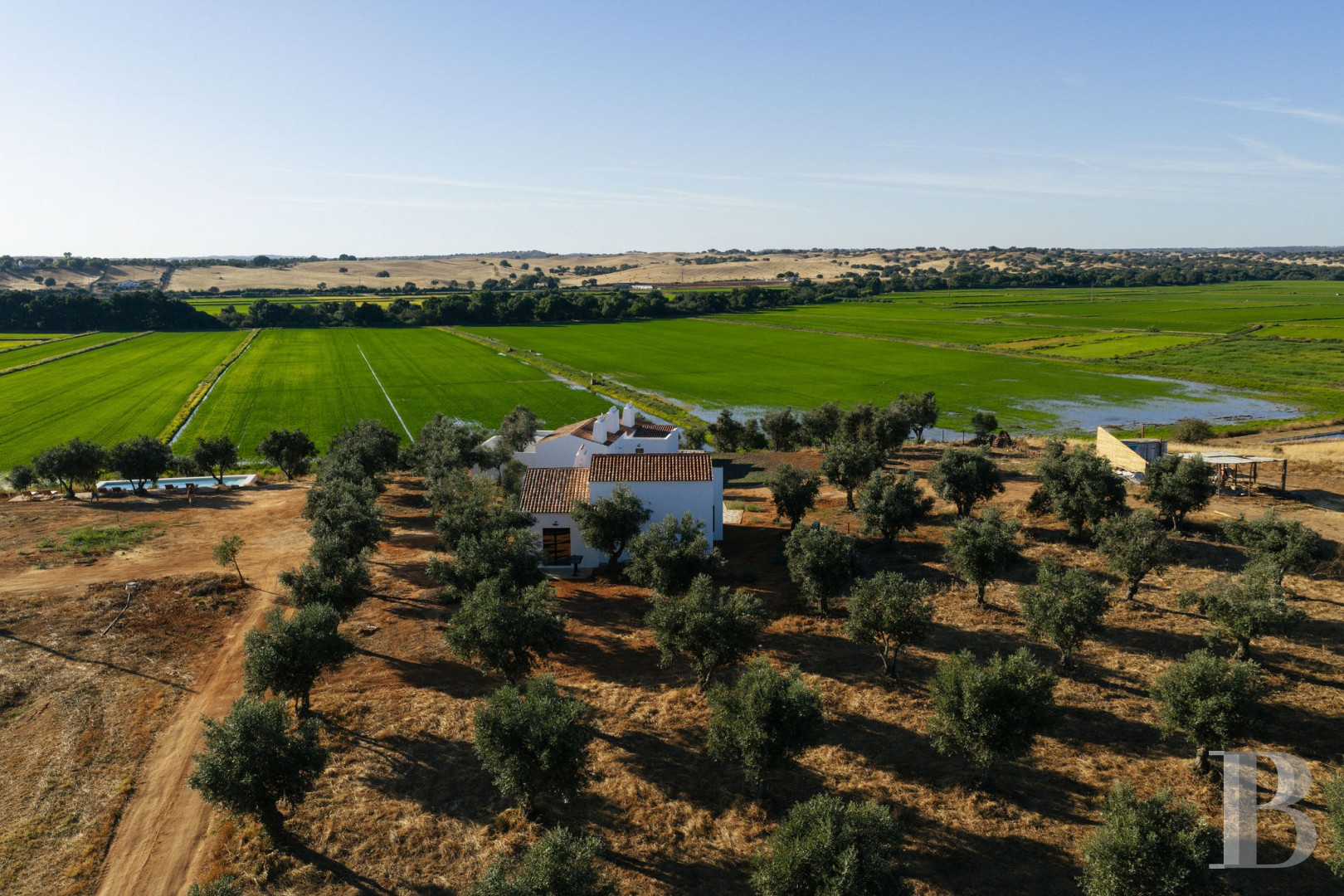
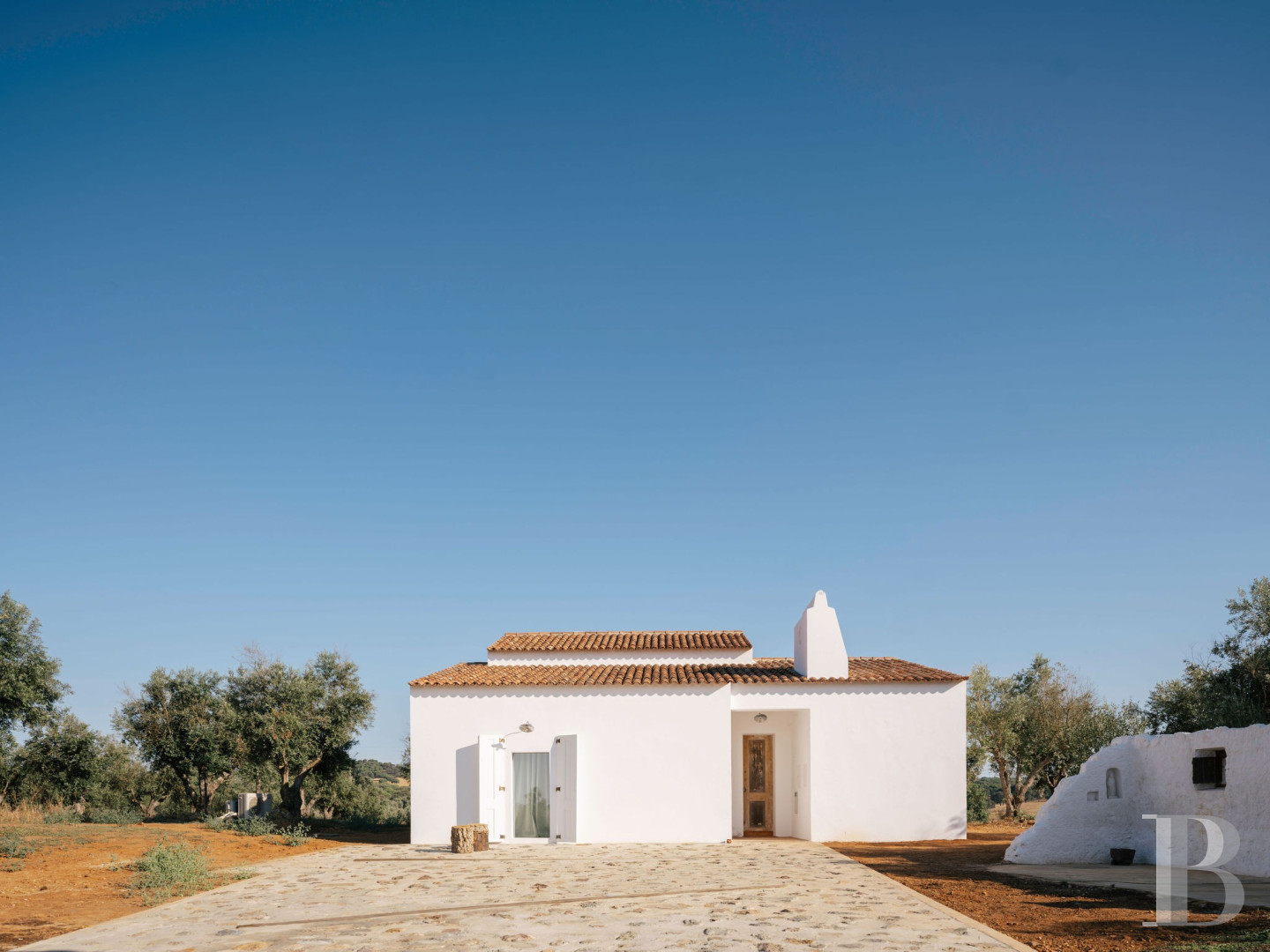
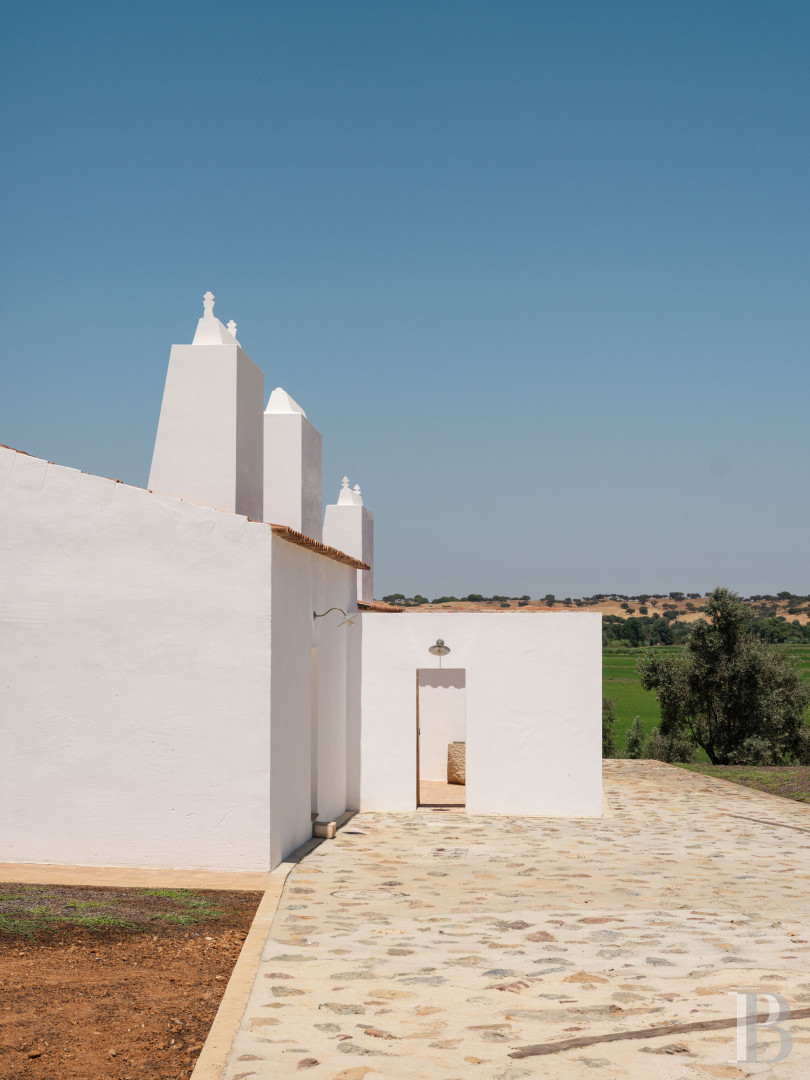
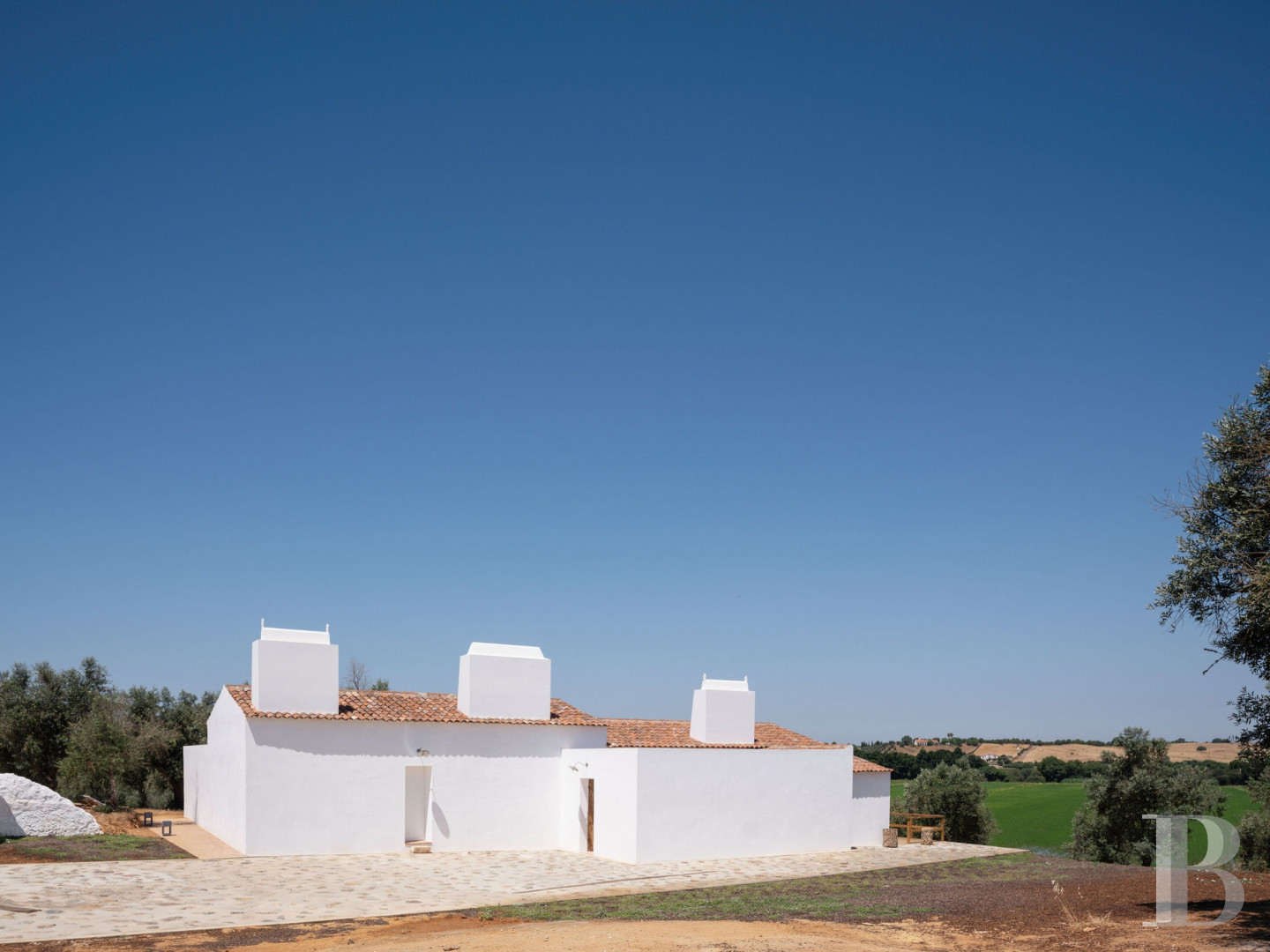
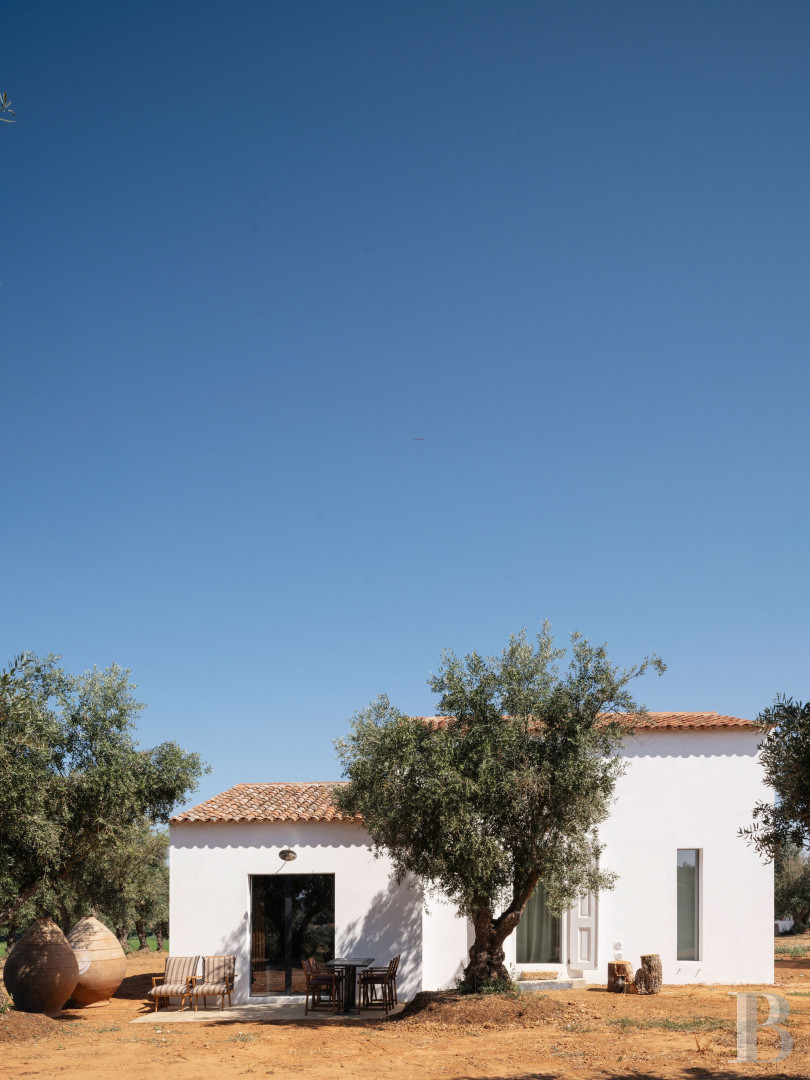
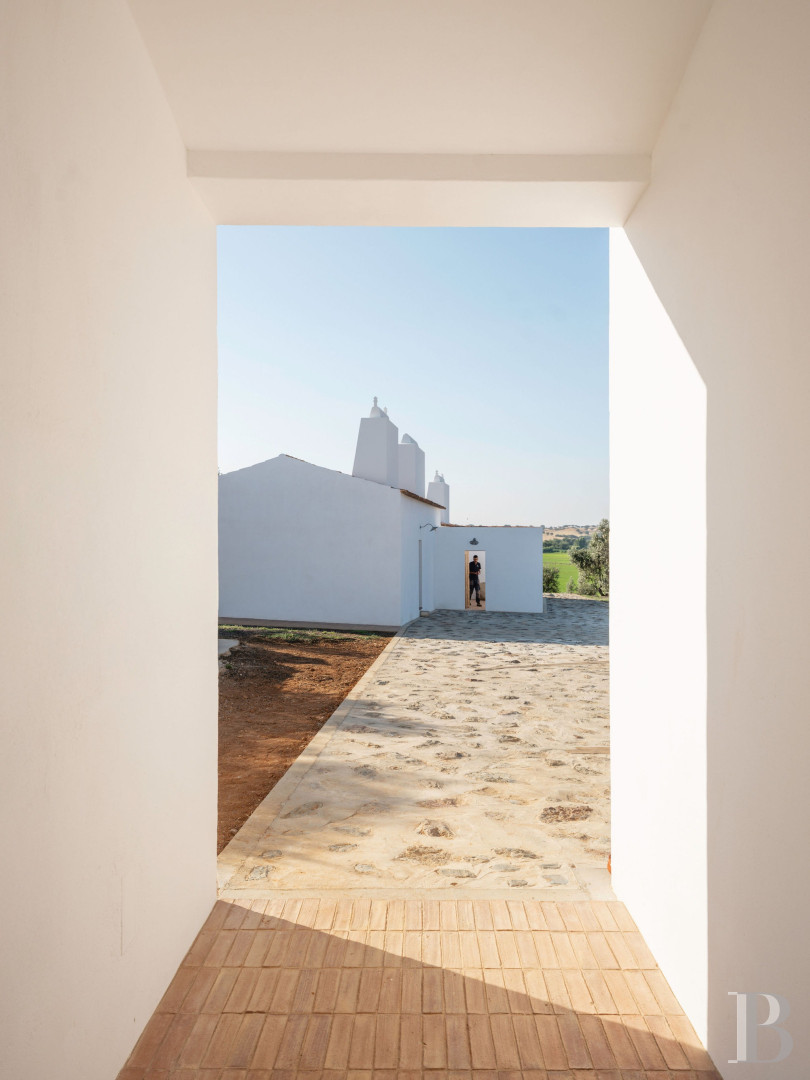
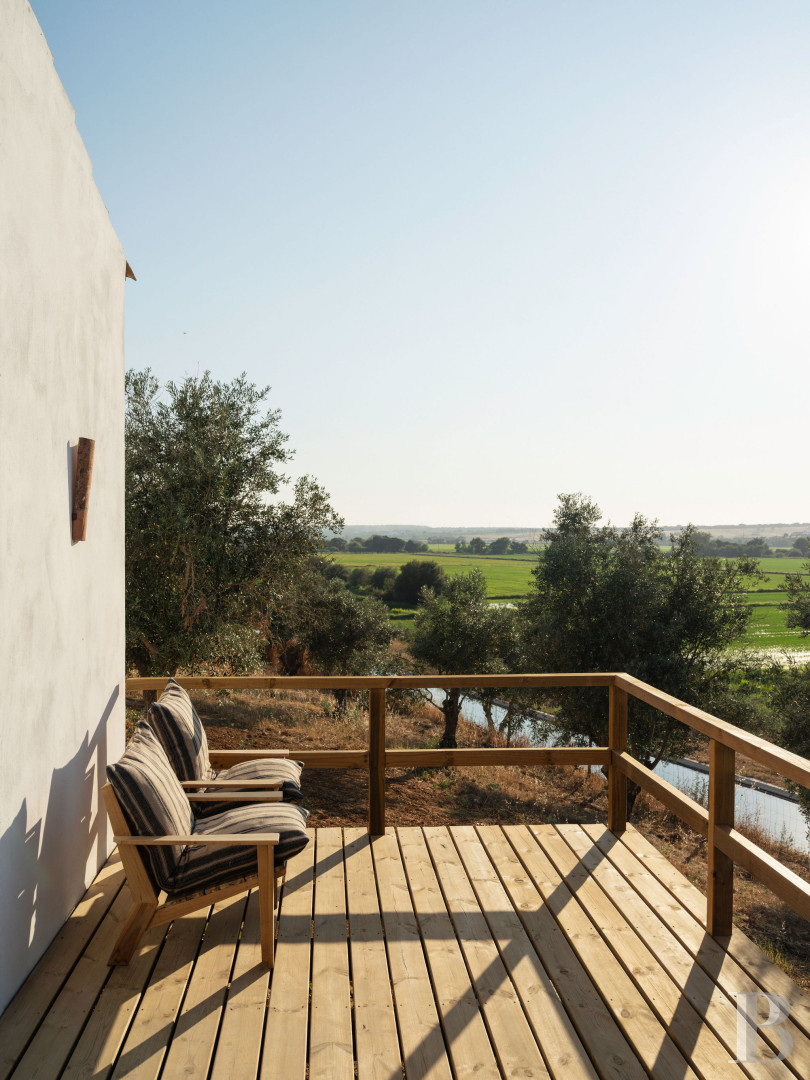
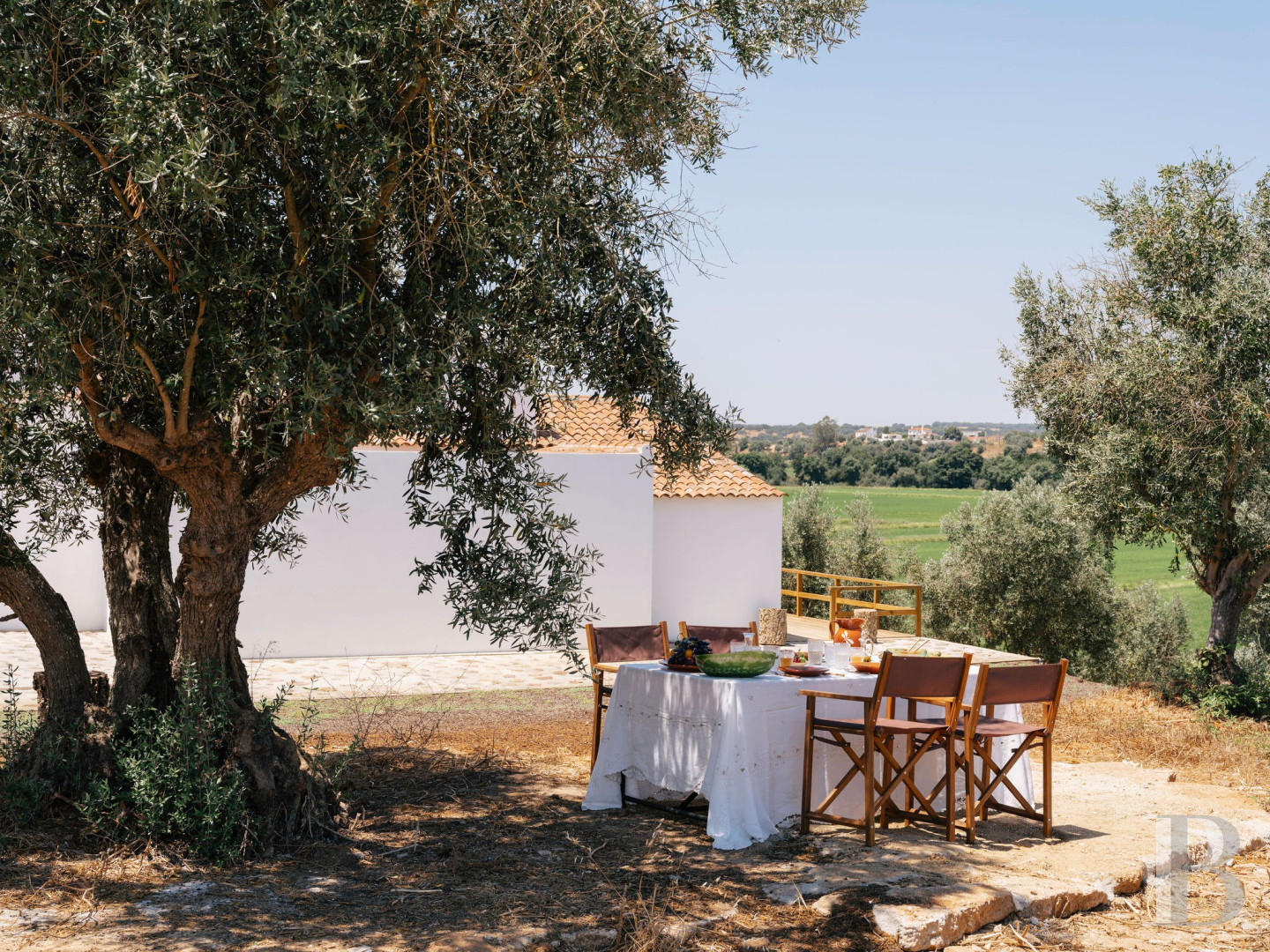
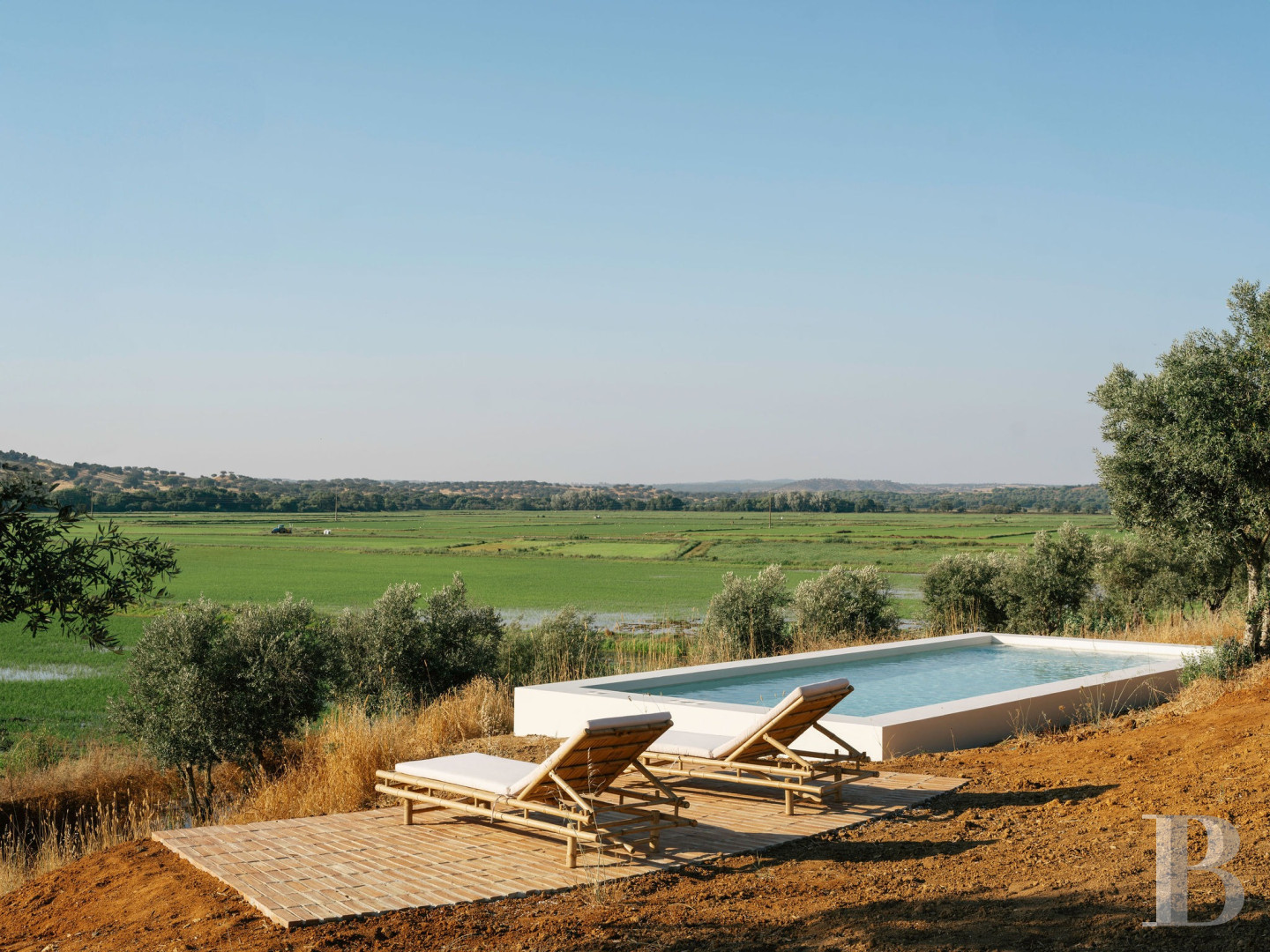
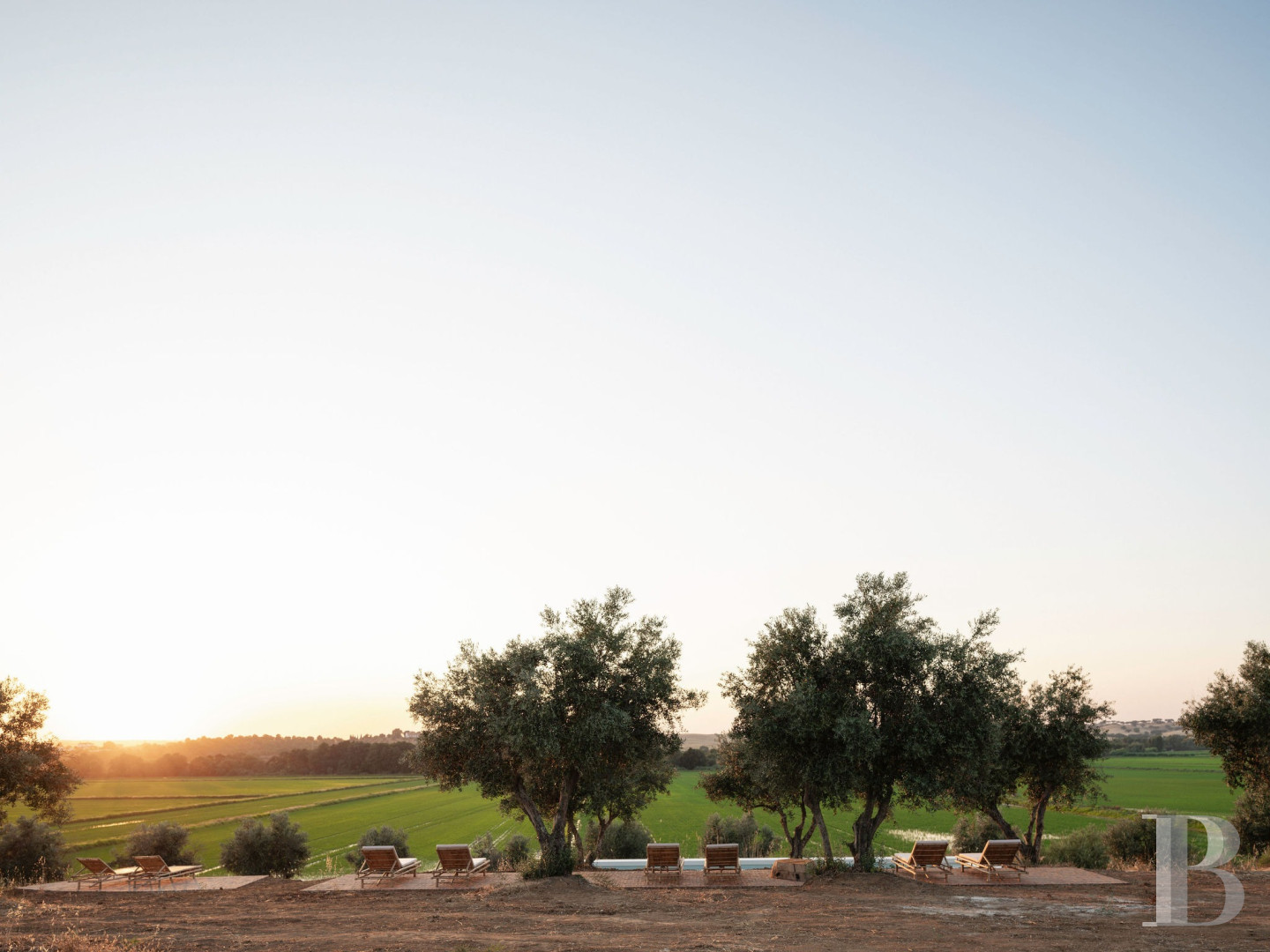
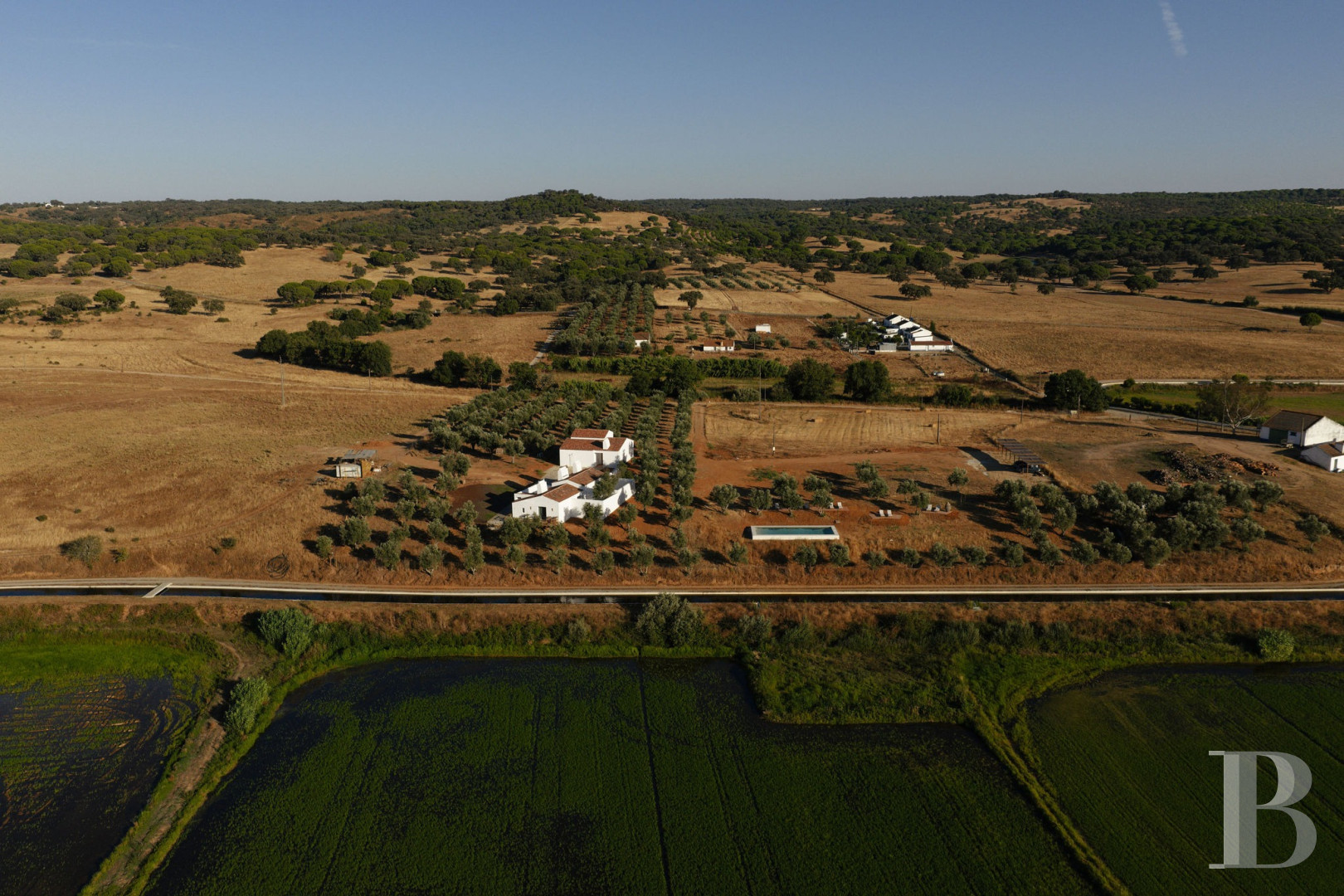
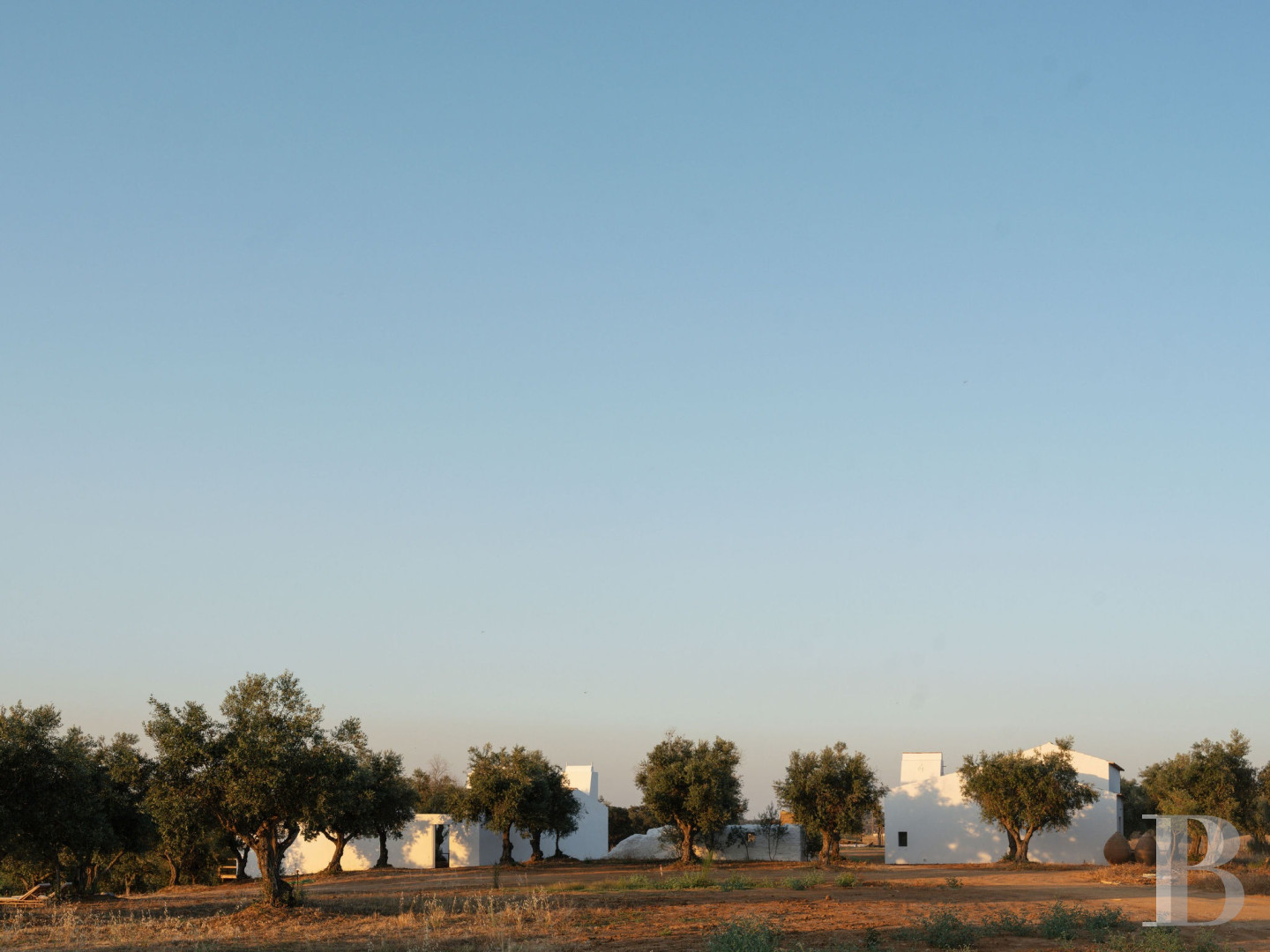
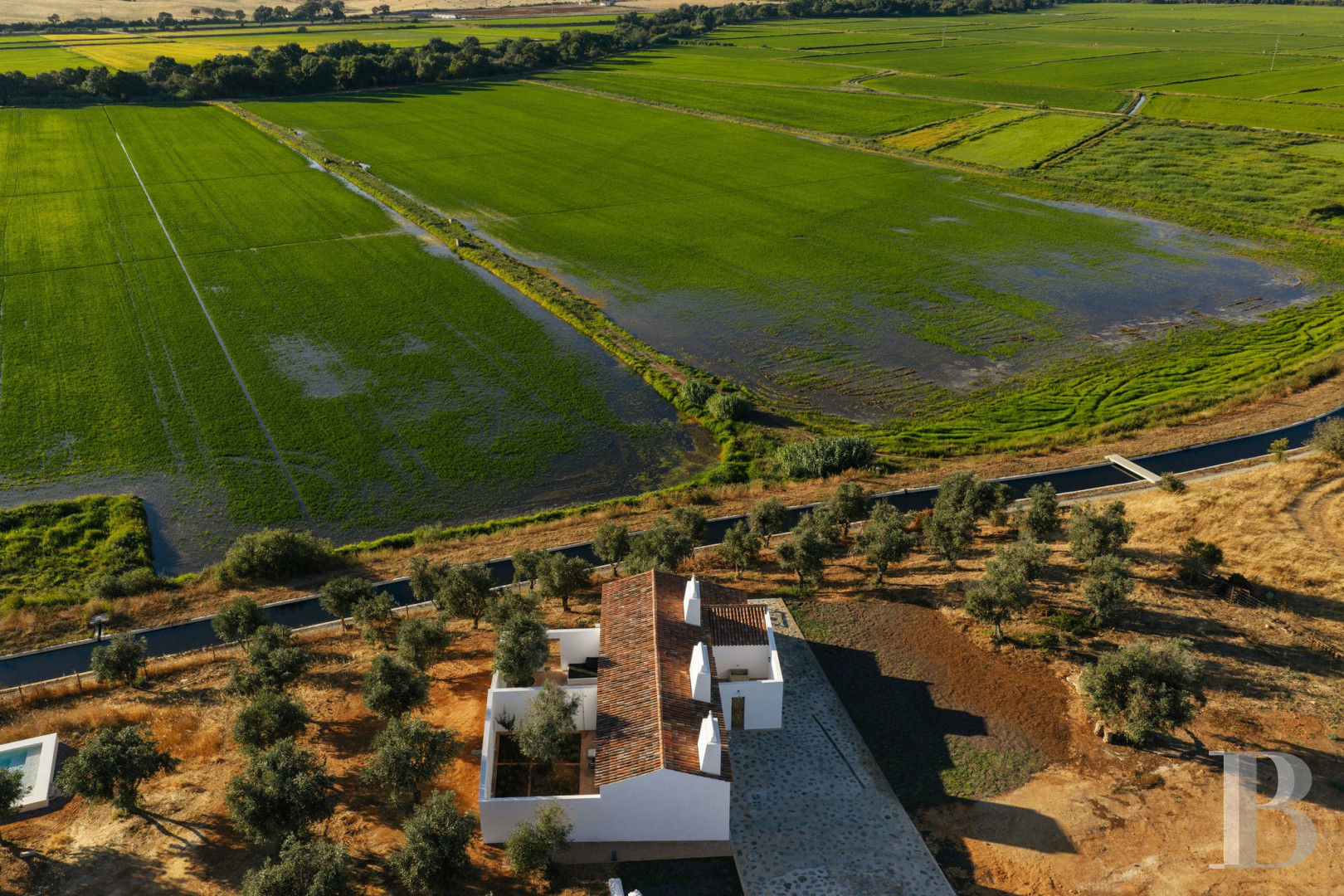
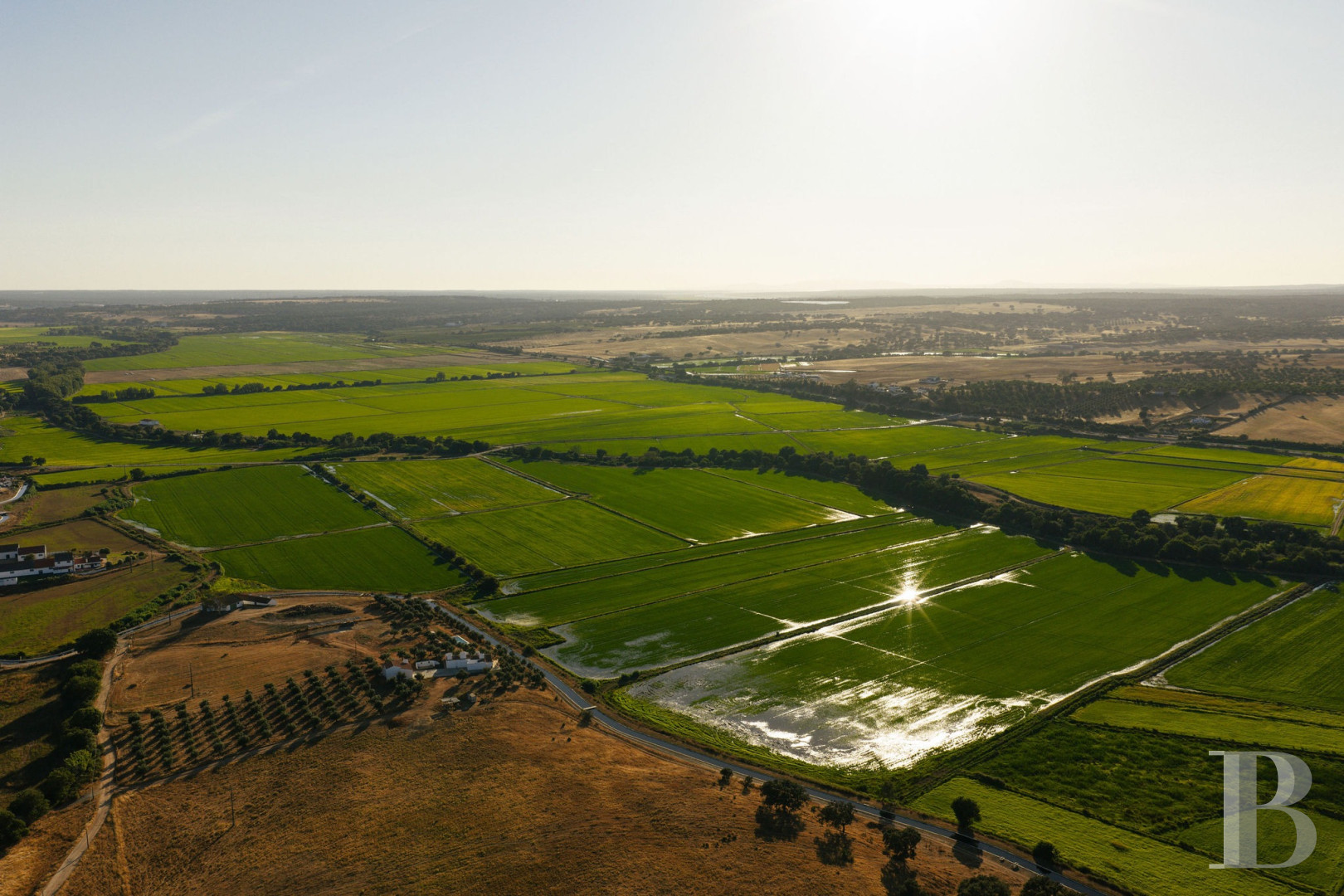
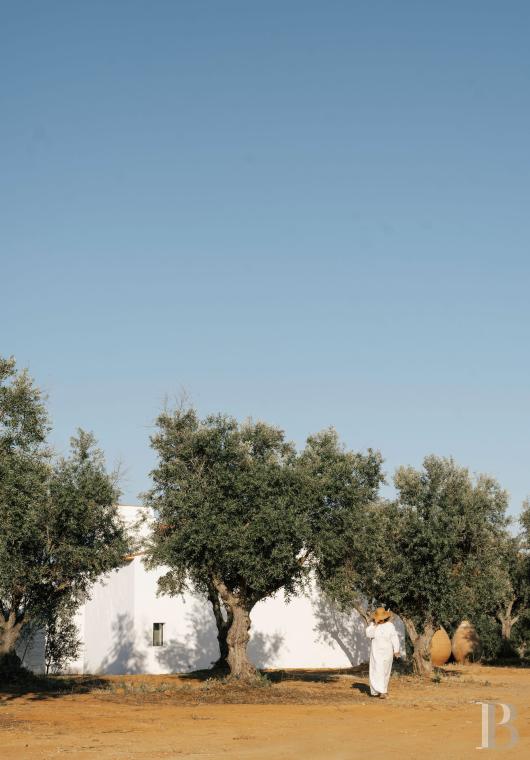
Alentejo is home not only to the splendid beaches of Comporta but also to secluded landscapes further inland, shaped by traditional farming methods that are still very much in evidence. Two houses surrounded by olive trees stand facing each other, both looking out over the rice field that stretches out at their feet, on a hilltop, set away from a small village. Two buildings, which are dazzlingly white and radically simple, set against a backdrop of red earth. The image is striking and invites you to explore. The beauty and emotion continue behind the walls, in the gentle atmosphere, the strength of the materials, the harmony of the colours and the interplay between Portuguese craftsmanship and contemporary art. Everything here has been so well thought out and executed that it cannot fail to delight the senses and bring peace to the soul.
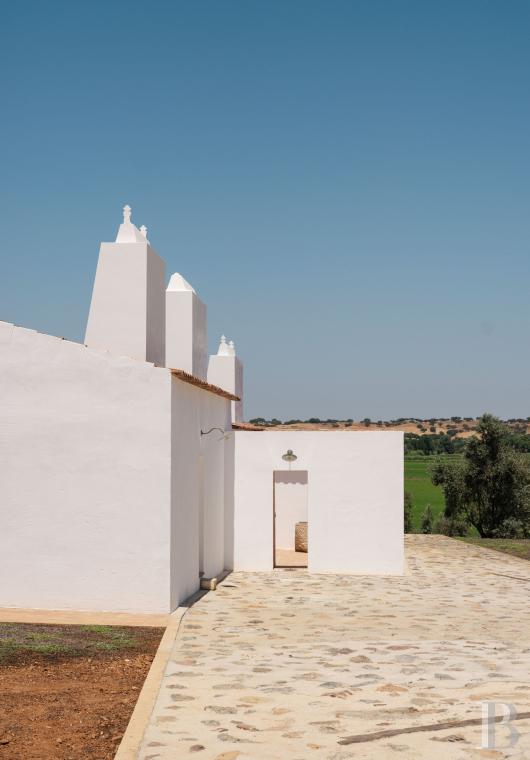
This property has been in my family for more than five generations and is an important part of our family heritage in Alentejo. Although we own several properties in the region, this one stands out due to the diversity of its landscapes and its agricultural activities. It combines several features which are characteristic of traditional agriculture in the Alentejo region, which are what inspired our restoration project. The estate forms a microcosm of the region’s agricultural diversity, with its rice fields, cork oak forests, olive groves, wooded areas, pine forests and land set aside for livestock farming. à propos de nous Mes lieux de prédilection sont tous l'été. Et dans leurs maisons. D'abord aux Açores, où j'ai grandi, puis en Algarve dans les années 70 et 80. L'Alentejo est venu plus tard, à l'âge adulte. Comme un refuge. Avec sa chaleur intense, l'ombre des chênes-lièges, le chant des cigales. Les murs blanchis à la chaux, les patios et l'eau qui coule dans le canal. Et tremper mes pieds dans les flaques des rizières. Un amour qui m'a été transmis. Un amour aussi pour le calme et les loisirs. De cet amour naît l'idée de reconstruire les ruines de Montinhos. Un lieu paisible. Avec ses « cheminées qui écoutent », témoins de tant de rumeurs et d'histoires. Ce qui est tangible aujourd'hui, c'est la matérialisation des souvenirs de ces étés, de ces luttes, de ces récits et de ce destin. Je remercie mon mari et Sainte Catherine. - MAFALDA J'ai grandi bercé par la musique, imprégné des sonorités qui résonnent en moi depuis l'enfance. Les gammes pentatoniques, profondément ancrées dans mes origines orientales, ne pouvaient qu'annoncer le profond bien-être que je ressens dans ce silence presque naturel de l'Alentejo, parfois rompu par le gazouillis des cigognes dans le vert tendre des rizières, le chant de la gorgebleue, ou même le simple bruissement des ailes des moineaux à la recherche d'un nid. En somme, il semble que nous aspirions tous à la même chose. La volonté et la force intérieure nécessaires à la réalisation de ce projet appartiennent véritablement à ma femme ; je ne suis que celui qui s'efforce de concrétiser ses souhaits.
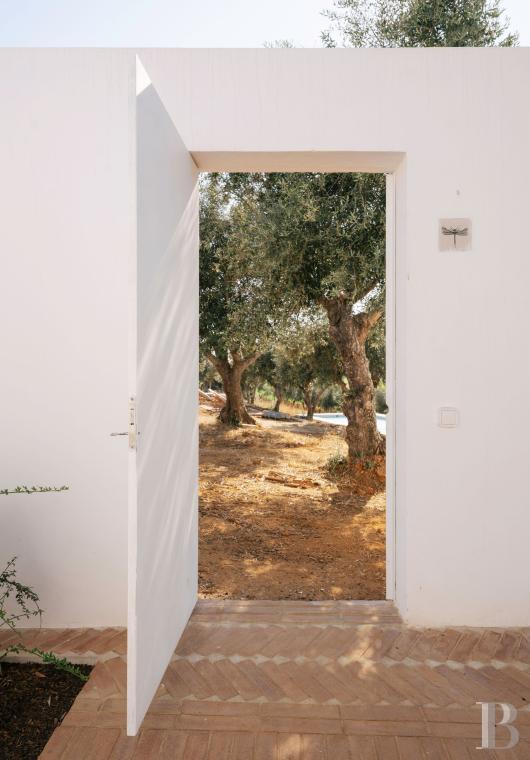
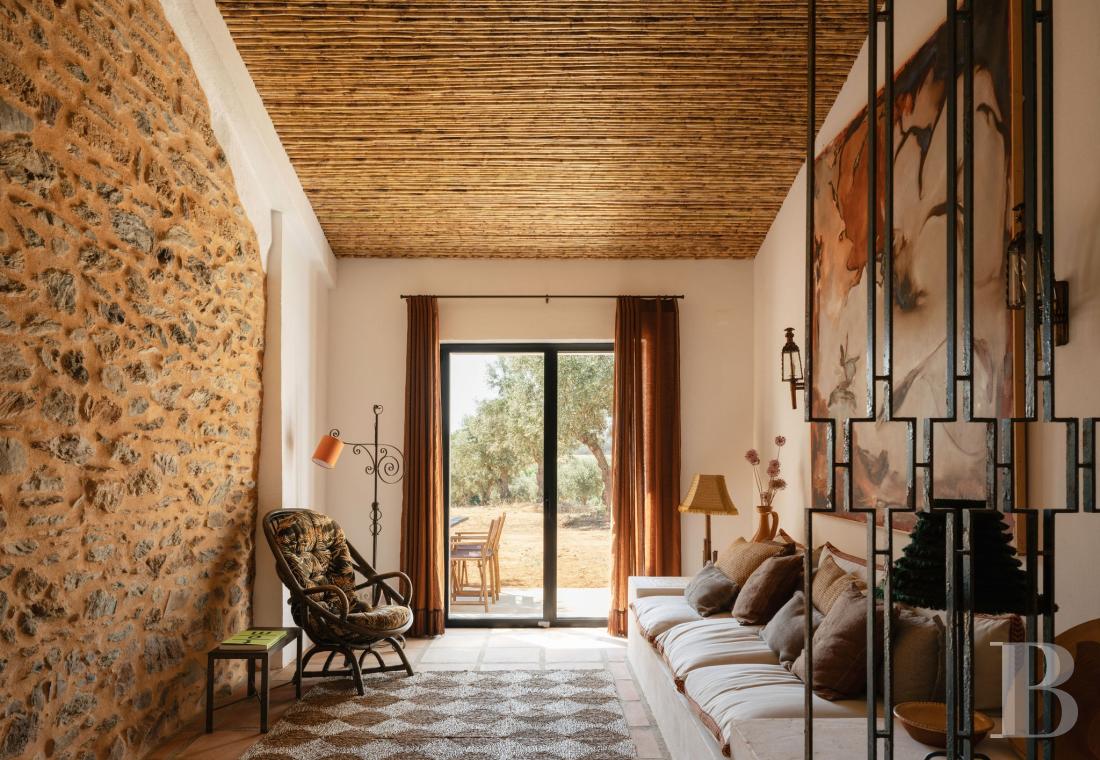
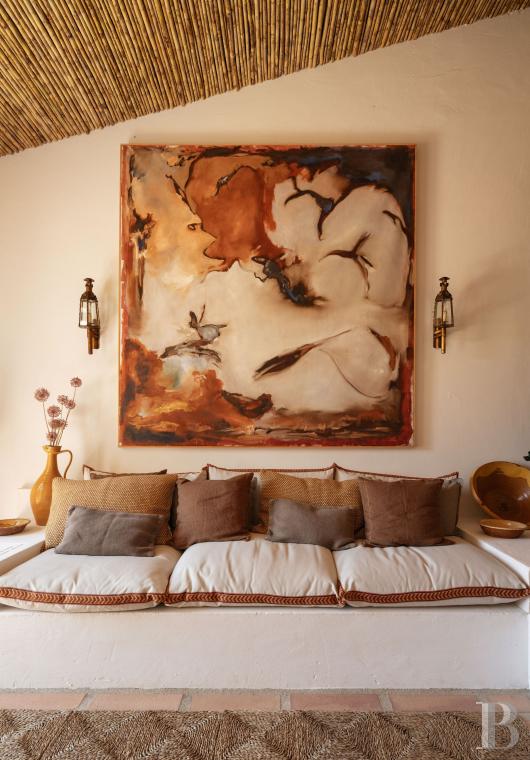
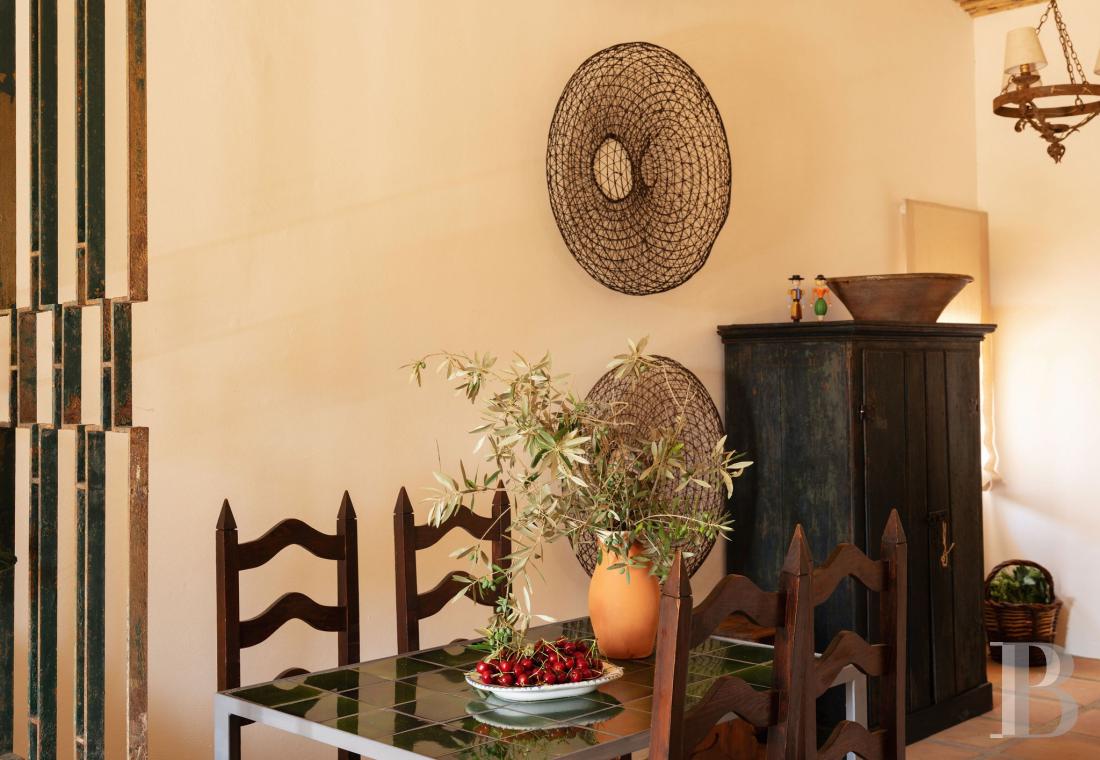
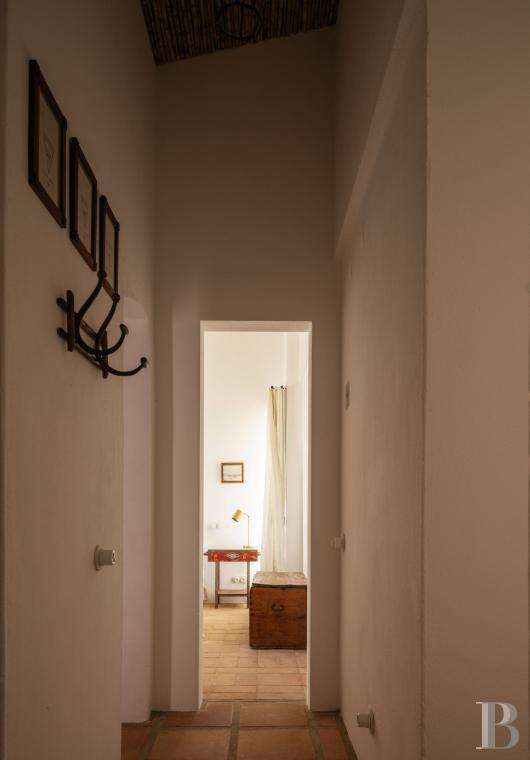
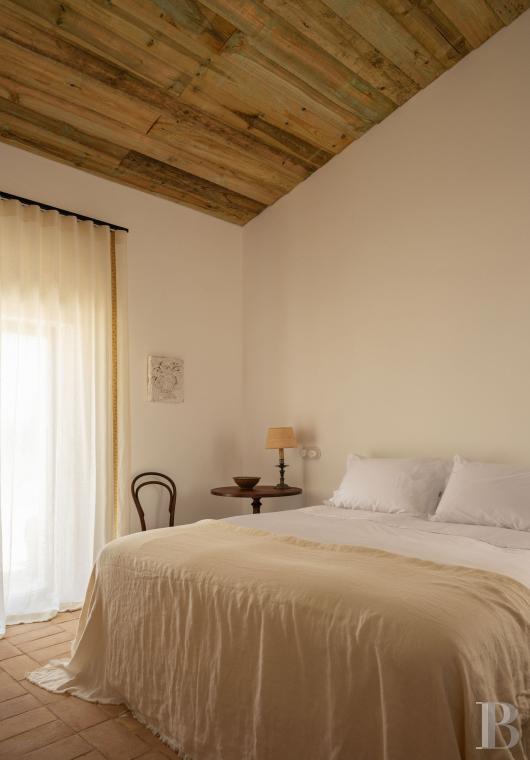
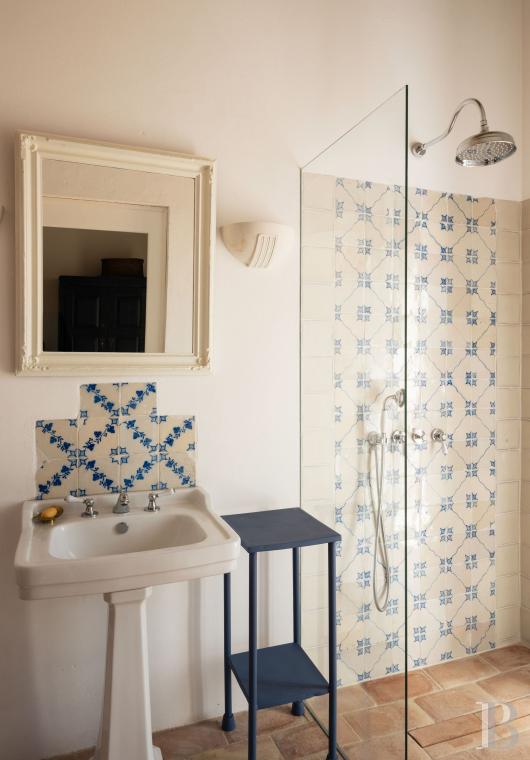
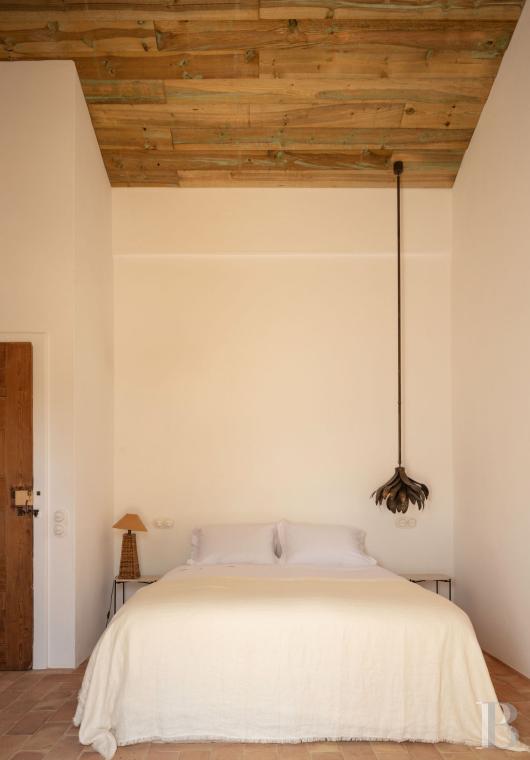
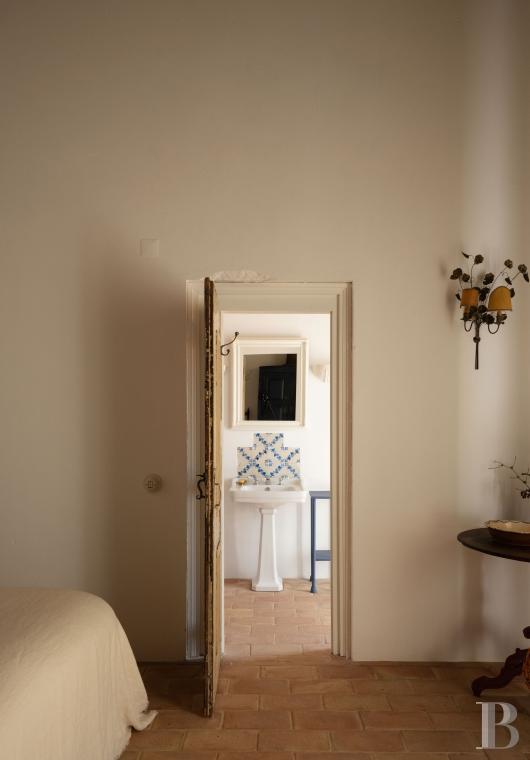
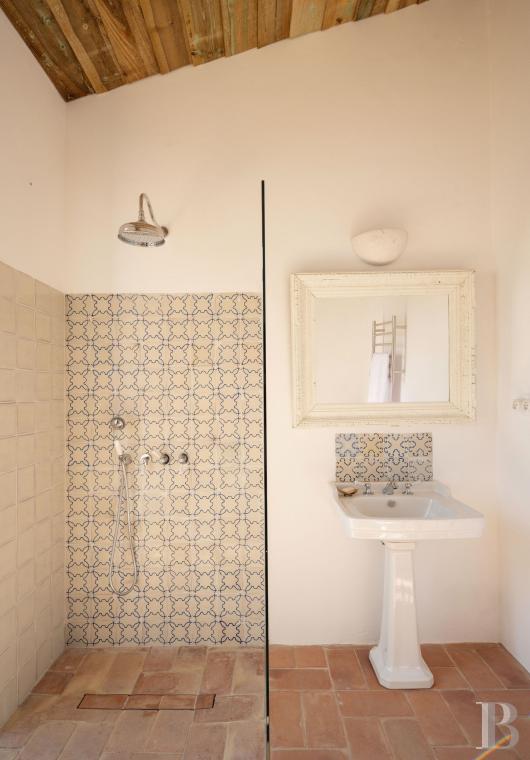
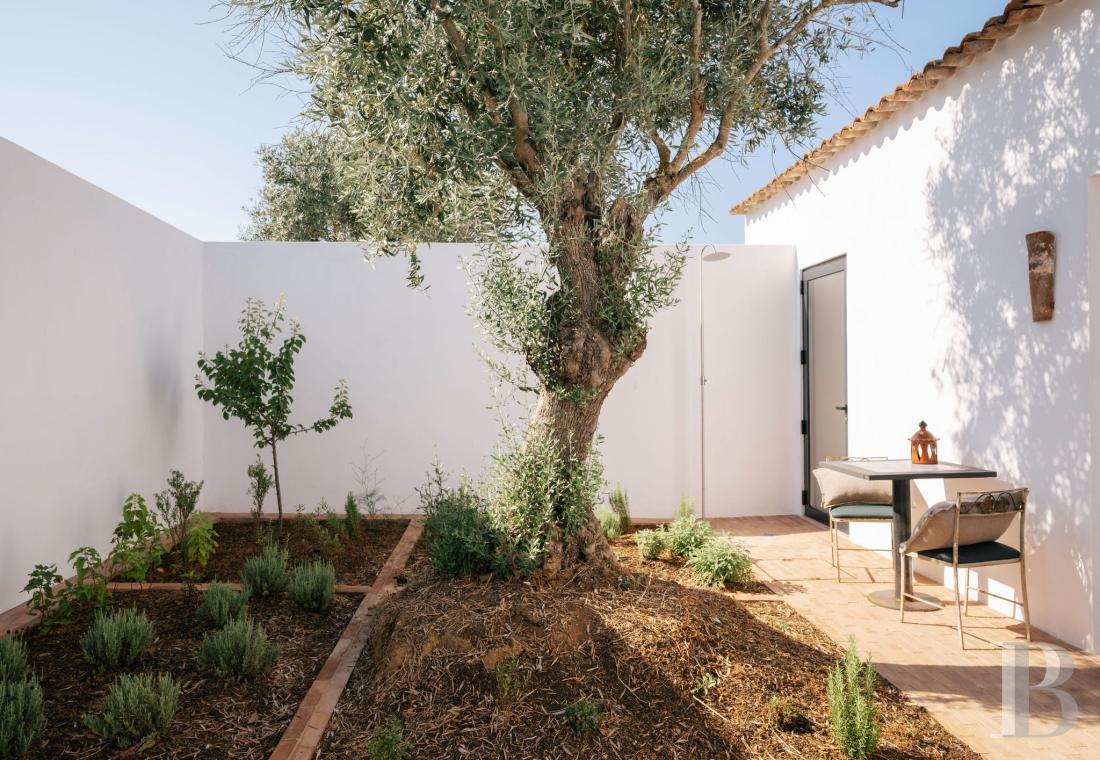
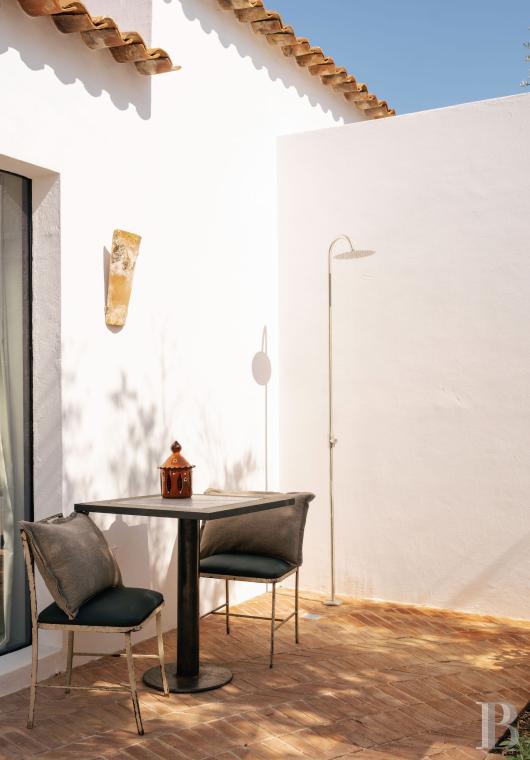
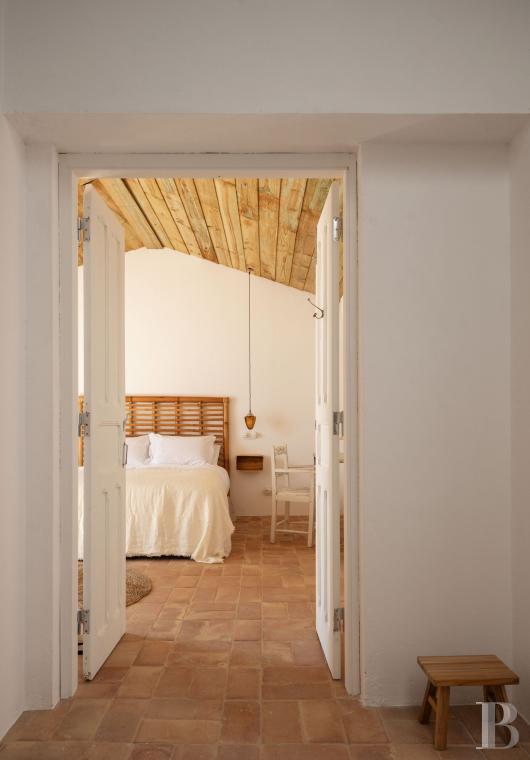
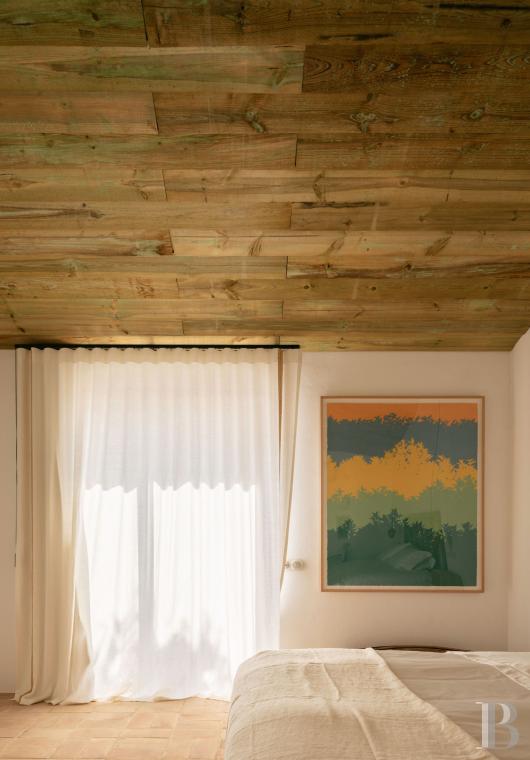
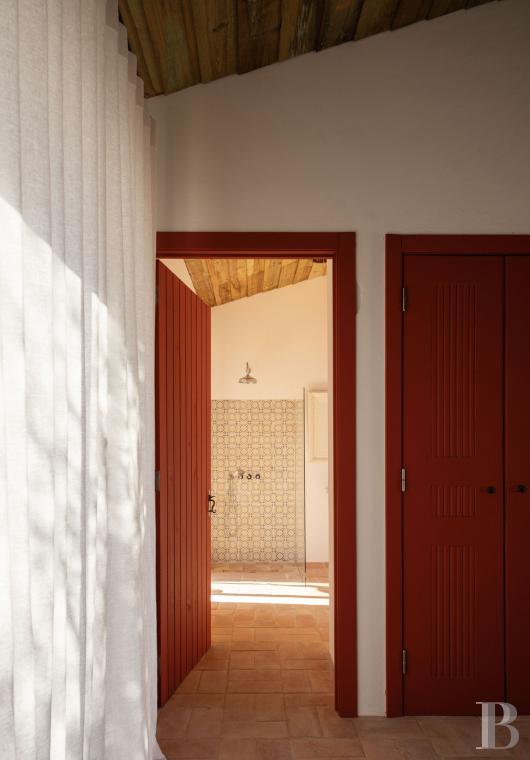
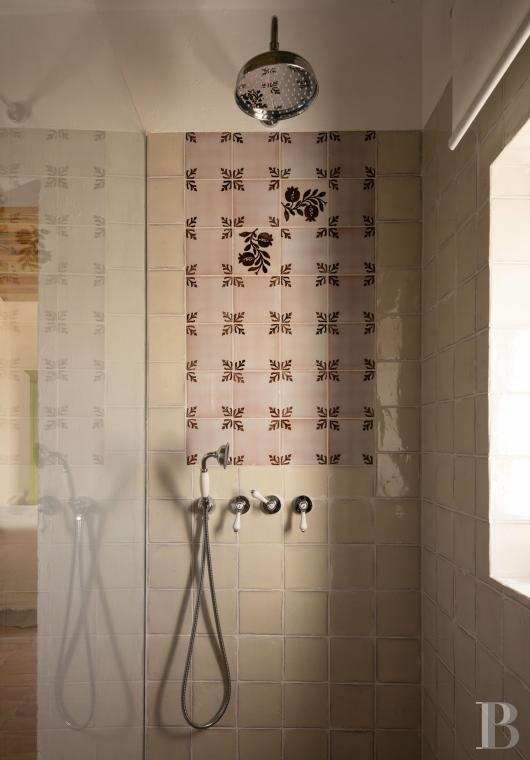
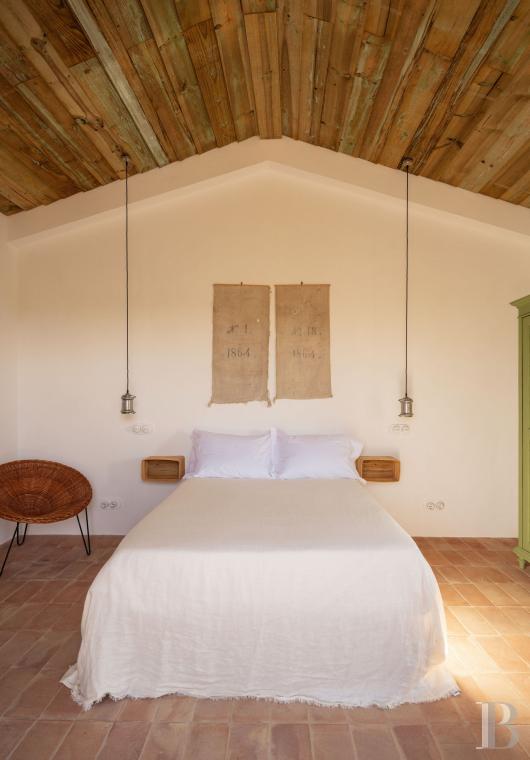
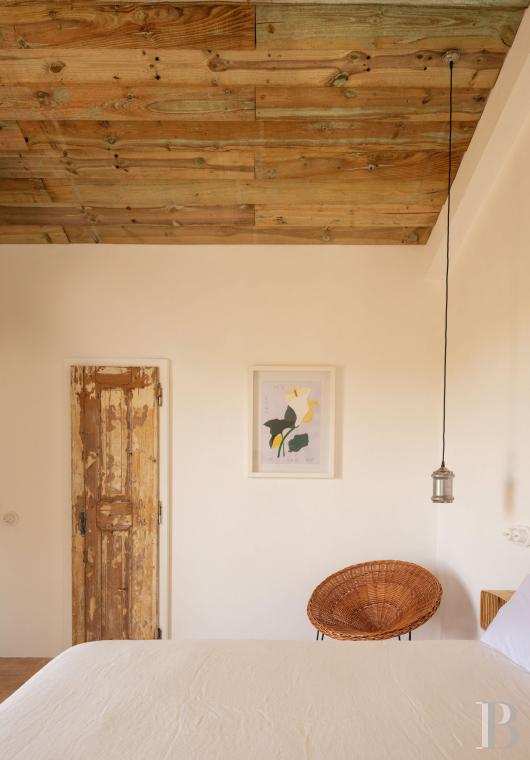
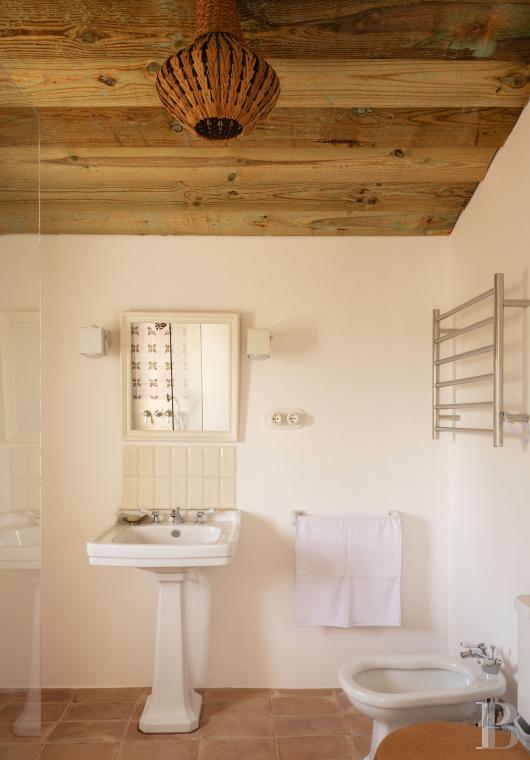
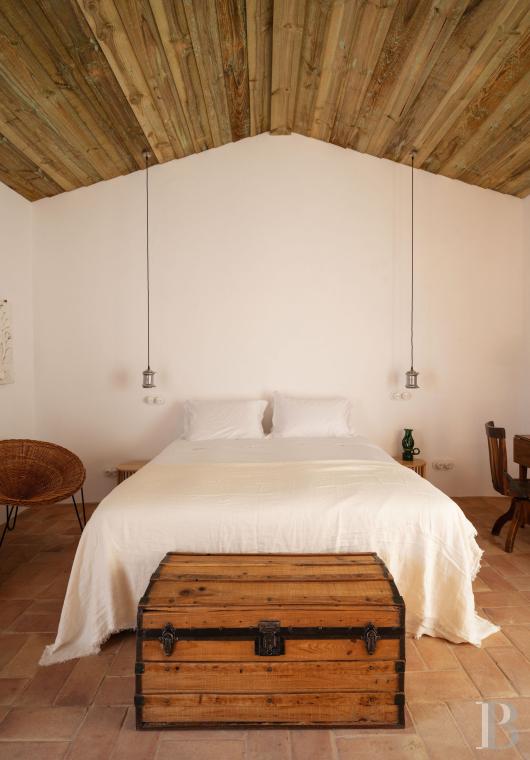
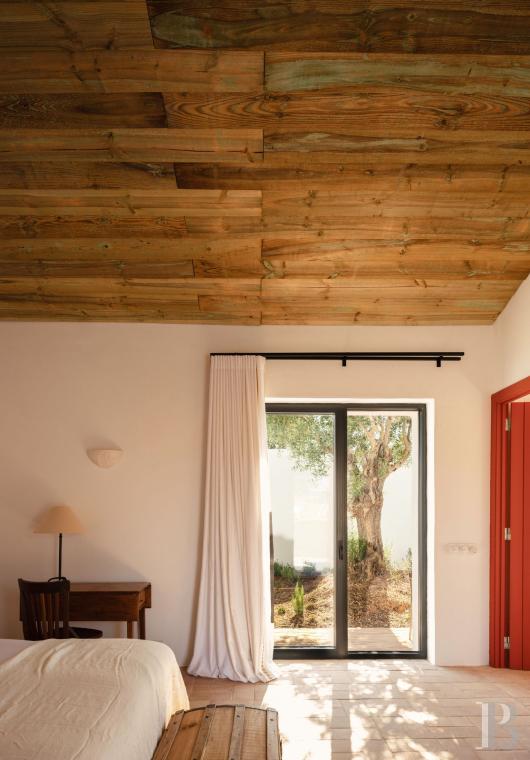
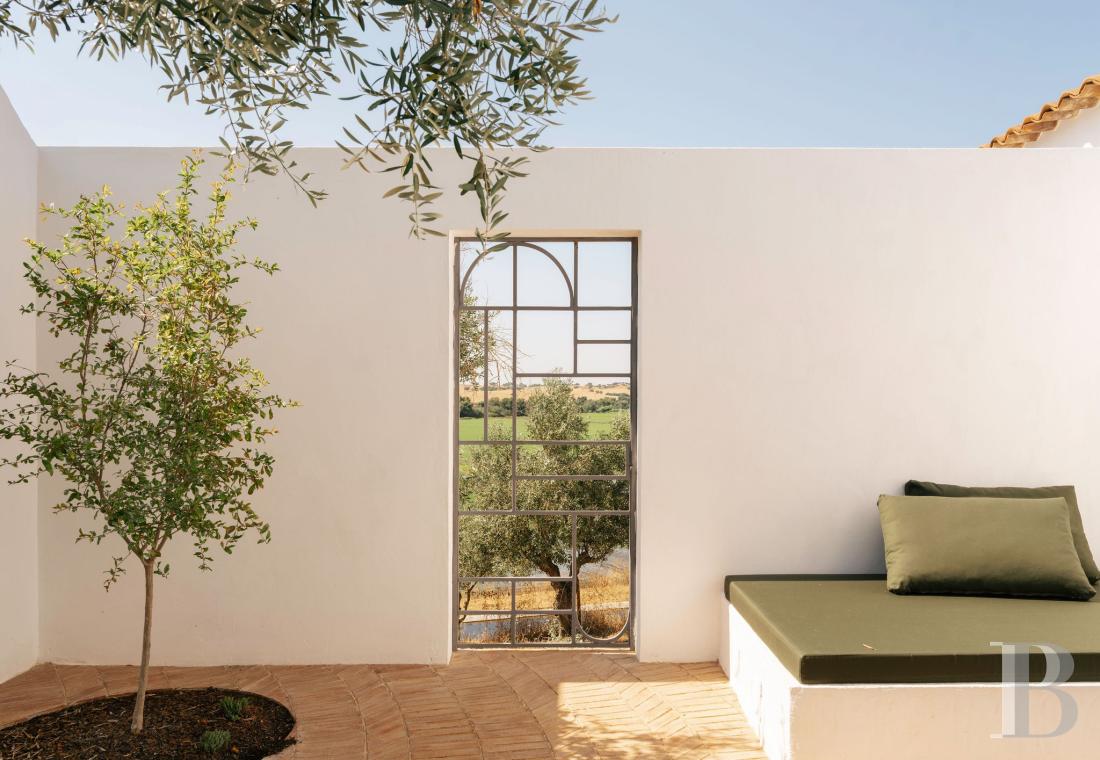
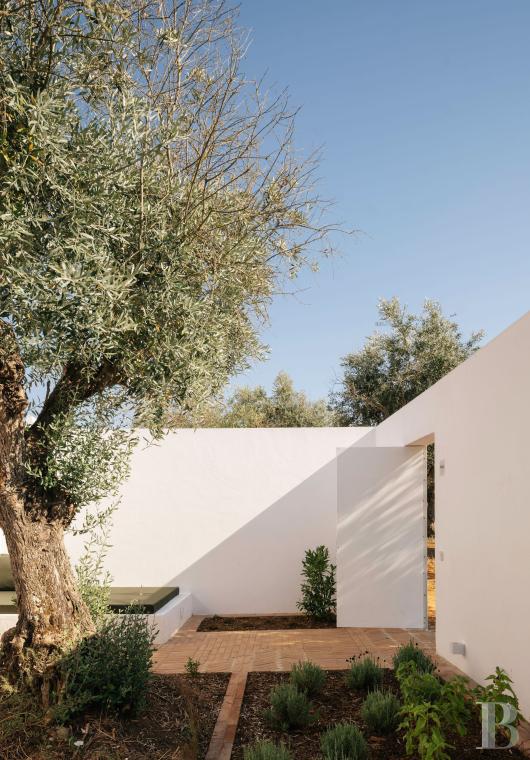
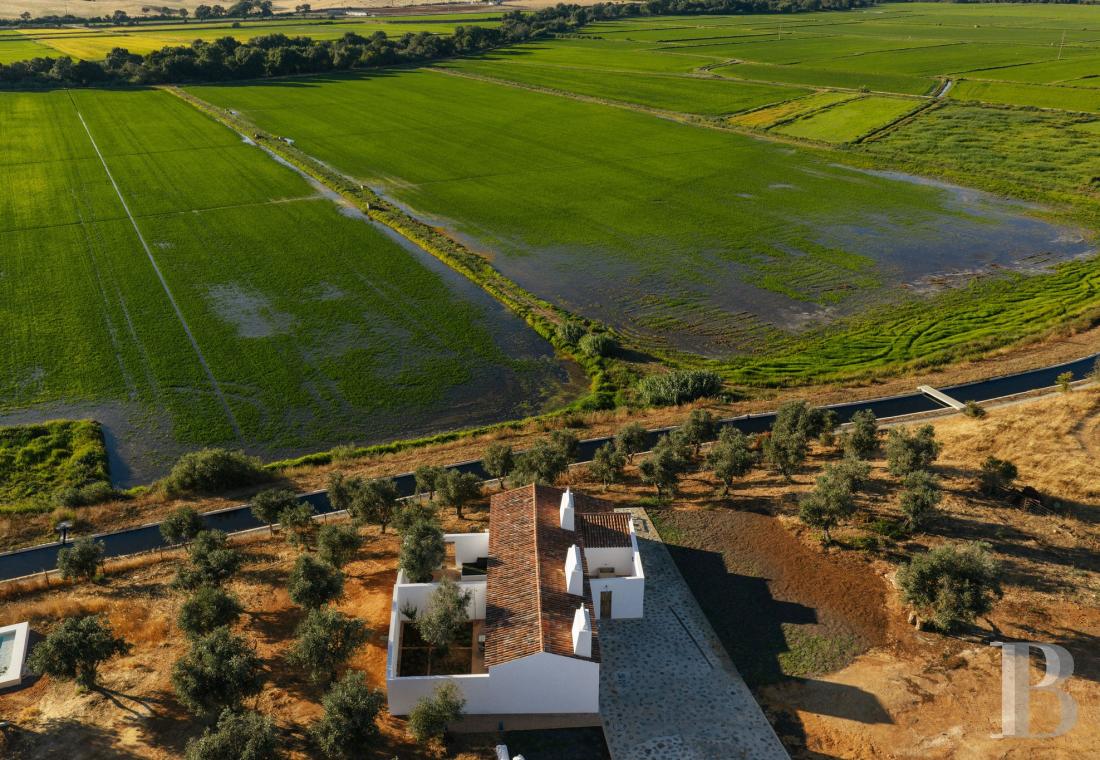
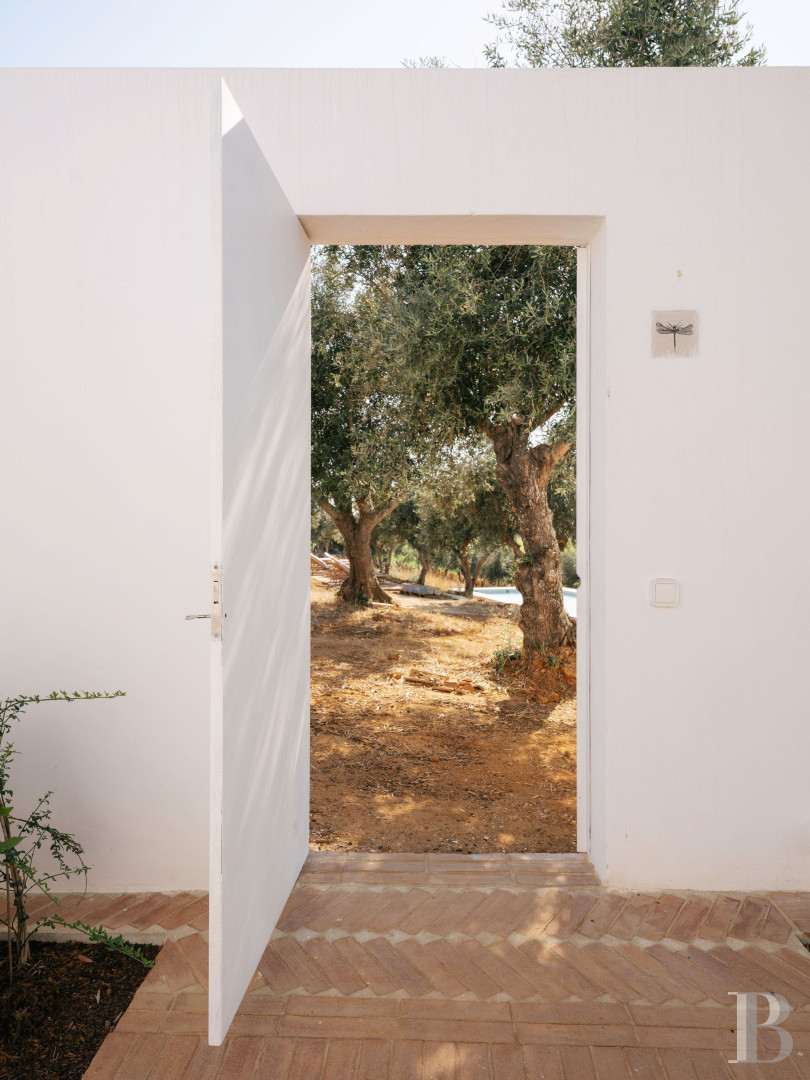
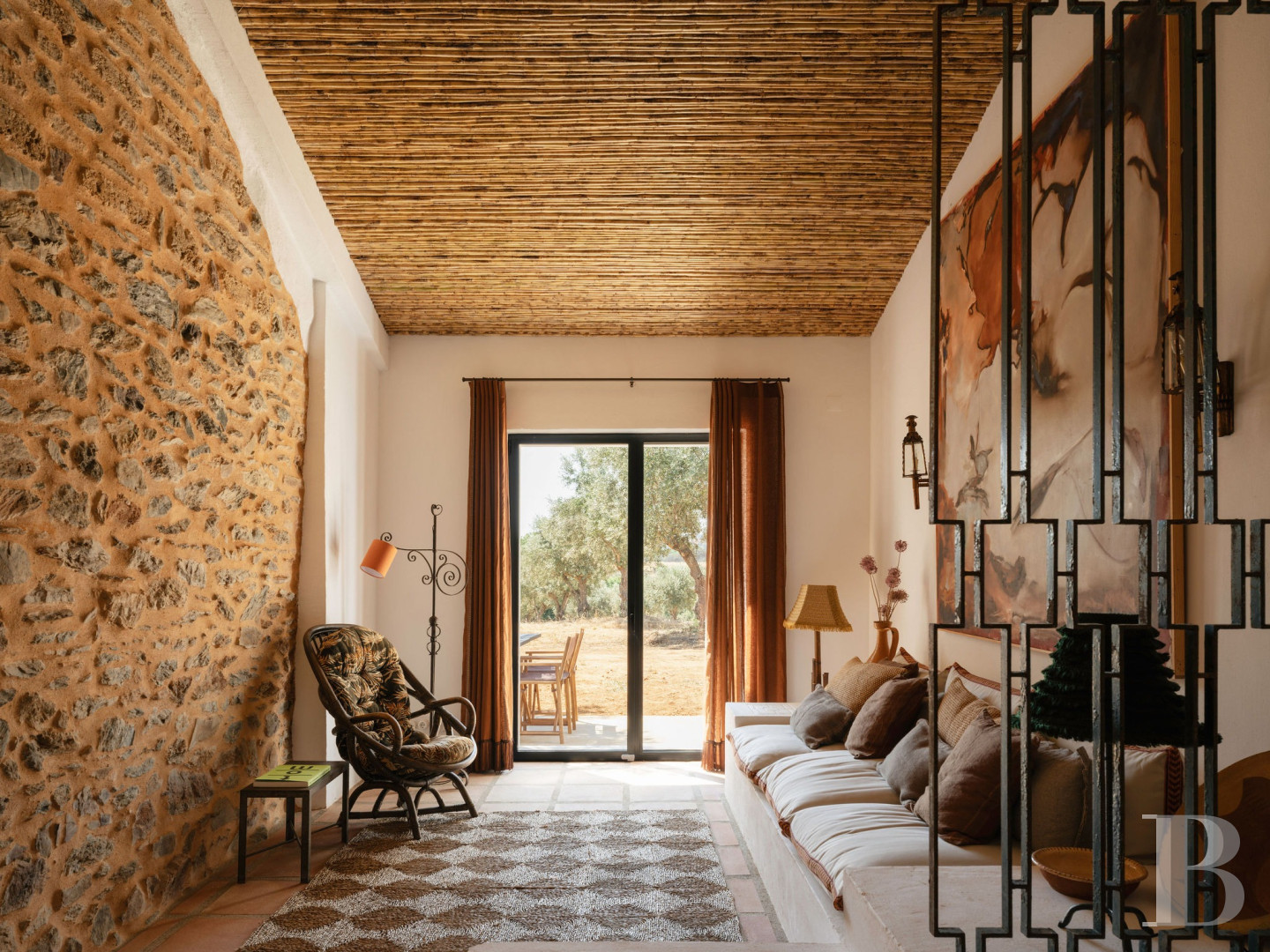
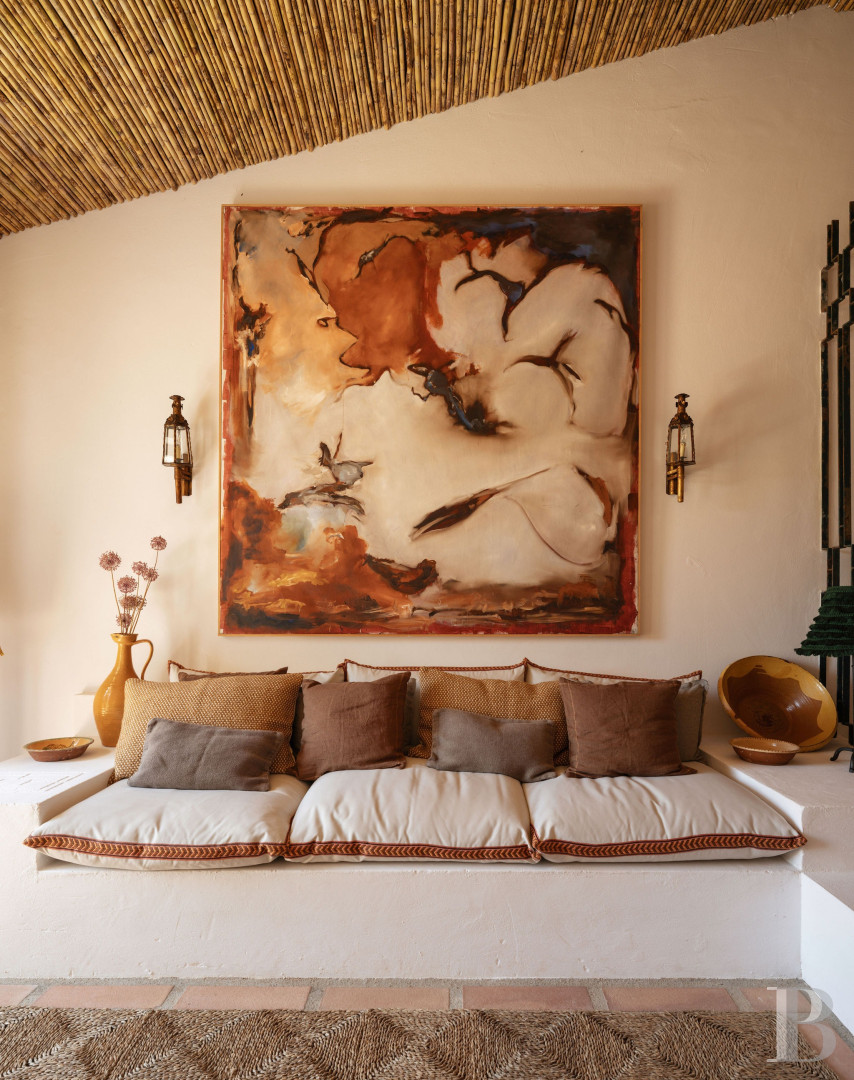
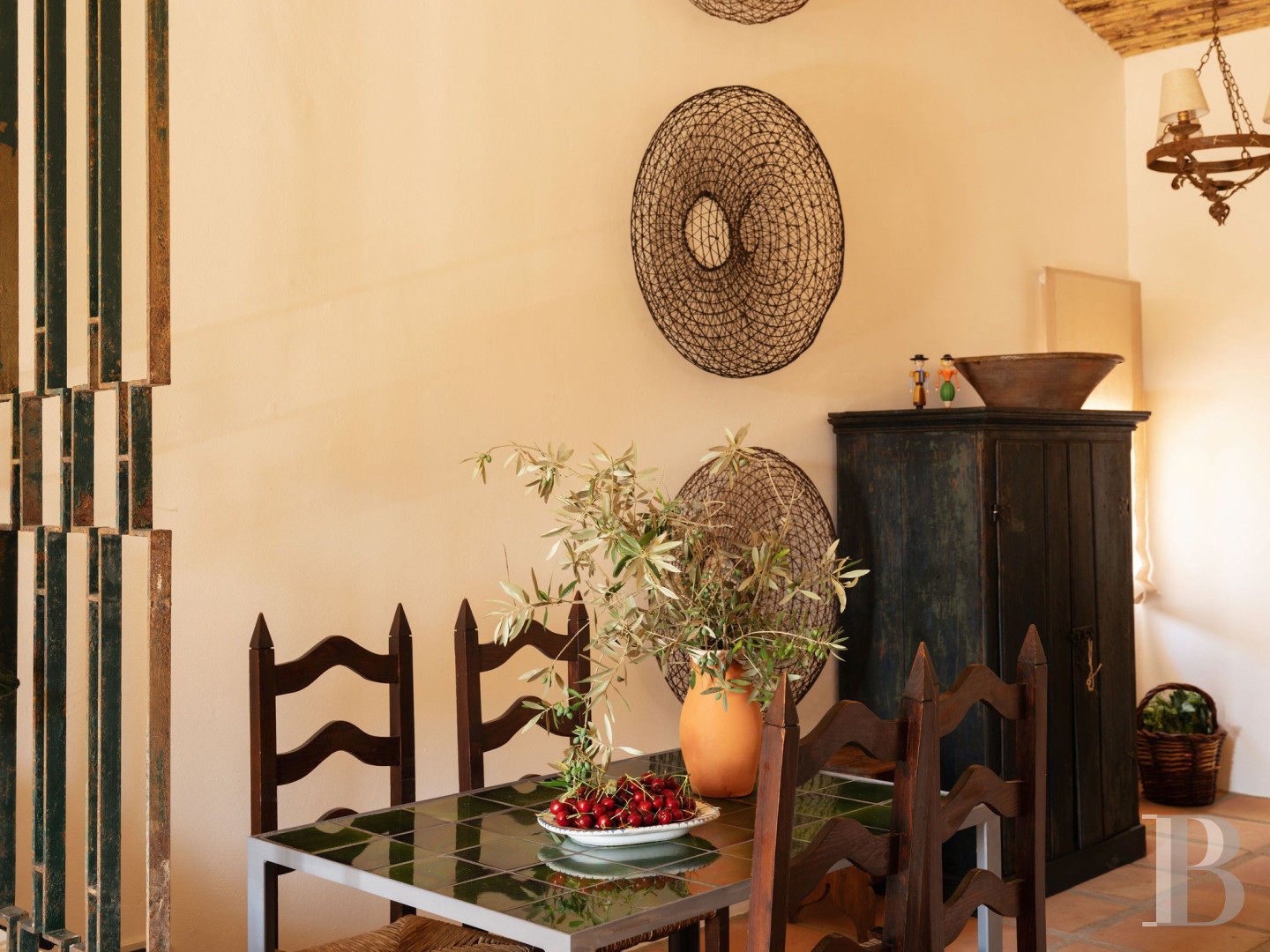
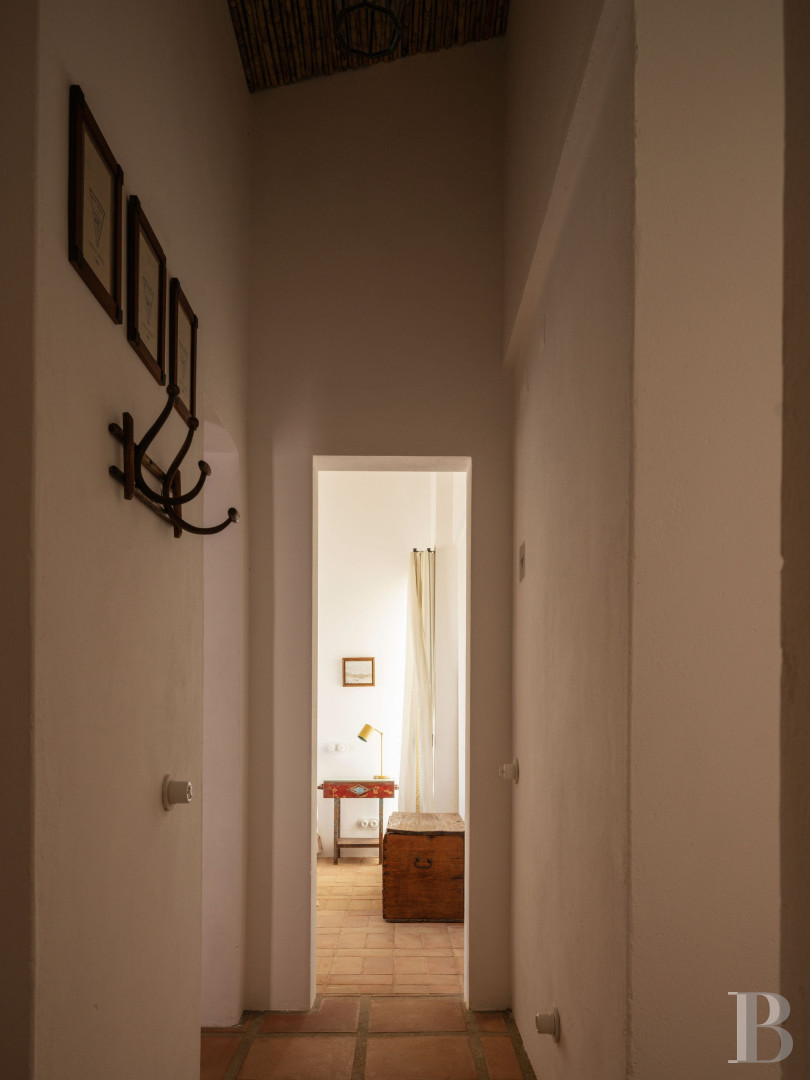
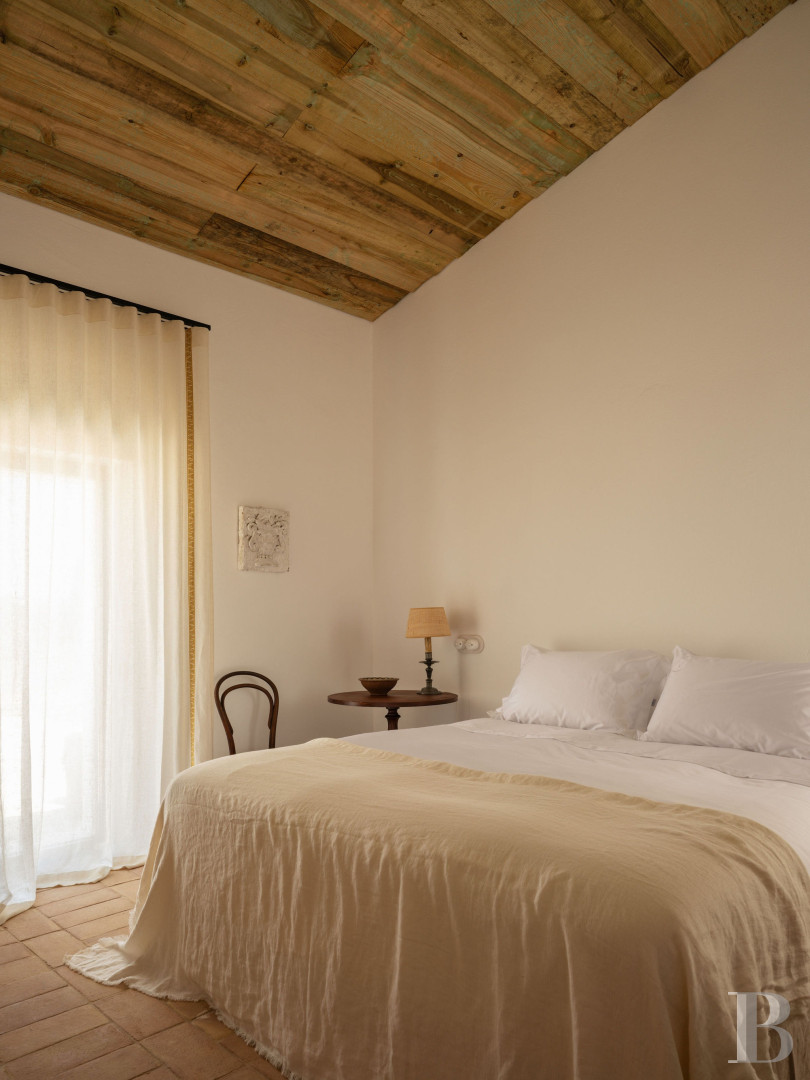
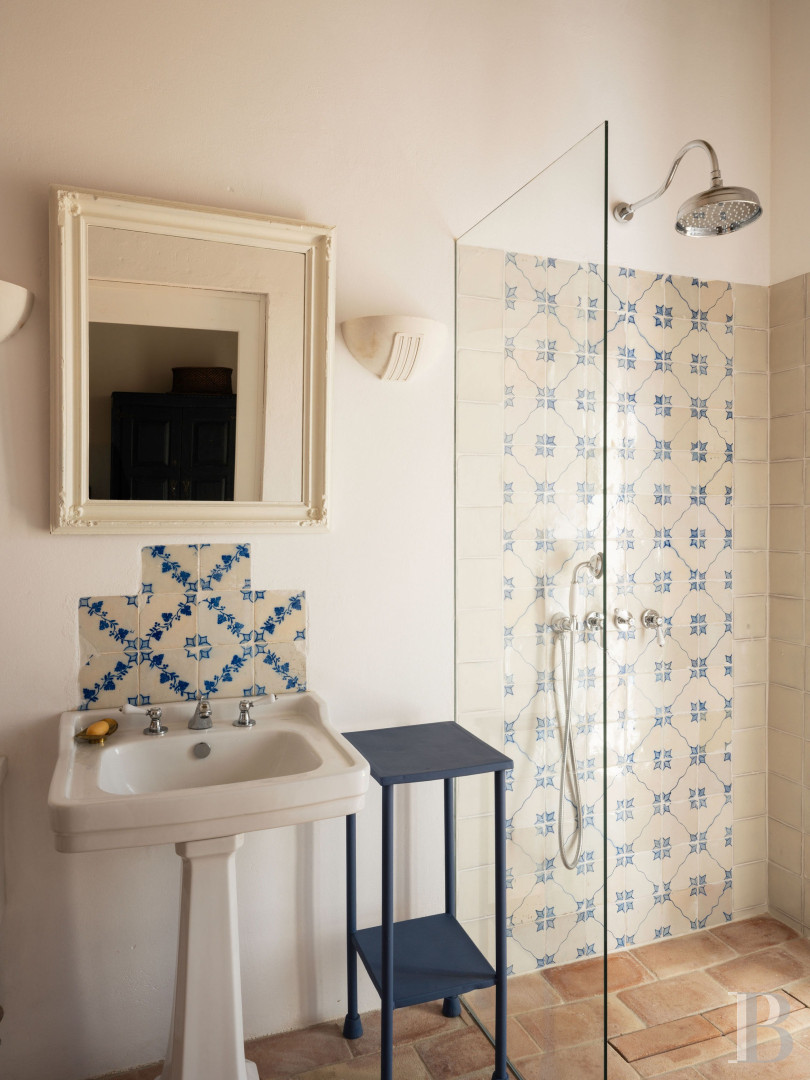
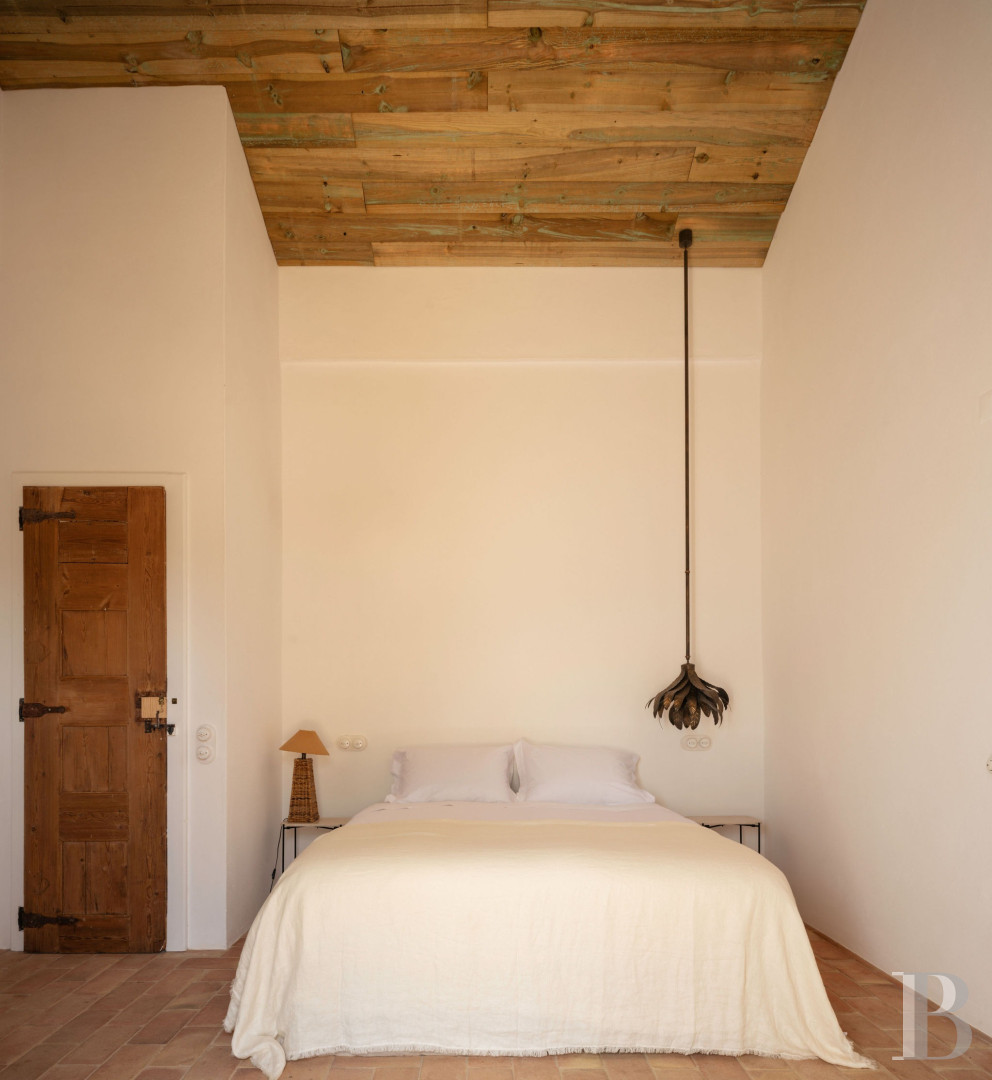
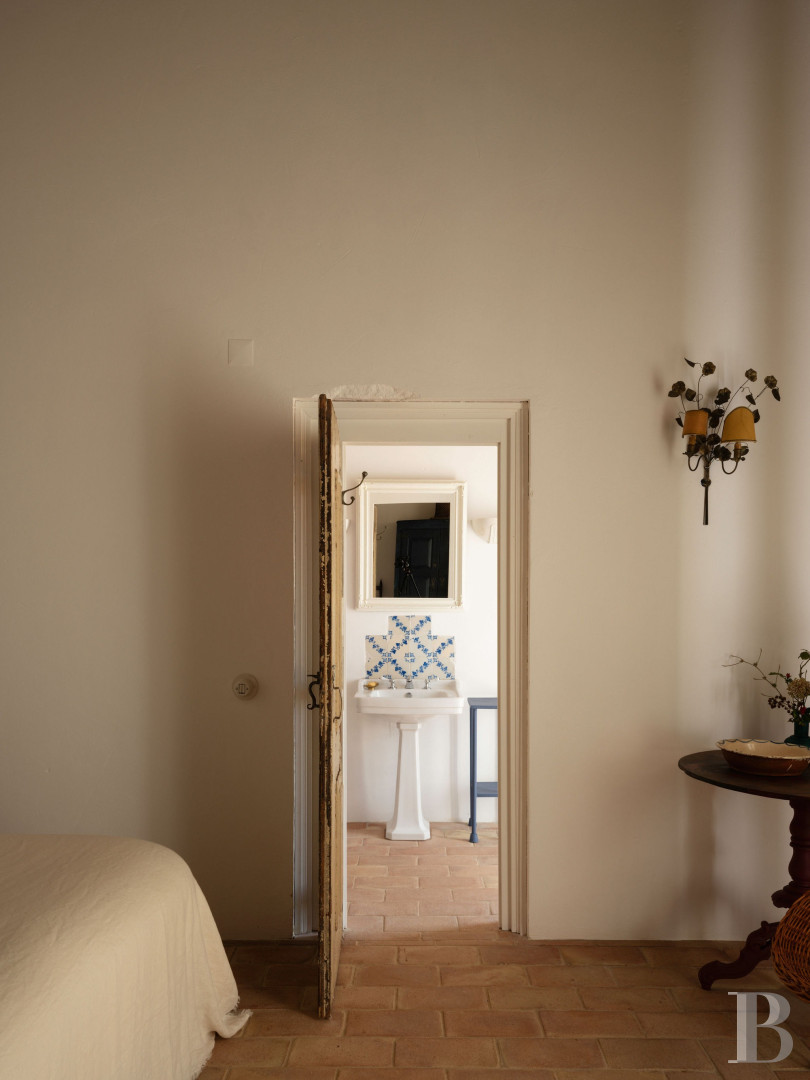
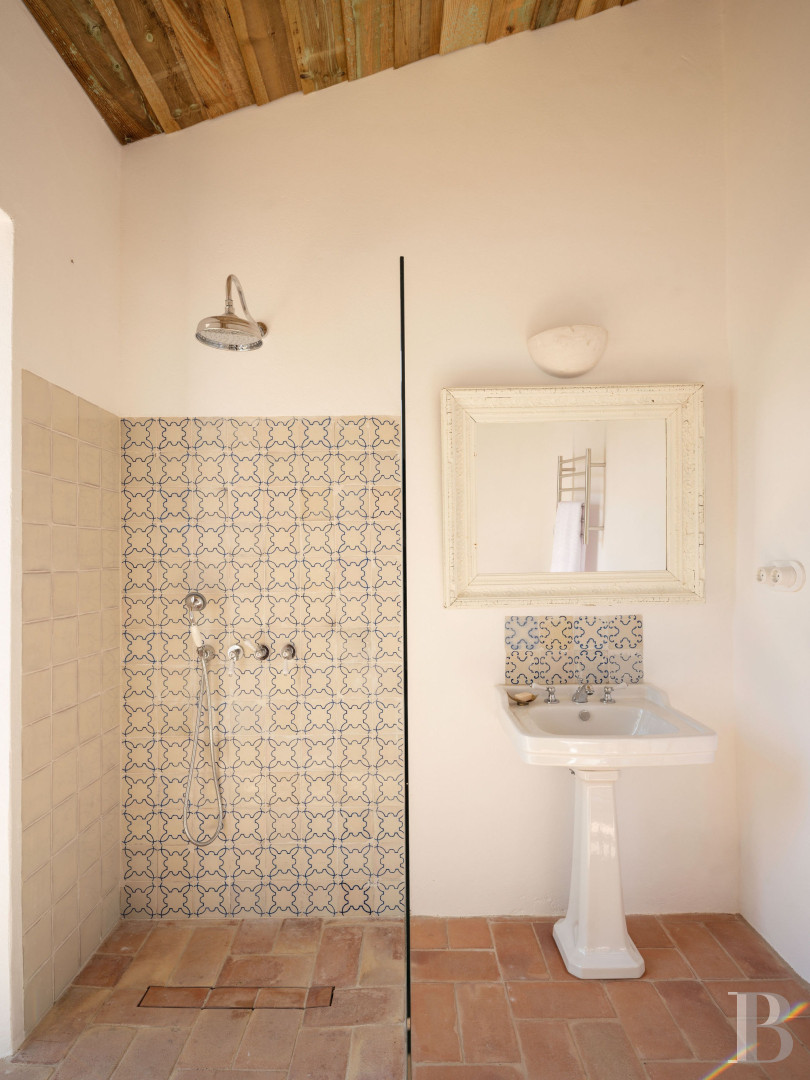
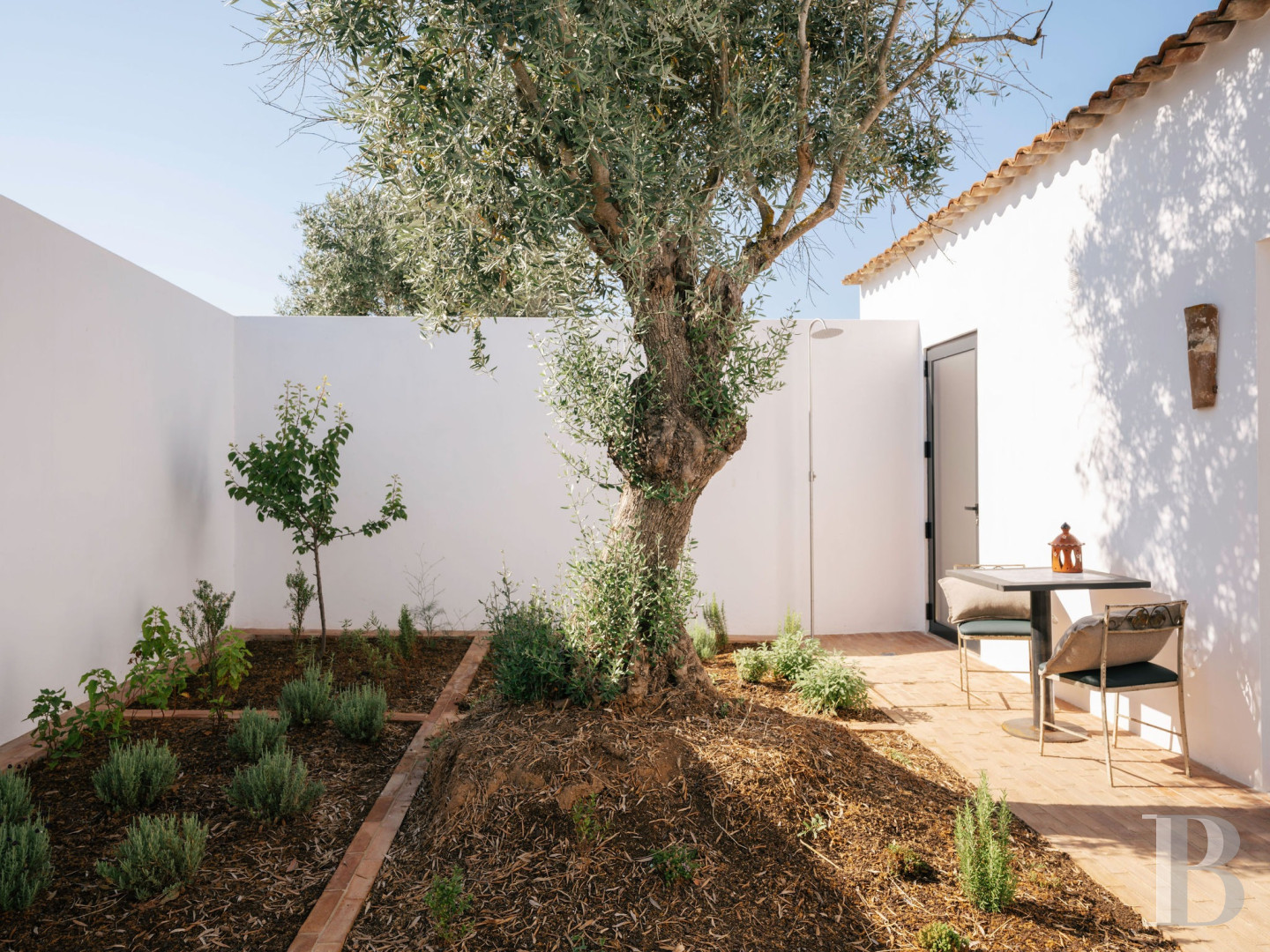
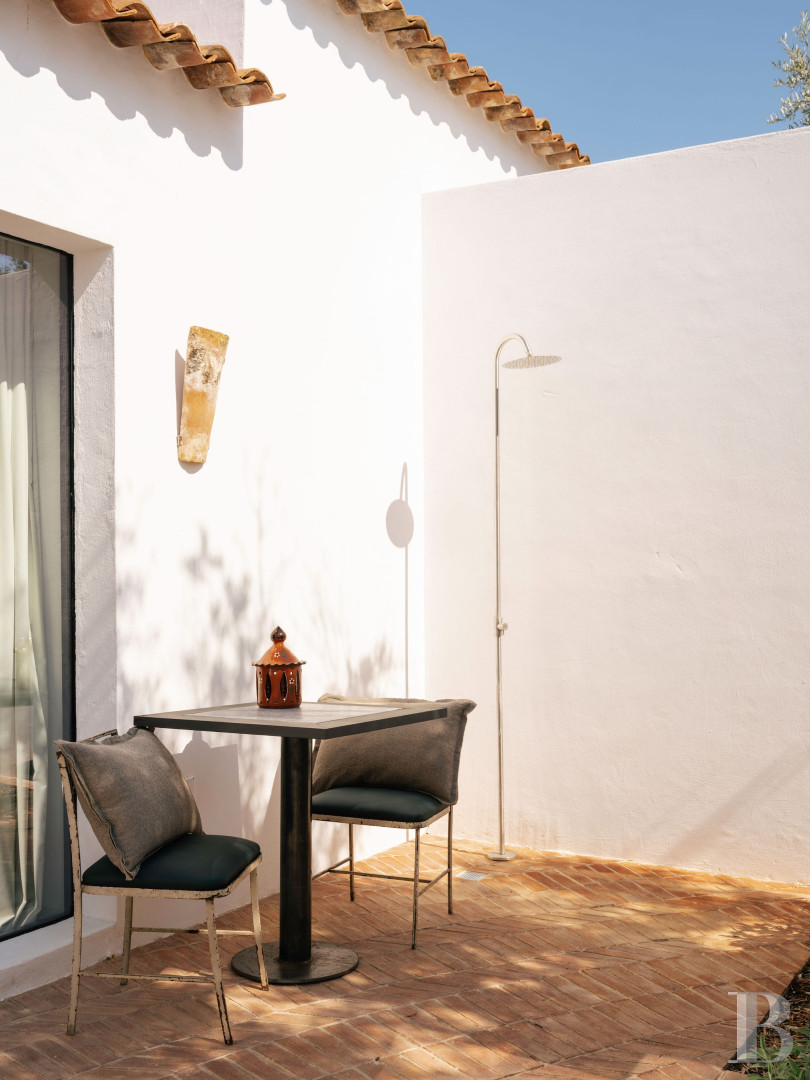
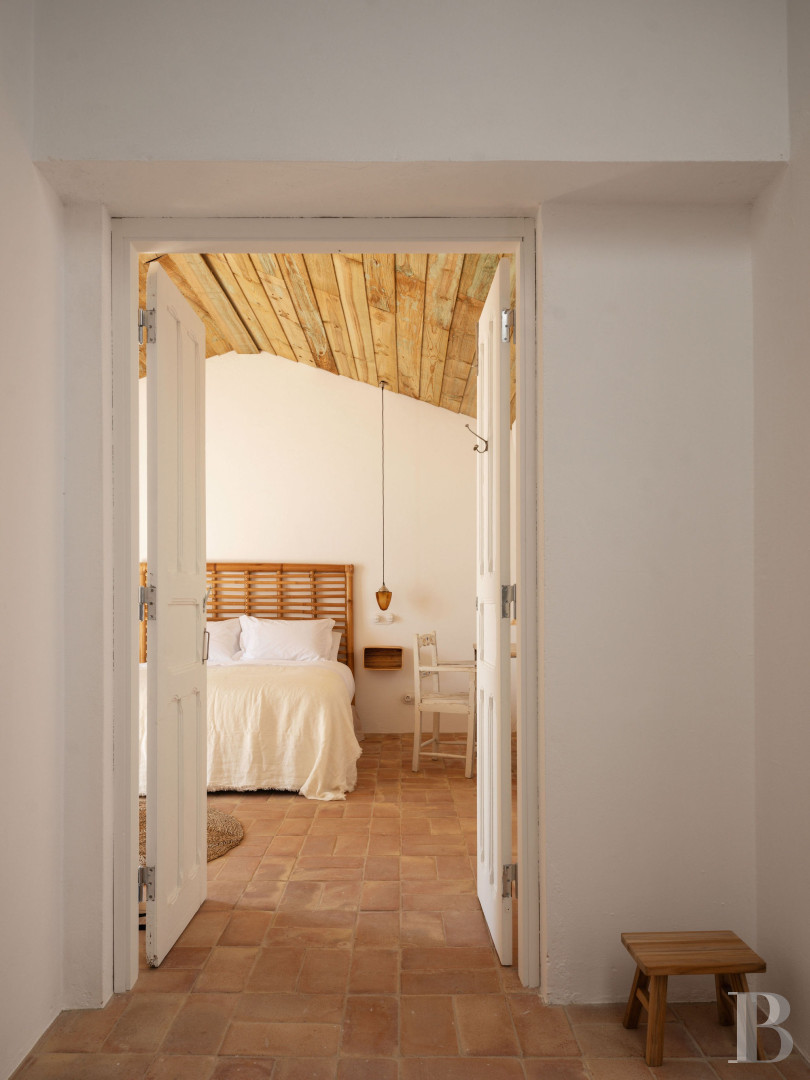
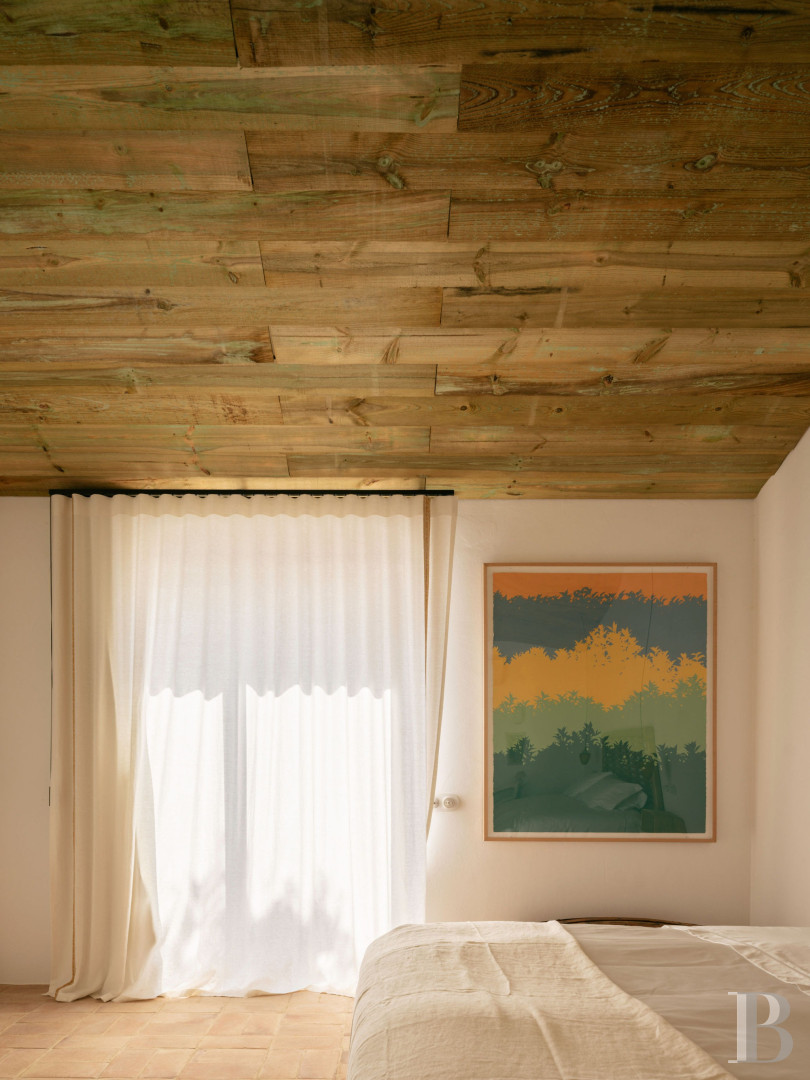
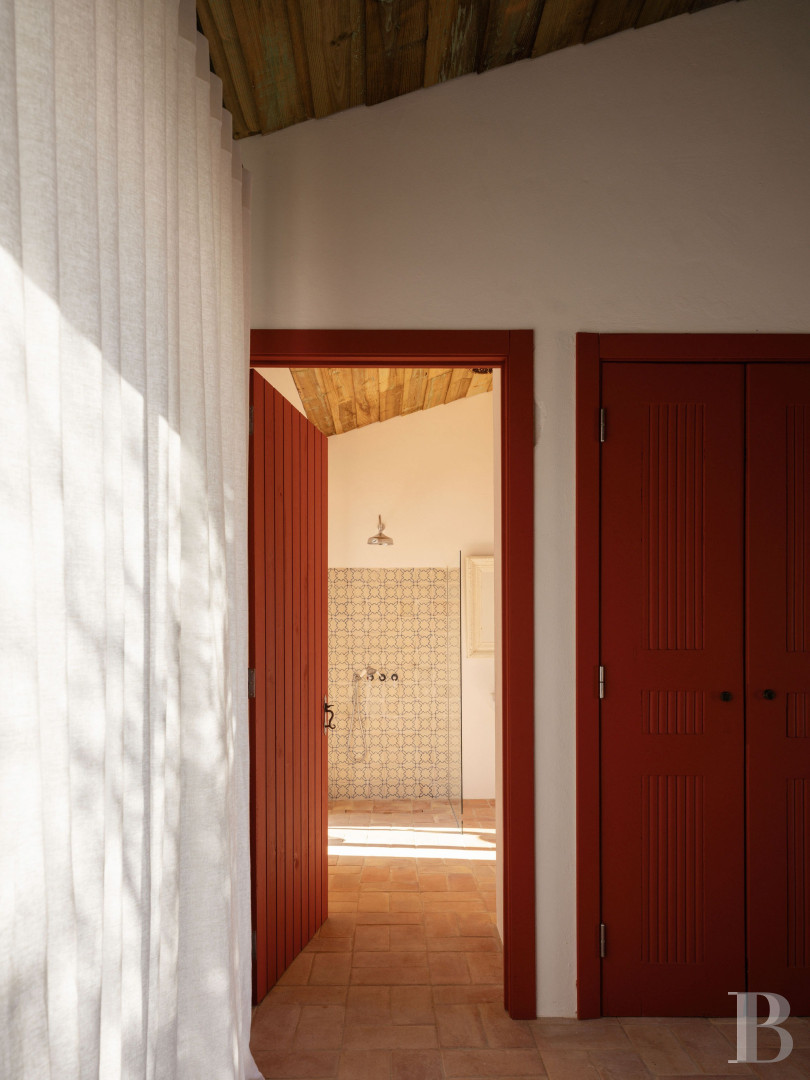
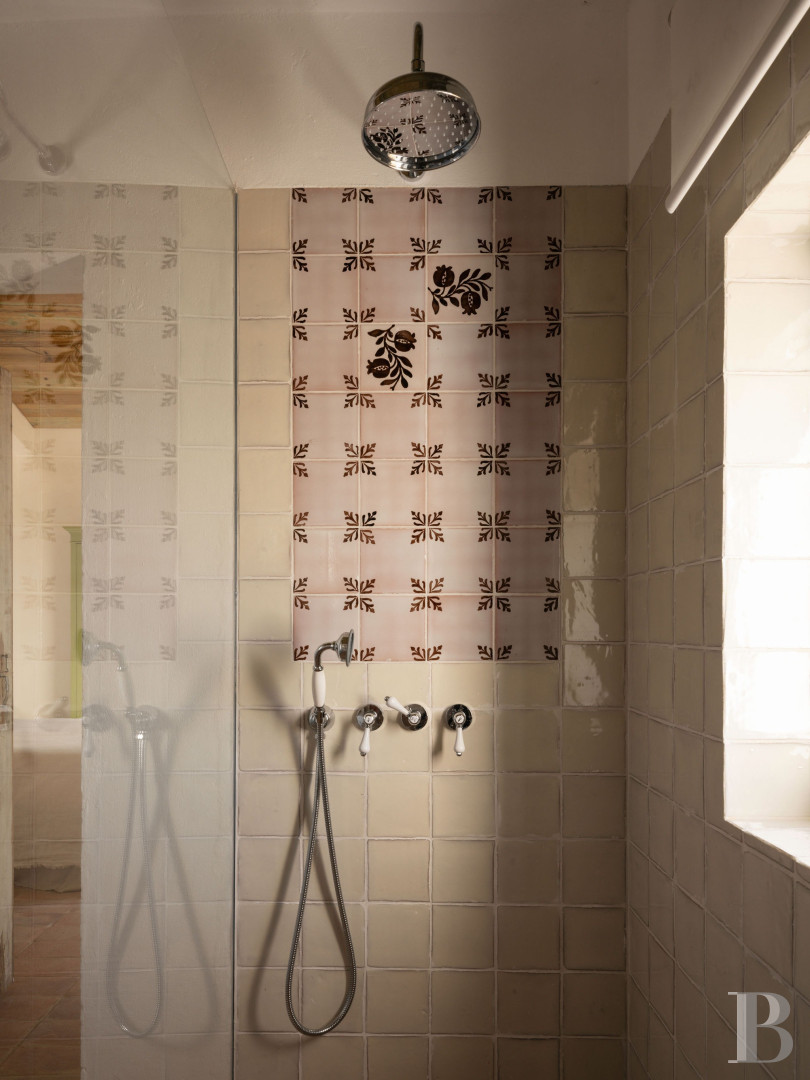
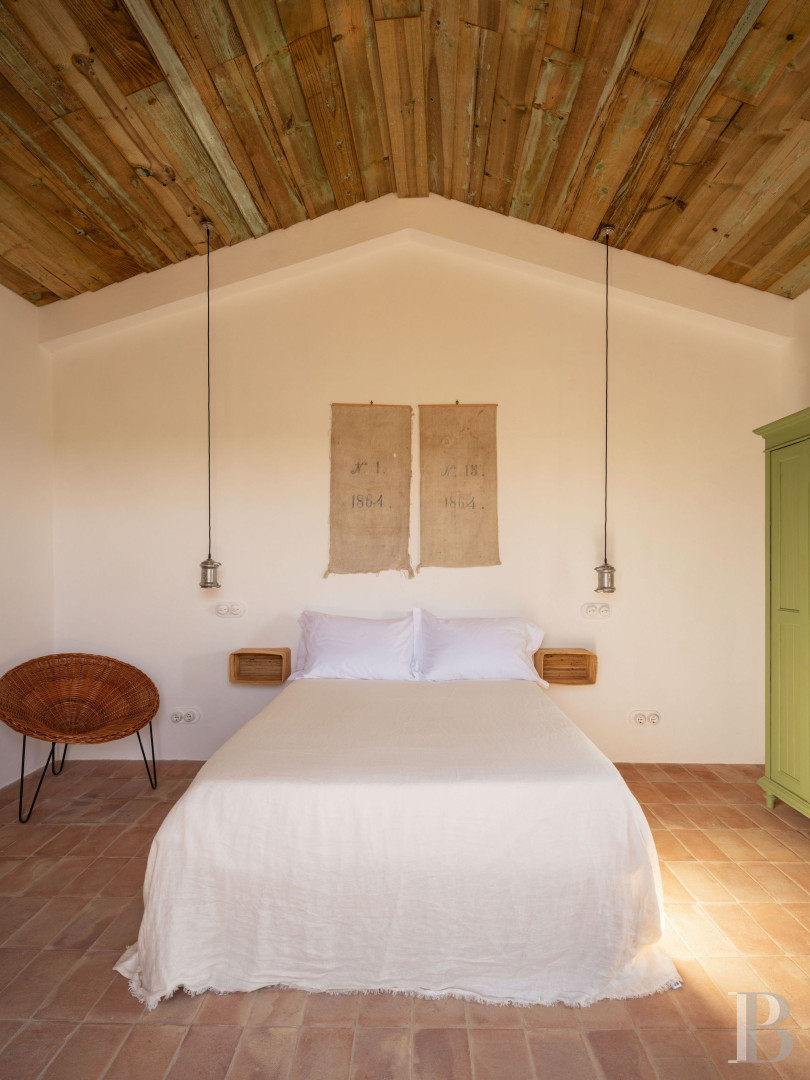
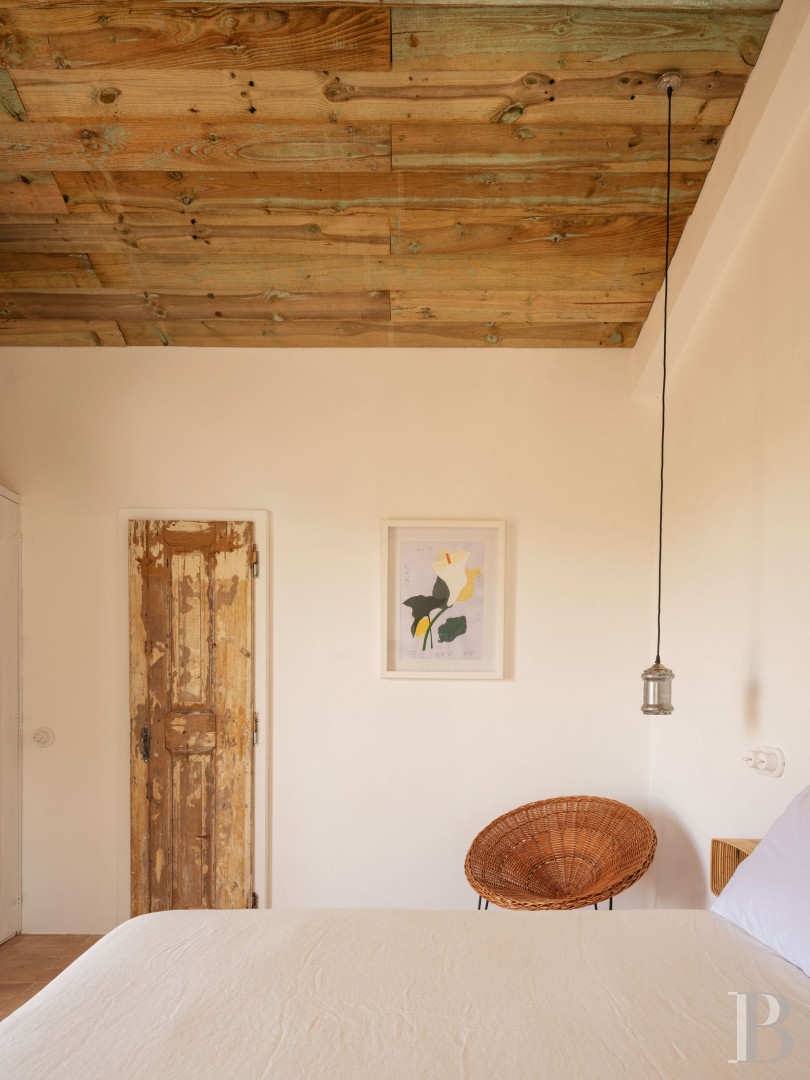
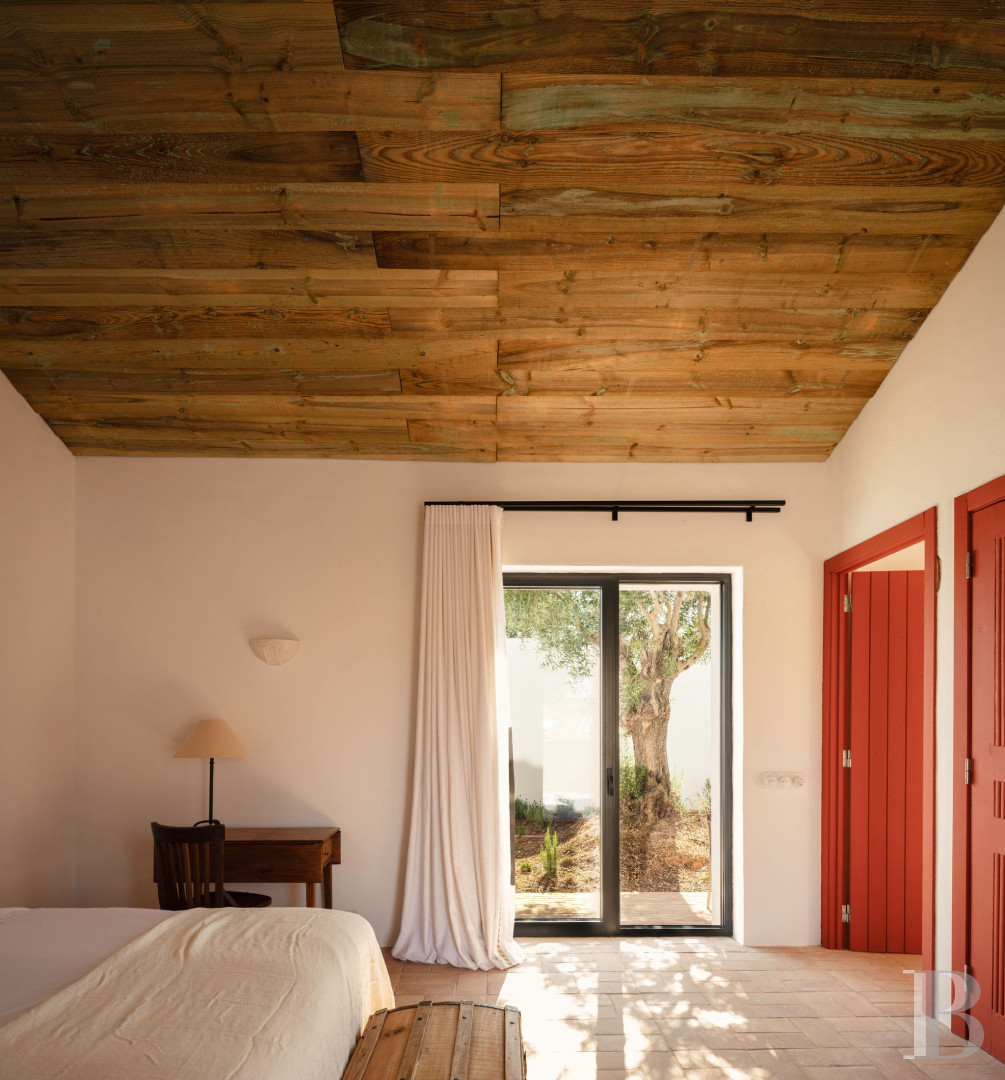
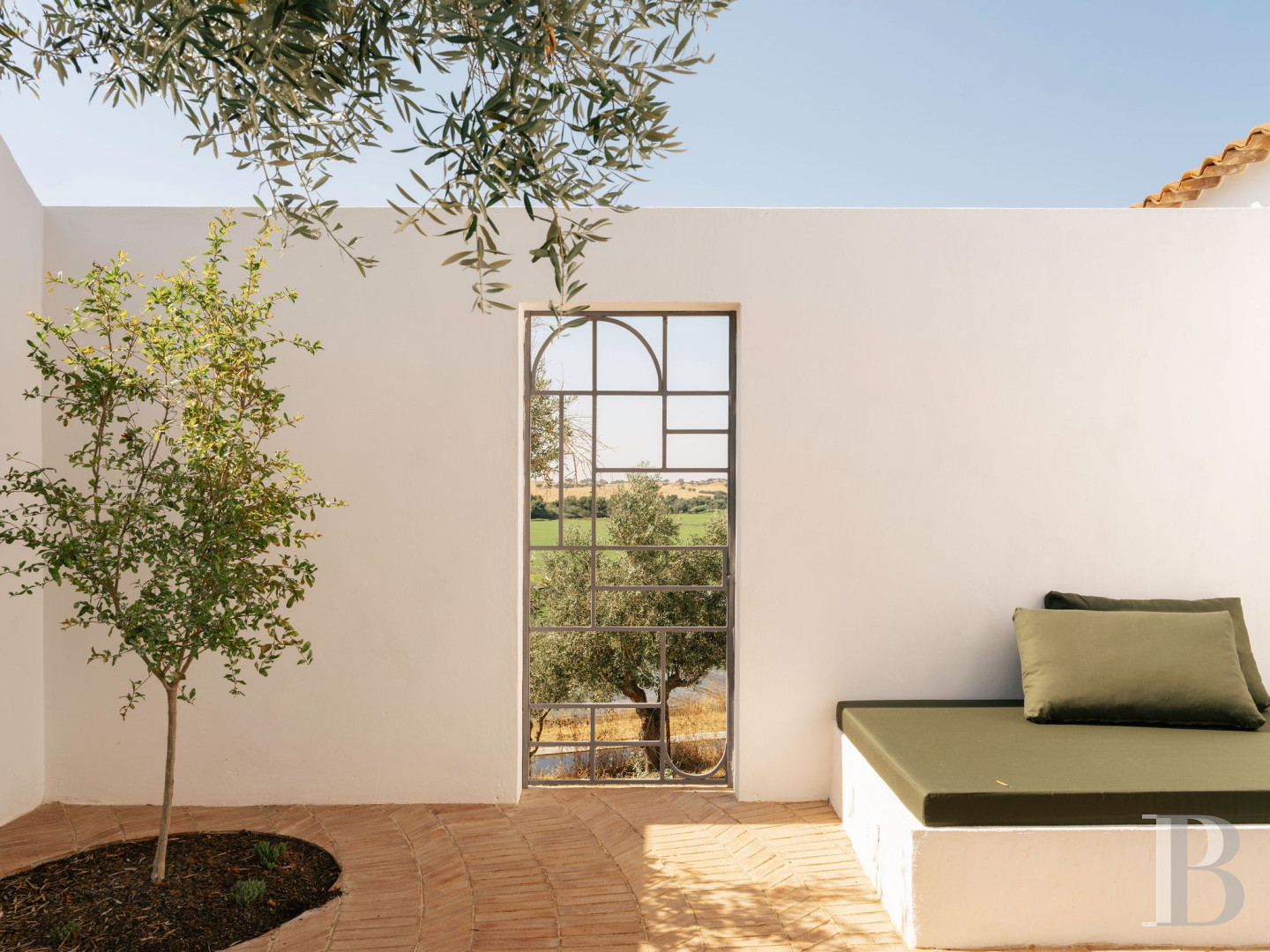
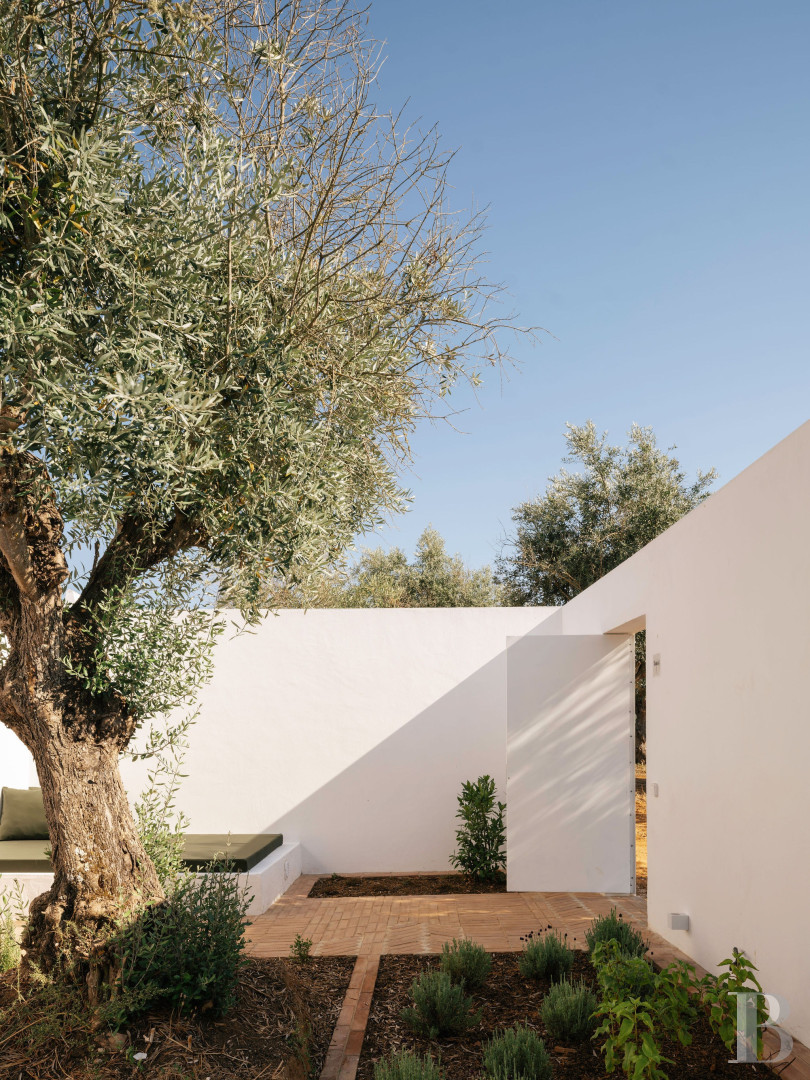
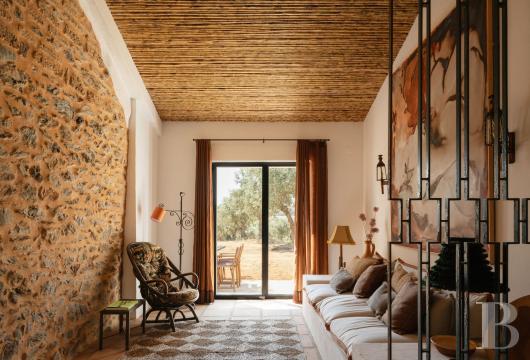
The houses are set amongst olive trees, overlooking the rice fields. Restored from ruins according to a design by the architect Pedro Ressano Garcia, the buildings retain their original layout and curves. Built on a single level, they used lime for the walls and mortar, as well as reused local materials: tiles, beams and stones. An interior facade made of schist has been preserved. The floors combine rustic tiles from Alentejo with 18th-century Portuguese tiles salvaged from Sintra. The interiors feature works by Portuguese artists. Each room has a courtyard with an enclosed garden planted with local species of plants, inspired by Persian and Mediterranean traditions.
The property comprises houses built in the 1940s to provide accommodation for families working on the rural estate known as “herbade” in Portuguese. Abandoned from the 1970s onwards, they remained uninhabited for several decades. In 2012, we began renovating them with a view to turning them into an agritourism project. Following a lengthy administrative process linked to changes in the law, the work was completed in March, ahead of the opening to the public in June 2026. The agritourism project is based on three key areas: preserving the agricultural landscape and its vegetation, maintaining and developing the olive groves, and creating a vegetable garden and an orchard.
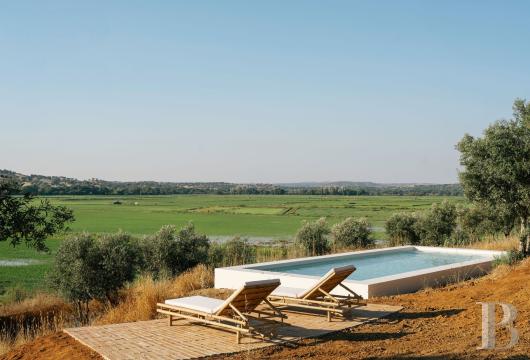
The property is situated in a small village that has been inhabited since the 1st century AD, near Alcácer do Sal, 30 minutes from the Alentejo coast and 50 minutes from Lisbon. The houses offer spectacular and exclusive views of the rice fields. To welcome my guests, I have opted for an approach that combines the independence of “self-catering” with personalised support. A member of my family welcomes guests on arrival, and every morning I provide breakfast featuring traditional Alentejo bread from the “Padaria da Aldeia”. I also work with a chef couple who have created a menu combining traditional Portuguese cuisine with Mediterranean influences. They can prepare meals on site or go shopping for guests and then deliver it to them. Finally, I offer tours of the rice fields in a Land Rover, with an explanation of how the estate produces rice and olive oil.
In Alcácer do Sal, the “Cais Palafítico da Carrasqueira” is a unique and unusual jetty, the only one of its kind in Europe, built on stilts in the 1950s by fishermen from the Sado estuary; it is one of the last of its kind still standing in Portugal. To discover the local cuisine, “Social Vinhos & Petiscos” offers tapas accompanied by a fine selection of Alentejo wines. "Pial das Bilhas" showcases traditional Alentejo recipes in a traditional setting. "Tasca do Gino" in Porto Santana is a traditional Portuguese restaurant renowned for its local specialities, its family-friendly atmosphere and its view of the river. Finally, the “Pastelaria Regional Carapinhas” in Torrão is a patisserie renowned for its artisanal and traditional Alentejo specialities.
290 € - 350 € / night
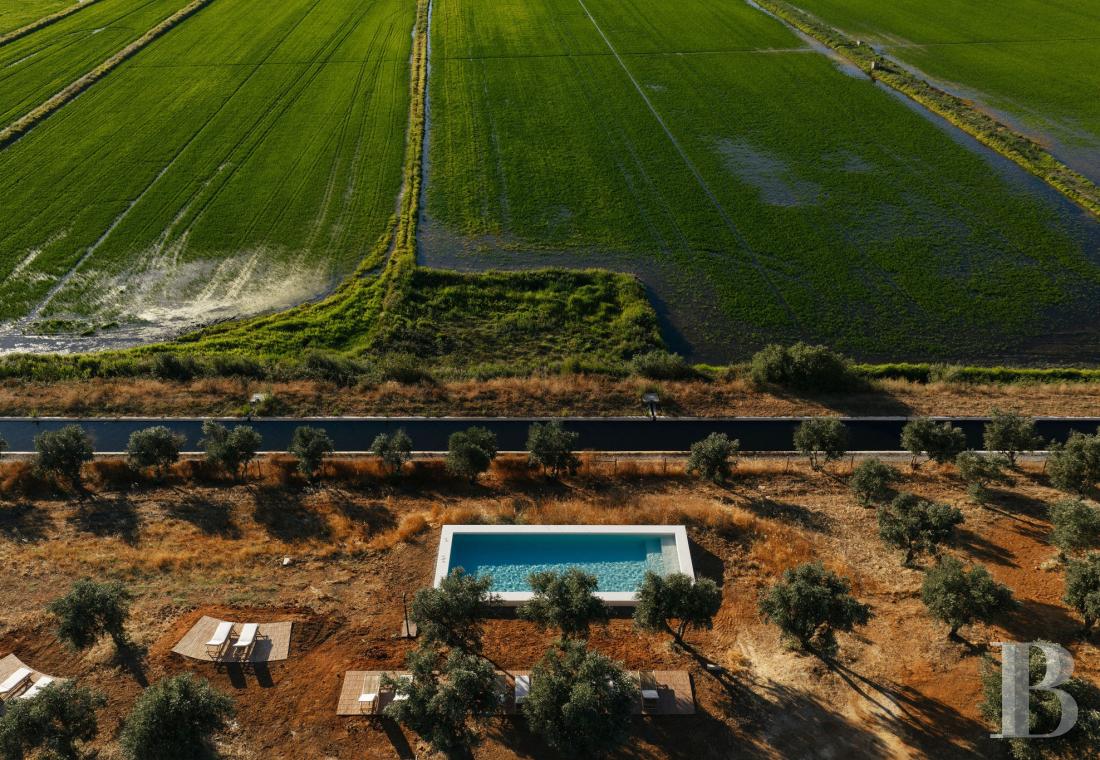
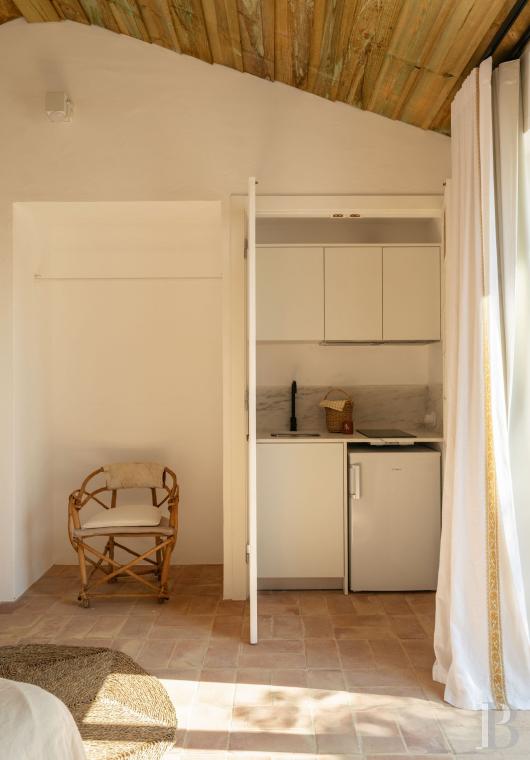
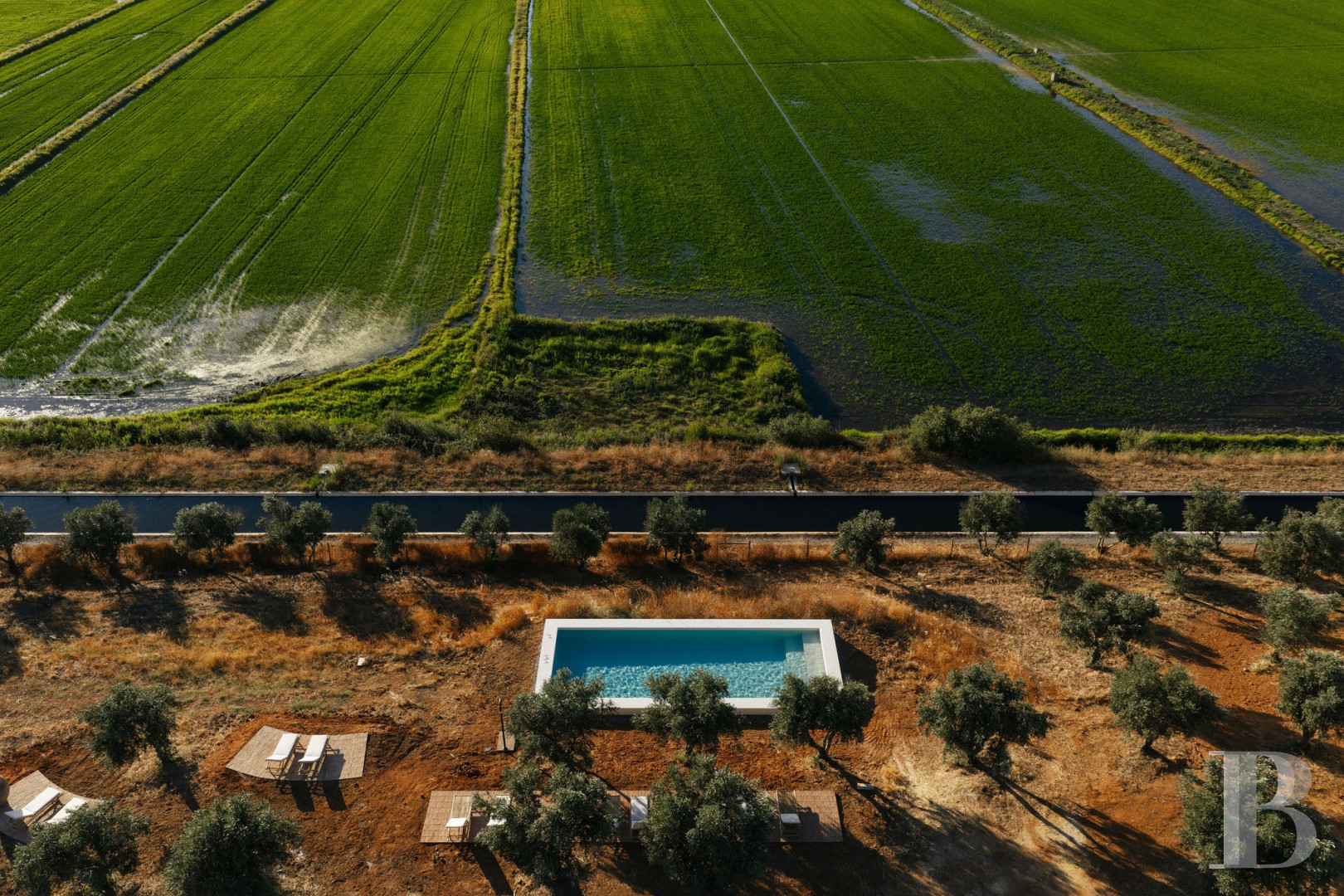
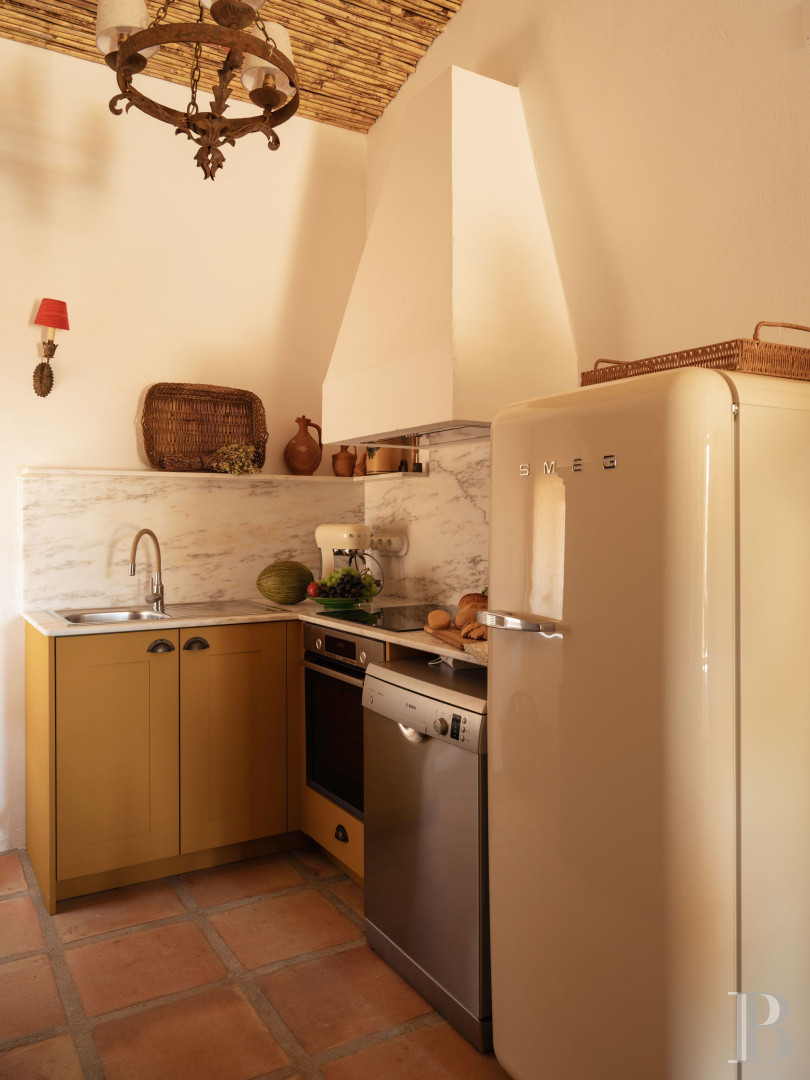
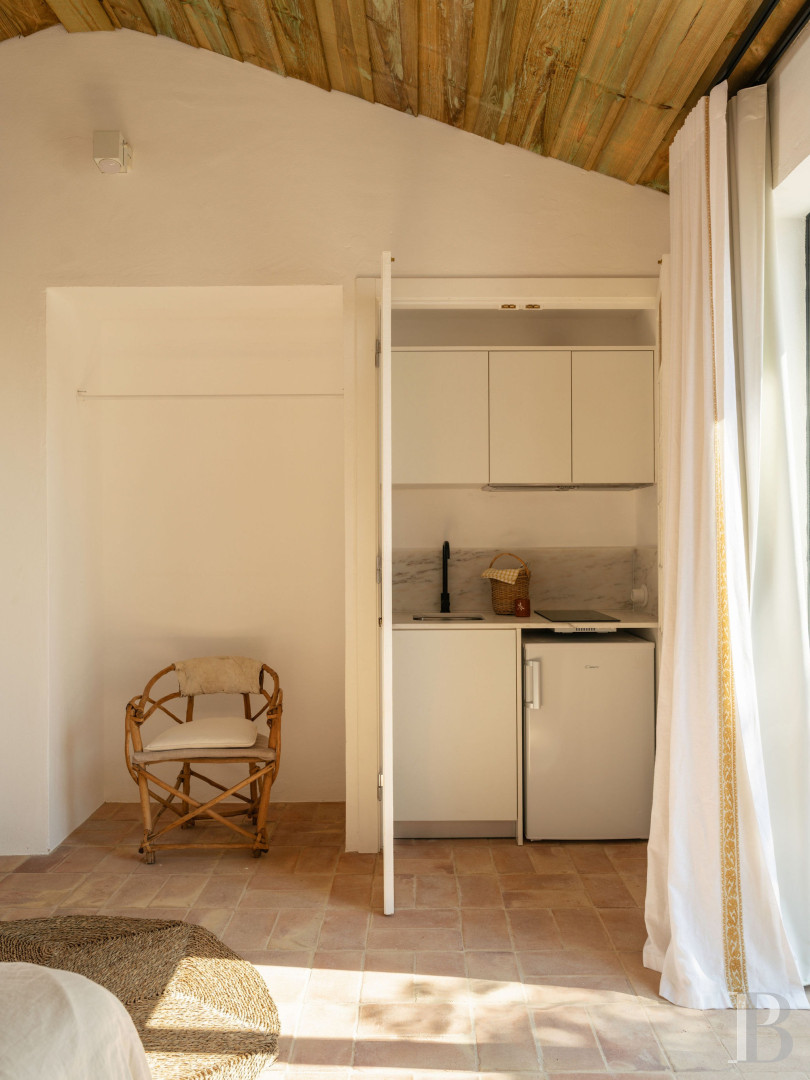
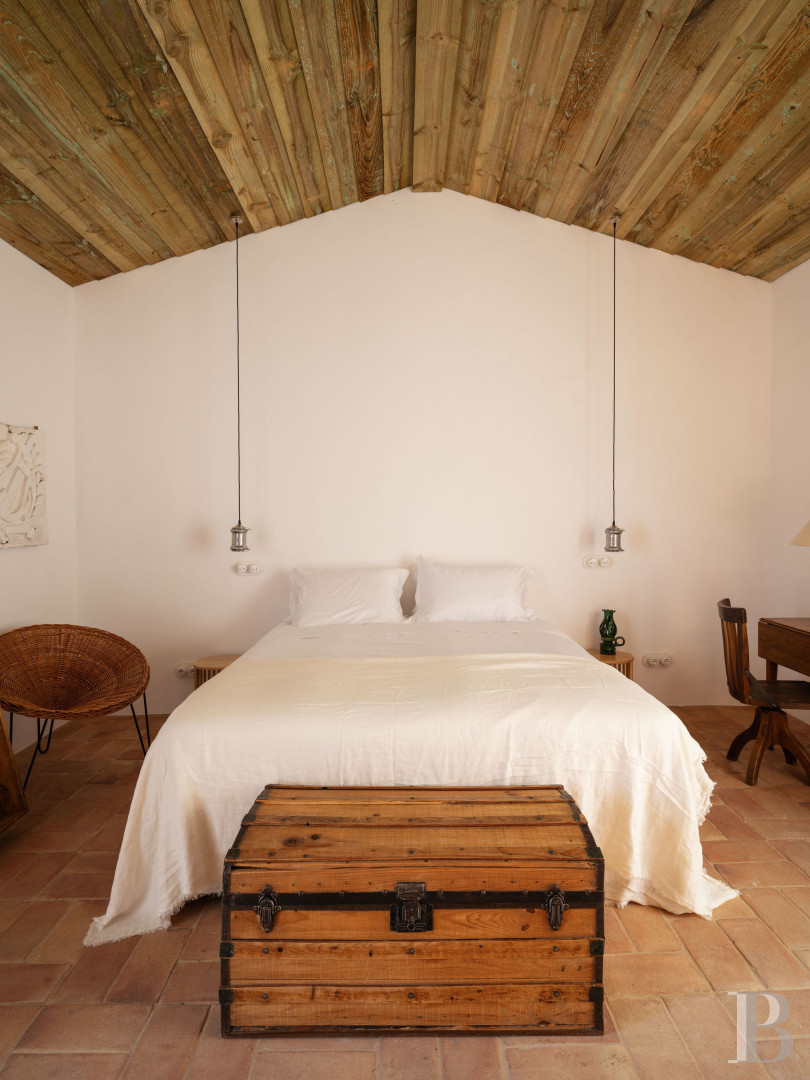
The three guest suites are situated in one of the property’s two single-storey houses. Each one has an en-suite bathroom, a kitchenette and a private patio or veranda. The suites can be rented out as well as the second house, with a total capacity for 10 people. The estate covers 60 hectares, of which 1.5 hectares are fenced off around the houses, gardens and swimming pool. Minimum stay: 7 nights in July–September, 3 nights the rest of the year.
ref 240362
4650 € - 12750 € / week
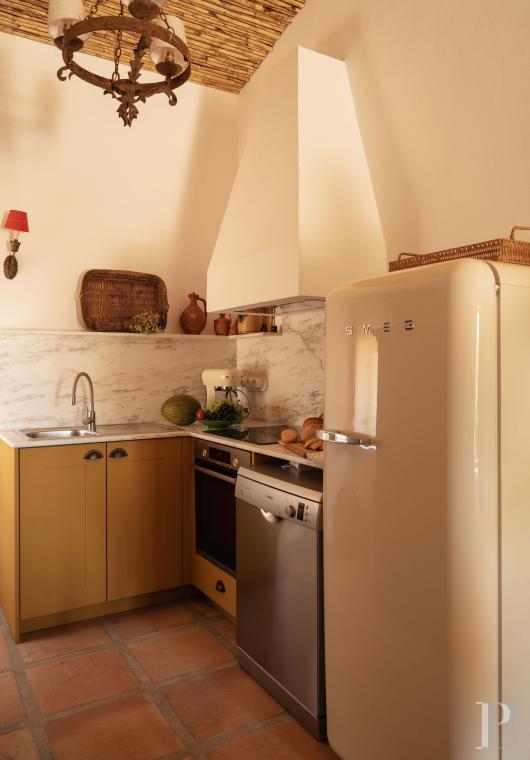
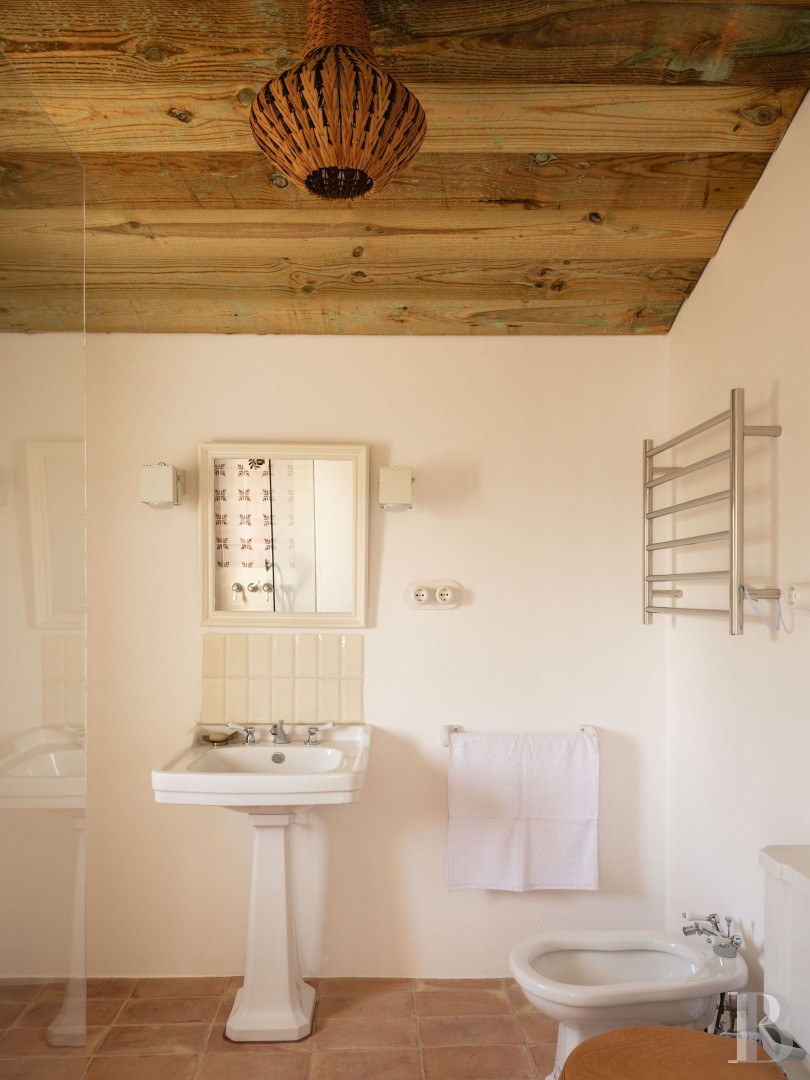
The property comprises two single-storey houses. The main house, measuring 84 m², can accommodate up to 8 guests. It comprises a living room, a fully fitted kitchen, two double bedrooms, two bathrooms and a private patio. The second house has three separate double bedrooms, each with its own bathroom, kitchenette and private patio. The estate covers 60 hectares. A fenced-in area of around 1.5 hectares encloses the houses, gardens and swimming pool. Stays are for a minimum of seven nights in July, August and September, and a minimum of three nights for the rest of the year.
ref 240362
A link to enter a new password has been sent to you by email.
By continuing your navigation, you accept the use of cookies to offer you services and offers adapted to your centers of interest and to measure the frequentation of our services. Learn more