

Add to favorites
Log in to your personal space
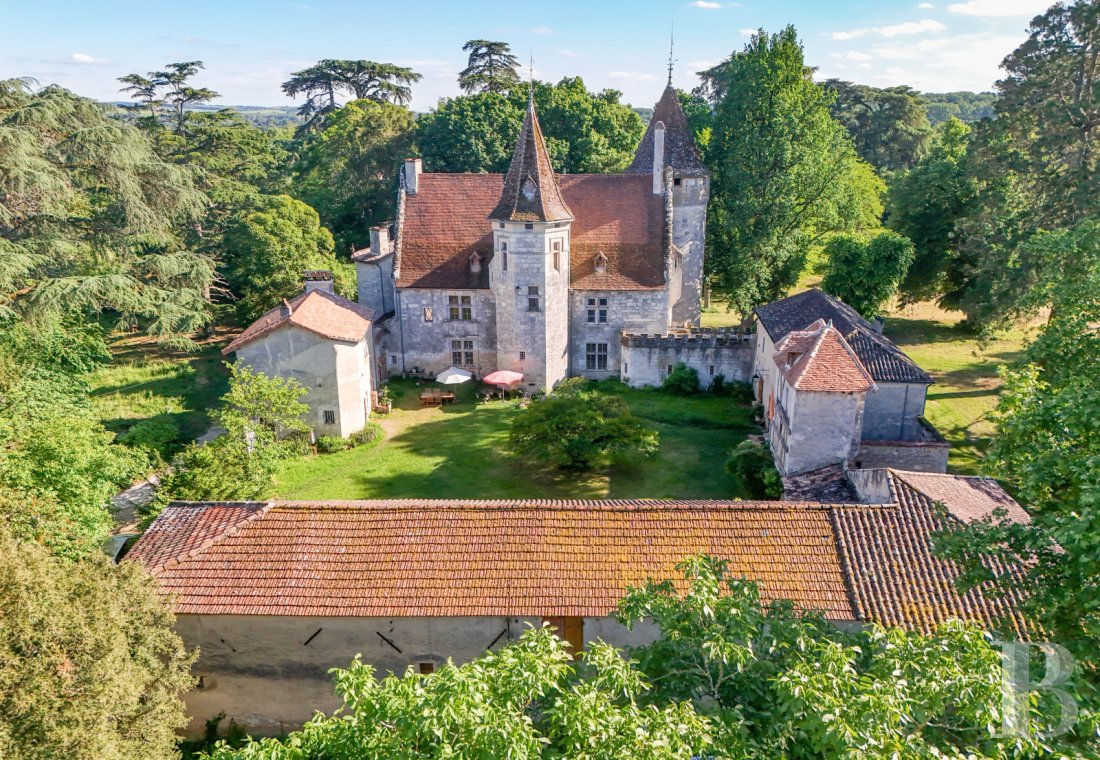
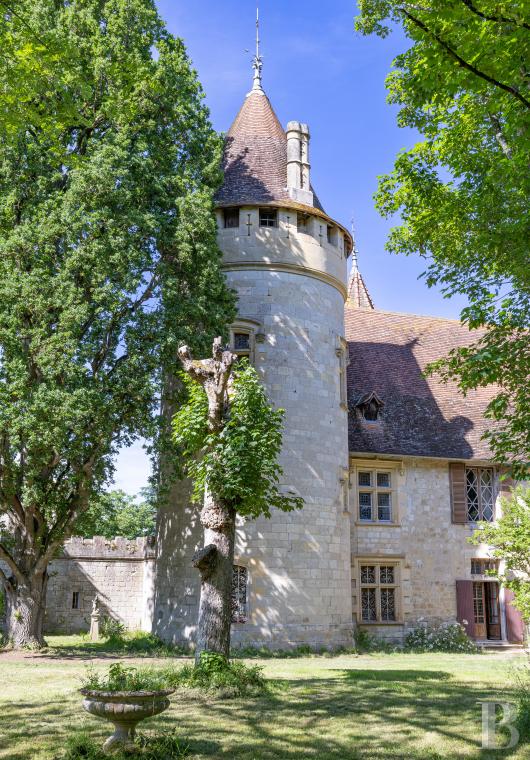
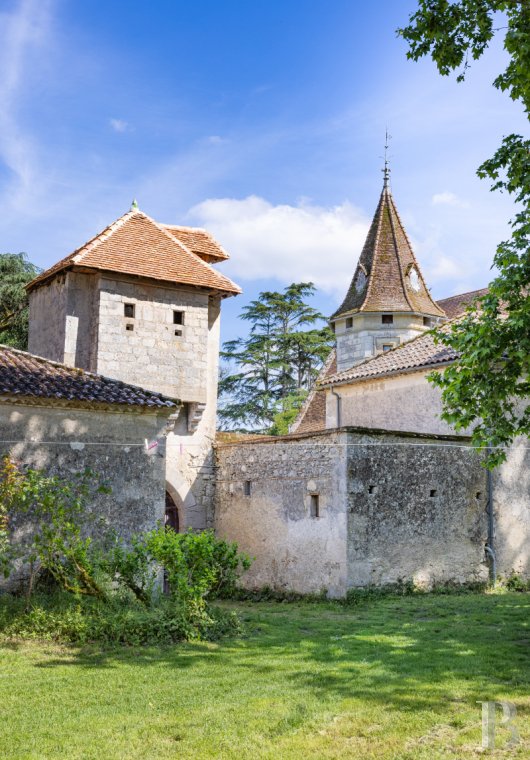
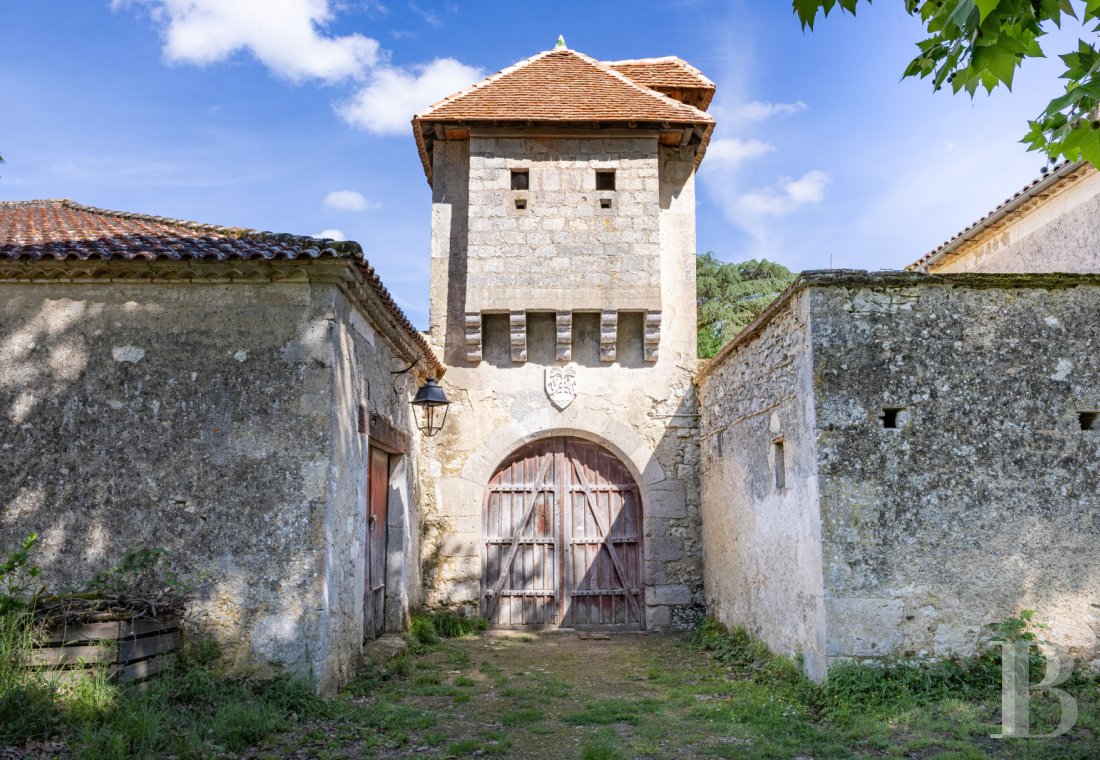
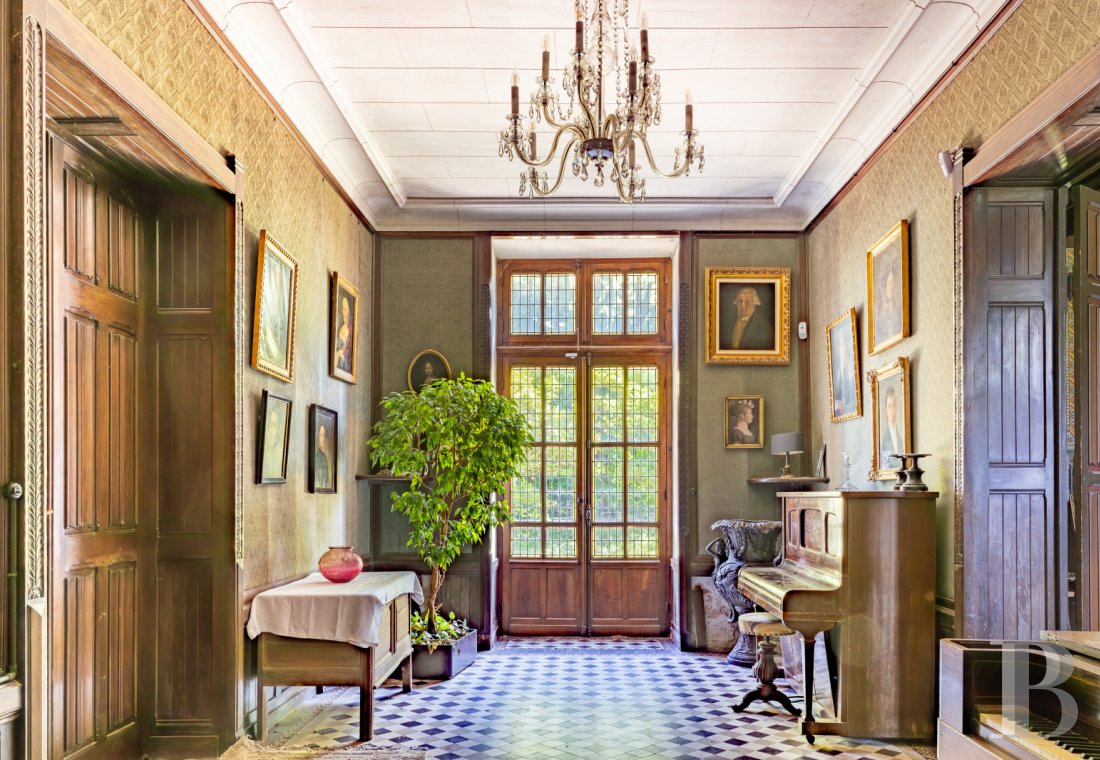
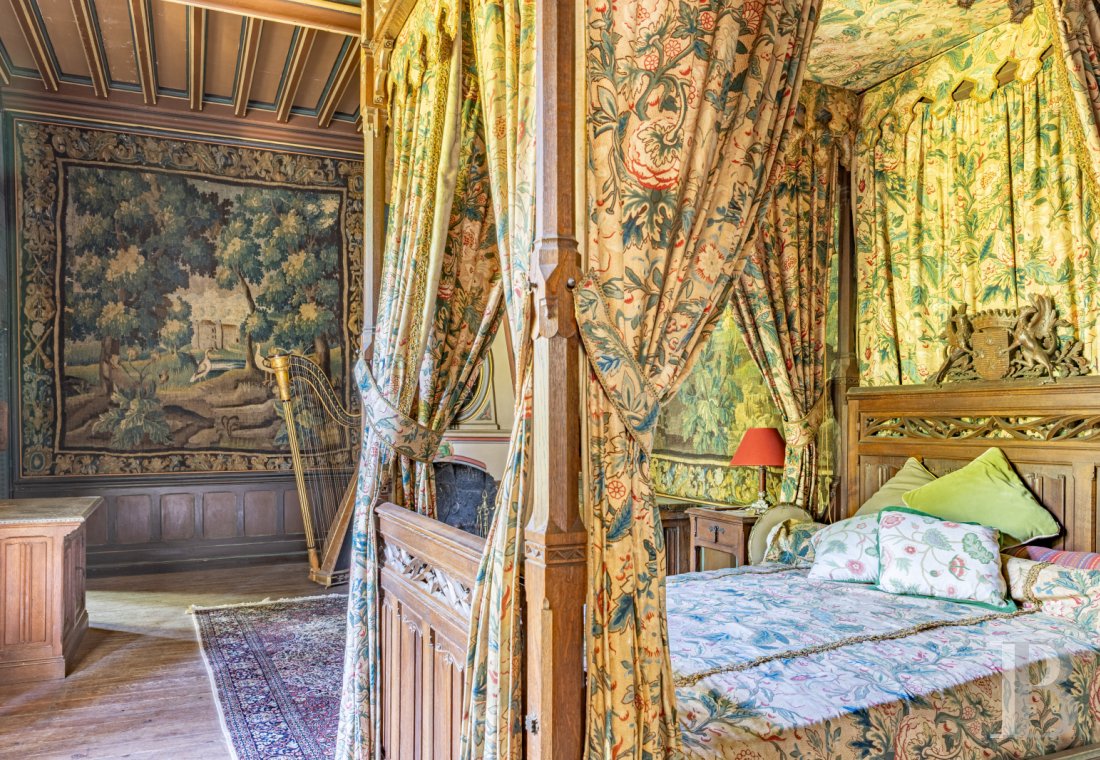
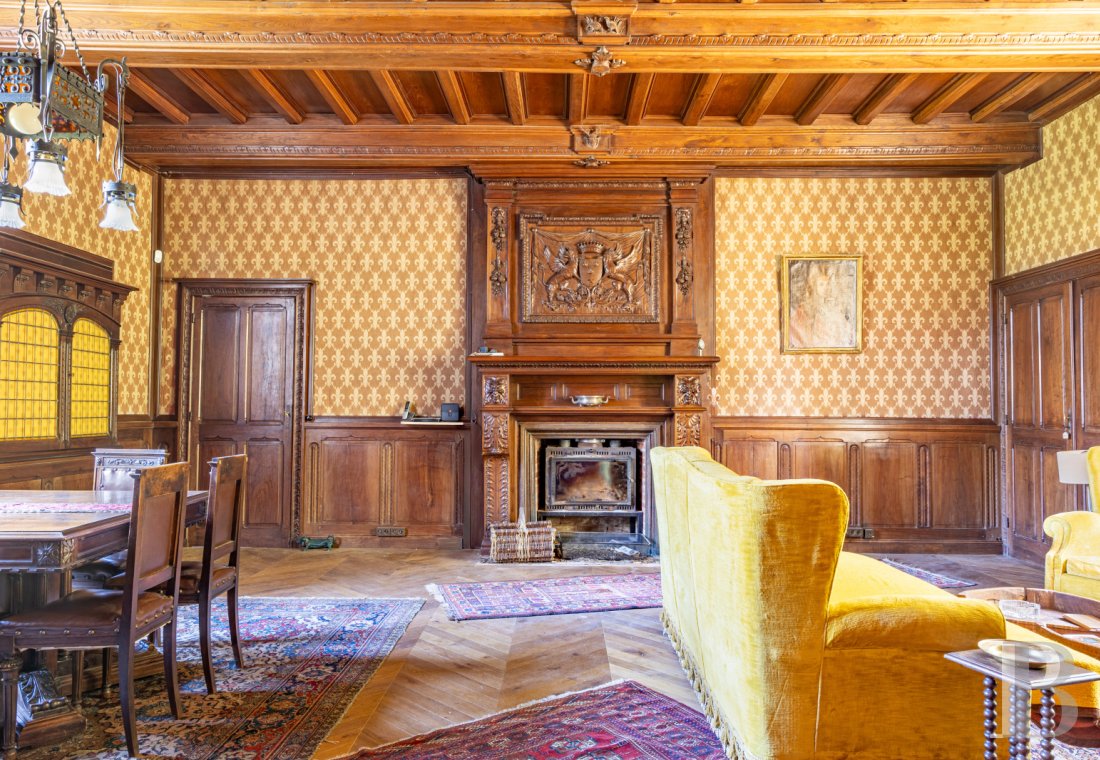
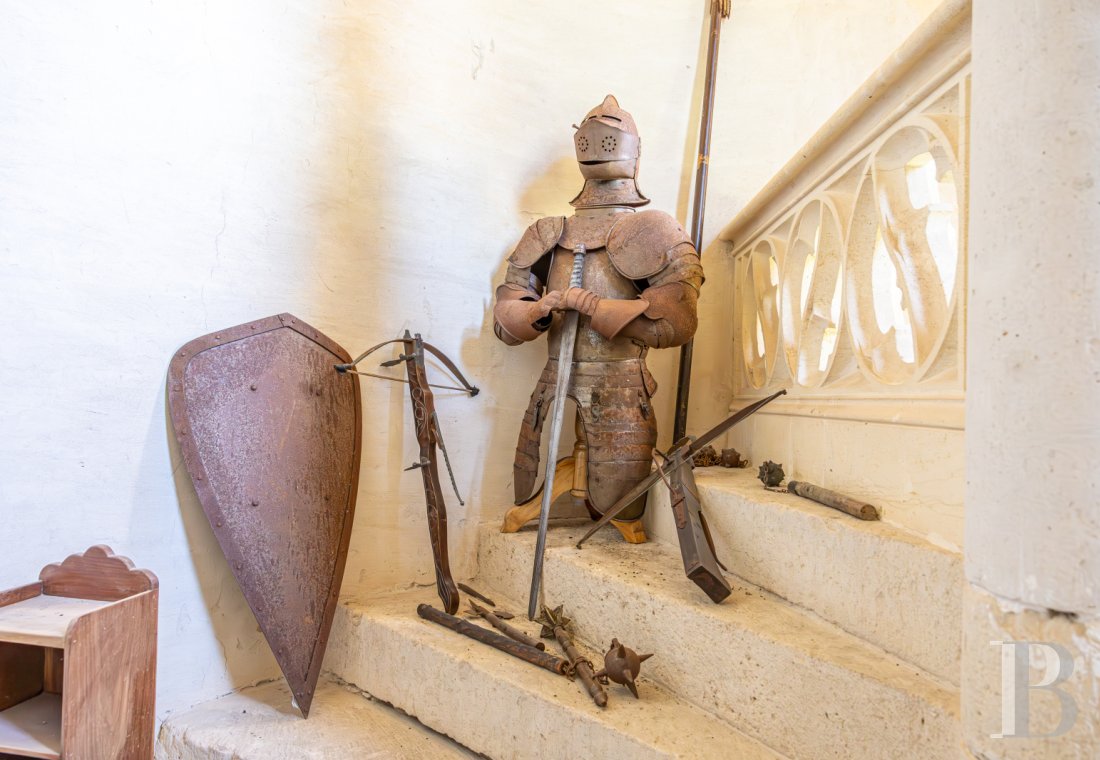
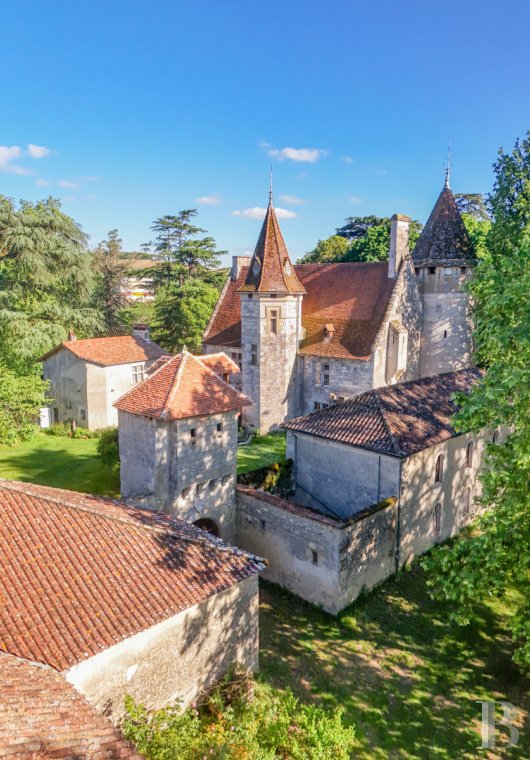
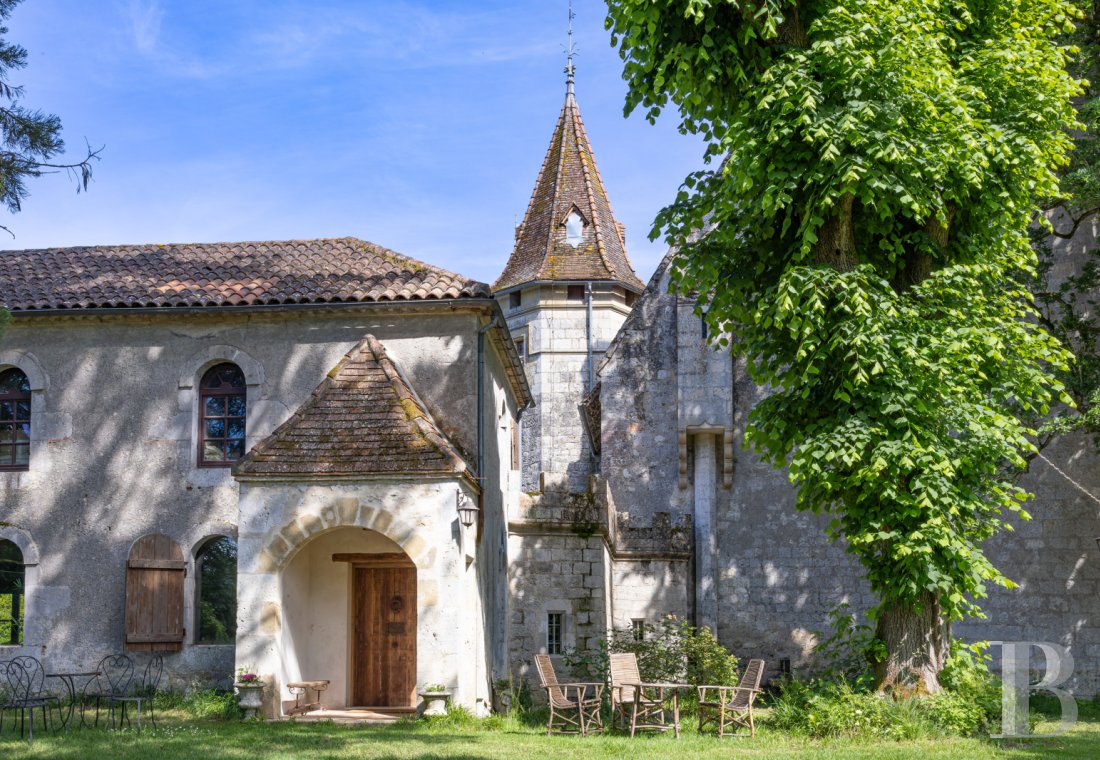
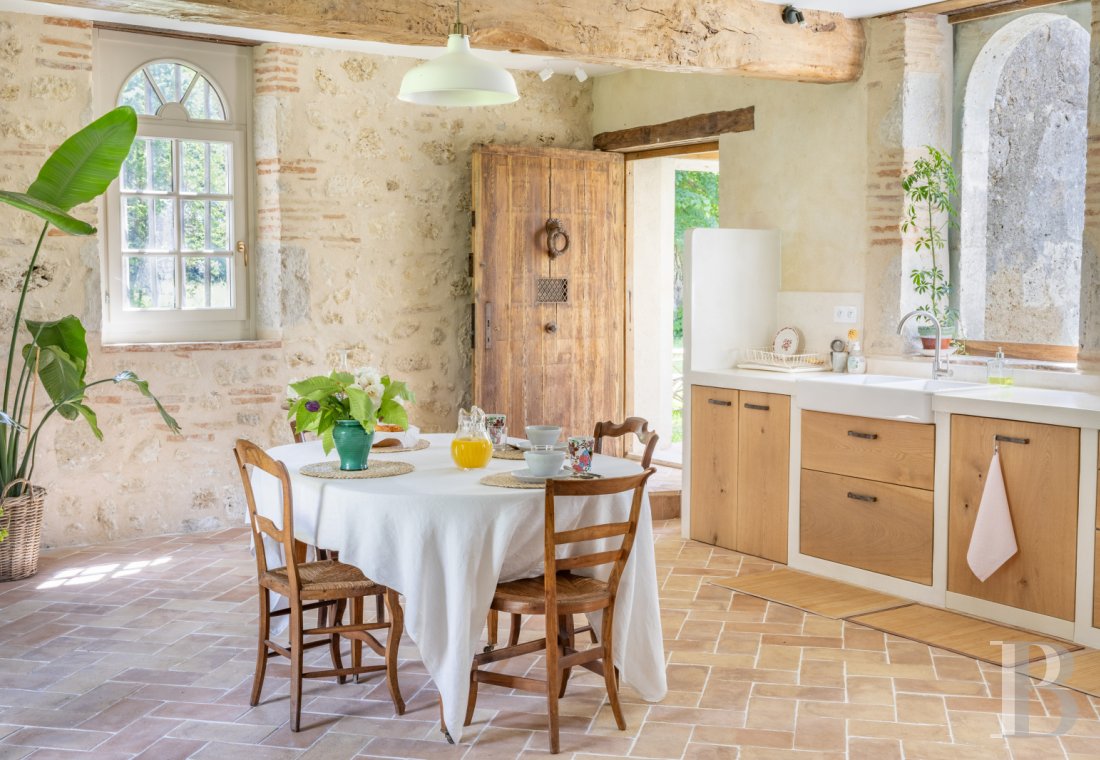
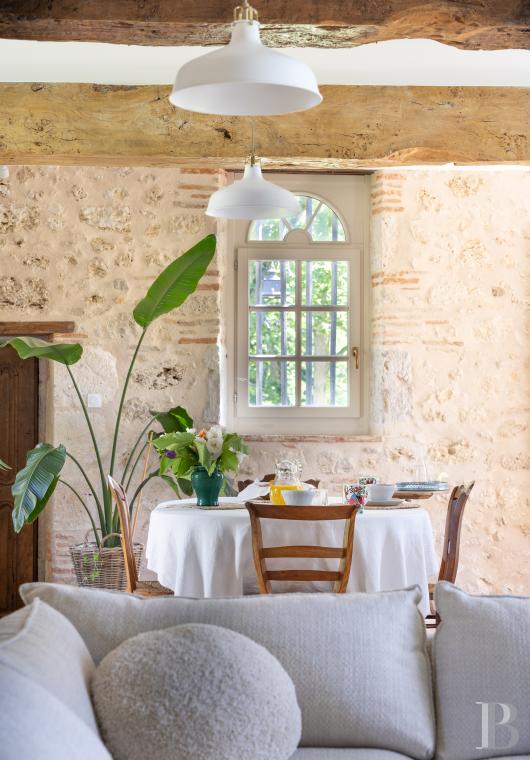
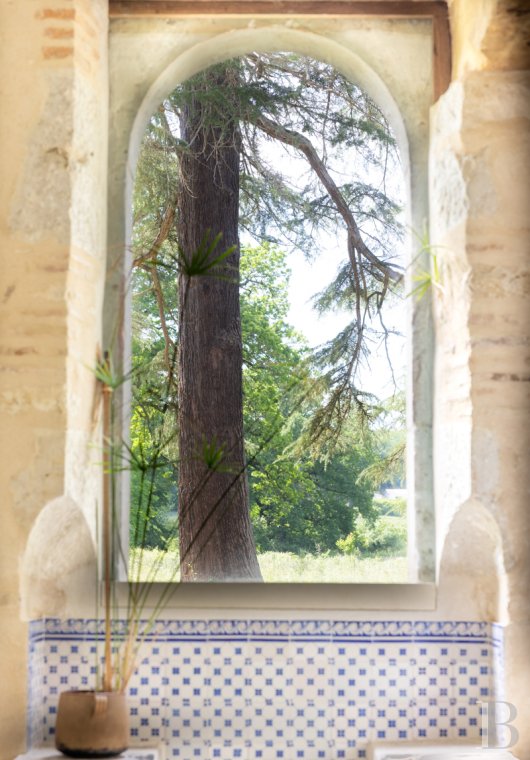
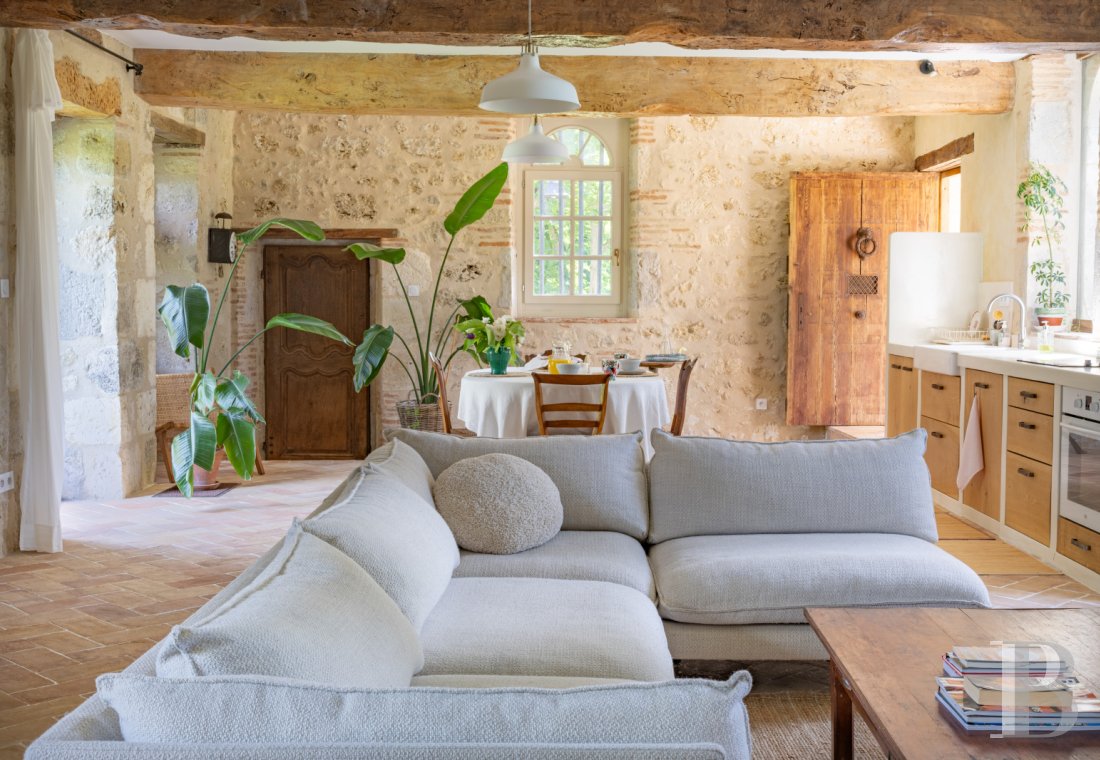
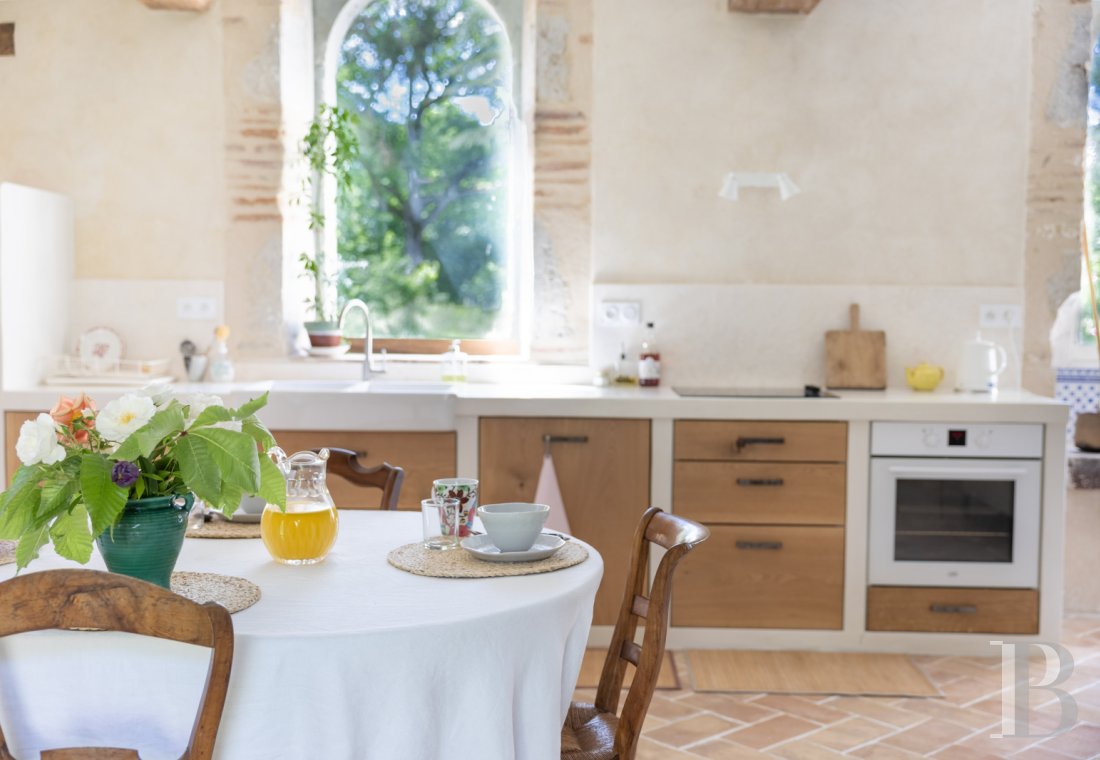
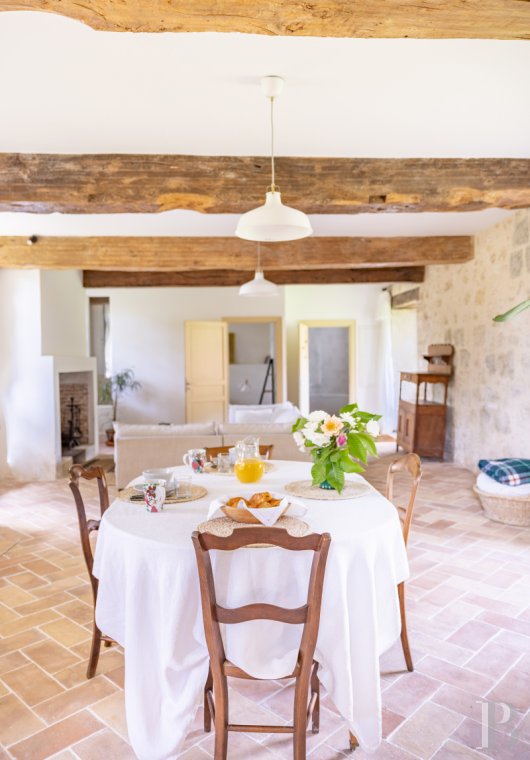
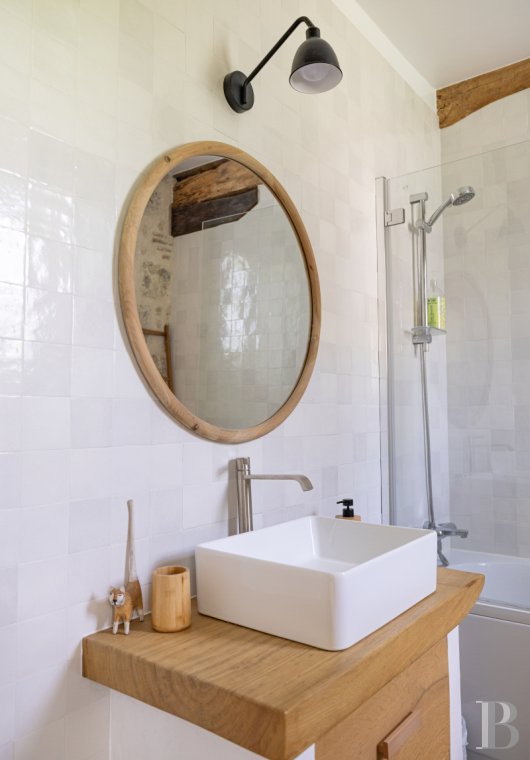
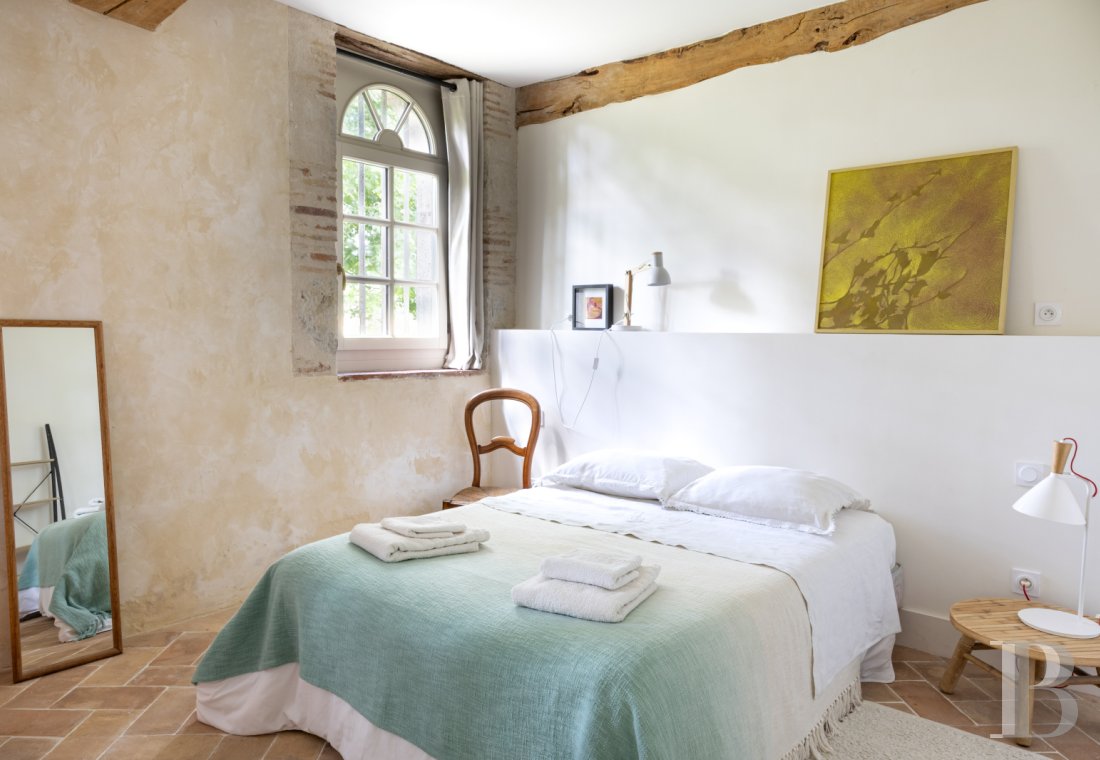
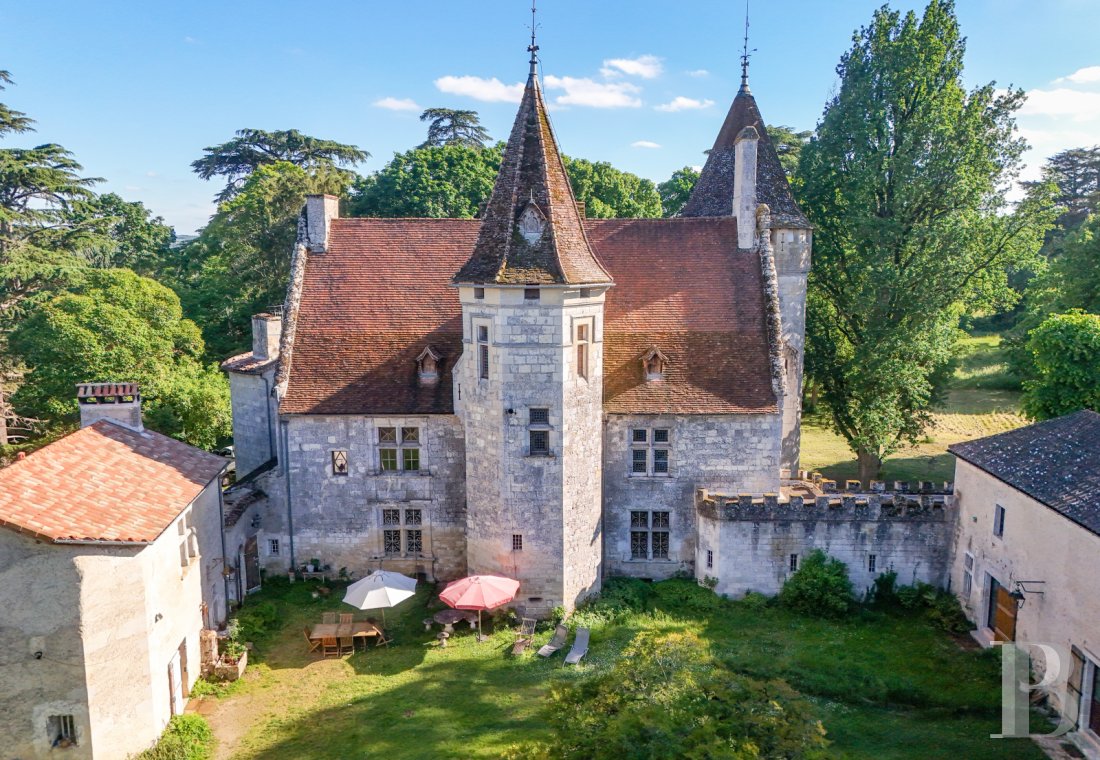
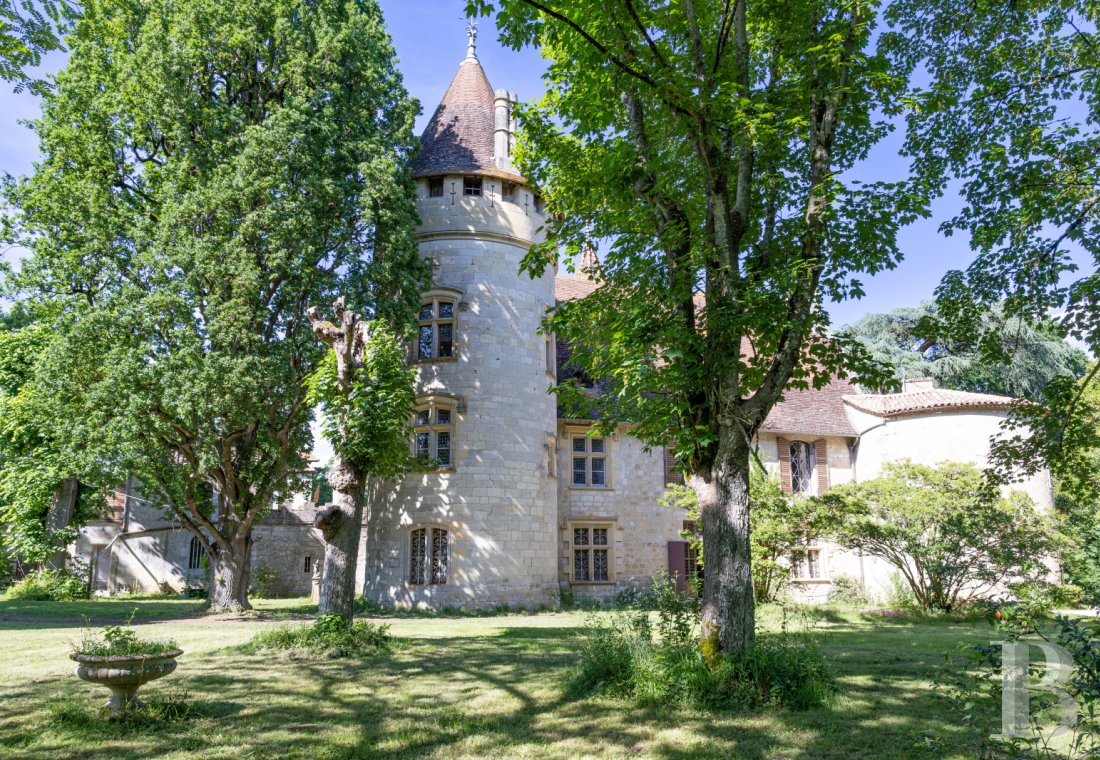
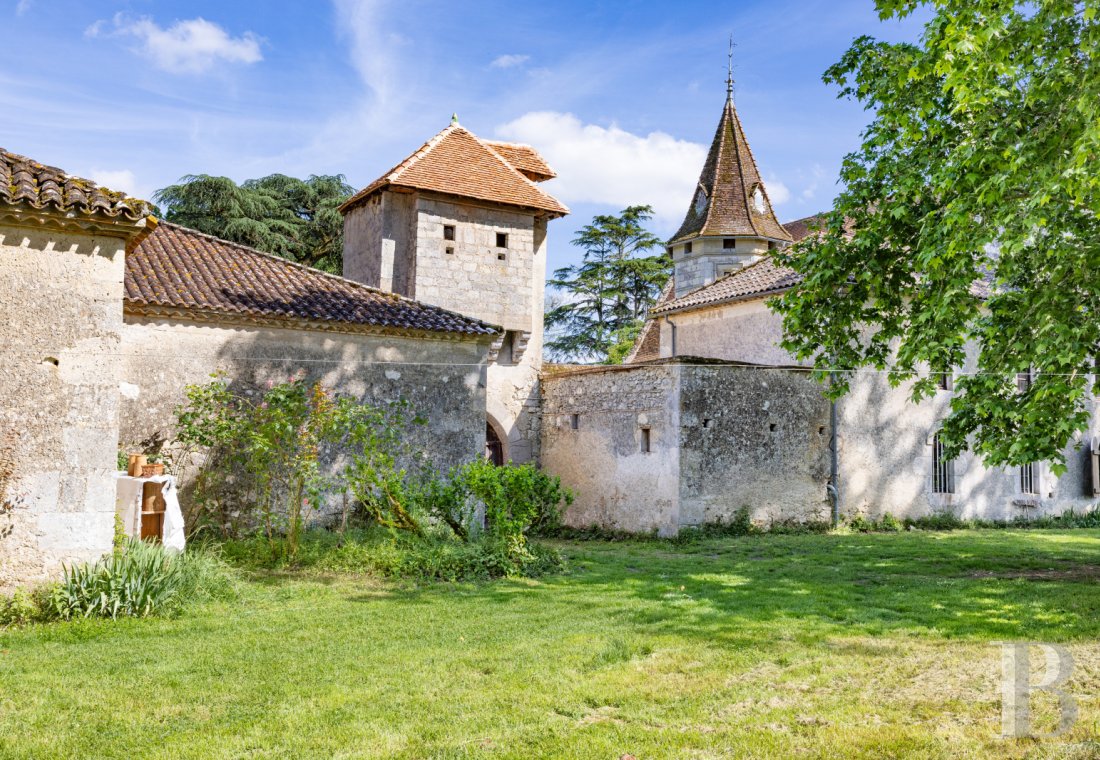
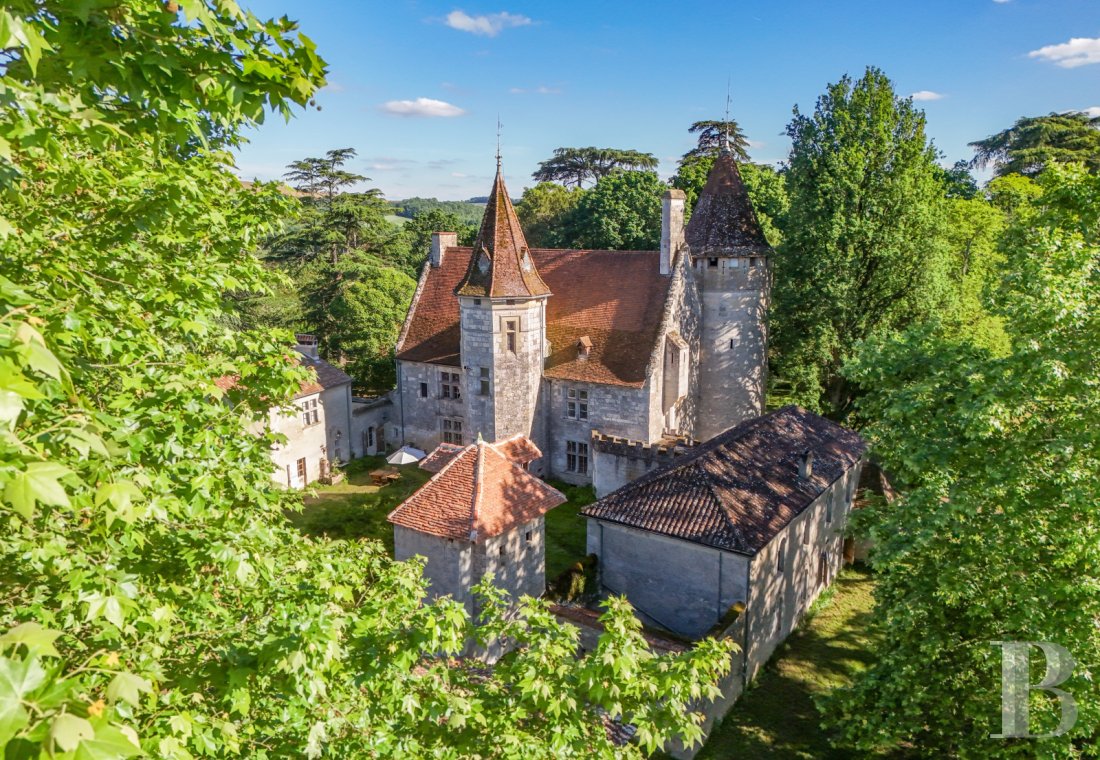
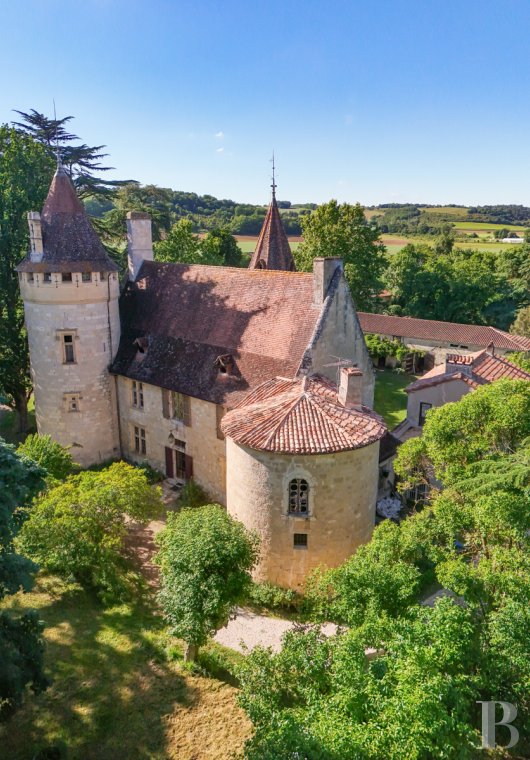
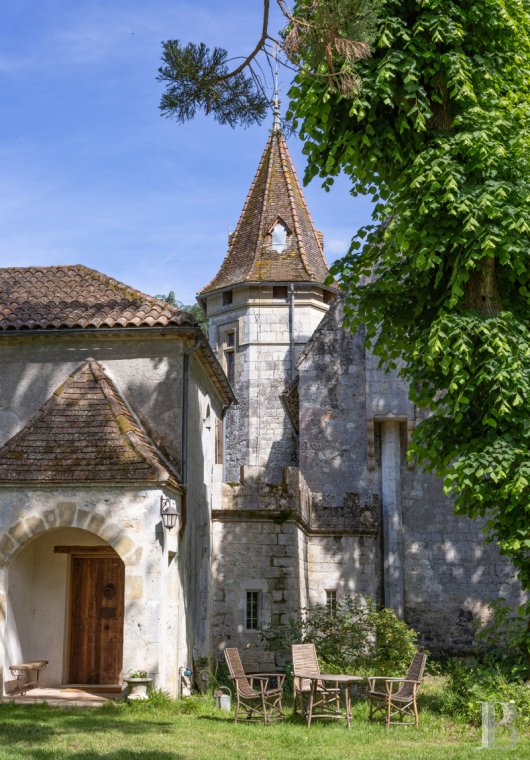
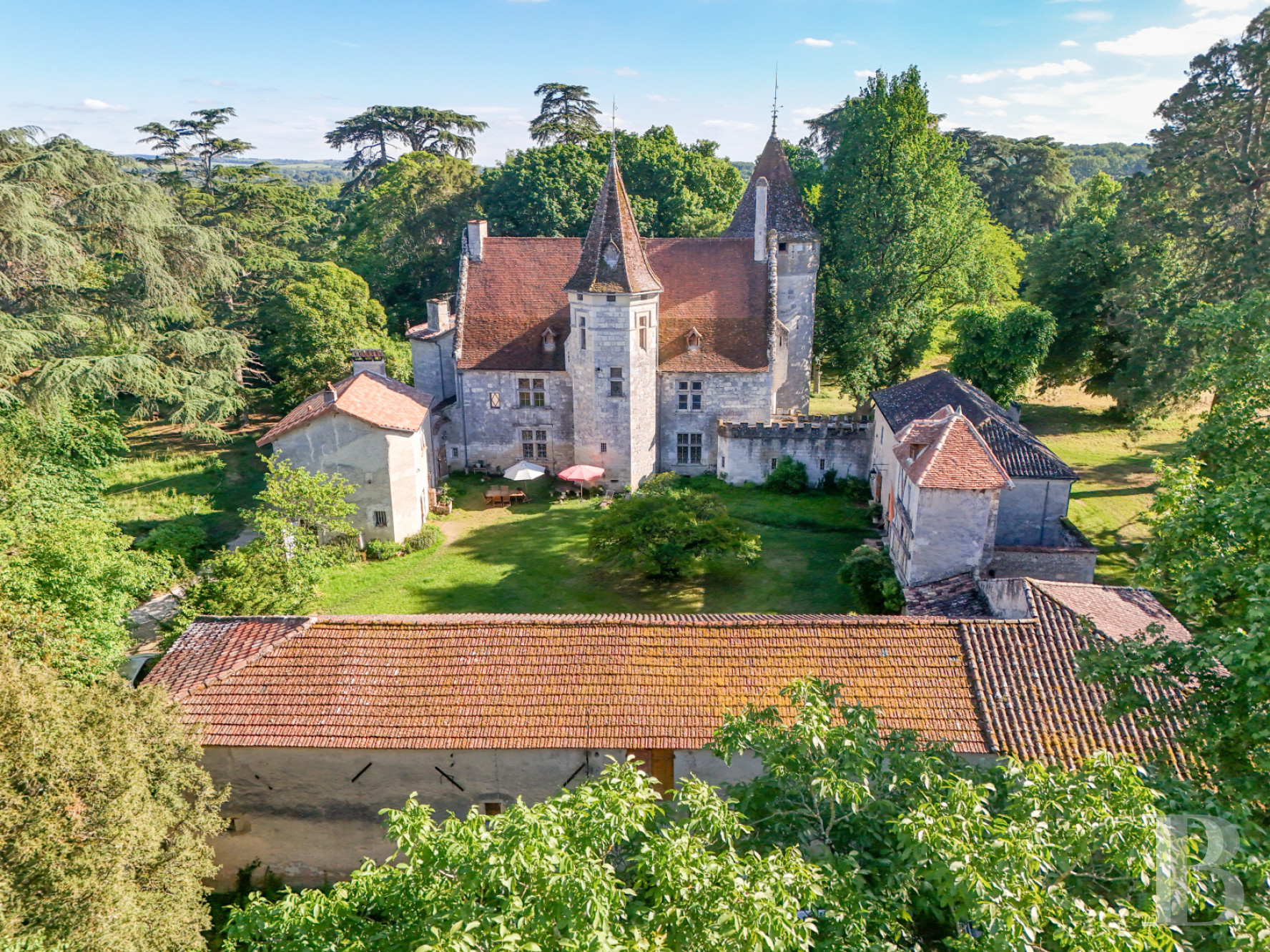
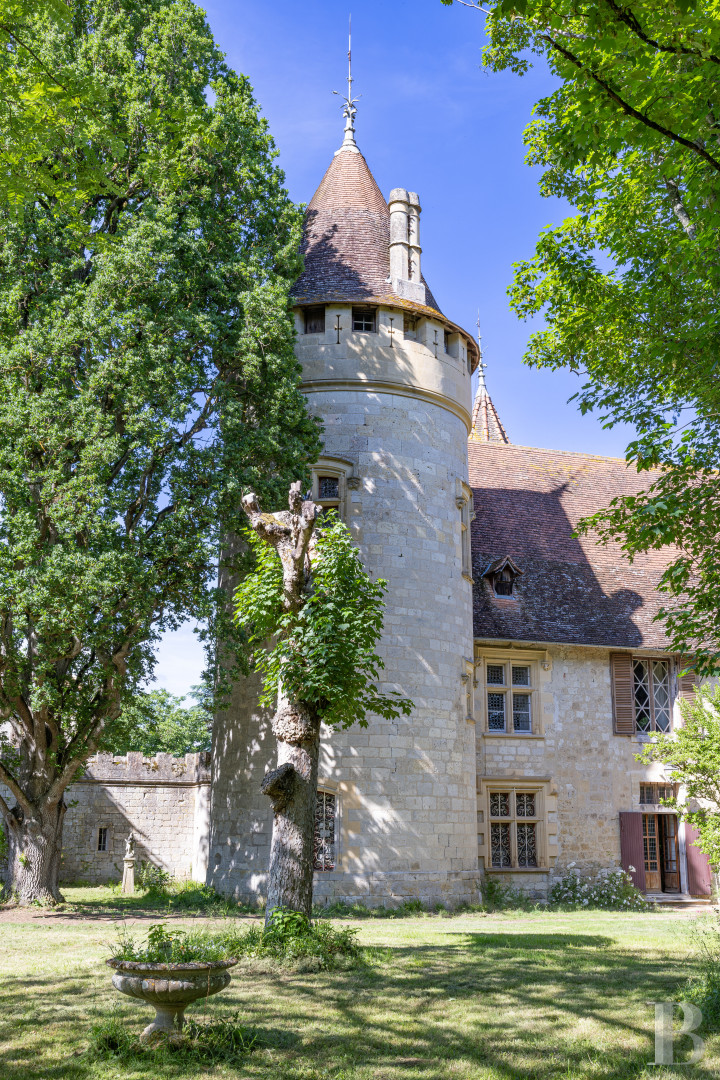
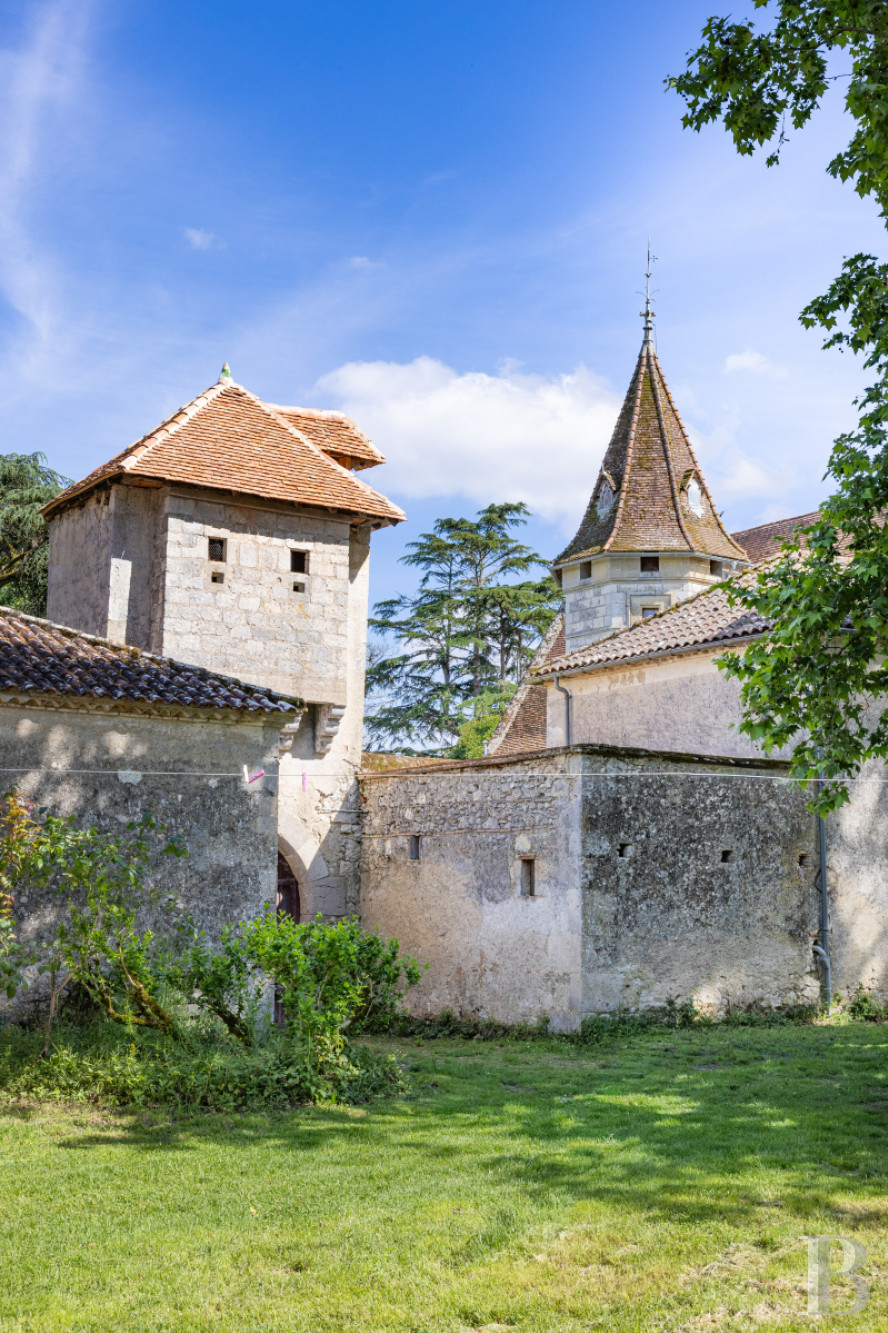
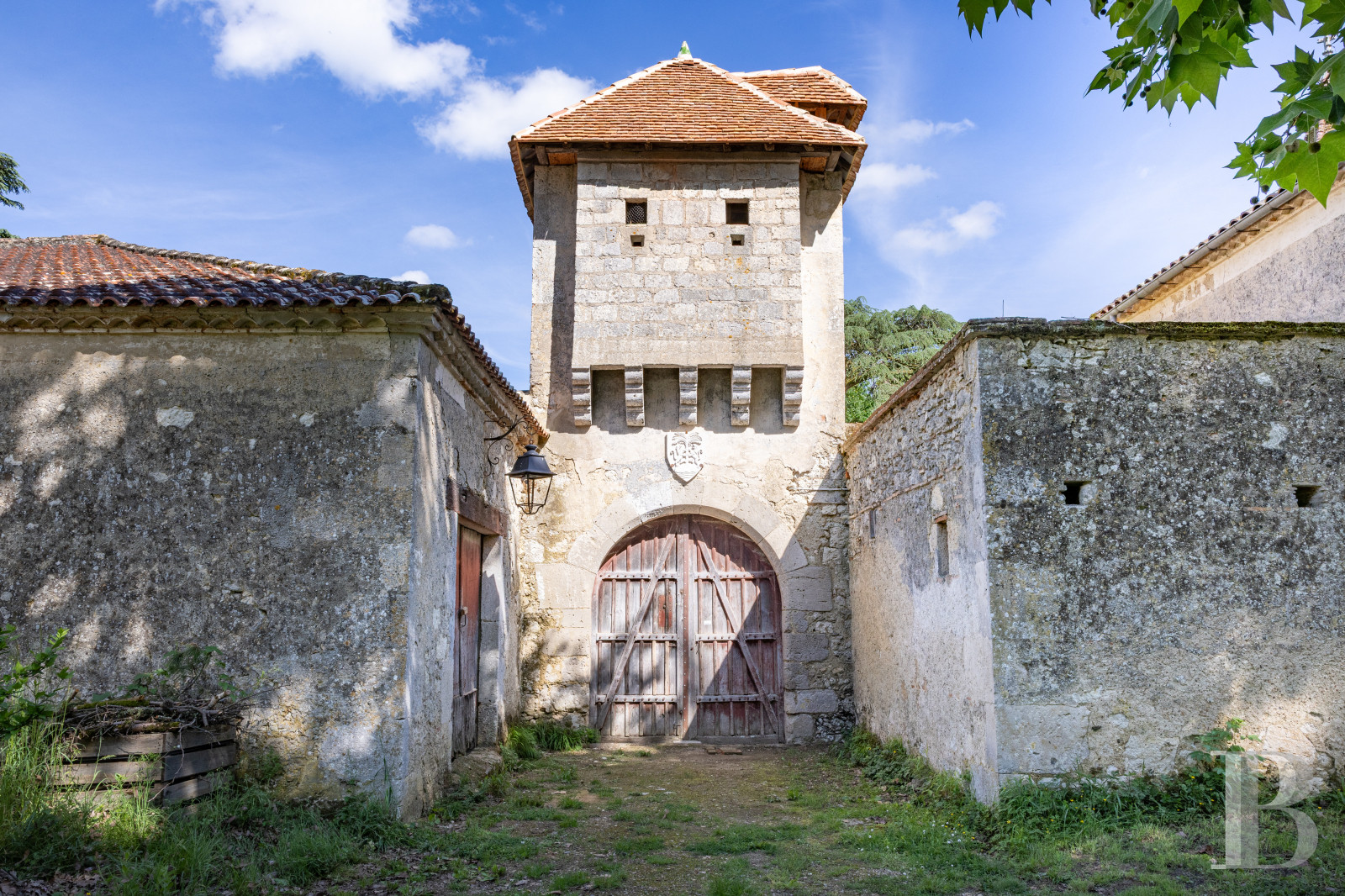
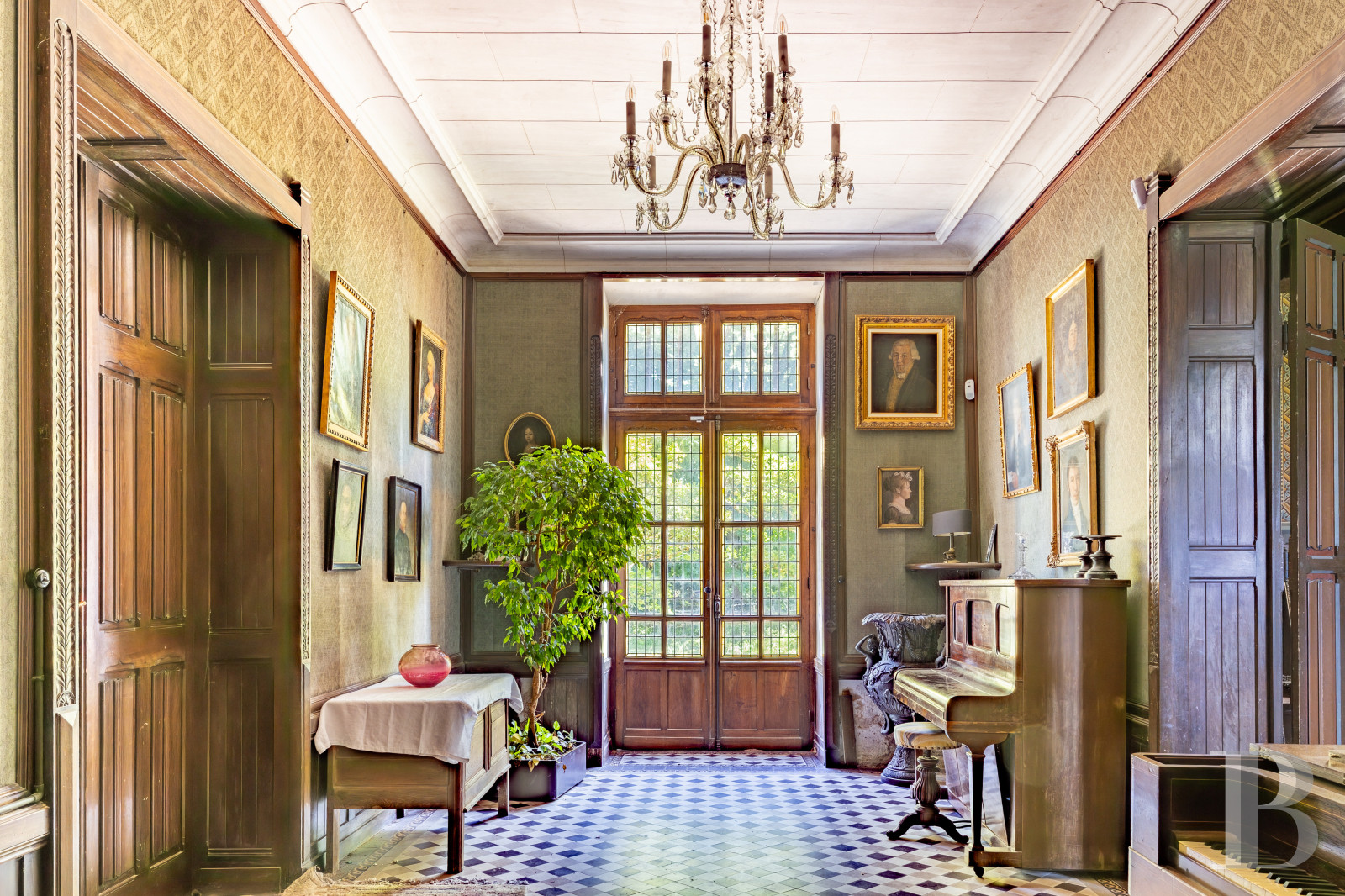
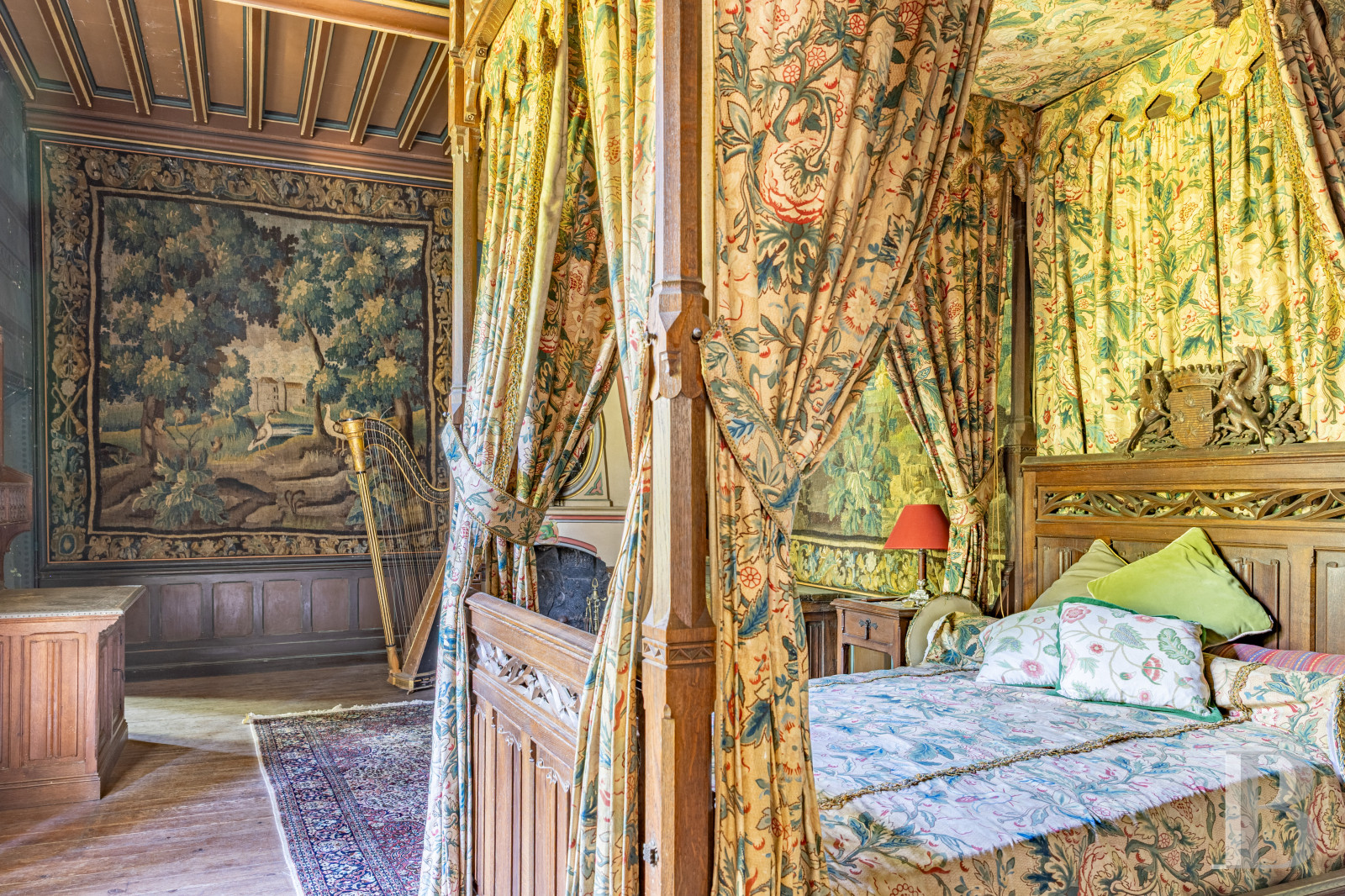
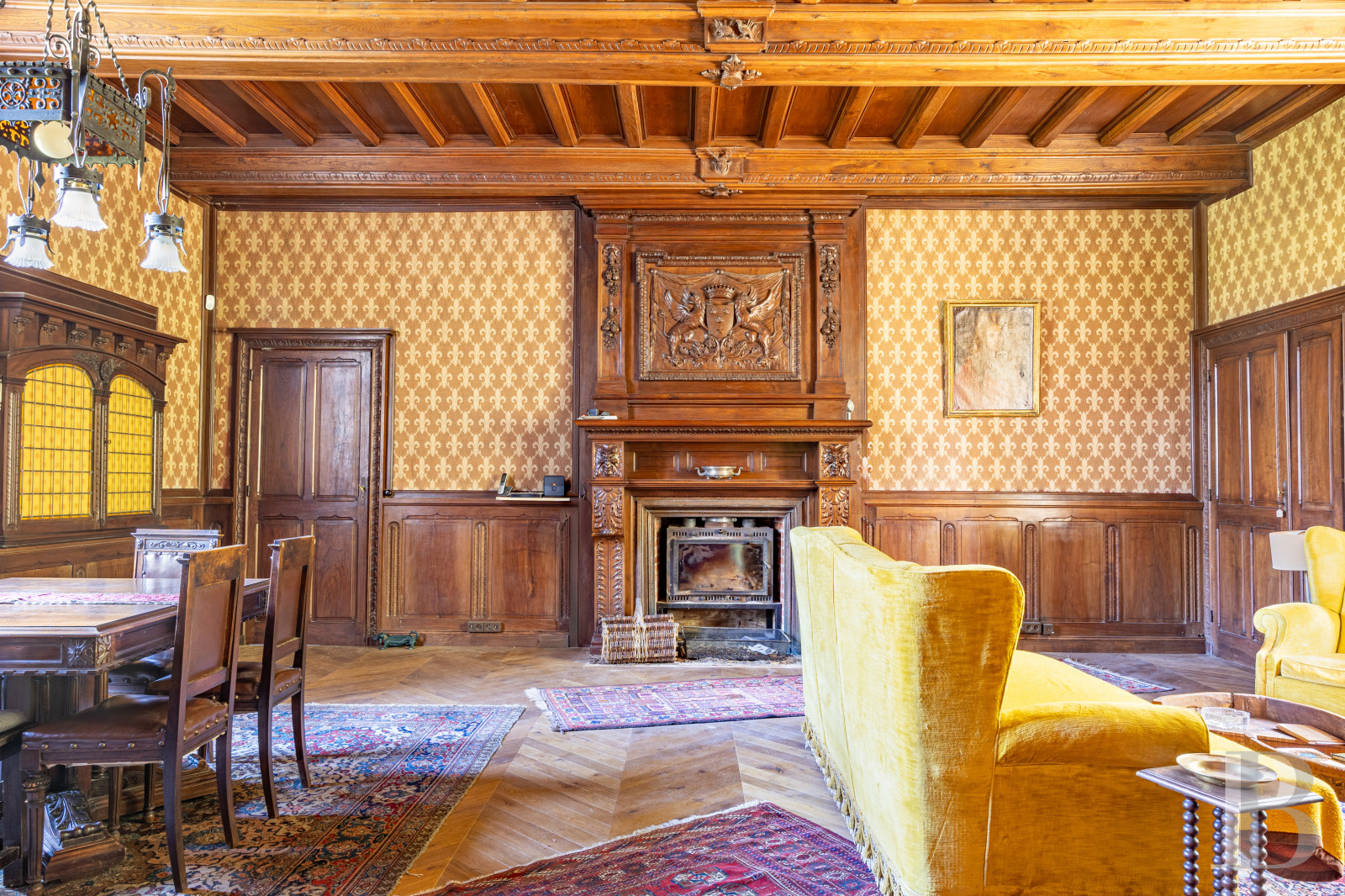
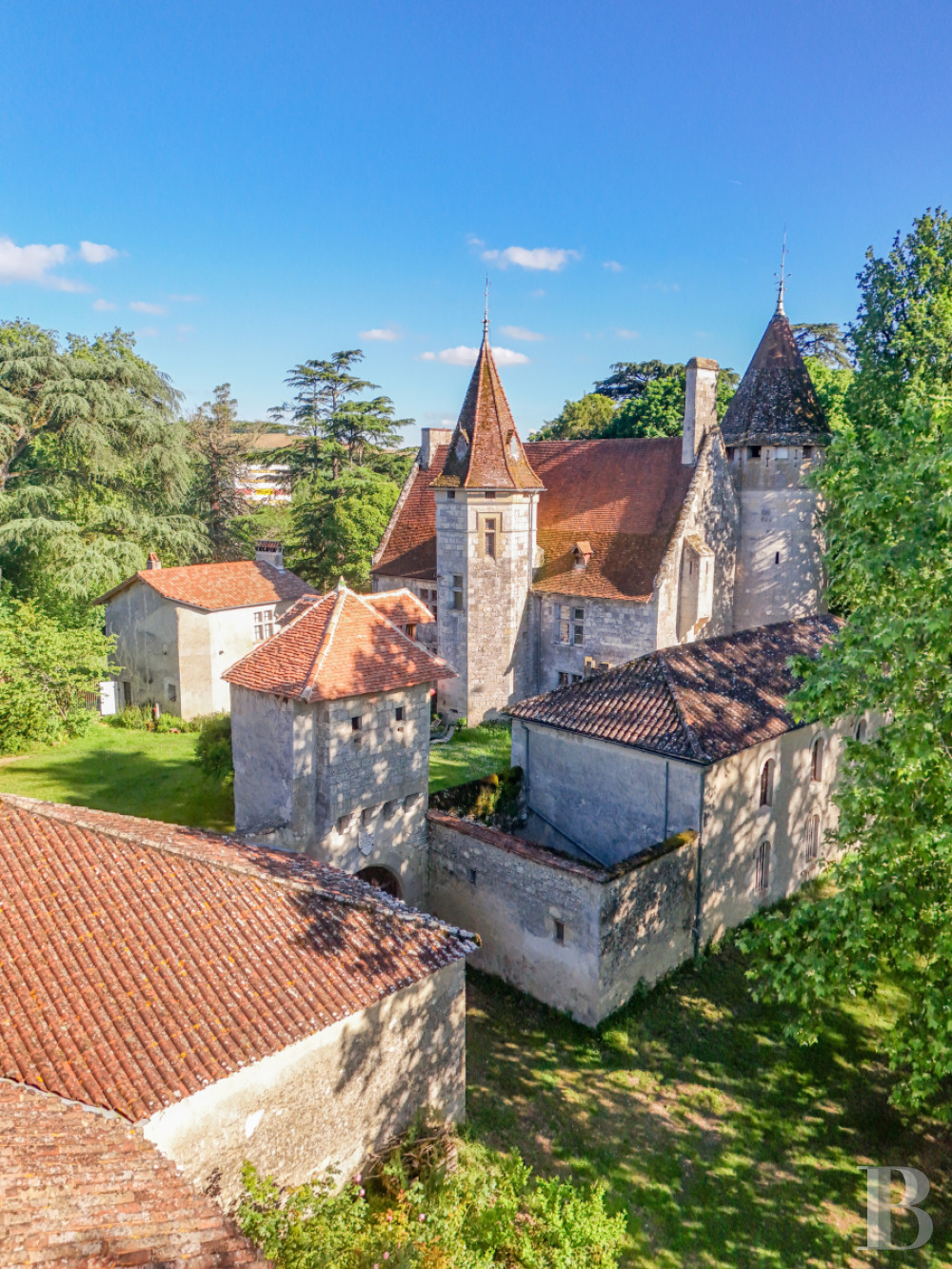
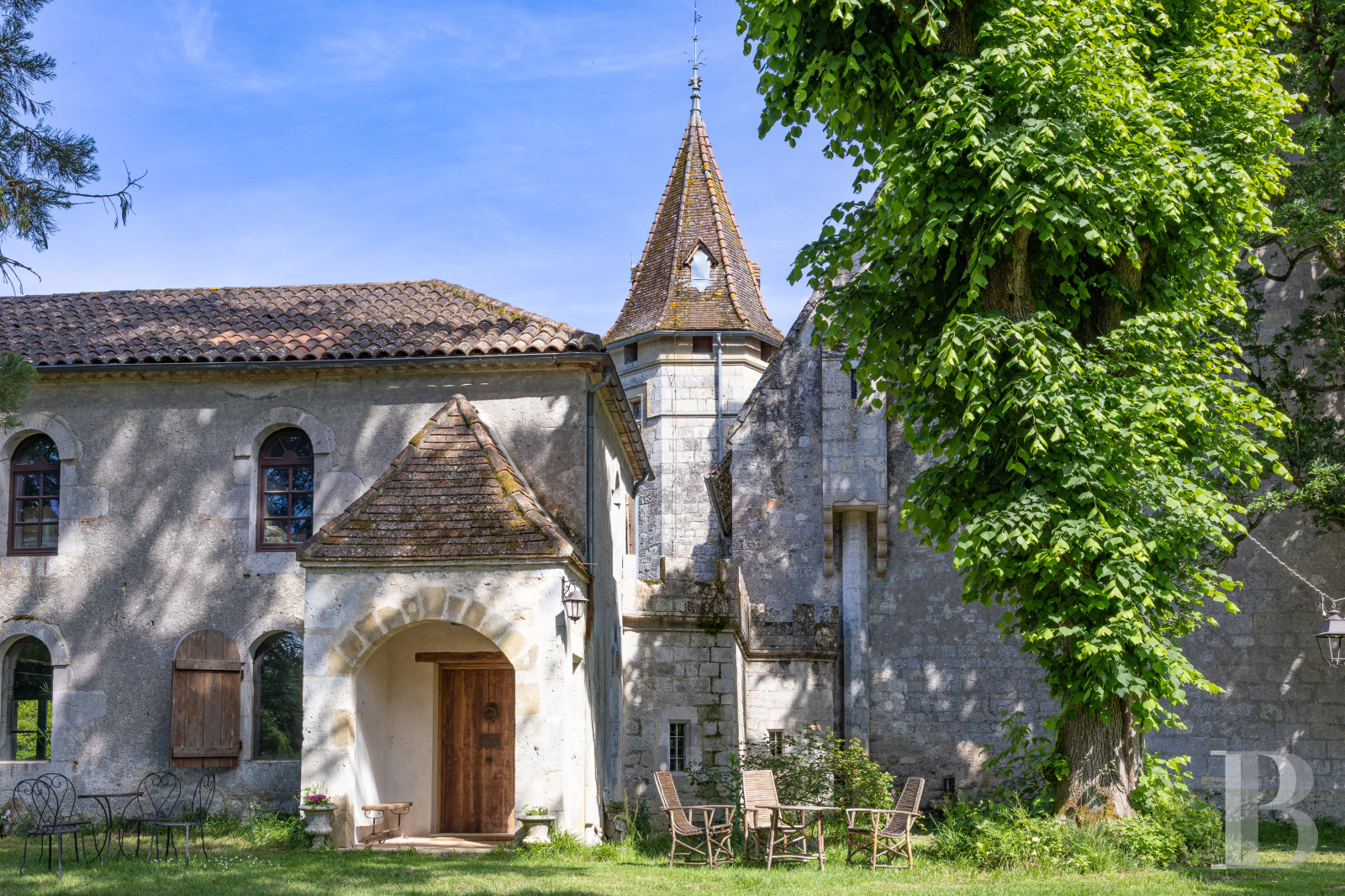
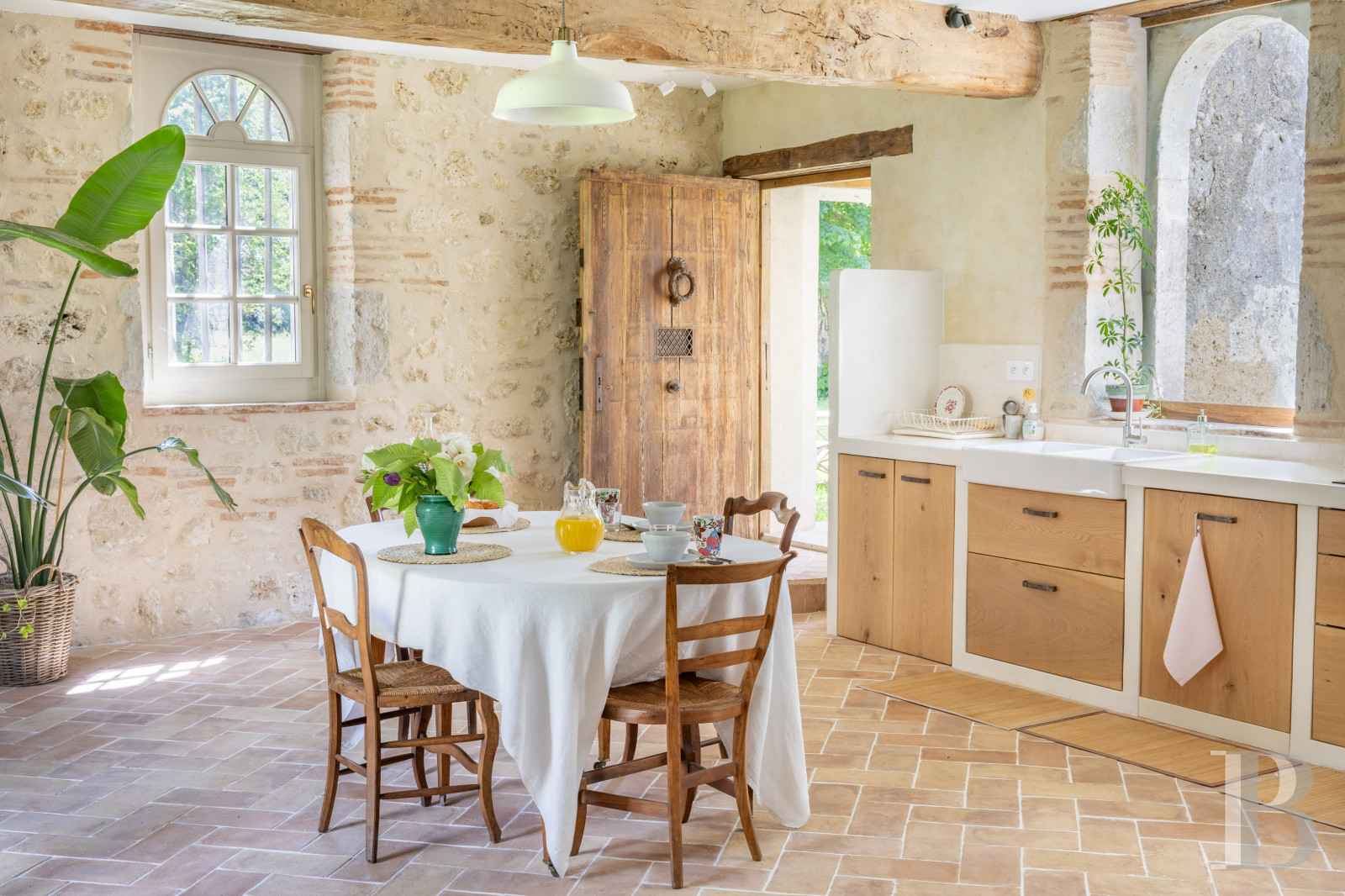
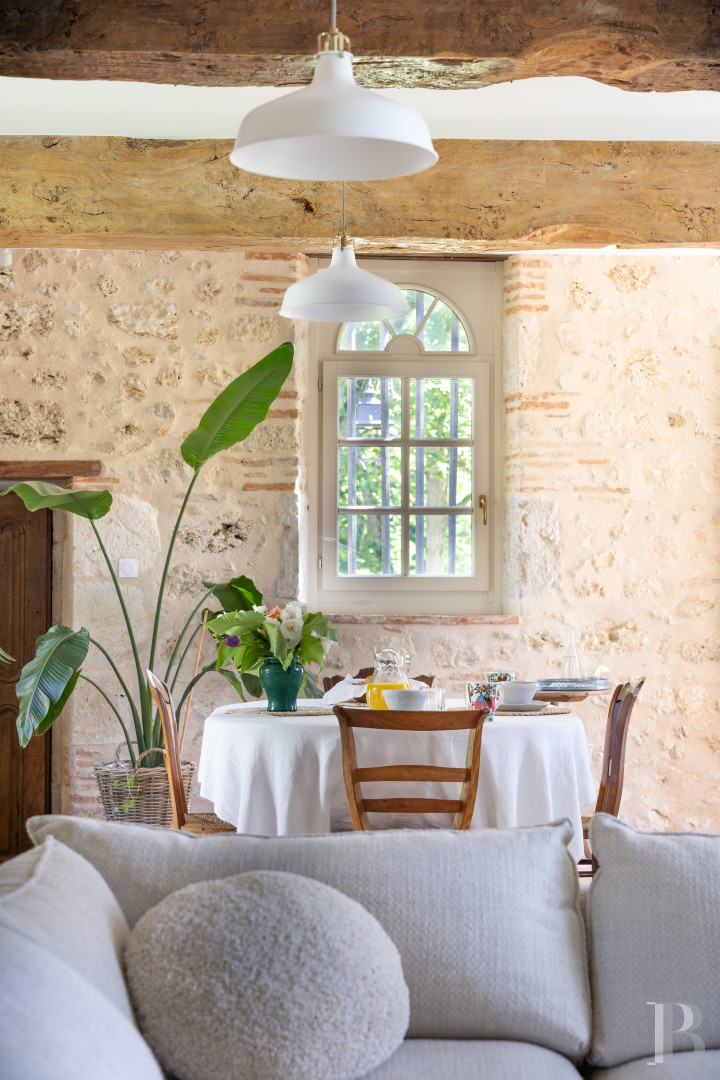
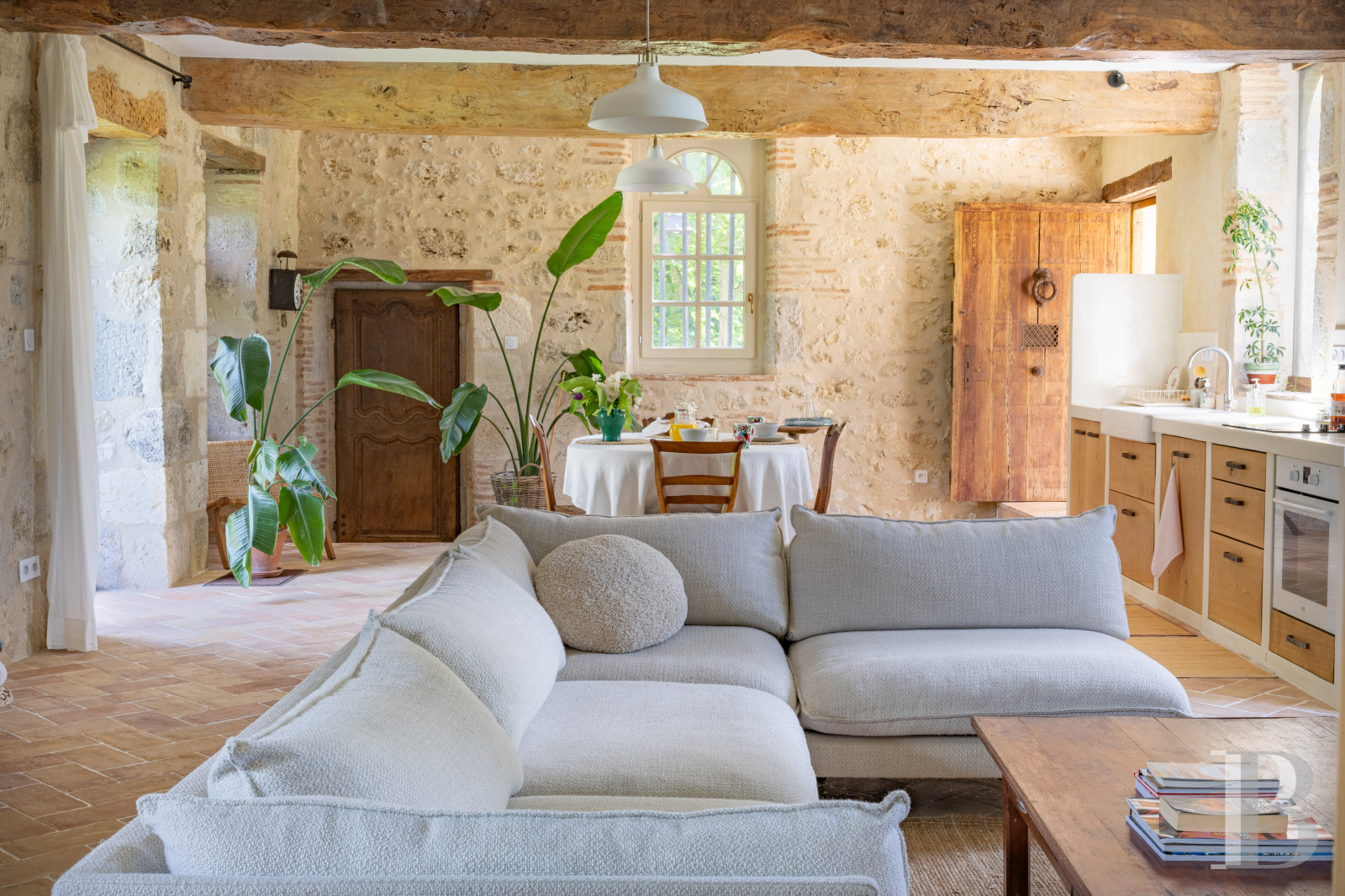
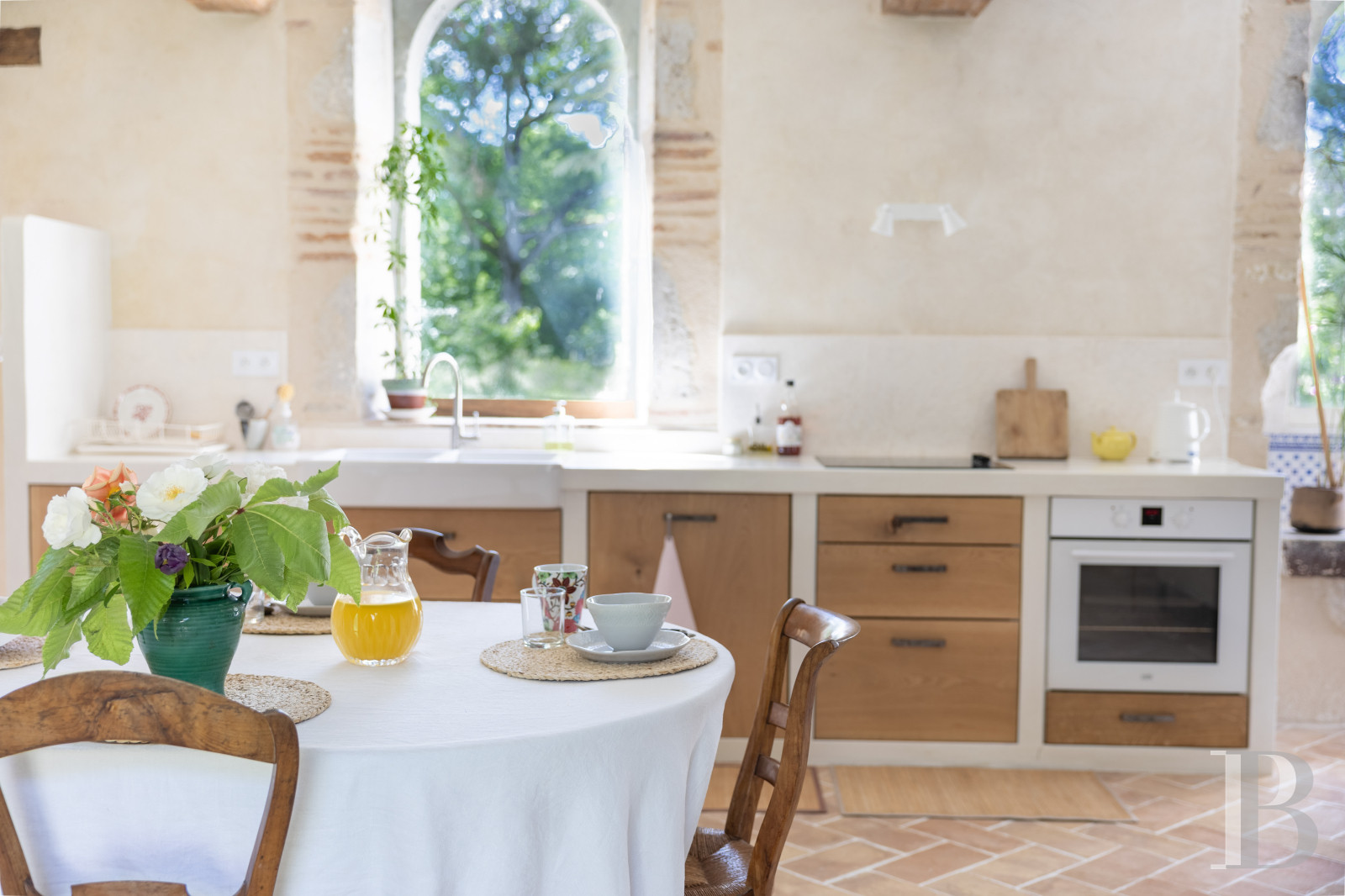
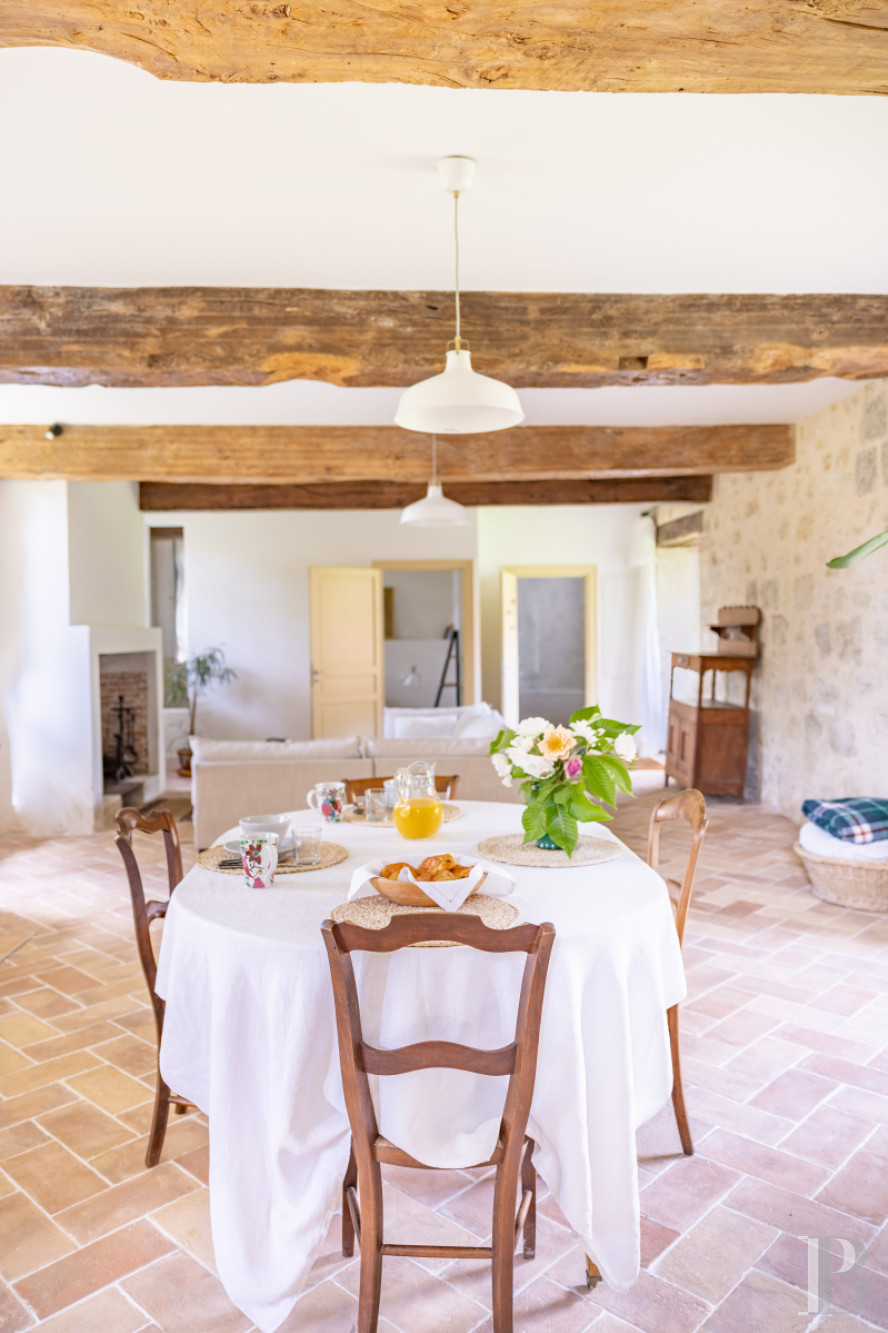
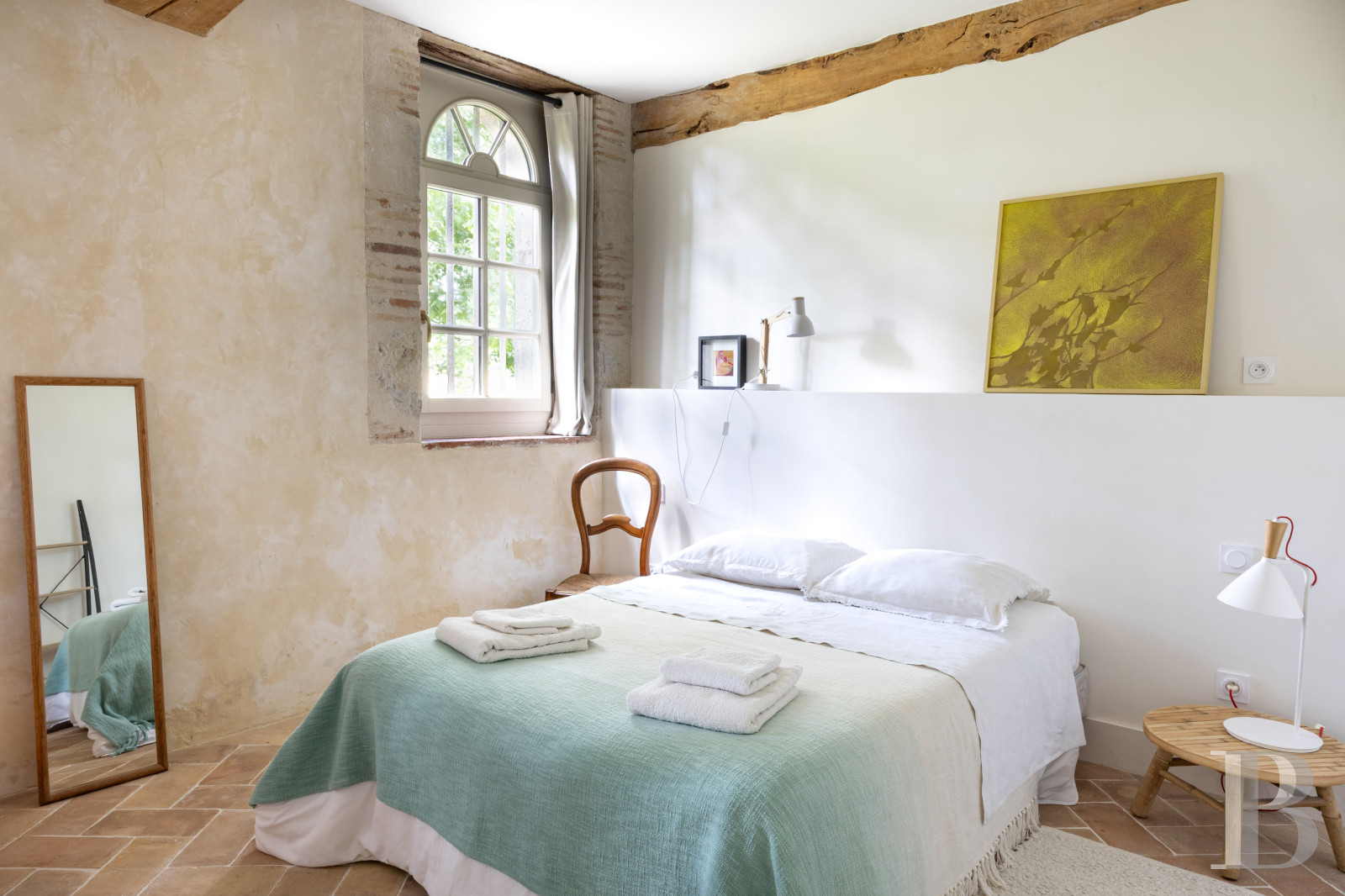
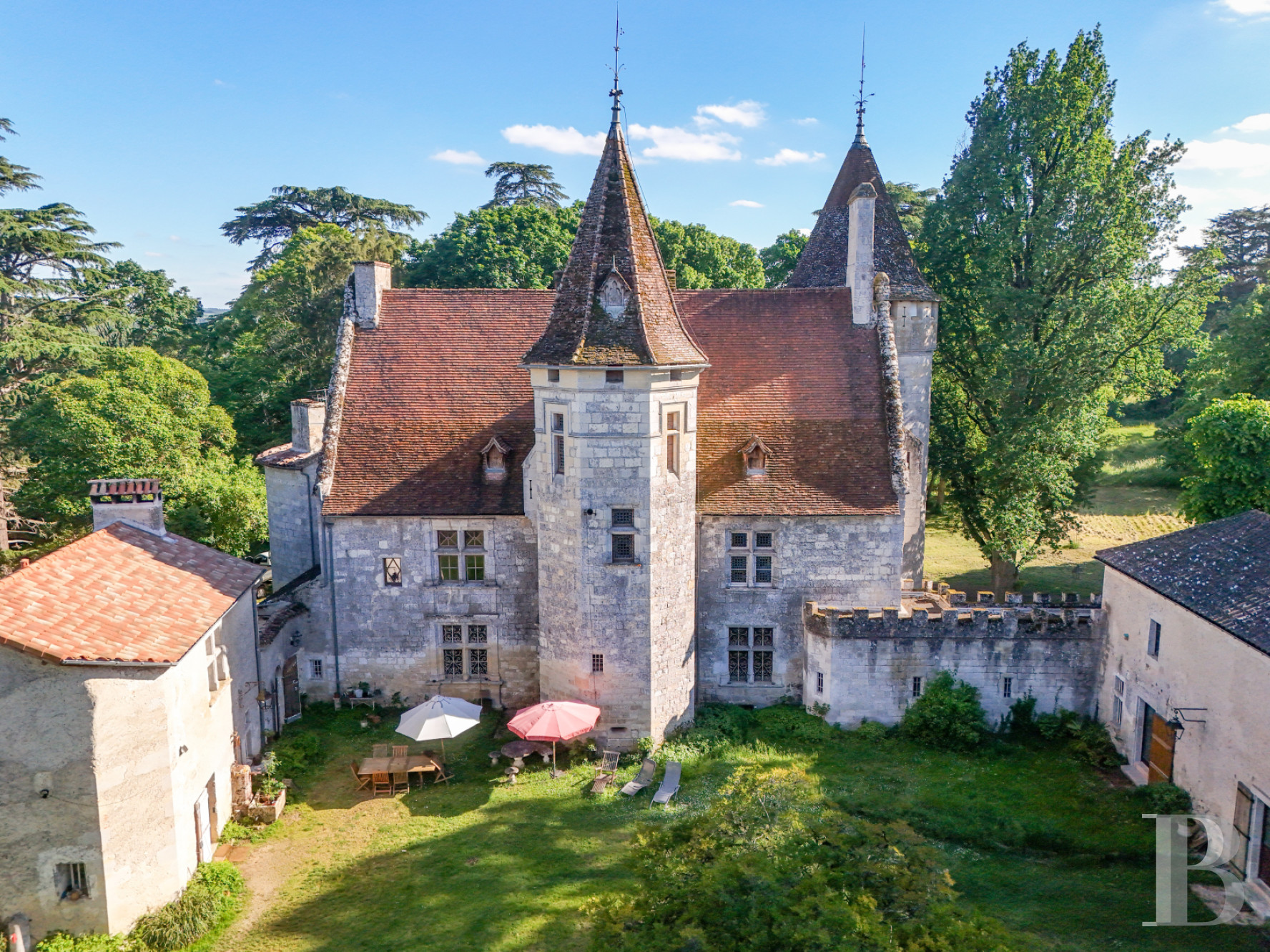
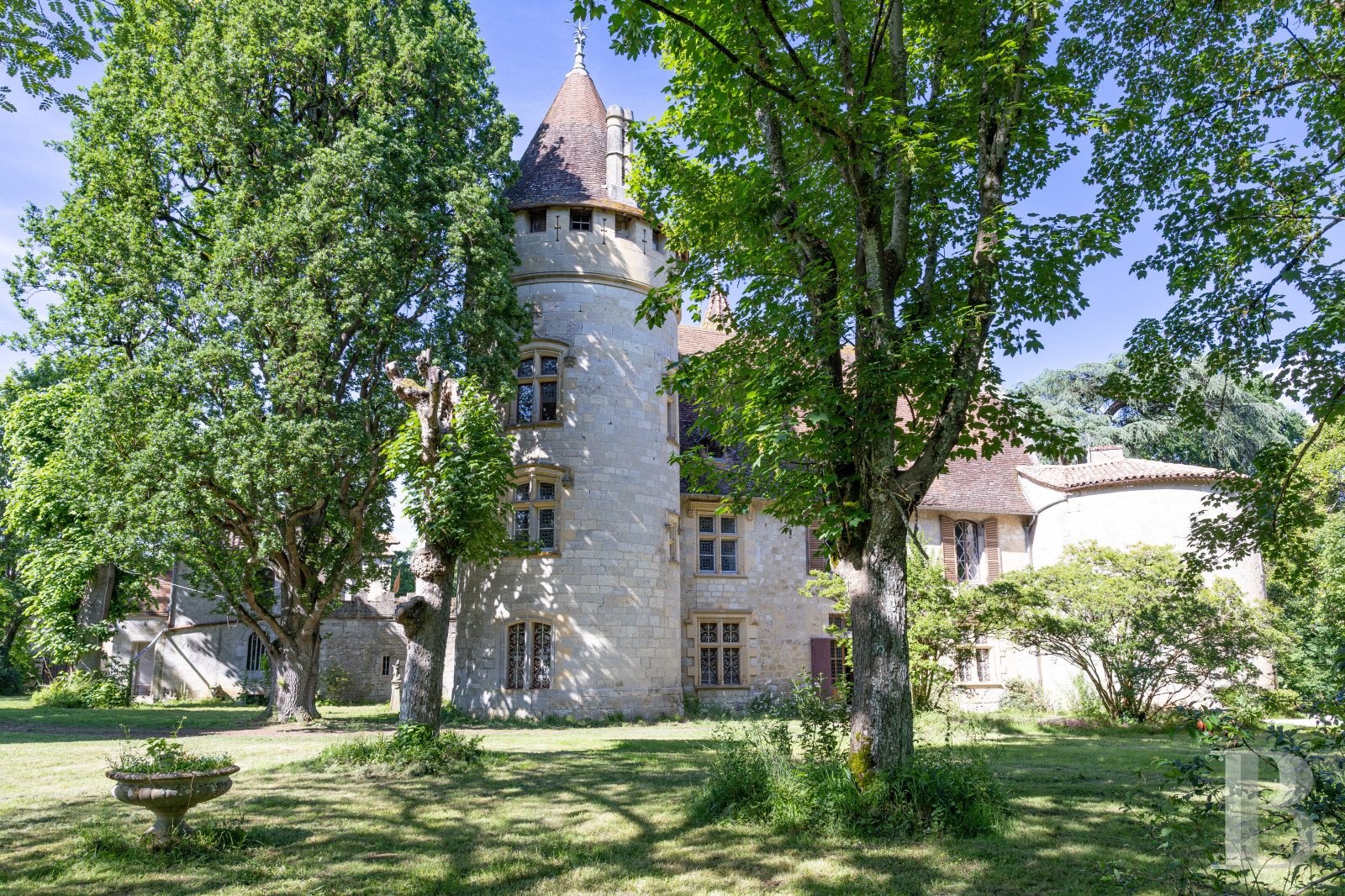
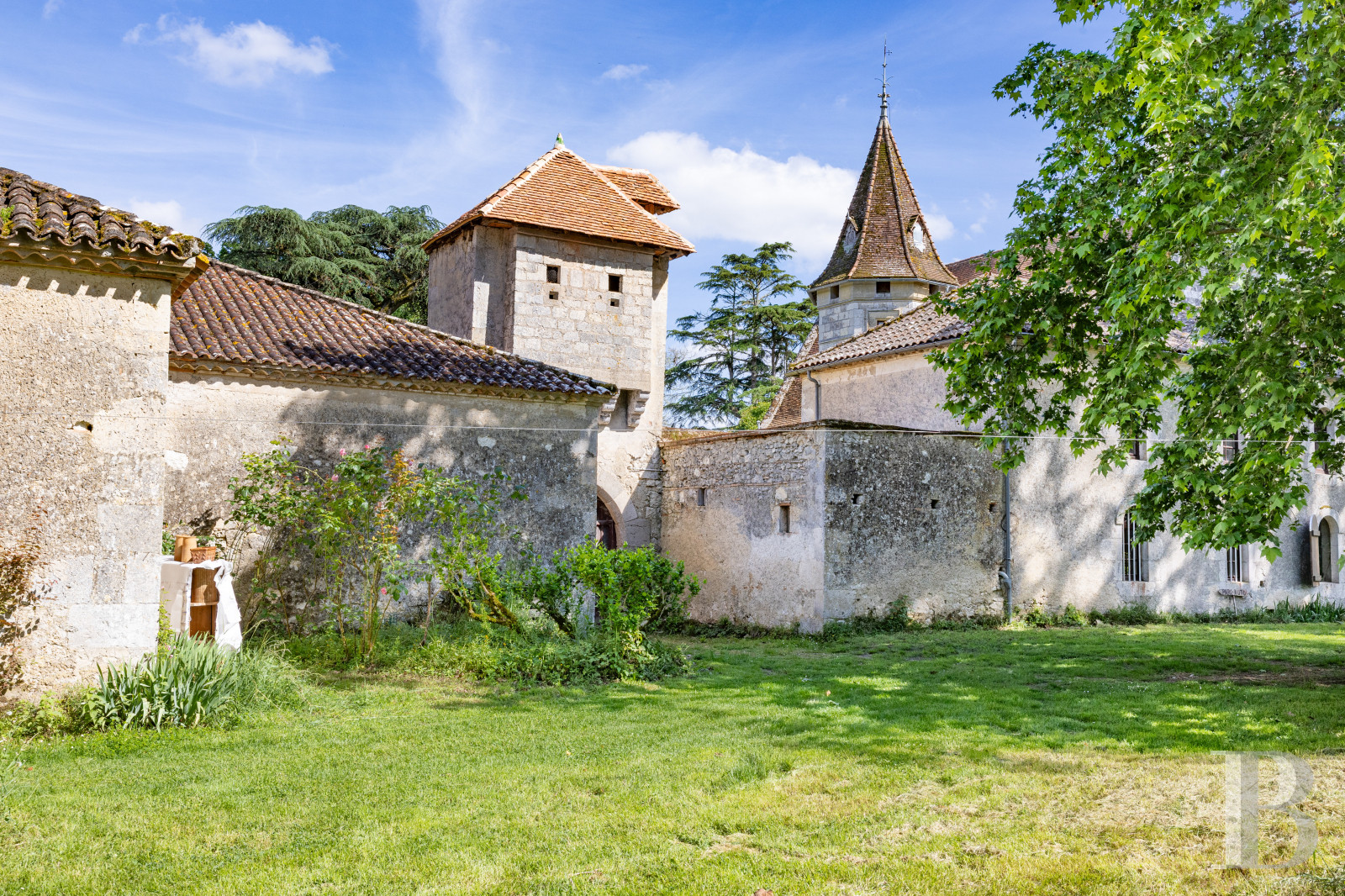
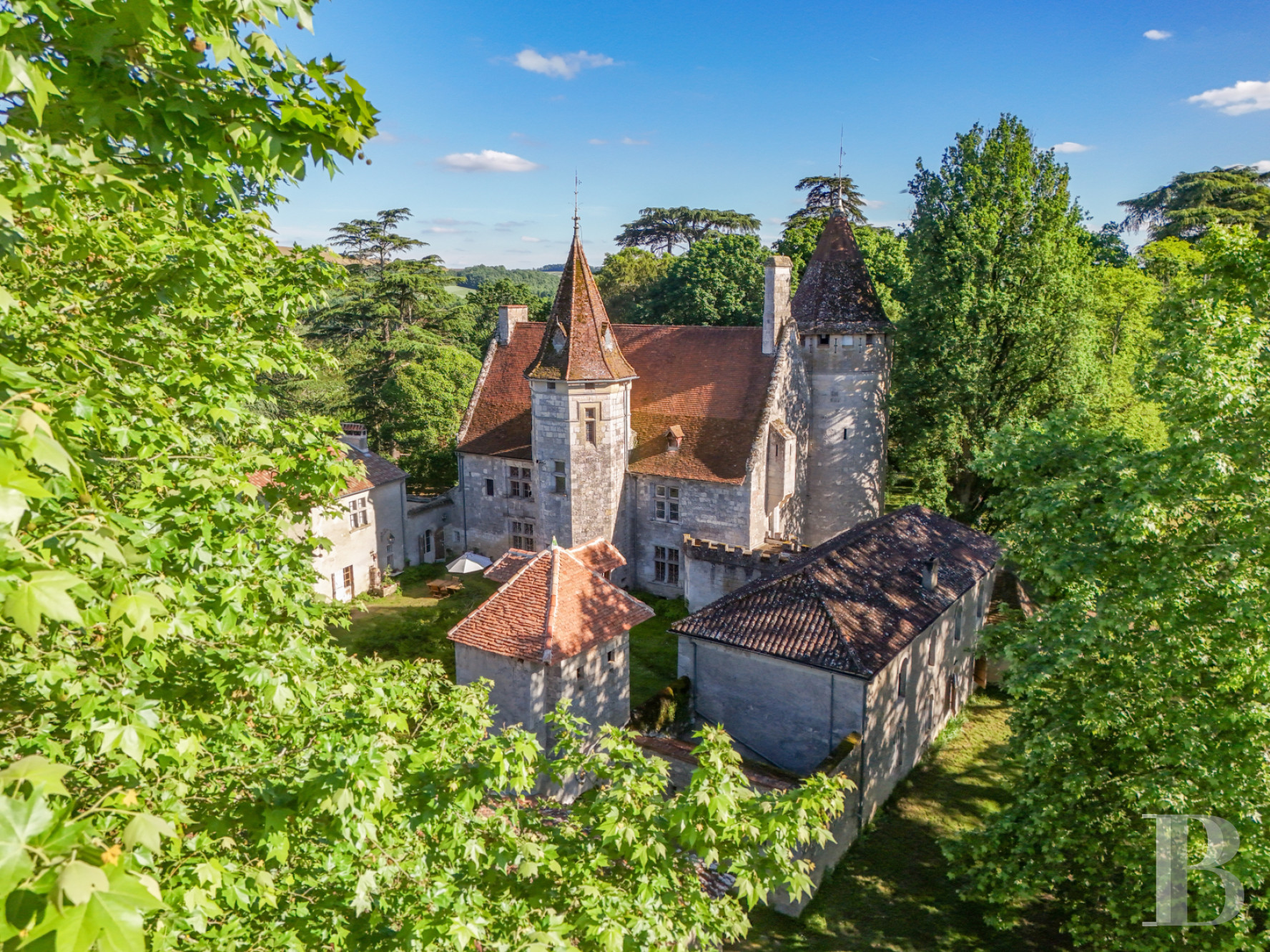
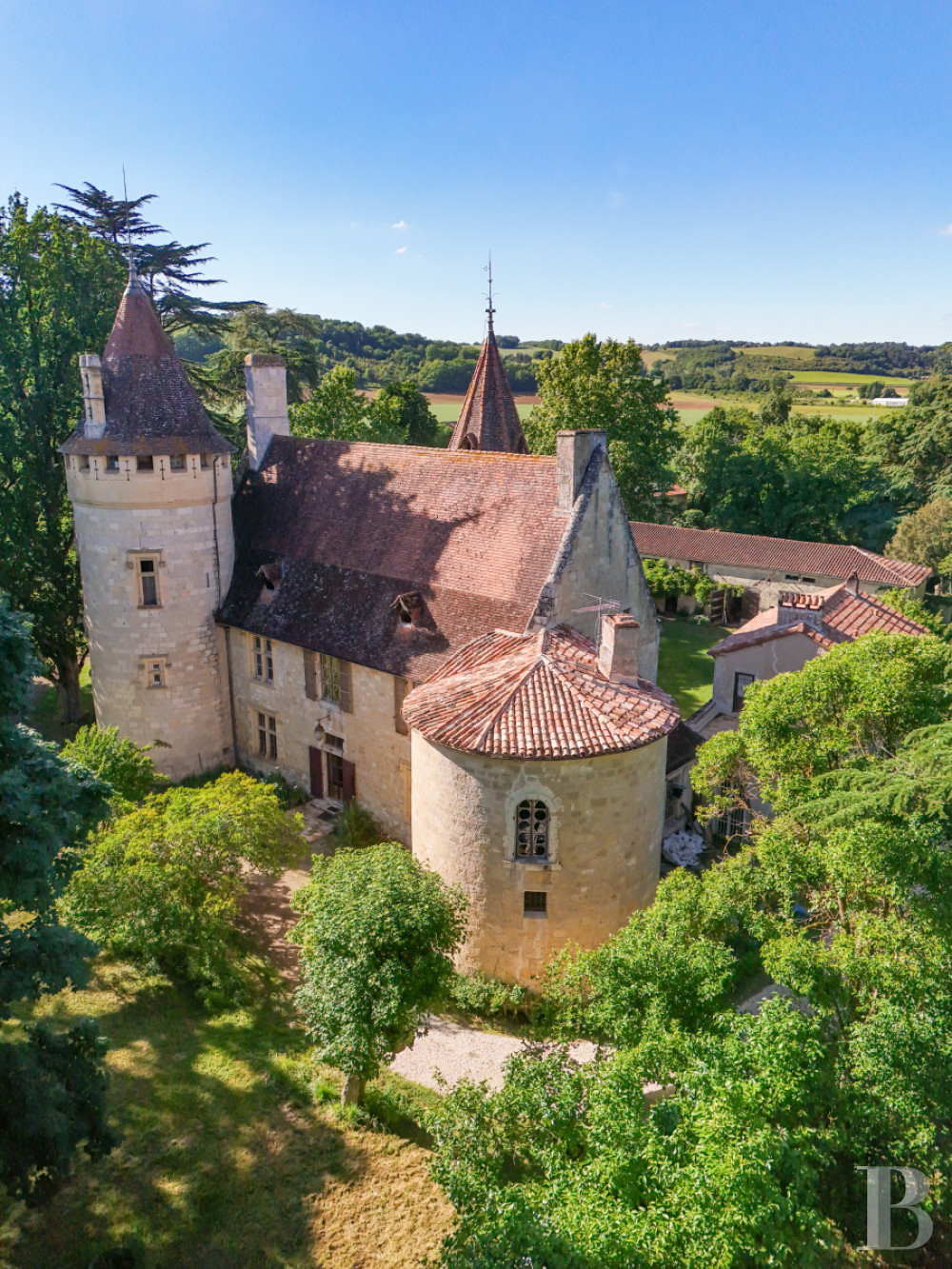
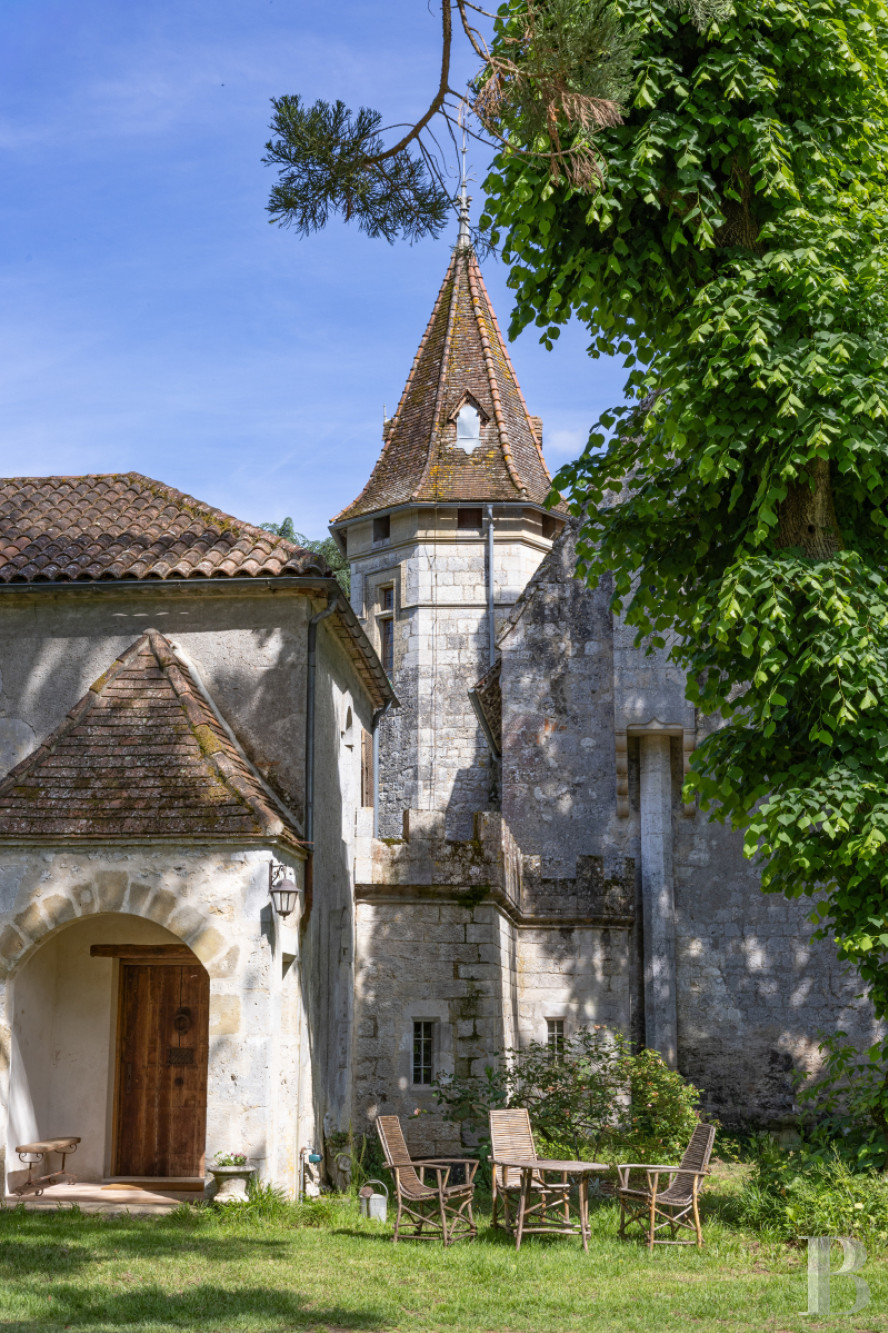
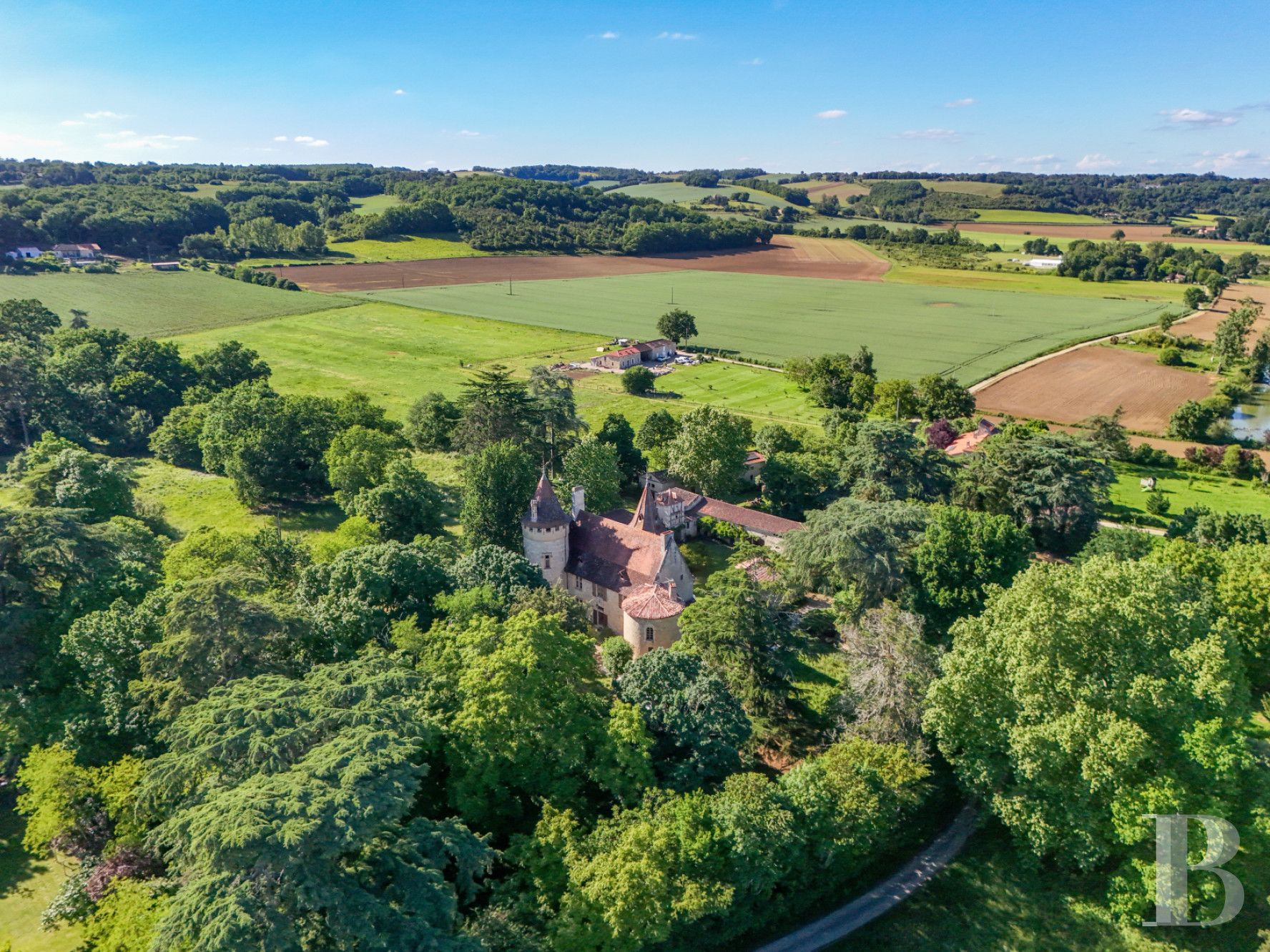
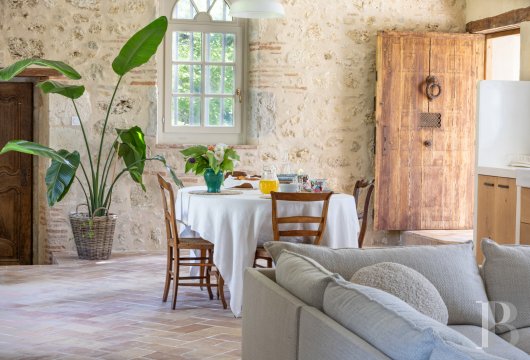
Rising up from the middle of its grounds, Goulens is, in itself, a veritable architectural history book. From its origins as a defensive structure, through the transformations in the Renaissance, to the restoration work carried out by a disciple of Viollet-le-Duc, the centuries gaze down upon us, carved in stone. Battlements, machicolations, mullions, a spiral stair tower…yet there is nothing austere here, as the masonry and tiled roofs gently reflect the local light. Inside, the decor also varies according to the centuries when the rooms were built, whilst the holiday apartment offers all the comforts one would expect in an atmosphere that is both understated and warm, enhanced by natural materials such as lime plaster and terracotta floor tiles. Thanks to its central location in the South-West, guests will be spoilt for choice when it comes to exploring the region in every direction.
I have always sought out places steeped in history and been drawn to old buildings and the memories they hold. My Italian family used to own an 18th-century villa, which was lost over the generations, and I felt it was important to reconnect with this heritage, in keeping with a childhood dream of living in a chateau. My wife and I have, however, ruled out Italy as a place to retire, yet wanted to find a similar climate. Every summer for three years, we travelled through various regions, looking for the right balance between accessibility, quality of life and peace of mind. We wanted an authentic home, in keeping with the architectural style of the neighbourhood, with a garden. This place was the obvious choice, as it had everything we were looking for.
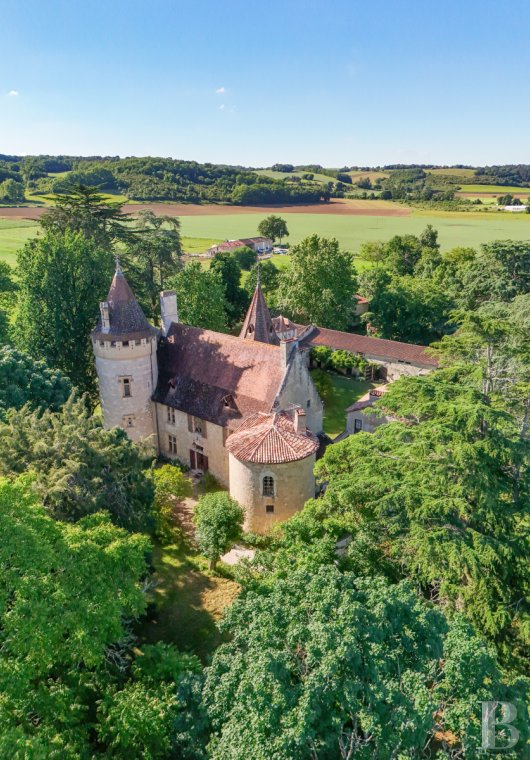
The chateau features Renaissance architecture, typical of the late 16th century, as evidenced by the dates carved into the stone, which were discovered during restoration work, notably near a French window on the upper floor. The present building bears the mark of the major restoration campaigns of the 19th century, carried out in the spirit of Viollet-le-Duc’s followers, who were keen to restore stylistic coherence. The towers, one of which was decapitated during the Revolution, reflect the site’s evolution from a defensive structure to a residential one. Inside, spacious rooms, high ceilings, fireplaces and windows overlooking the grounds combine to form a complex where there are still some medieval structures. The fact that certain parts of the site are listed as Historic Monuments attests to its heritage value.
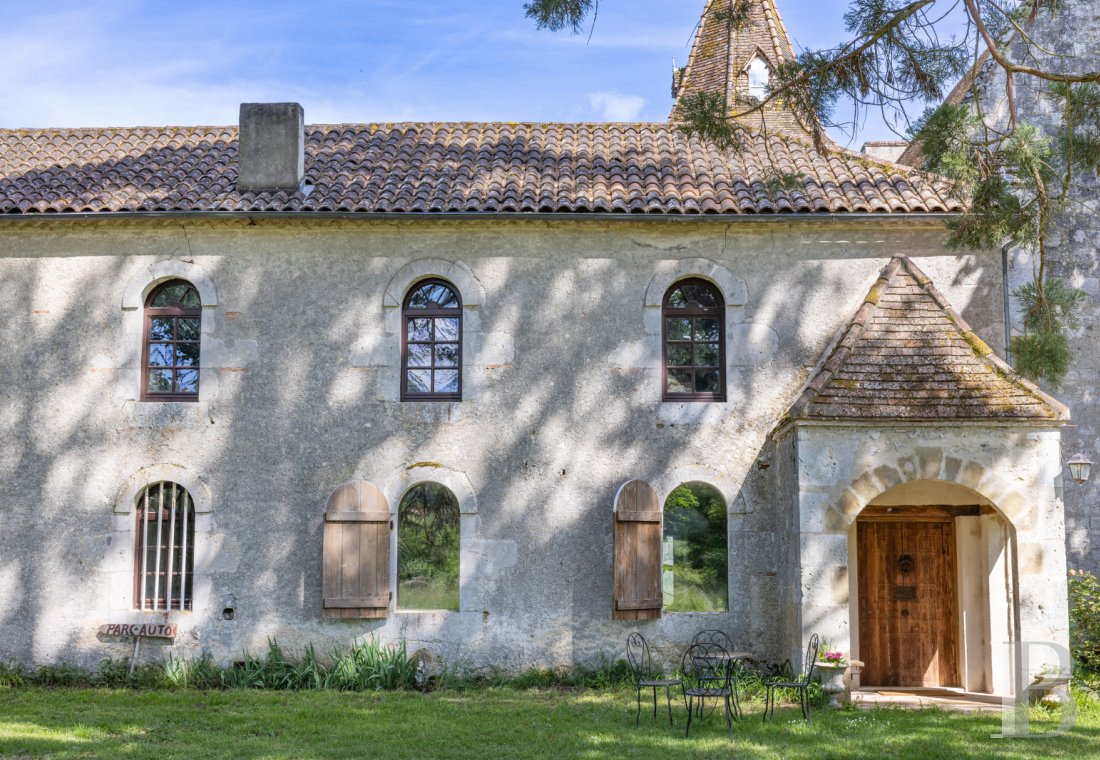
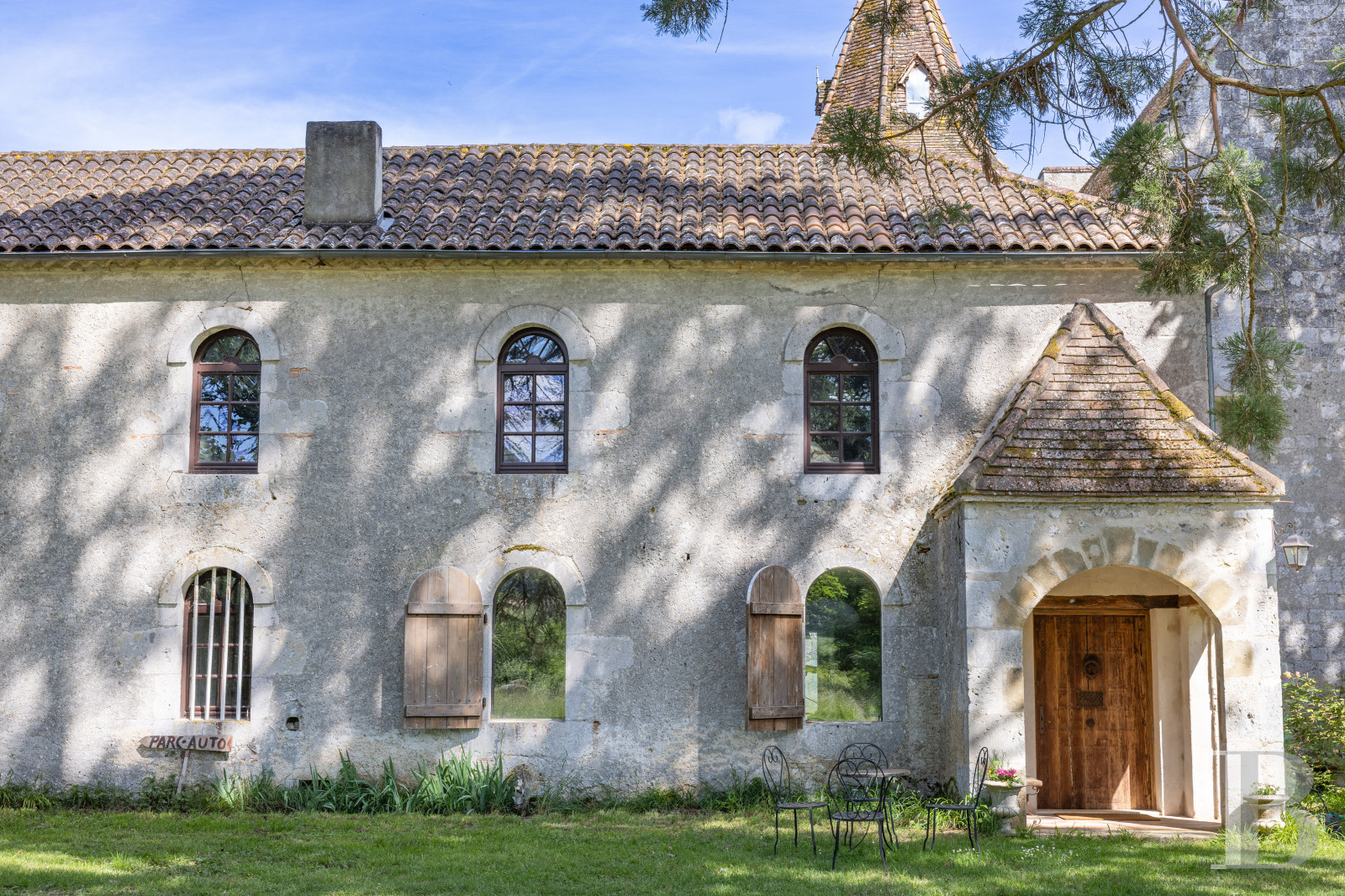
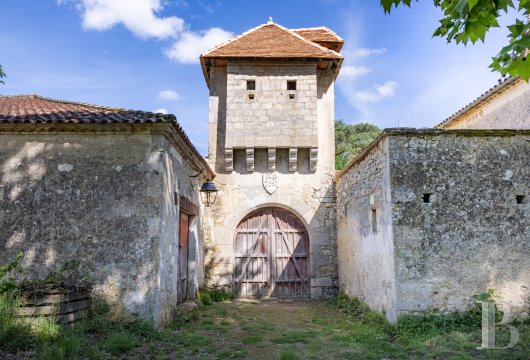
The history of the chateau dates back at least to the 13th century, when the estate belonged to the Goulins family and later to the Carboneaux family. In 1689, Claude des Barbiers de la Serre acquired the estate, which his family retained for over 330 years, until 2021. During the Revolution, the chateau was badly damaged; its towers, in particular, were decapitated. It wasn’t until the 19th century that major restoration work began. When we arrived, the place had been abandoned for nearly ten years. Aware of the scale of the project, we decided to start by restoring an outbuilding to create a holiday cottage, with a view to gradually bringing the estate back to life whilst the work continued.
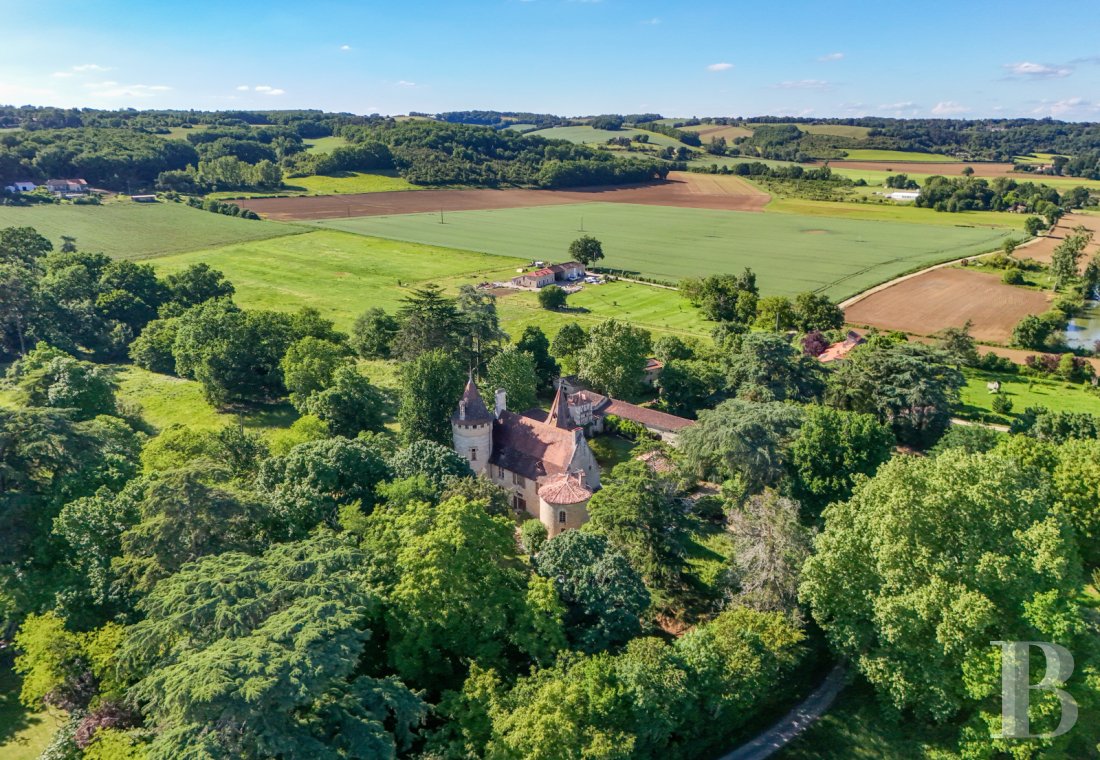
We offer the experience of staying in a place steeped in history, set in unspoilt natural surroundings, with a warm and personalised welcome. We welcome every guest personally and believe in a spirit of hospitality. For heritage enthusiasts, we invite you to explore the restored parts of the chateau: a chance to gain access to rarely seen areas, delve into the archives, and learn about the history we’ve uncovered and the restoration work carried out. Visitors passing through will find here the tranquillity of a country estate, the comfort of a self-catering cottage and the charm of a unique setting. In the seven-hectare grounds, everyone can experience a sense of freedom in the great outdoors.
Nearby, there are several notable sites to explore from the region: the ruined Romanesque church at Amans, within walking distance; the fortified town of Auvillar, listed among the "Most Beautiful Villages of France"; and the gardens of Coursiana. Lectoure, renowned for its antique shops, Nérac, a royal town associated with Henry IV, and the fortified village of Frespech are also well worth a visit. Finally, the Latour-Marliac nursery boasts a remarkable collection of water lilies and lotus flowers from all over the world. In Moirax, for fine dining, there is “La Cigale”, a cosy bistro, and “L’Auberge du Prieuré”, a Michelin-starred restaurant with a terrace beneath the paulownia trees, run by a close-knit couple who have been delighting their guests for 20 years. In Agen, "Chez BB", a tea room and chocolate bar, is a popular spot known for its pastries and signature cakes.
Le château développe environ 280 m² sur deux niveaux, complétés par un étage dans la tour ouest restaurée, offrant un décor singulier pour la photographie et le cinéma. Le domaine s’ouvre sur près de sept hectares de parc. Un appartement de 87 m² accueille les équipes logistiques et des hébergements complémentaires se trouvent à proximité.
ref 438138
A link to enter a new password has been sent to you by email.
By continuing your navigation, you accept the use of cookies to offer you services and offers adapted to your centers of interest and to measure the frequentation of our services. Learn more