
Add to favorites
Log in to your personal space
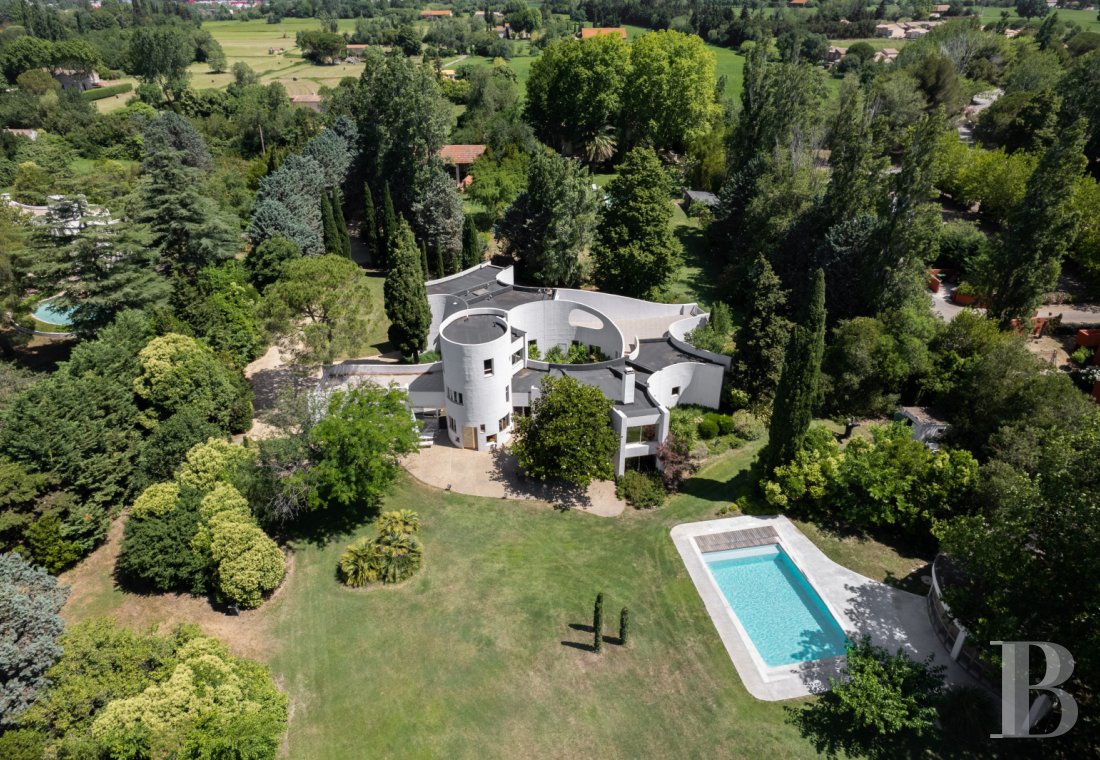
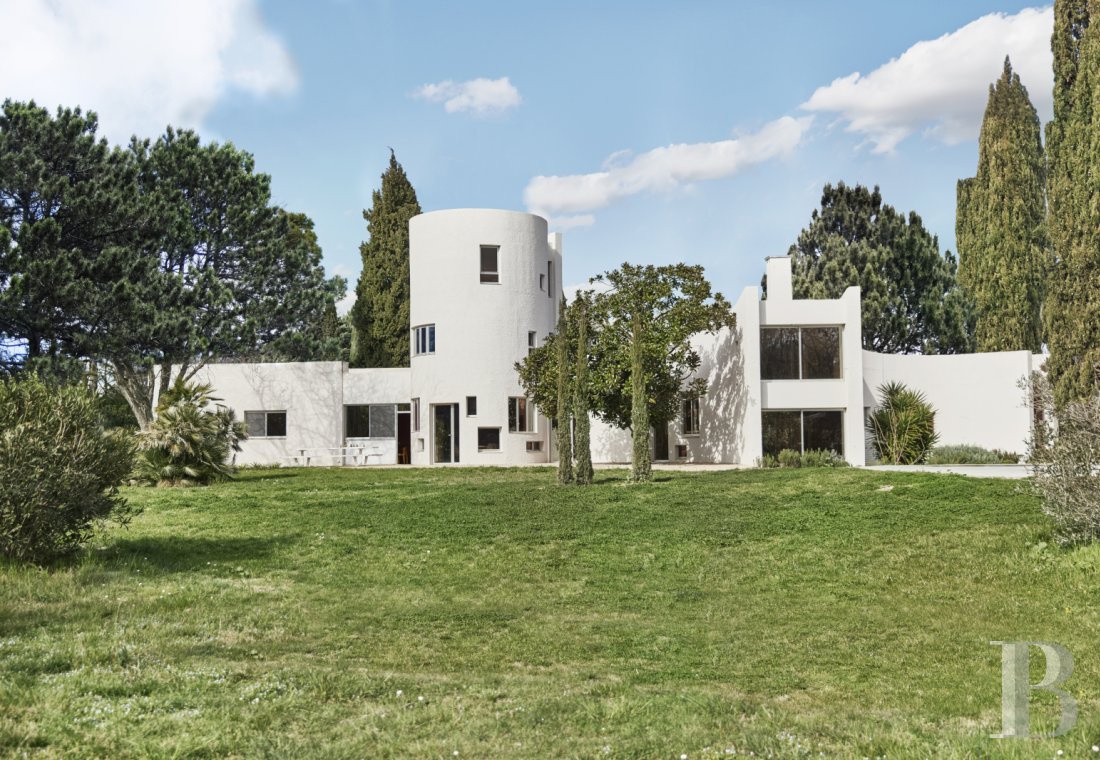
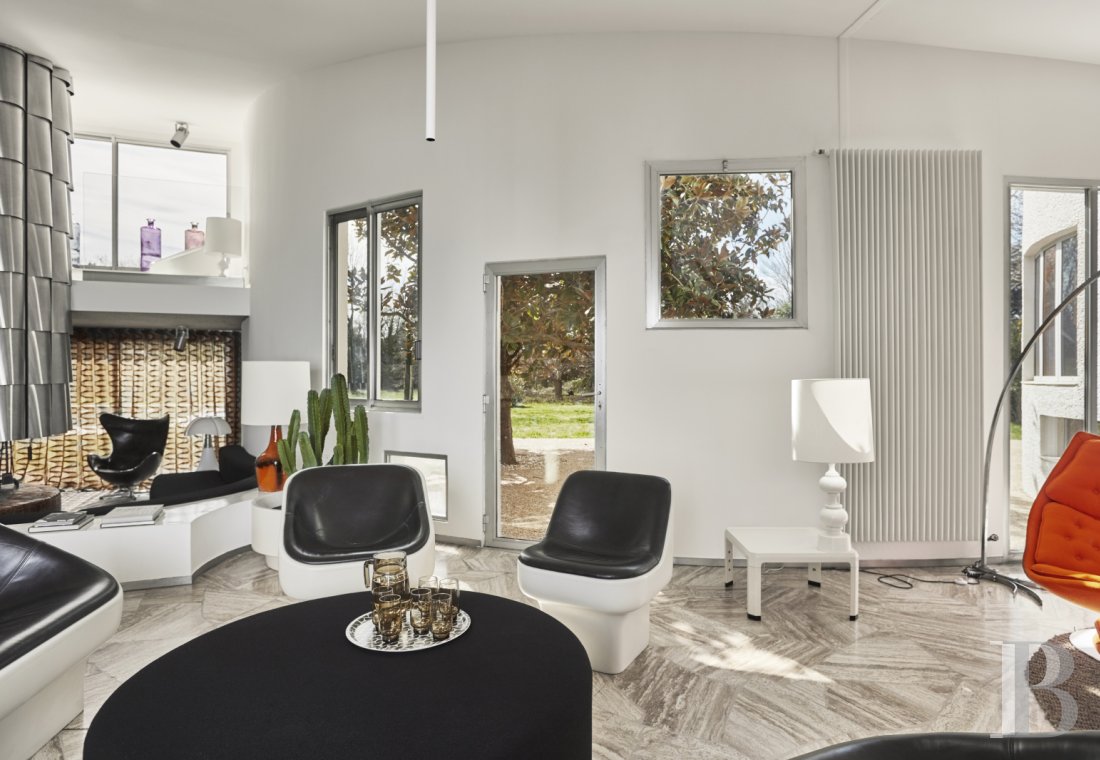
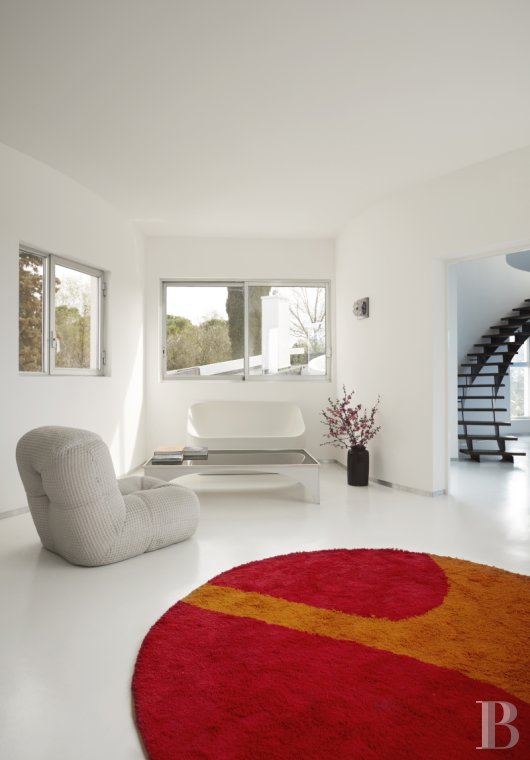
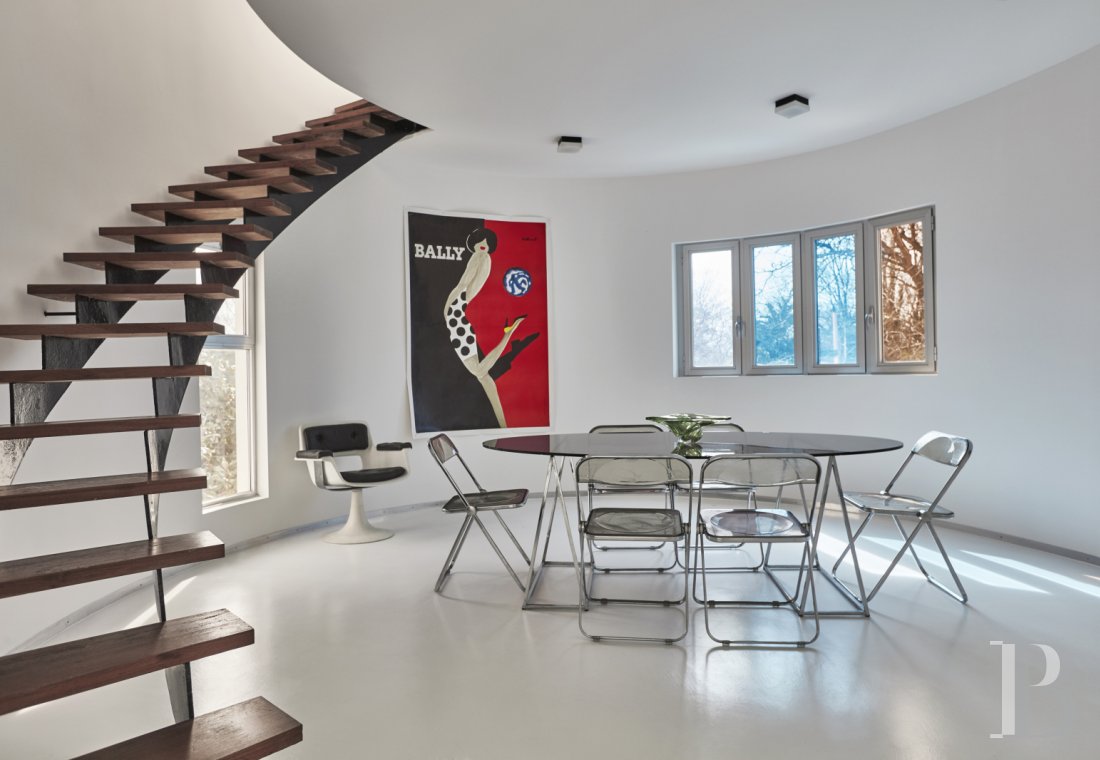
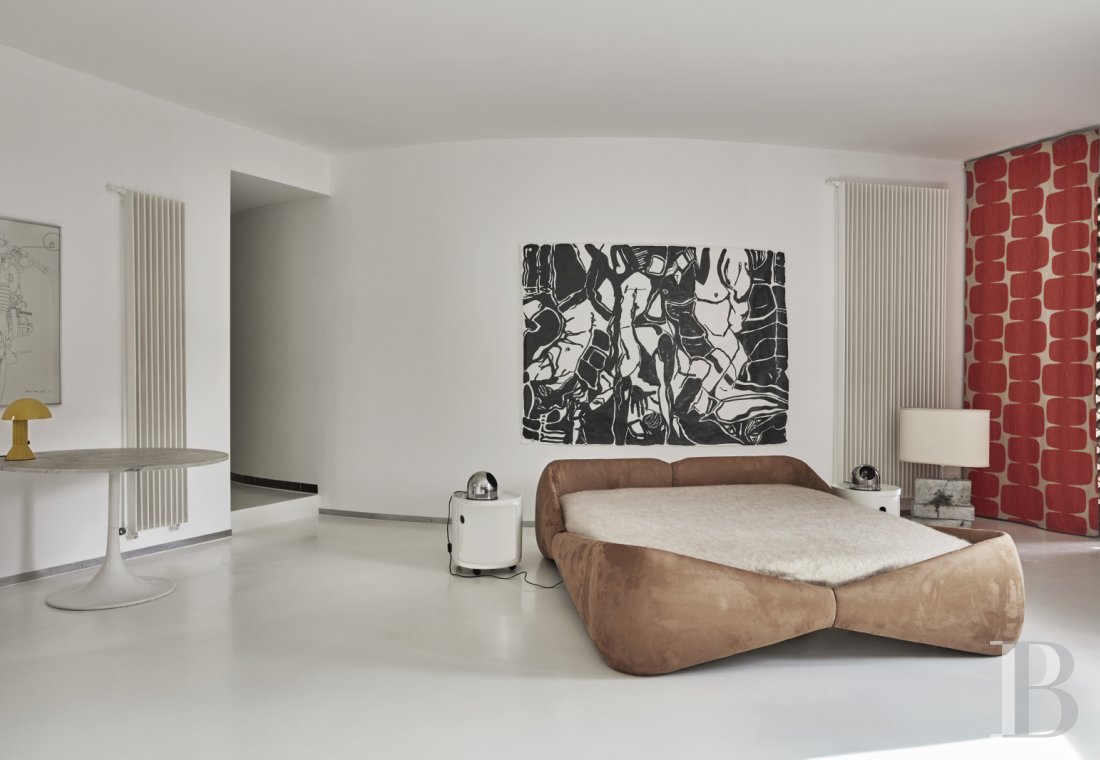
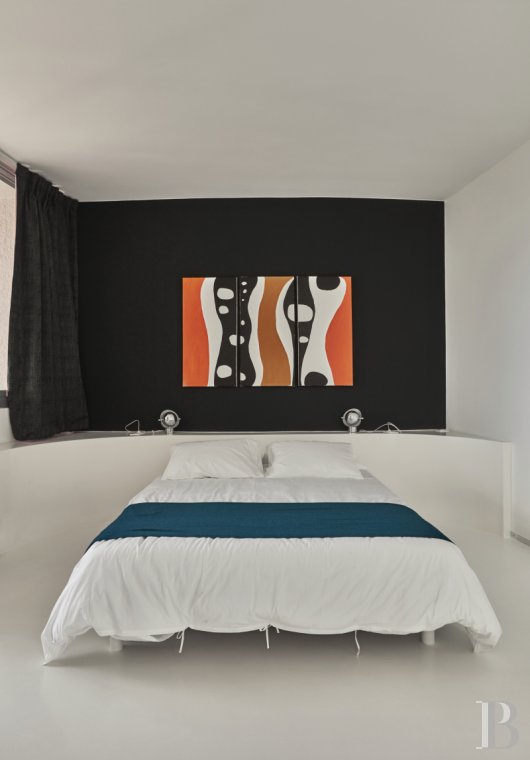
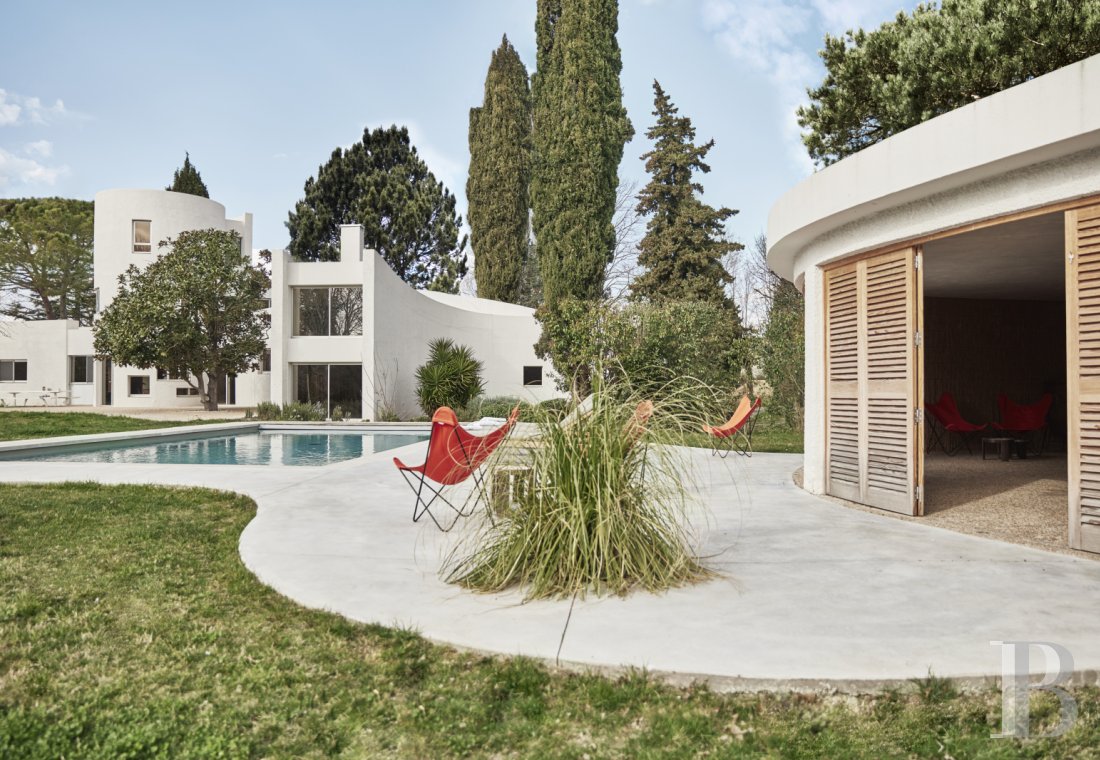
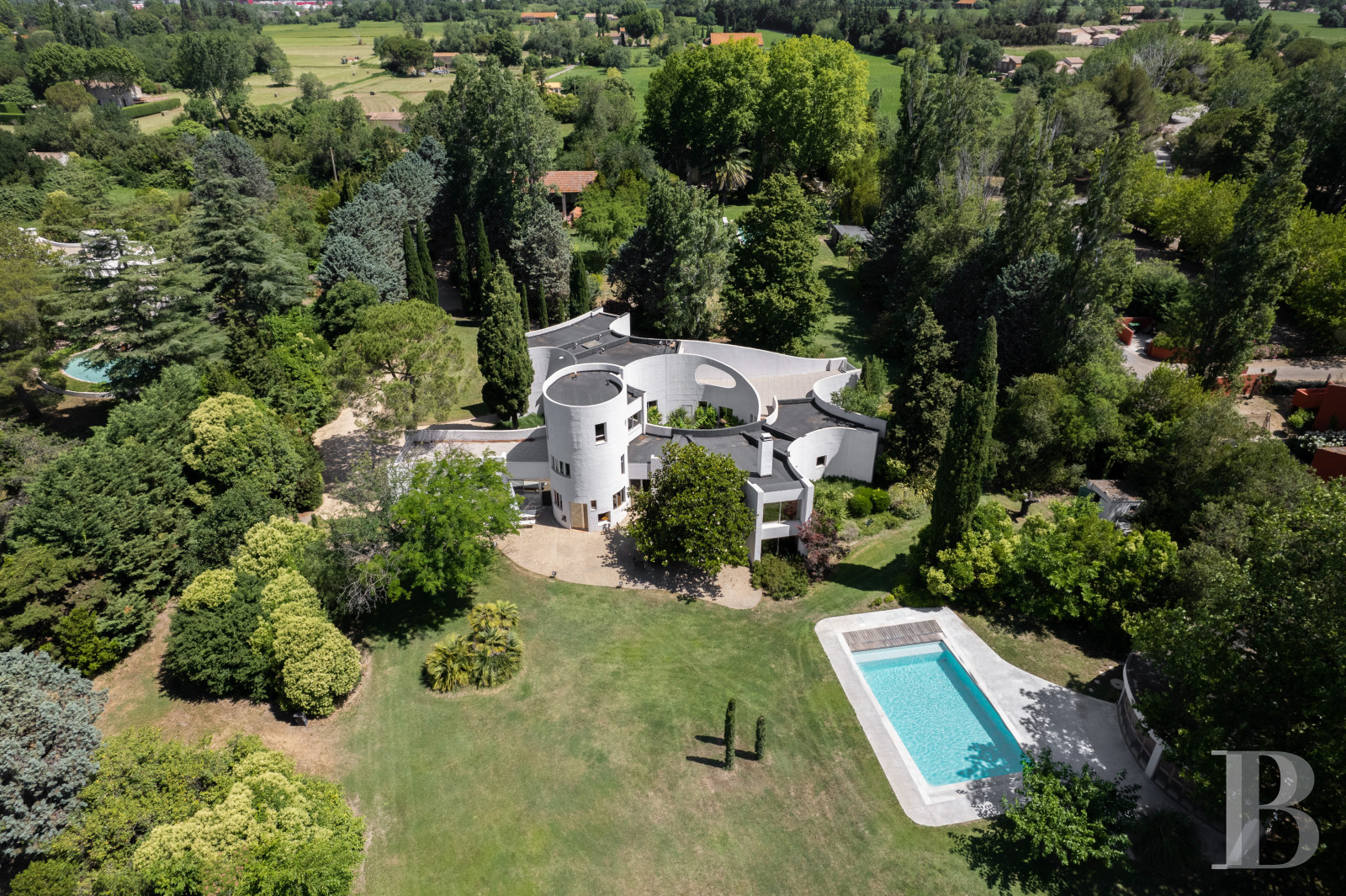
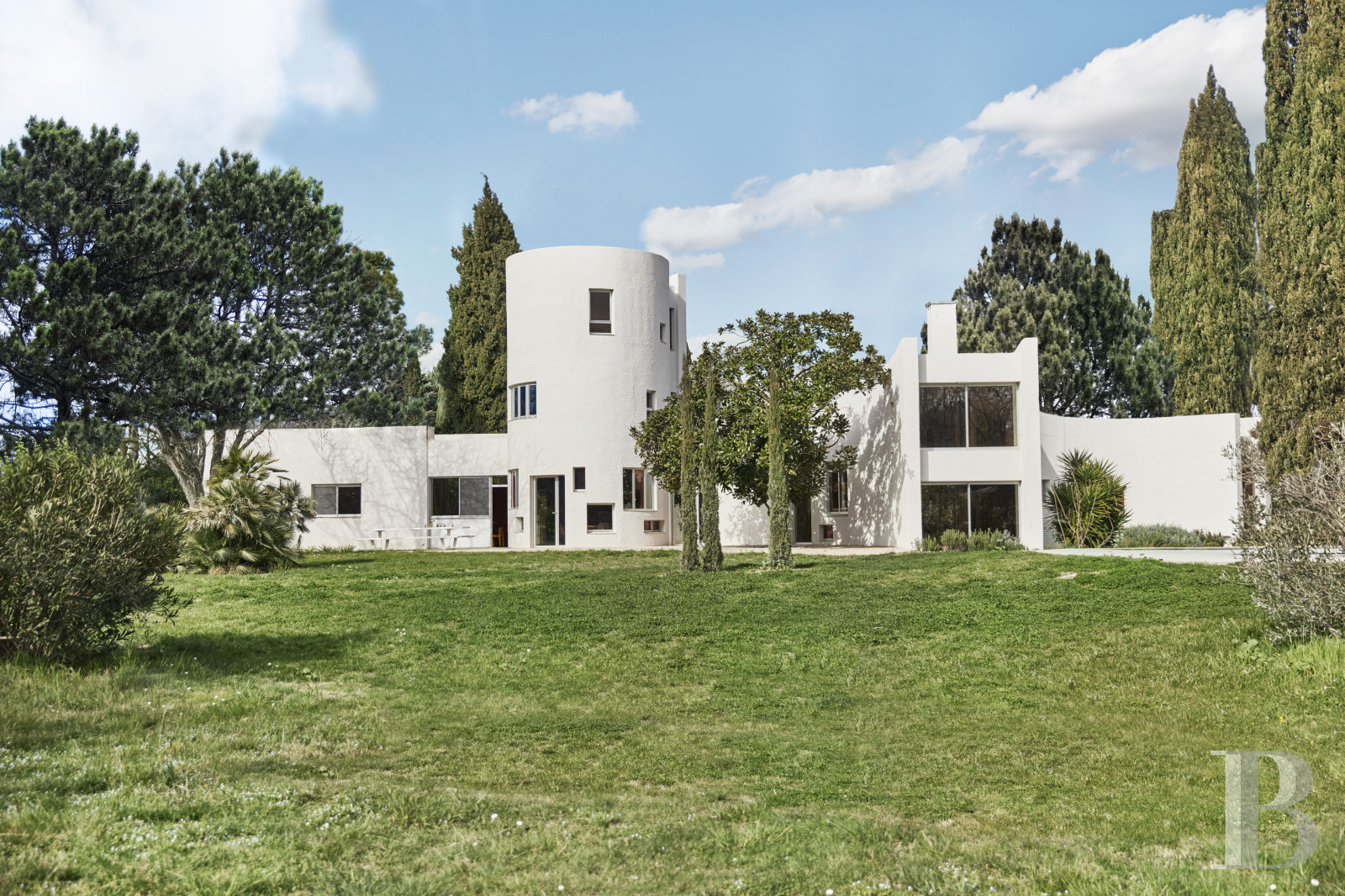
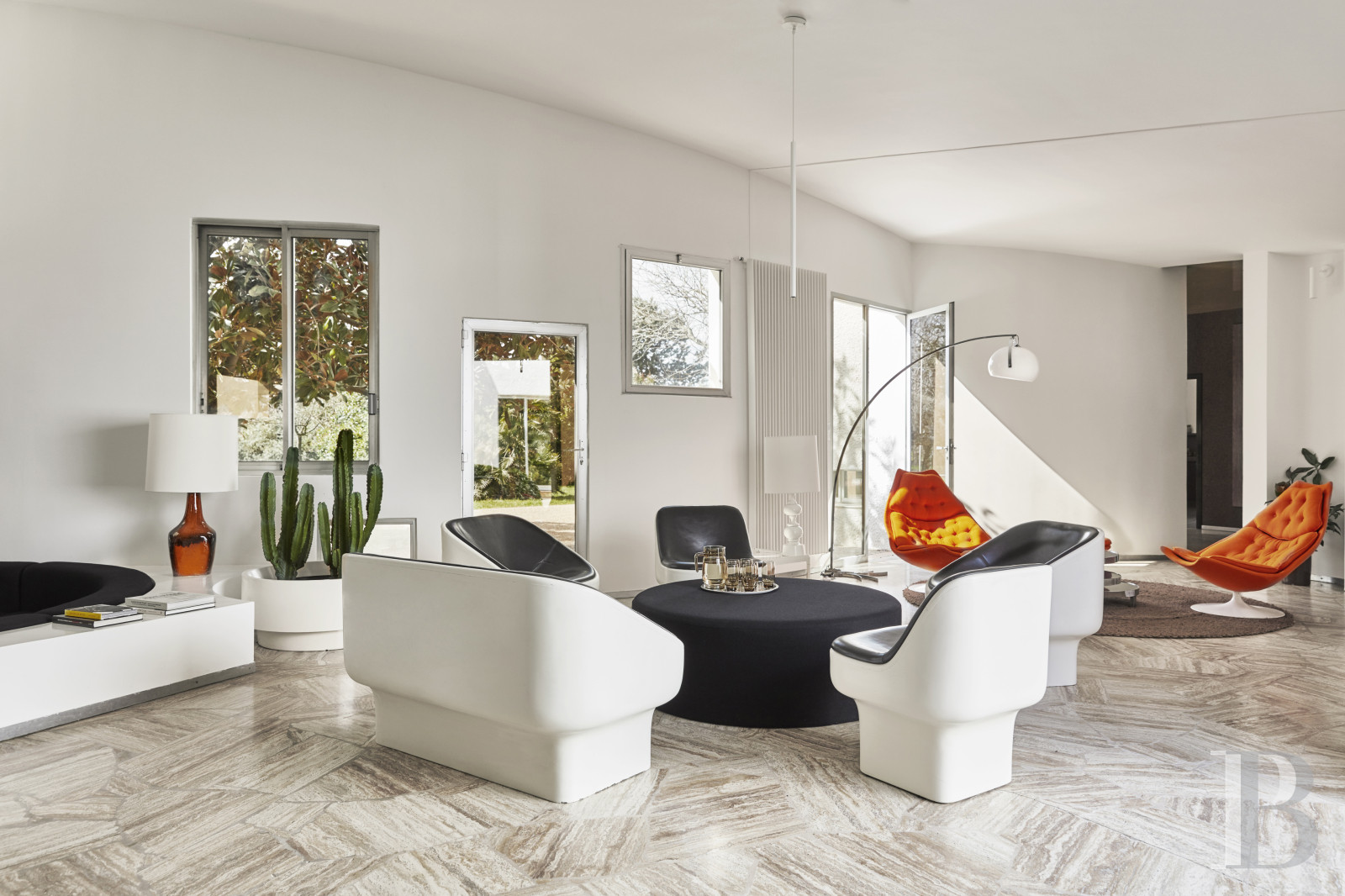
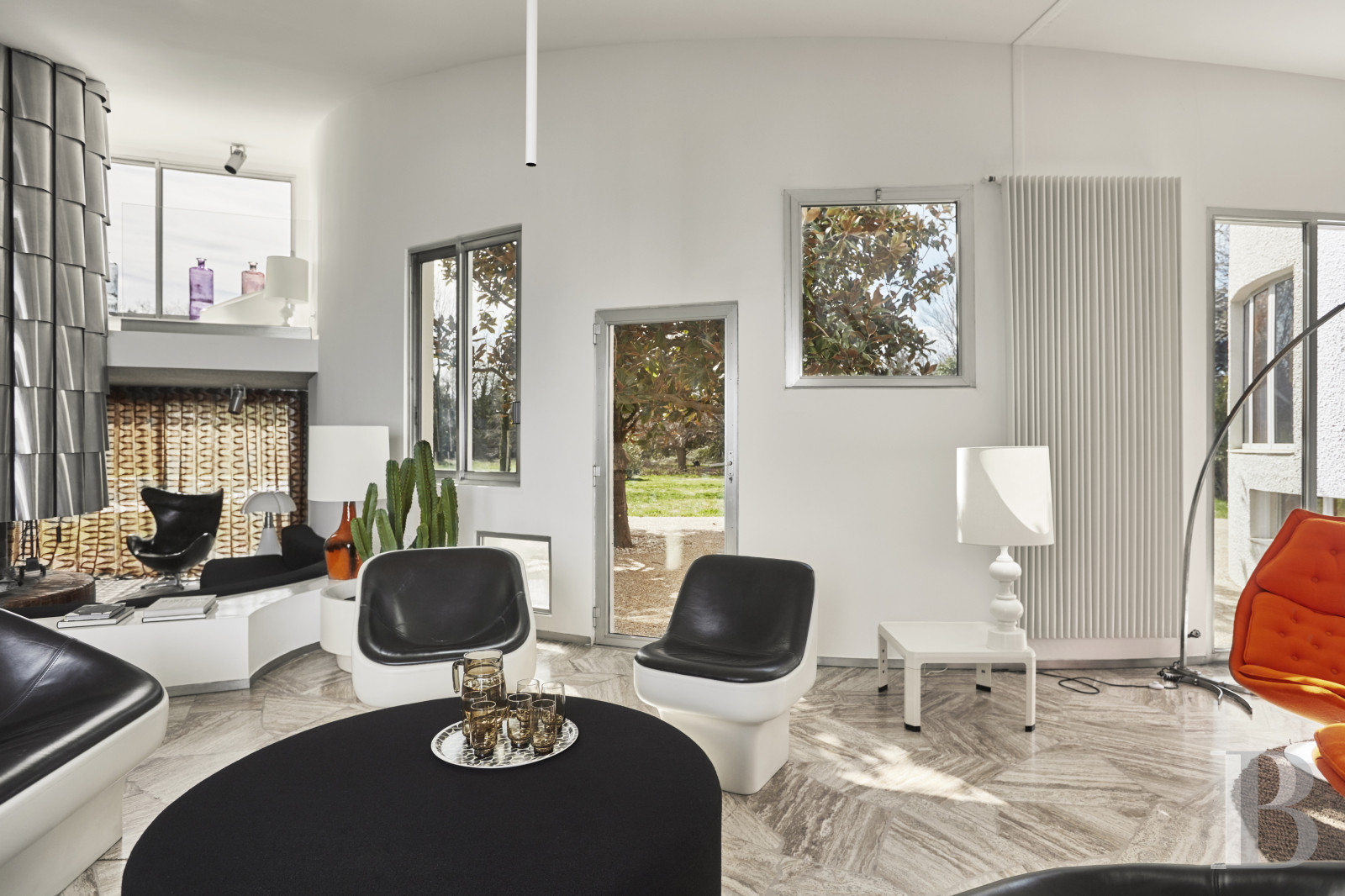
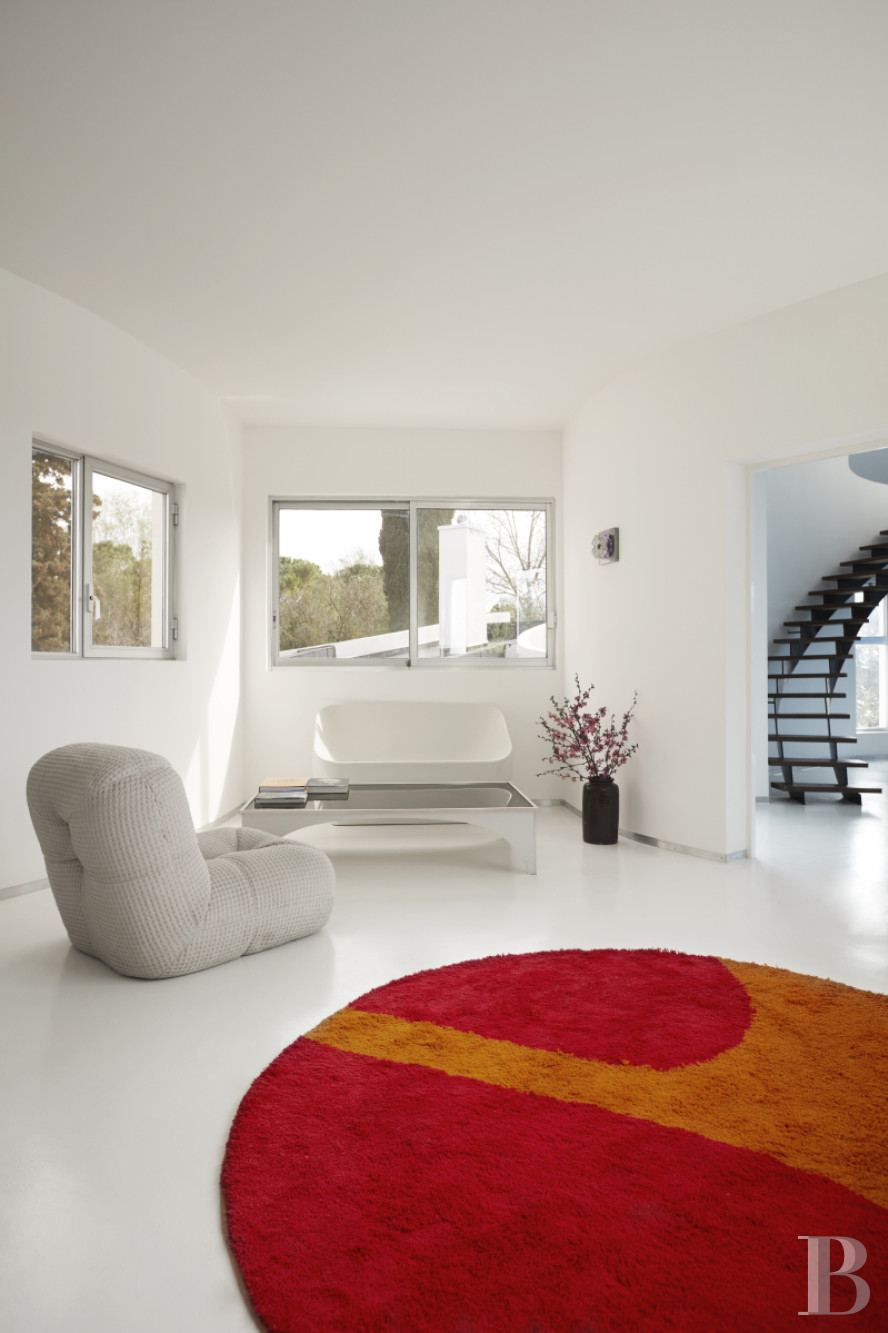
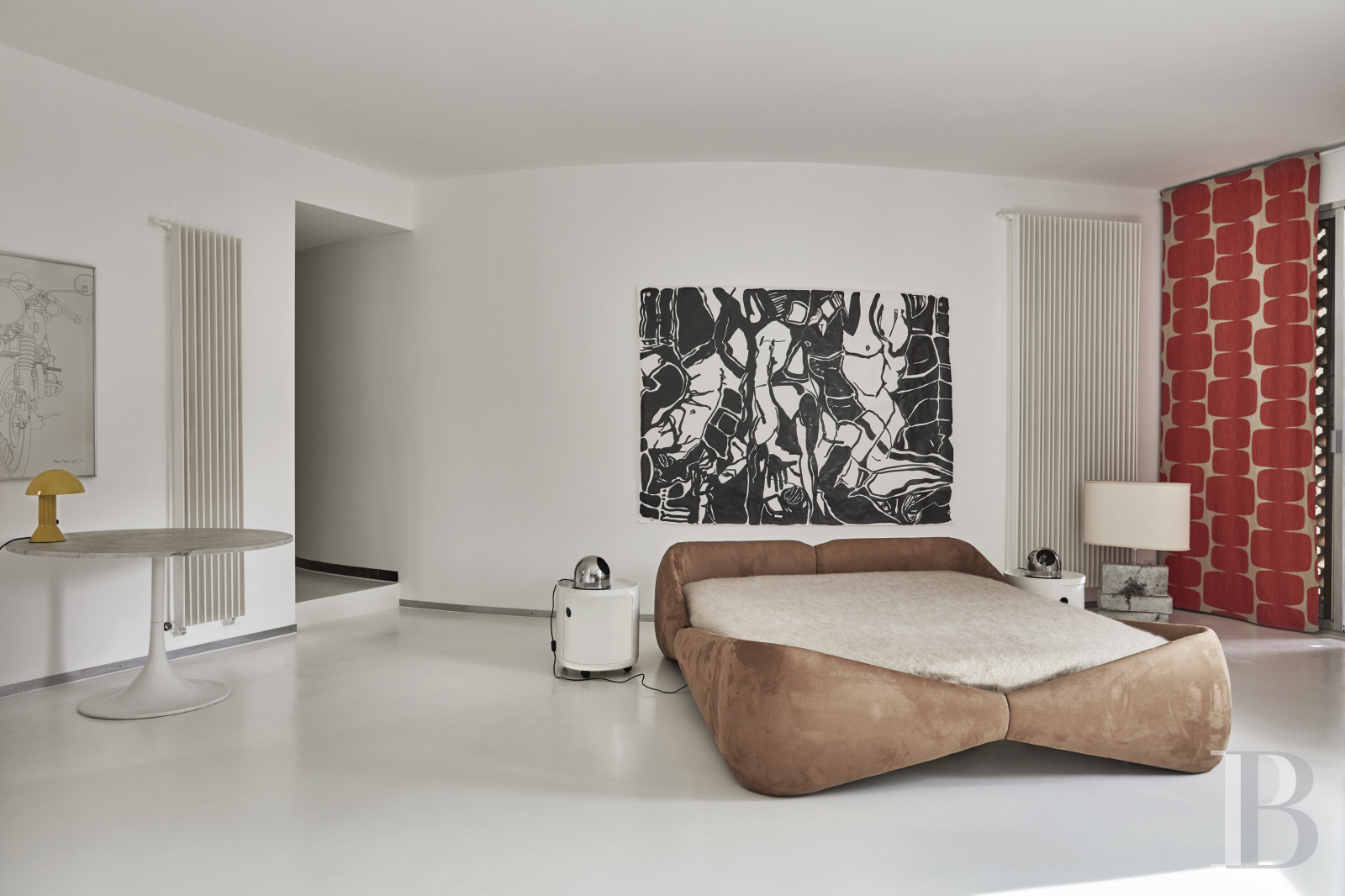
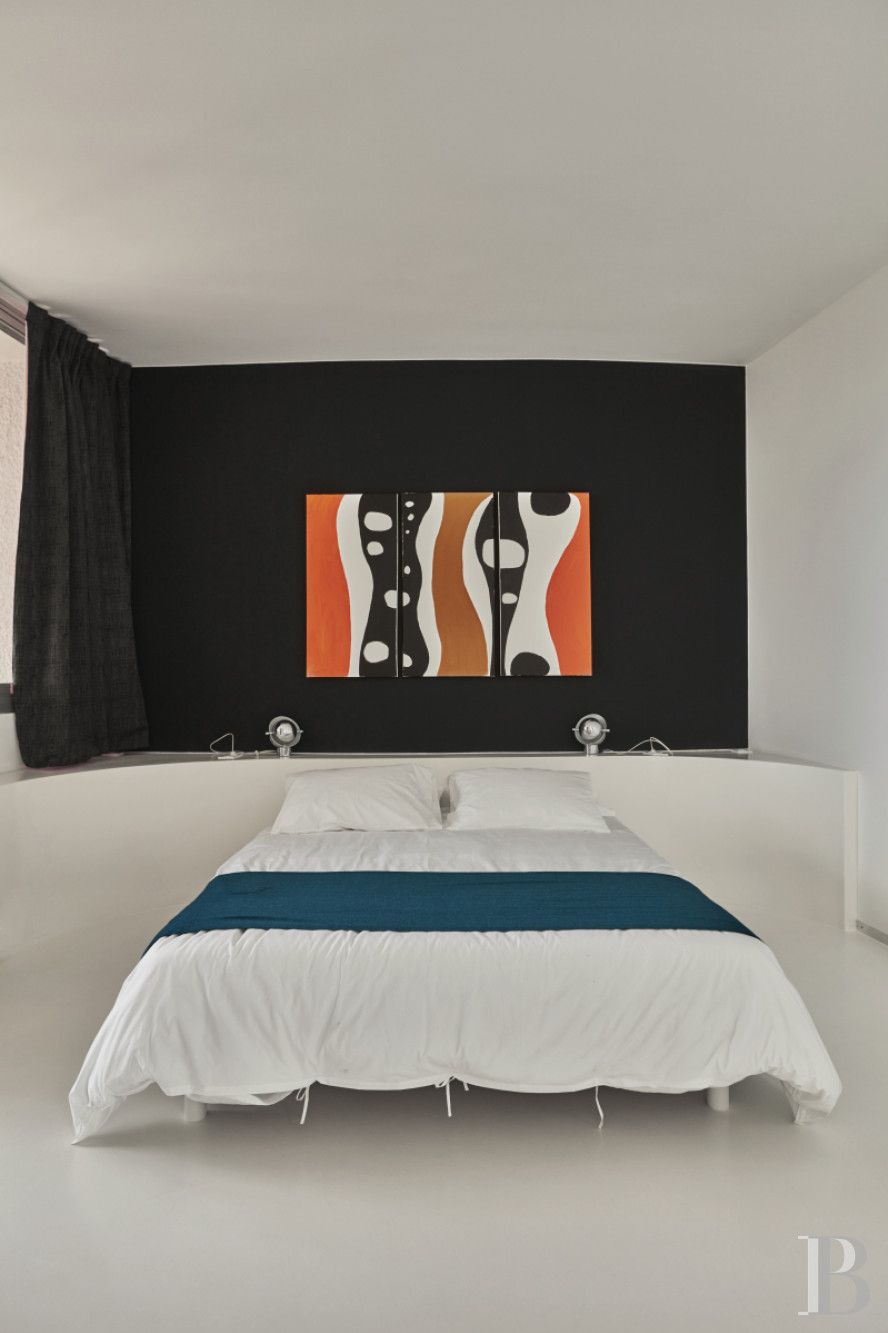
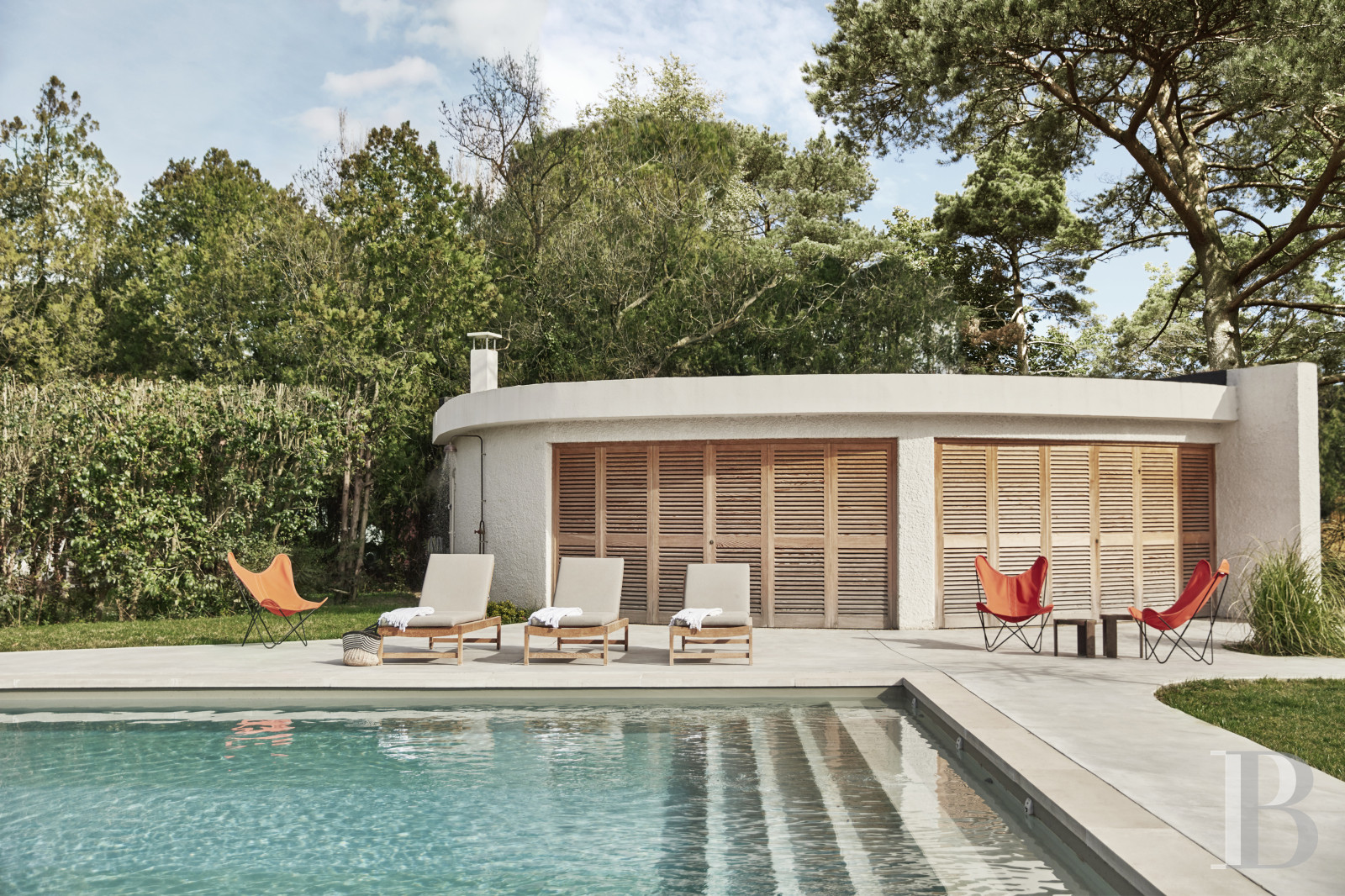
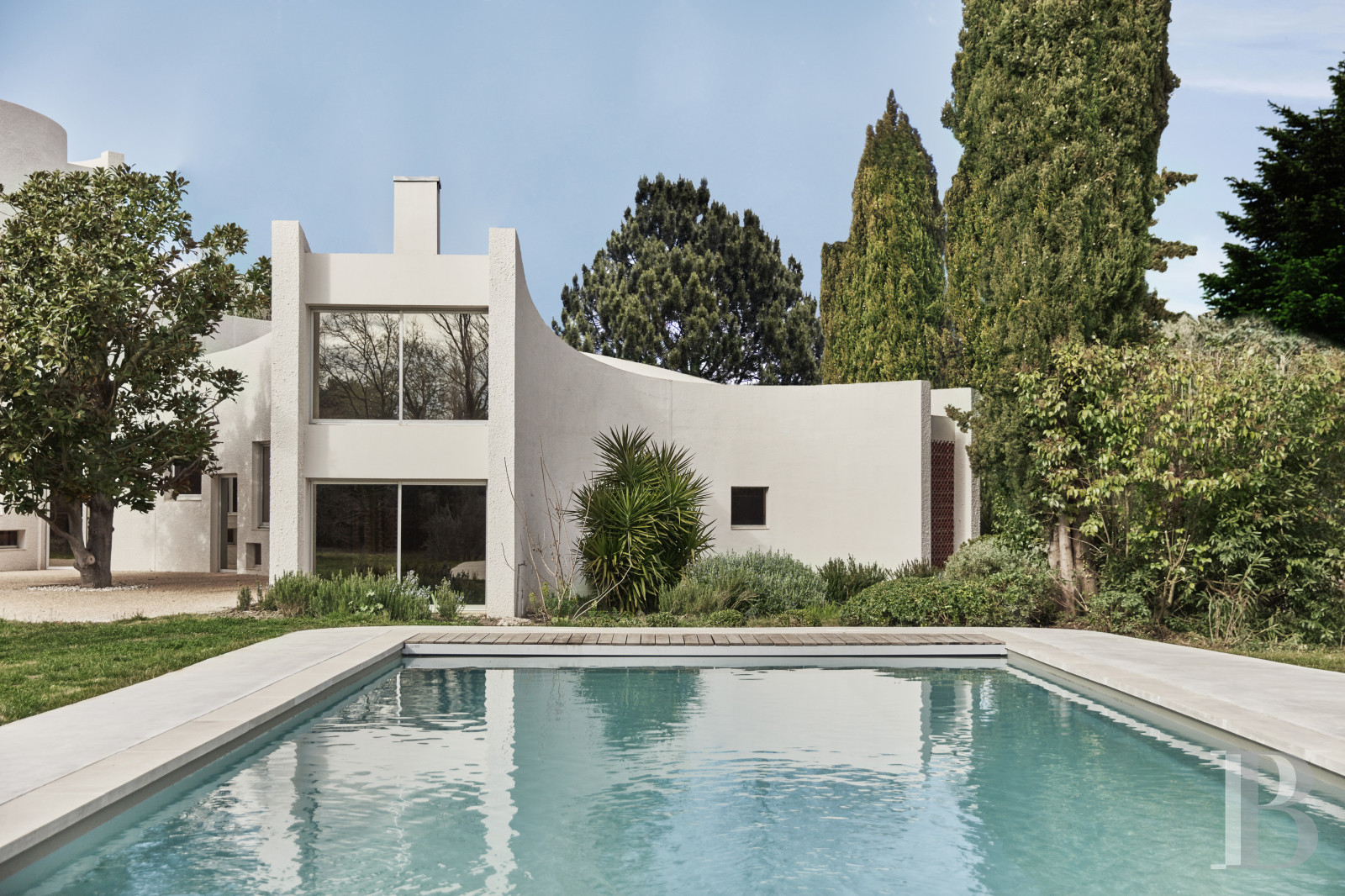
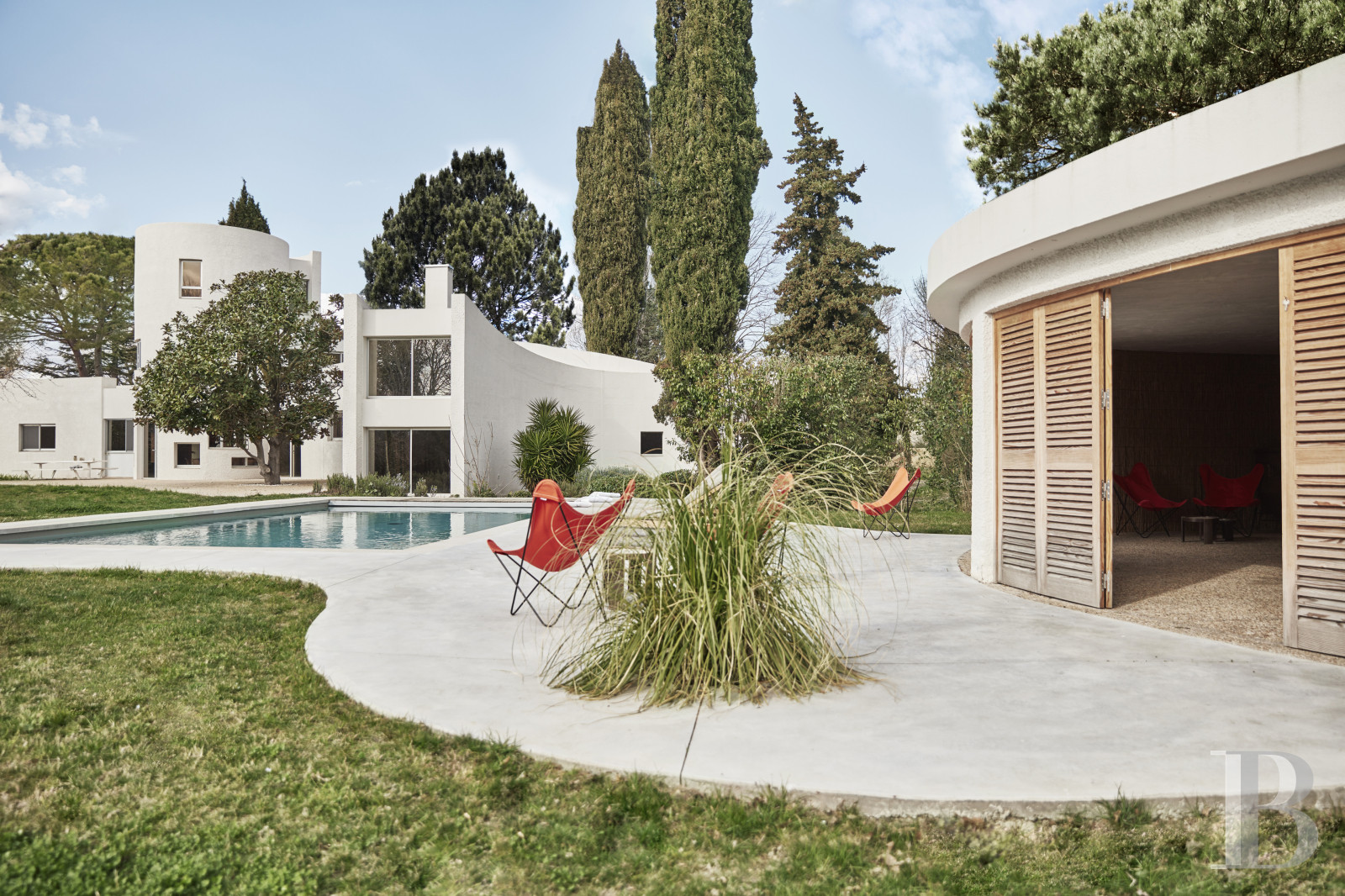
These days, it's common to talk about an architect's "architectural style" in relation to their work. The Villa Benkemoun is a prime example of the work of Émile Sala, whose designs of the 1970s were based on a bioclimatic approach, using concrete to create graceful curves and volumes perfectly integrated into their environment. But the house is also, and perhaps above all, the result of a fruitful encounter between the designer and his clients, who found in him the expression of a shared desire for a certain art of living, a singular way of conceiving a home that is both intimate and open to the outdoors, uncluttered yet gentle, where the lines, materials and furniture form a coherent and harmonious whole. Here guests have a rare opportunity to experience the surge of modernity that marked the last century in the vicinity of the former provincial capital of ancient Rome.
The house was built by my parents. As is customary for architect-designed houses, it bears the name of its owner, my father. I inherited this property in 2017 and with my husband, we wanted to give it a second life. We undertook a year's work, and the following year we opened it to the public. I'm very attached to the place. I worked as a journalist for a long time before becoming a writer. Last May, I published a book entitled "La Villa", in which I tell the story of this house and what led my parents to build "such a house", having come to realise that the legacy is much more than heritage, it's also a personal historical inheritance.
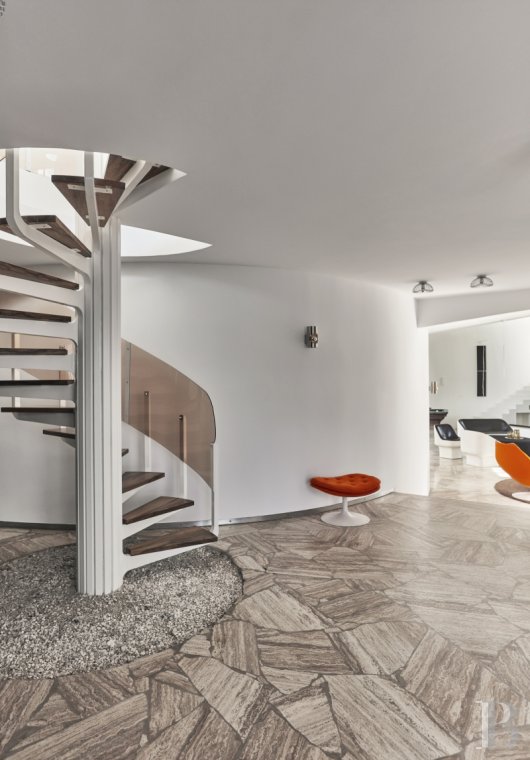
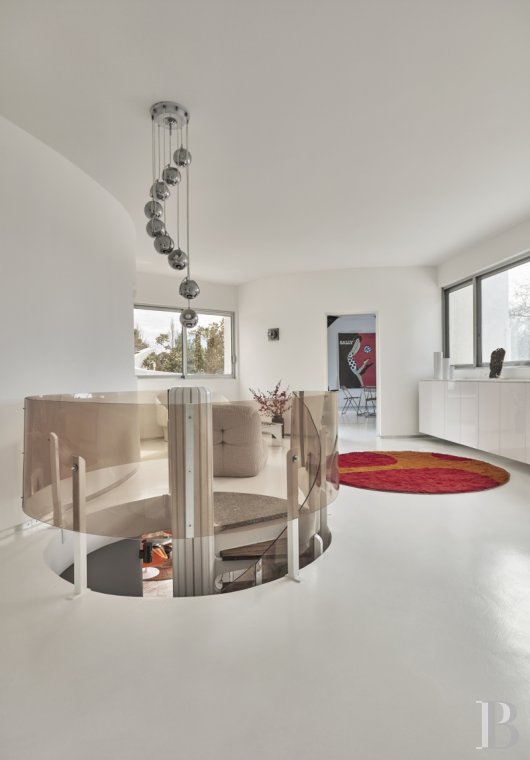
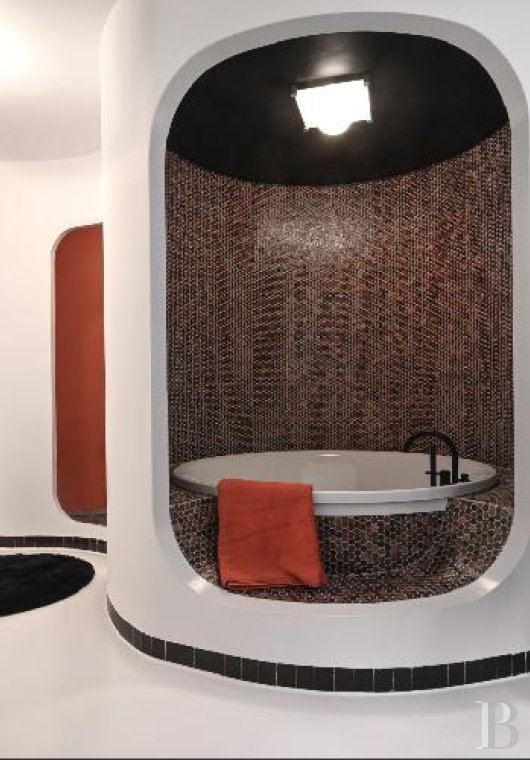
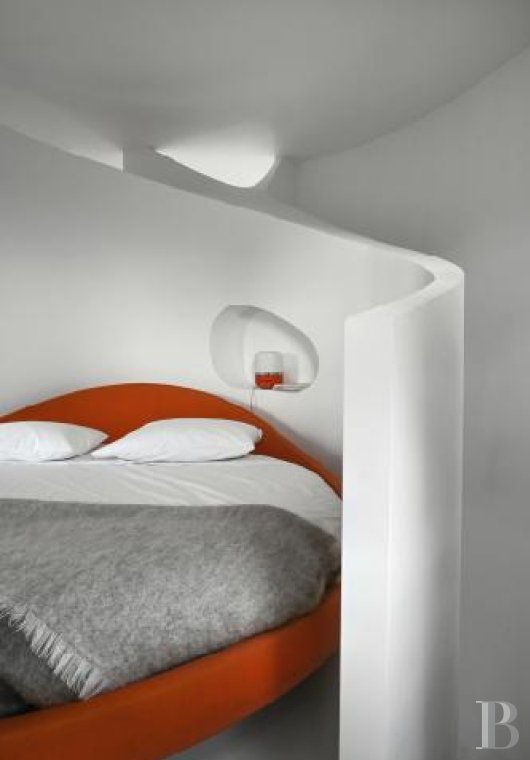
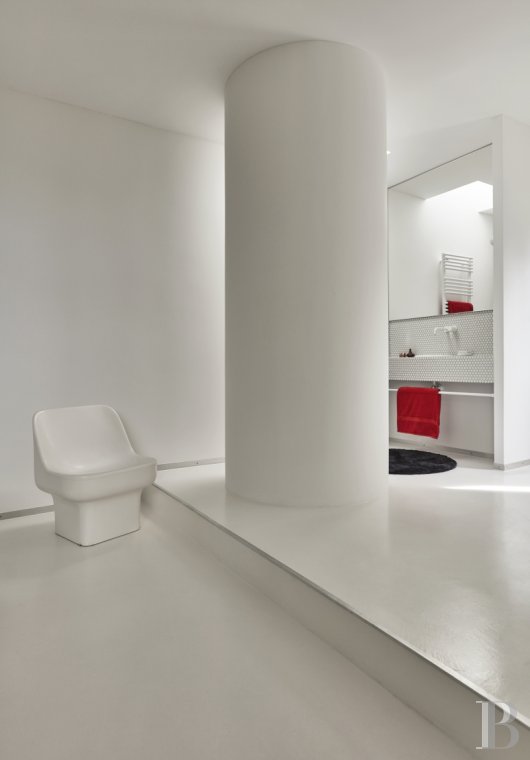
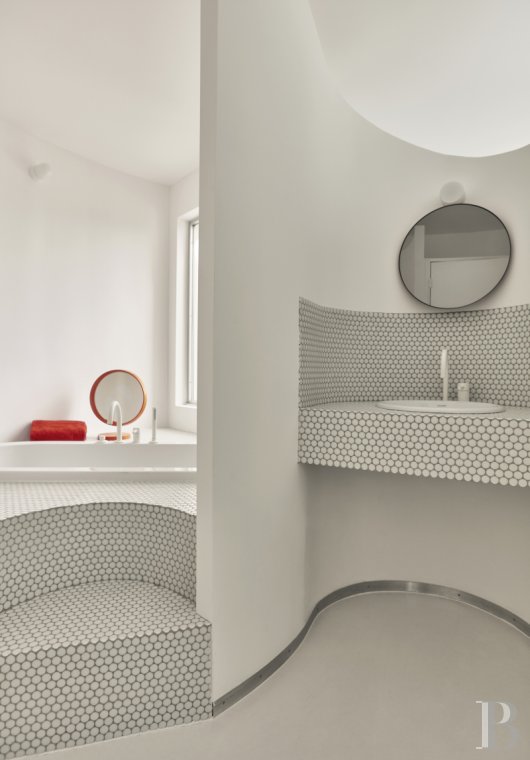
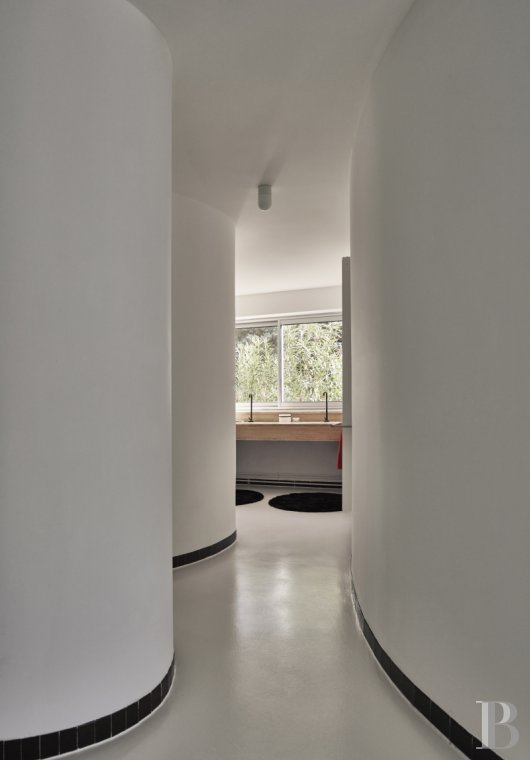
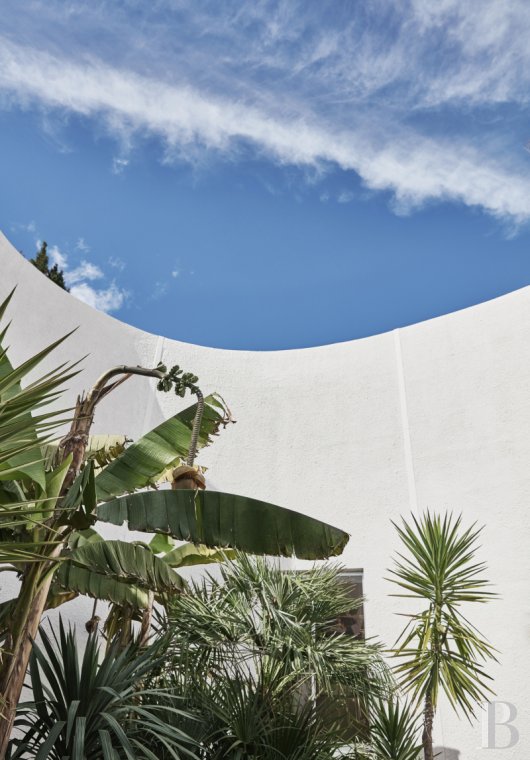
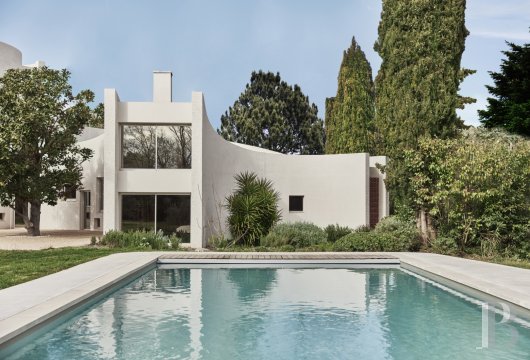
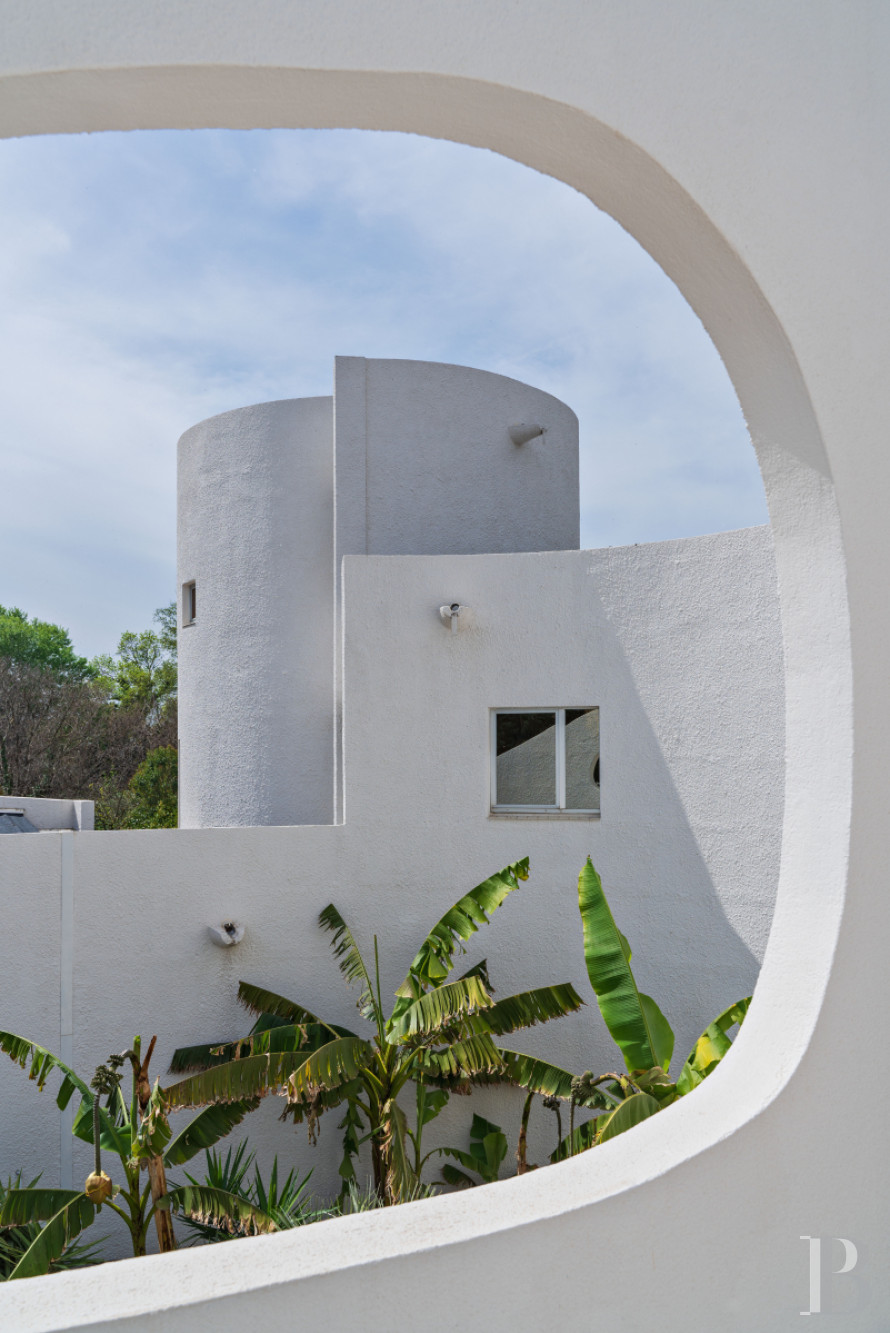
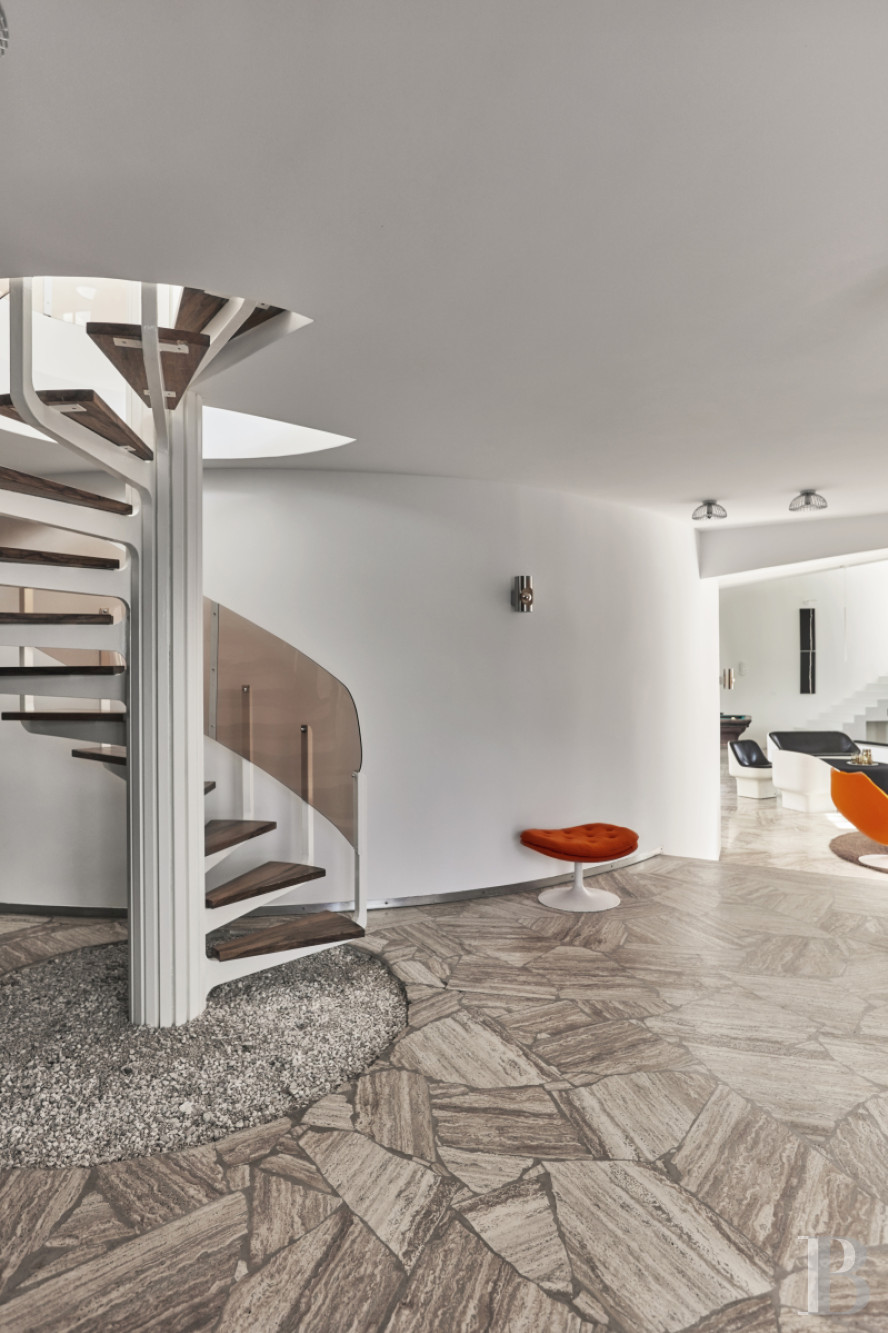
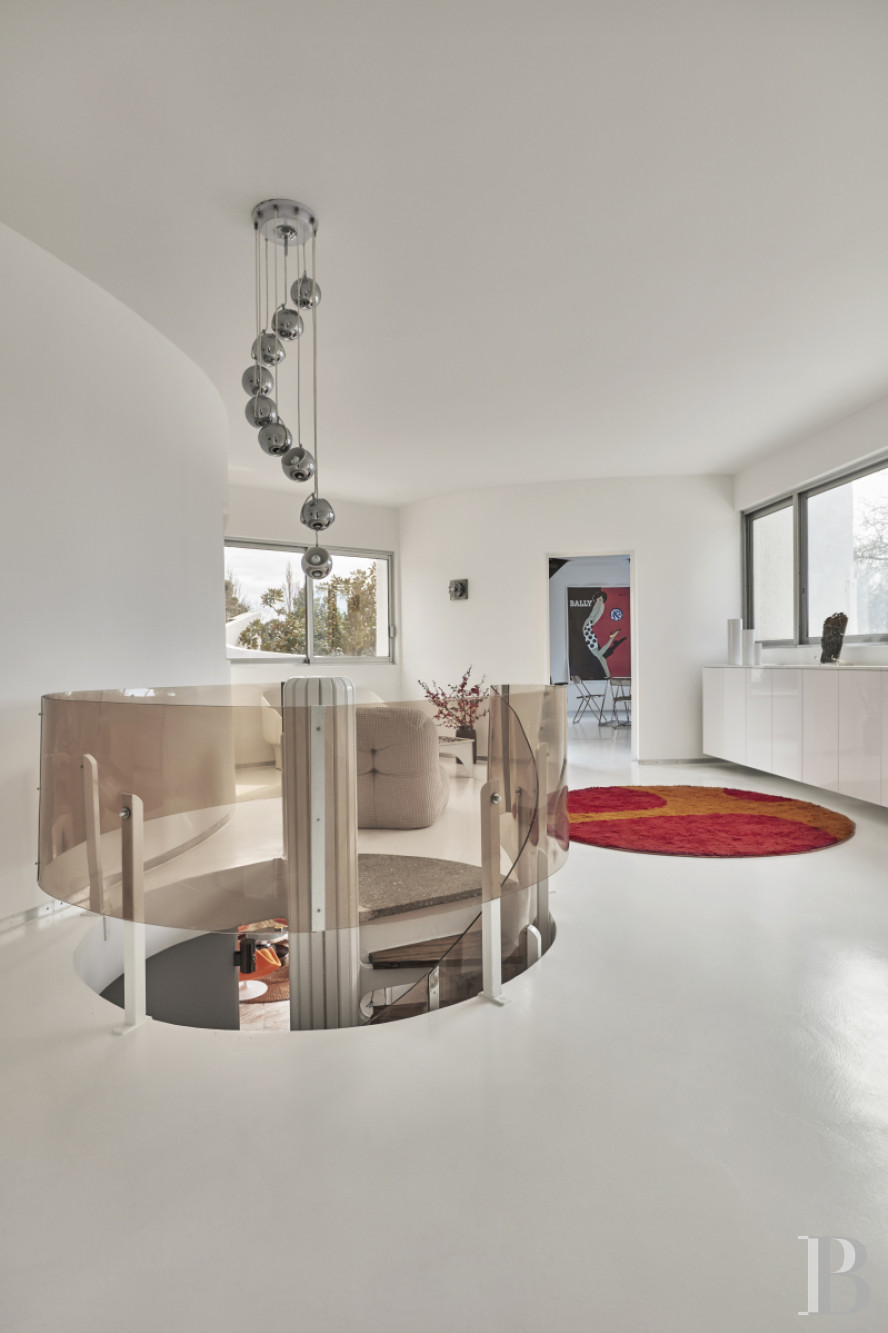
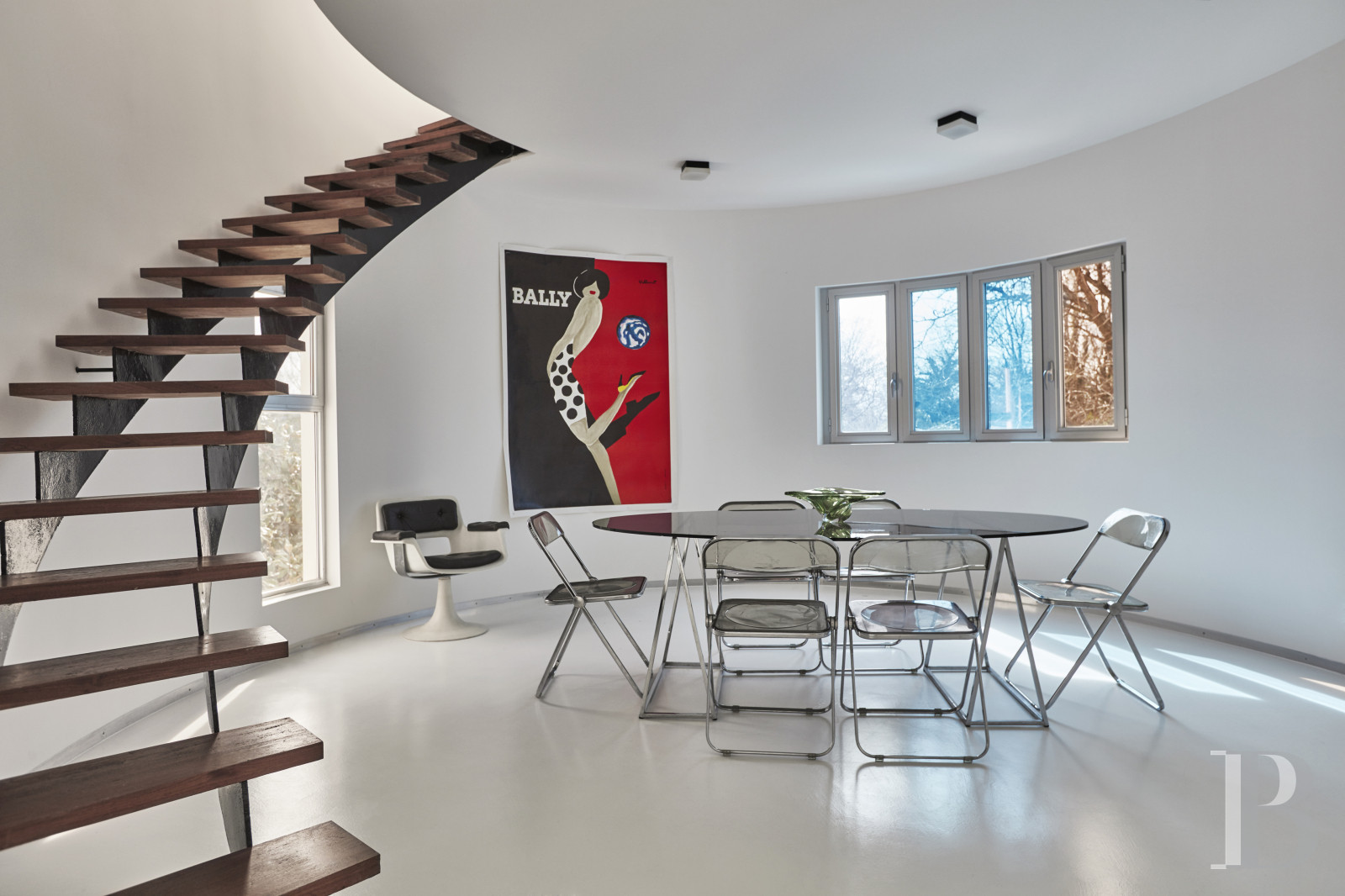
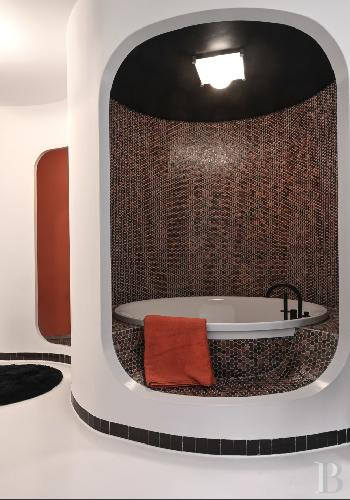
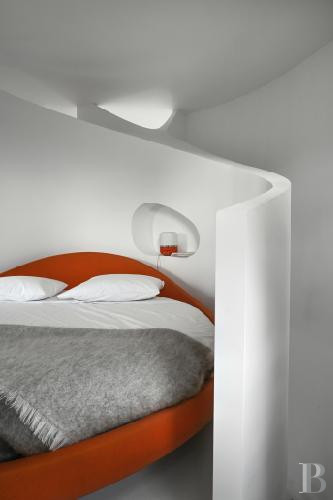
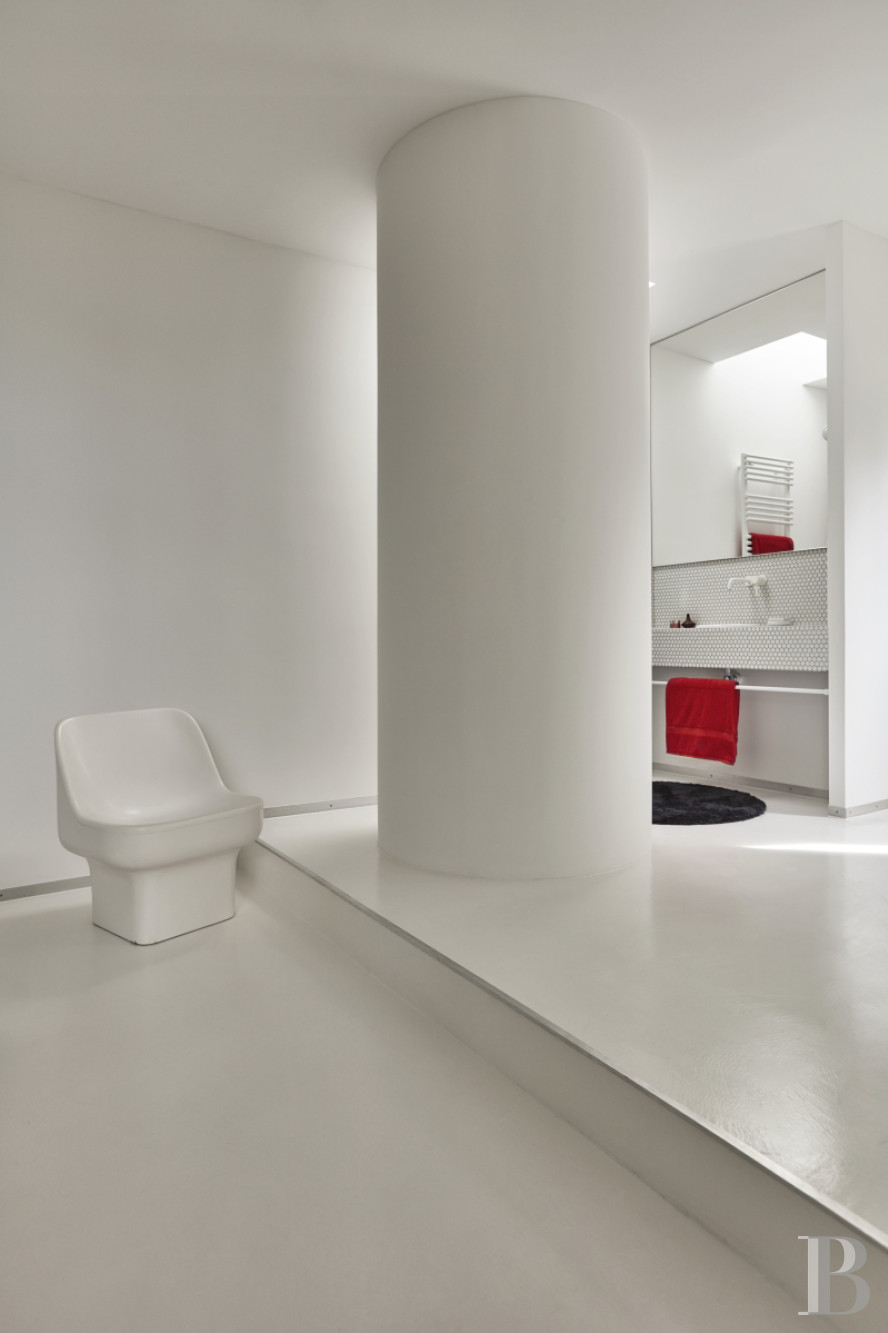
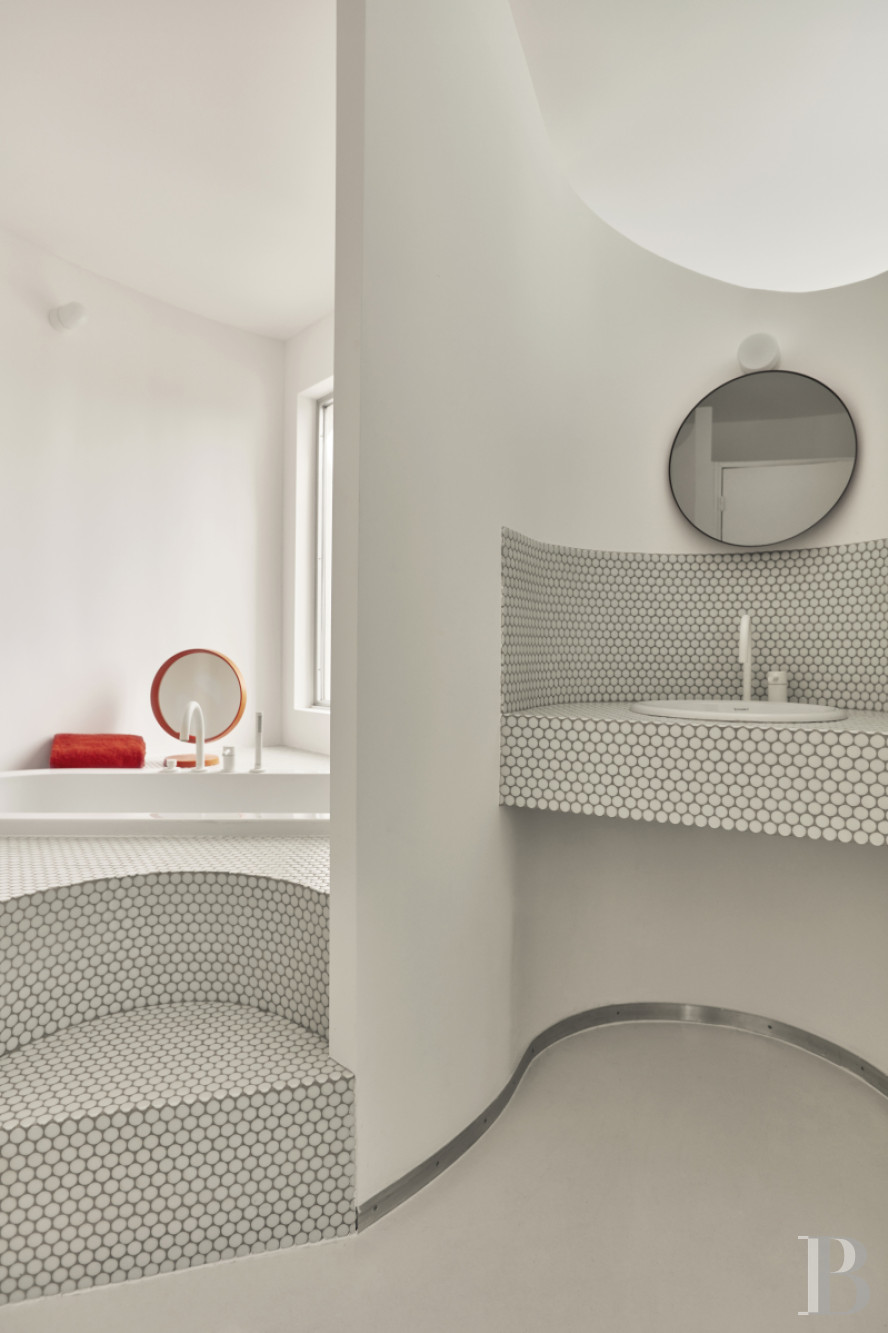
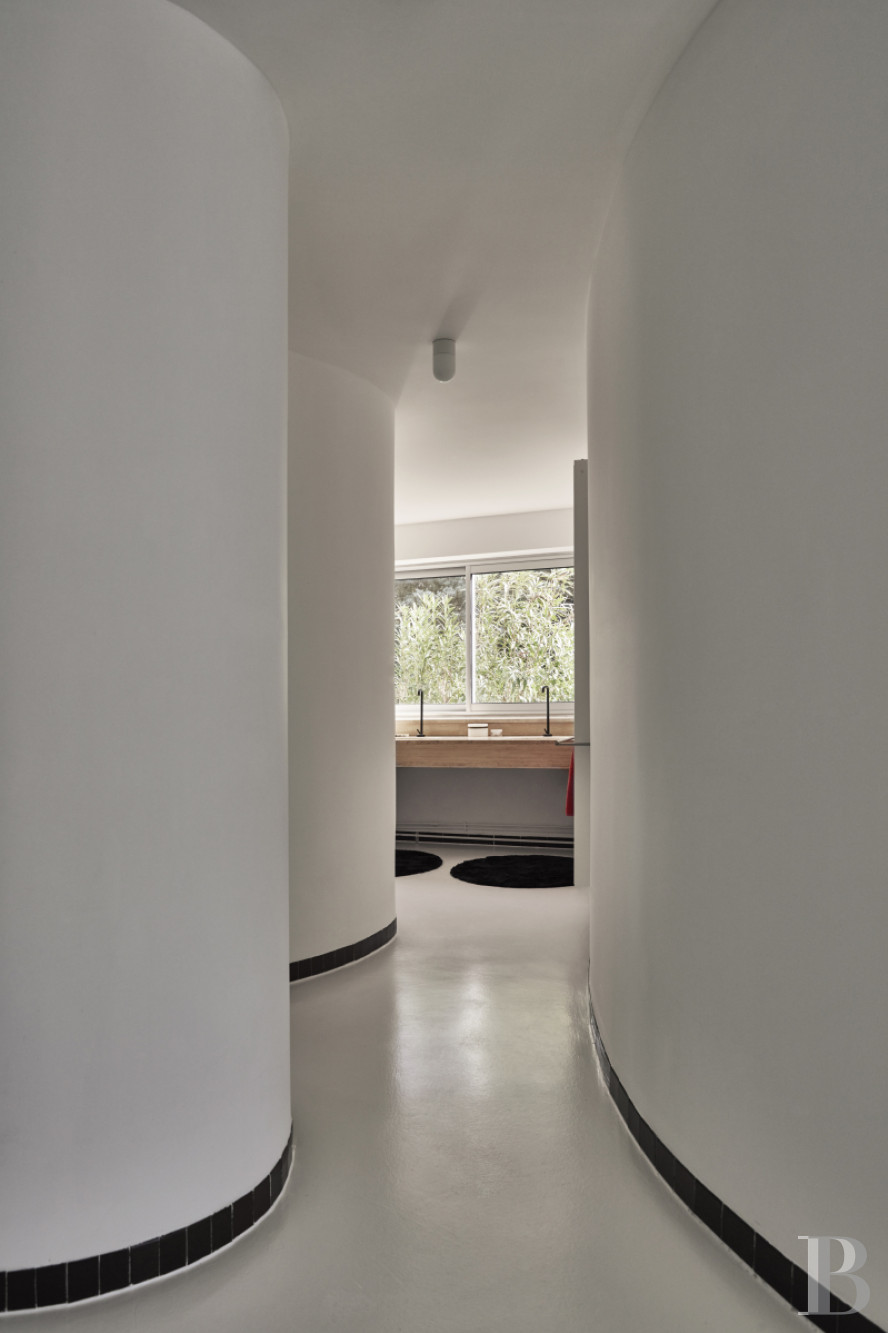
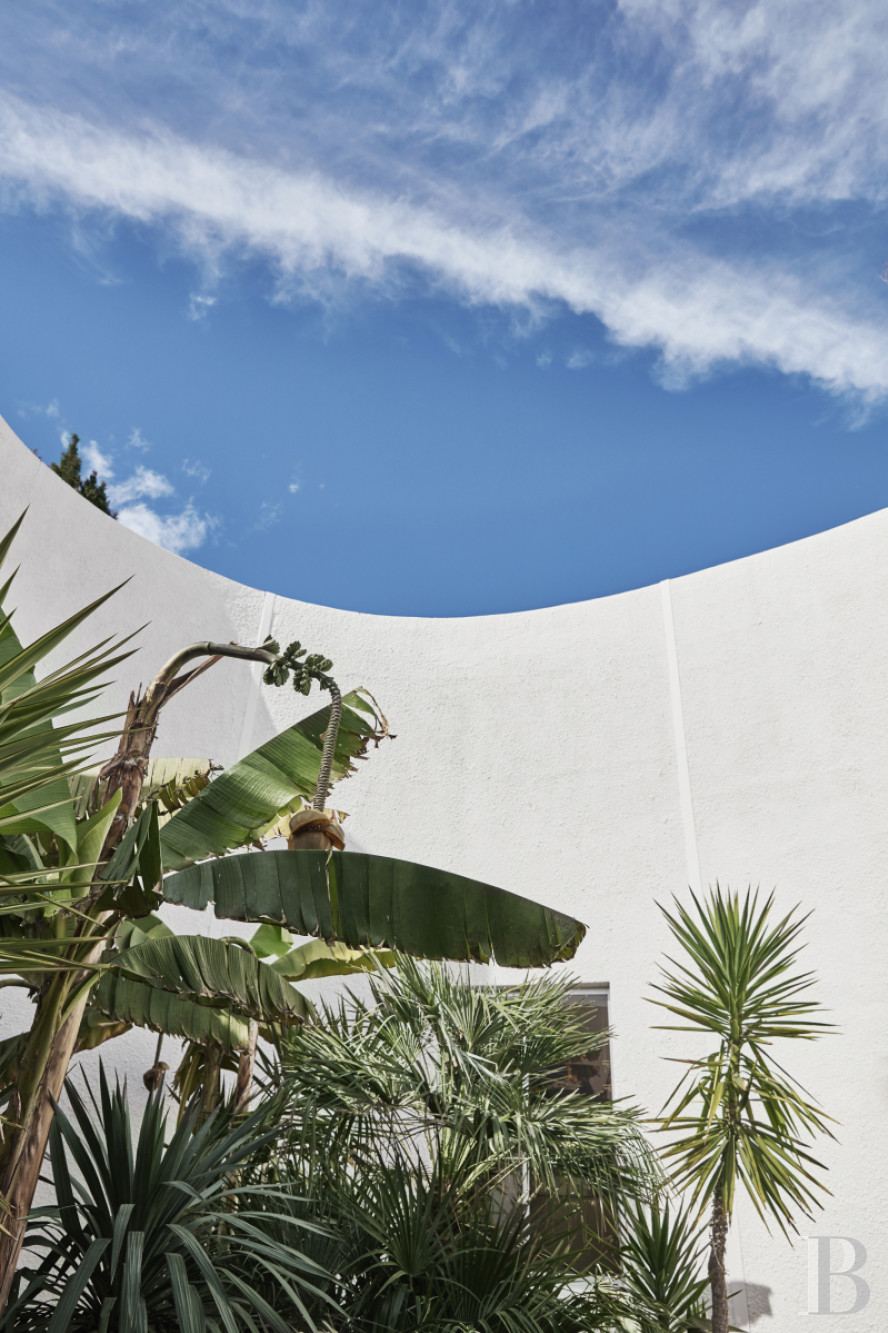
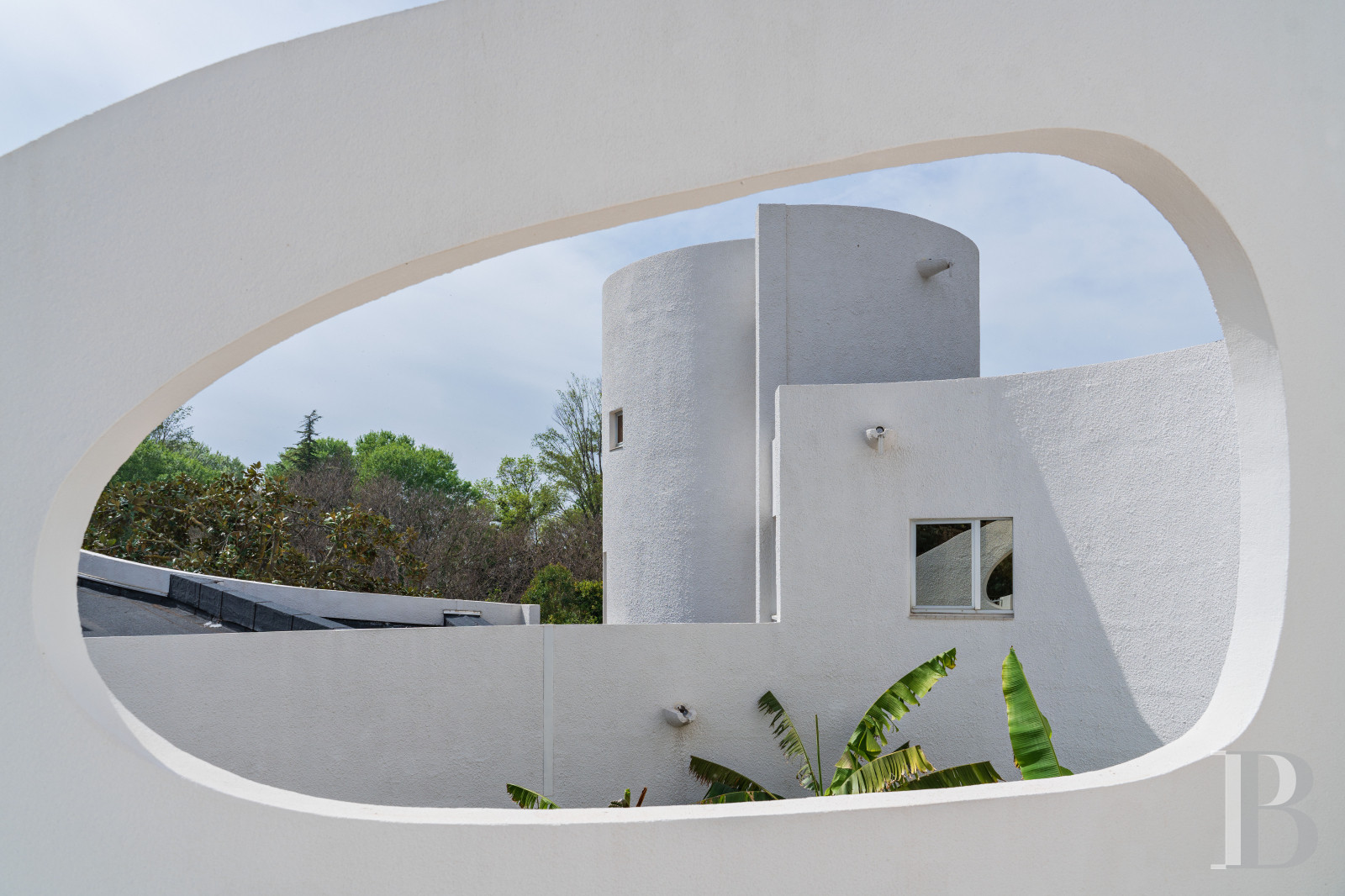
At the architect's request, my parents recorded all the details of their lifestyle and expectations in an "information book". Then they gave free rein to Émile Sala's imagination. The latter was part of a movement that, at the turn of the 1960s and 1970s, revisited the concept of organic architecture pioneered by Frank Lloyd Wright, Alvar Aalto and, to a lesser extent, Antoni Gaudi. Inspired by the work of Le Corbusier, whom he considered his master, everything on his first plans was straight and my father suggested a curve, then lots of curves... The second proposal included a harmonic logic of curves and counter-curves, adding fluidity and dynamics to the whole and accentuating the effects of light and shadow as the day progresses.
When they arrived from Algeria in 1962, with no savings, my parents settled in Arles, where their business quickly flourished. They didn't dream of owning a Provençal mas or bastide. They were free enough to start with a blank page, and this house is one of them. They were not extremely keen on architecture. They didn't go looking for modern houses. They dreamed of a "transparent and open" place to live. In 1972, initiated by their architect friend Émile Sala, they entrusted him with the design of their family home. My parents moved in in 1974 and lived in this villa for 45 years, surrounded by their children and grandchildren, always with large meals for family and friends. The house was awarded 20th-century heritage status by the French Ministry of Culture in 2015.
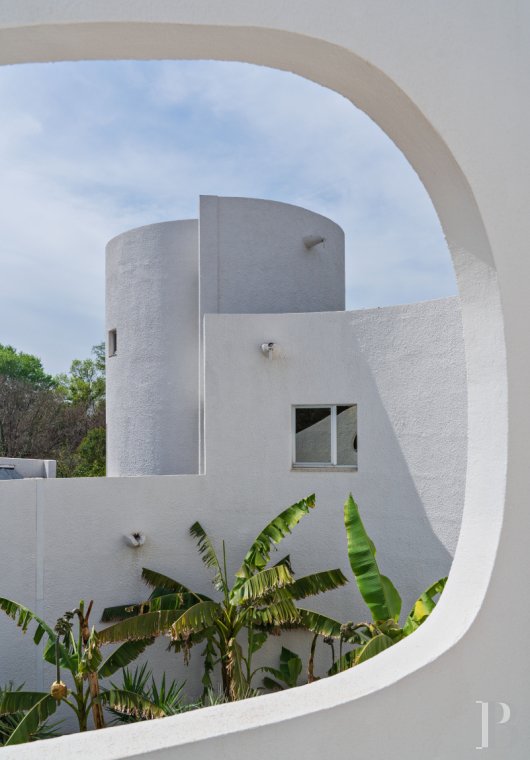
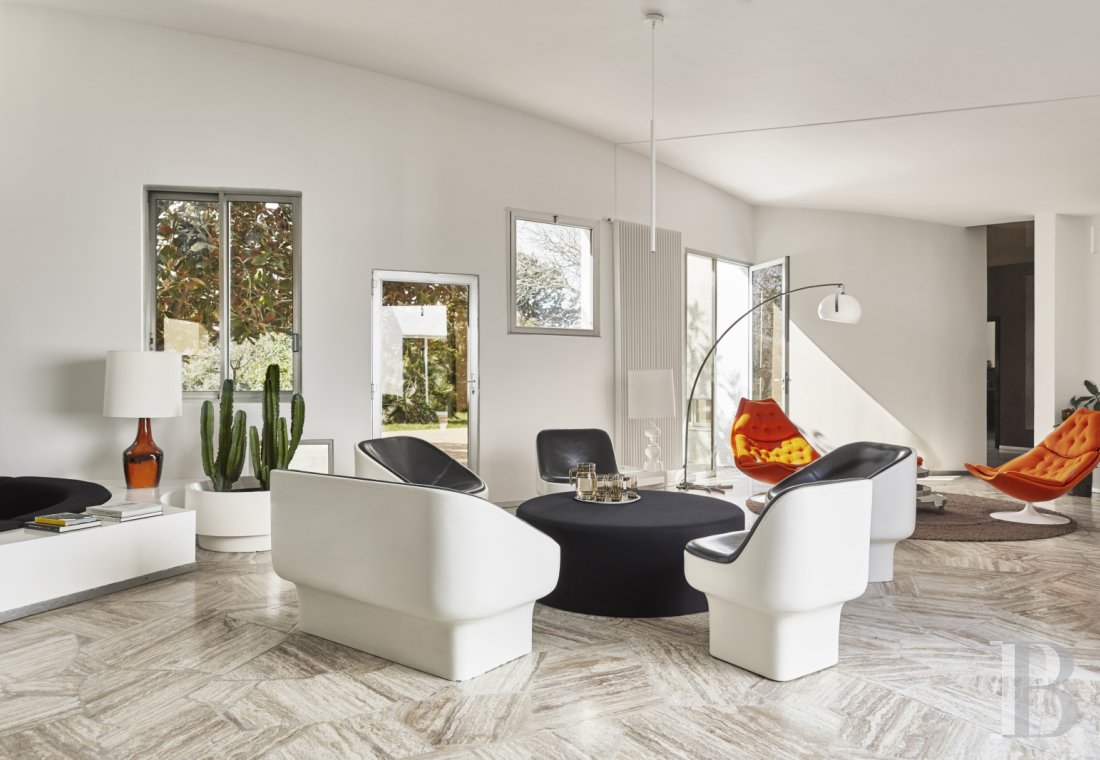
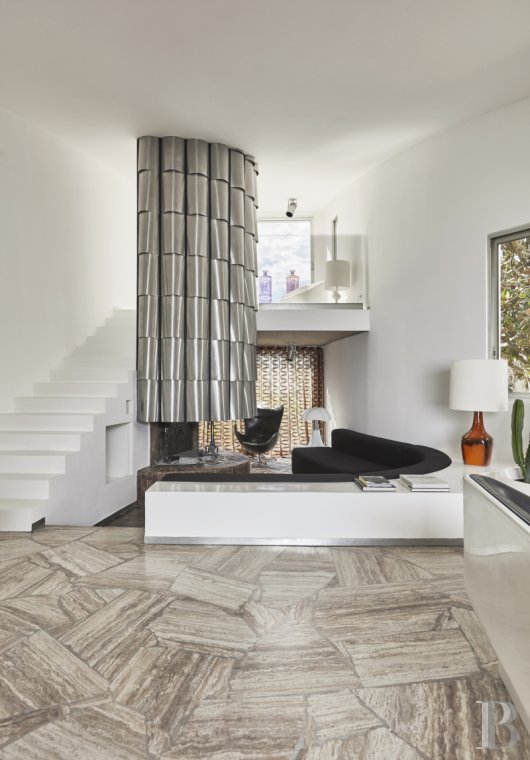
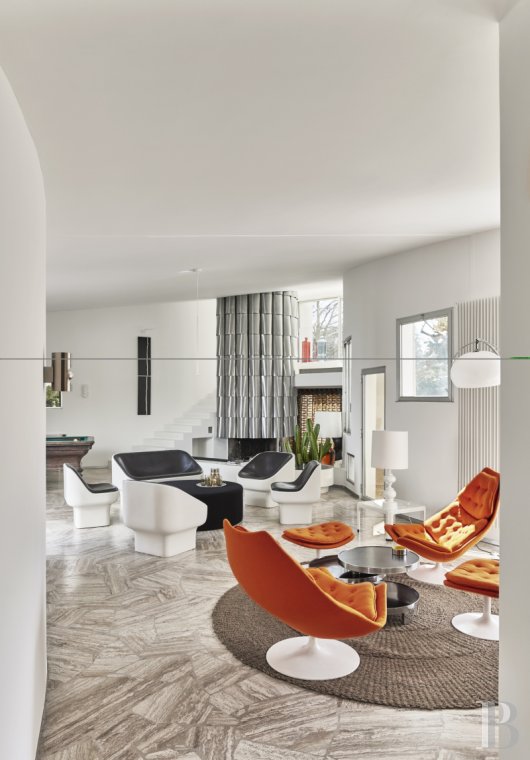
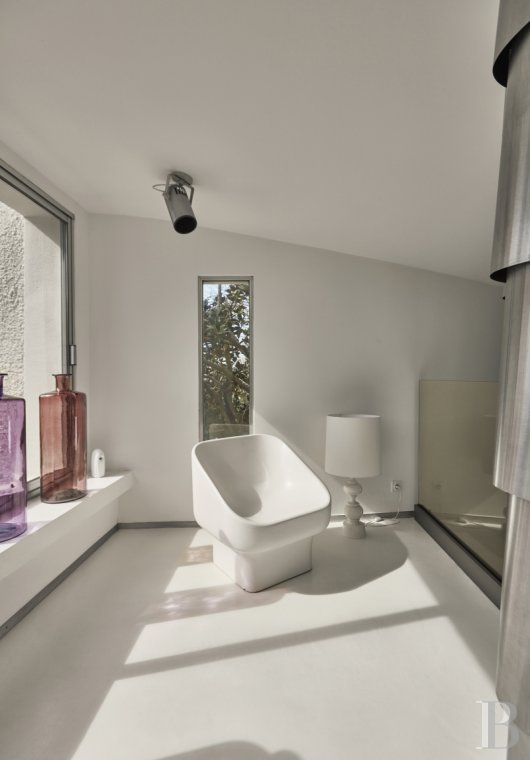
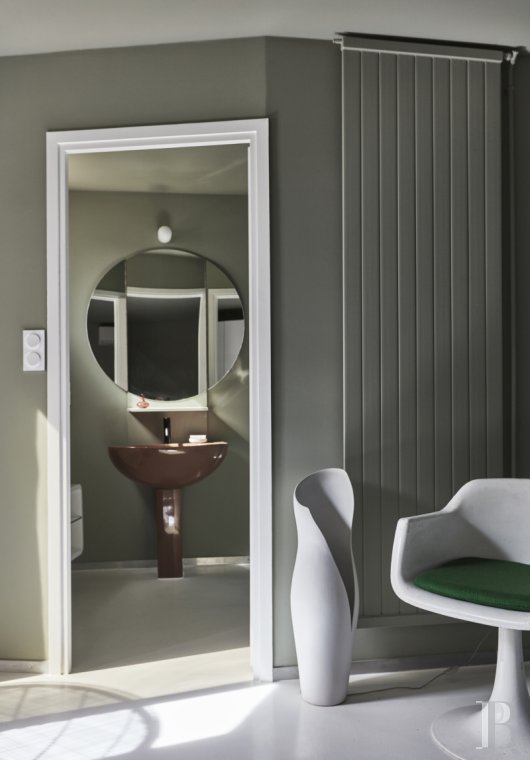
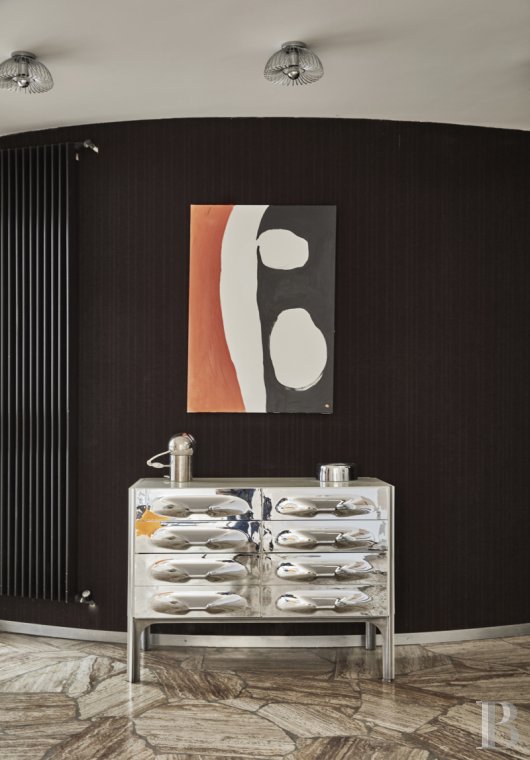
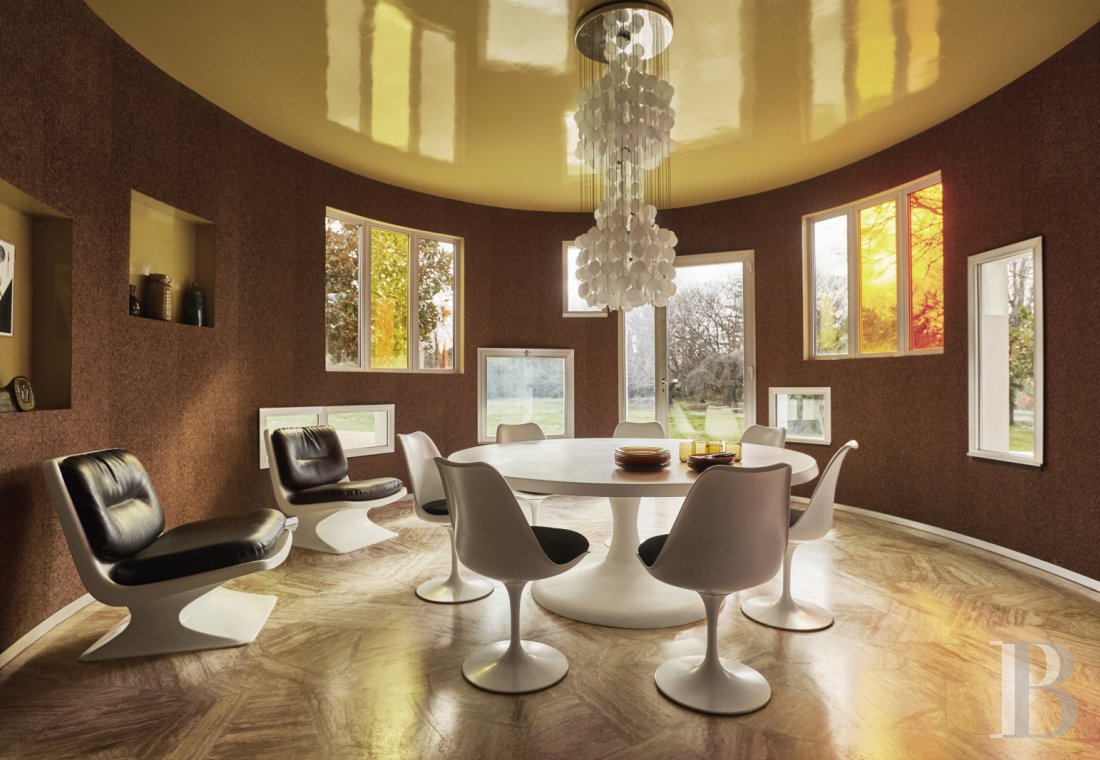
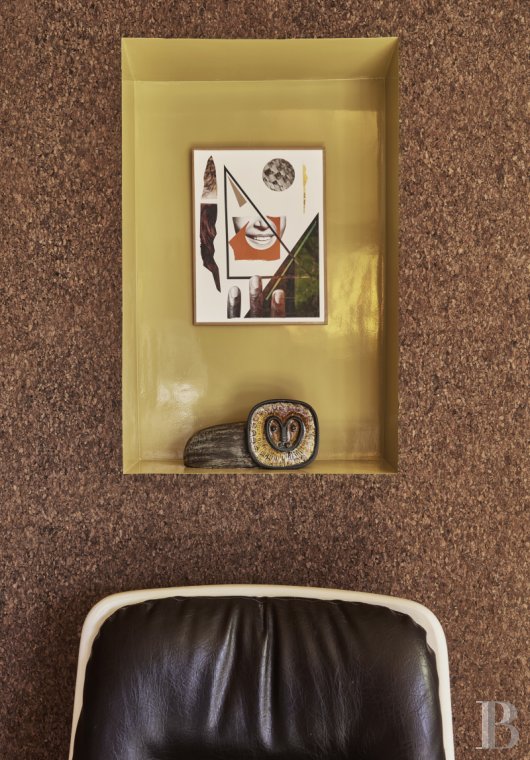
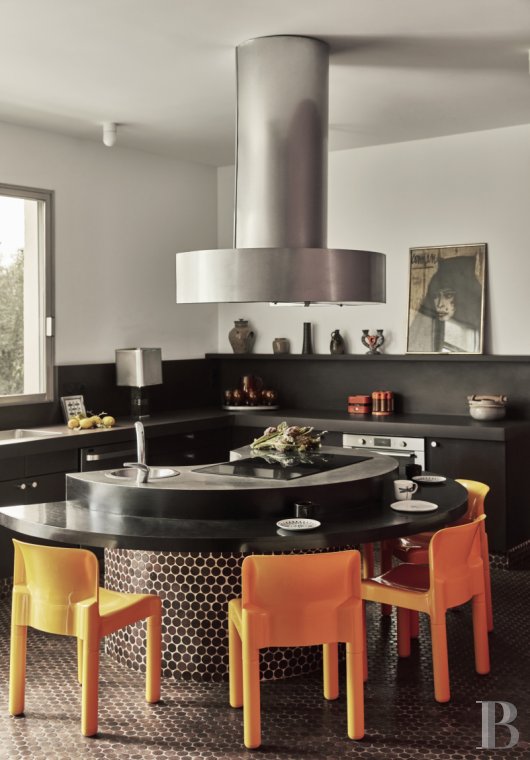
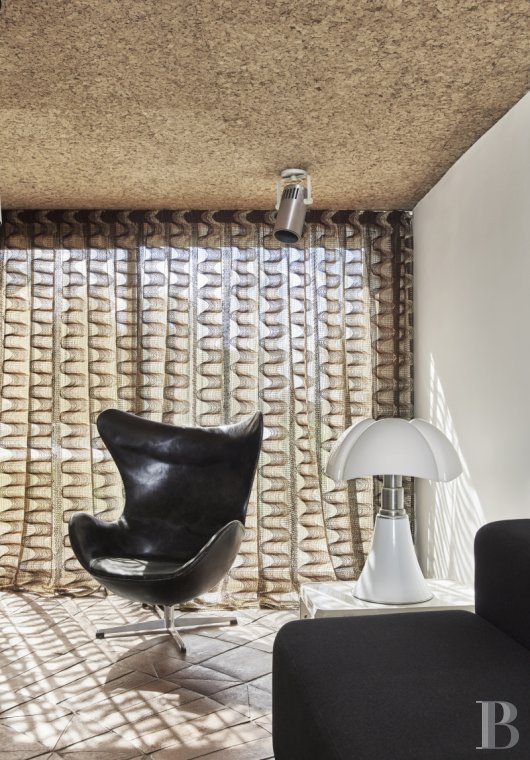
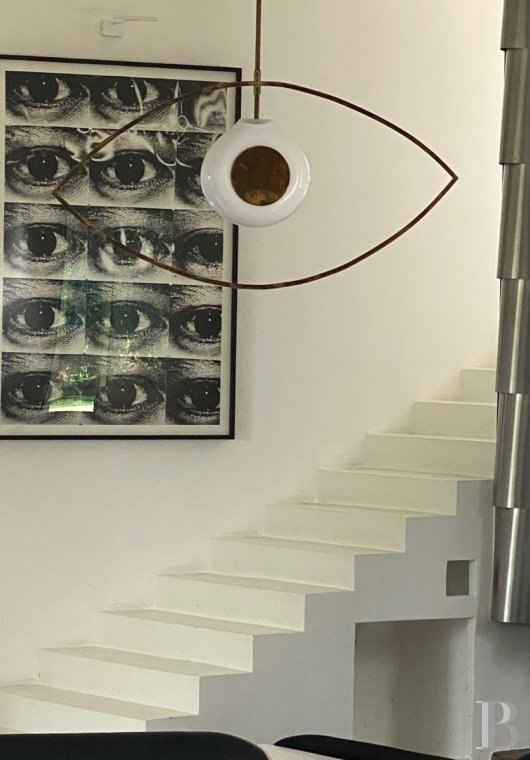
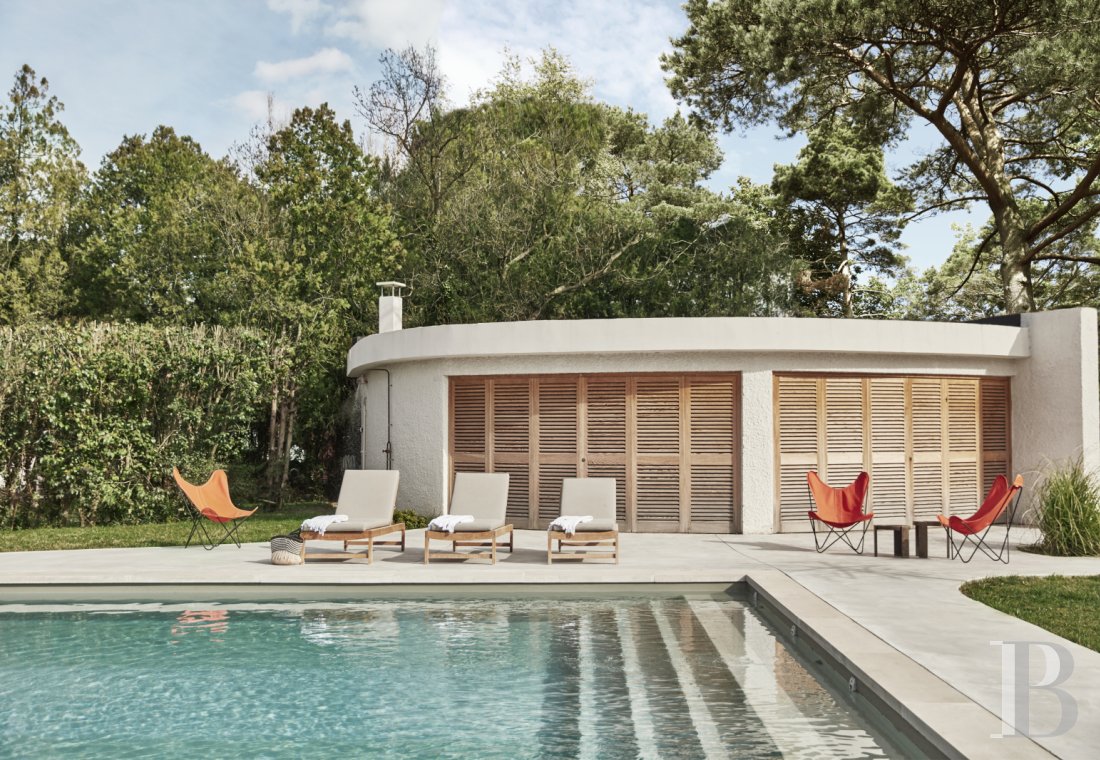
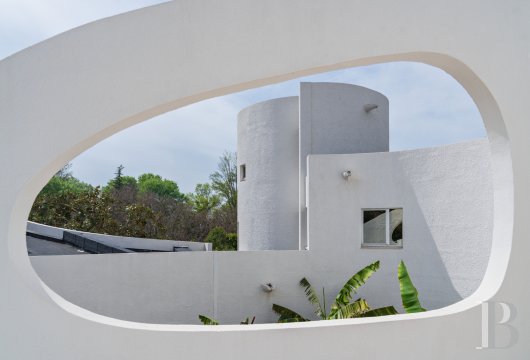
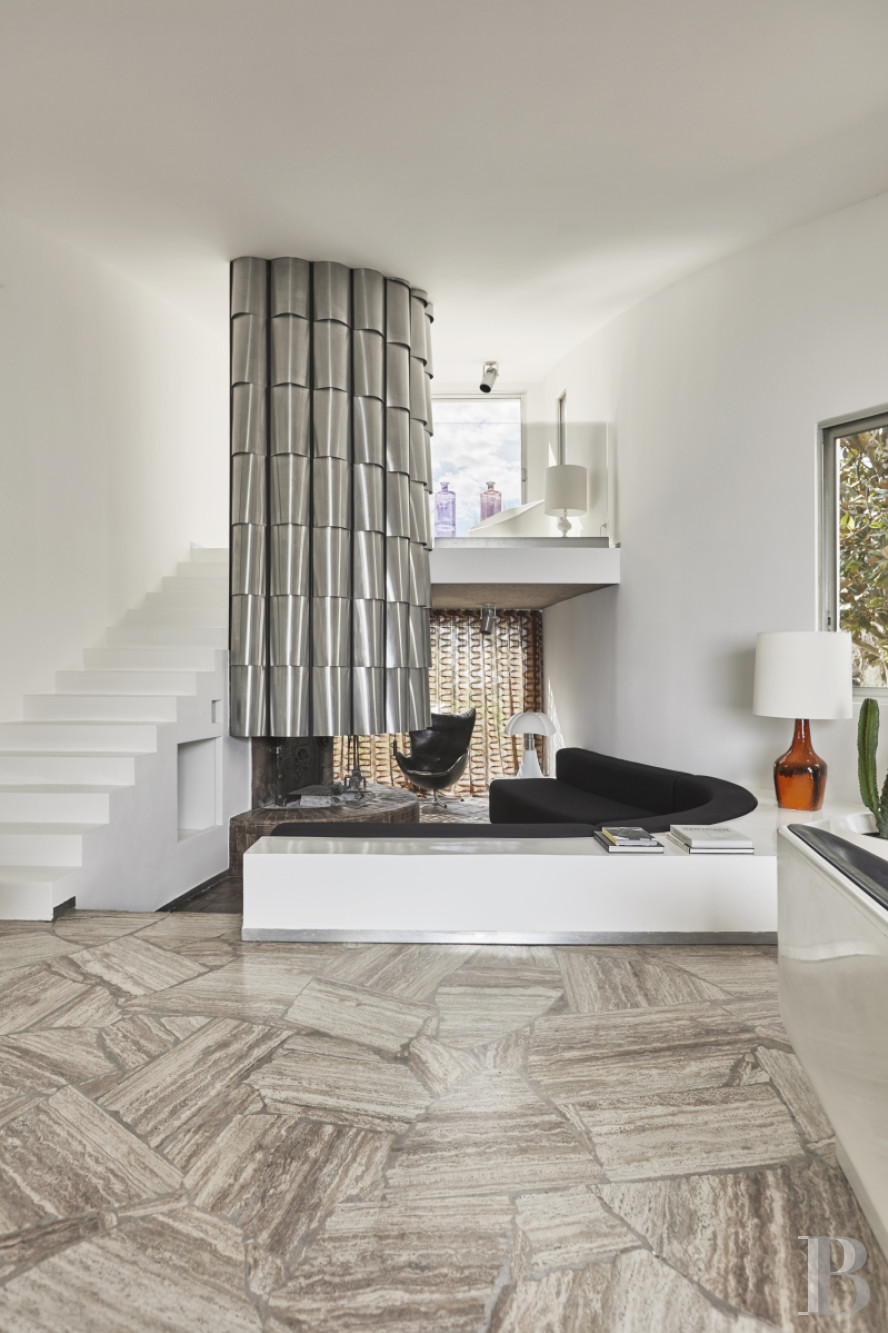
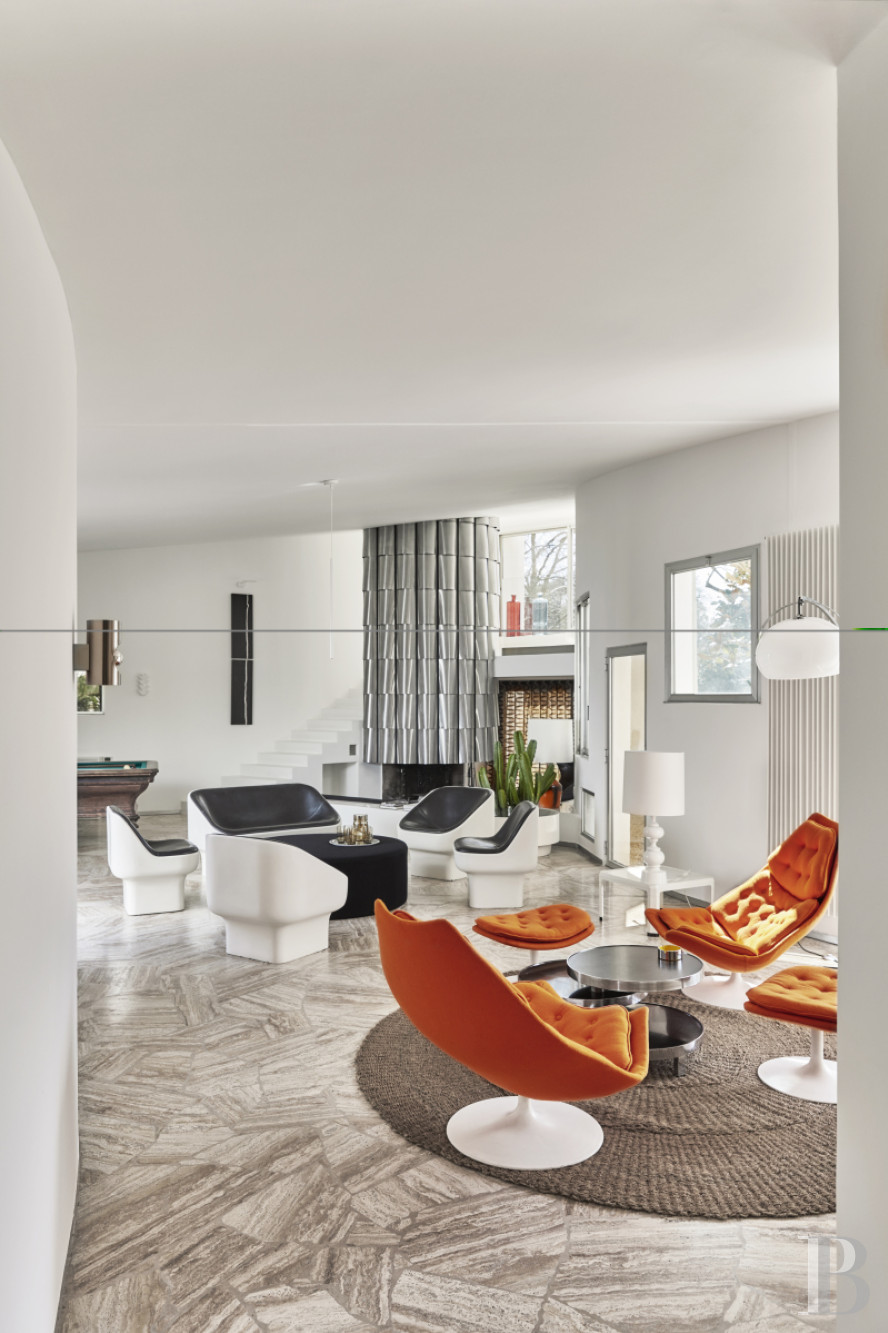
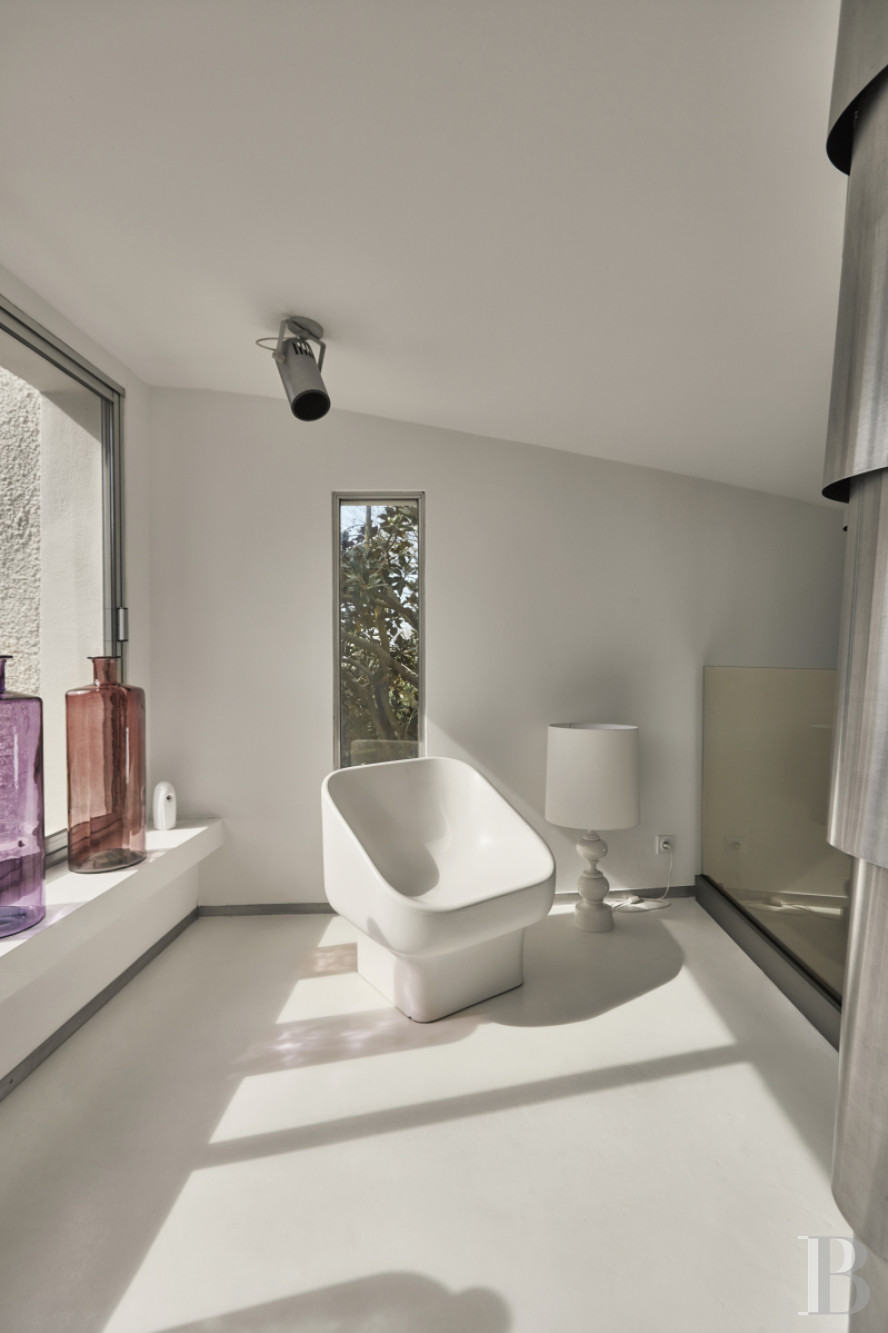
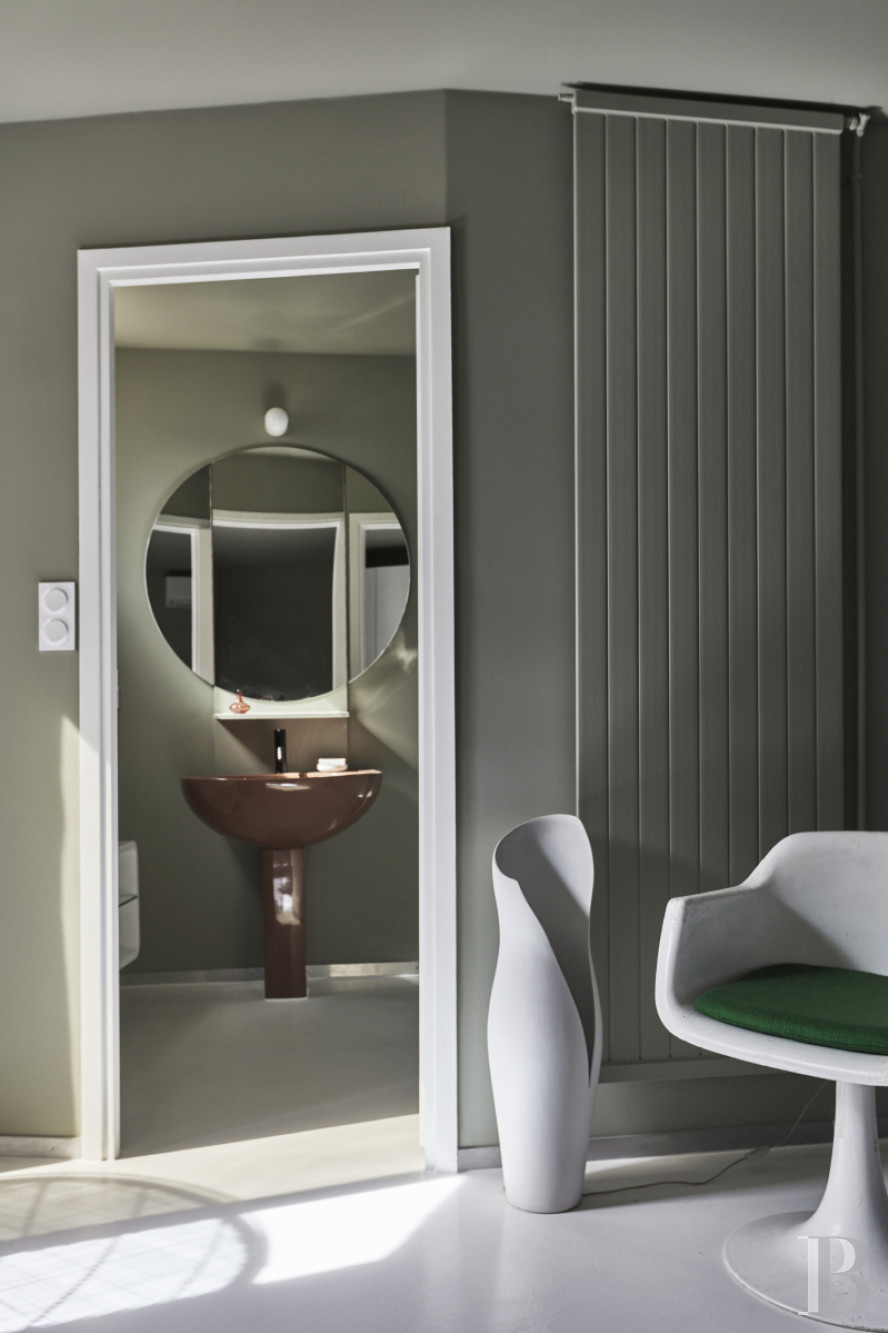
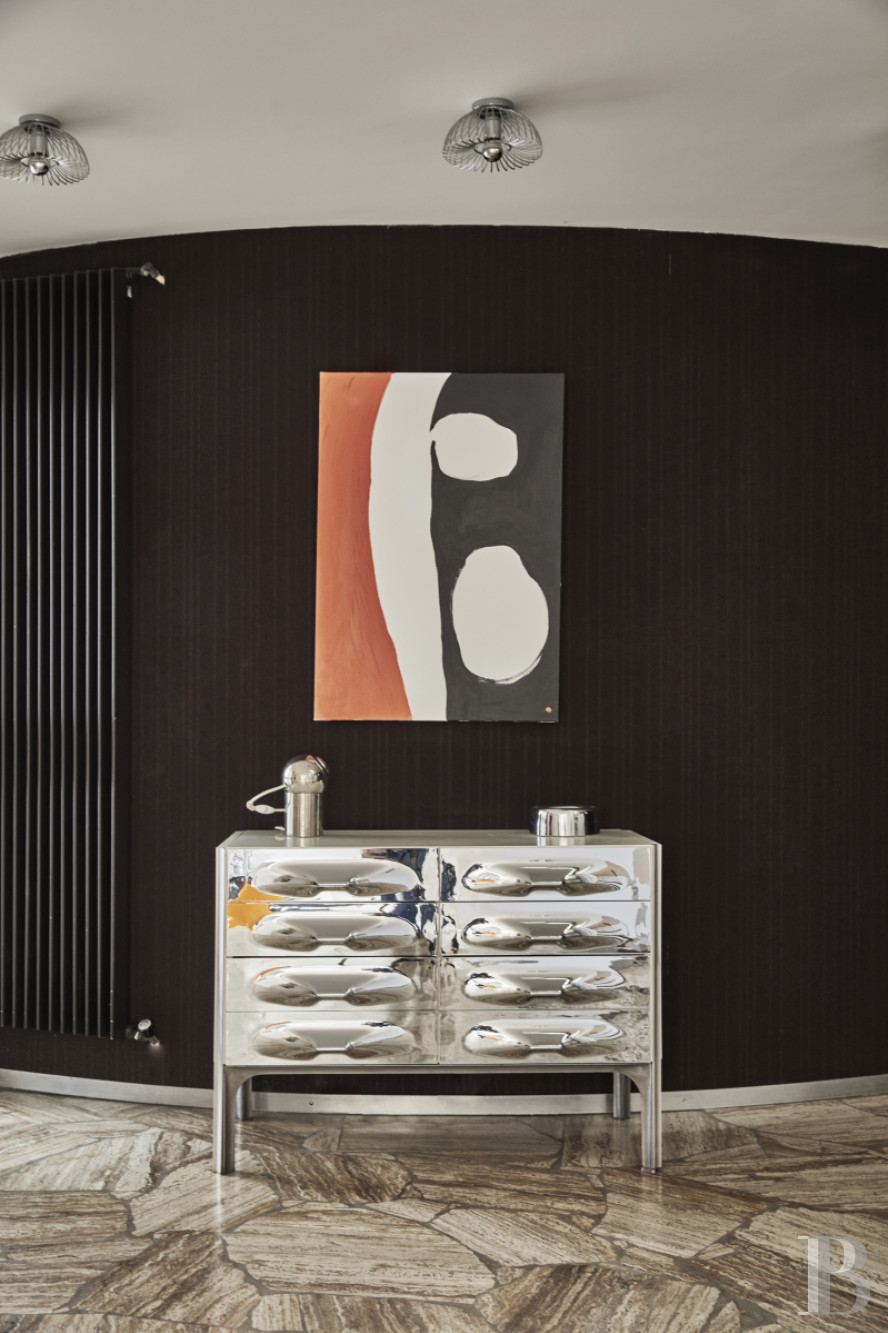
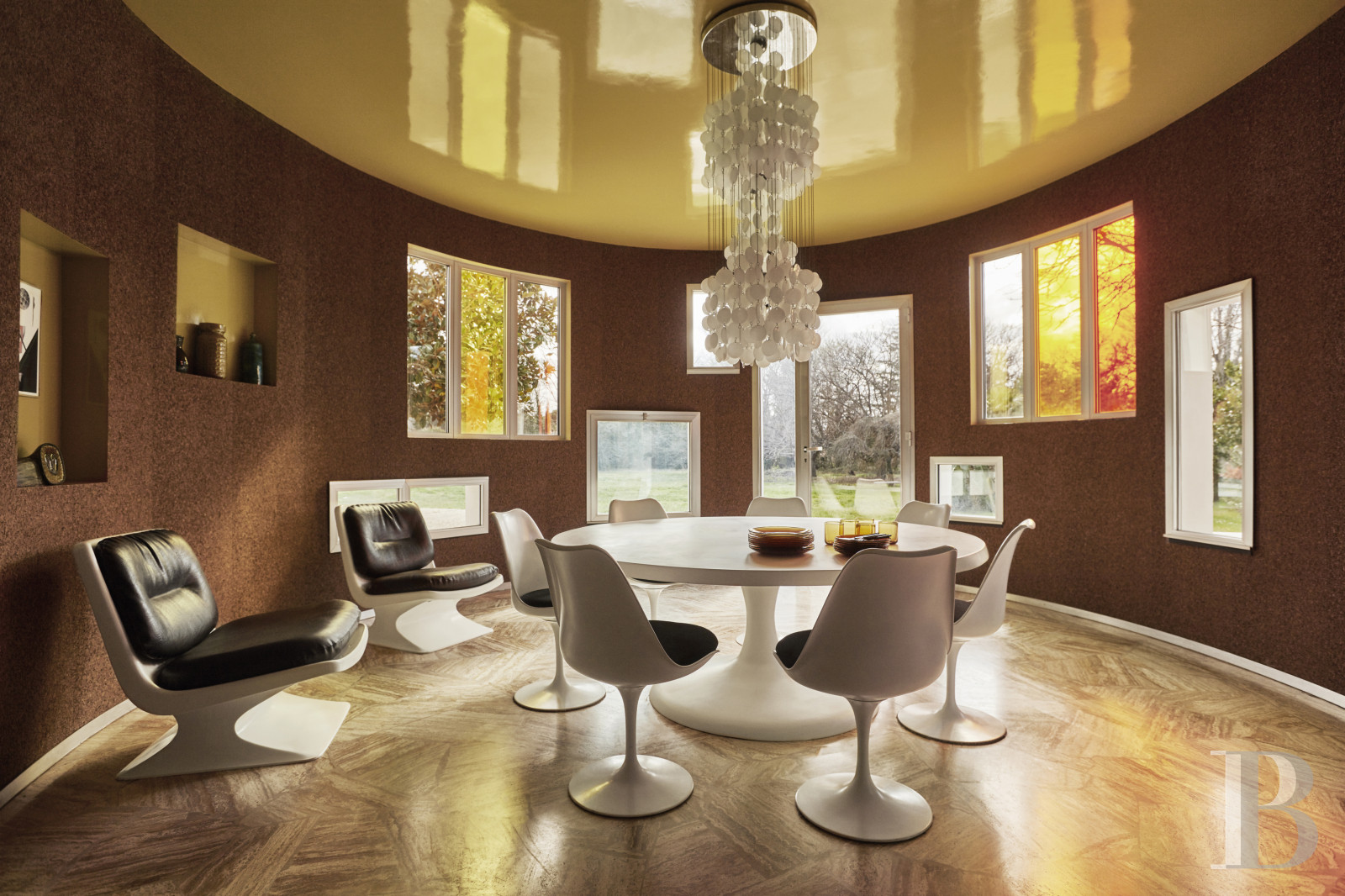
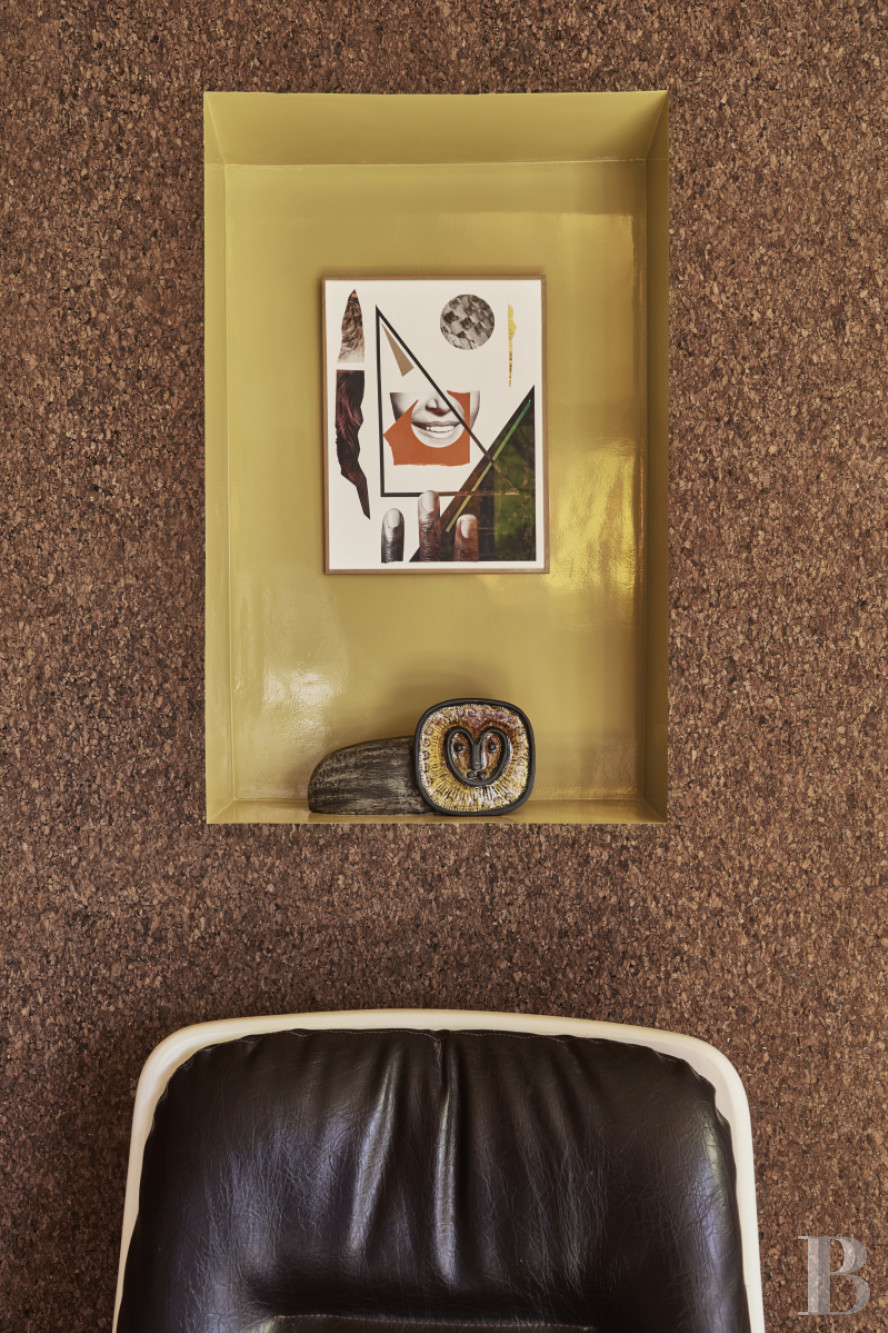
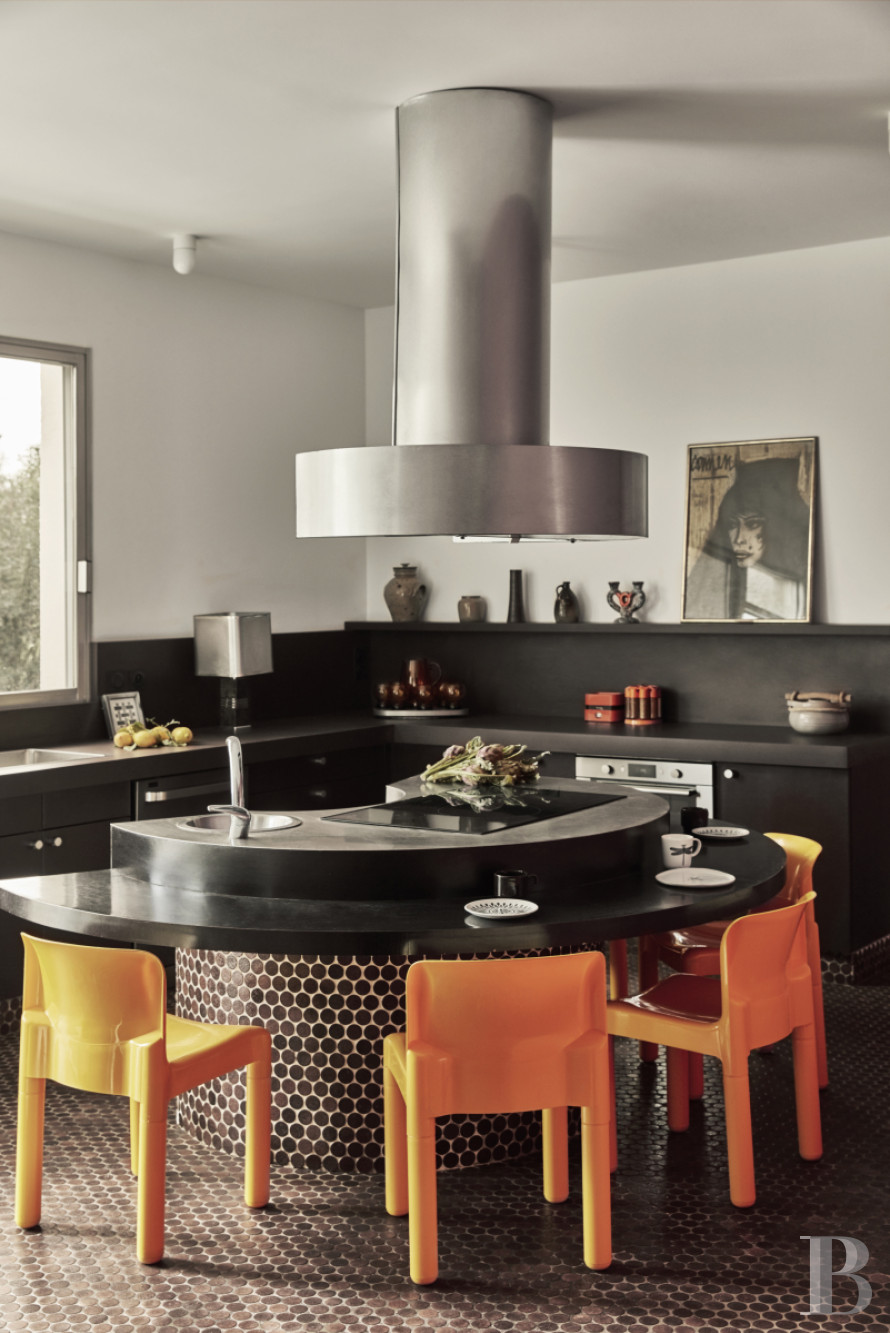
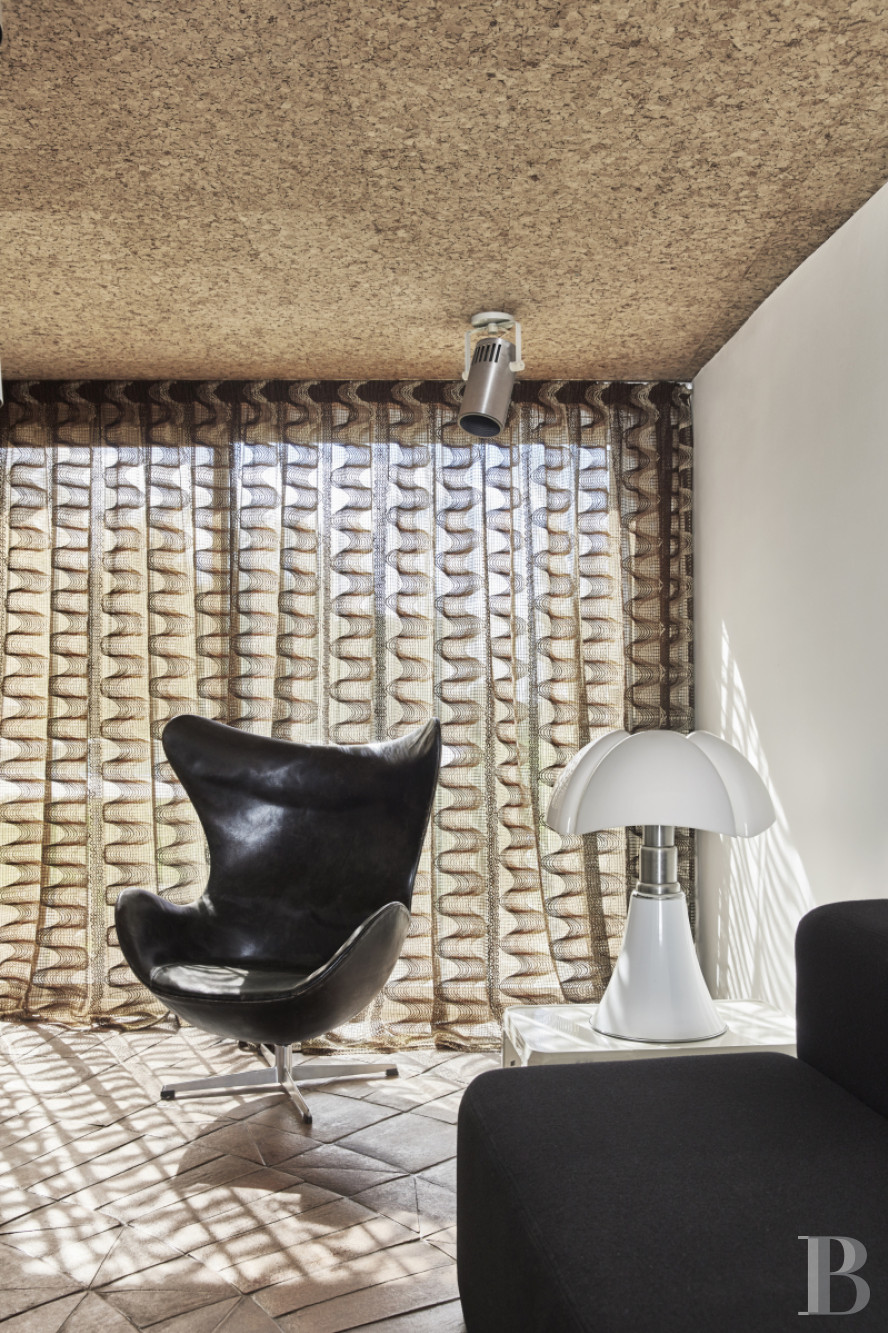
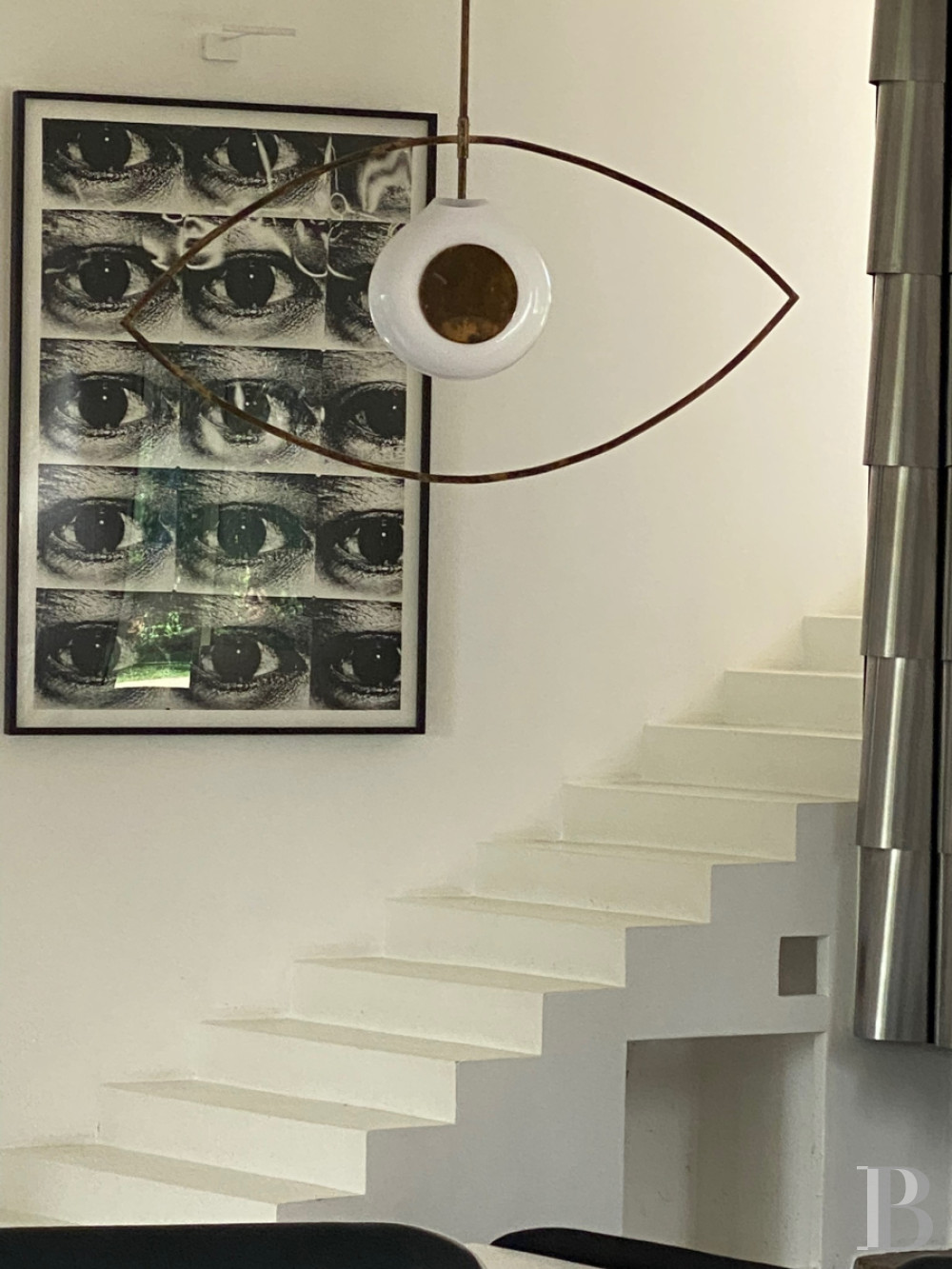
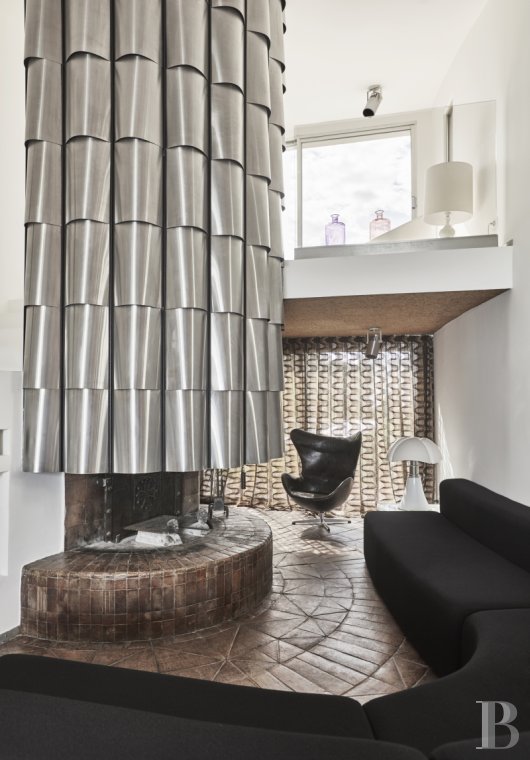
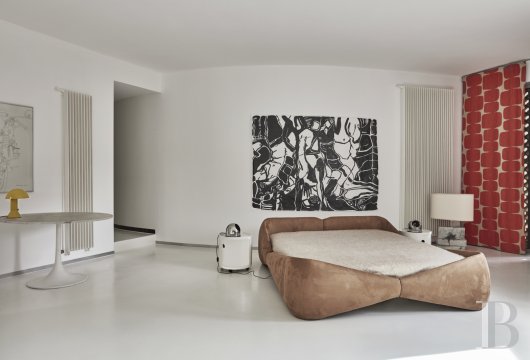
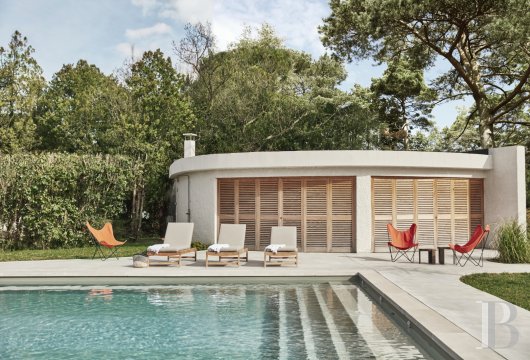
Situated in Arles, on an estate of over one hectare with a swimming pool, Villa Benkemoun is a haven of peace just four kilometres from the city centre. The house spans more than 500 m2 of living space and offers a unique, immersive architectural experience. Émile Sala called on the decorator Robert Heams for the interior fittings and choice of colours, on the artist and designer Max Sauze for a sculptural fireplace in sheet metal, and on the ceramist Guy Bareff to design the terracotta surround, each piece of which is unique. Circulation is fluid around the building's many curves. The windows offer framed views of the garden, like tableaux vivants. I offer our guests my book, which tells his story.
In Arles, "La Chassagnette", a Michelin-starred restaurant pioneering self-sufficiency, is run by Armand Arnal, who draws inspiration from his two-hectare organic vegetable garden, tended by eight full-time gardeners and bursting with herbs, vegetables and flowers. The "Inari" restaurant, housed in a chapel dating back to 1224, serves inventive, cosmopolitan and delicate market cuisine. At the Nord-Pinus hotel restaurant, Chef Antonio Altamura combines his Italian roots with the flavours of Provence. In the same establishment, "Le Cintra", a legendary bar in the Nord-Pinus area where Fernandel used to dip his anchovies in pastis, and Picasso, F. Scott Fitzgerald and Maria Callas enjoyed moments in time. The "Regala" gallery and Anne Clergue's gallery are a must for art lovers.
This property, with its one hectare of grounds, its 500 m2 and its distinctive modernist architecture and remarkable interior landscapes, provides a prestigious backdrop for your audiovisual and photographic productions. Accommodation is available on site, and complementary facilities are available nearby. It includes a two-hour daily cleaning service.
ref 210294
A link to enter a new password has been sent to you by email.