

Add to favorites
Log in to your personal space
It all began with a chance encounter, an inspiring place, and history. That’s often how the best projects come about. With its main house, farmhouses and outbuildings, woods and meadows, the estate was on the verge of turning its back on its past when fate decided otherwise. Today, not only has it reconnected with its agricultural roots by setting itself up as a co-operative, but it has also expanded the scope of its activities. Staying here means having direct access to organic vegetables and eggs from the farm’s hens, honey produced in the estate’s hives, as well as bread from the bakery…not to mention the chance to learn about the carpentry and stonemasonry trades. Whether guests come as couples, families or in a large group, they will find carefully renovated holiday cottages tailored to their needs, set in a beautiful historic and natural environment, where a spirit of interaction and sharing reigns.
We are notaries in Chef-Boutonne. It was by chance, through a property transaction, that we found ourselves at this estate, where we met its heir, who was forced to part with it despite his deep attachment to it. Initially tasked with selling the property, we too fell under its spell and decided to join forces to write a new chapter in its history. The site's beauty was a decisive factor: a group of buildings dating back to the 19th and early 20th centuries, set in the heart of a well-preserved hedgerow landscape, on the edge of a state-owned forest. Our aim has been to breathe new life into this estate by developing agricultural, craft and tourism activities. Whilst continuing to practise as notaries, we have set up a social enterprise based on a local, participatory model, dedicated to preserving the buildings, the archives and the spirit of this meeting place in a rural setting.
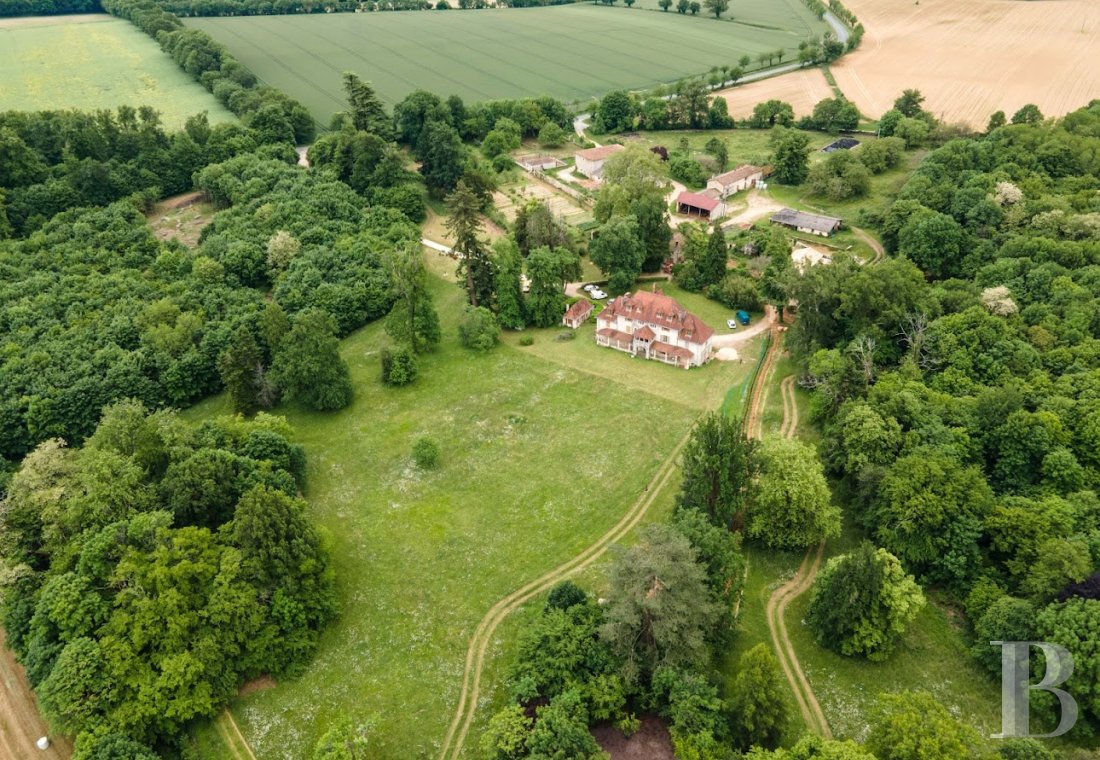
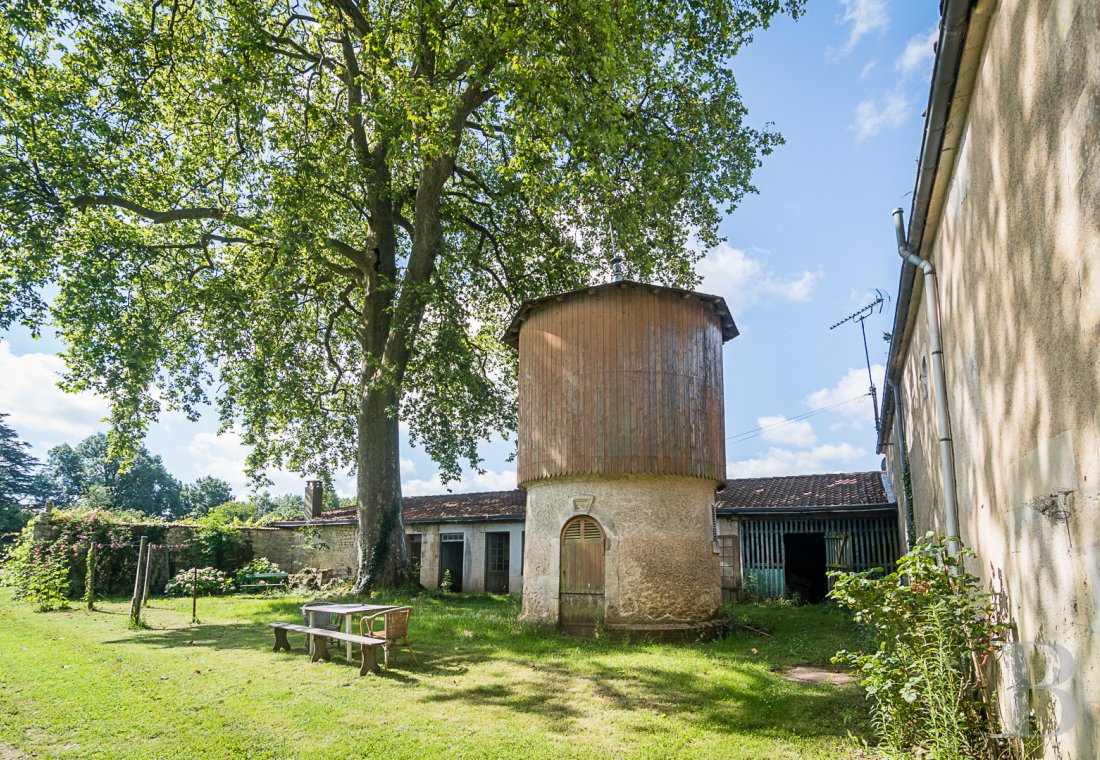
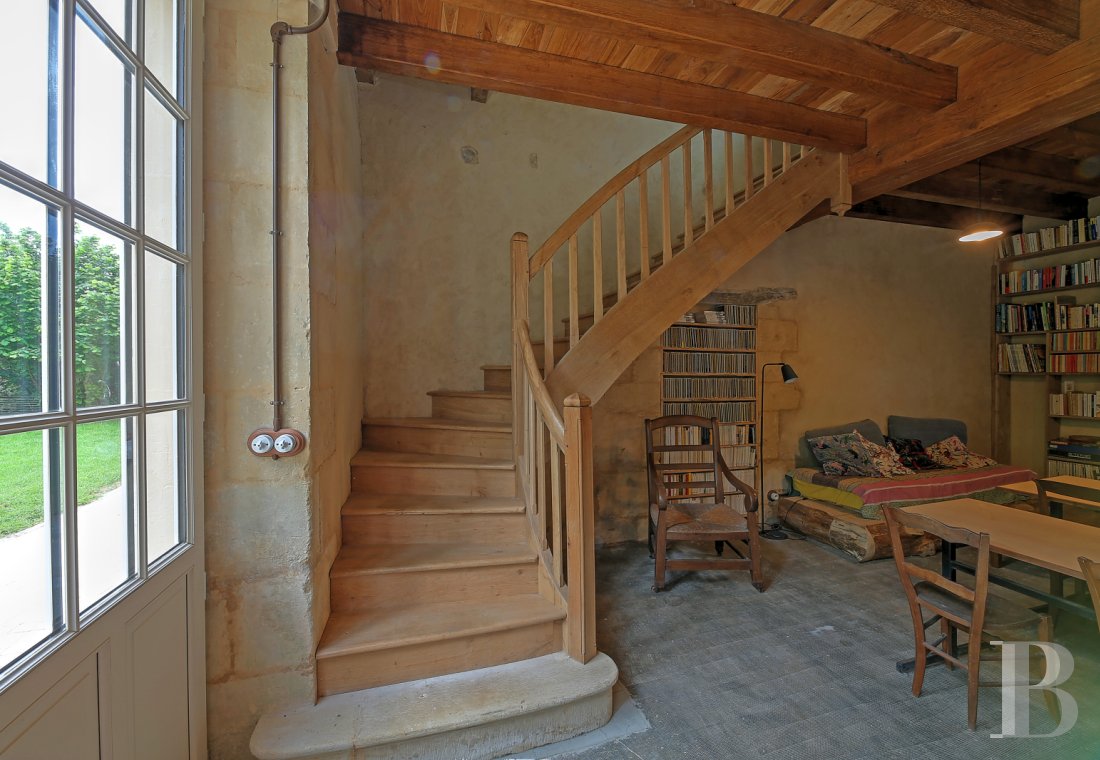
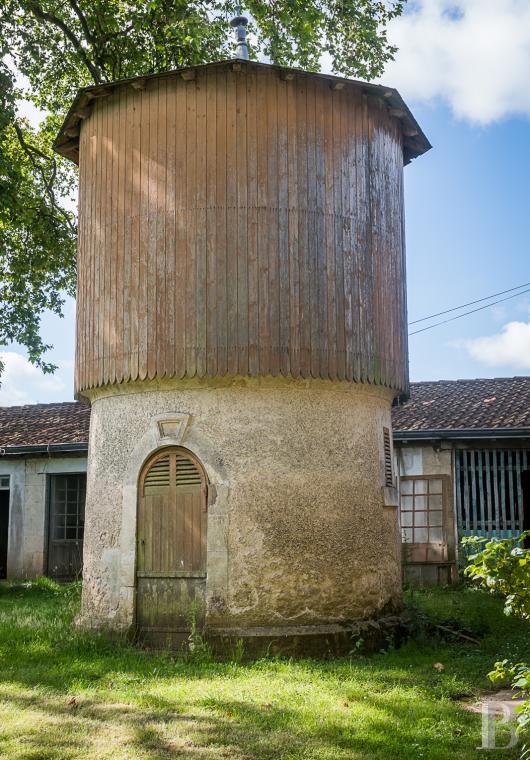
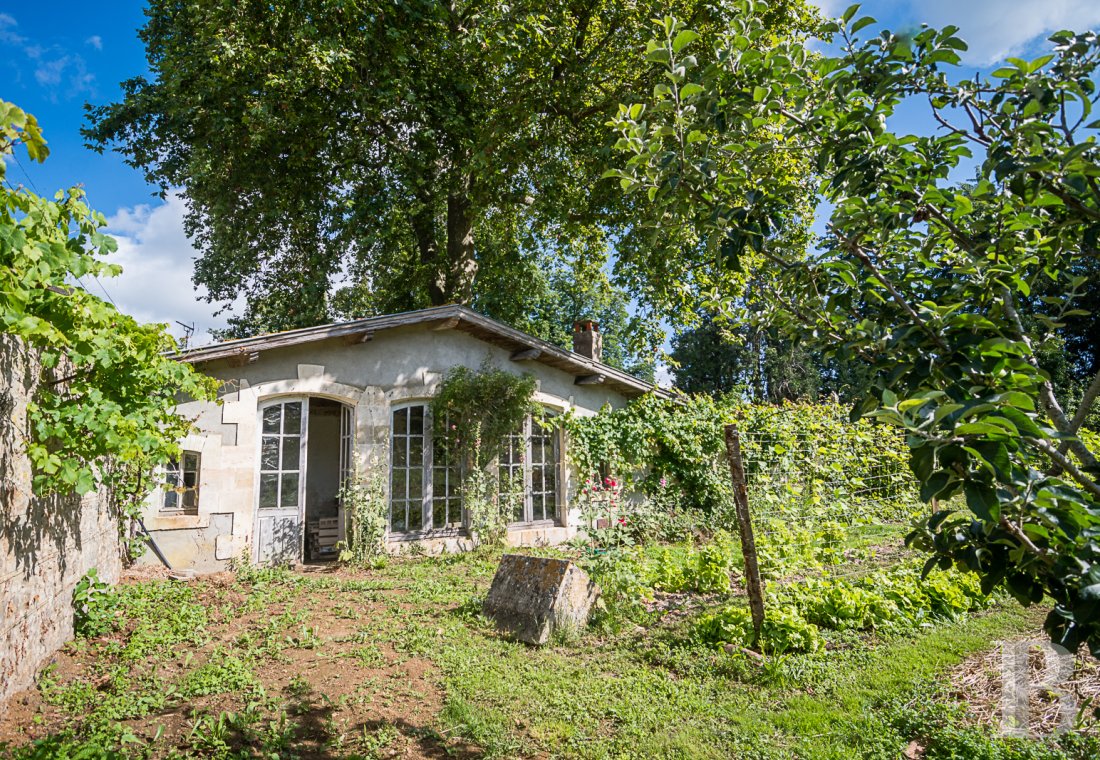
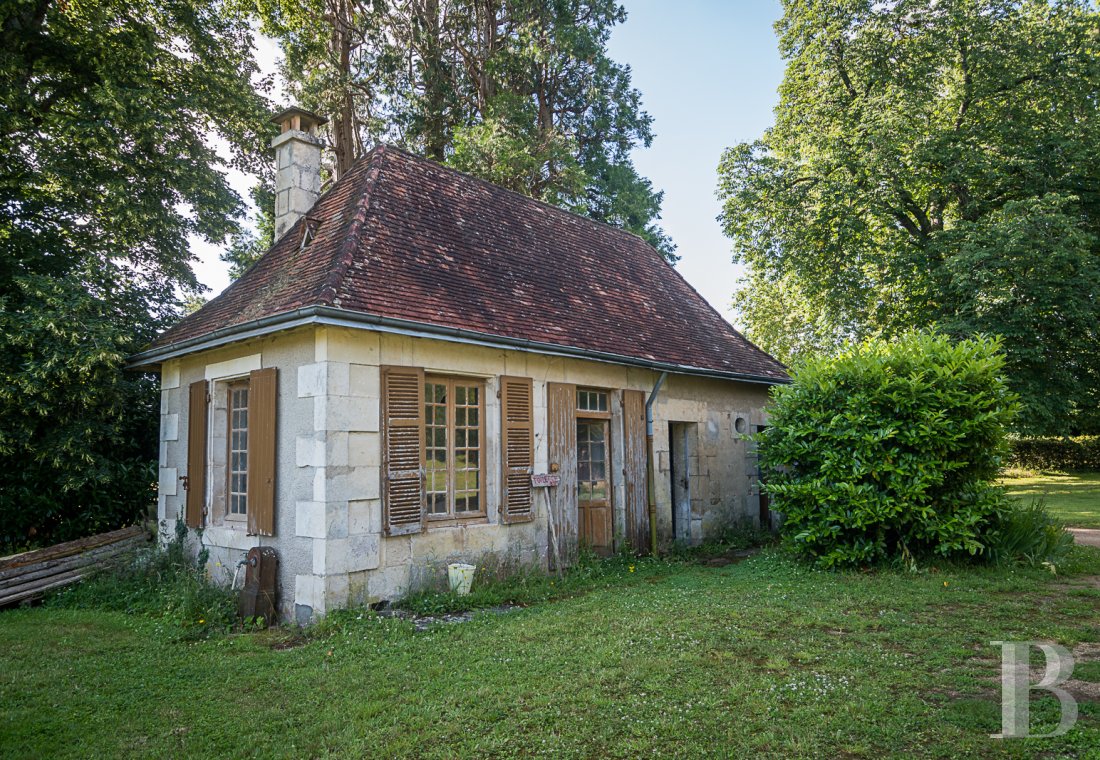
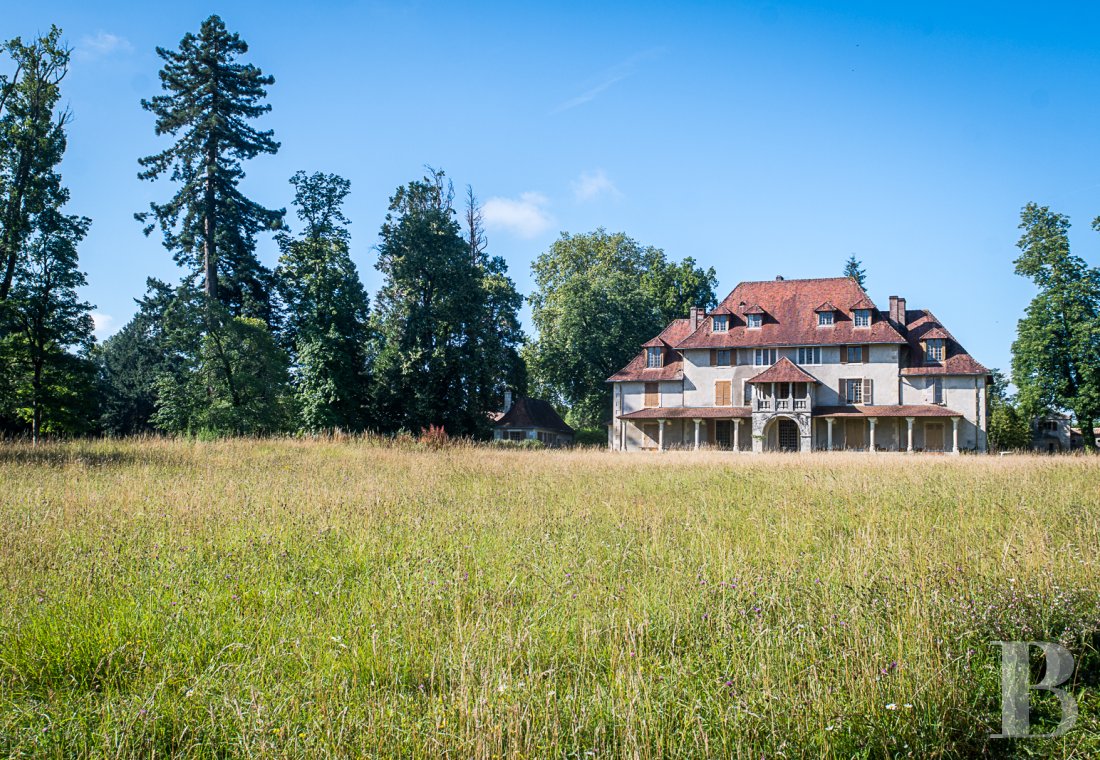
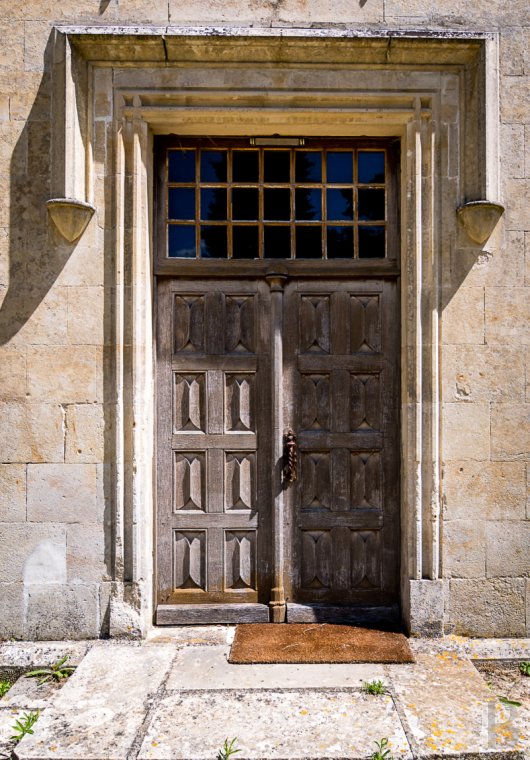
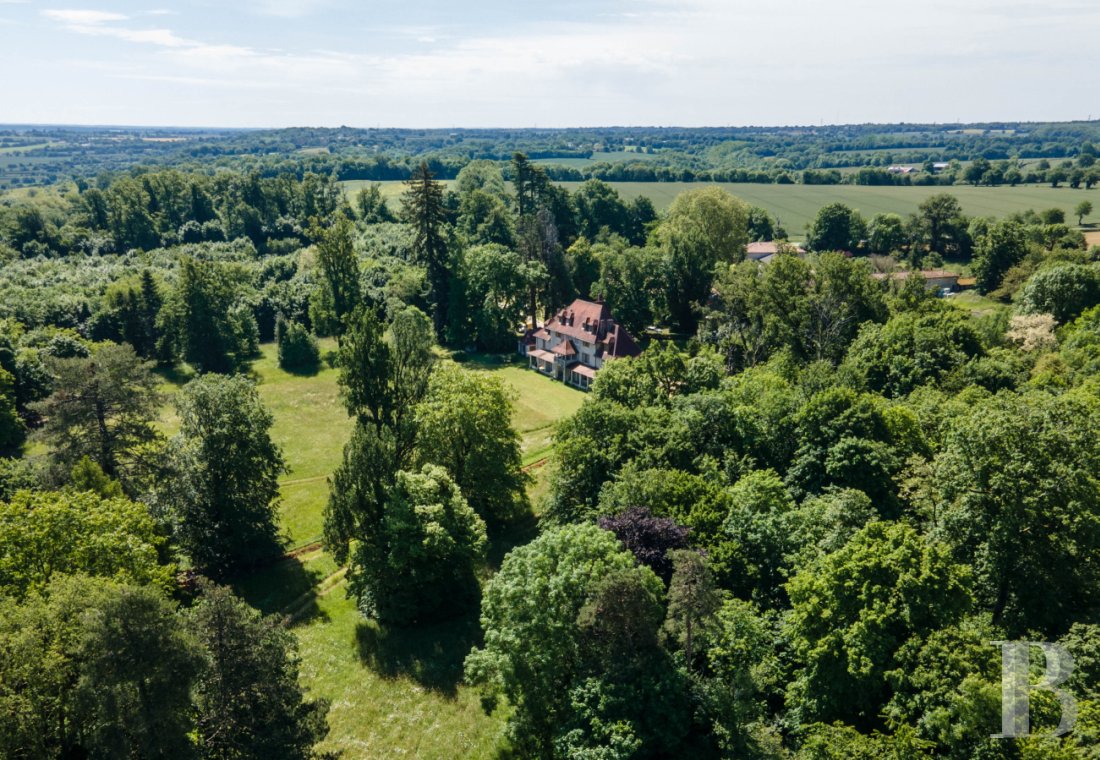
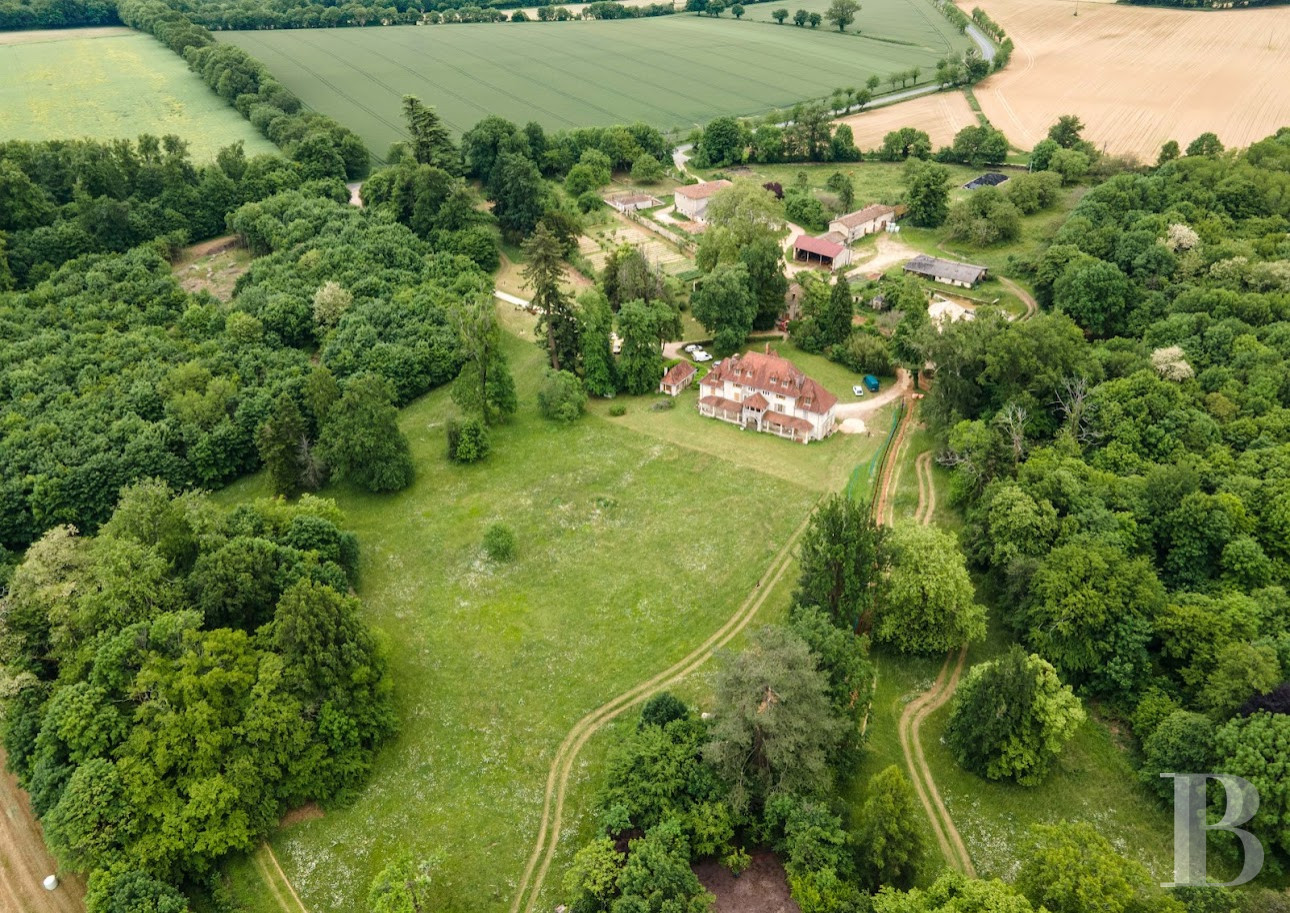
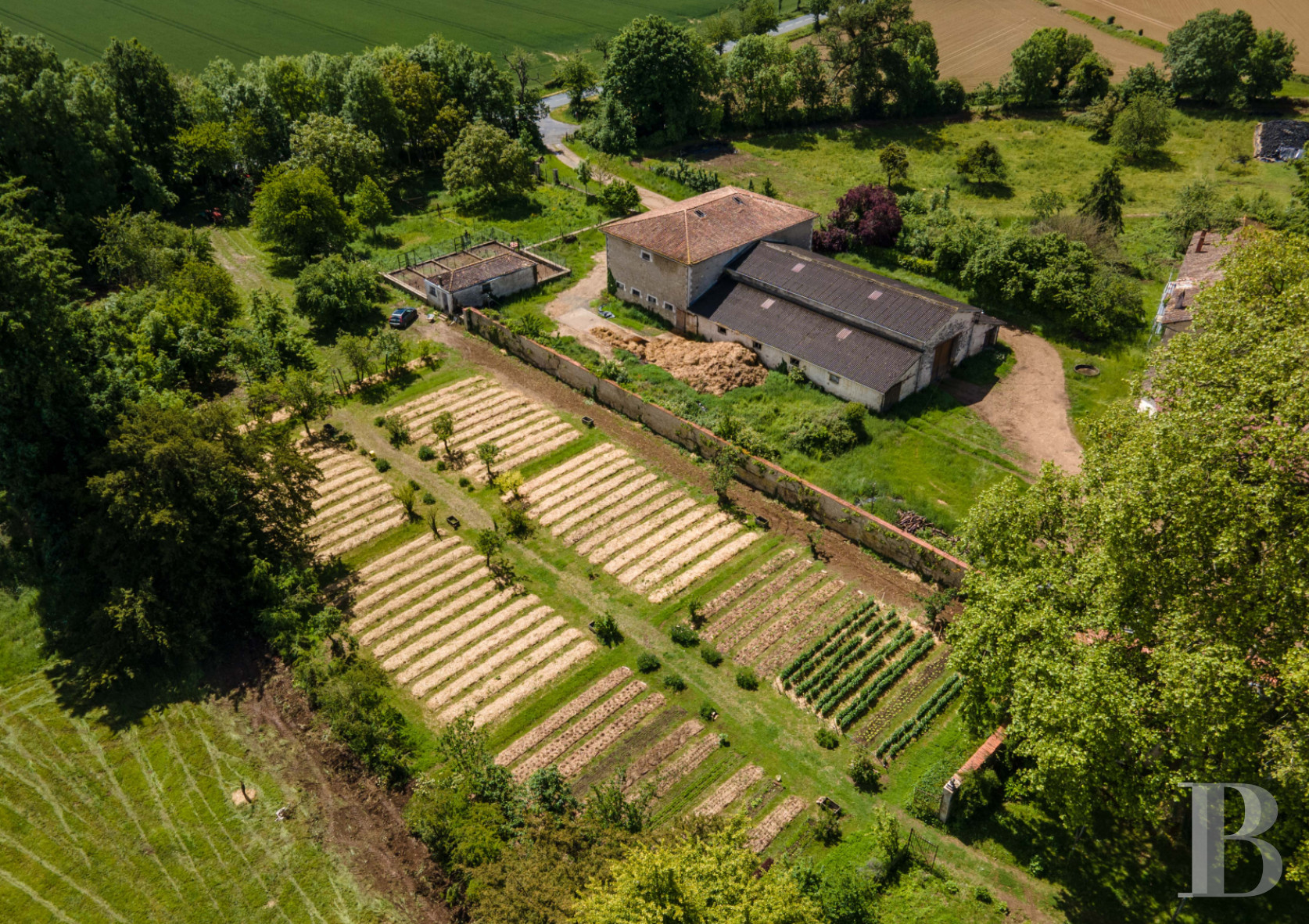
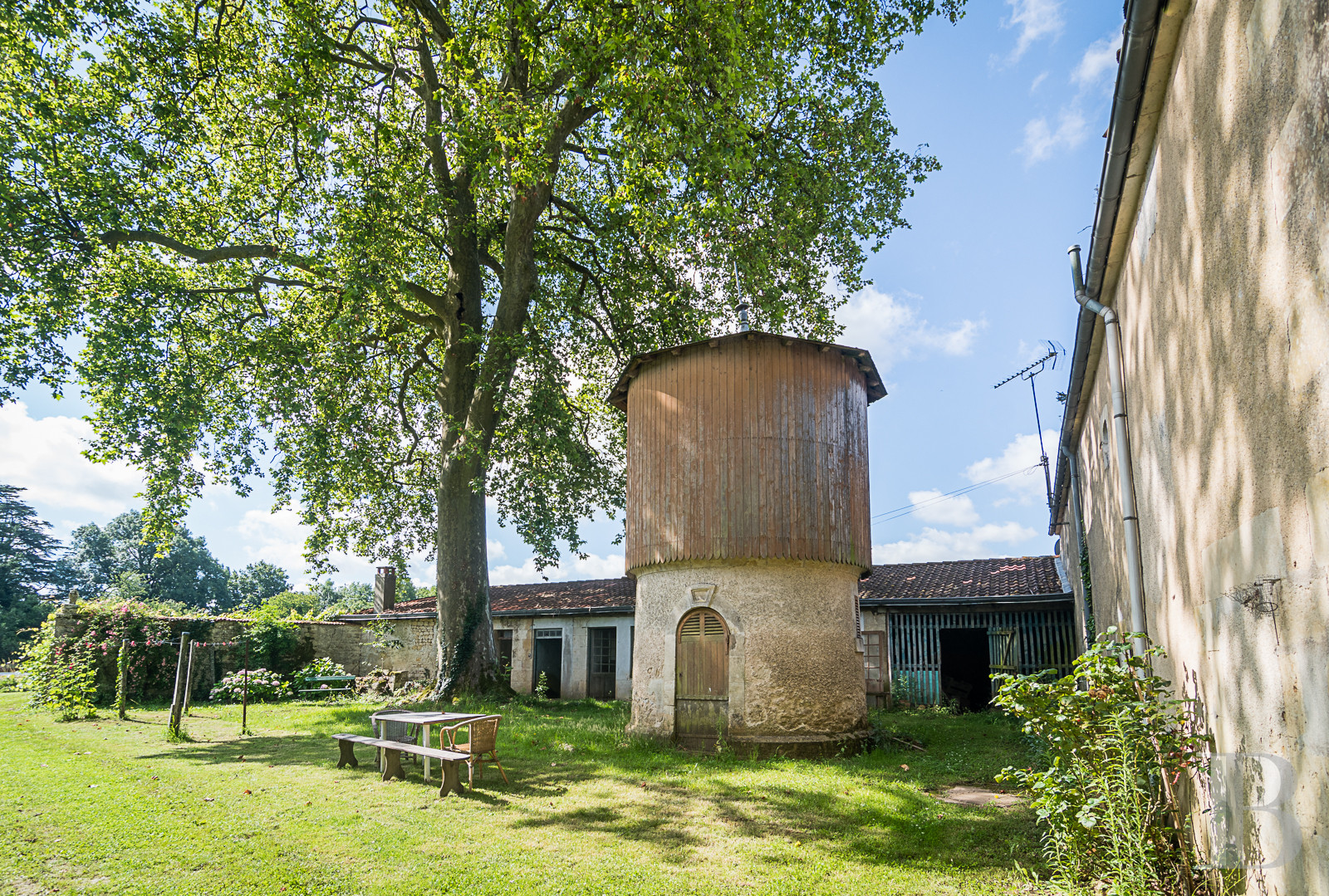
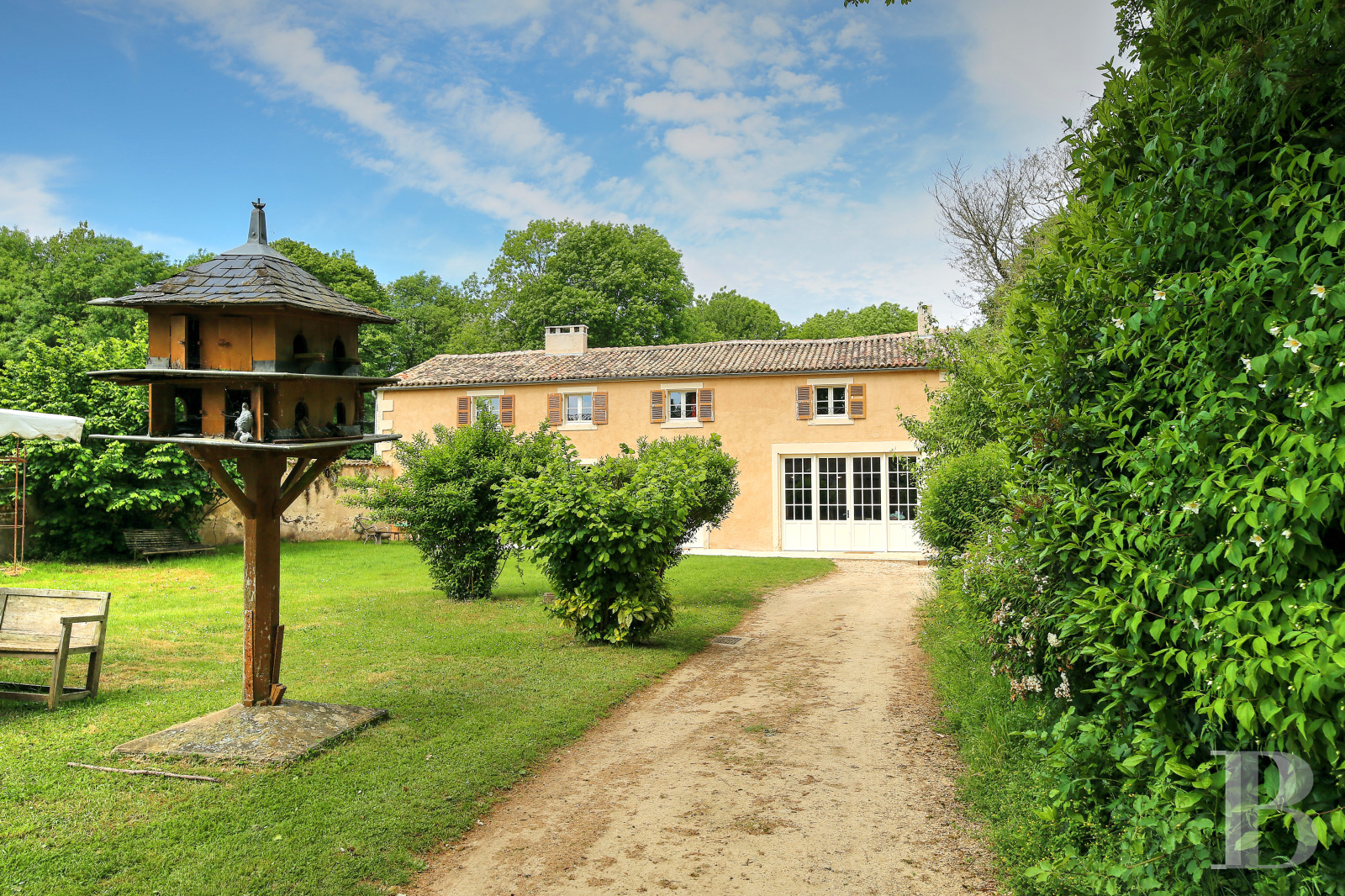
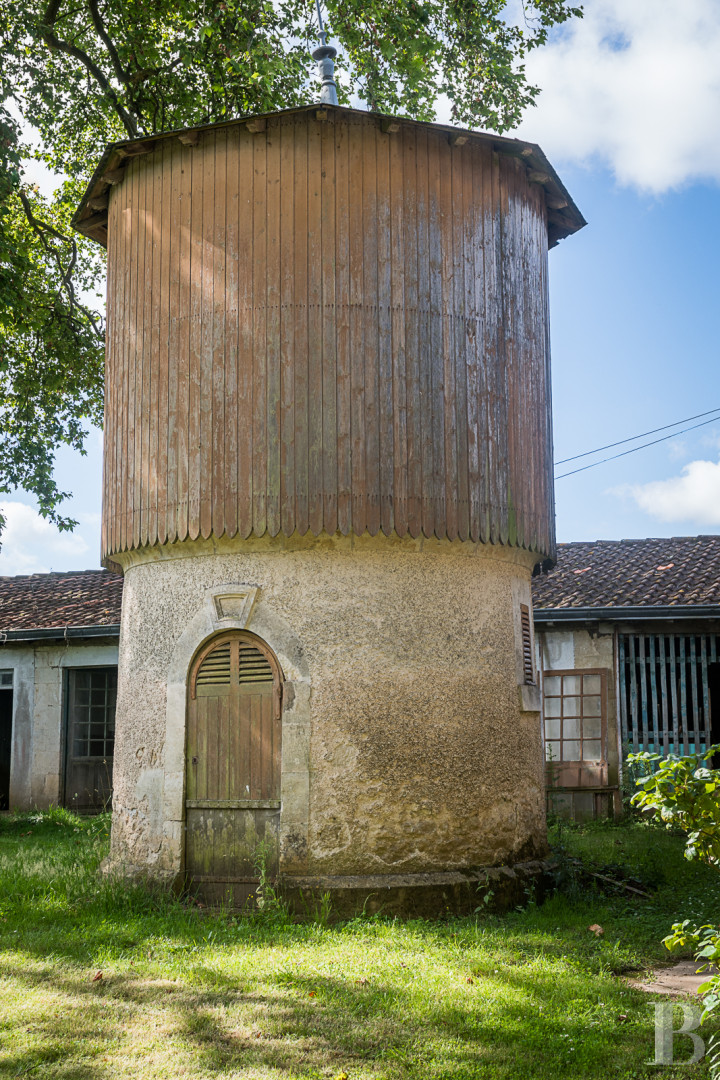
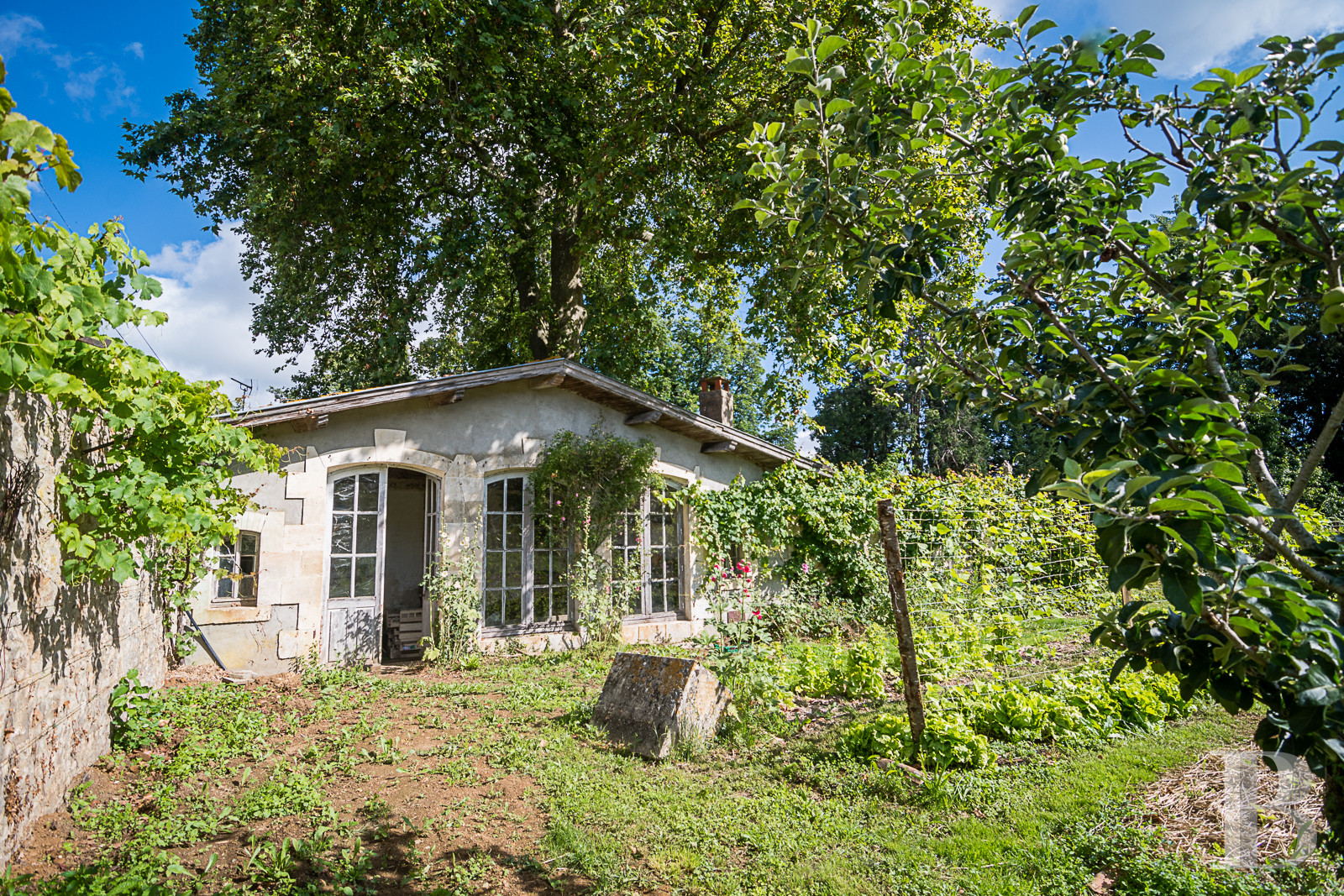
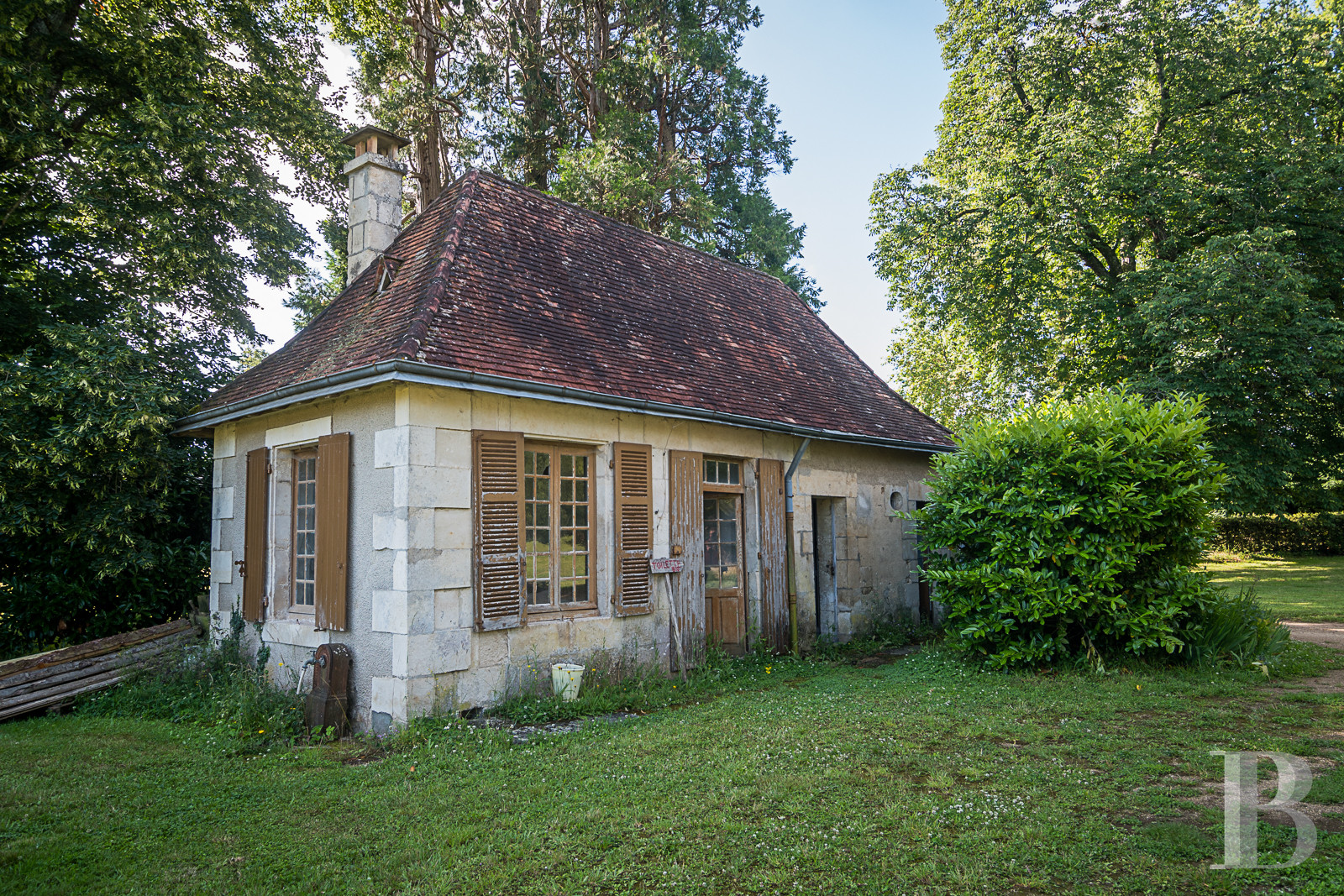
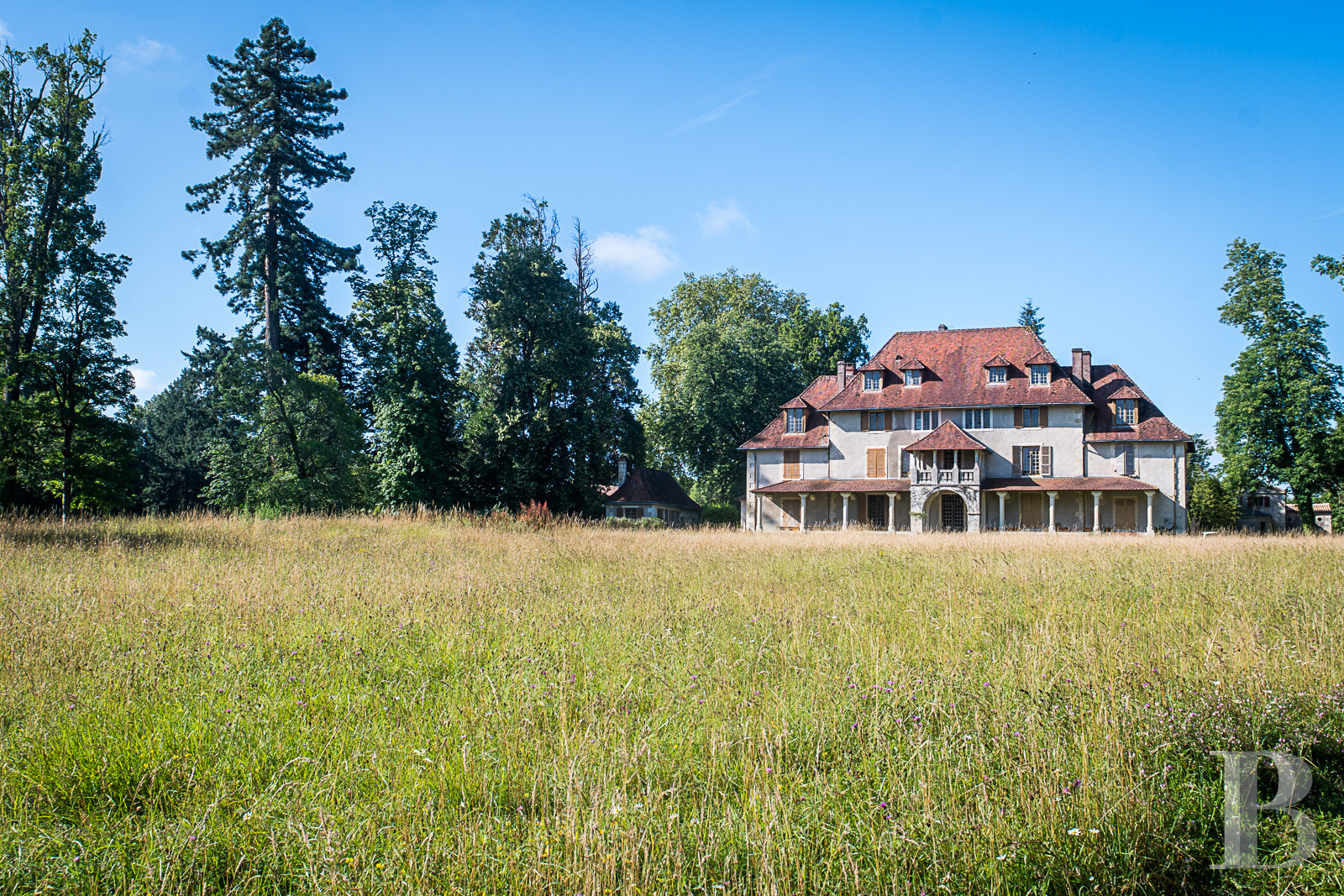
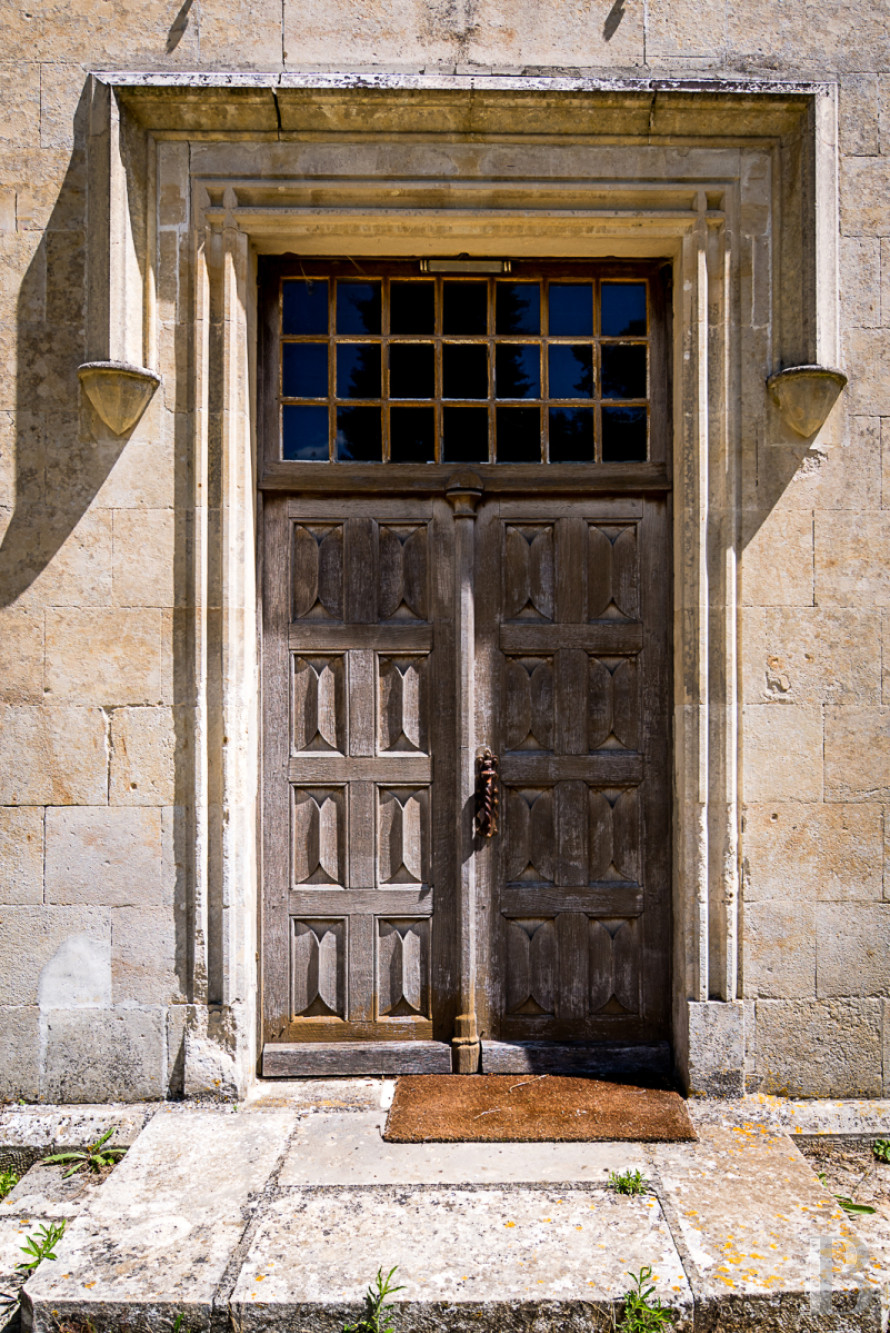
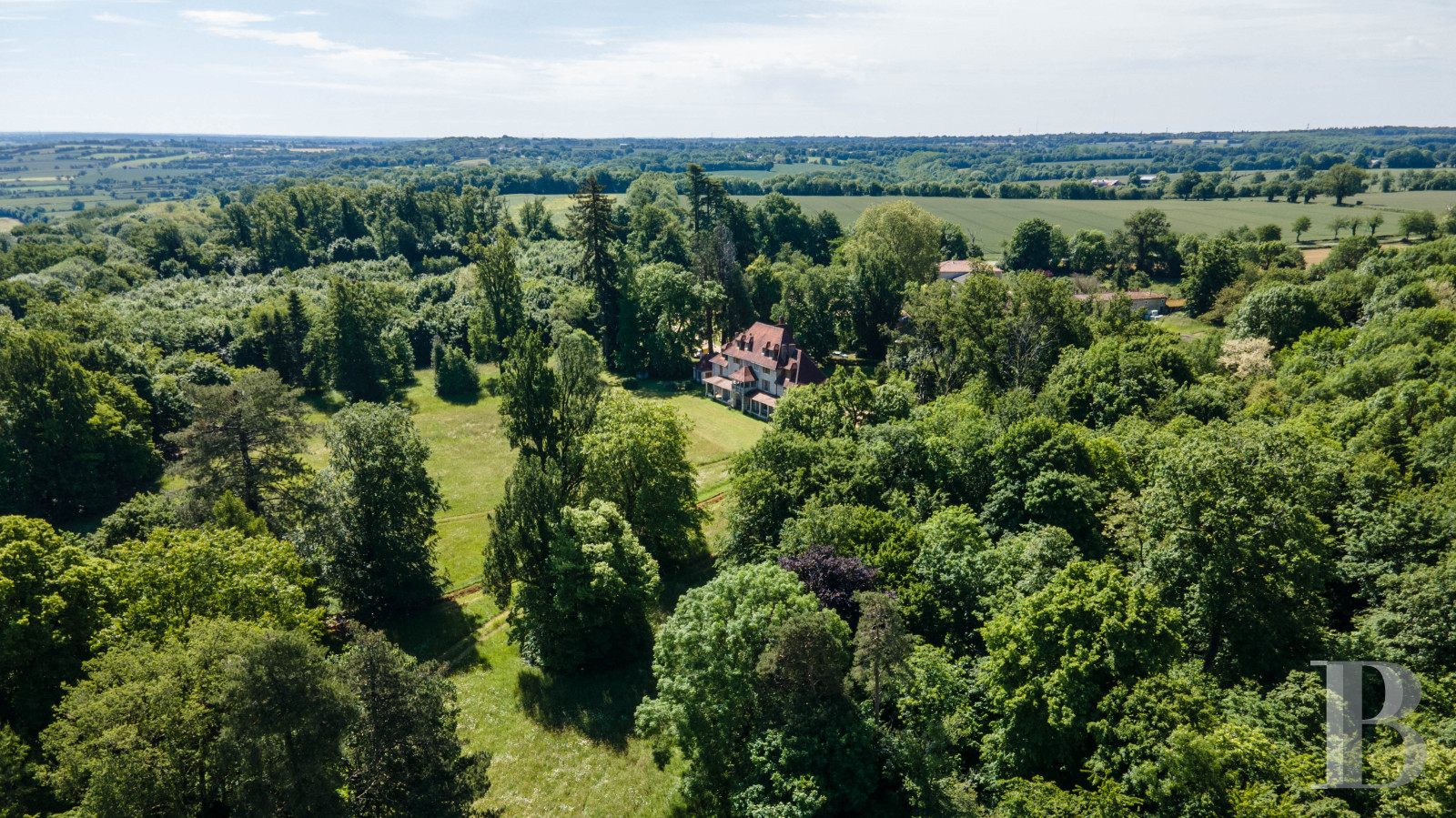
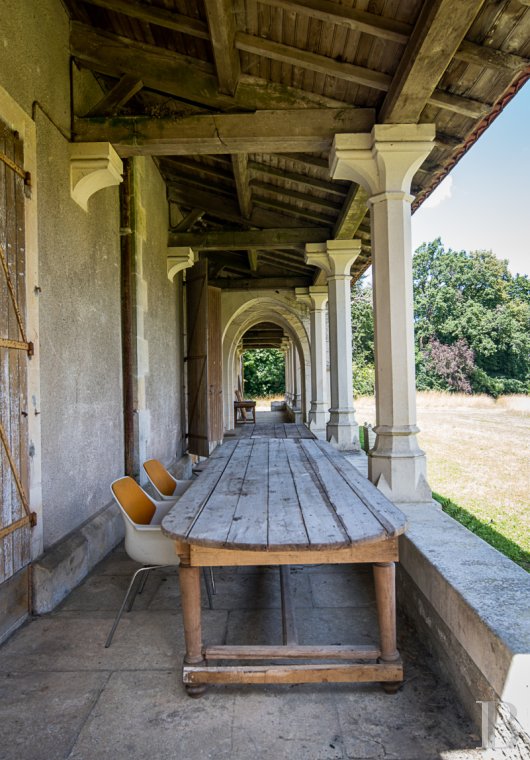
The estate has survived for nearly a century without any major alterations, preserving the layout of a large rural estate of yesteryear. Spread across its grounds are a manor house, farmhouses, meadows, fields, woods, areas used for market gardening and livestock farming, as well as a remarkable water management system comprising springs, a wash house, a ram pump and a water tower. Two architectural styles coexist here. The main house, built in 1842, epitomises bourgeois elegance with its wood panelling, grand staircase with a wrought-iron banister, and its gallery and loggia overlooking the valley. Surrounding it are the farms of Boisguérin, Haut-Péret, Bas-Péret and Fontaniou, which are typical examples of rural architecture in the Poitou region, with their rendered facades, orange-coloured roof tiles, bull’s-eye windows, chimneys and outbuildings. A rare, remarkably well preserved site, bearing witness to an almost self-sufficient agricultural way of life.
The estate’s history dates back to the 16th century, when a farmstead run by Protestant farmers was already situated on the site. It holds a remarkable collection of archives, dating back to 1732, which is currently being studied and made more accessible. In 1840, Théophile Frappier acquired the property, had the large house built, laid out an English-style garden and created a vast agricultural estate, whose structure has largely remained intact. In the 19th century, Louis and Marie de Lalande continued to develop it. A country retreat owned by a family that passed their time between New York, Paris and Bordeaux, the estate became their main residence from 1960 onwards. Inhabited until 2021, this rare estate is now being revitalised through a project combining organic farming, agritourism and event hosting, transforming the estate into a place for living, learning and socialising.
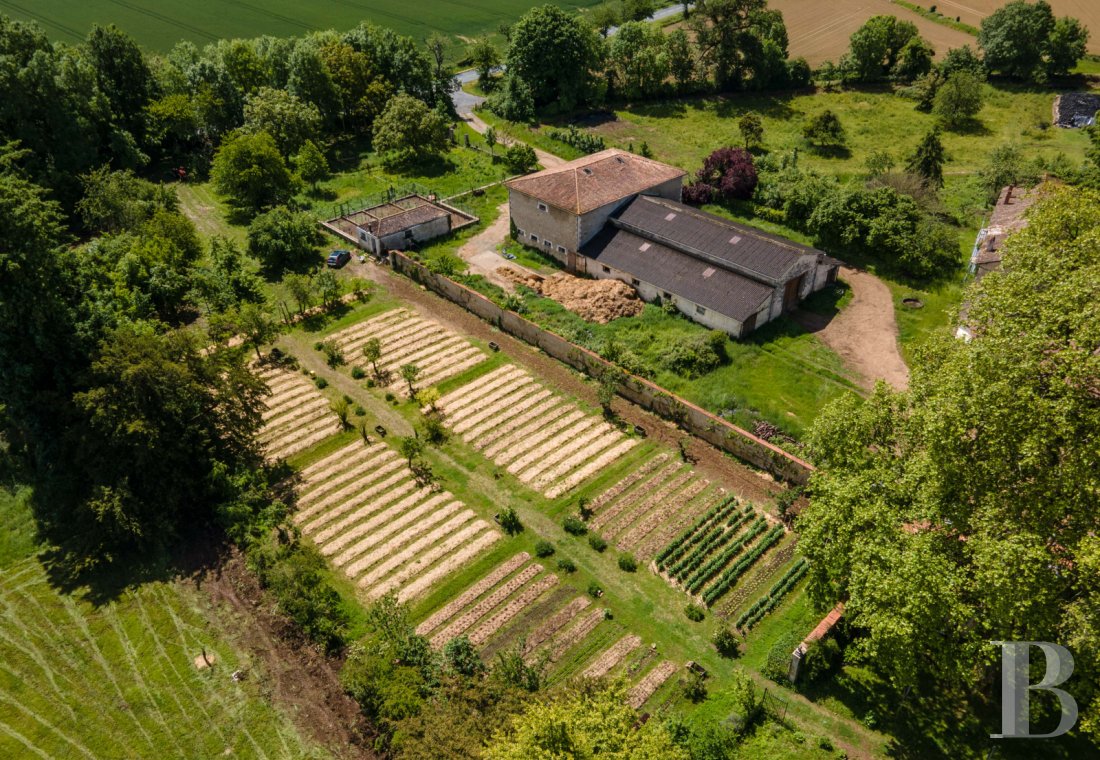
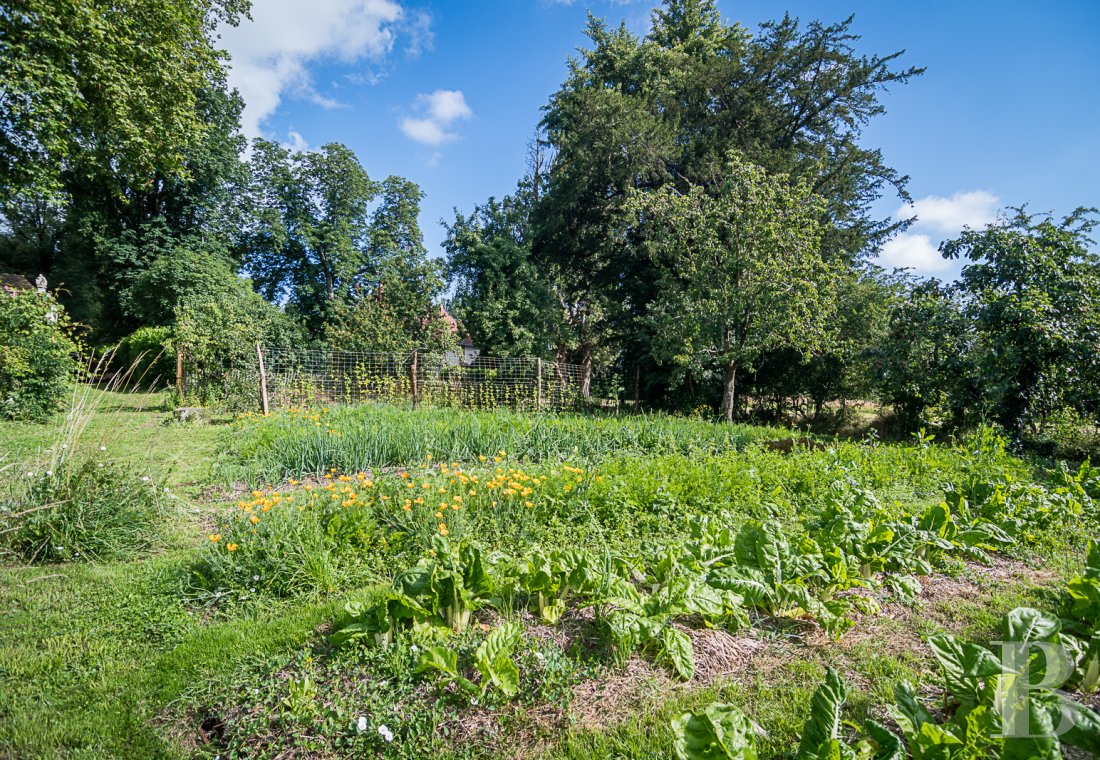
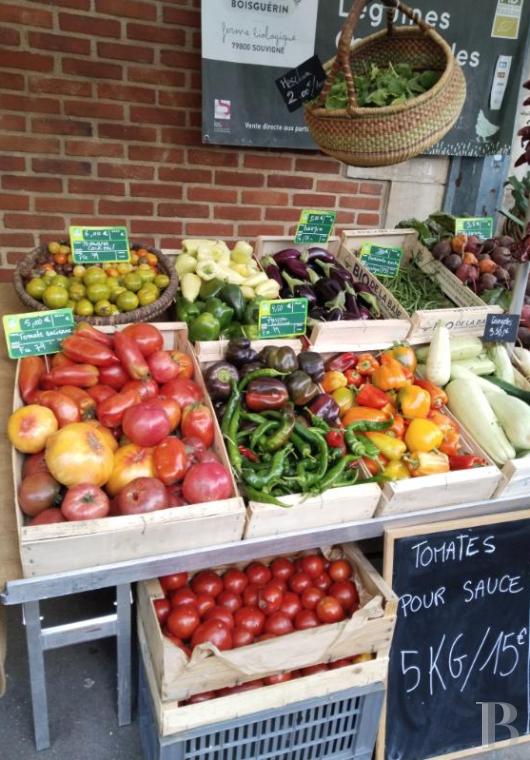
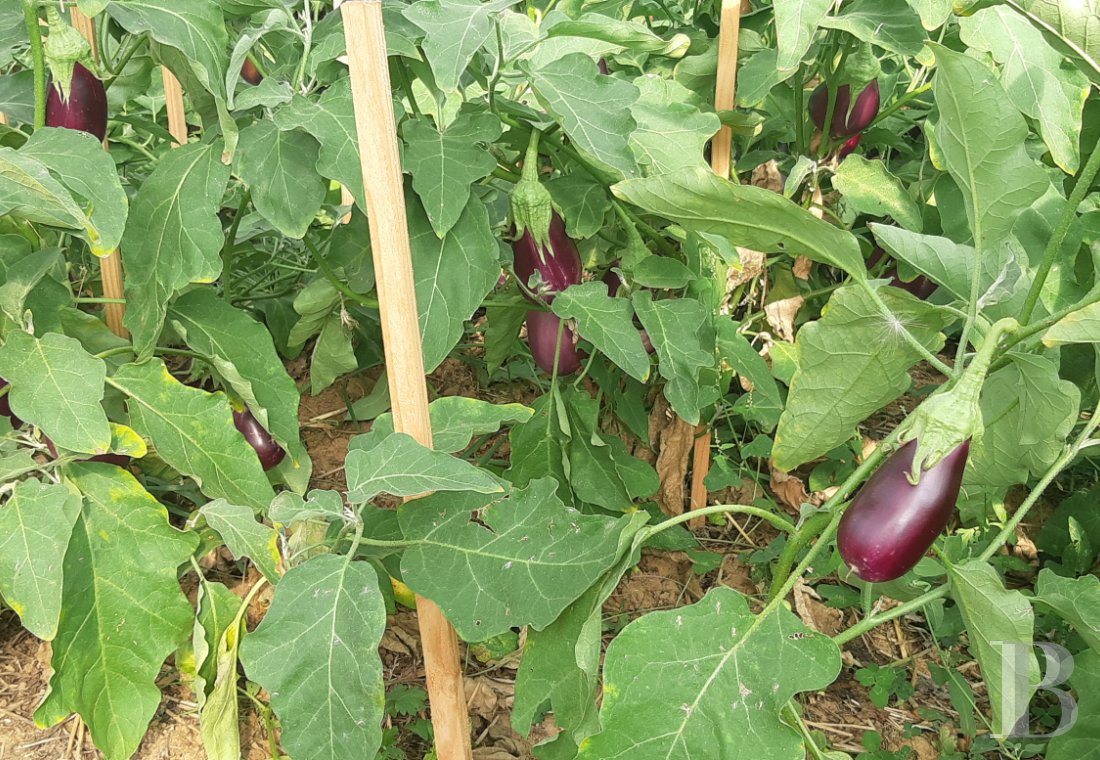
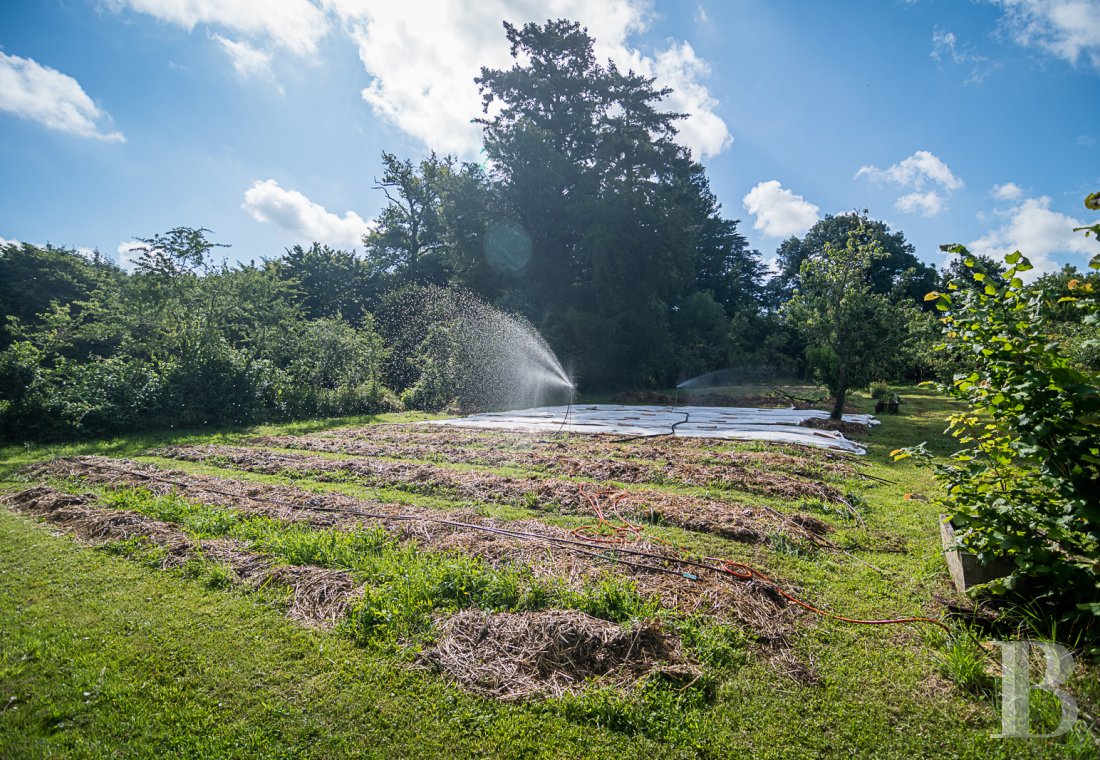
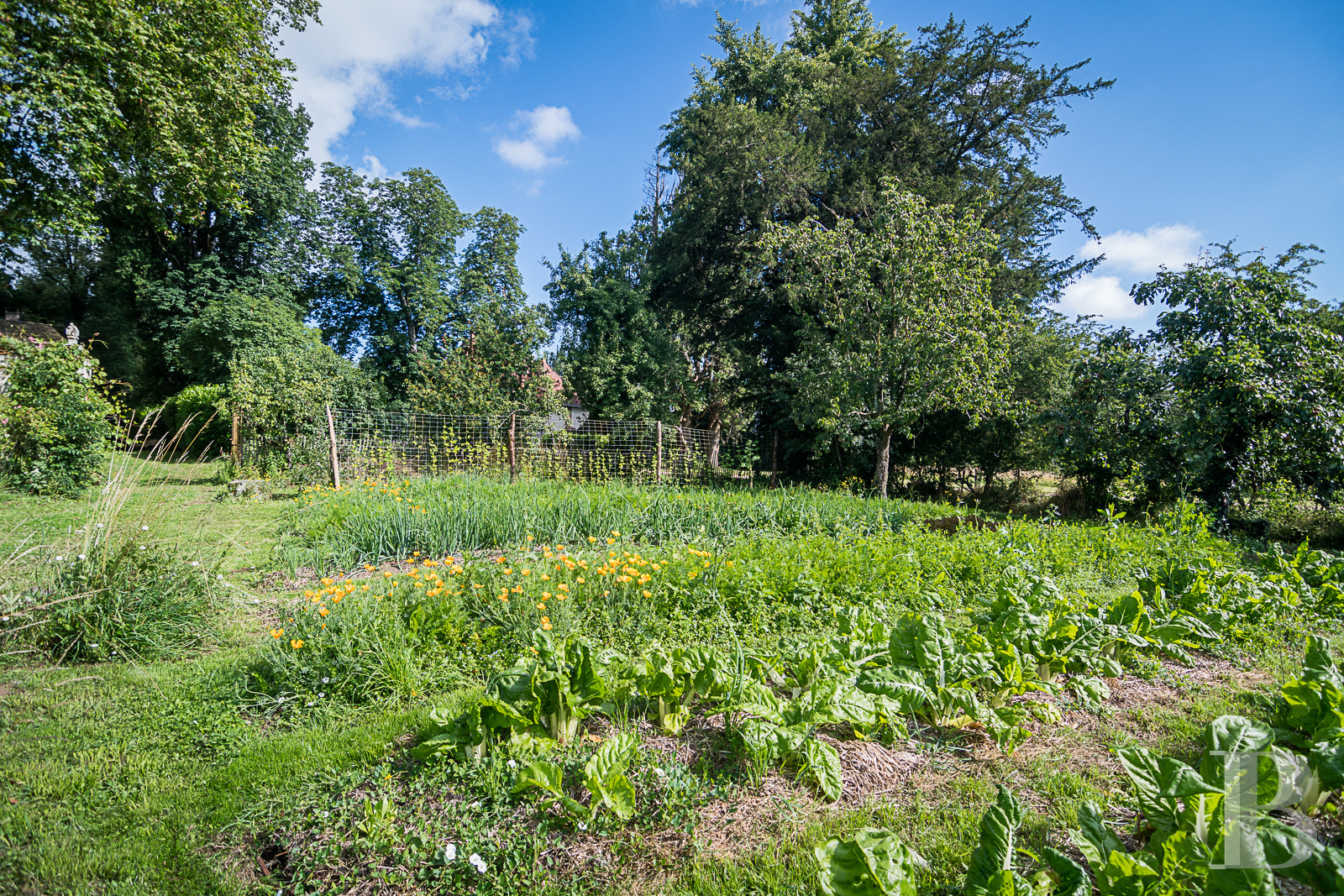
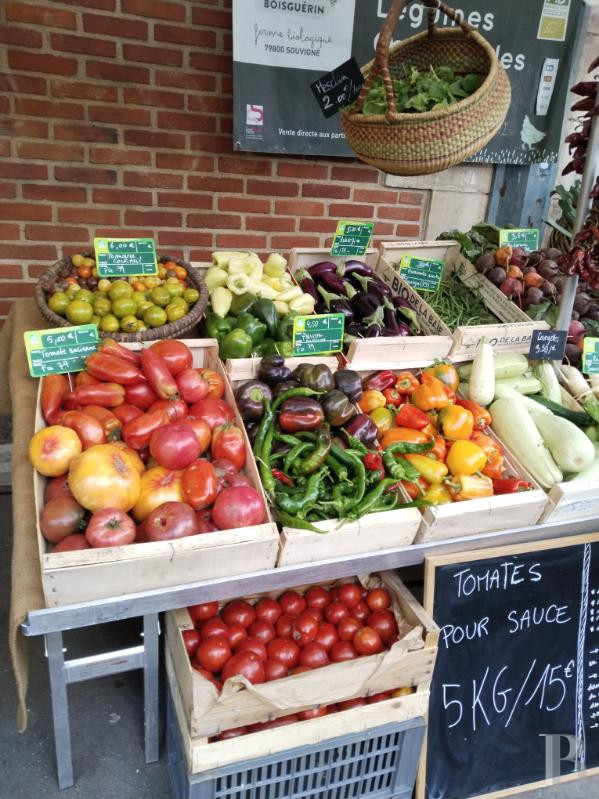
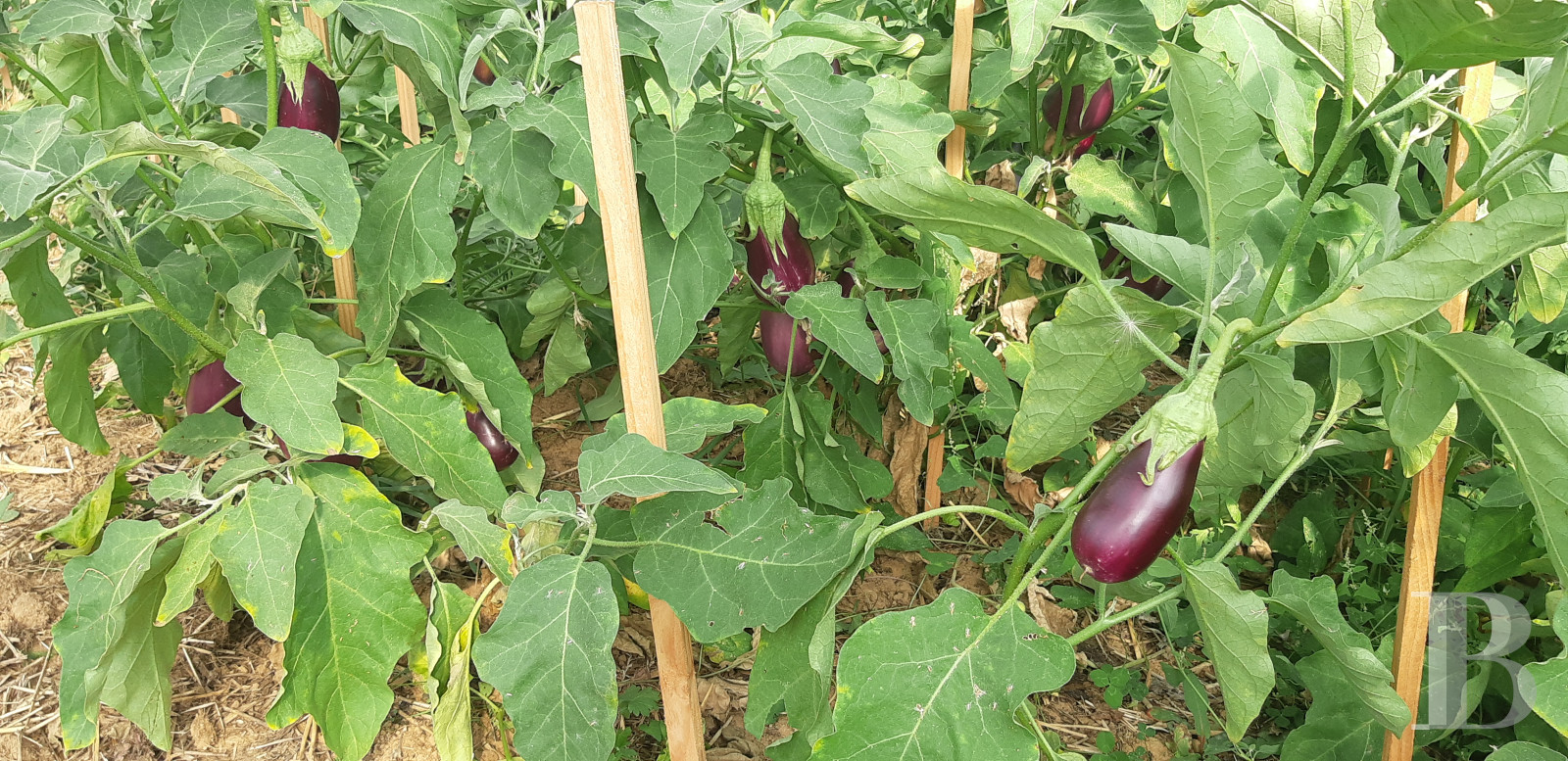
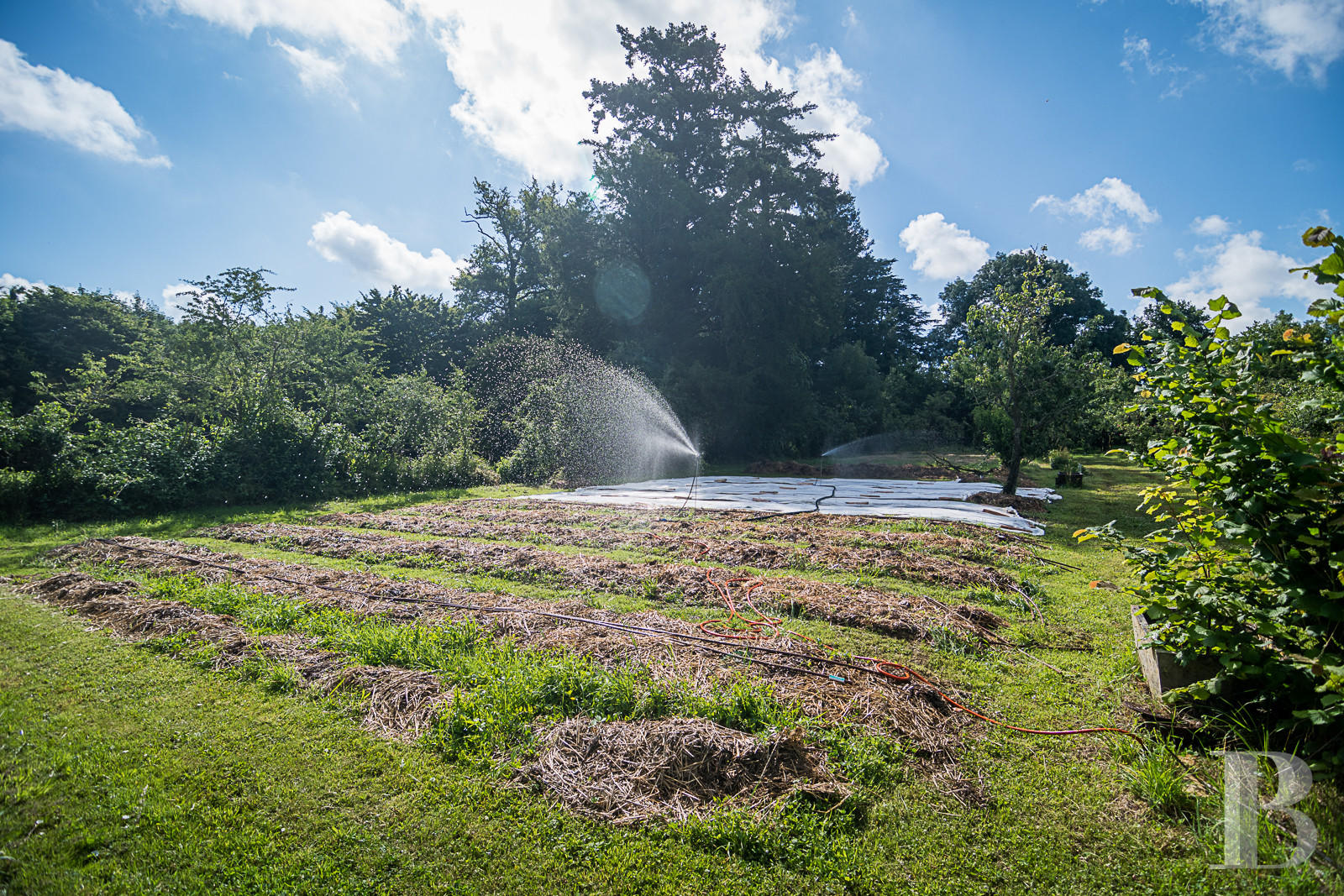
The estate covers 220 hectares in the heart of the Poitou countryside, amidst a landscape of woods, meadows and unspoilt fields. It invites visitors to immerse themselves in a living heritage, where nature and history complement one another. True to its rural heritage, it is now home to an organic market garden, a flock of Marans hens producing free-range eggs, and beehives that provide honey. Organic sourdough bread can be baked in an old wood-fired bread oven. The estate’s produce is offered to guests in the form of hampers or tastings. Throughout the year, workshops and courses on market gardening, baking and traditional crafts extend this experience. A community bar and meetings with members of the cooperative offer a chance to discover the collective project that is now breathing new life into the venue.
In Melle, the “Art & Gourmandise” tea room and patisserie charms visitors with its creations, which are as elegant as they are delicious. Lovers of local produce will enjoy the goat’s cheeses from “Cabri d’Azay” and “Trogne de Chèvre”, as well as the organic fruit from “Vergers de la Garmantière”. Nearby, the Hermitain State Forest (614 hectares) has some magnificent walking trails. The Chambrille Valley boasts schist and garnet landscapes, whilst the Côte-Belet offers sweeping views and is home to rare wild orchids. Finally, the “Tumulus de Bougon” invites visitors to explore one of Europe’s oldest necropolises, dating back more than 6,000 years.
400 € - 1000 € / week
350 € - 700 € / week-end
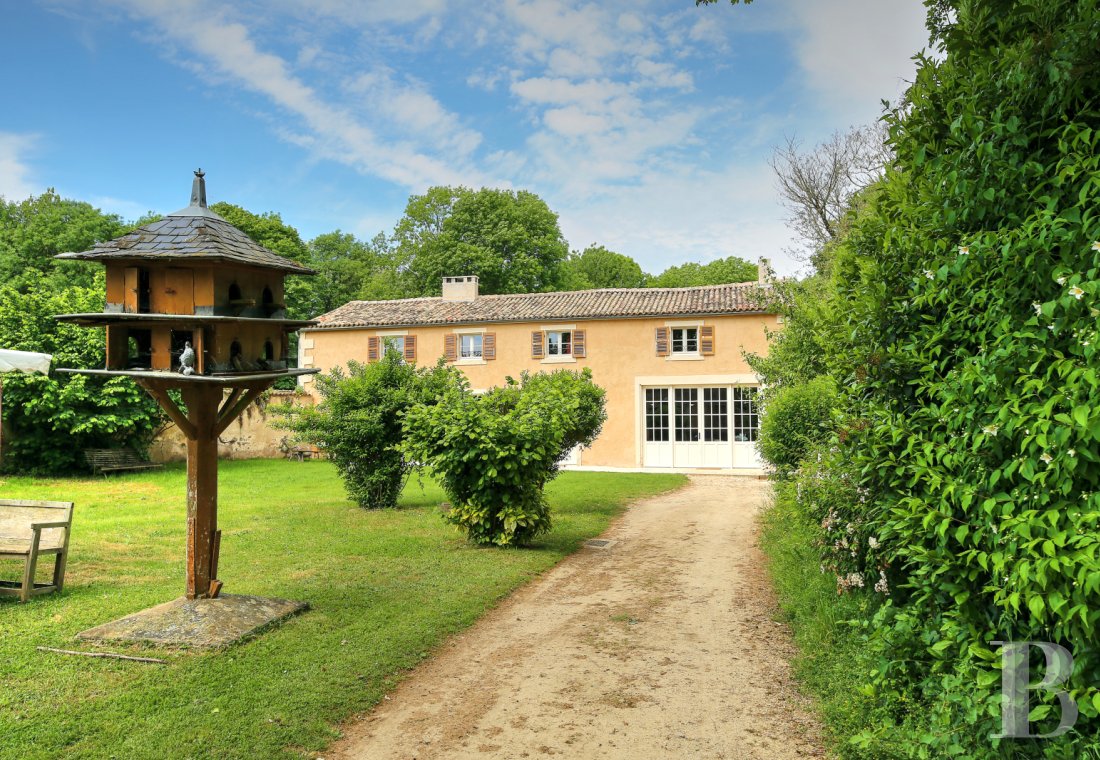
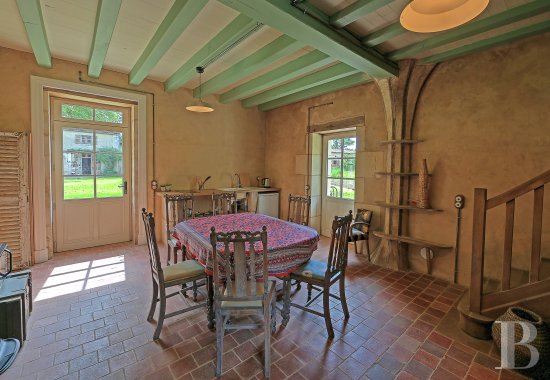
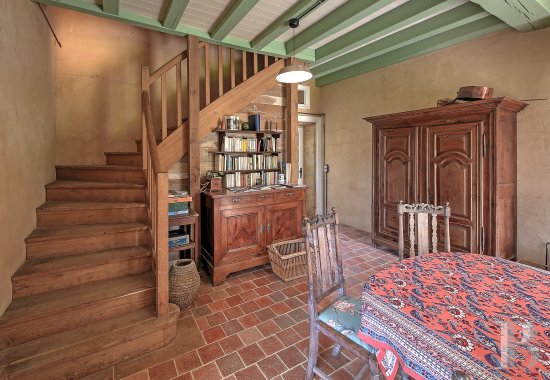
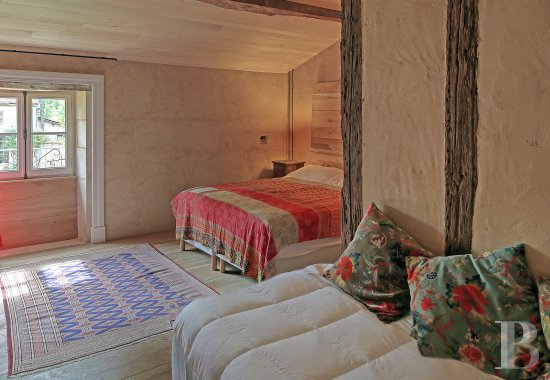
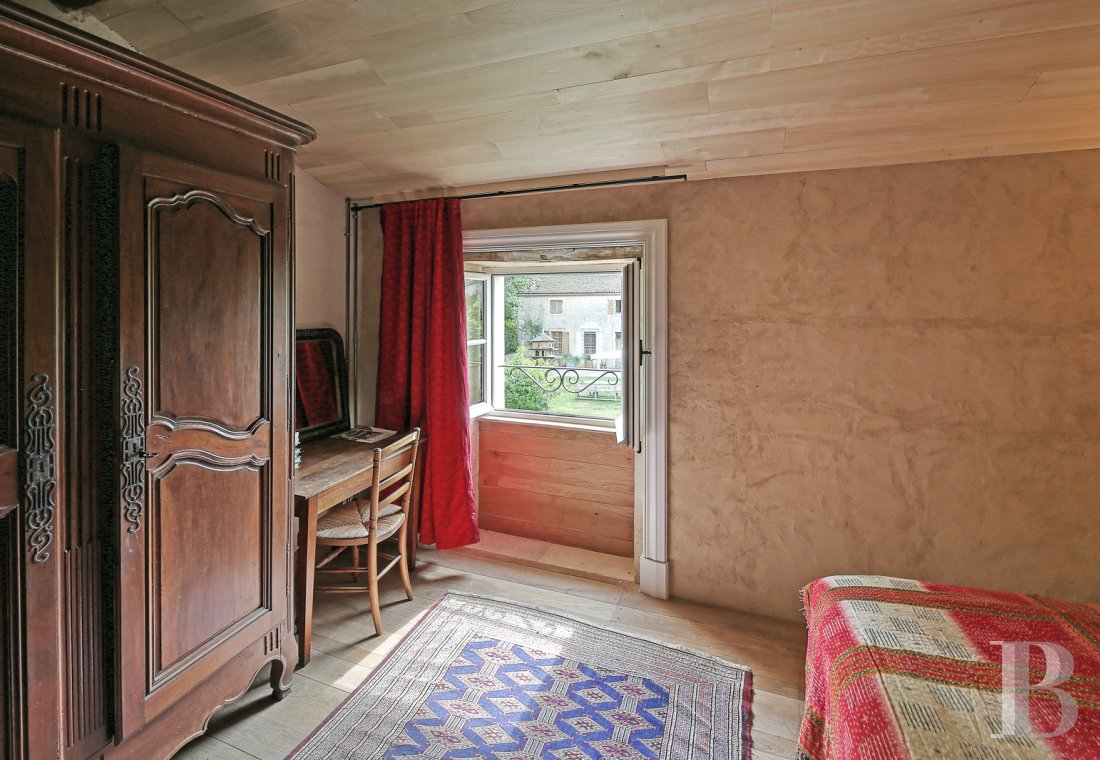
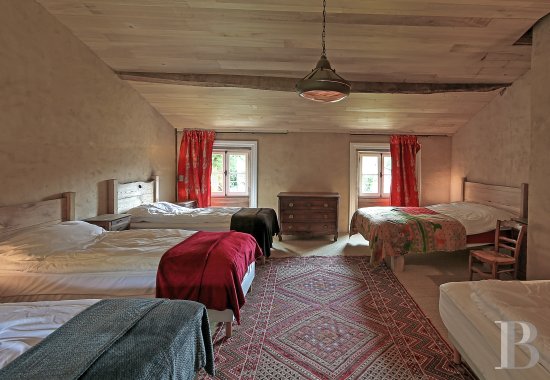
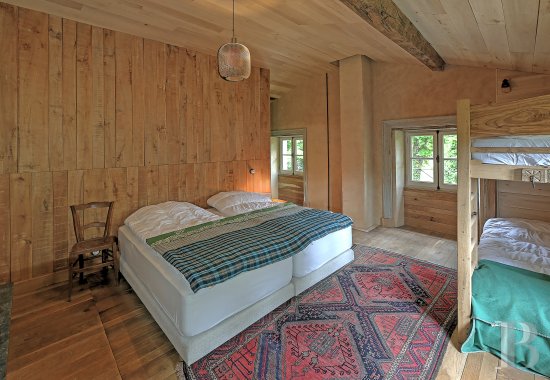
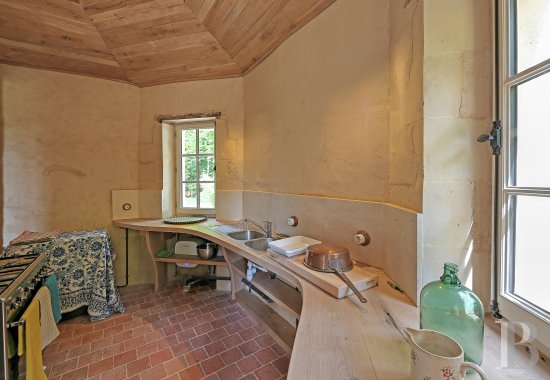
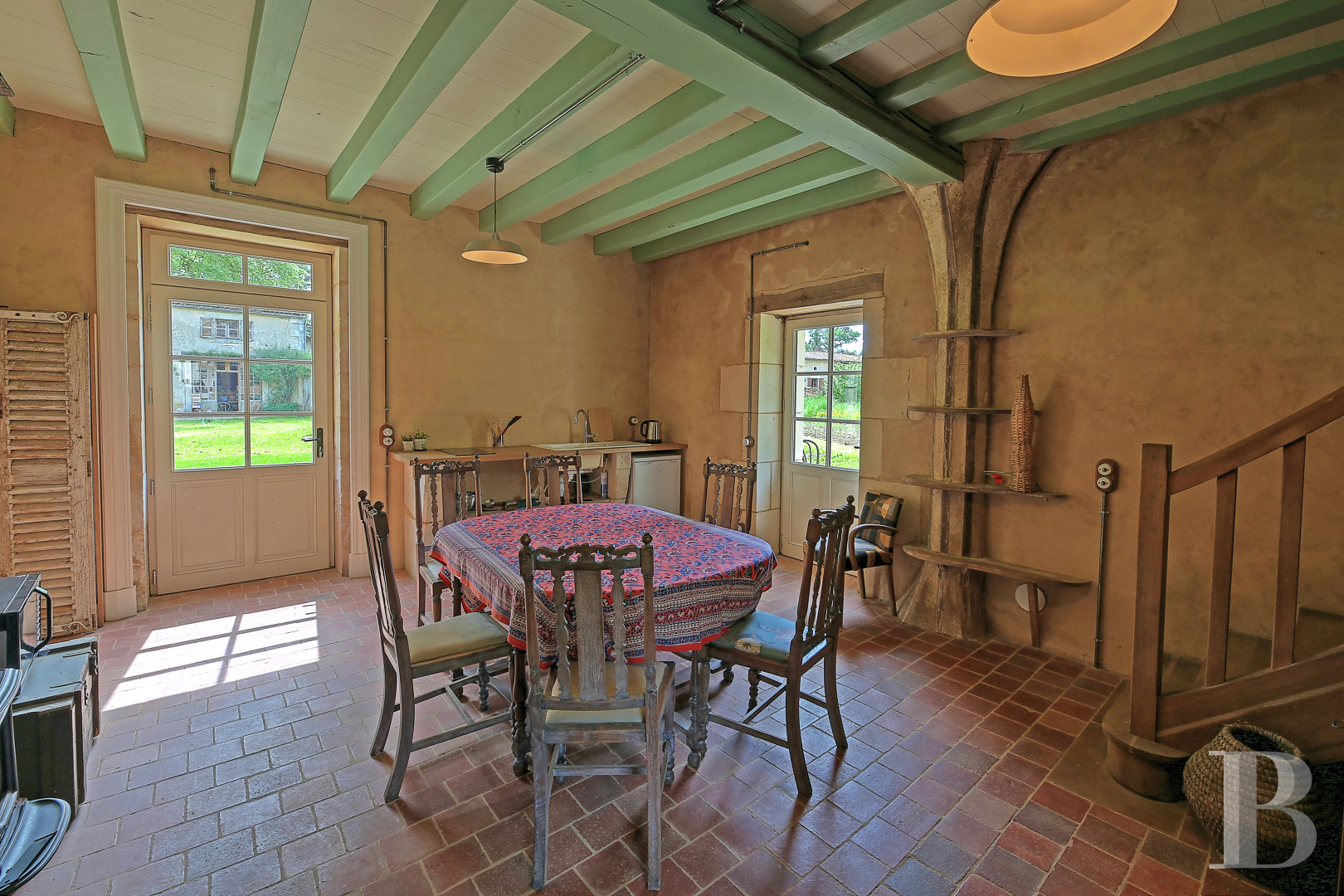
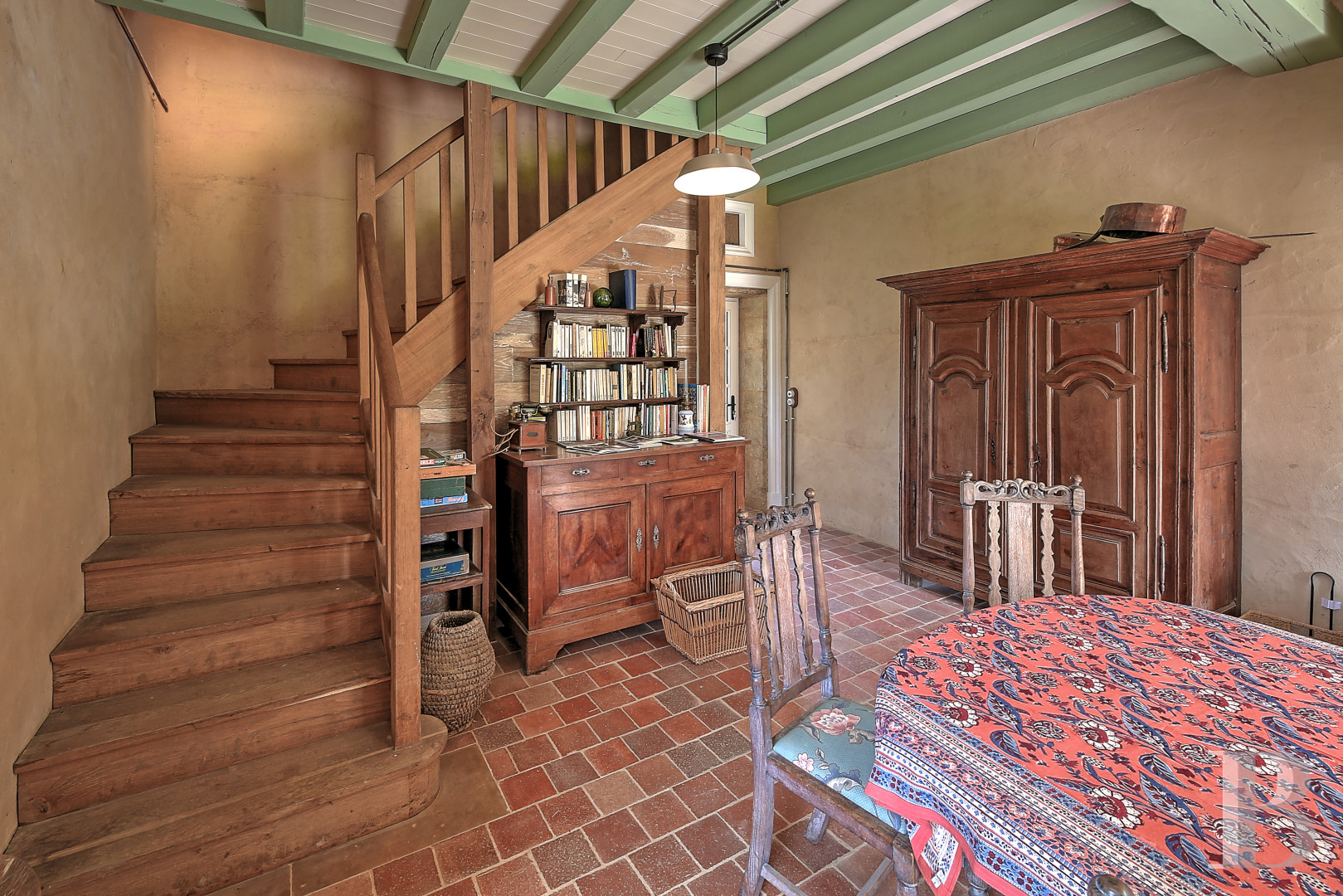
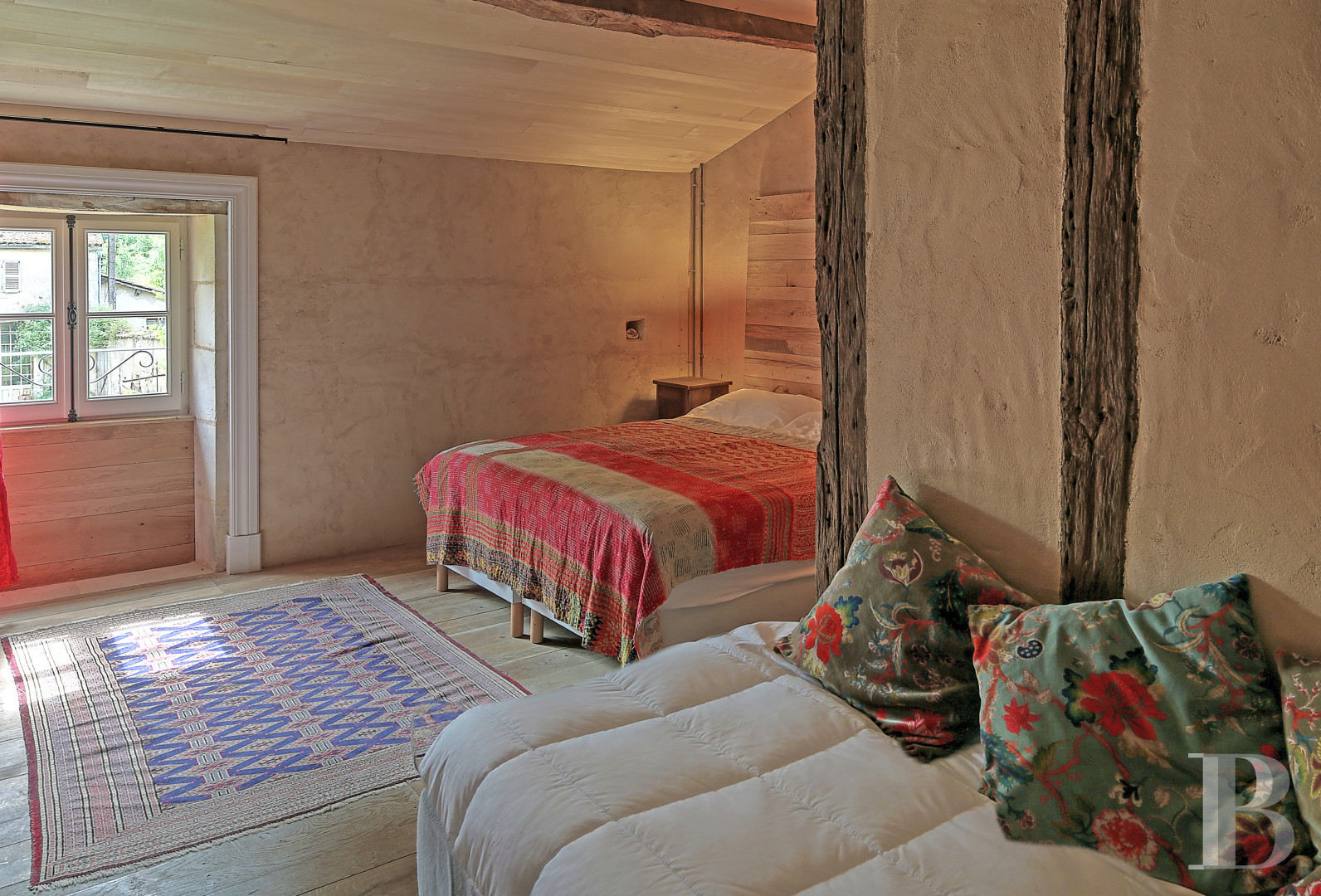
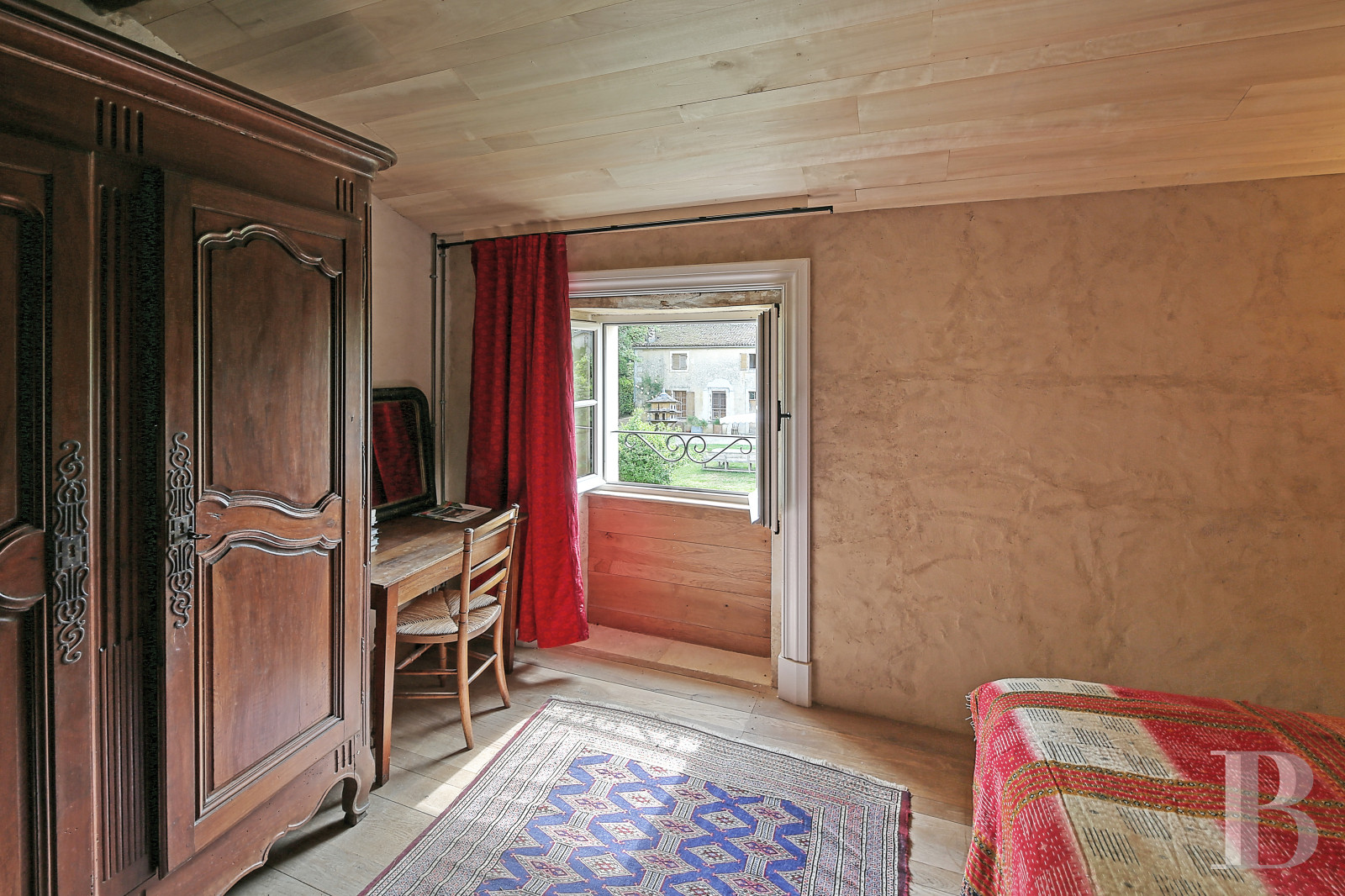
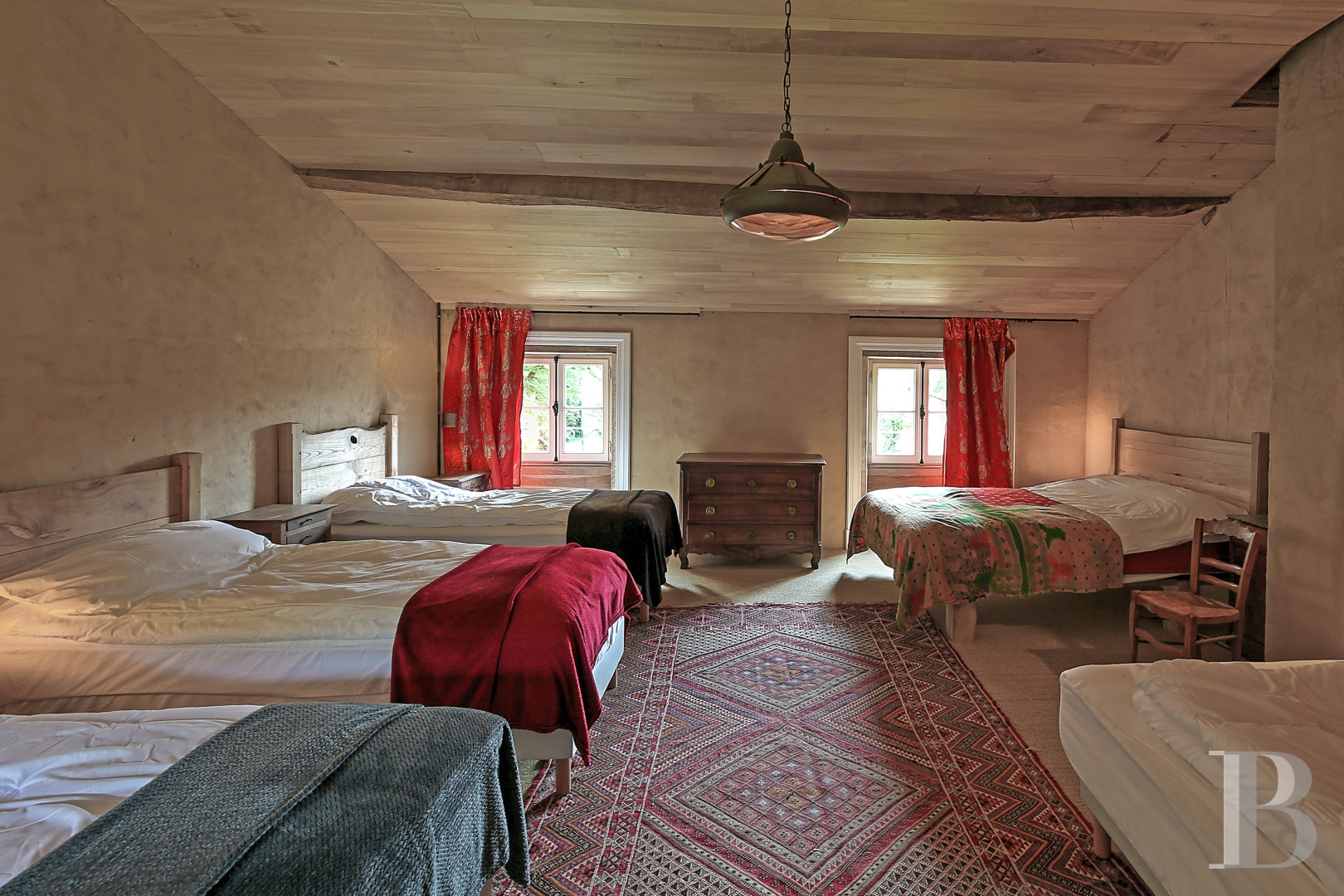
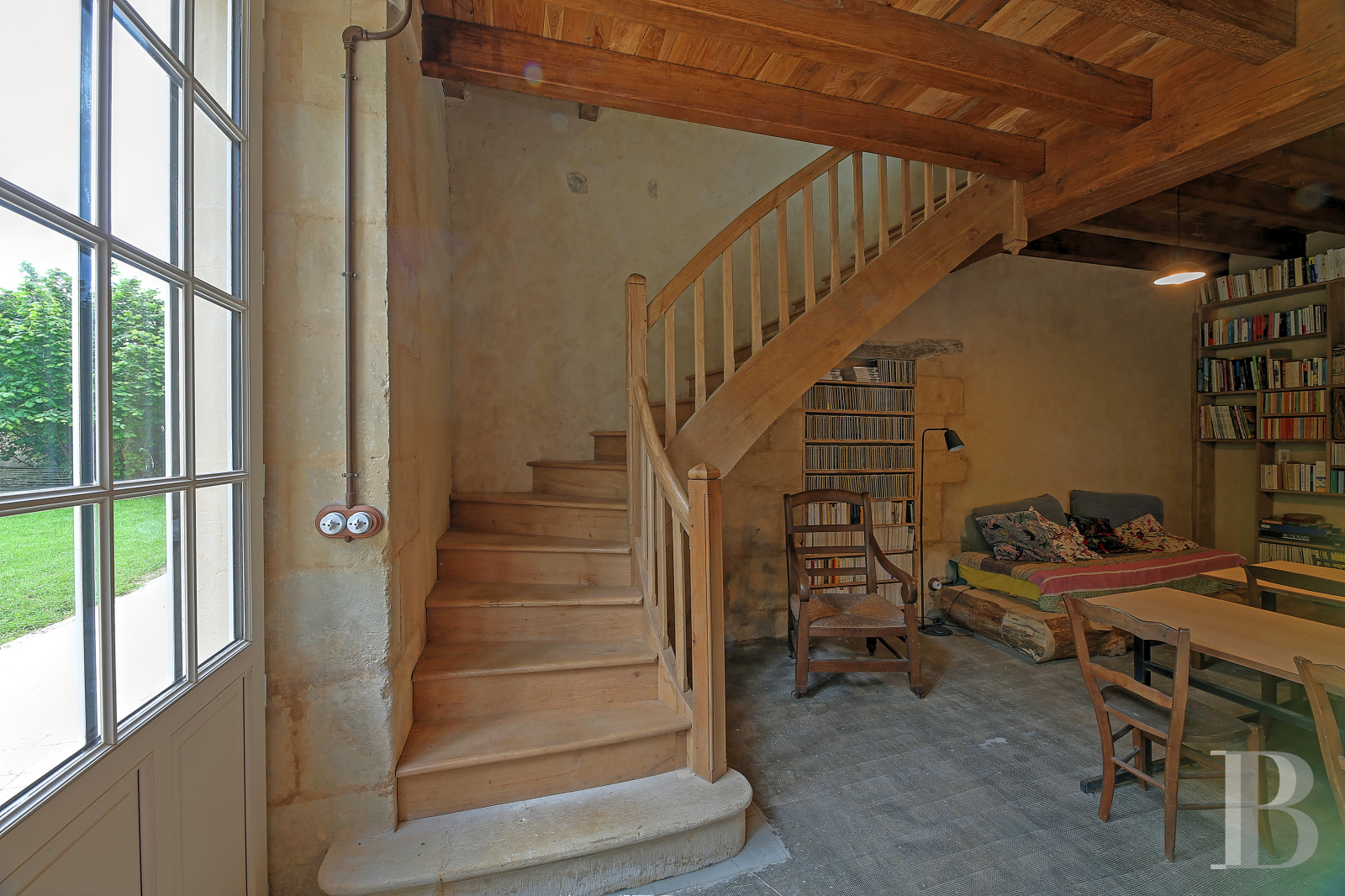
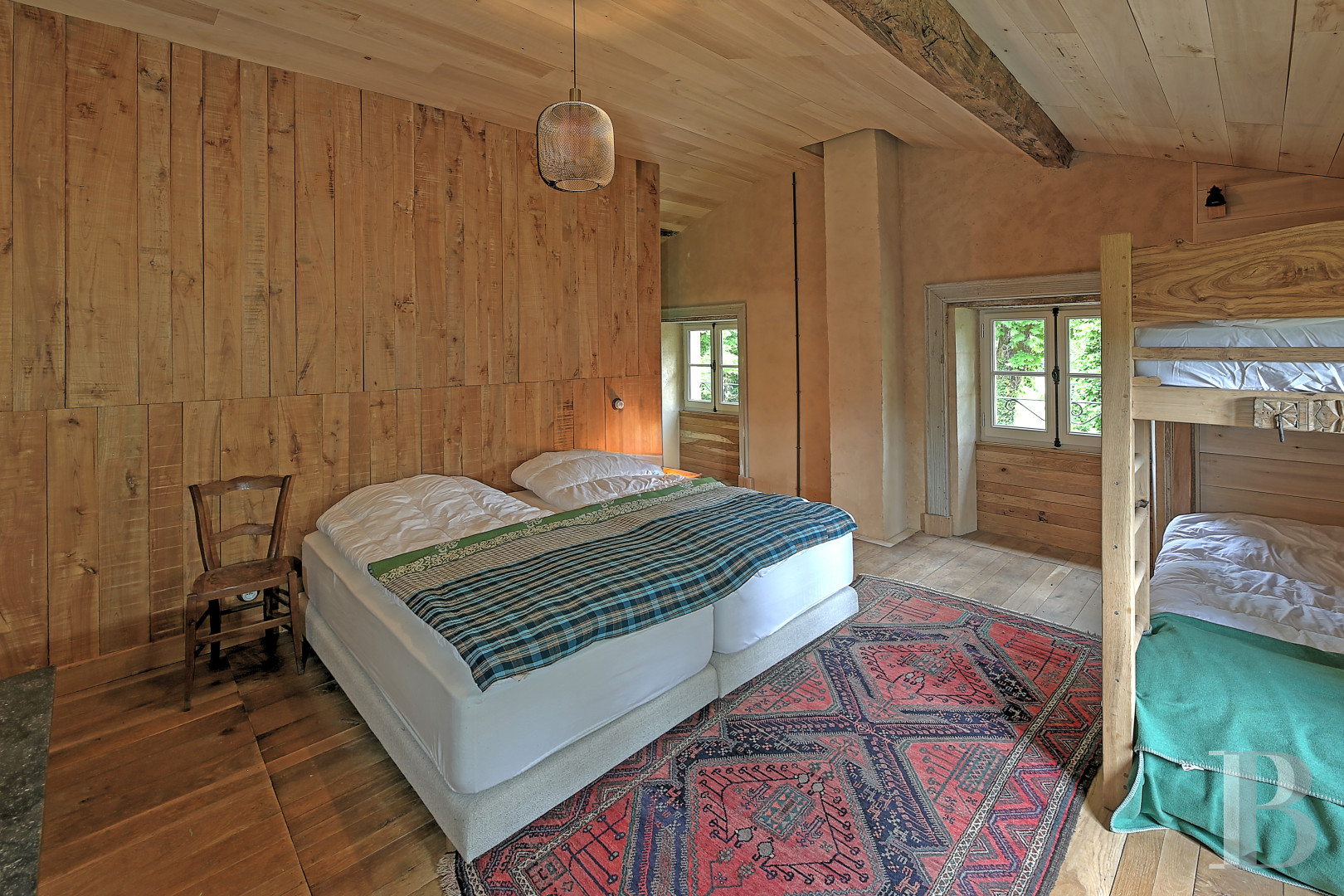
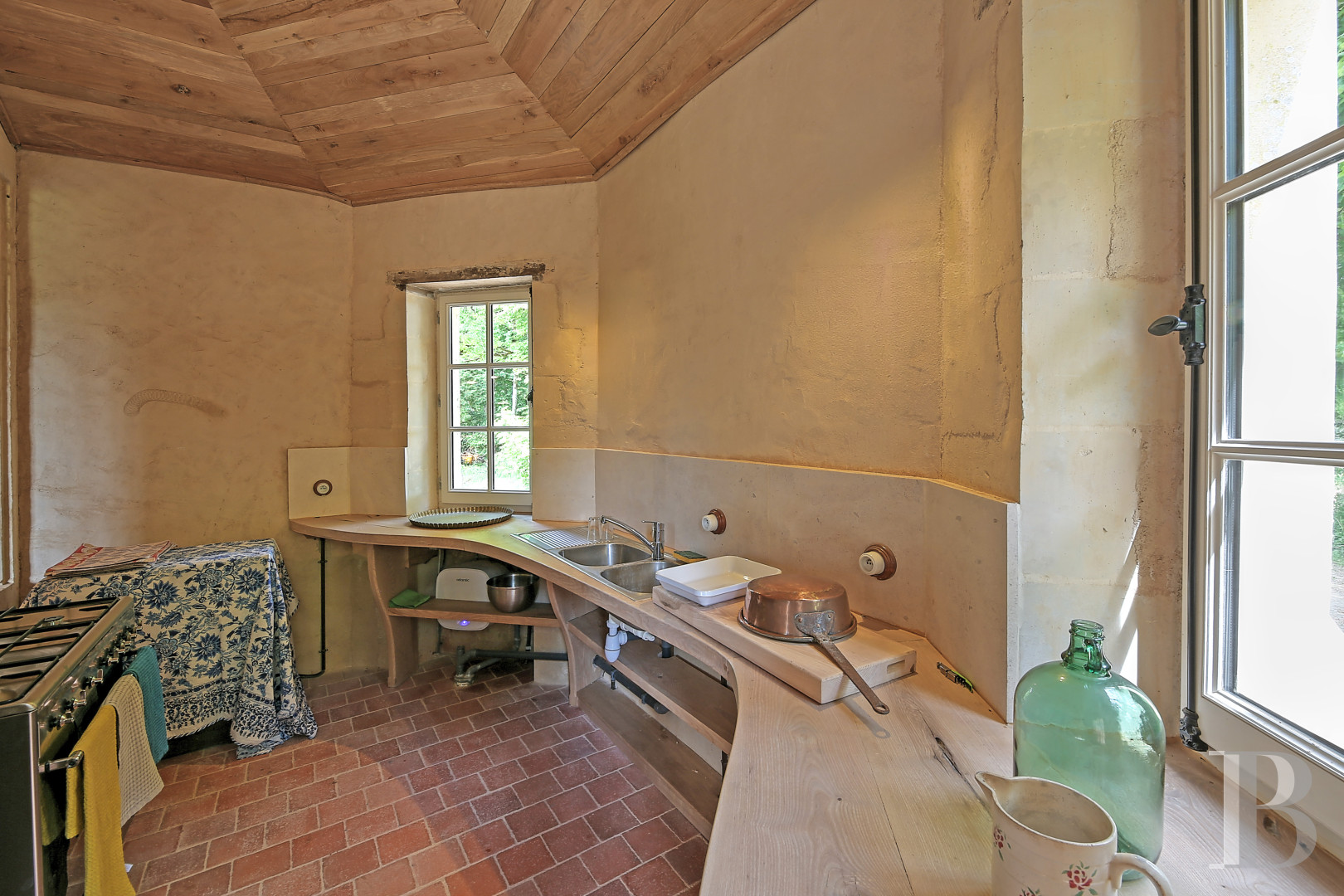
The estate has three holiday cottages in the same building, each with its own entrance, which can be rented out separately or combined to accommodate up to 14 people. La Terrière, a single-storey property suitable for people with reduced mobility, comprises a living area with a kitchen, a double bed and a shower room. La Tâle has a living room with a dining area, a kitchen and, upstairs, a bedroom with a double bed, a single bed and a shower room. Le Plan Bois comprises a spacious living area with a fitted kitchen and dining area. Upstairs there is a bedroom with a double bed, a bunk bed and a shower room. A six-bed dormitory with an en-suite bathroom can complete the package. It is only accessible from one of the last two holiday cottages and cannot be rented out separately. A private chef or a catering service can be arranged on request. A semi-professional kitchen is also available for meals and receptions.
ref 572604
1500 € - 2000 € / week
A former farmhouse now houses three self-catering cottages which can be combined to accommodate up to 14 people. The property comprises three bedrooms, each with an en-suite shower room, a six-bed dormitory with a shared bathroom, several living areas and a large kitchen. There is a car park at the entrance to the estate. A semi-professional kitchen suitable for hosting larger-scale meals, receptions or cocktail parties is available on request.
ref 572604
Introductory courses in woodworking trades (joinery, cabinetmaking) and stone carving. Participants learn the basic techniques by creating a practical piece of work, whilst acquiring the essential theoretical knowledge. Lessons on tools, materials and techniques are delivered in the form of short modules, which are gradually incorporated into the practical work to encourage immediate understanding and effective application.
One-day introductory workshops on making sourdough bread. Participants learn about every stage involved in making 100% sourdough bread: kneading, shaping, proving and baking in a domestic oven.
Taste experiences centred on organic produce, showcasing local flavours and artisanal products. These events offer the chance to discover authentic produce, chat with producers and showcase the region’s agricultural and artisanal skills.
Full-day and half-day introductory sessions on market gardening, set amongst the estate’s vegetable gardens. Led by our passionate market gardeners, these workshops teach you the basics of vegetable gardening: sowing, pricking out, planting and practical tips for growing successful crops.
A link to enter a new password has been sent to you by email.
By continuing your navigation, you accept the use of cookies to offer you services and offers adapted to your centers of interest and to measure the frequentation of our services. Learn more