

Add to favorites
Log in to your personal space
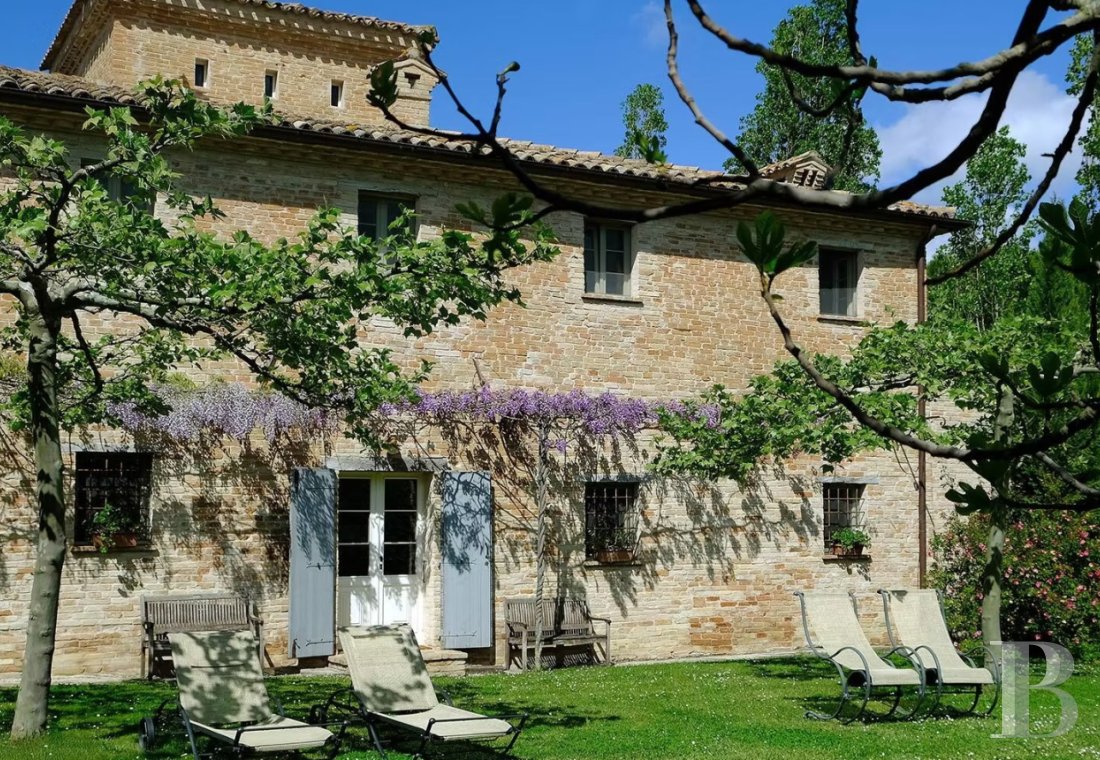
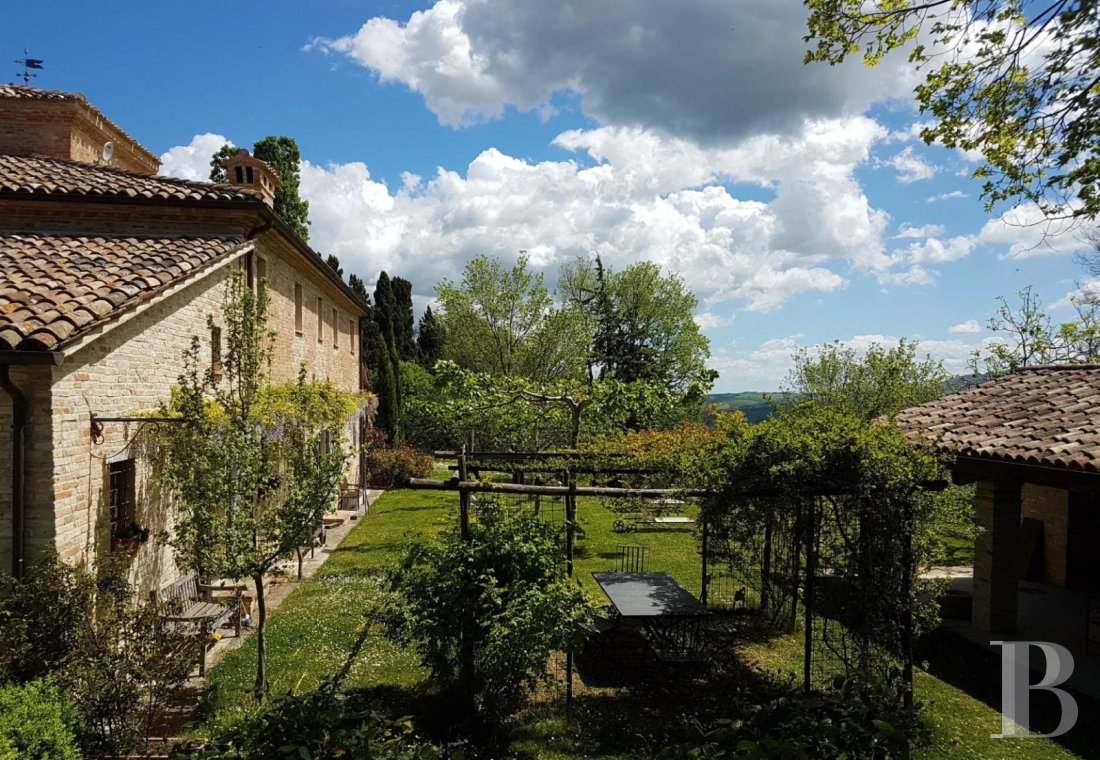
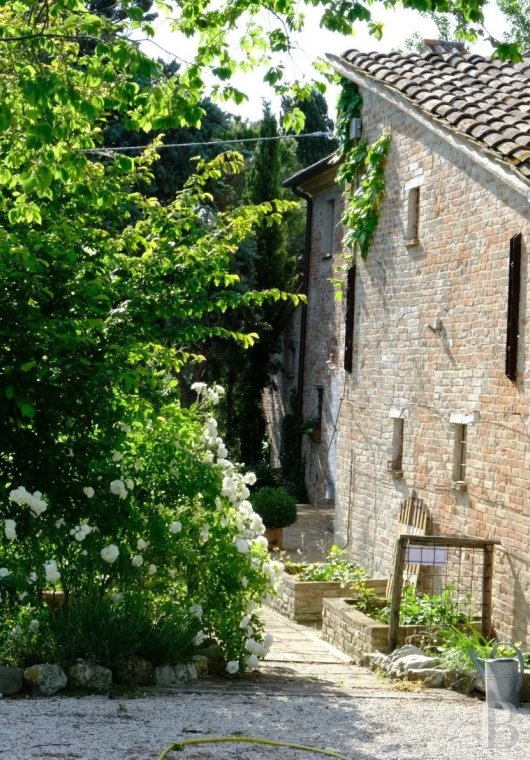
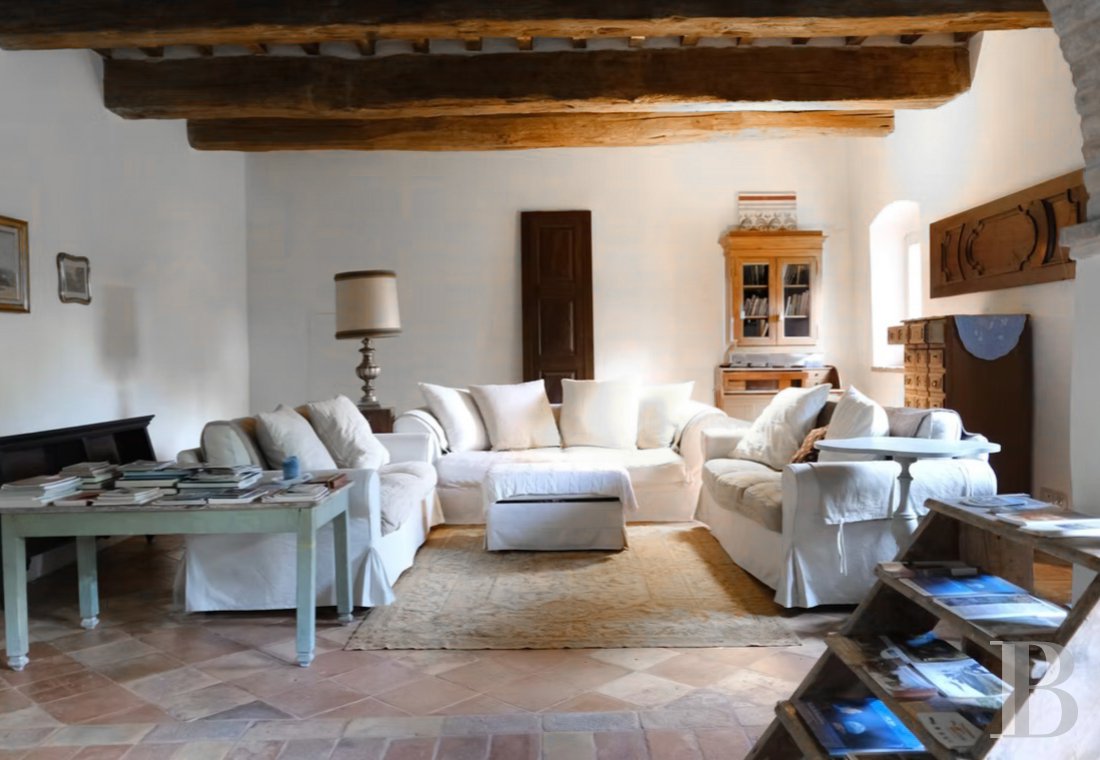
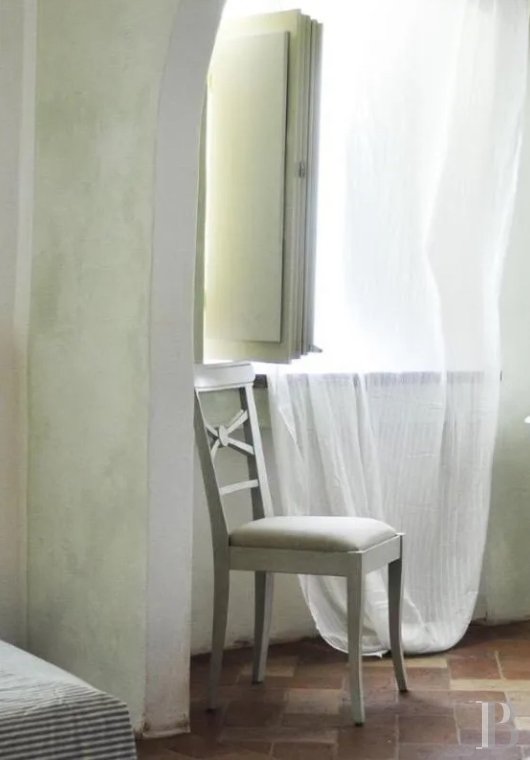
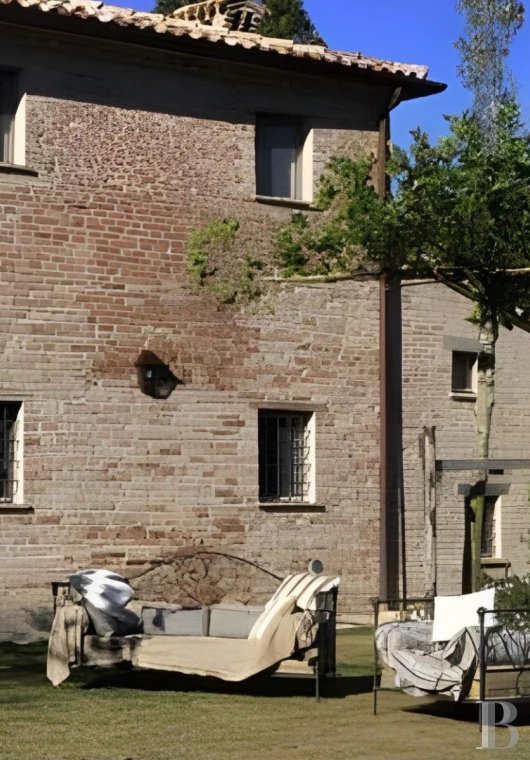
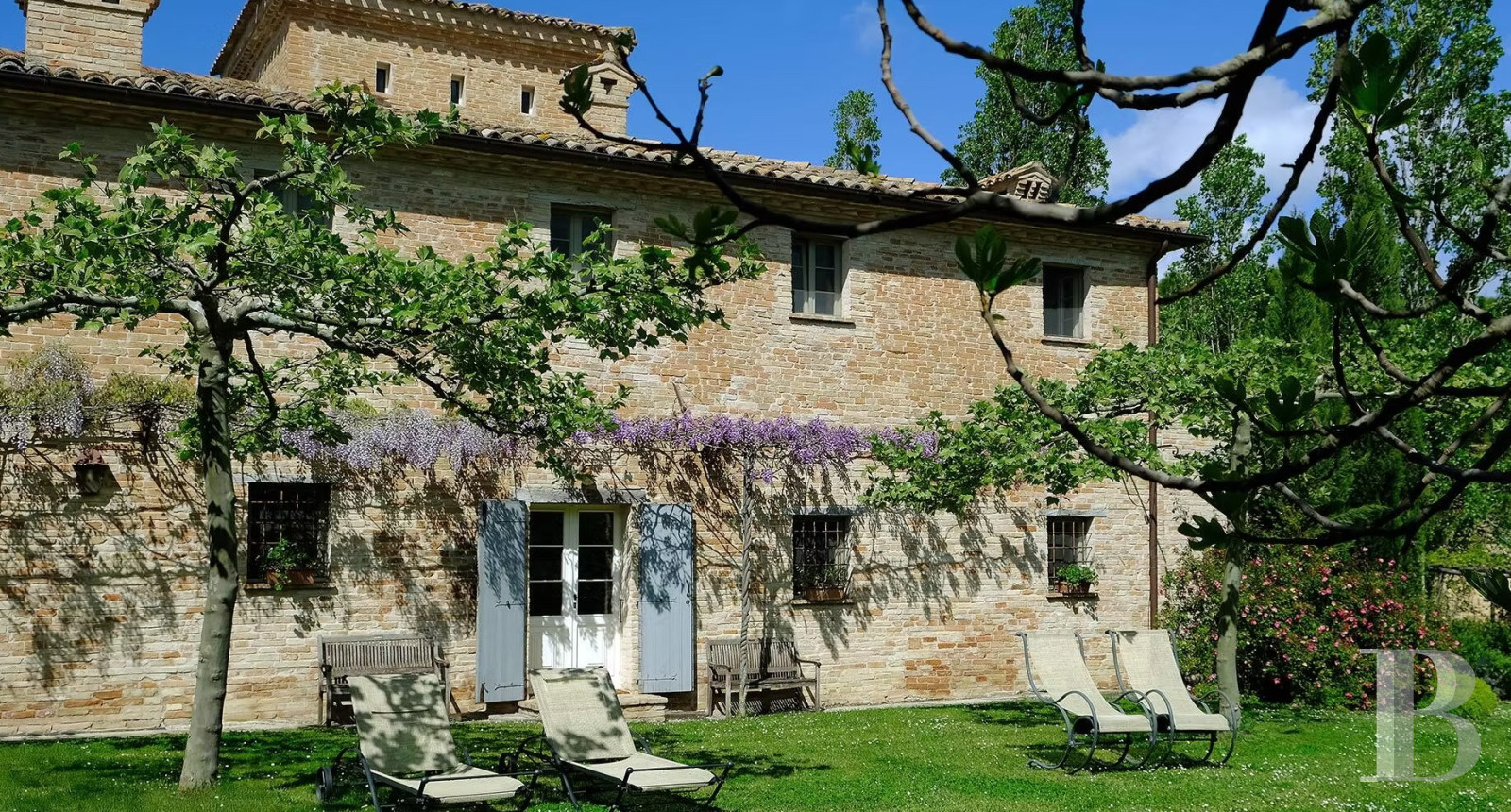
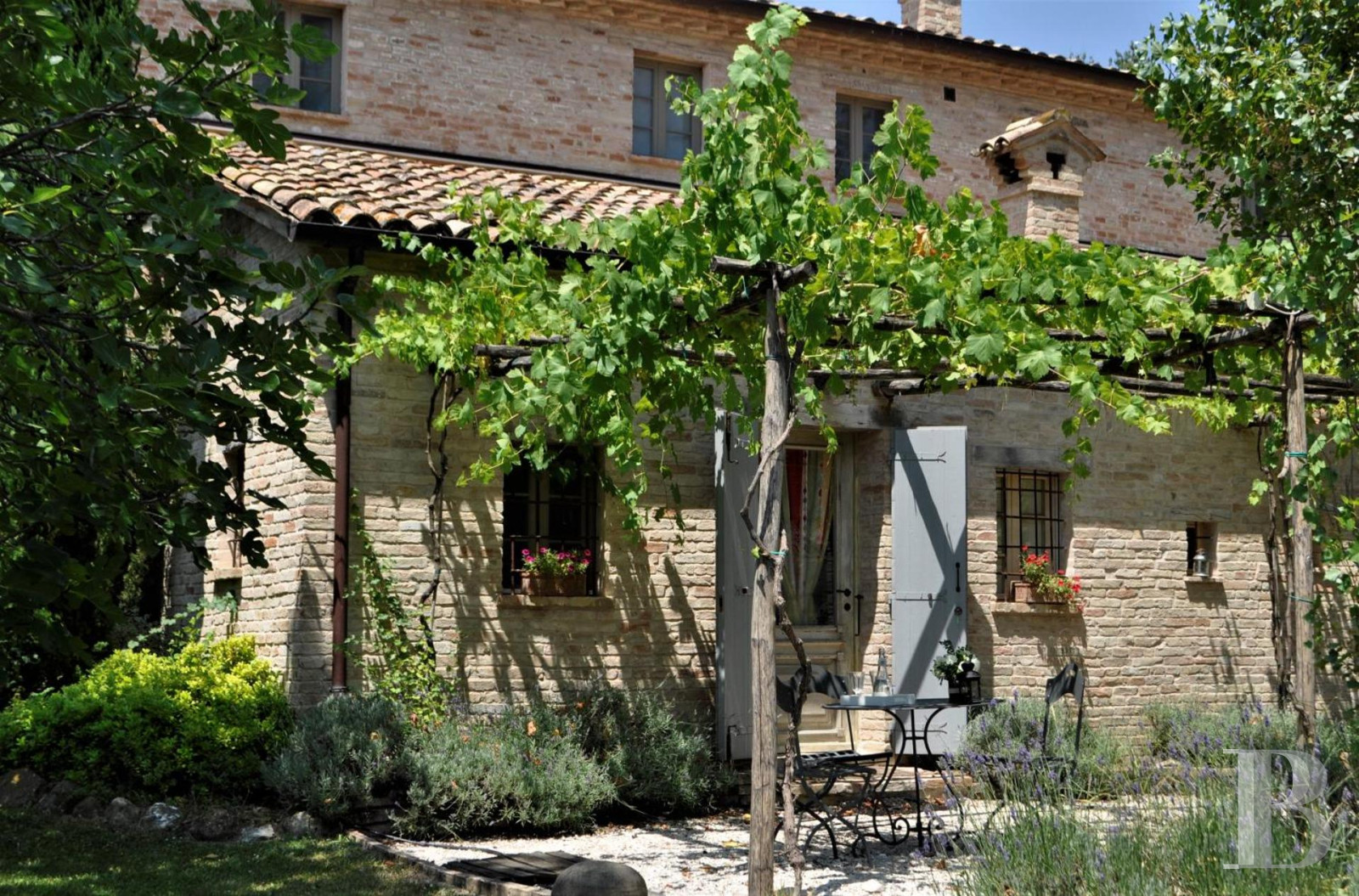
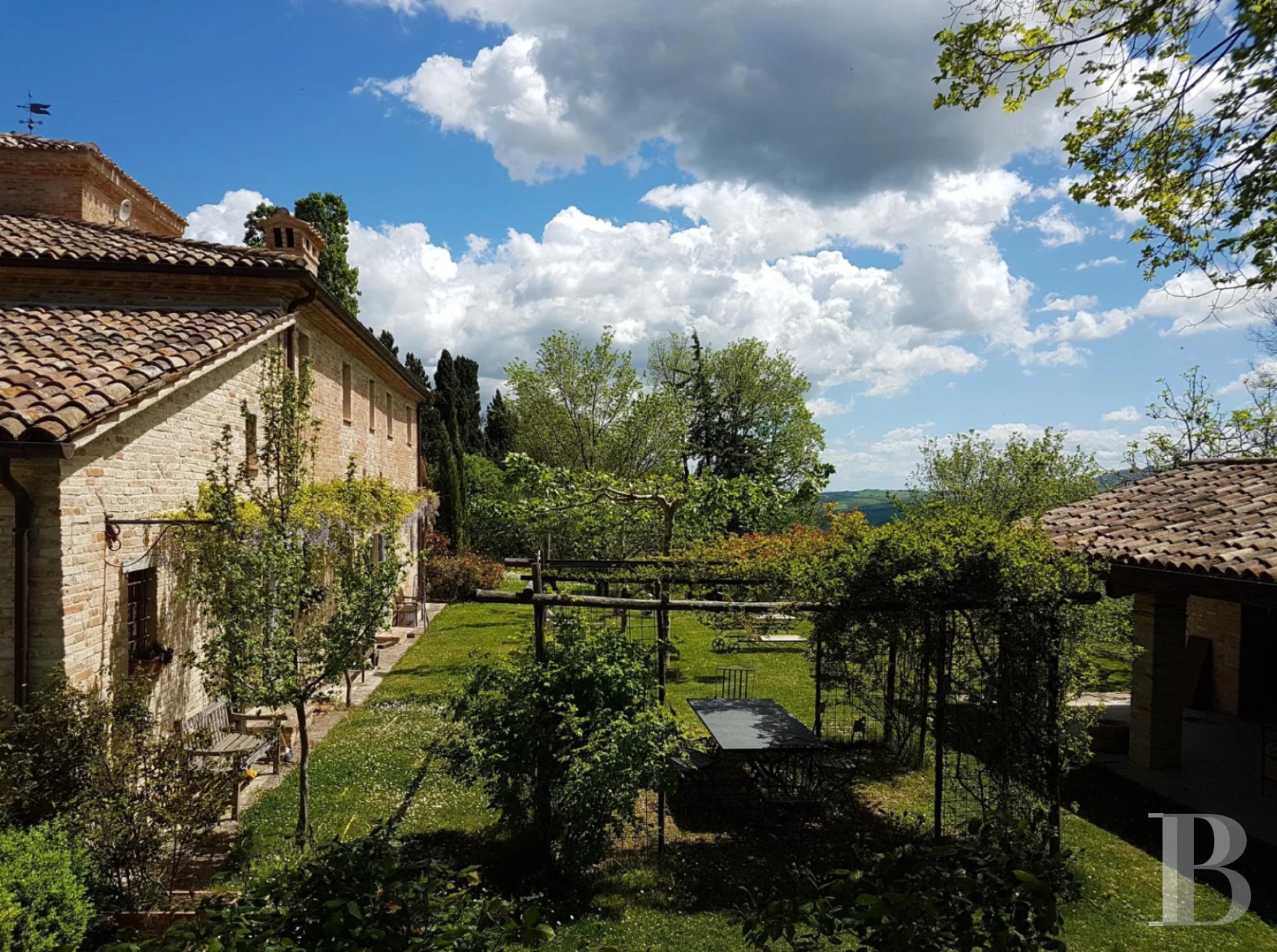
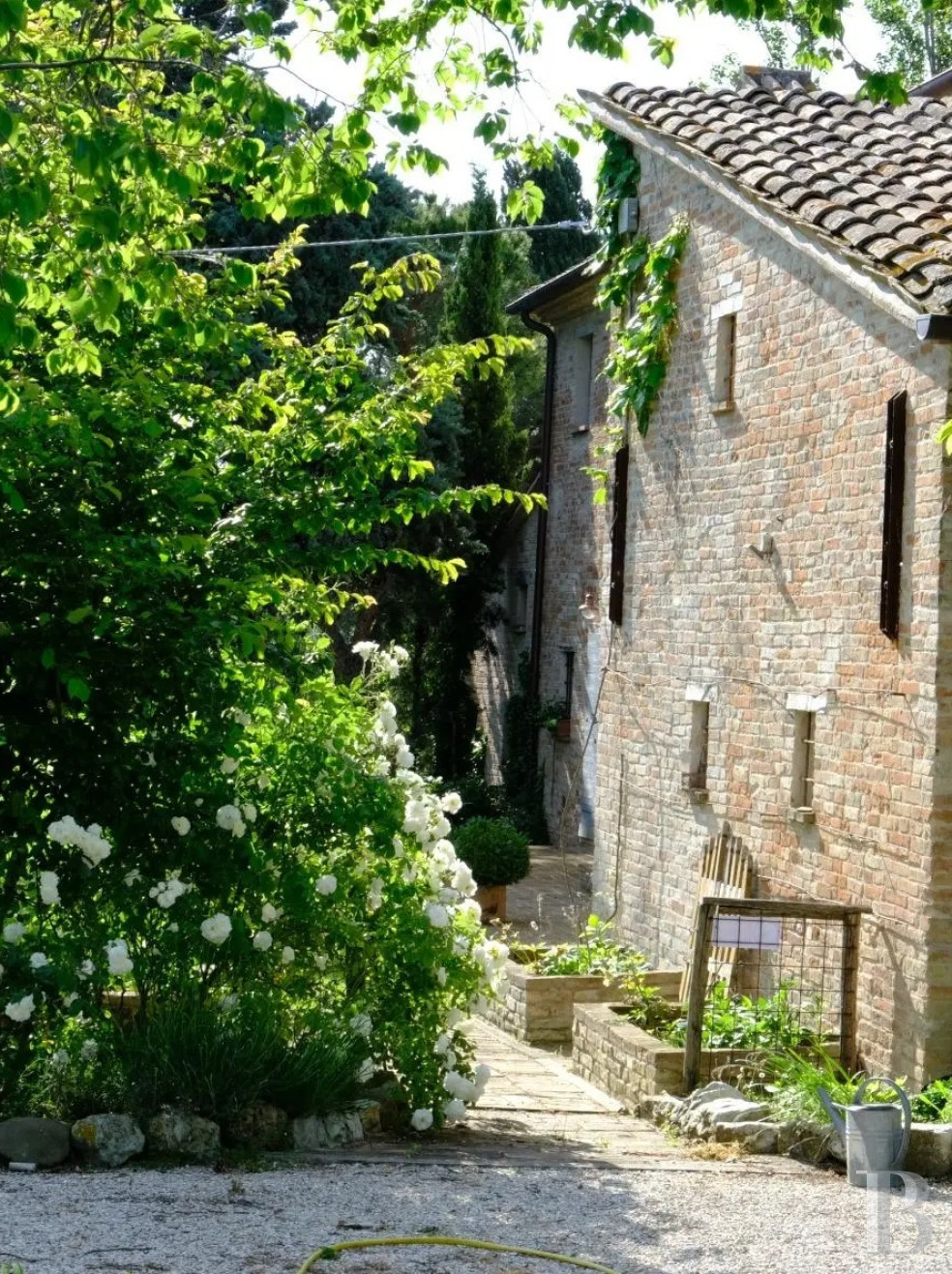
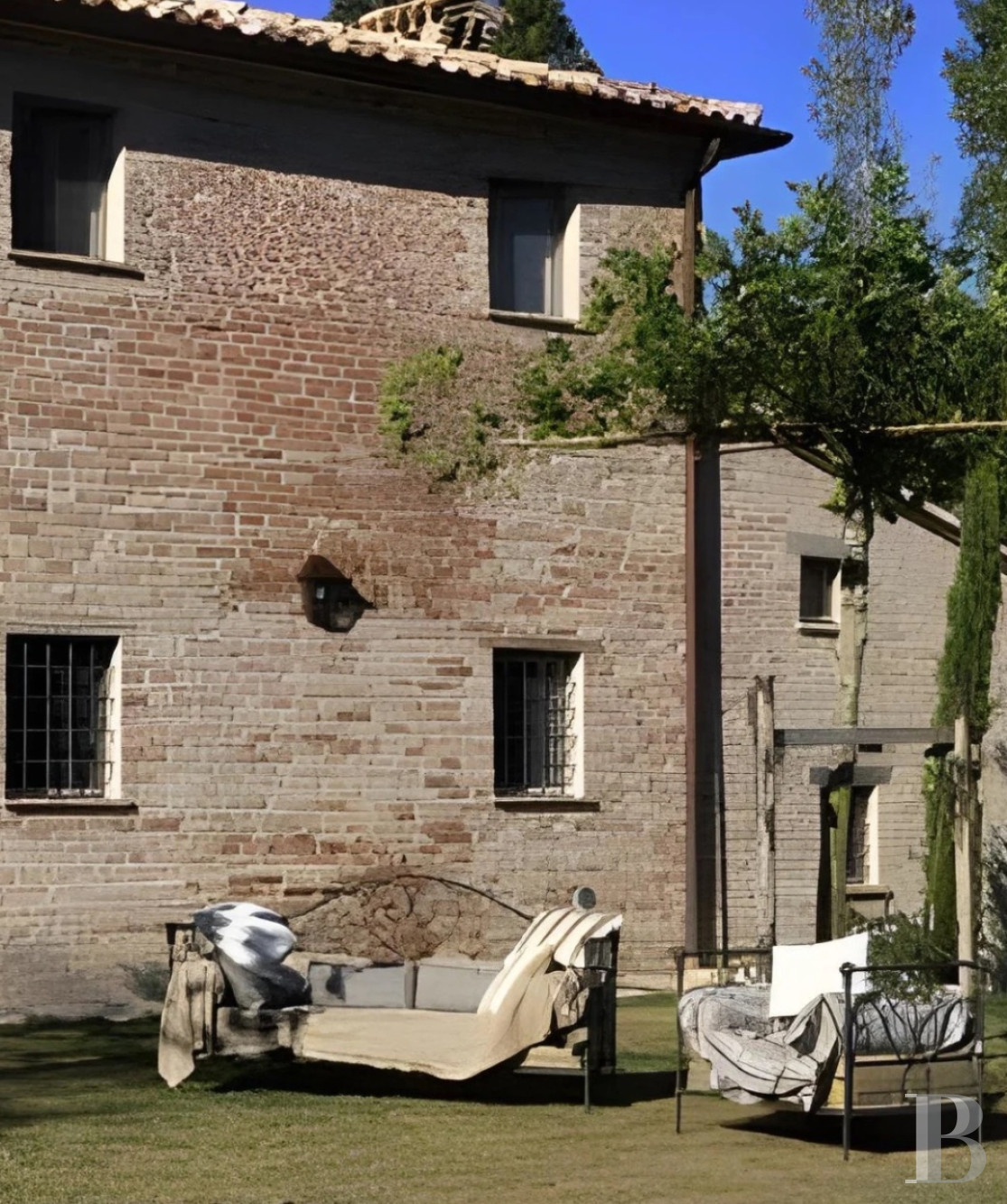
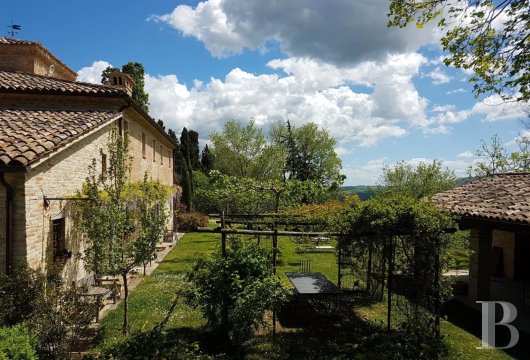
Perched on the heights of this province in the Marche, which stretches as far as the eye can see in a succession of wooded hills and cultivated fields, Il Casale del Duca no longer really looks like the farmhouse it once was. At first glance, its shape is more reminiscent of a small country manor house clad in brick and featuring gently sloping tiled roofs. The generous interior spaces confirm this impression, all the more so as the decor, with its subtle touches, lends the whole a harmonious and simple elegance. The success of this renovation undoubtedly lies in the discerning eye that has been applied here, respectful of the architecture and its history, in the spirit of the Dukes of Montefeltro who ruled the region during the Renaissance and made it a centre of Italian refinement.
This place did not simply present itself by chance: it revealed itself to us. Nestled in the heart of a small wood, the house charmed us immediately with its perfect proportions and the sincerity of its character. Here, time seems to have left a delicate imprint, perceptible in every wall, every detail. You don’t choose a house like this, it chooses you. More than a refuge, this particular one was a piece of heritage that we felt we needed to preserve, a lived-in place where history discreetly continues through the stays and the gazes that rest upon it.
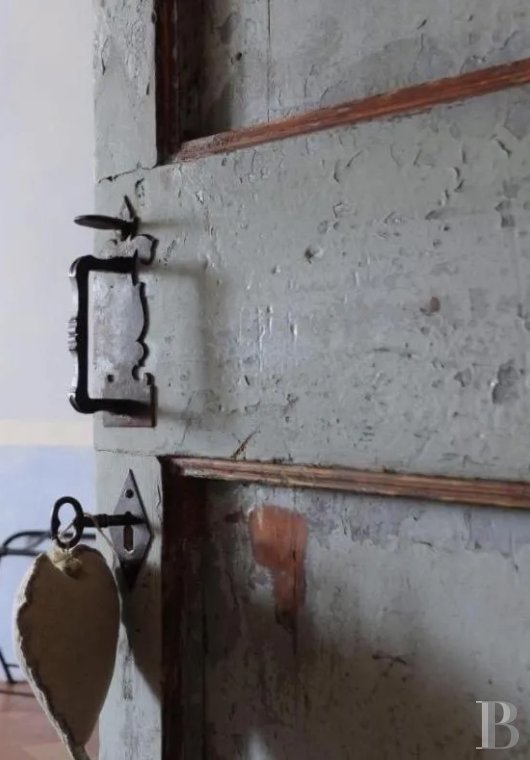
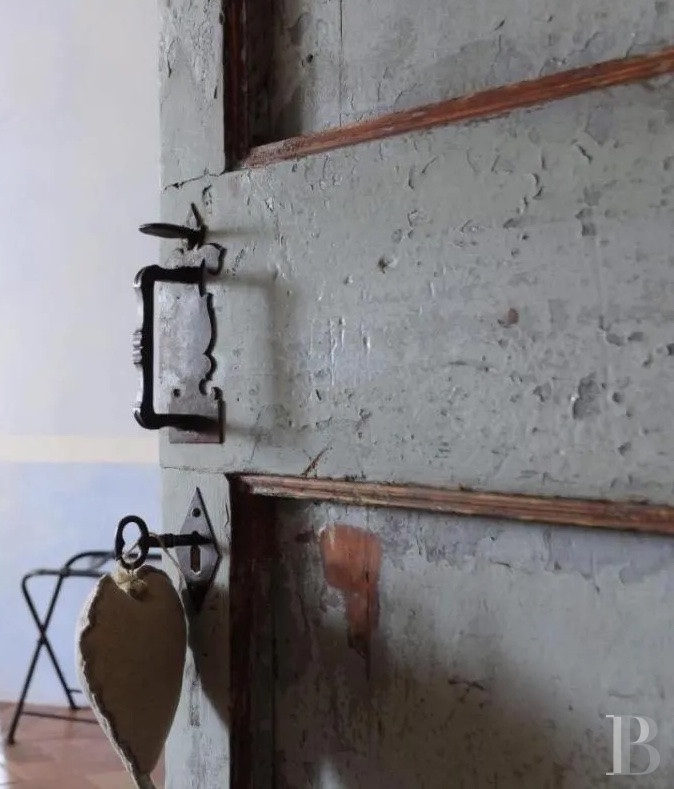
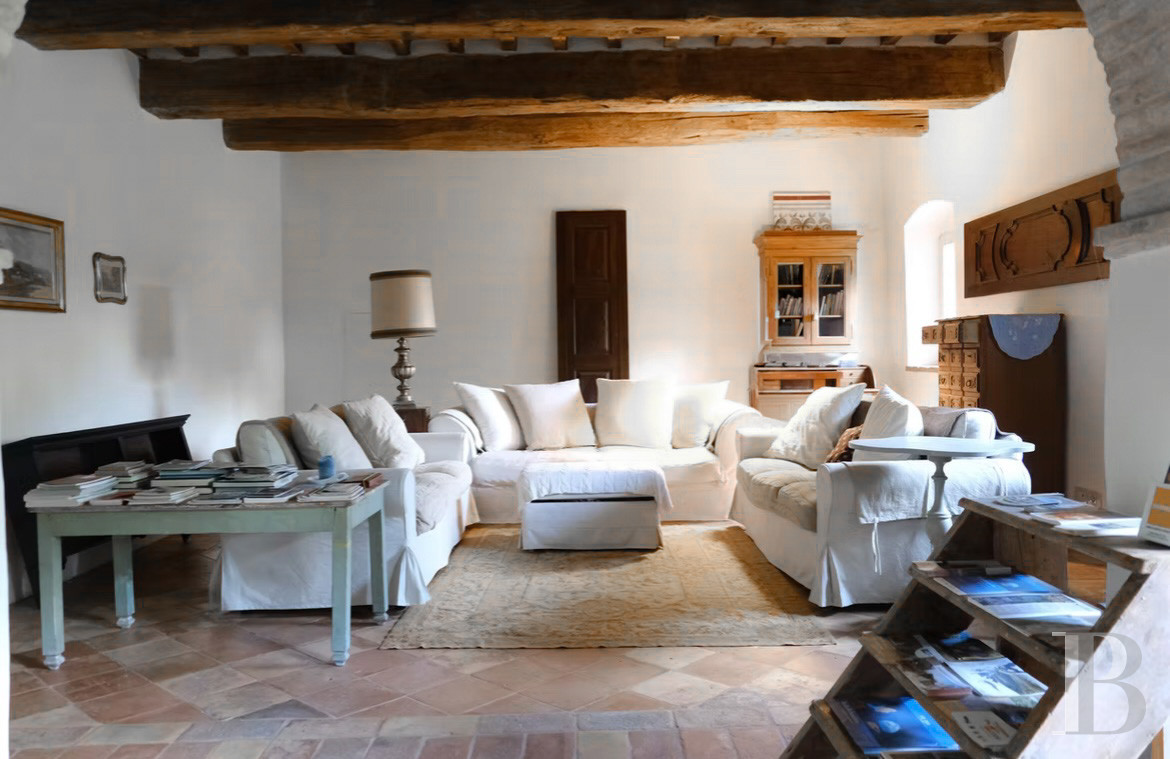
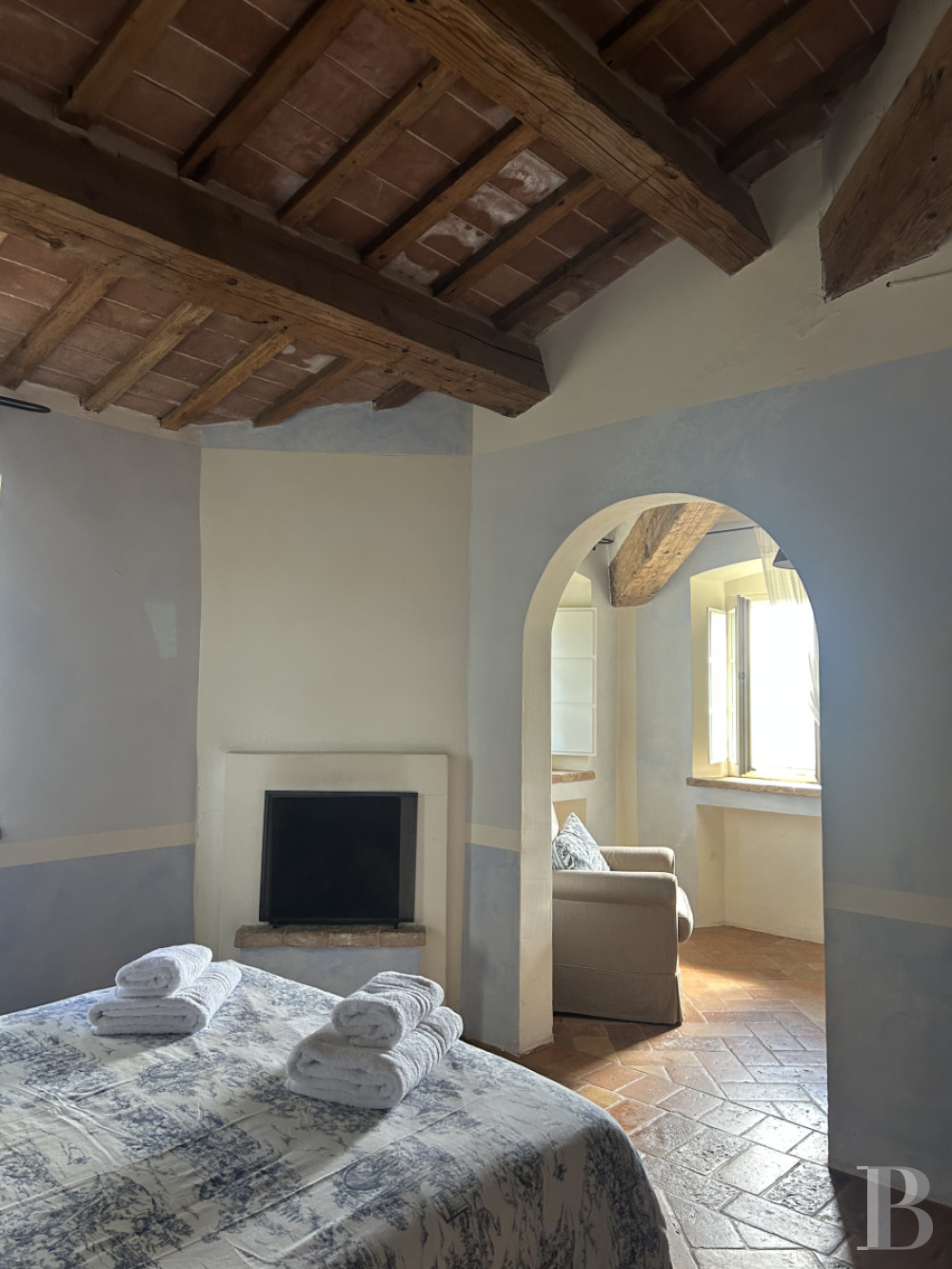
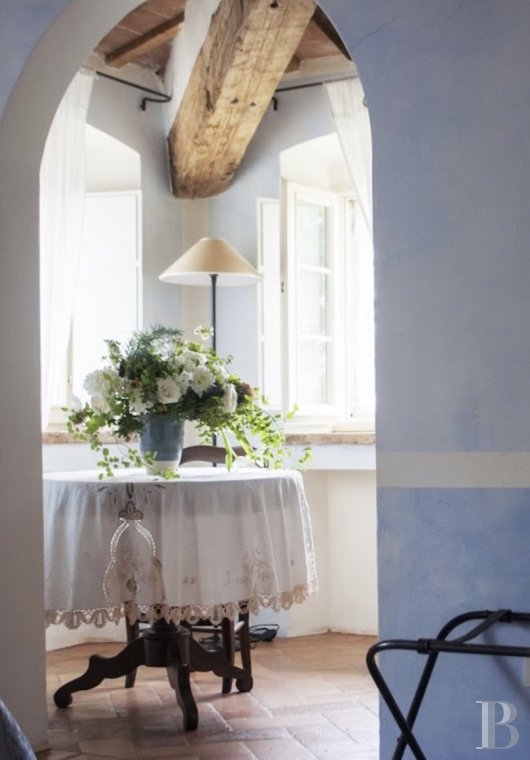
A former 15th-century farmhouse typical of the Marche region, the property overlooks the hills of Montefeltro and retains its rural architectural soul: terracotta floors, chestnut beams and old fireplaces. Its square shape and dovecote turret gave it a high status. In the Renaissance, owning a dovecote was a rare privilege, meaning it was possible to rear pigeons and thus receive “mail” at home. Over the centuries, the house underwent numerous transformations, traces of which have re-emerged from beneath the plaster, like the layers of a long and changing life. The restoration was carried out sensitively: the idea was to restore rather than transform. The ventaglia, a brick decorative feature running beneath the roof, has been restored to its rightful place, the windows have regained their original proportions, and traditional materials have been painstakingly sourced to restore the house to its original splendour.
The patron is said to have been Duke Federico II himself, who had these residences built on the hills around Urbino to establish outposts for monitoring the duchy’s lands and harvests. An open space, likely a loggia, also served as a staging post for horses along the road, much like an old coaching inn. Folklore lends the place an almost poetic dimension: some of the greatest Renaissance painters are said to have come here to observe the landscape. The gentle hills surrounding Calduca do indeed seem to echo the backdrops of paintings by Piero della Francesca and Raphael, where nature becomes an ideal setting, suspended outside time.
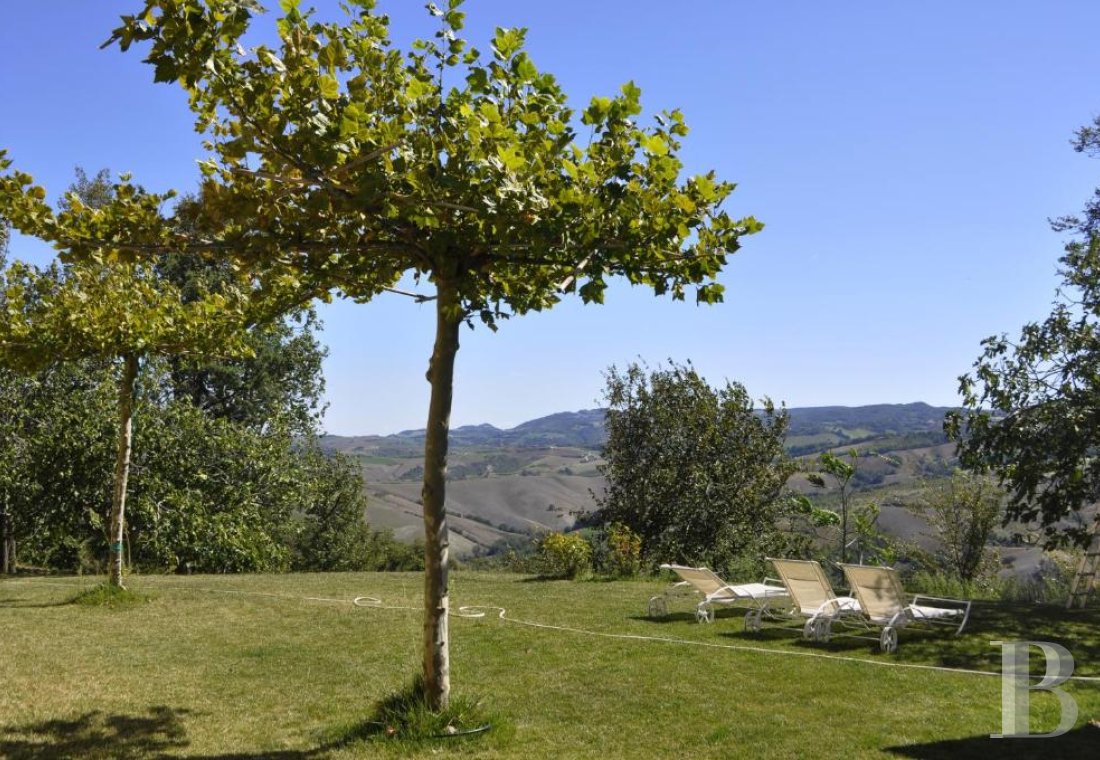
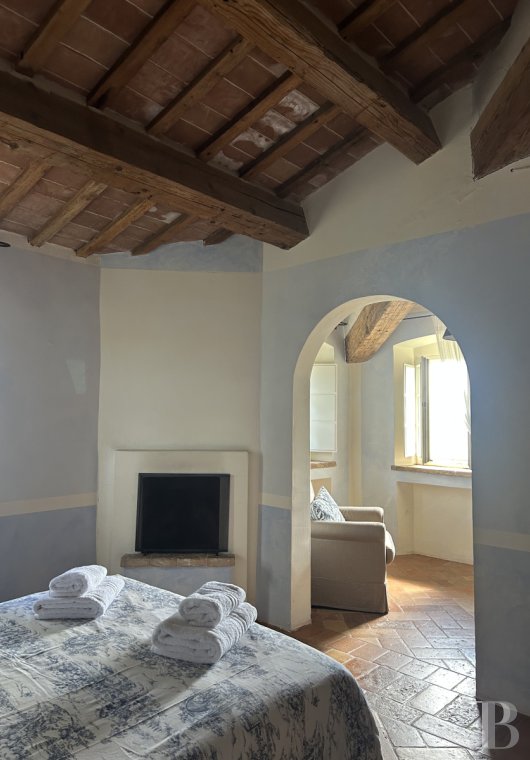
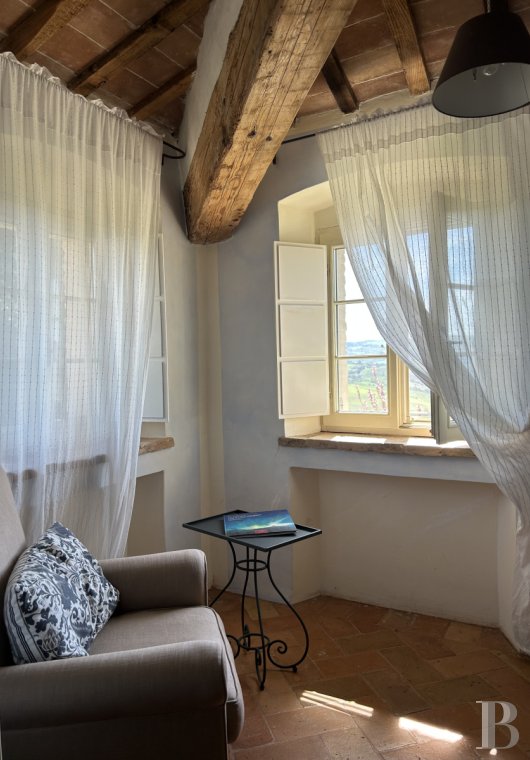
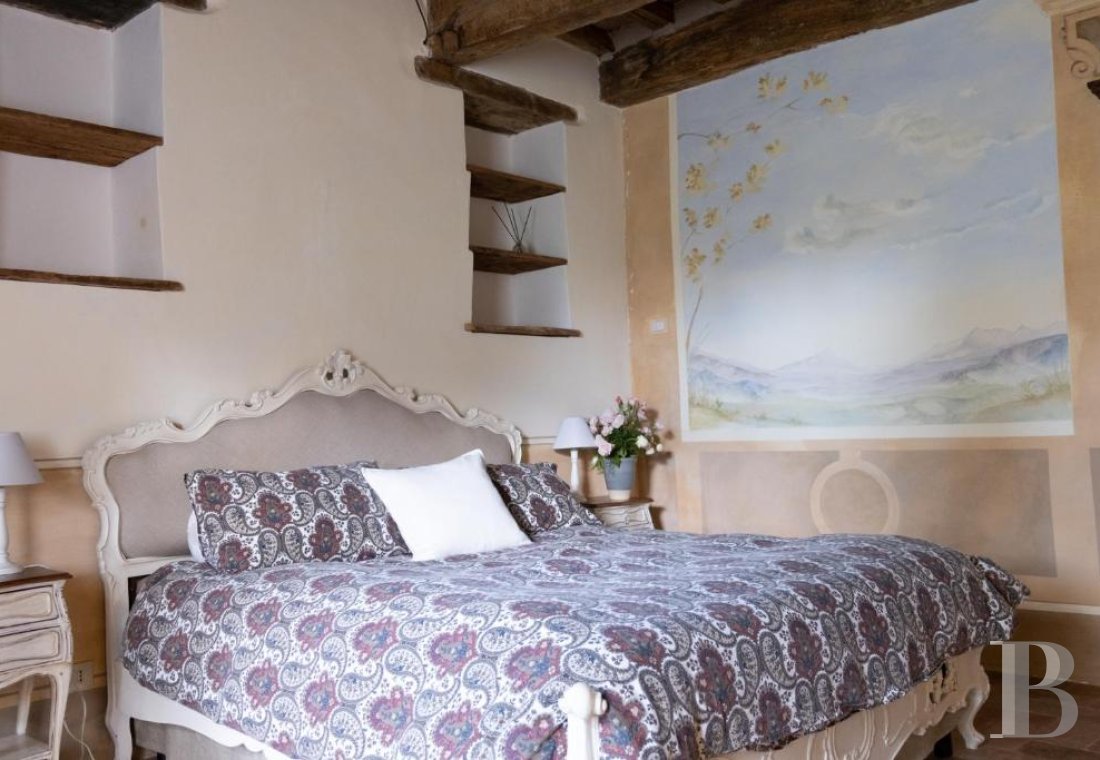
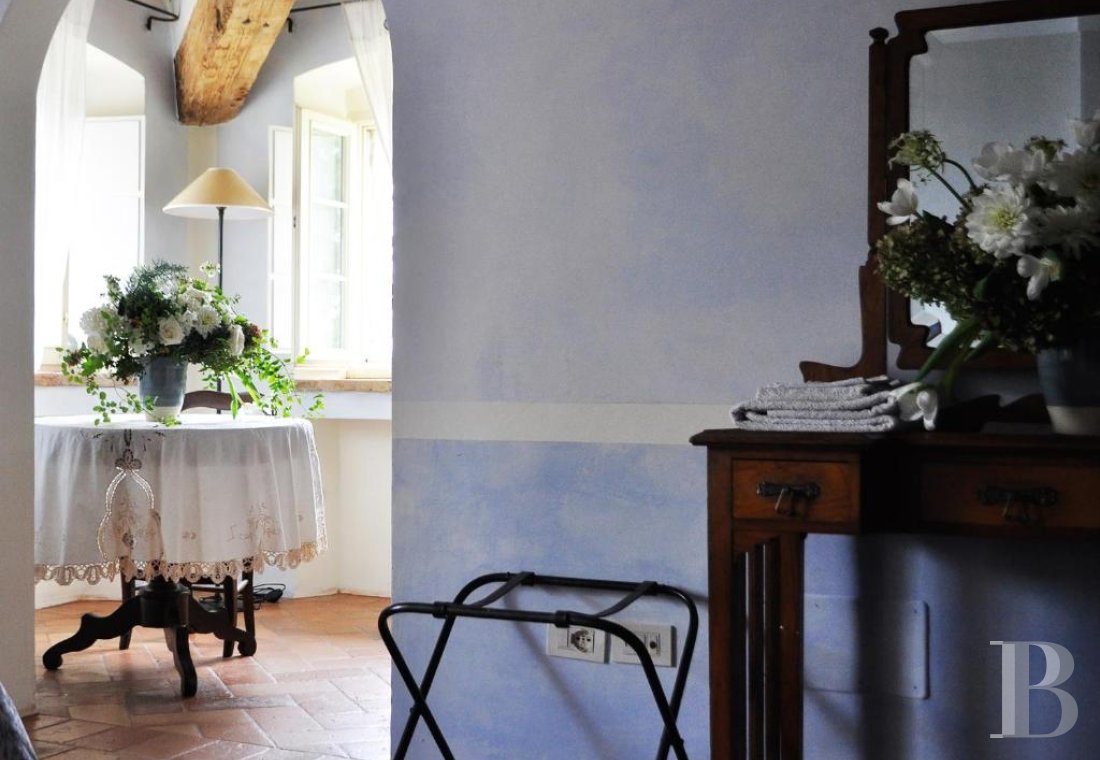
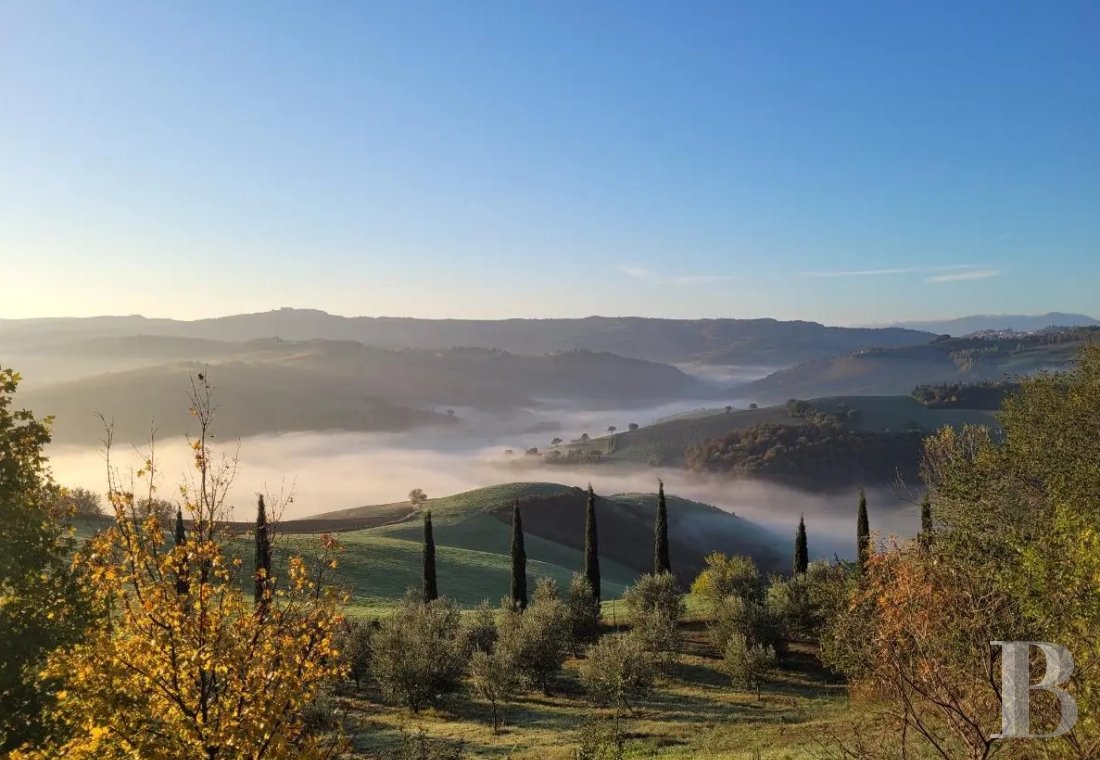
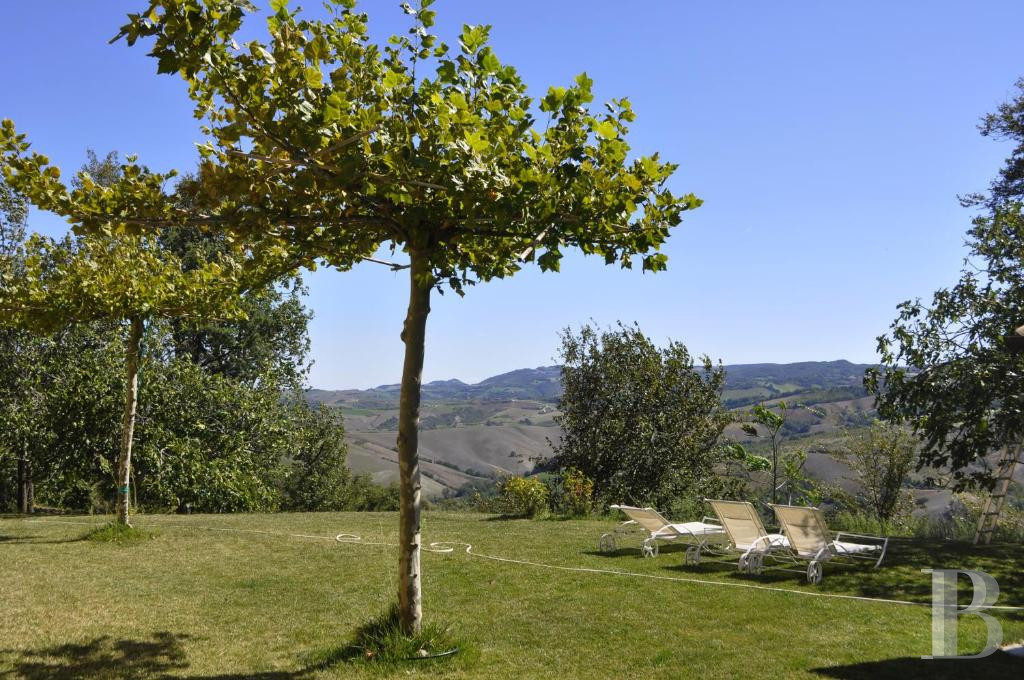
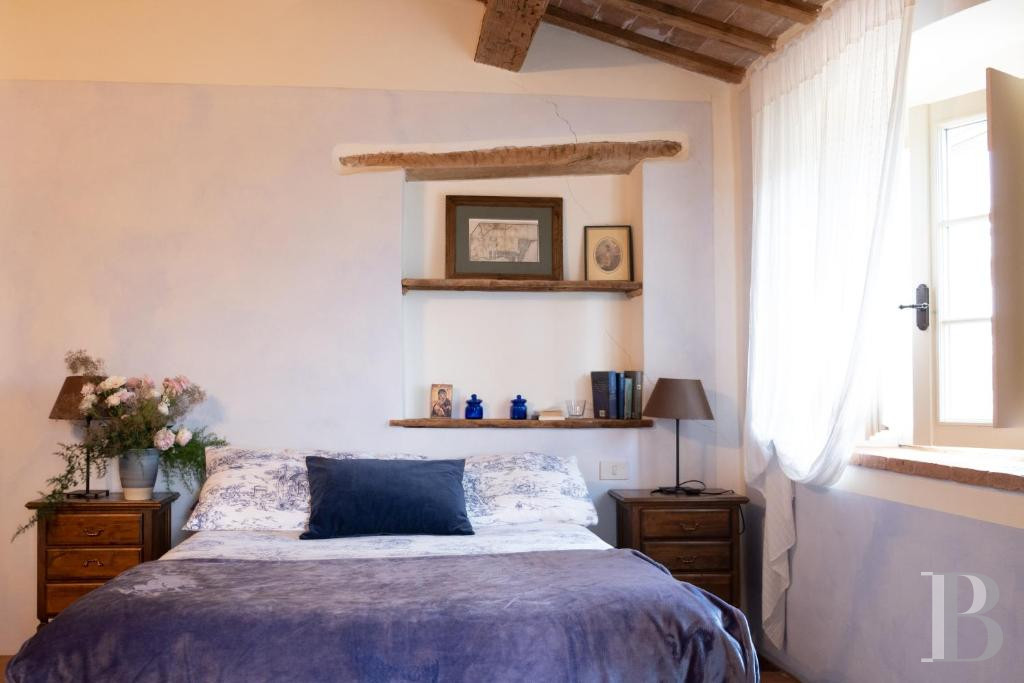
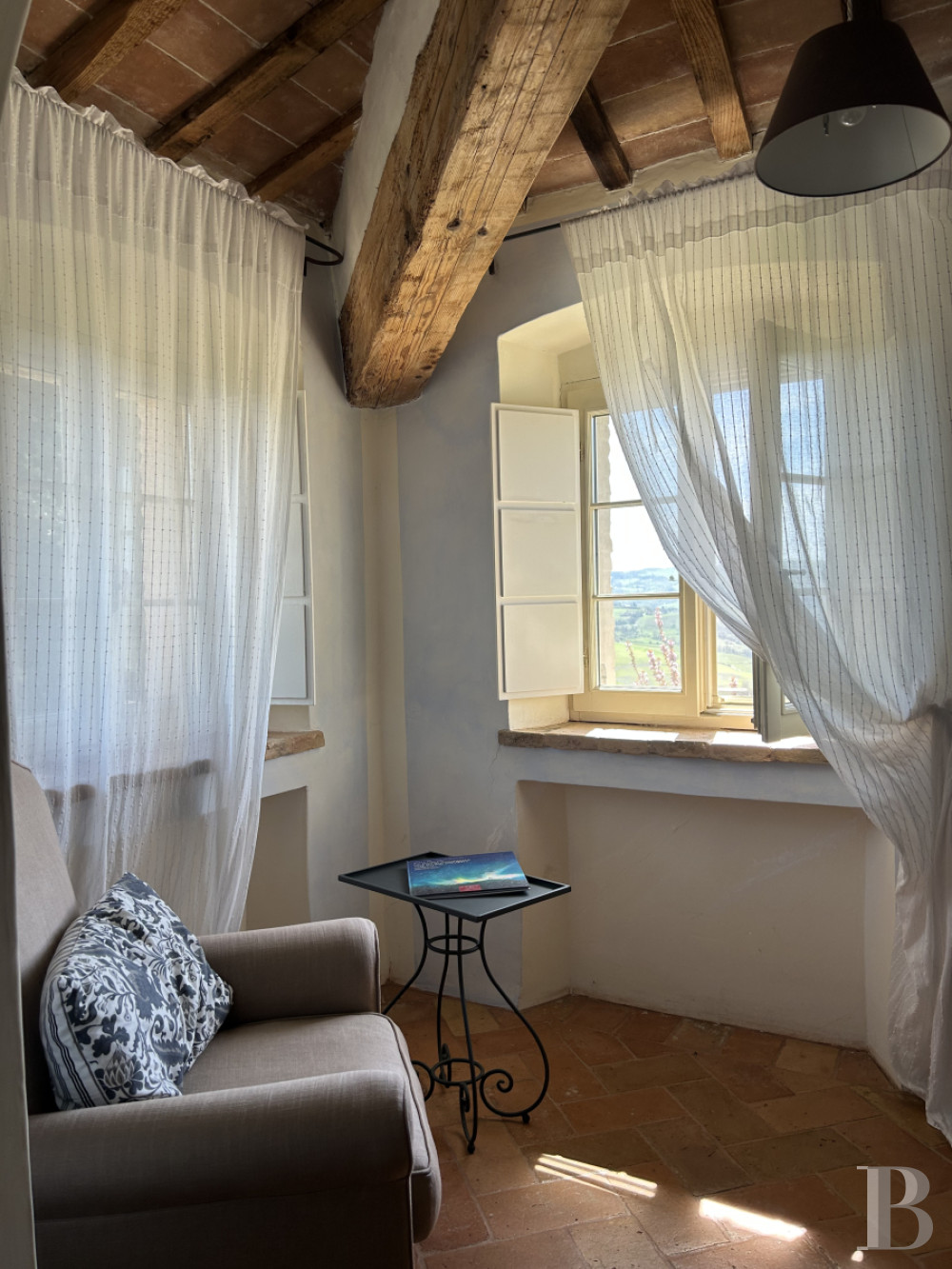
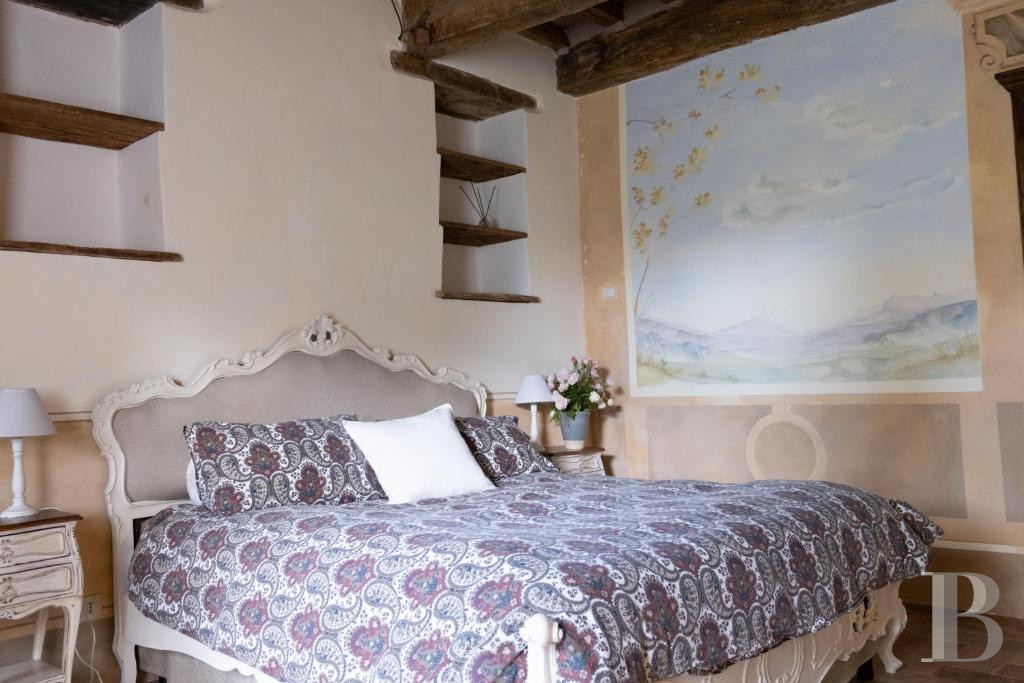
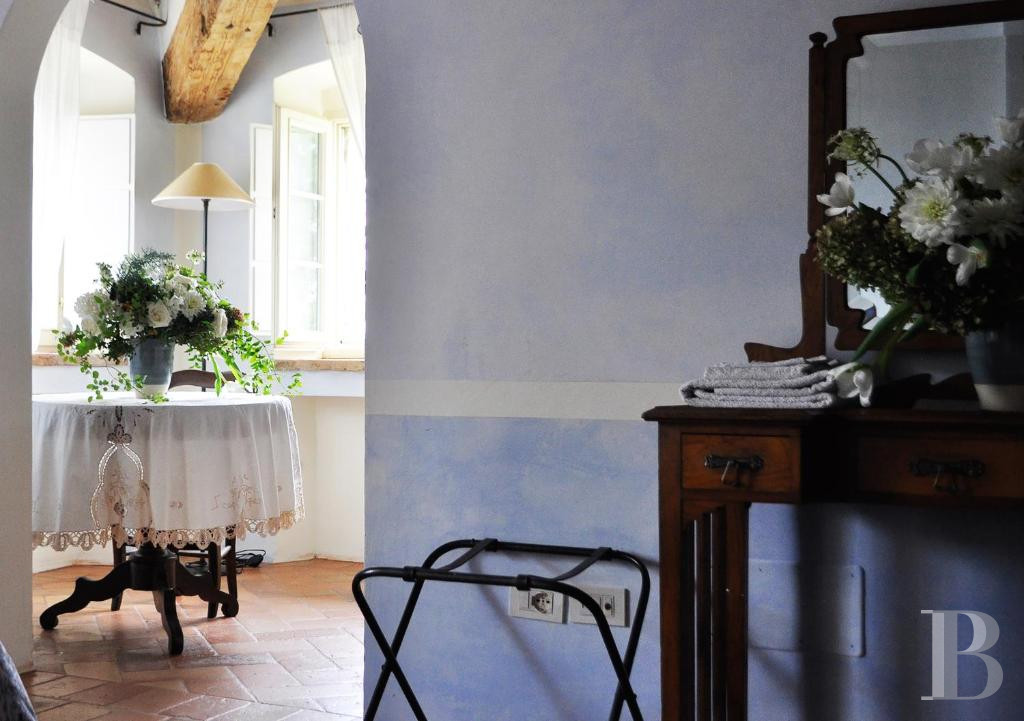
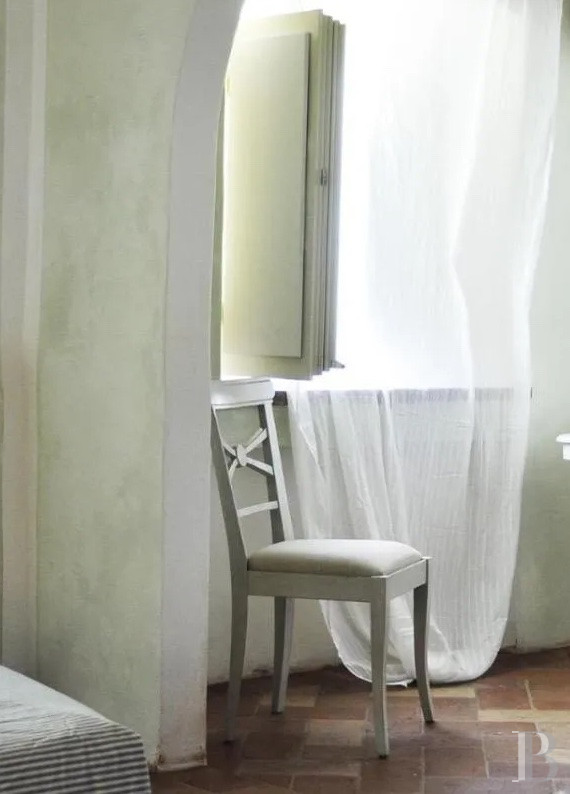
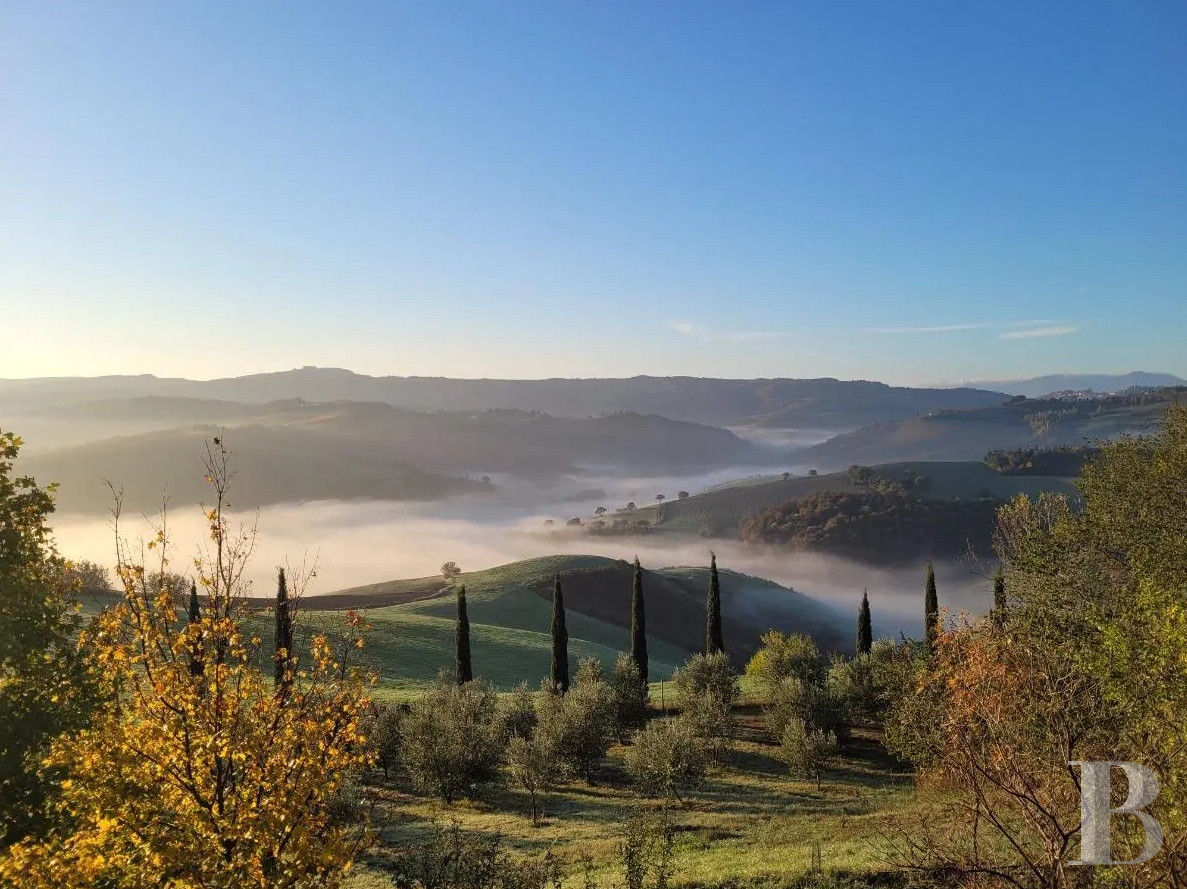
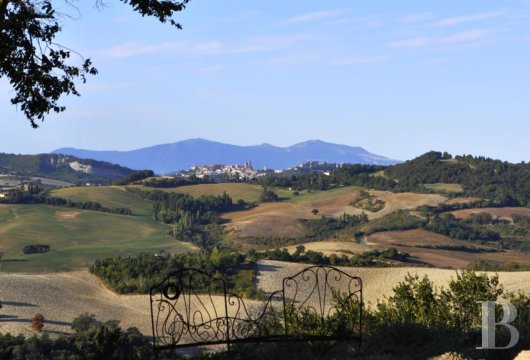
Set in the heart of the countryside, Il Casale del Duca is a welcoming home where hospitality is expressed with simplicity and care. Every morning, an entirely homemade breakfast showcases produce from the estate and the local region: cakes, jams and specialities prepared with care, in harmony with the seasons and the land. Perched on a hill, just a few minutes from Urbino, the property offers a peaceful atmosphere and unobstructed views of the Montefeltro countryside. Guests come here for the tranquillity, walks in the countryside, bike rides or to explore the surrounding vineyards and art towns. In this rustic, light-filled house, the spacious rooms – some adorned with hand-painted frescoes – reflect the spirit of the place: a simple, authentic retreat, where one hears little but birdsong and the croaking of frogs, whilst the outline of Urbino is perceived in the distance.
Urbino is one of the great jewels of the Italian Renaissance. Listed as a UNESCO World Heritage Site, the town has preserved the harmony of its 15th-century appearance. The birthplace of Raphael, it is home to treasures such as the Ducal Palace, the painter’s birthplace, and the National Gallery of the Marche, where works by Raphael, Piero della Francesca and Titian can be admired. The town is also a haven for food lovers. Here you can sample “crescia”, a traditional bread served with Urbino “caciotta” cheese, at typical establishments such as “Girarrosto”, “Osteria Ucci” or “Antica Osteria La Stella”. In the surrounding hills, the “Santi Giacomo e Filippo” winery offers tastings of local wines. Nearby, the family-run “Val d’Apsa” cheese dairy continues the cheese-making tradition, whilst the Gabannini farm has been producing honey since 1913.
130 € - 180 € per night
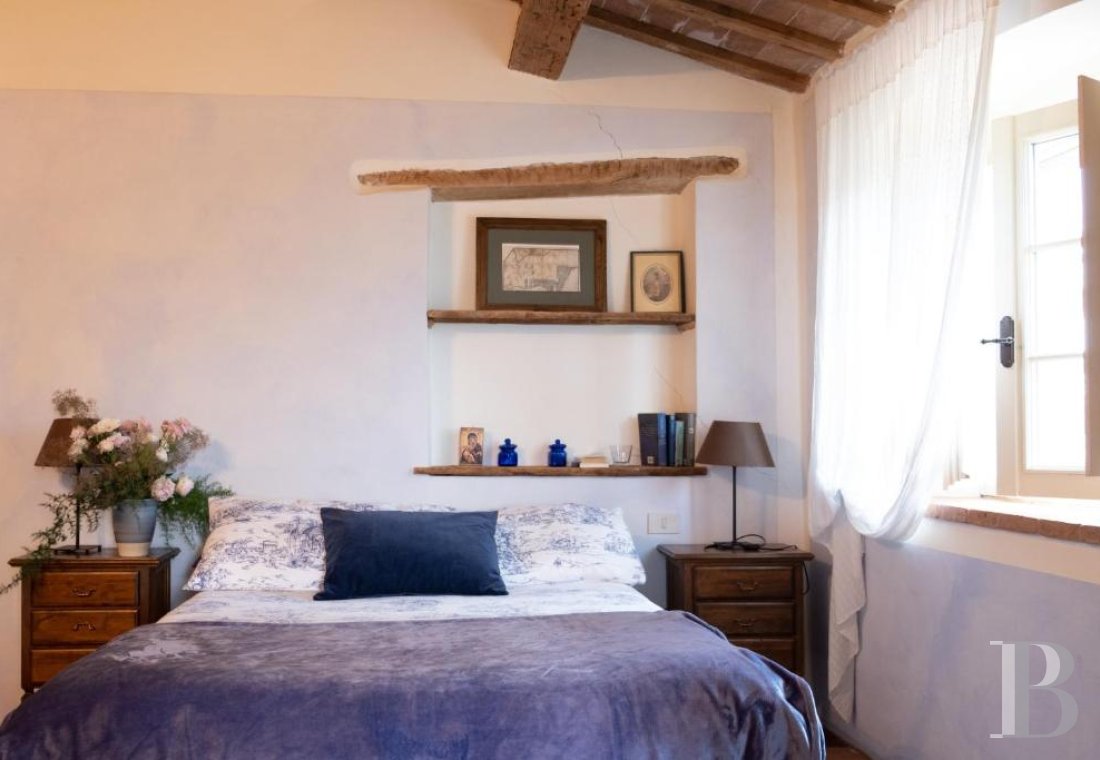
There is a double bedroom with an en-suite bathroom on the ground floor, with access to the garden. On the first floor, there are two bedrooms with en-suite bathrooms, one of which is a double and the other a triple.
ref 910515
1000 € - 1800 € per week
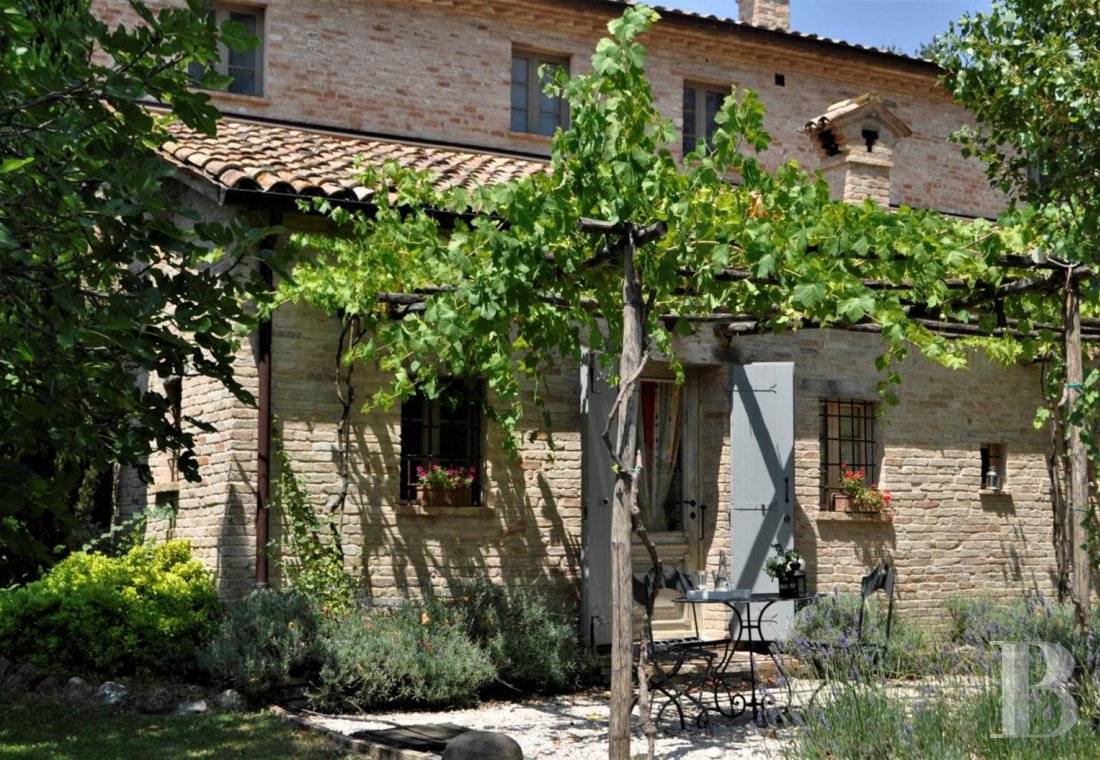
The two self-contained apartments, each with a private garden, comprise a kitchen, a double bedroom, a mezzanine with two single beds and a bathroom.
ref 910515
A link to enter a new password has been sent to you by email.
By continuing your navigation, you accept the use of cookies to offer you services and offers adapted to your centers of interest and to measure the frequentation of our services. Learn more