



A 19th-century family home, with a walled garden, cellars and storehouses,
in the old centre of Gaillac, a dynamic southwestern French town
in the old centre of Gaillac, a dynamic southwestern French town
Gaillac,
TARN
midi-pyrenees
81600
FR

Location
Gaillac is located 50 kilometres northeast of Toulouse, at the crossroads of Mediterranean and Atlantic influences, standing in a landscape shaped for several centuries by vine-growing and playing host to one of France’s oldest wine-making areas. The town, through which the River Tarn runs, combines historical heritage with a gentle lifestyle, among old narrow streets, lively squares and preserved architectural heritage. Its dynamic nature comes to the fore through its shops, renowned market, schools and cultural facilities, which contribute to making the town a lively one. The property stands in the old centre, near the market, services and amenities. Toulouse can be reached from the railway station and via the A68 motorway in 45 minutes, from where flights can be taken worldwide from Toulouse-Blagnac airport.
Description
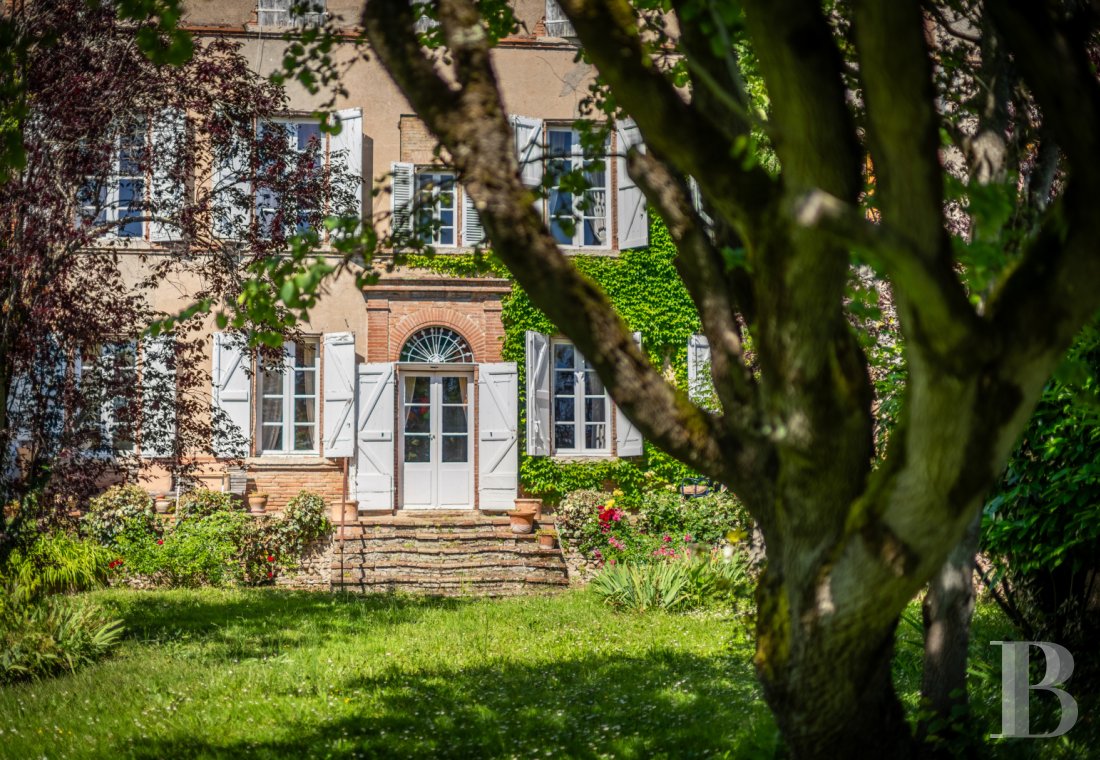
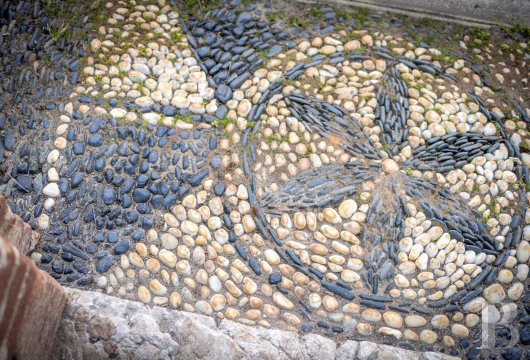
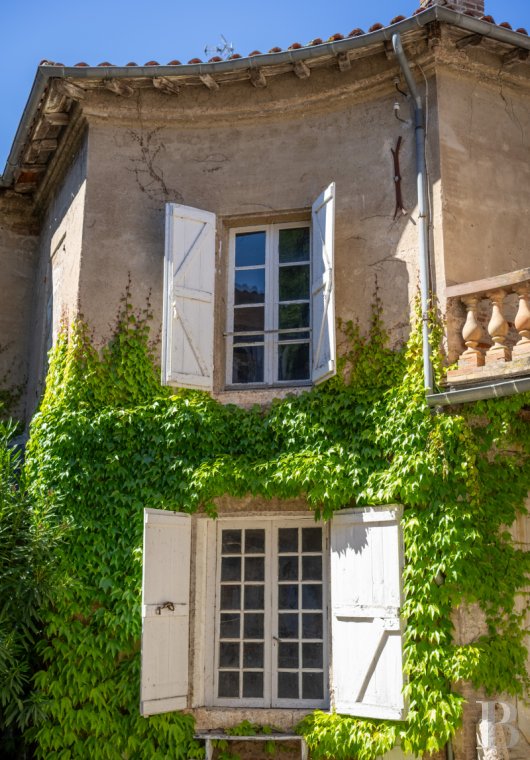
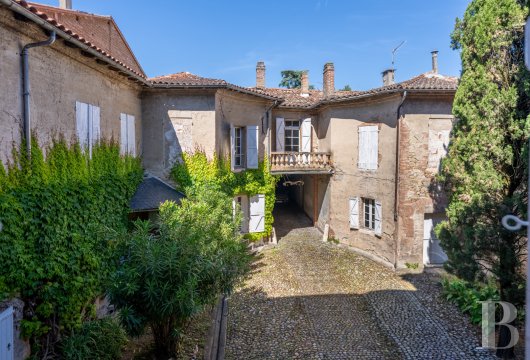
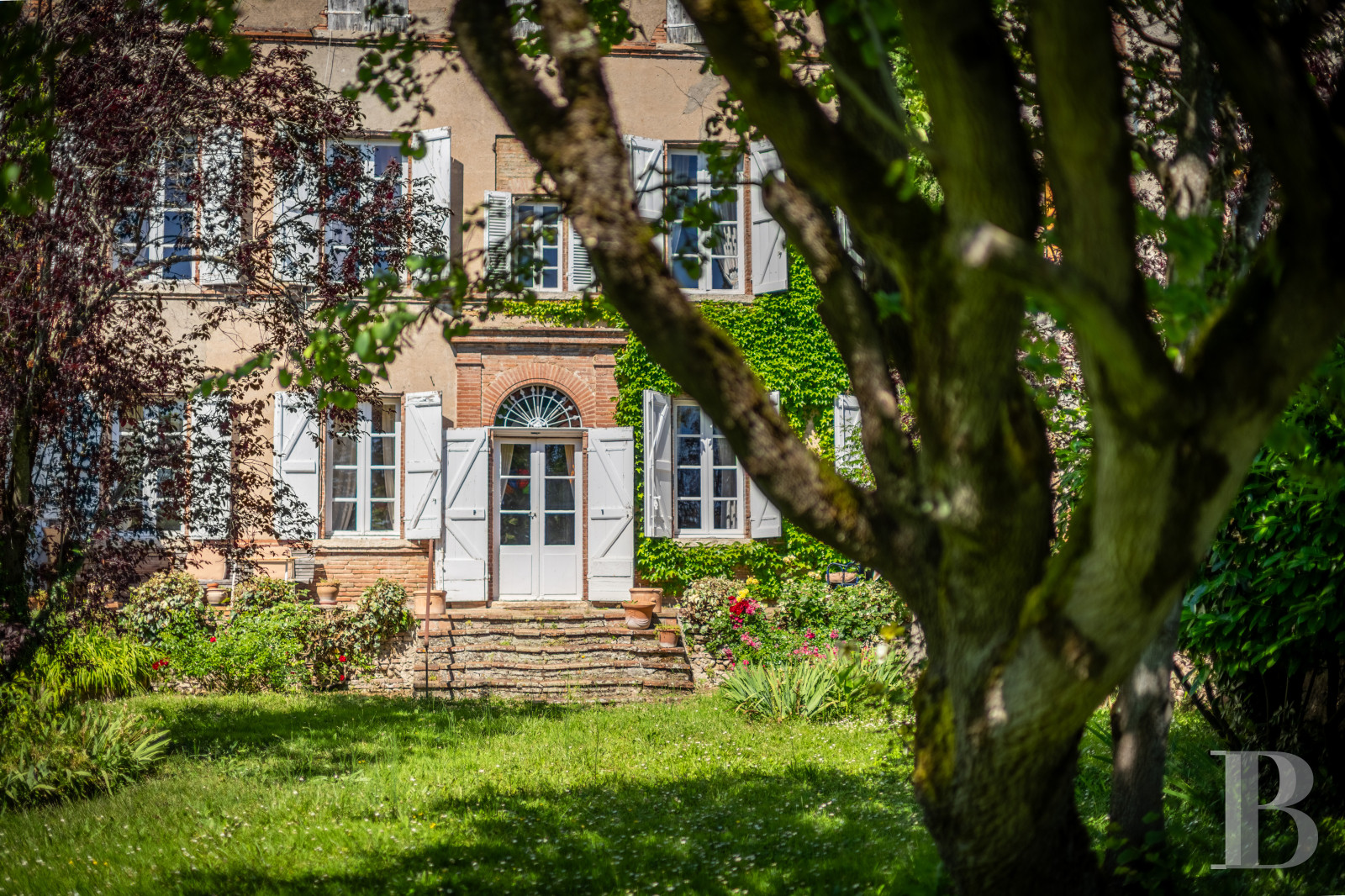
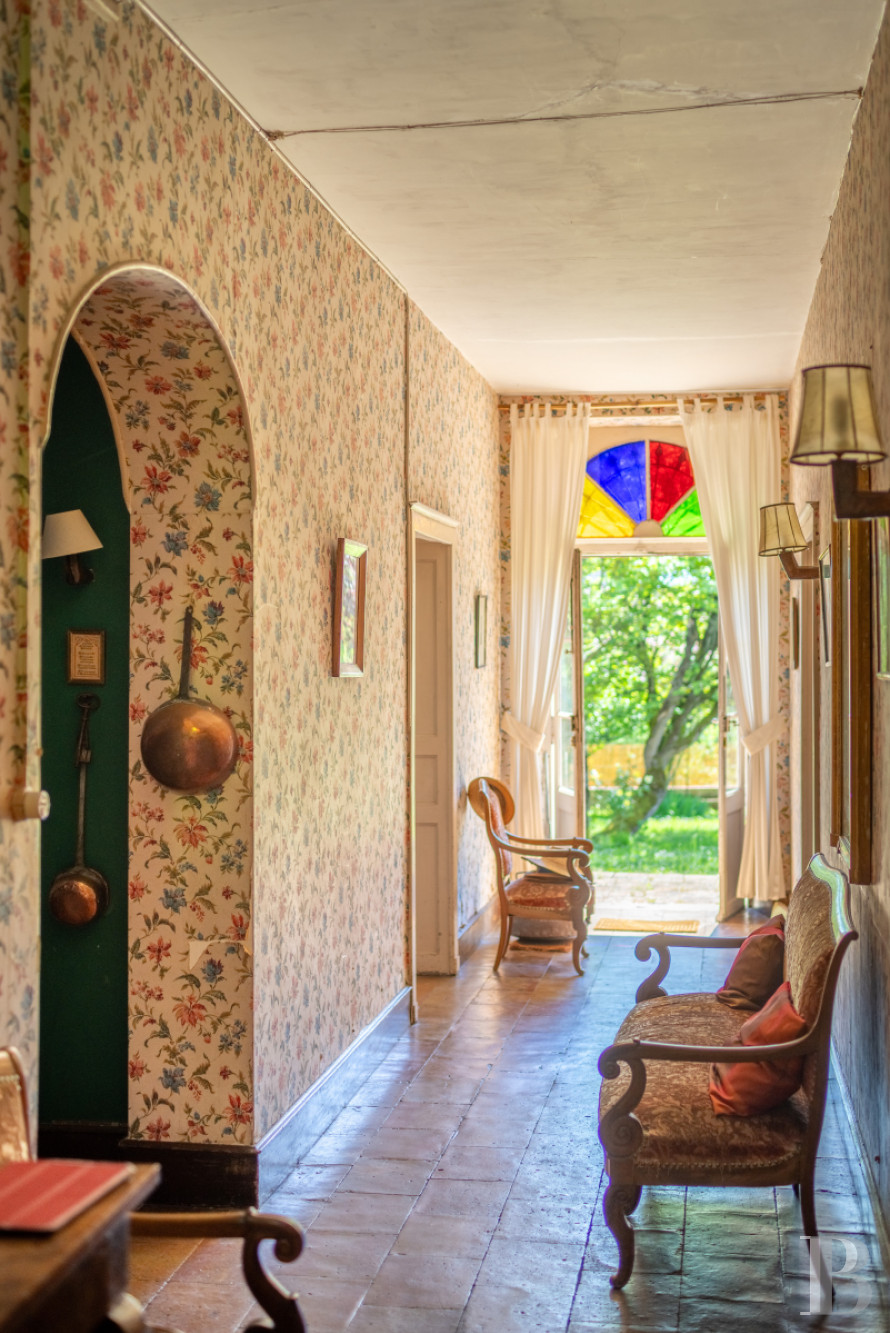
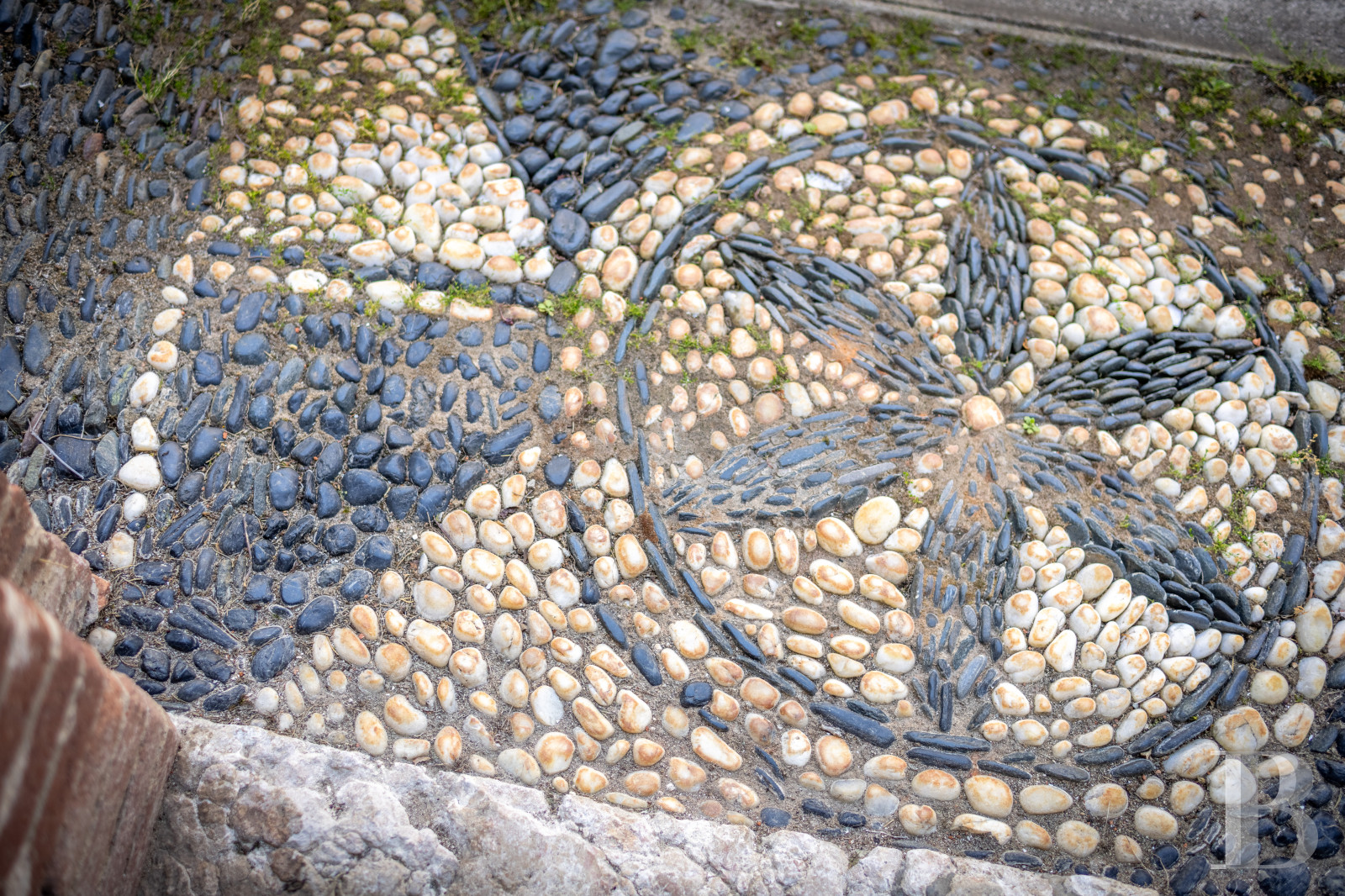
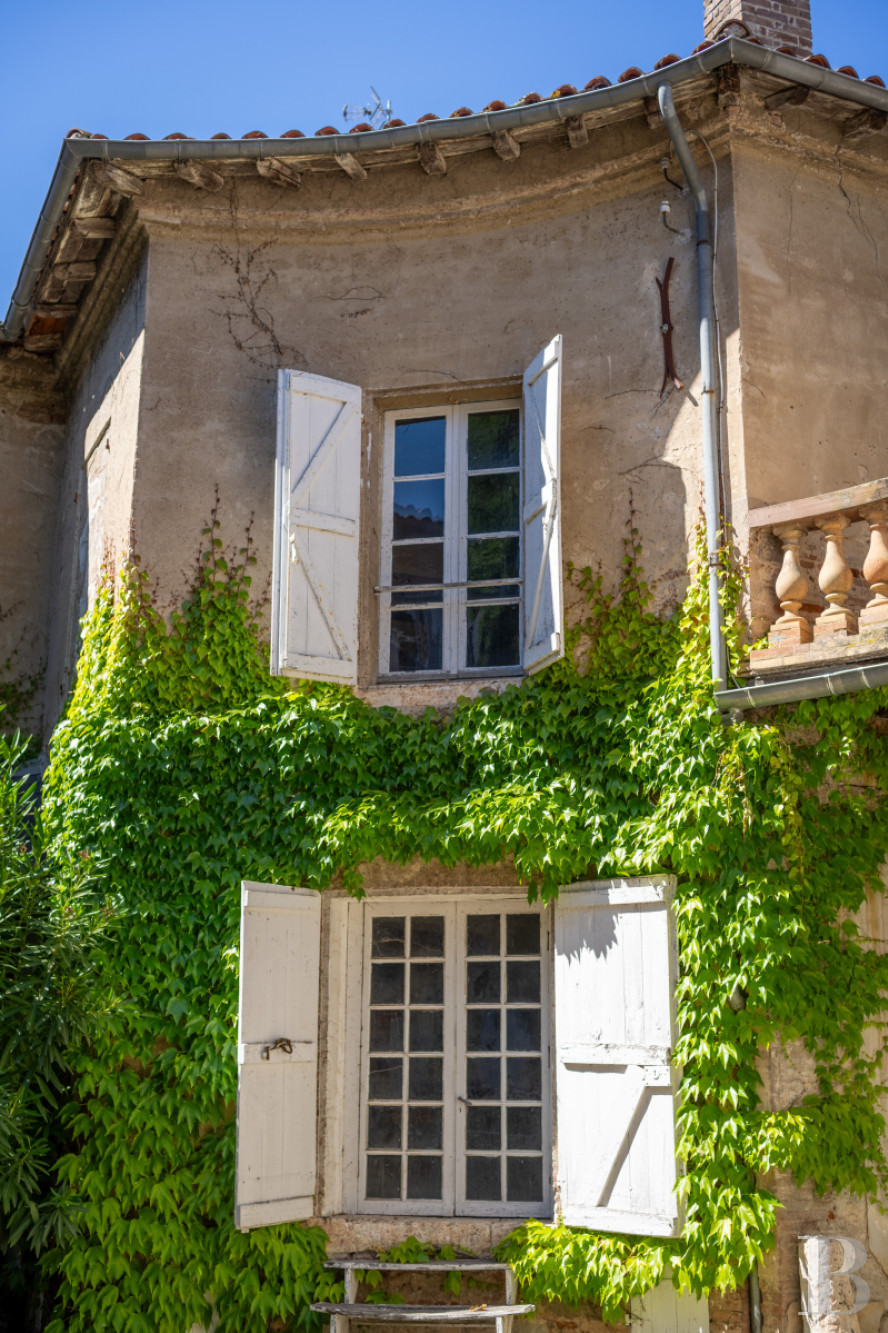
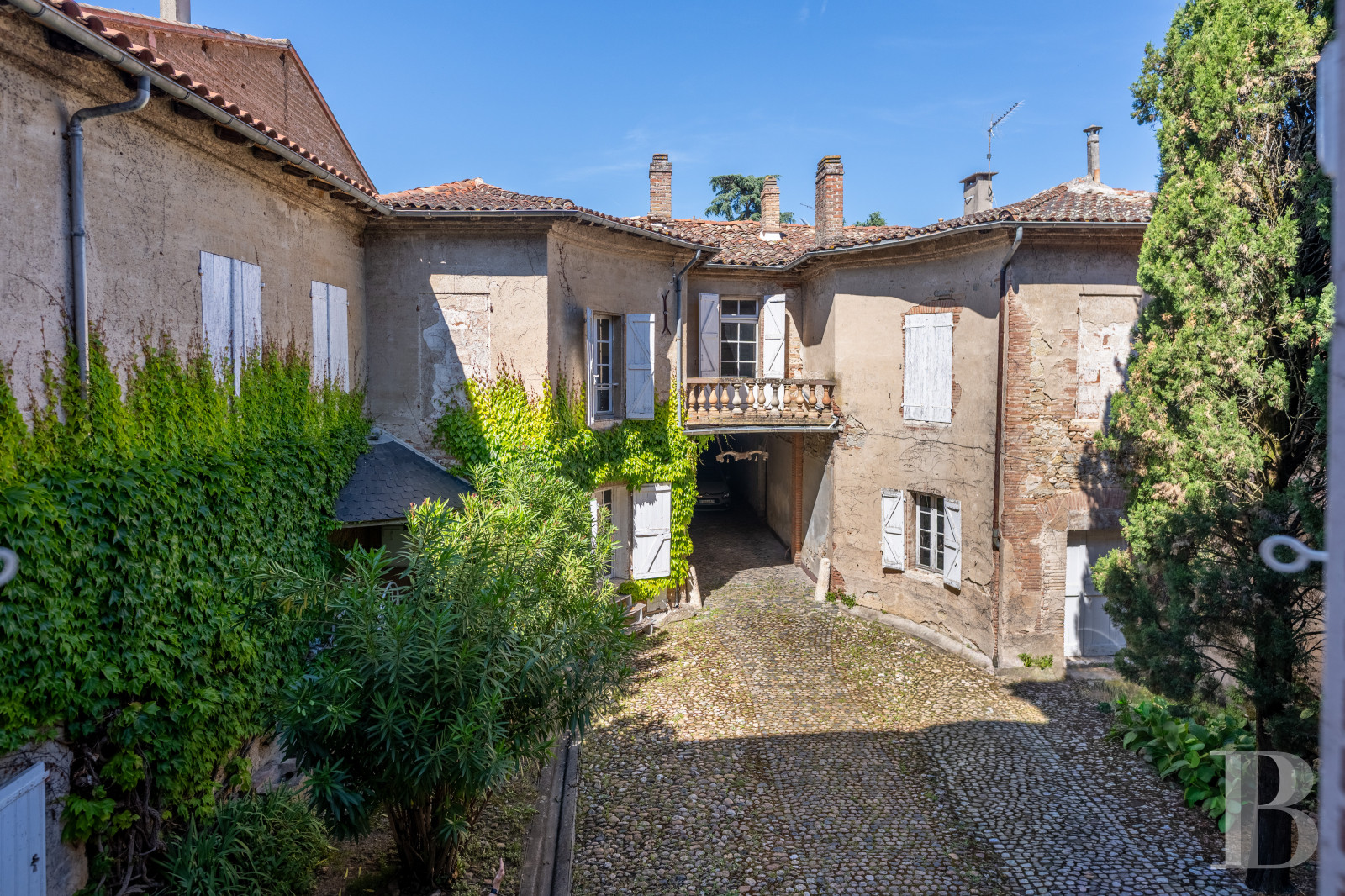
This former urban wine-making property was built in 1827 and stands around a vast cobbled courtyard that can be reached via a long, covered passageway leading through the old outbuildings. Behind a tall carriage gate, the property makes up a small complex formed by the main residence and several outbuildings, paying witness to its wine-making past. The three-storey main residence boasts a sober and harmonious architecture that is typical of 19th-century upper middle-class homes in Gaillac. Local brickwork is visible here and there on the rendered facades, while the doors and windows are fitted with wooden shutters. The main entrance door is topped by an ironwork-adorned fanlight bearing the date of the edifice’s construction. It opens into a long corridor running through the house from the courtyard to the garden.
Around the courtyard and garden, there are almost 550 m² of outbuildings, including the former wine storehouses, cellars, storerooms and a garage, as well as the estate manager’s lodgings, which today require restoration.
The property stands on an approximately 1,300-m² plot, 500 m² of which is occupied by a walled garden. Its size, location in the town and state of conservation make the property, which is one of the few remaining large, urban, wine-making residences that contributed to the prosperity of Gaillac, a rare one.
Around the courtyard and garden, there are almost 550 m² of outbuildings, including the former wine storehouses, cellars, storerooms and a garage, as well as the estate manager’s lodgings, which today require restoration.
The property stands on an approximately 1,300-m² plot, 500 m² of which is occupied by a walled garden. Its size, location in the town and state of conservation make the property, which is one of the few remaining large, urban, wine-making residences that contributed to the prosperity of Gaillac, a rare one.
The main residence
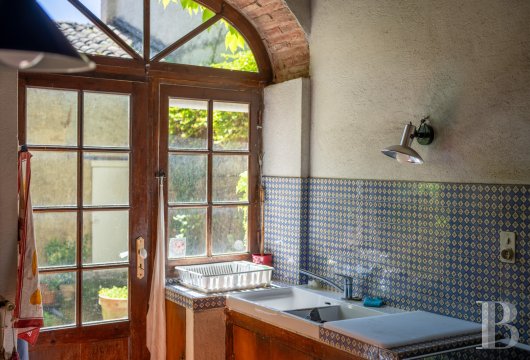
It boasts living space of around 270 m². The ground floor contains the main reception rooms: a dining room, a lounge opening out onto the garden, an office, a kitchen, lavatory and bathroom as well as a vast hallway leading to the cellars and main staircase. The first floor is made up of several bedrooms, shower rooms and further living rooms, while an approximately 105-m² loft occupies the top floor.
The ground floor
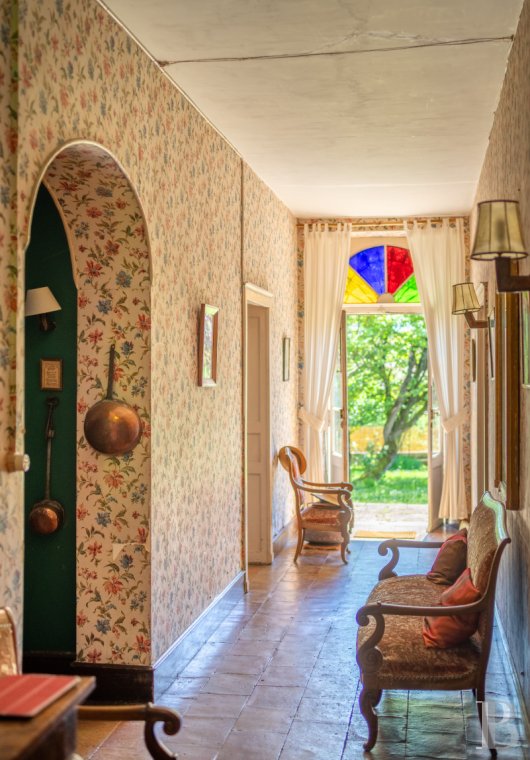
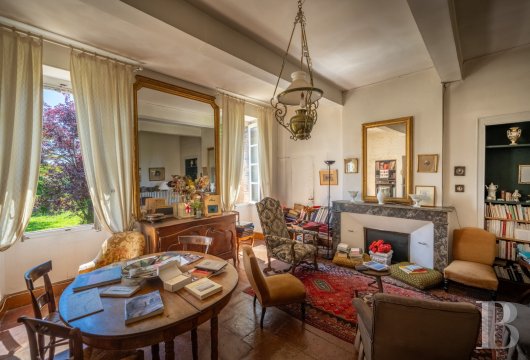
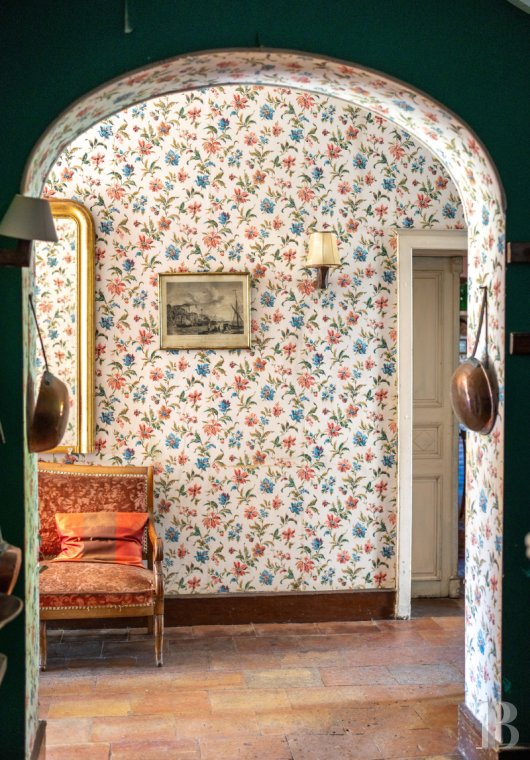
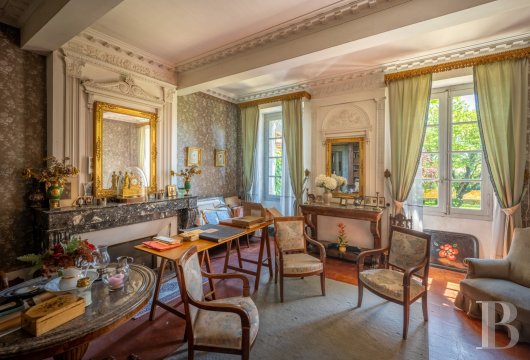
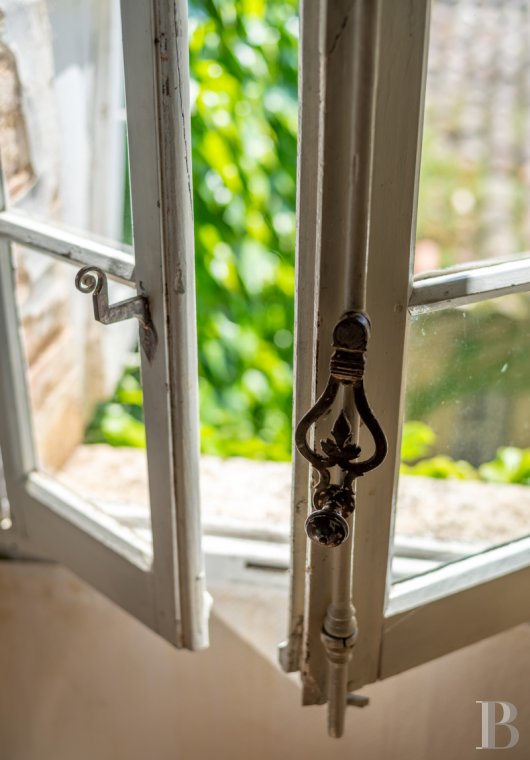
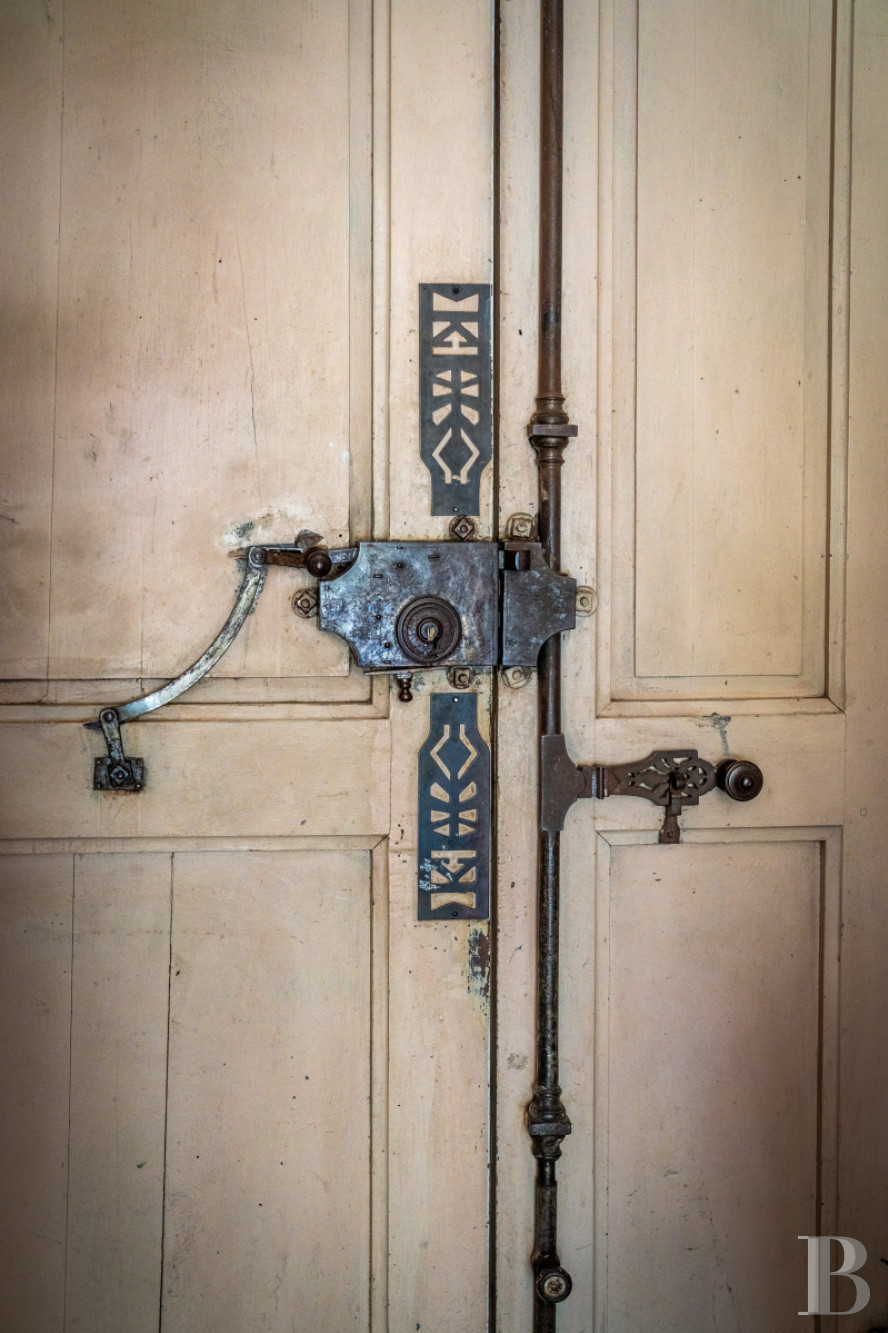
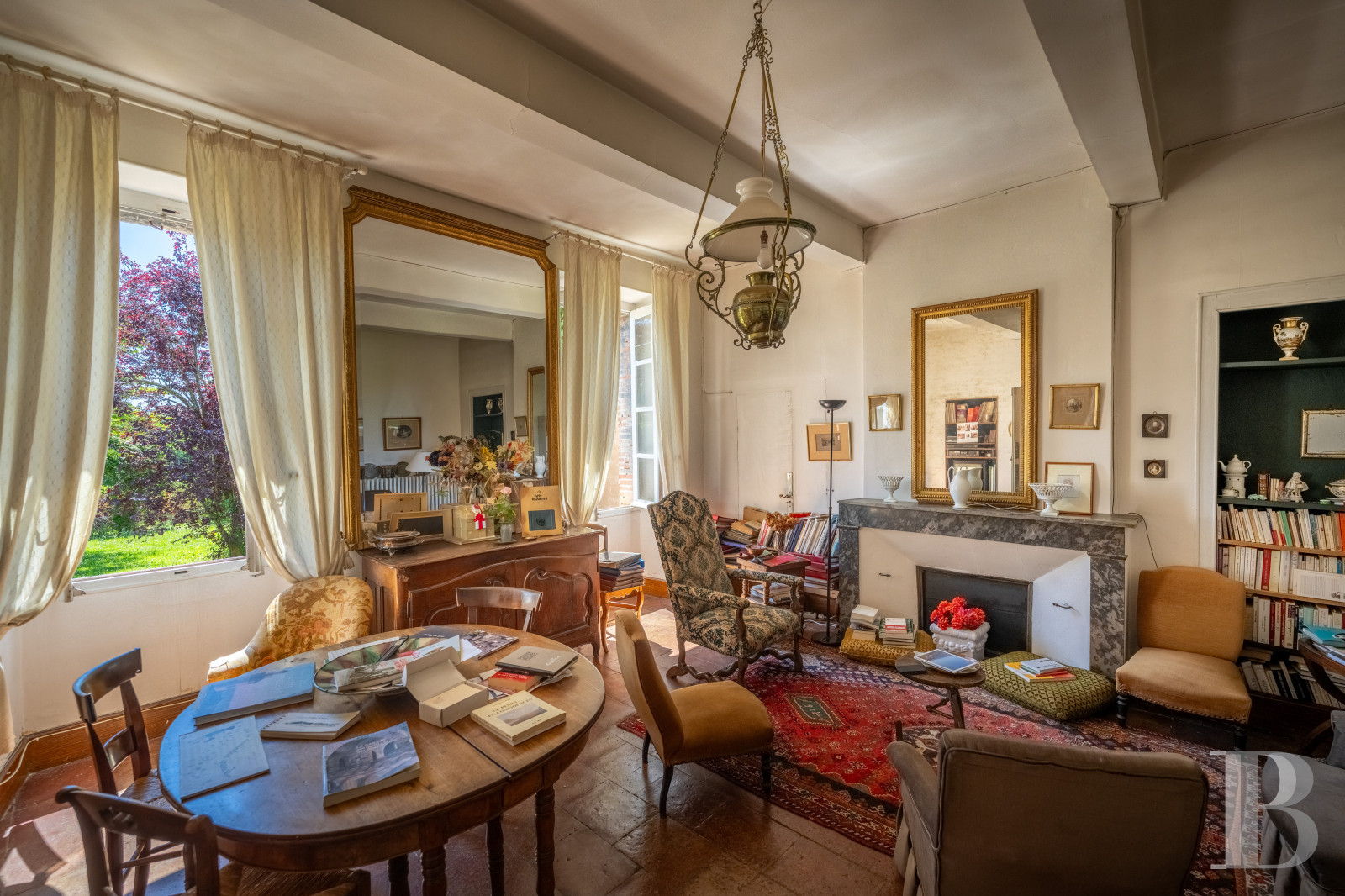
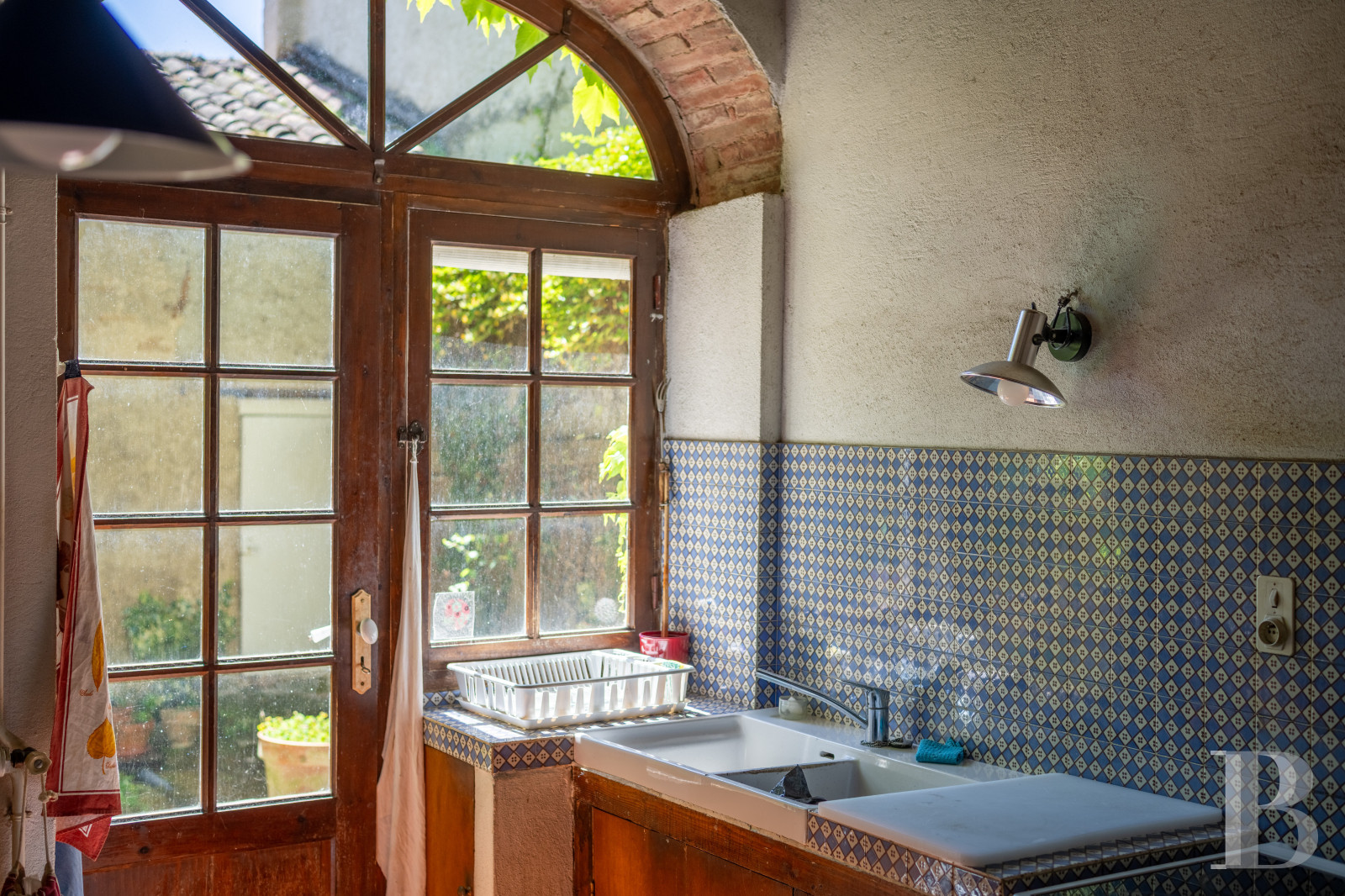
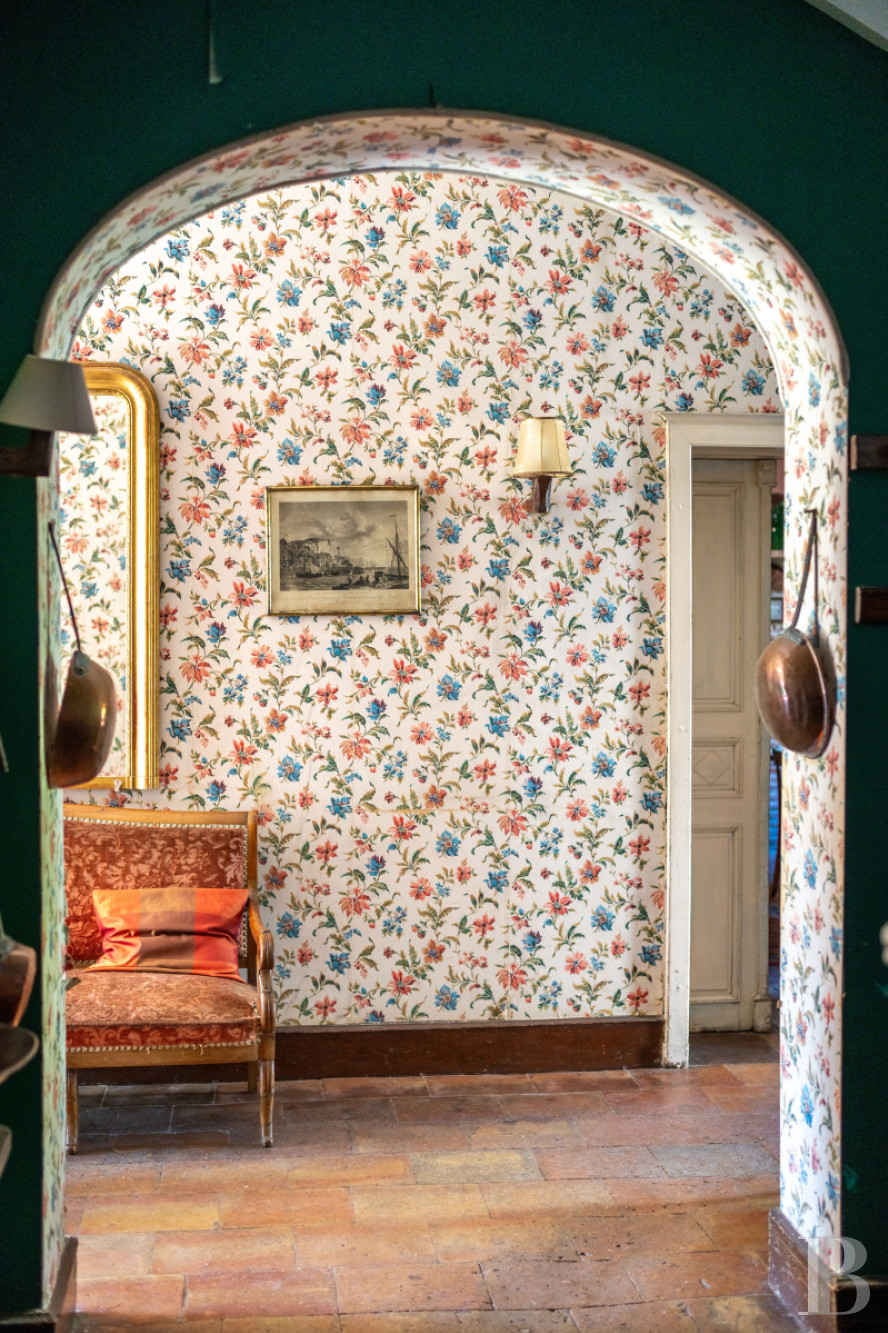
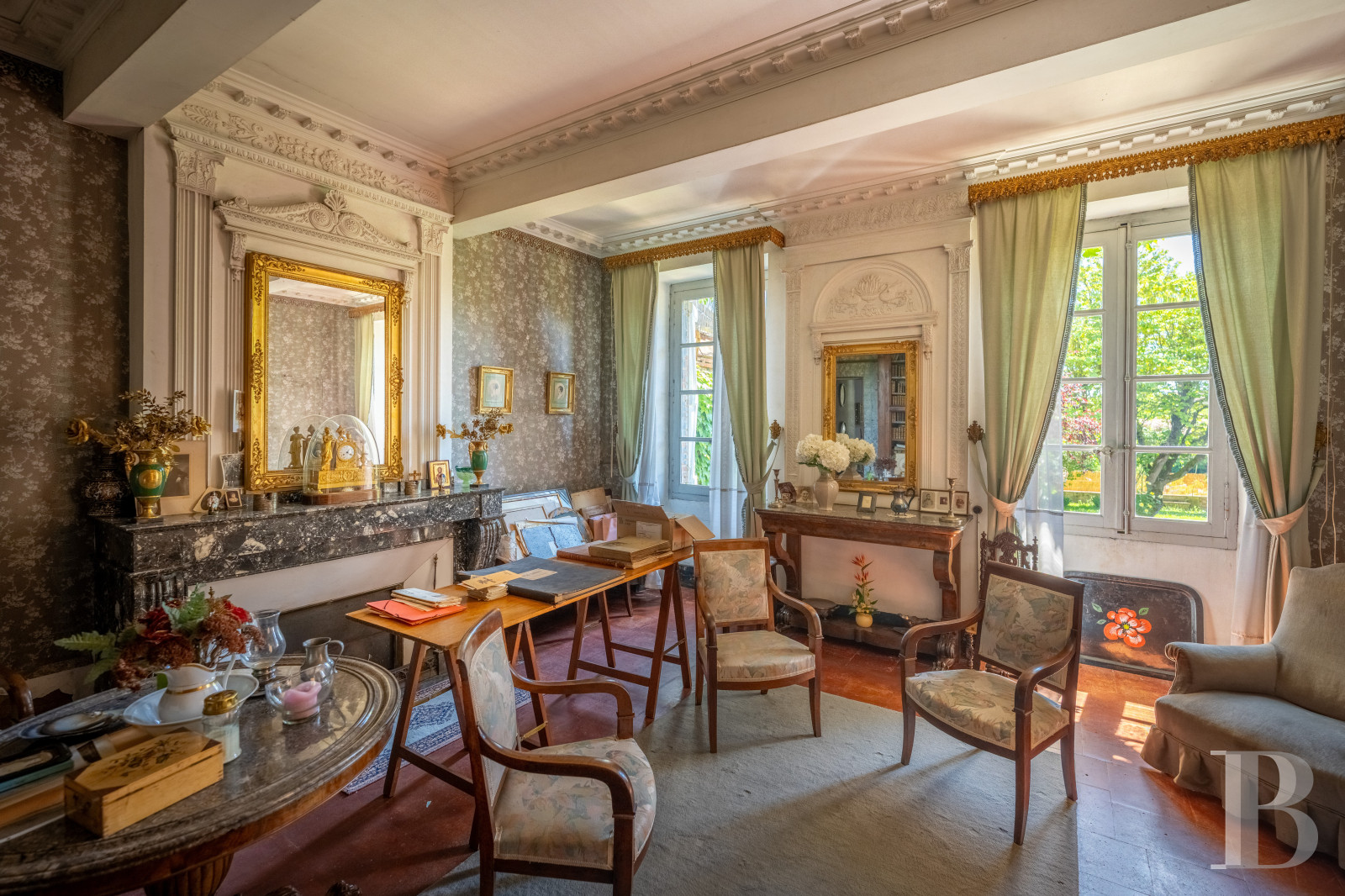
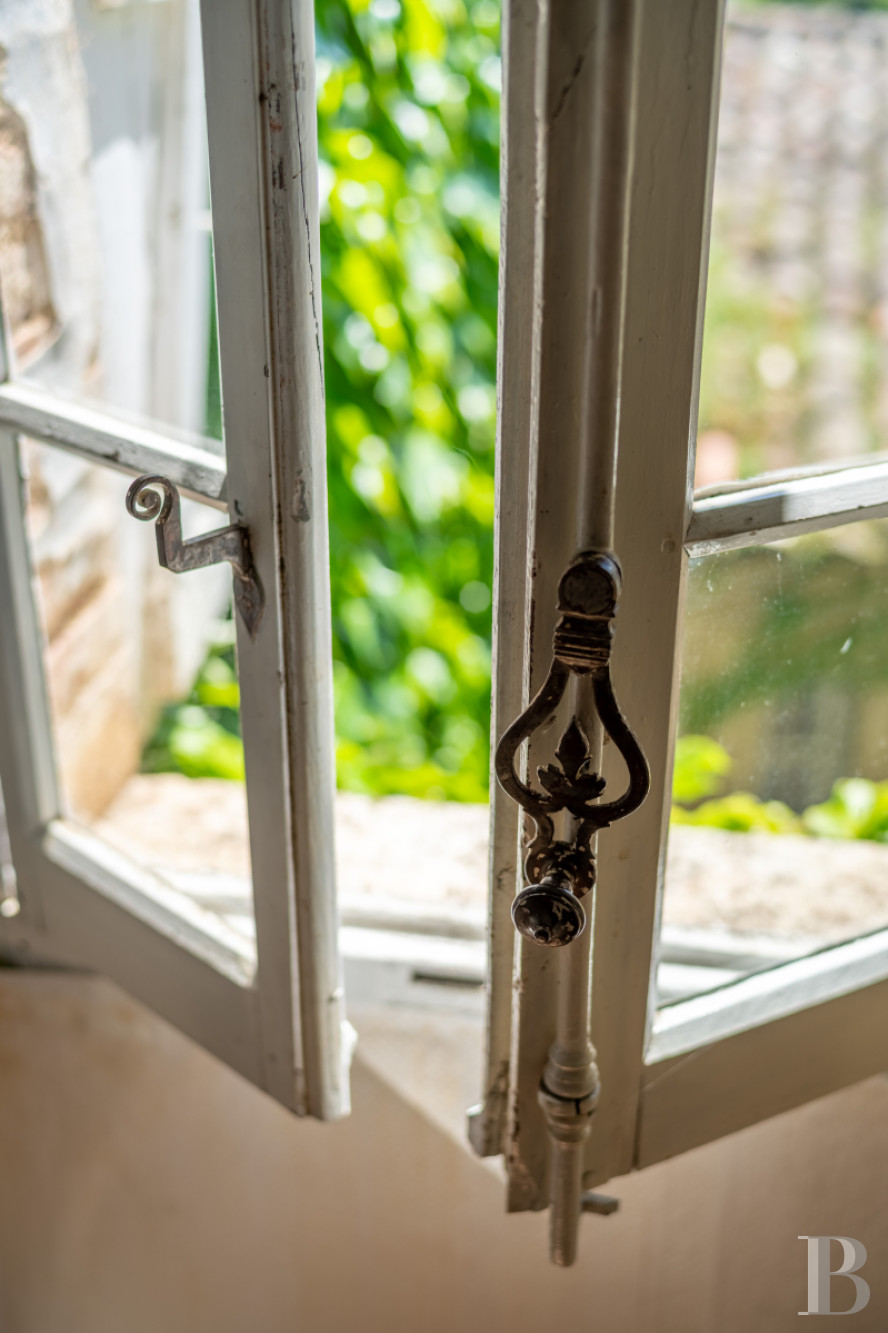
This level is set out around an approximately 15-metre-long corridor running through the building, linking the courtyard to the garden. The main reception rooms can be found on either side. The dining room opens into the kitchen, after which there are a bathroom and a lavatory. The lounge, which is bathed in light through two large windows, opens onto the garden, while an office completes this level. At the end of the corridor, a vast hallway leads to the cellars and main staircase. Period features have been preserved in this property, particularly terracotta tiles, stained-glass fanlights and original window frames that pay witness to the residence’s history.
The first floor
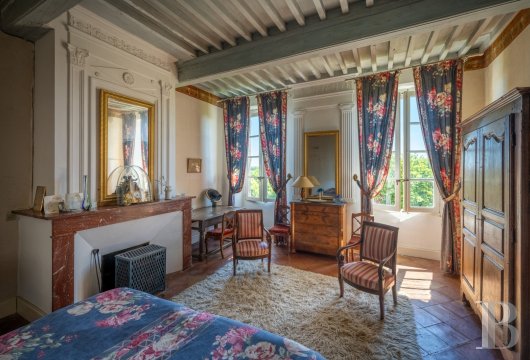
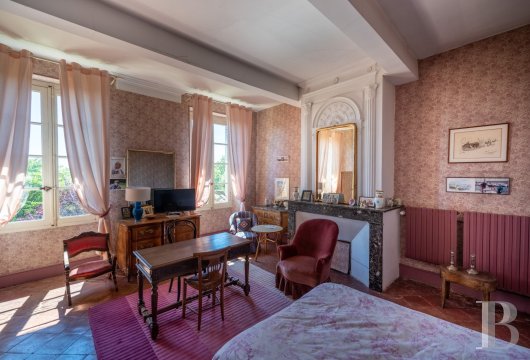
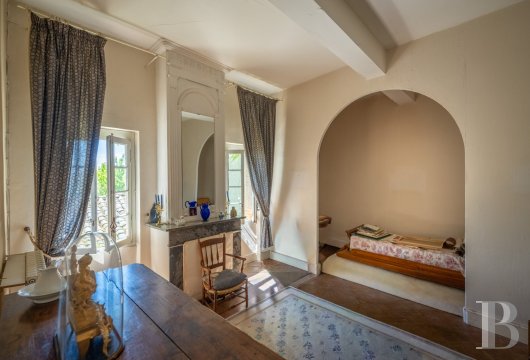
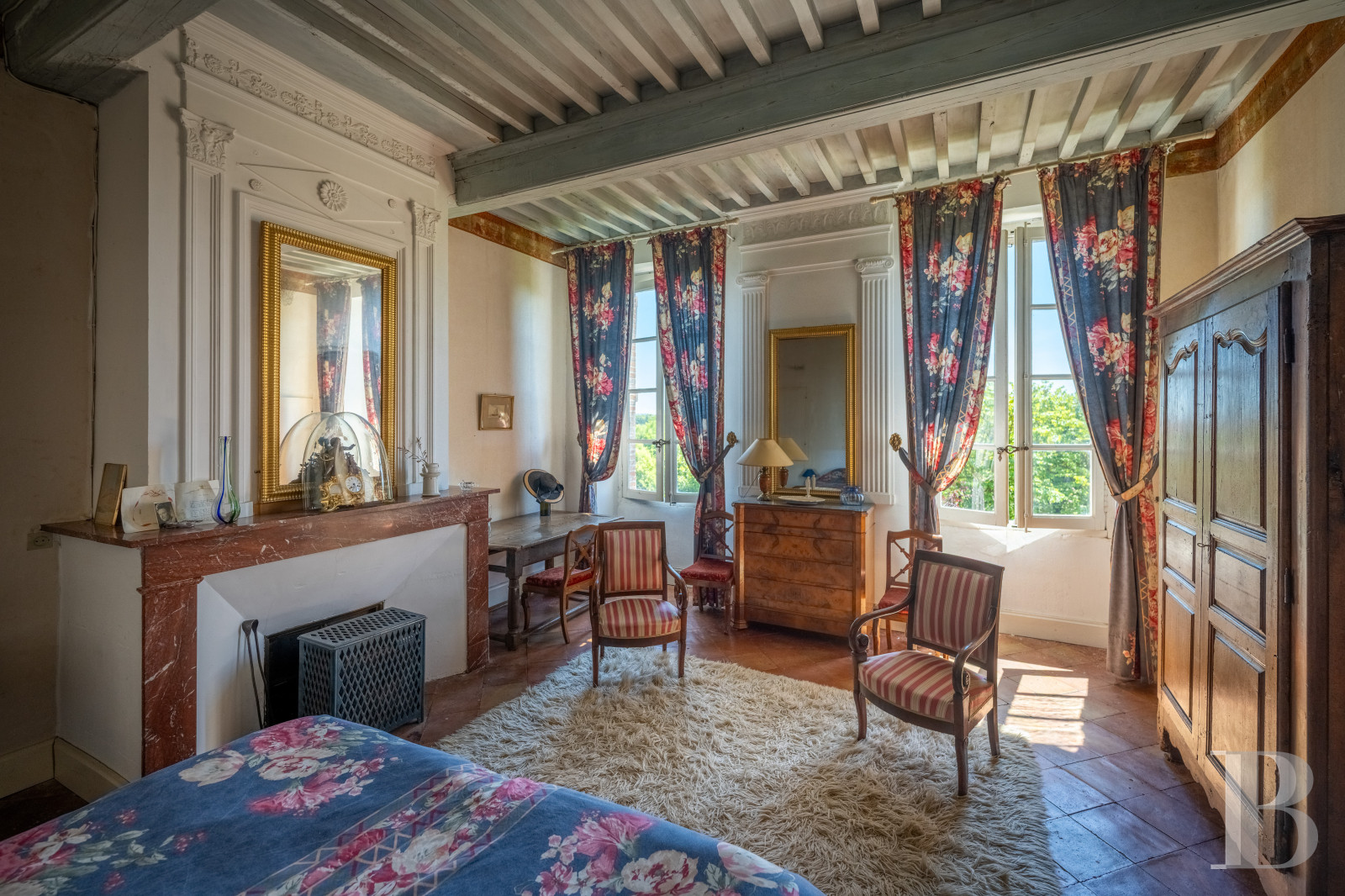
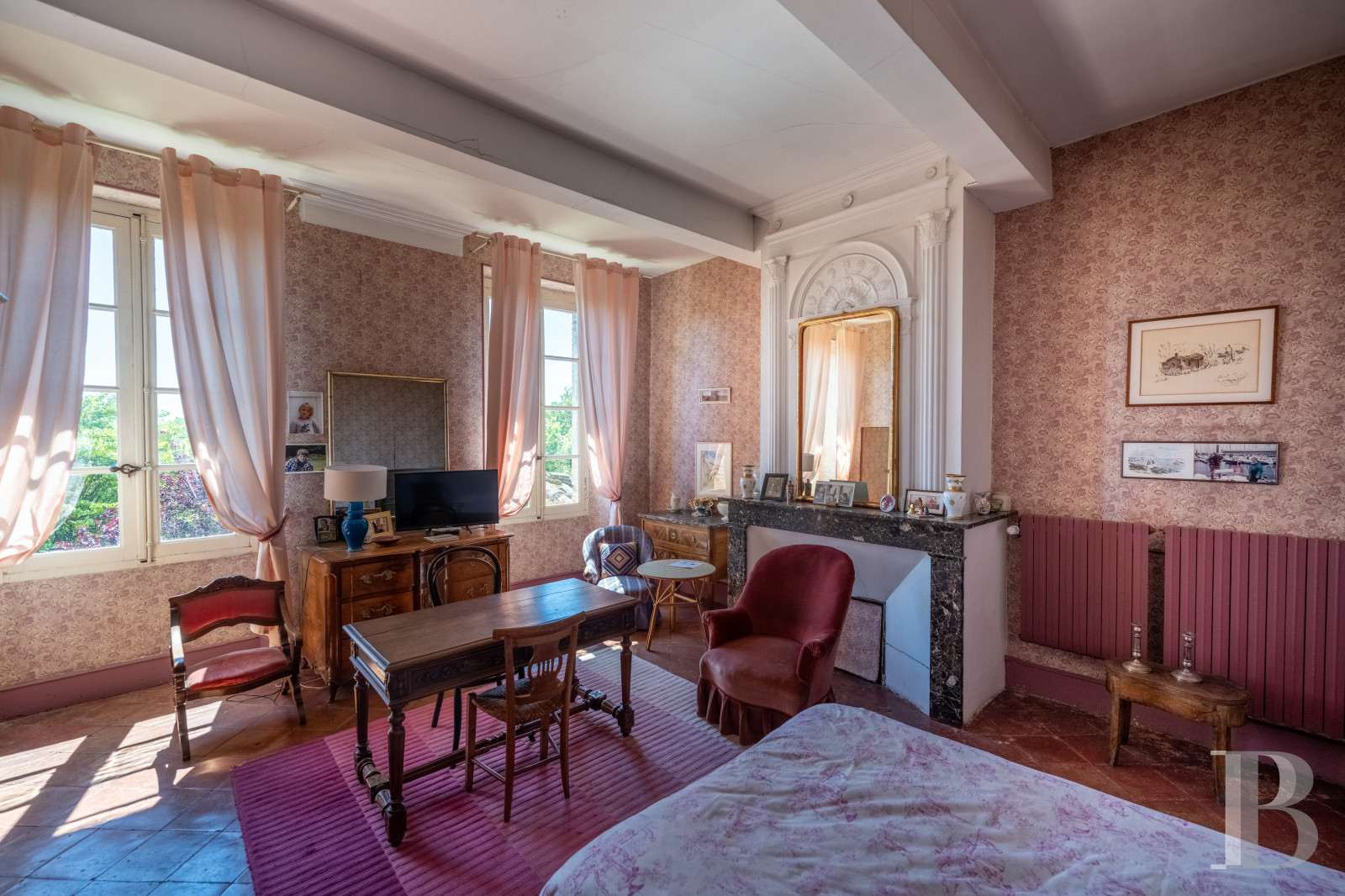
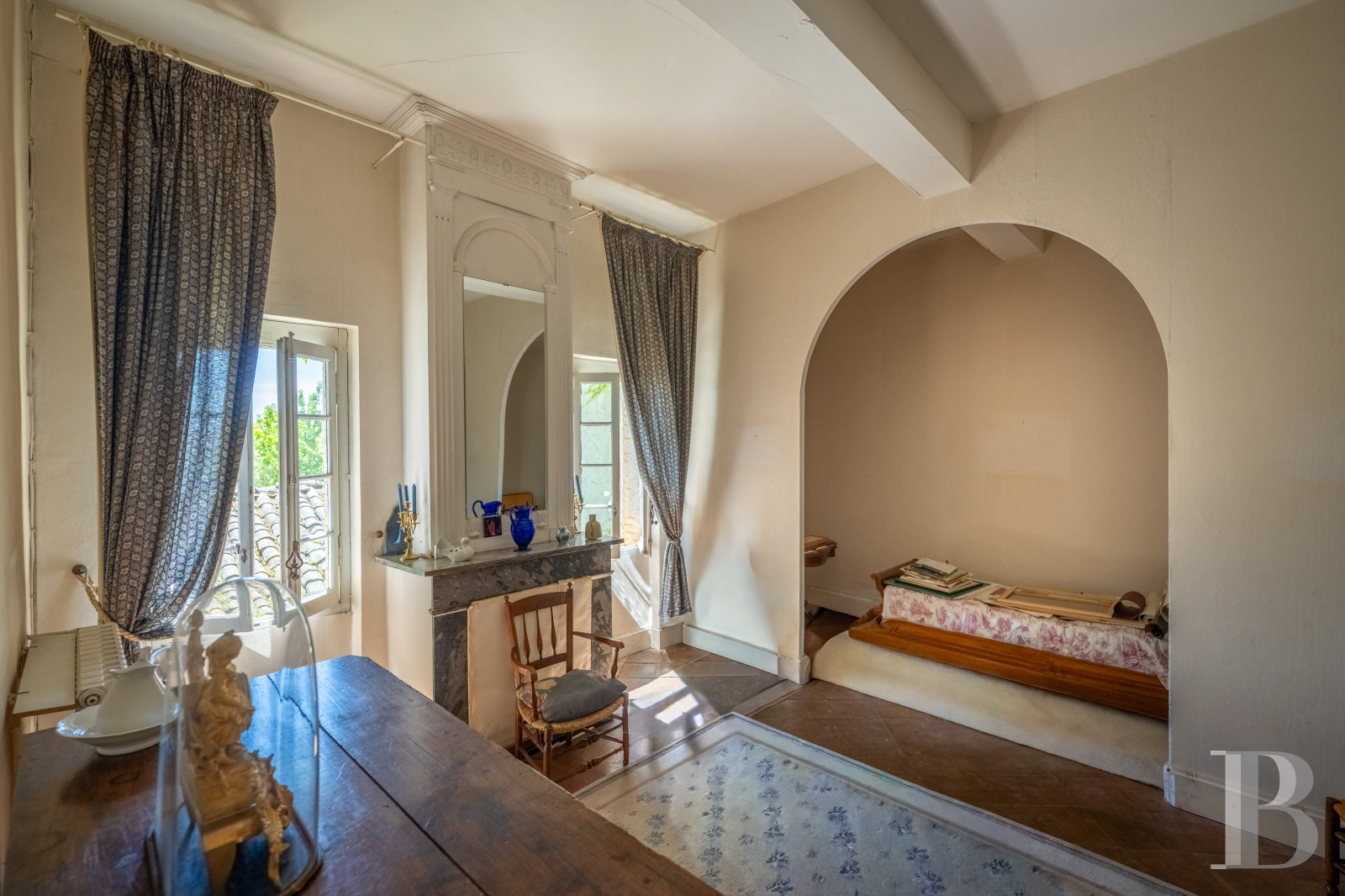
A wide landing leads to the various rooms, starting with a bedroom situated above the sitting room on the ground floor. It is followed by three other amply sized bedrooms, including two that are bathed in light by tall windows overlooking the garden or the courtyard. They all still boast the attributes typical of 19th-century upper middle-class homes: marble fireplaces adorned with trumeau panels, period terracotta tiles, original window frames, built-in cupboards and ample proportions. Some of them also possess painted French-style beamed ceilings. One of the bedrooms leads to an alcove-adorned fifth room that could be used as an extra bedroom, a study or a reading room. A linen room, a shower room and storage facilities complete this level.
The second floor
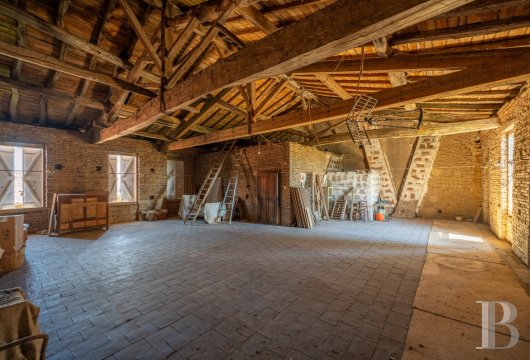
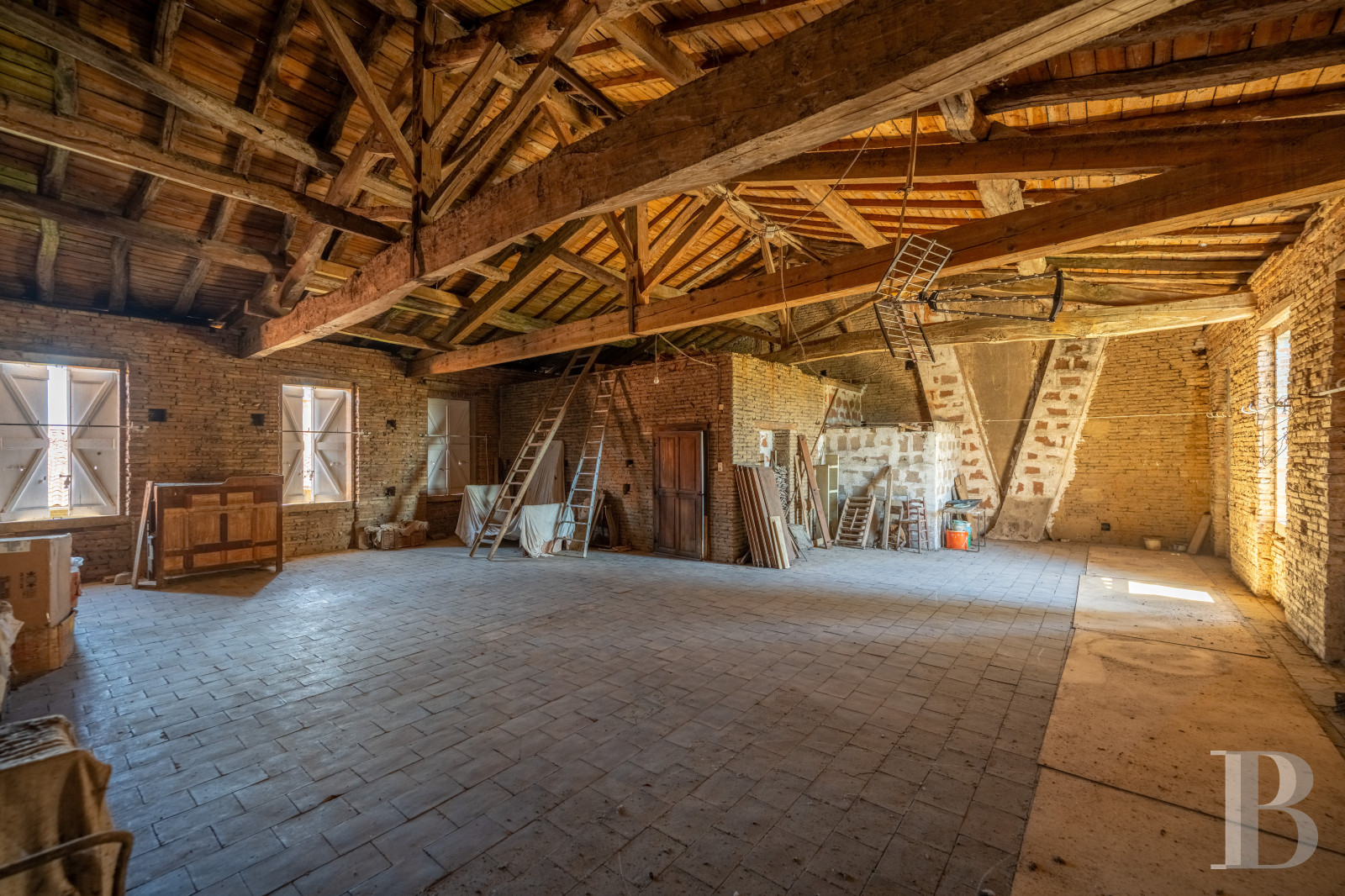
This level is chiefly occupied by a vast loft that spreads over almost the entire footprint of the house. Light streams in through eight windows overlooking the courtyard and garden. The flooring is made up of period terracotta tiles beneath an exposed roof frame of remarkable dimensions. The exposed brick walls bestow further character on this level, whose volumes permit plenty of potential for possible conversion. This level also includes two small bedrooms situated at each end of the building. Both boast period terracotta tiles, exposed beams and the original window frames. Next to one of them, there is a room that could be used as a bedroom or as storage space.
The basement
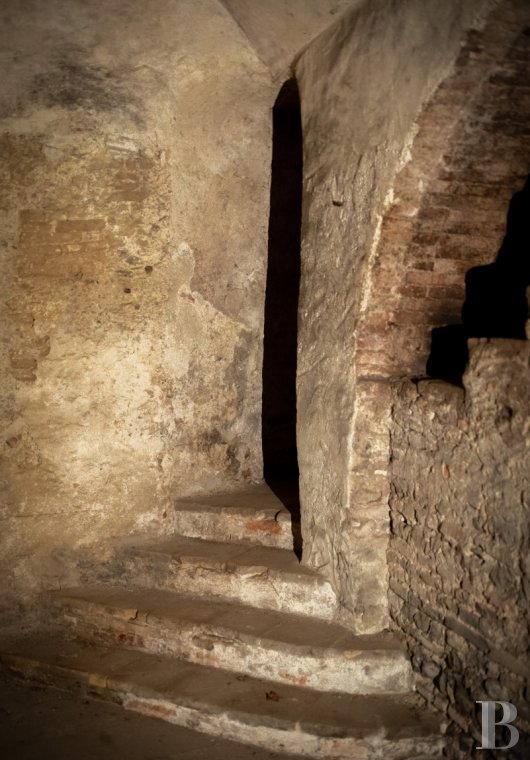
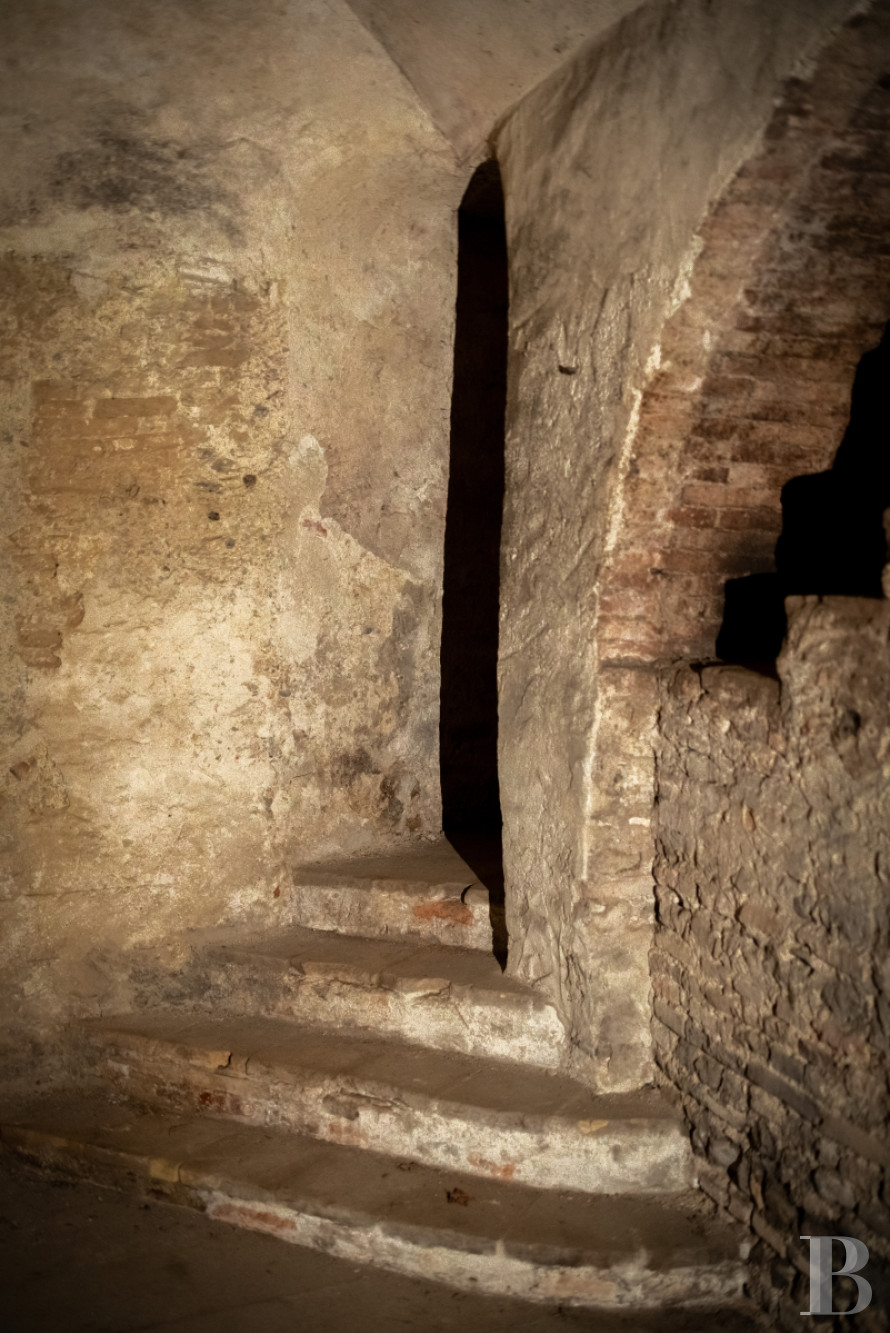
Beneath the residence, vaulted cellars can be found, in which the cool darkness is made up of a décor of brick, stone and wood that has remained almost intact from the building’s origins. The walls still play host to rows of bottle racks, while the successive arches create a depth of perspective. They are a heritage of the wine-making activity that contributed to the property’s prosperity and represent one of its most authentic incarnations.
The former wine-making buildings and apartments
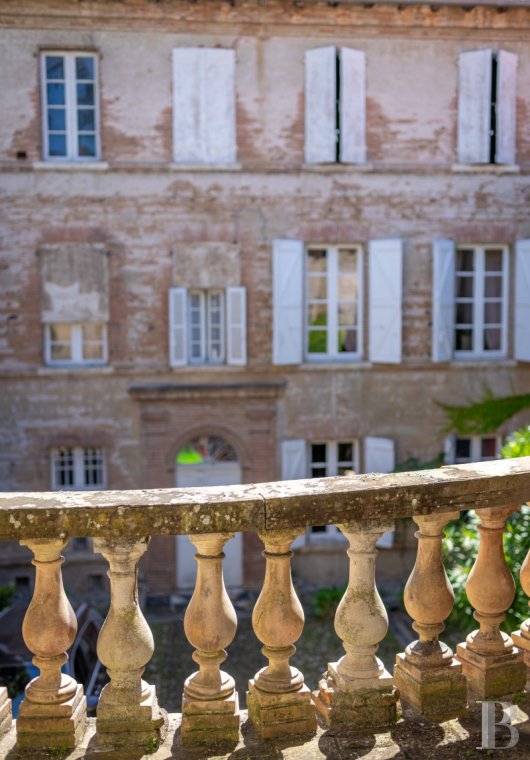
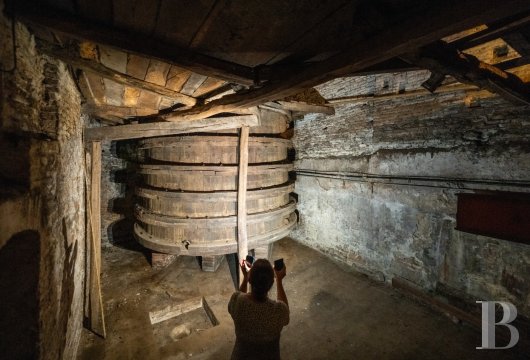
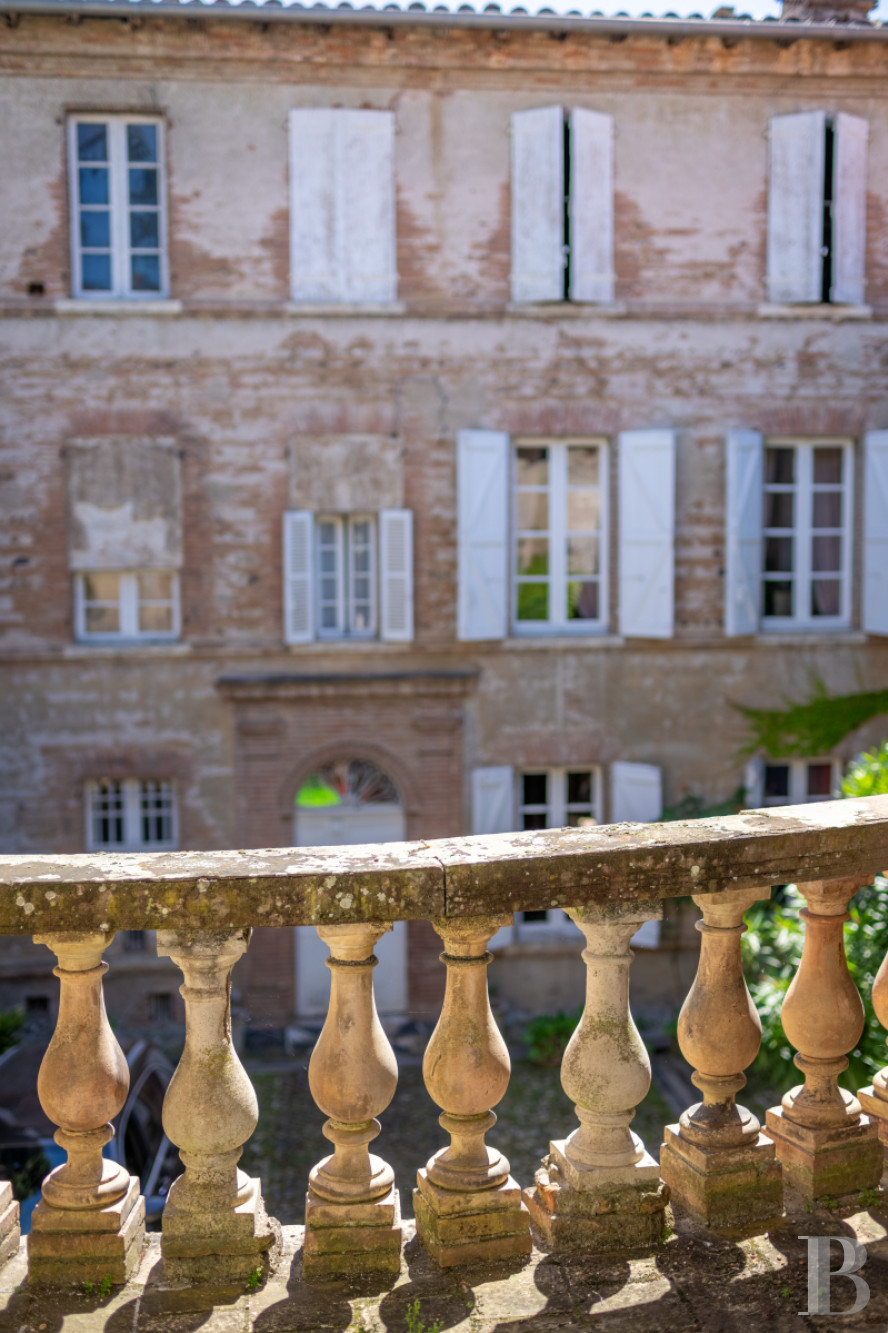
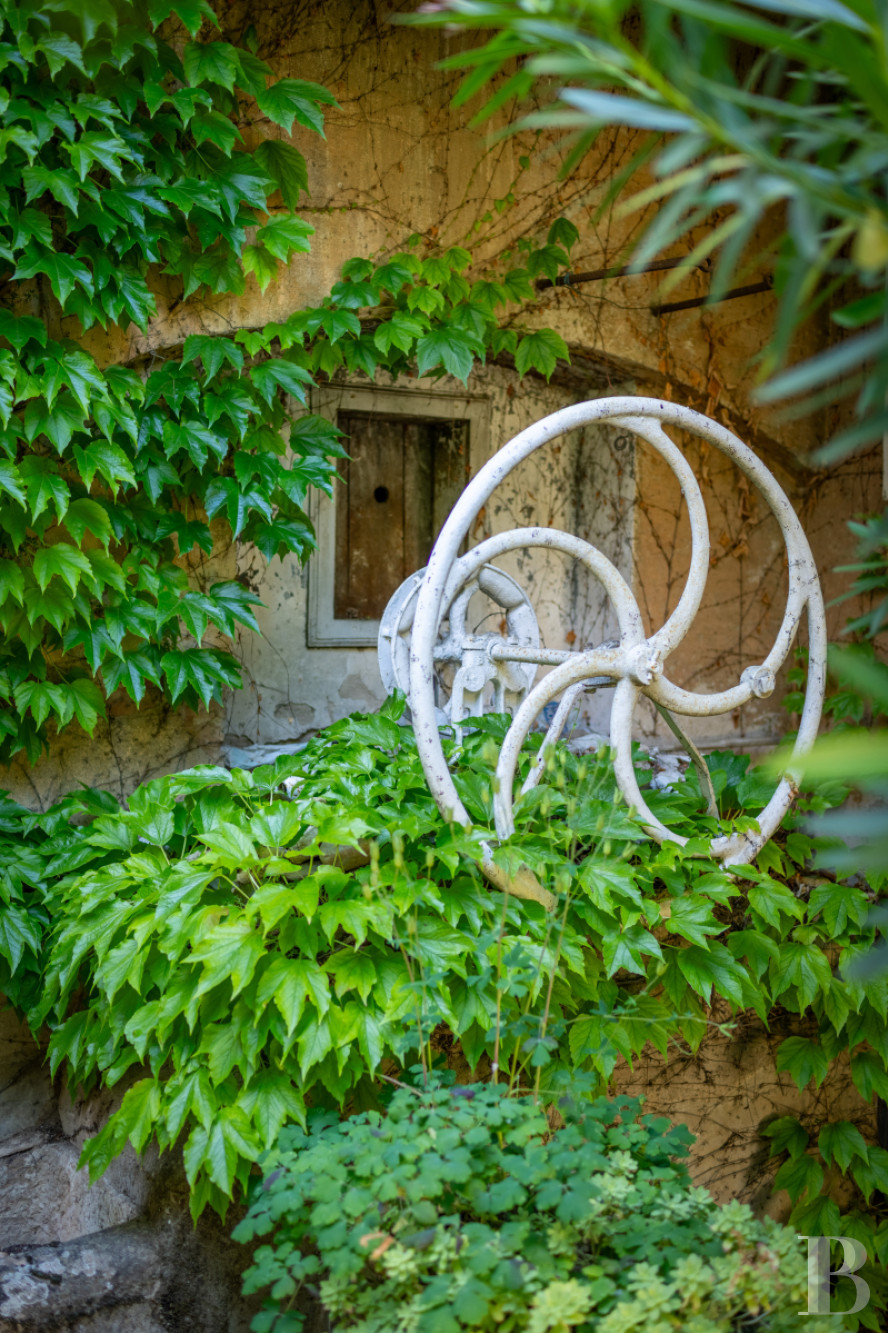
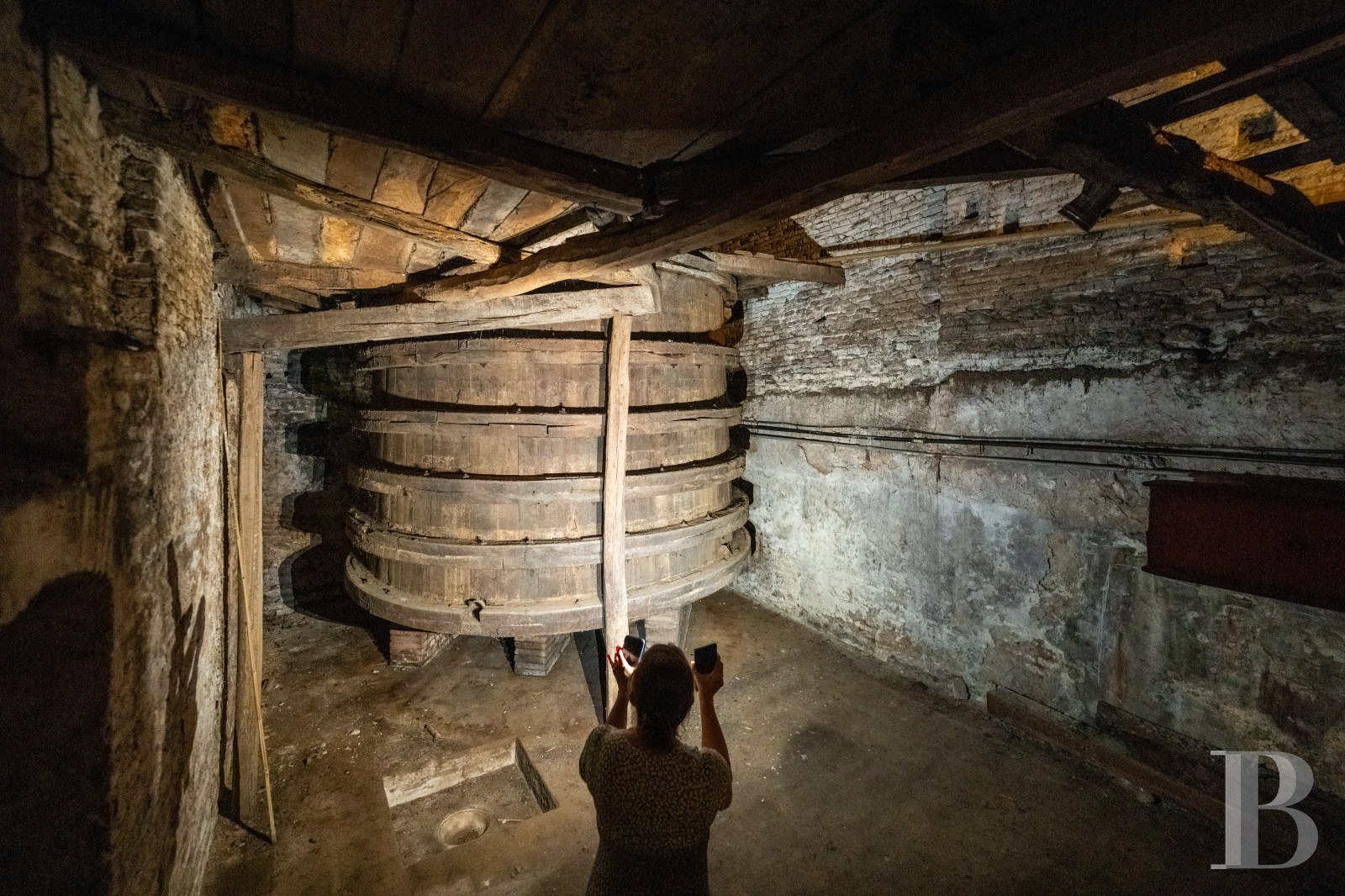
Two wine storehouses stretch out over a total surface of around 550 m², beneath roof frames supported by brick arcades that punctuate the space. In the cellars, there is still an impressive vertical wine press, which is a rare reminder of the place’s wine-making history. A garage and storage space complete the ground floor level. On the top floor, the managers’ apartments are made up of two bedrooms, an artist’s studio in a former kitchen, an office and various utility rooms. There is also a vast amount of loft space with excellent potential for conversion, boasting a spectacular exposed roof frame. The view from the stone, baluster-adorned balcony overlooking the courtyard takes in the time-weathered facades of the residence and the series of buildings surrounding it.
The garden
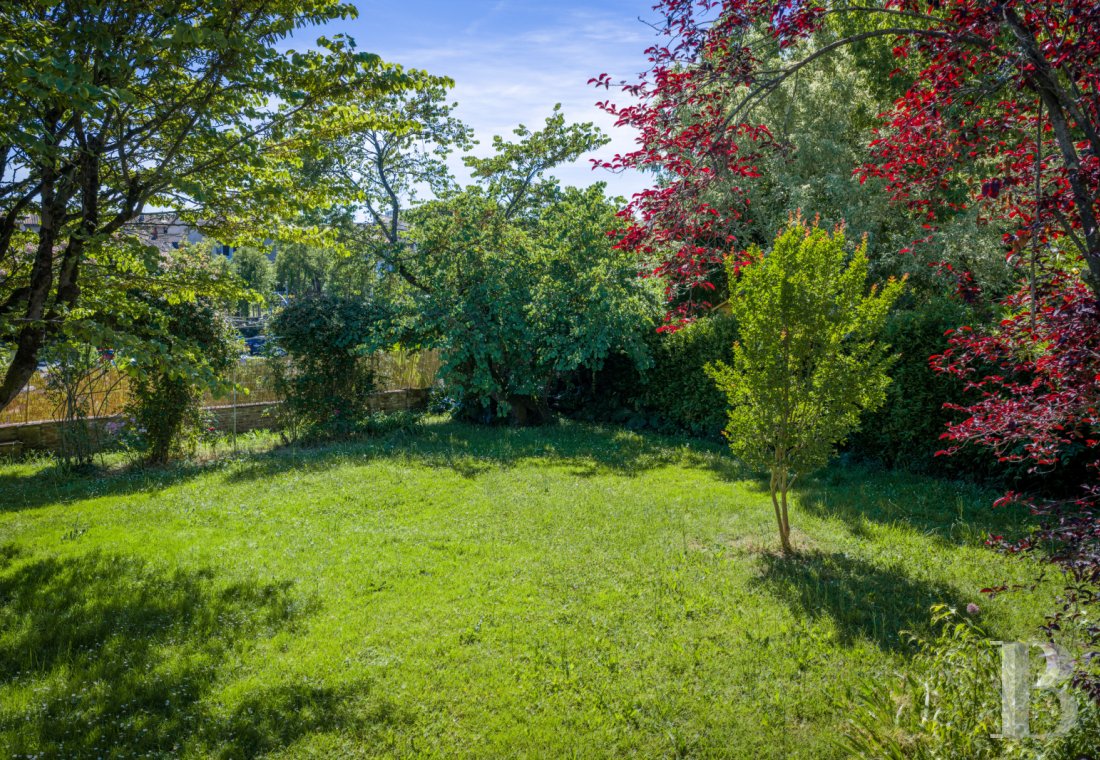
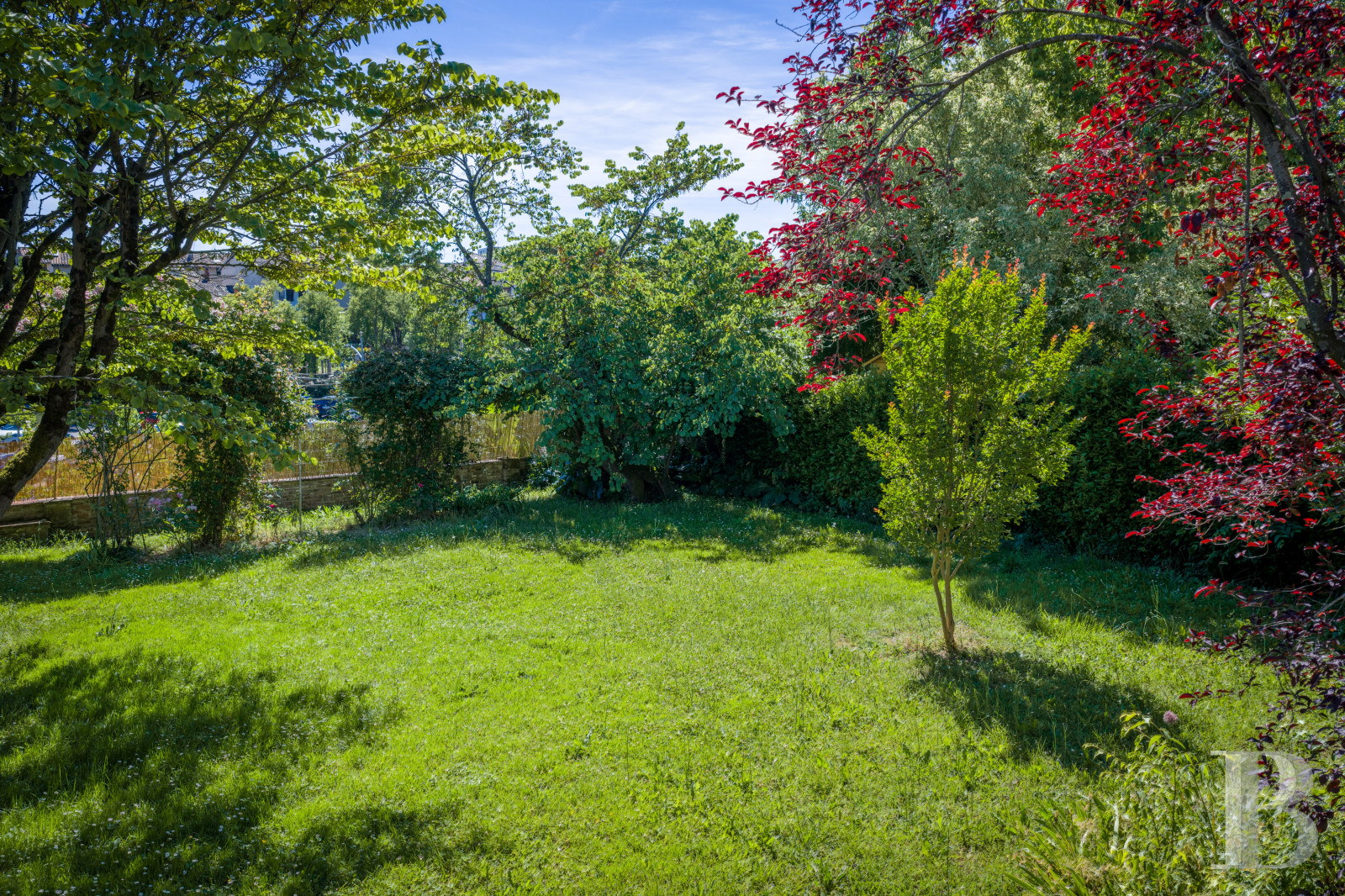
The walled garden is sheltered from view, spreads over approximately 500 m² and extends out from the patio running along the entirety of the rear facade. Several steps lead down into the greenery made up of Judas, wild plum, cypress and oleander trees. The plentiful flowers, tall trees and the shade they provide on the lawns are faithful to the residence’s purpose as a family home or reception venue, providing the garden with a peaceful character away from the hustle and bustle of the town-centre which is nonetheless nearby.
Our opinion
Some houses tell a story but this one has even retained the décors on which its specific history has been written. Rather than leaving traces, the passing decades have left nuances, forming a gentle atmosphere reminiscent of large family homes. Throughout its levels, authenticity is the watchword, where the living spaces merge naturally with the volumes awaiting conversion. The space available, the former estate manager’s apartment and the vast lofts as well as wine storehouses offer a wide range of possibilities, be it the extension of a family home, developing an artistic or professional activity or running a guest accommodation business. In the midst of the old streets, this property boasts a rare advantage: the possibility of immediately moving into a characterful edifice while continuing, at leisure, to perpetuate the legacy from which it springs.
Reference 561285
| Land registry surface area | 1313 m² |
| Main building floor area | 270 m² |
| Number of bedrooms | 6 |
| Outbuildings floor area | 550 m² |
French Energy Performance Diagnosis
Information on the risks to which this property is exposed is available on the website: www.georisques.gouv.fr
Share


NB: The above information is not only the result of our visit to the property; it is also based on information provided by the current owner. It is by no means comprehensive or strictly accurate especially where surface areas and construction dates are concerned. We cannot, therefore, be held liable for any misrepresentation.