

Add to favorites
Log in to your personal space
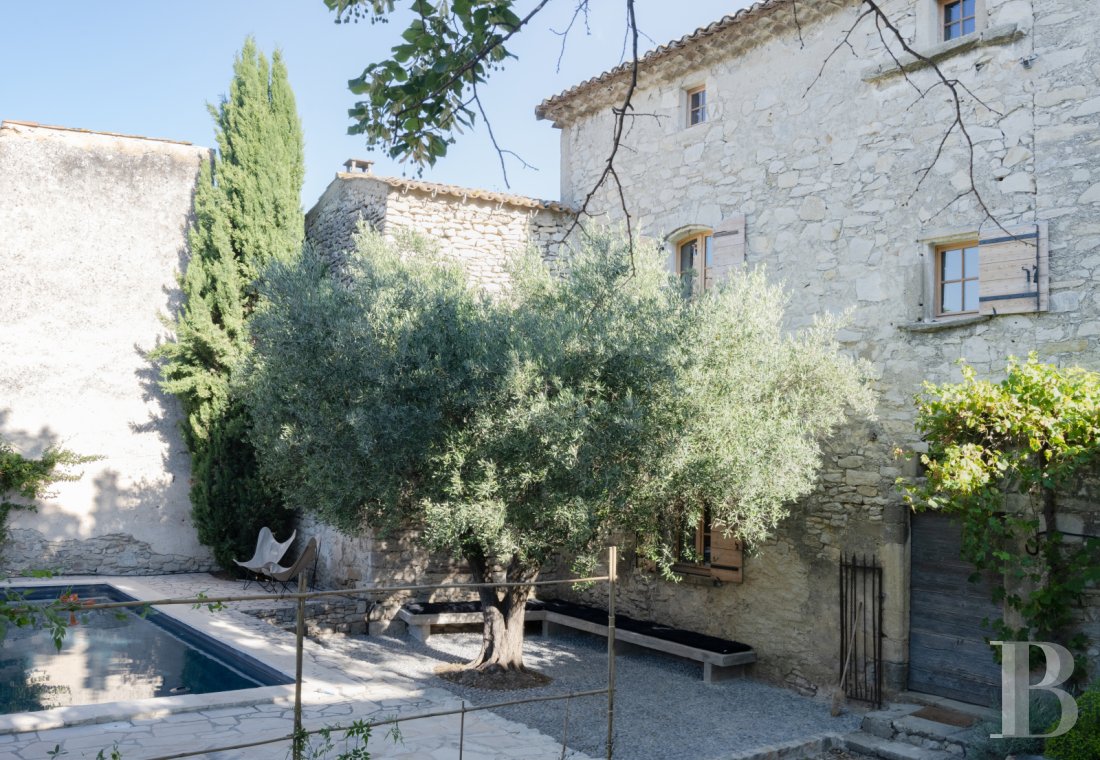
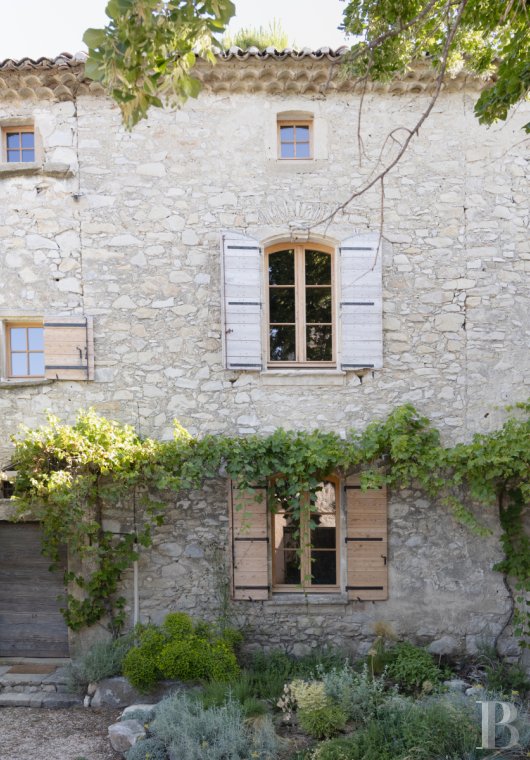
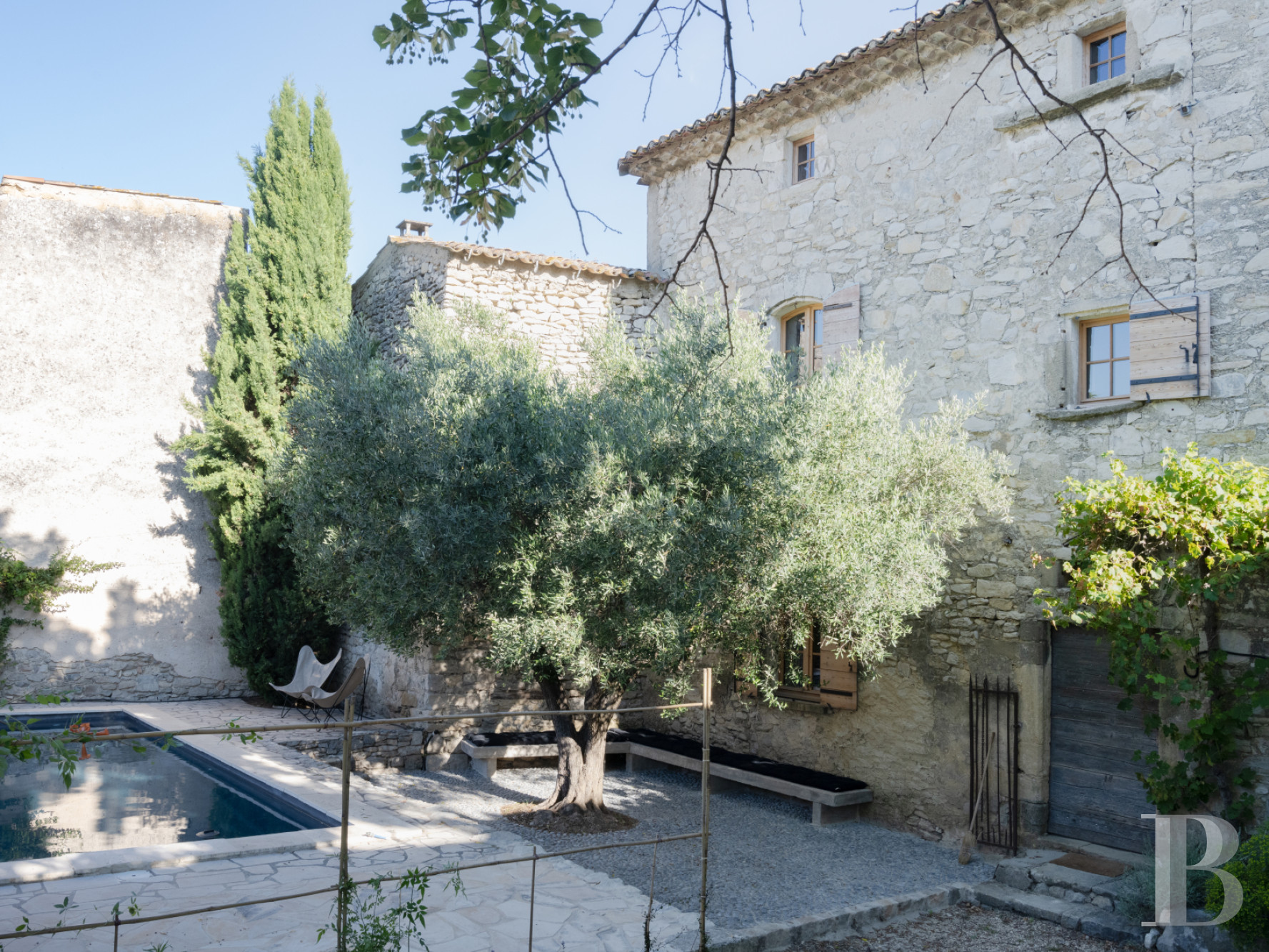
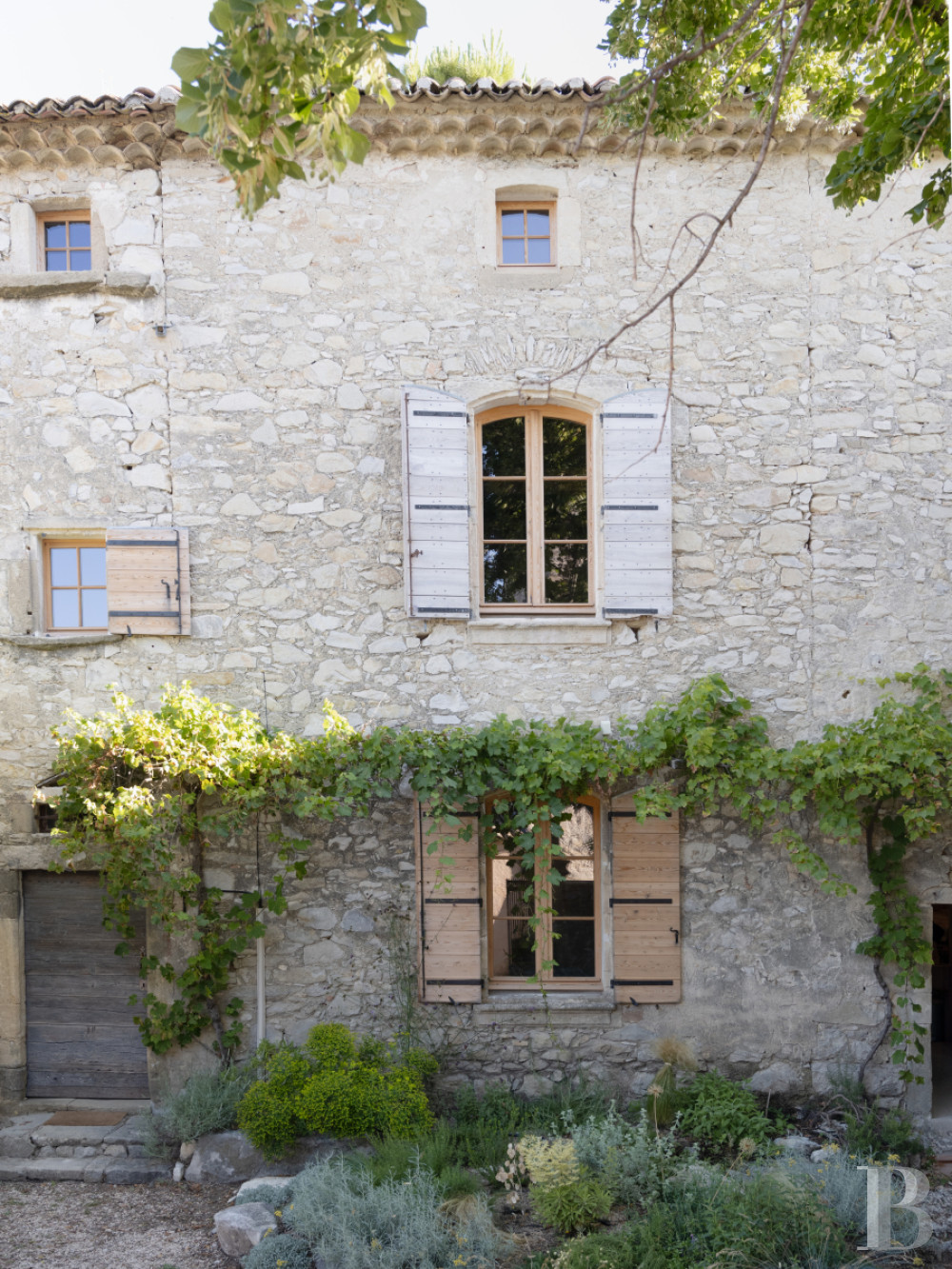
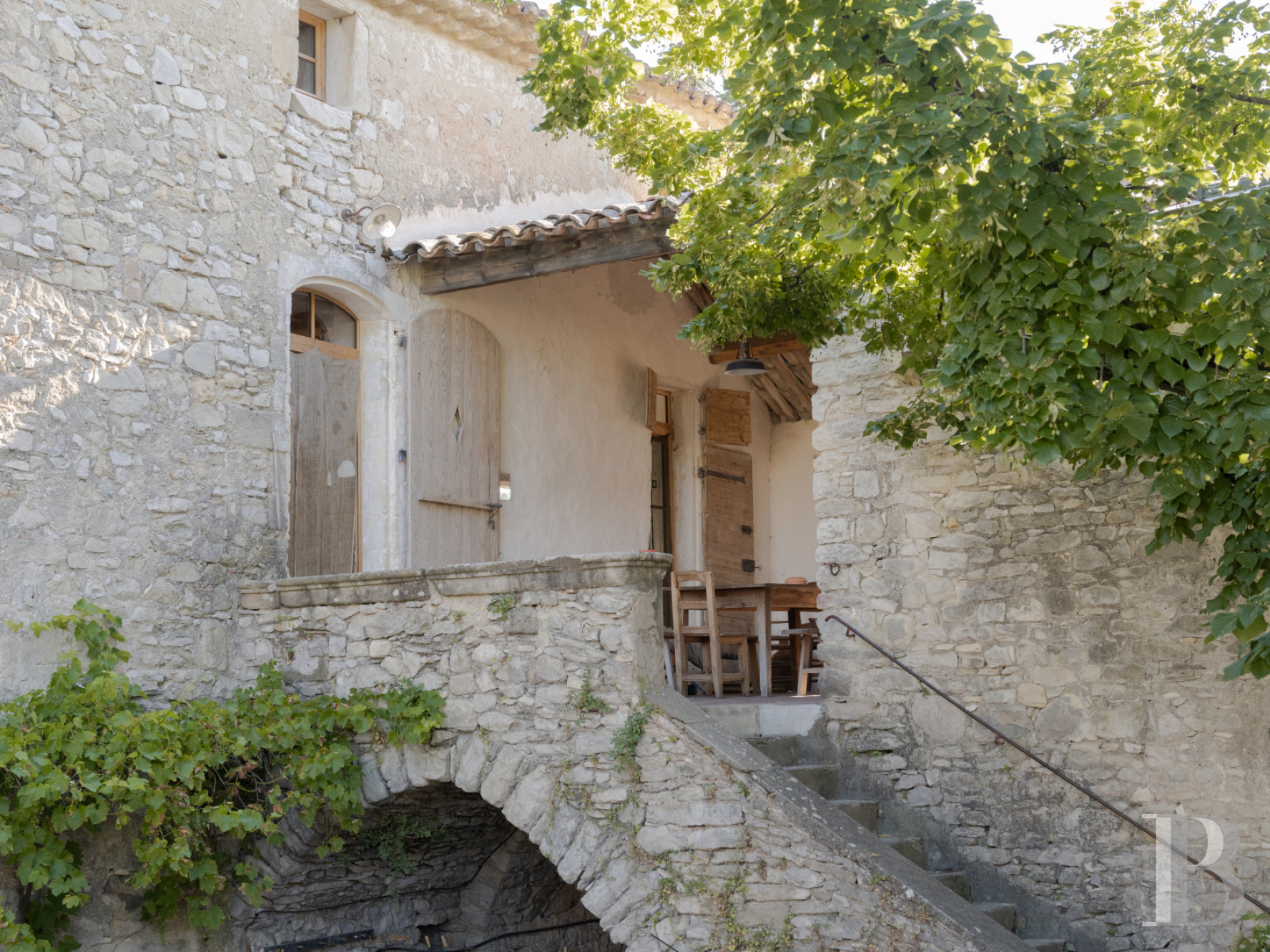
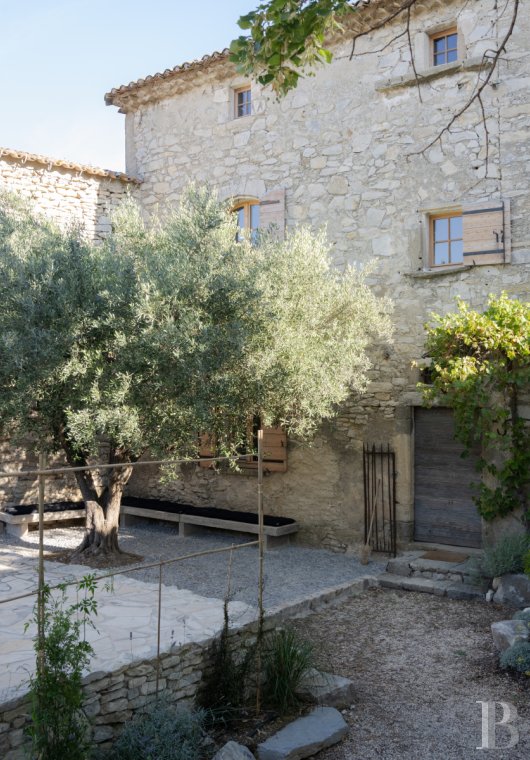
Tucked away at the bend of a narrow village alleyway and watched over by the bell tower of the former Saint-André Church, the house is barely visible behind its gate and the stone walls enclosing the inner courtyard. The olive tree that shades it and the slender silhouette of the cypress towering above it immediately confirm its Occitan origins. And the narrow windows that dot the facades do nothing to contradict this deep-rooted connection to a region where the sun reigns supreme for much of the year—a sun from which one must seek shelter, just as much as one must the harshness of winter. The renovation successfully highlighted the interior spaces and original materials, while maintaining a certain simplicity that must have characterized this priory from its earliest days. The addition of modern comforts and a few contemporary touches has in no way detracted from its character: on the contrary, they have brought it back to life centuries later, making it a peaceful retreat in the heart of the Uzès region, removed from the crowds.
During the Covid pandemic, we wanted to leave Paris in search of a quieter life. That is how we discovered Belvézet, a tiny, compact, well-preserved village where the houses seem to touch one another and where almost nothing is ever for sale. In Uzès, on the Place aux Herbes, a chance encounter put us on the trail of a property. Our plan at the time was quite different: to find a plot of land to build a contemporary wooden house on. Yet everything changed when we visited. This unexpected old house stood out and was an obvious choice for us. We bought it on impulse, driven by emotion and the unique authenticity of the place.
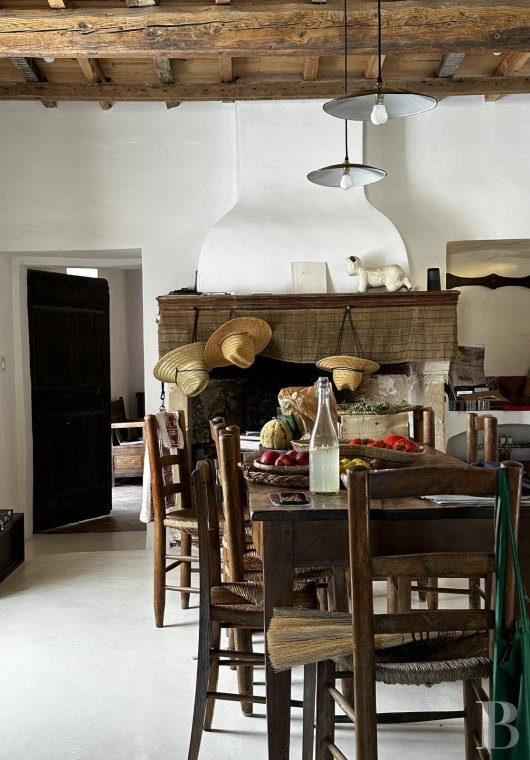
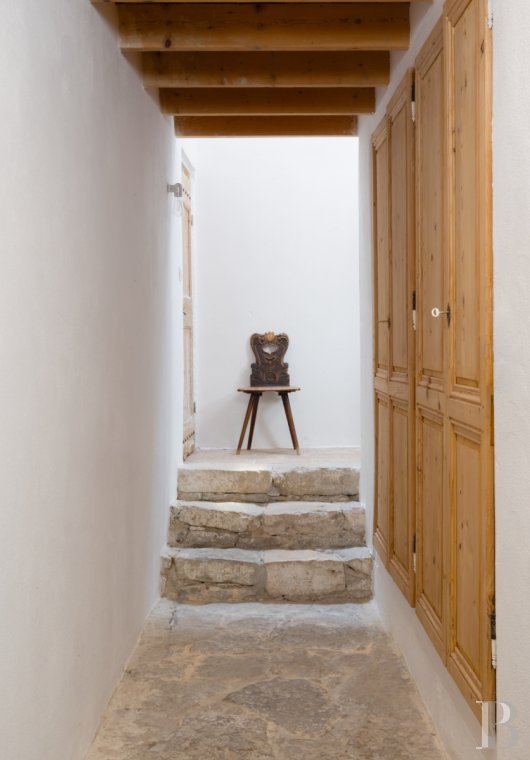
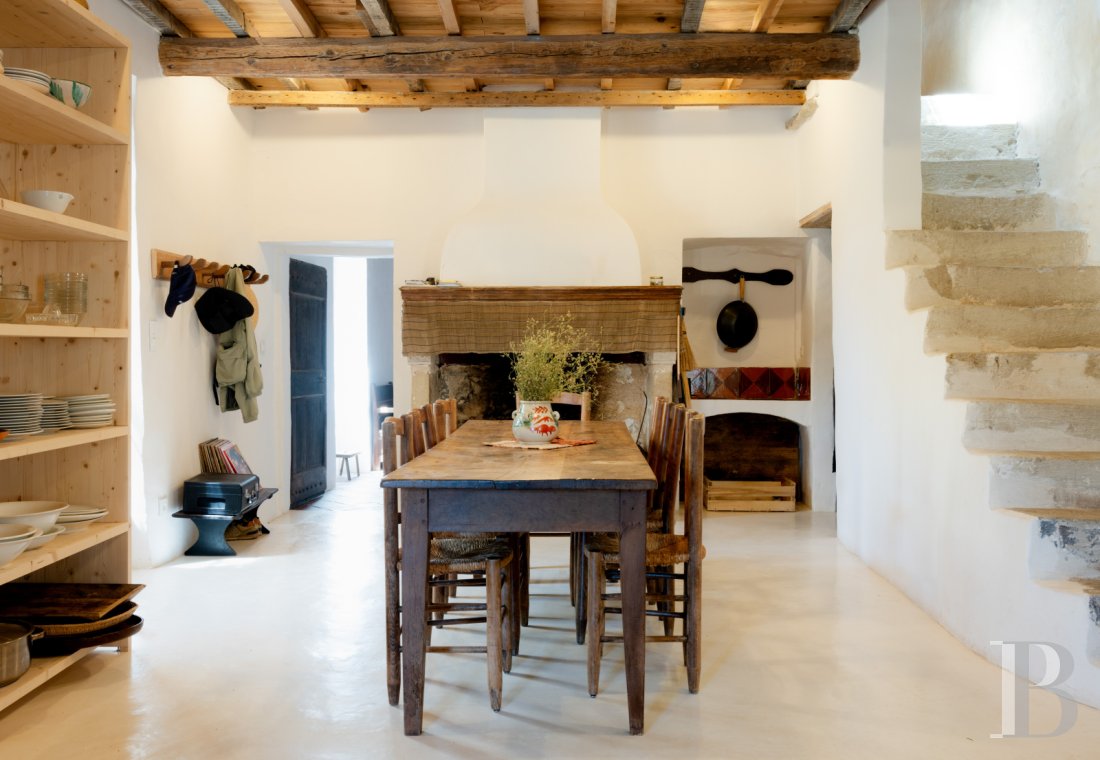
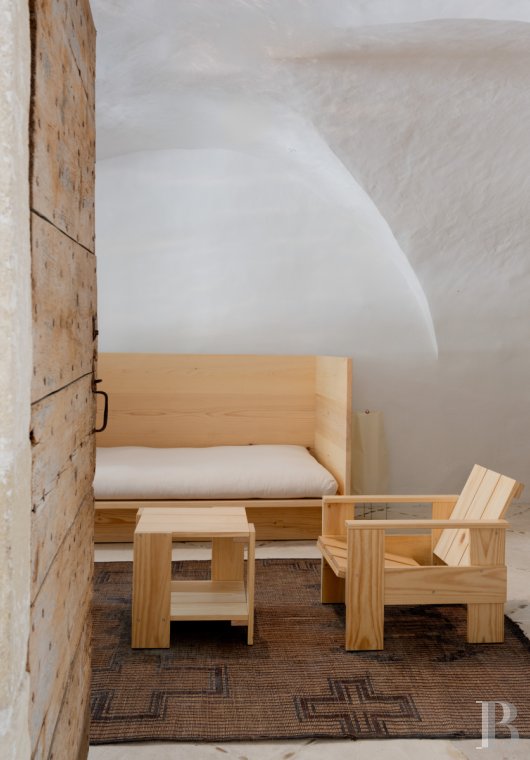
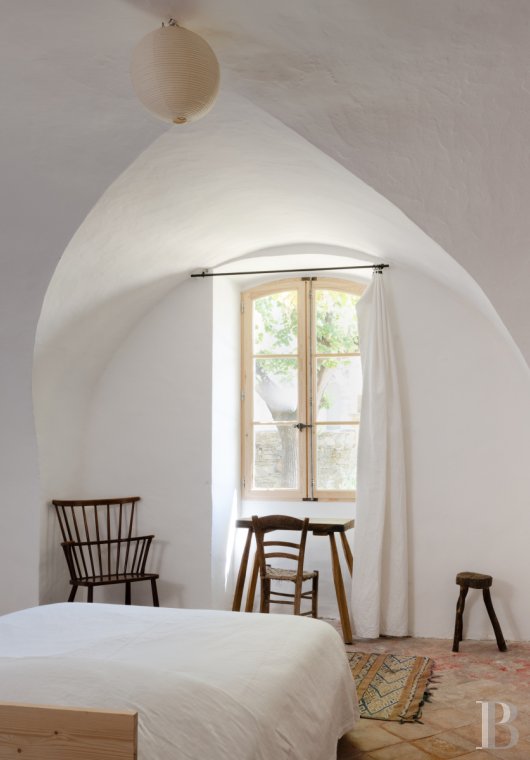
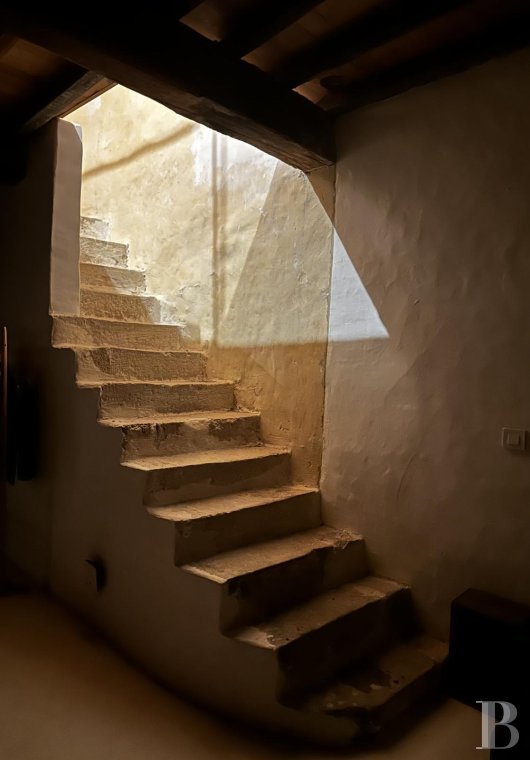
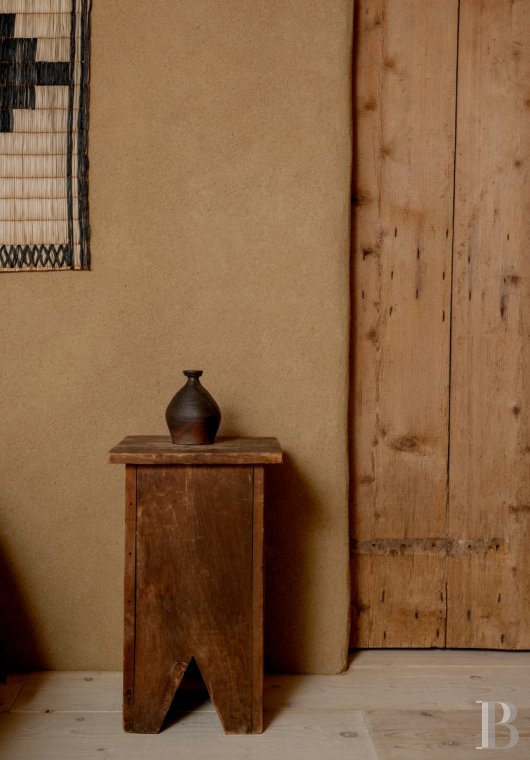
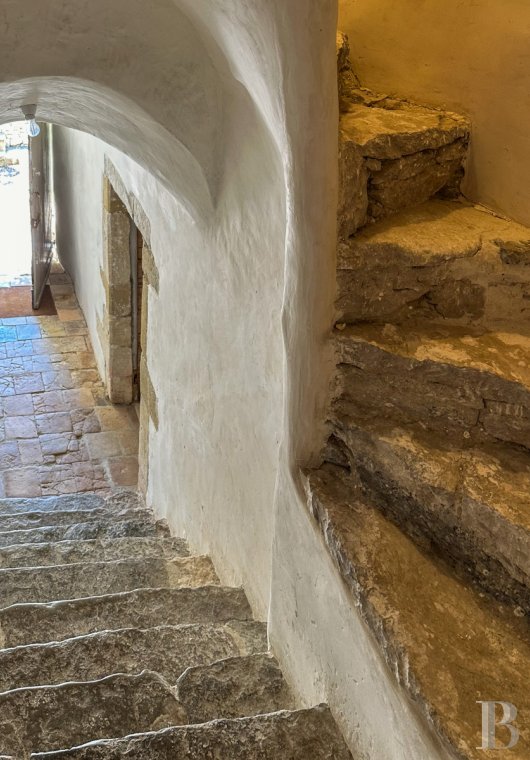
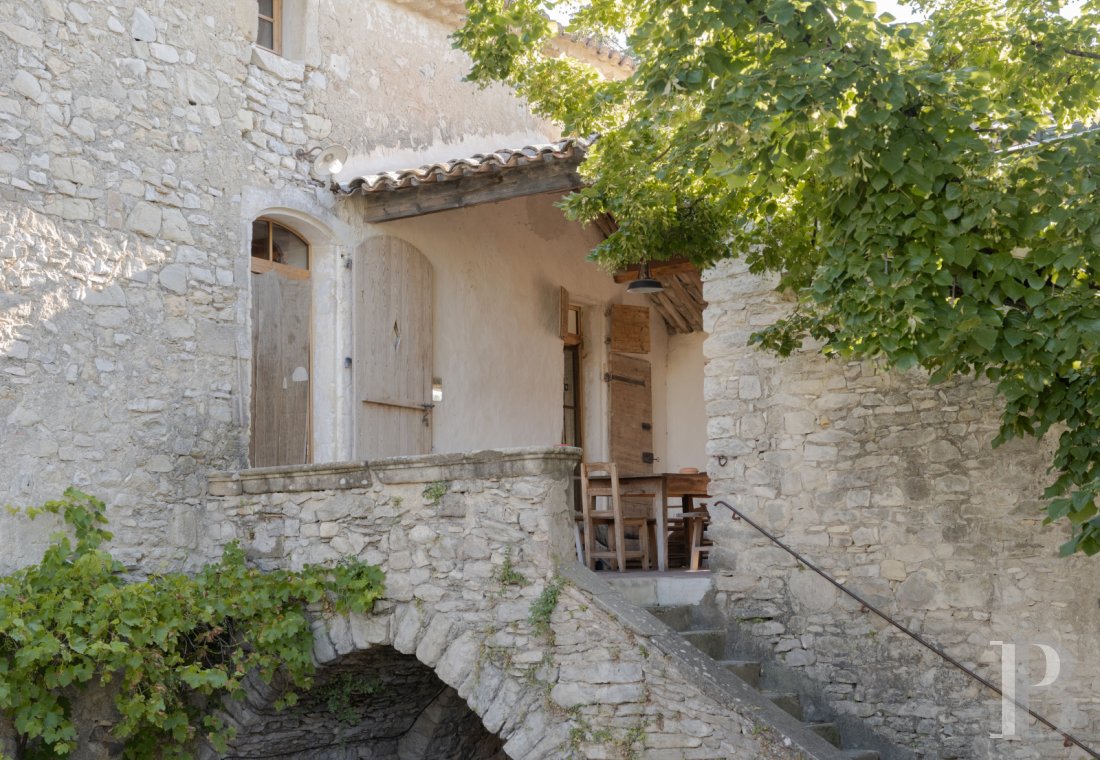
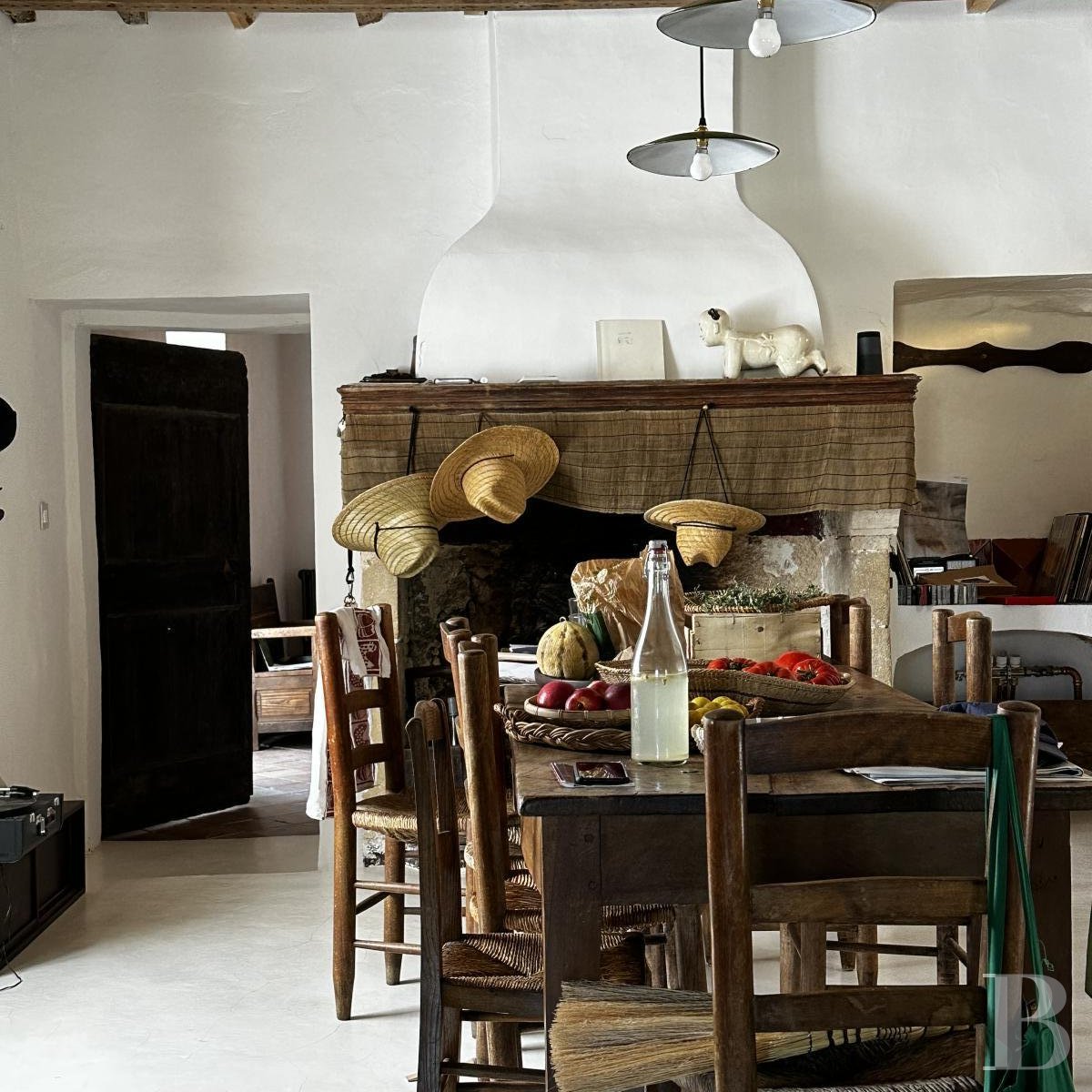
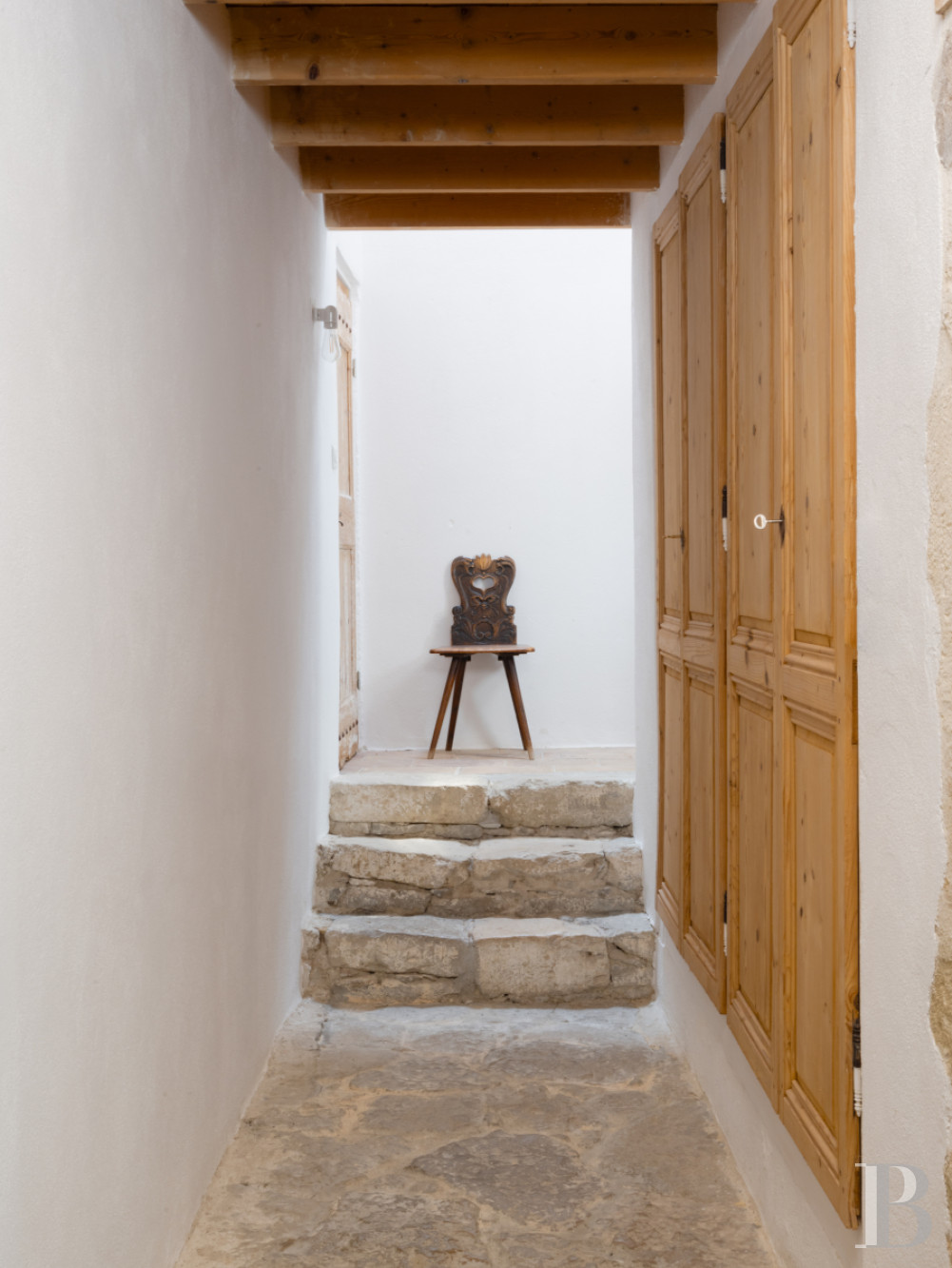
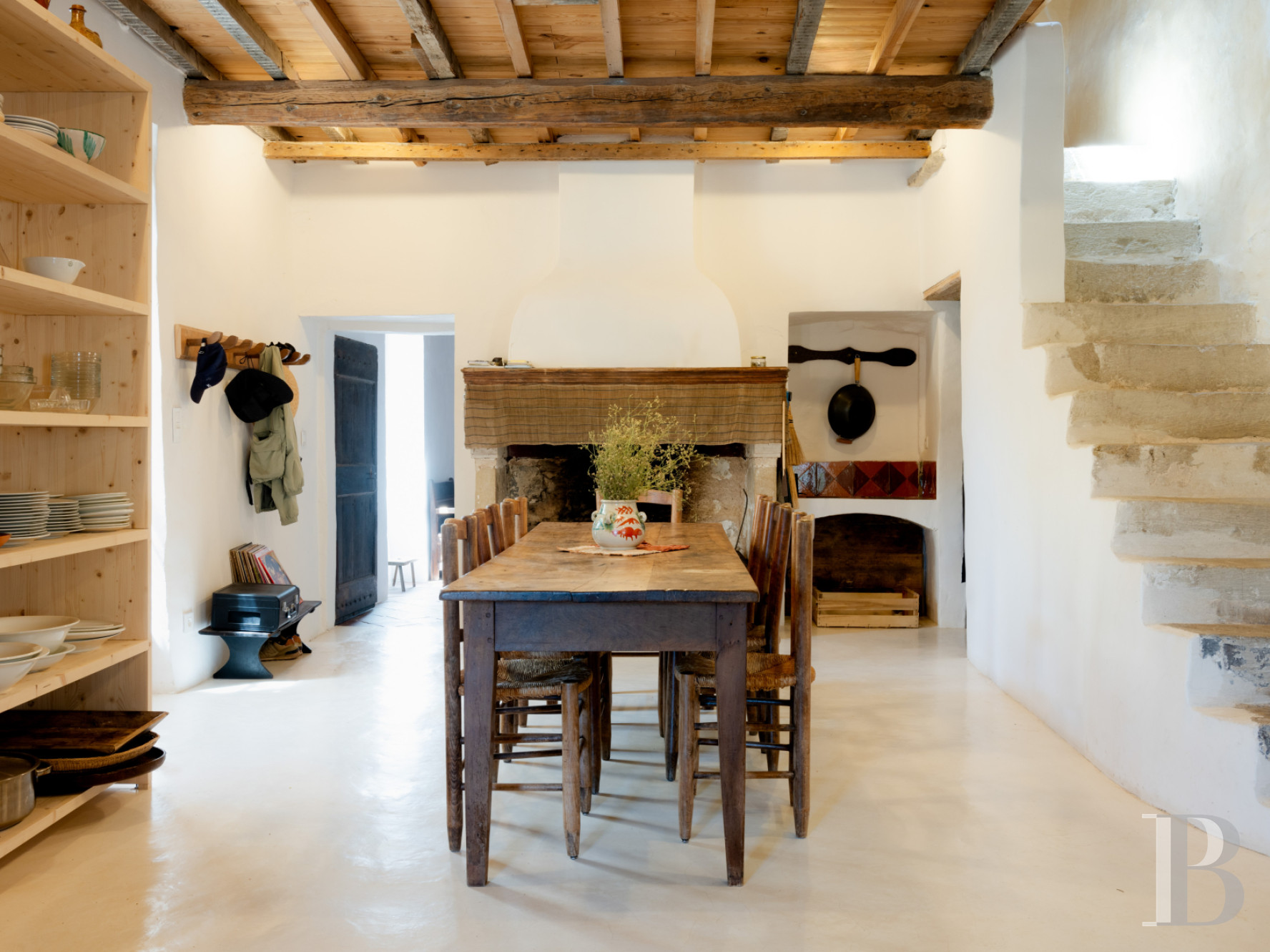
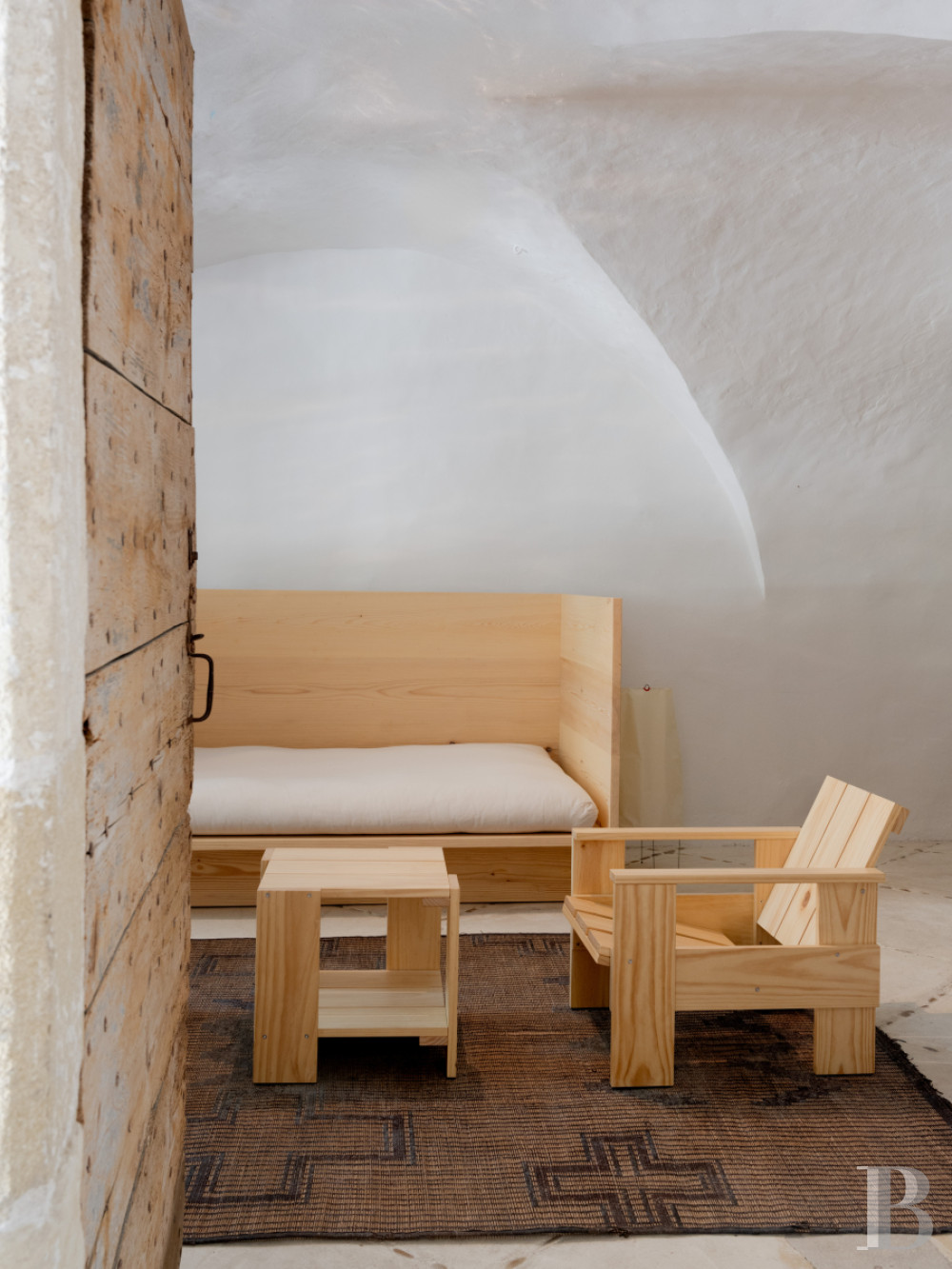
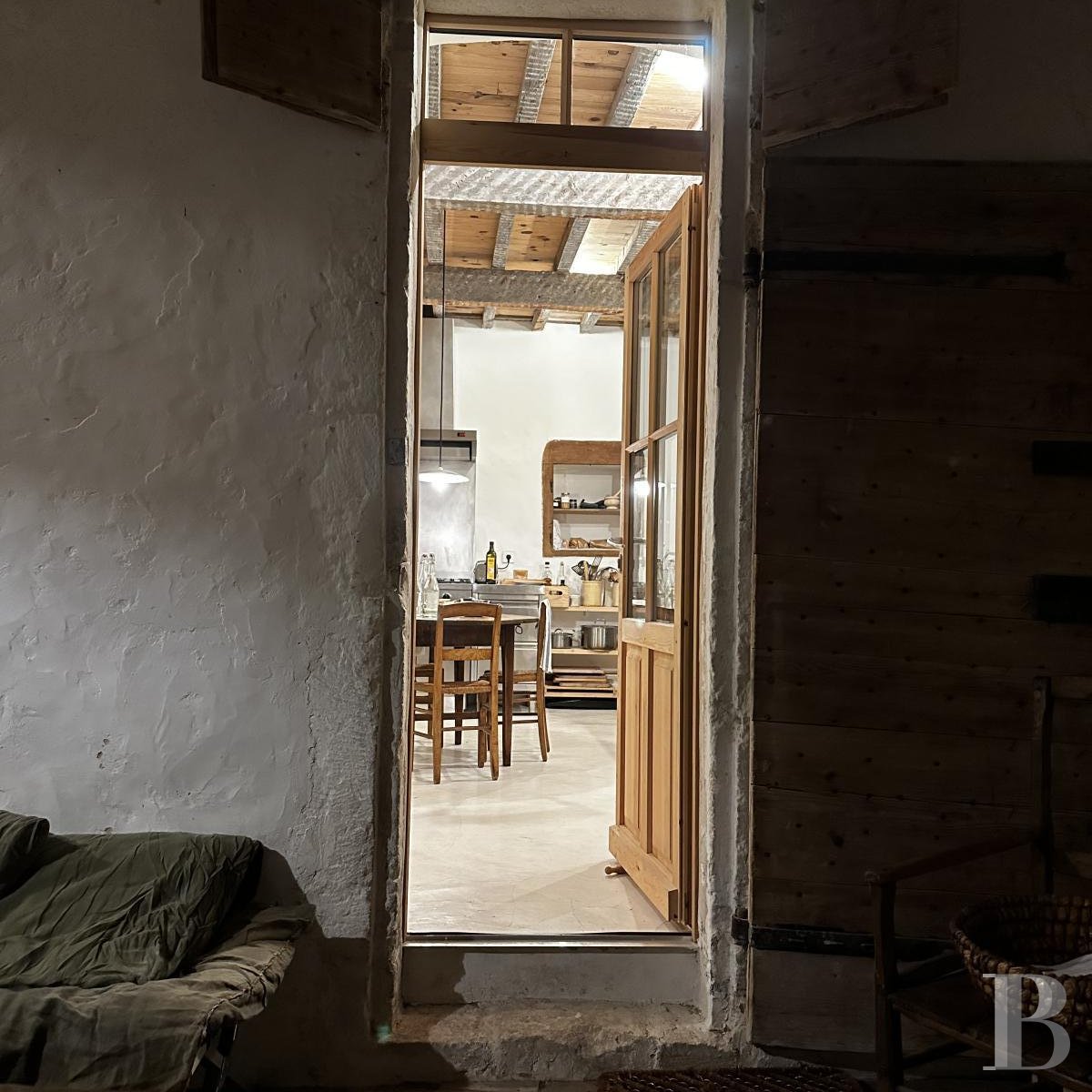
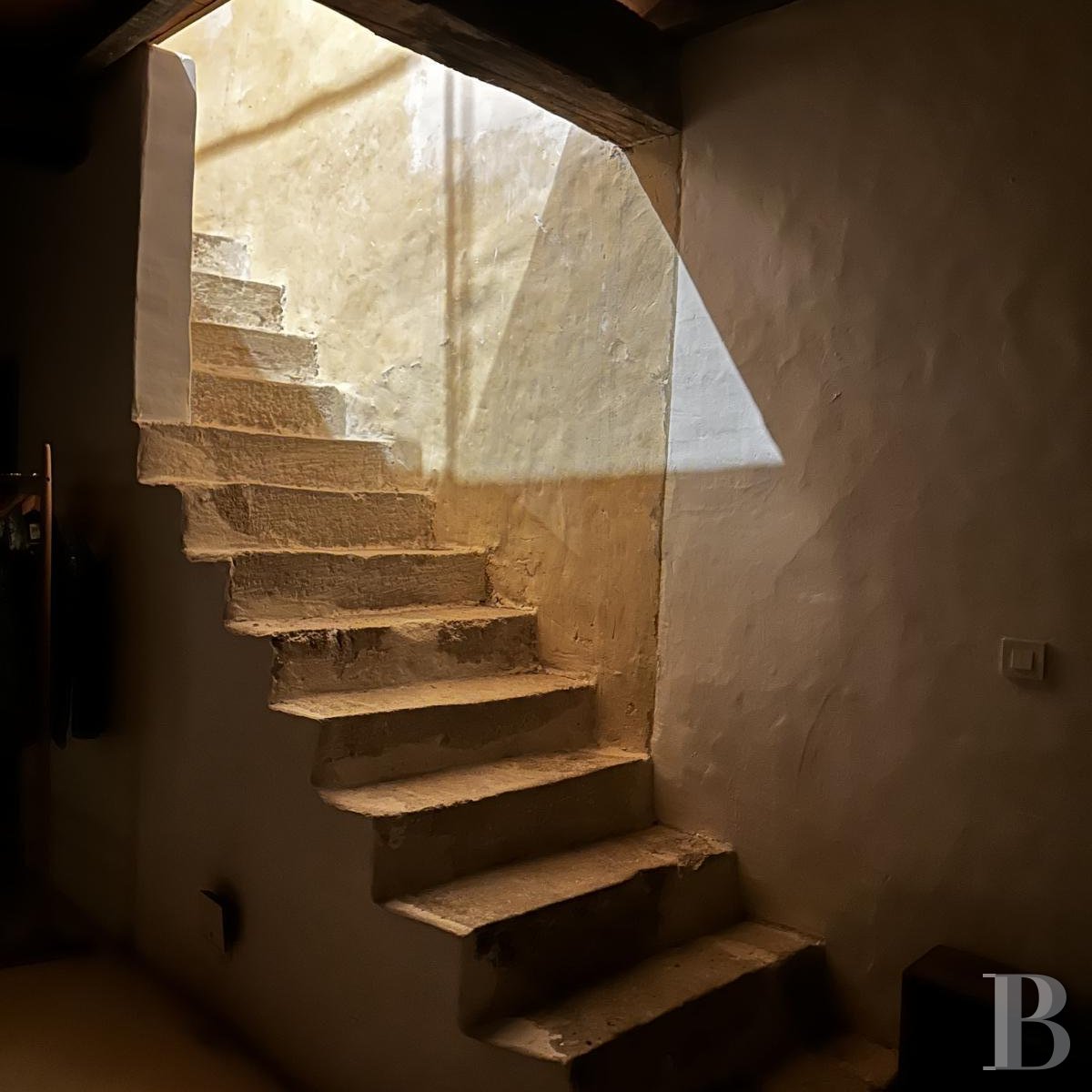
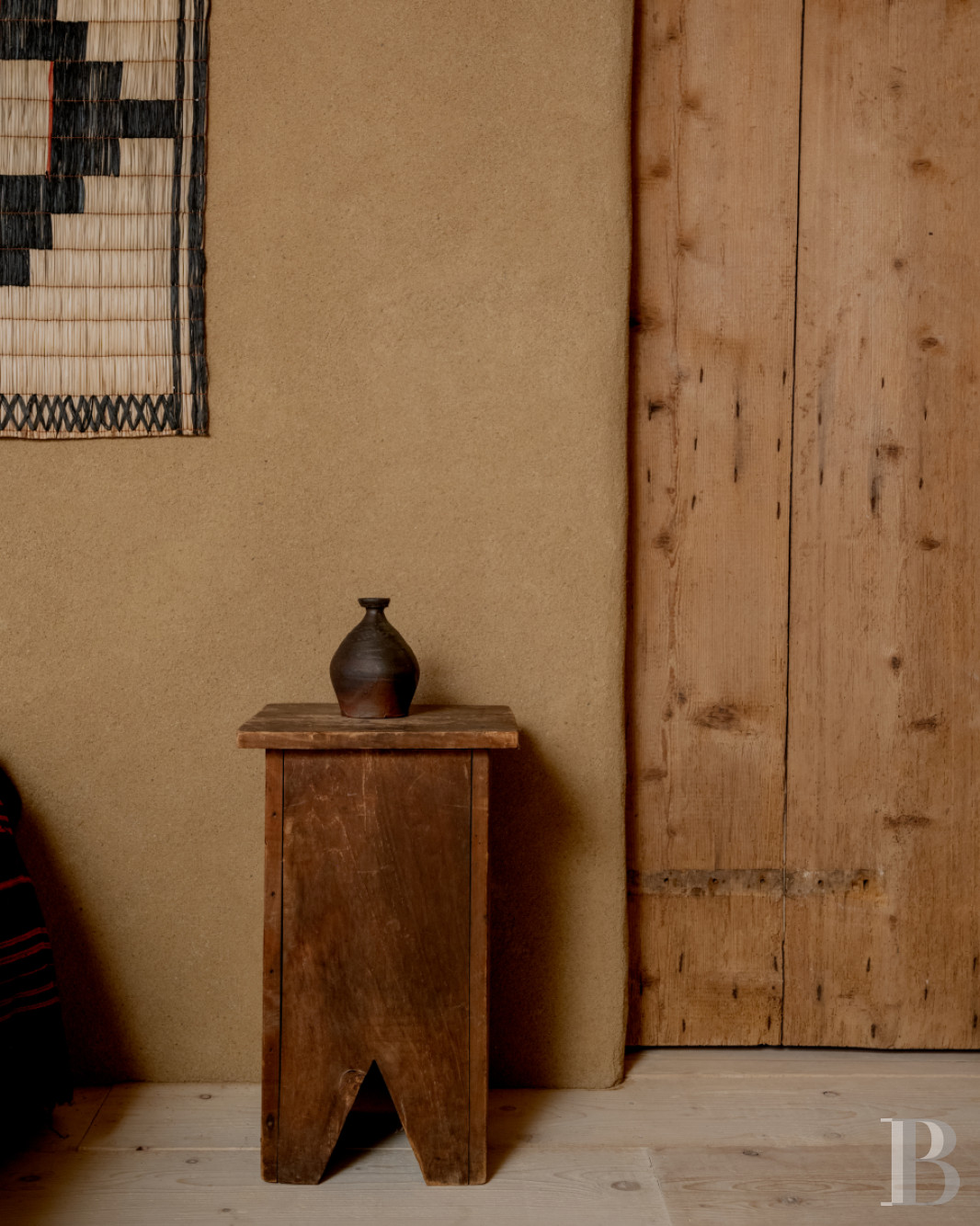
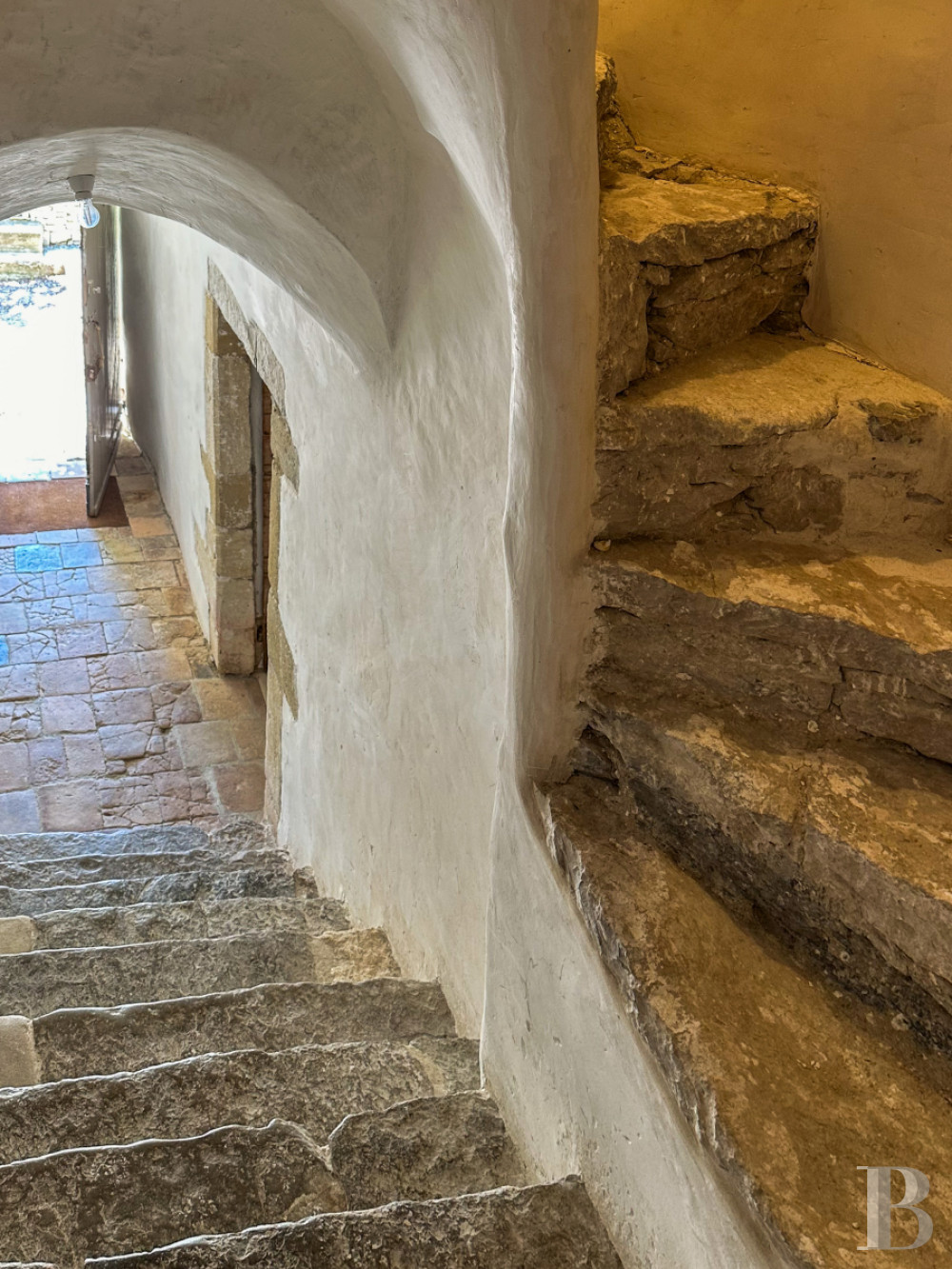
The house is organized around a vast courtyard landscaped as an enclosed garden, featuring a pool and a patio. Built in successive phases, this former priory retains the tangible imprint of its origins. From the moment you enter, the medieval spirit takes hold: a stone staircase, thick walls, and preserved materials. The former owners managed to preserve its soul through patient transformations. The recent restoration reflects a return to essentials, removing superfluous additions to restore overall coherence, while the spaces have been opened up to let light flow through. Nothing here is perfectly smooth: irregularities, matte finishes, and traces of time come together to create a sincere and lived-in aesthetic.
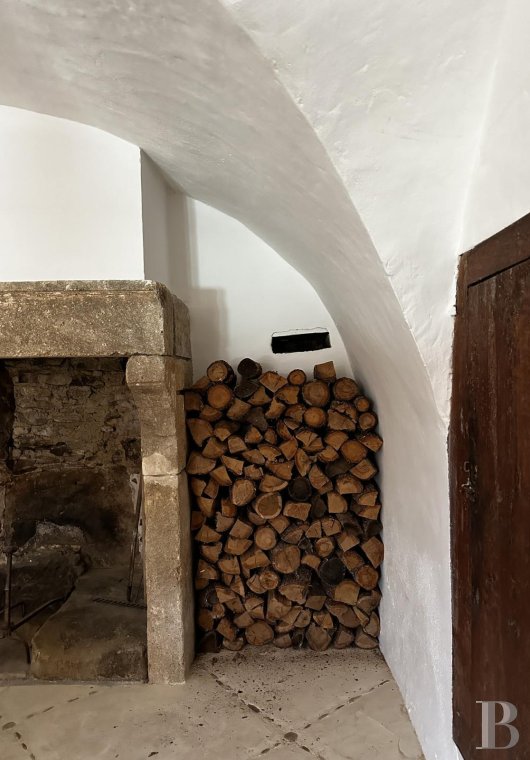
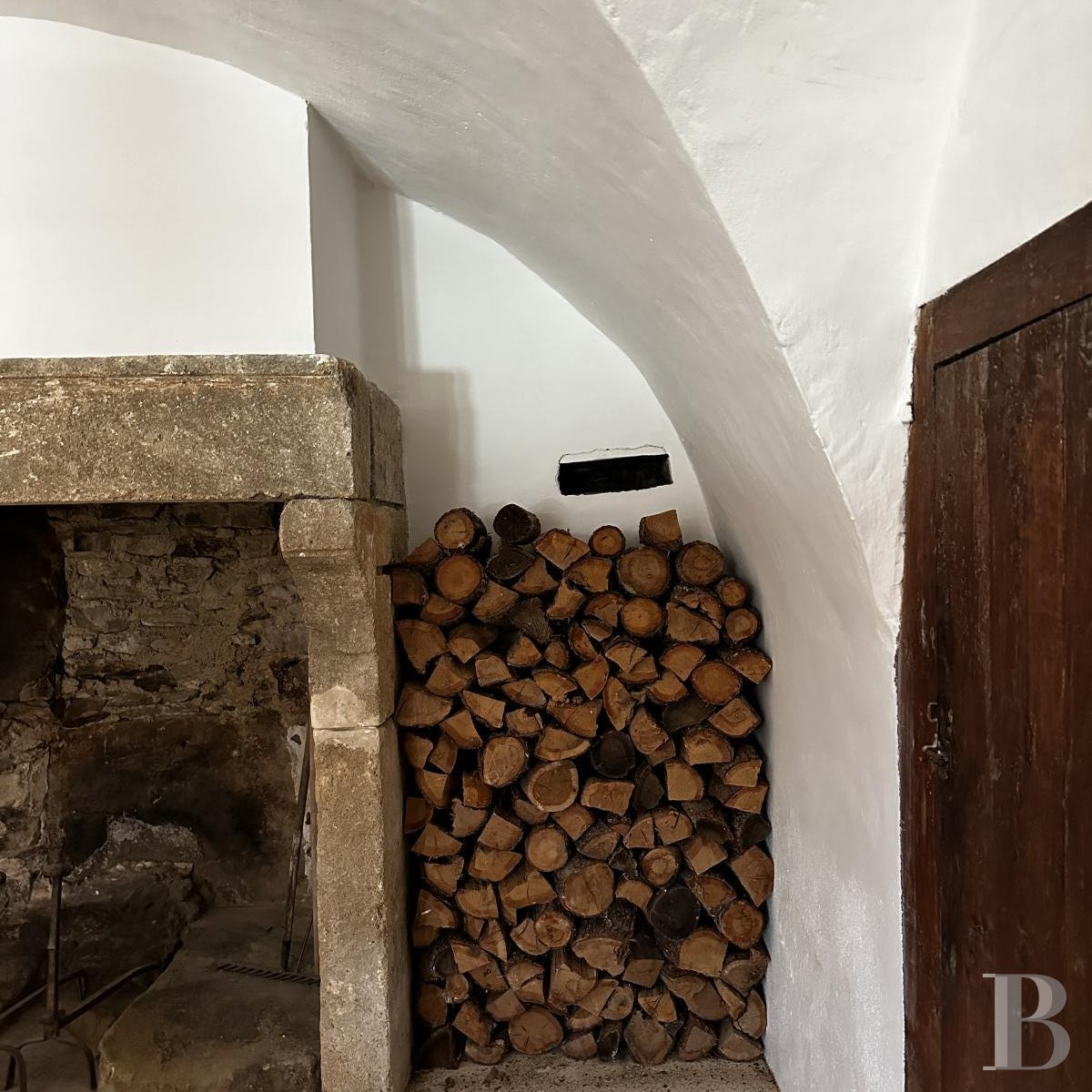
A former priory attached to a monastery, the residence stands opposite a listed church, which is now deconsecrated. It was once the adjoining house. While the precise history of its use has faded away, its origins date back to the Middle Ages, which is still visible in its foundations. On the ground floor, traces of medieval life remain: a stone sink and a large, still-functioning bread oven bear witness to a bygone daily life that has been transformed without being erased. Uses have evolved, but the spaces retain their original logic. The village, dense and almost labyrinthine, interweaves dwellings with a rare sense of continuity. Here, however, the house stands out from it: facing the church, protected by its walls, it offers a sense of seclusion, as if set apart from time and the neighbourhood.
The house is situated in the heart of the village of Belvézet, with nature just a few steps away, amid pine forests, gentle hills, and unspoiled horizons. The landscape unfolds below, dotted with discreet hamlets. The place exudes a unique presence, an authenticity weathered by time, inviting calm and seclusion. The terrace opens onto the church and the hills. At the heart of the patio, the slightly elevated pool sits between a linden tree and a majestic olive tree, surrounded by plants. Together, they create a peaceful, simple, and sheltered space, far from any hustle and bustle.
In Belvézet, Didier Muffat-Jeandet, founder of SAVEURS BIO, grows organic fruits and vegetables and opens his warehouse on Tuesdays and Fridays. Not far away, in the village of Valabrix, the "Ad Vinum" vineyard, managed by Sébastien Chatillon, produces natural wines—Grenache, Syrah, Sauvignon—on the ancient alluvial deposits of the Rhône, with vineyard work done by horse. The Abrix Bar, a community-run café-restaurant housed in the former Renaissance castle, also features a grocery shop selling local products as well as cultural events, hosting local and international artists. Perched on its rocky outcrop, La Roque-sur-Cèze is listed among the “most beautiful villages of France.”
3000 € - 4000 € / week
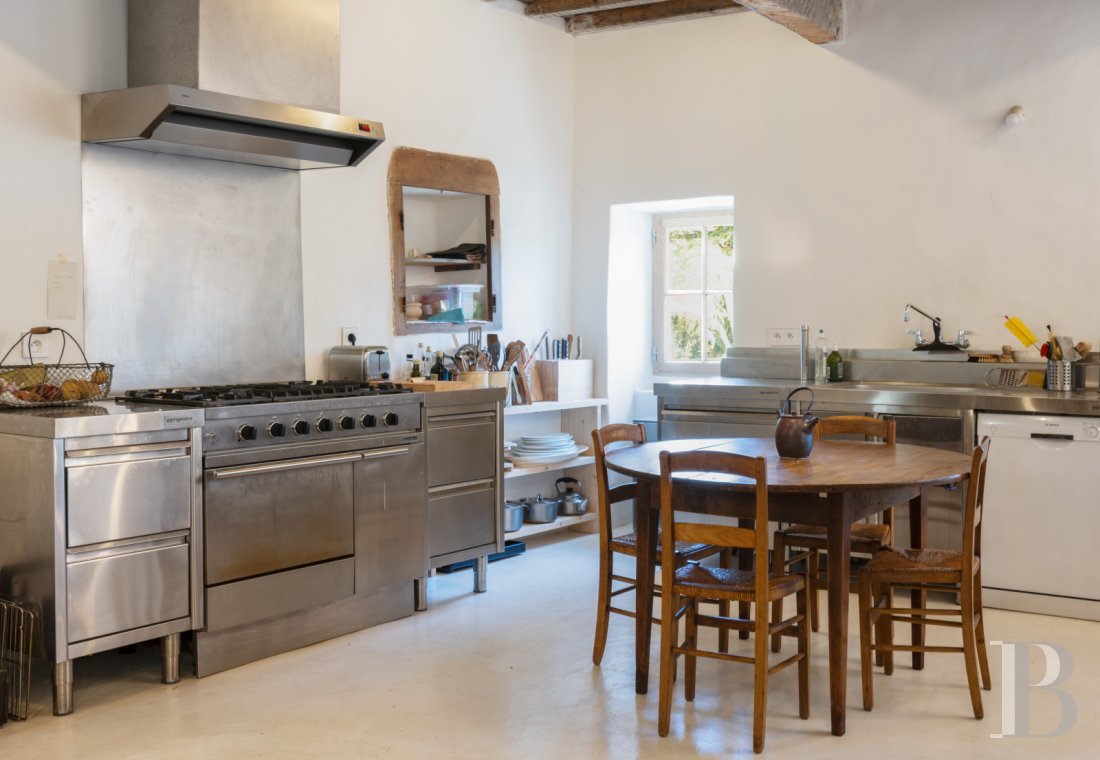
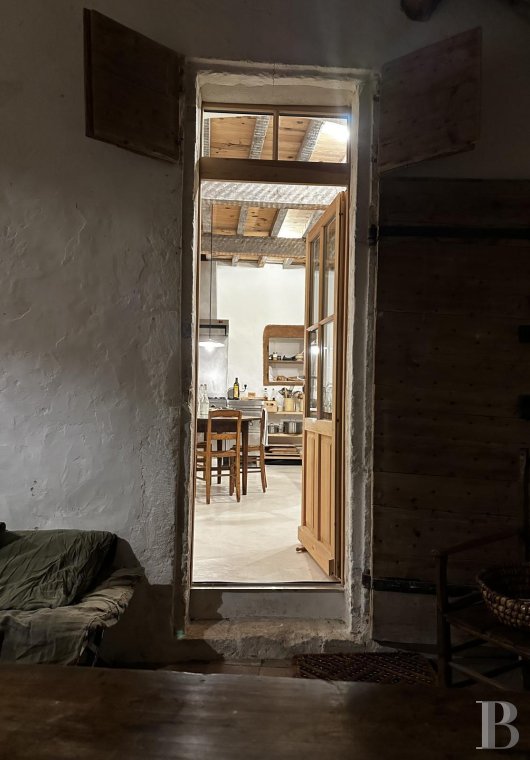
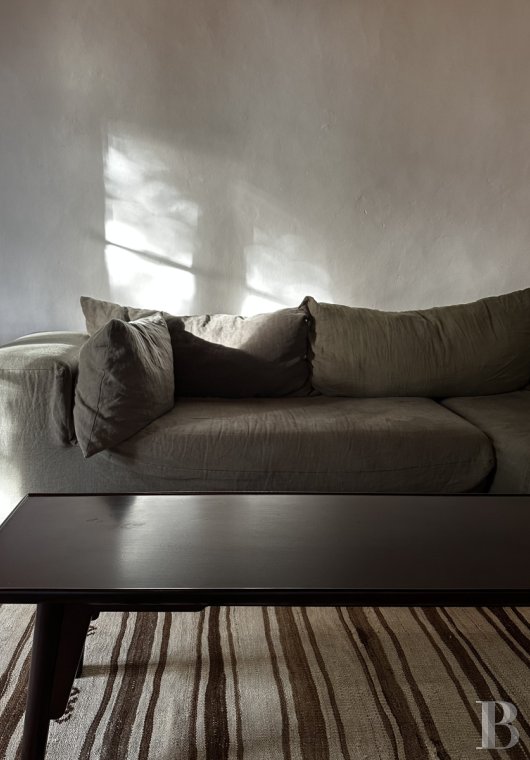
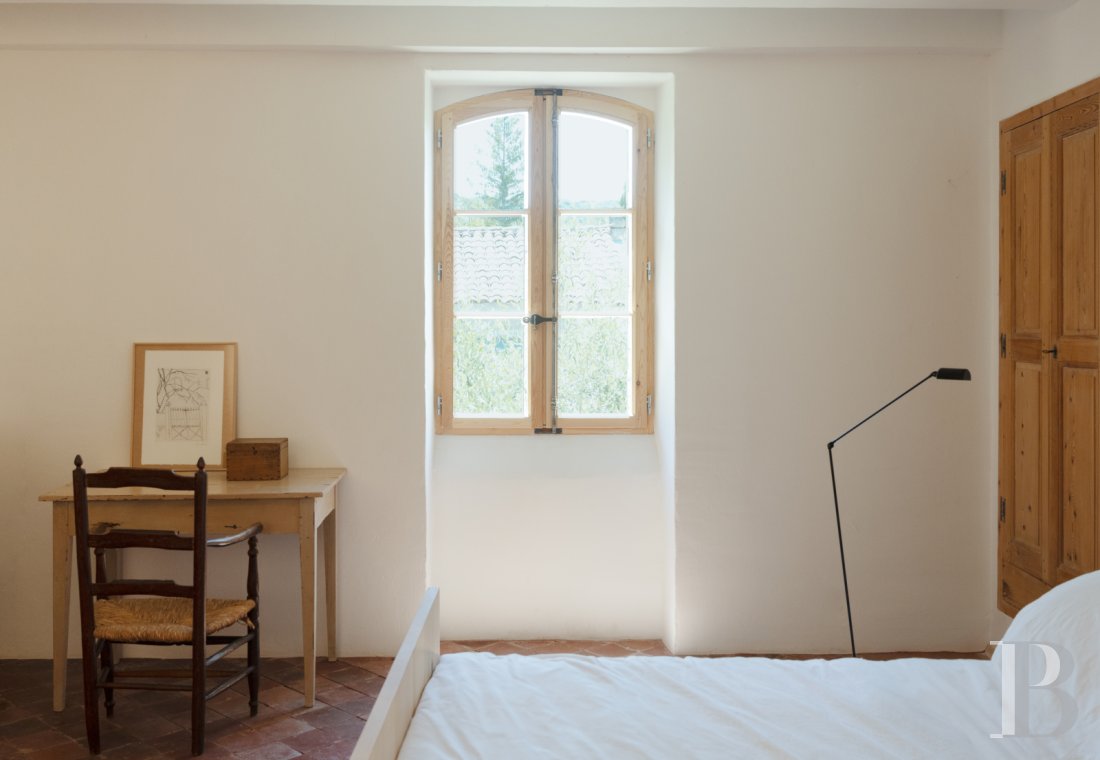
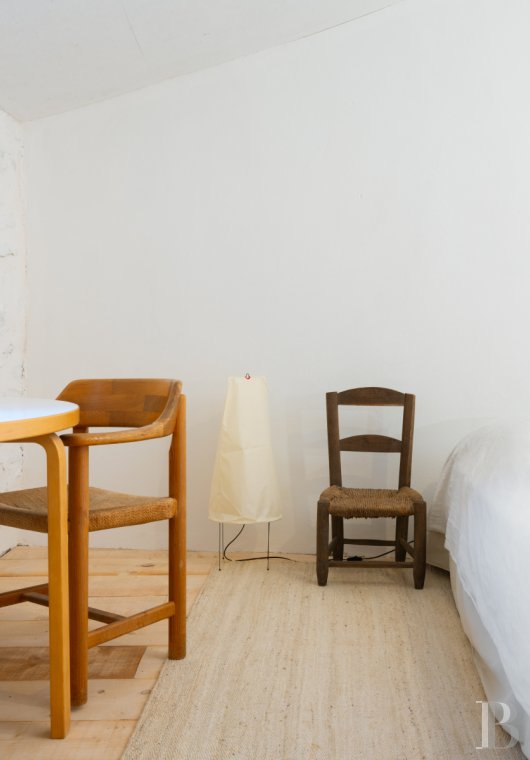
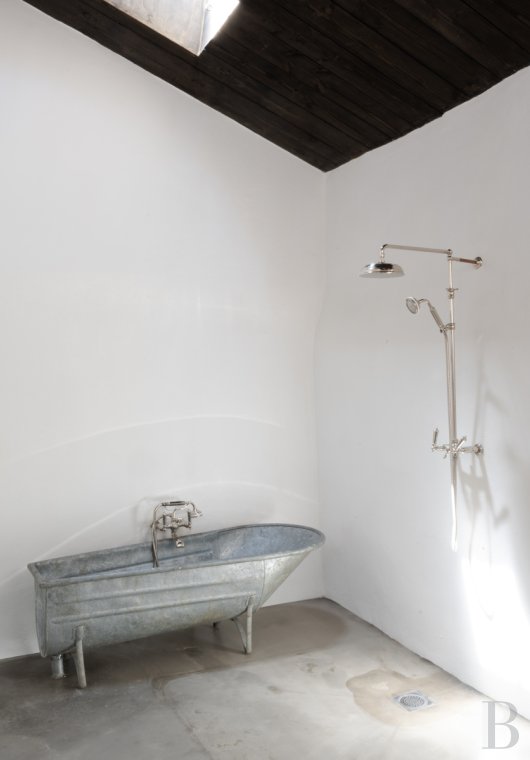
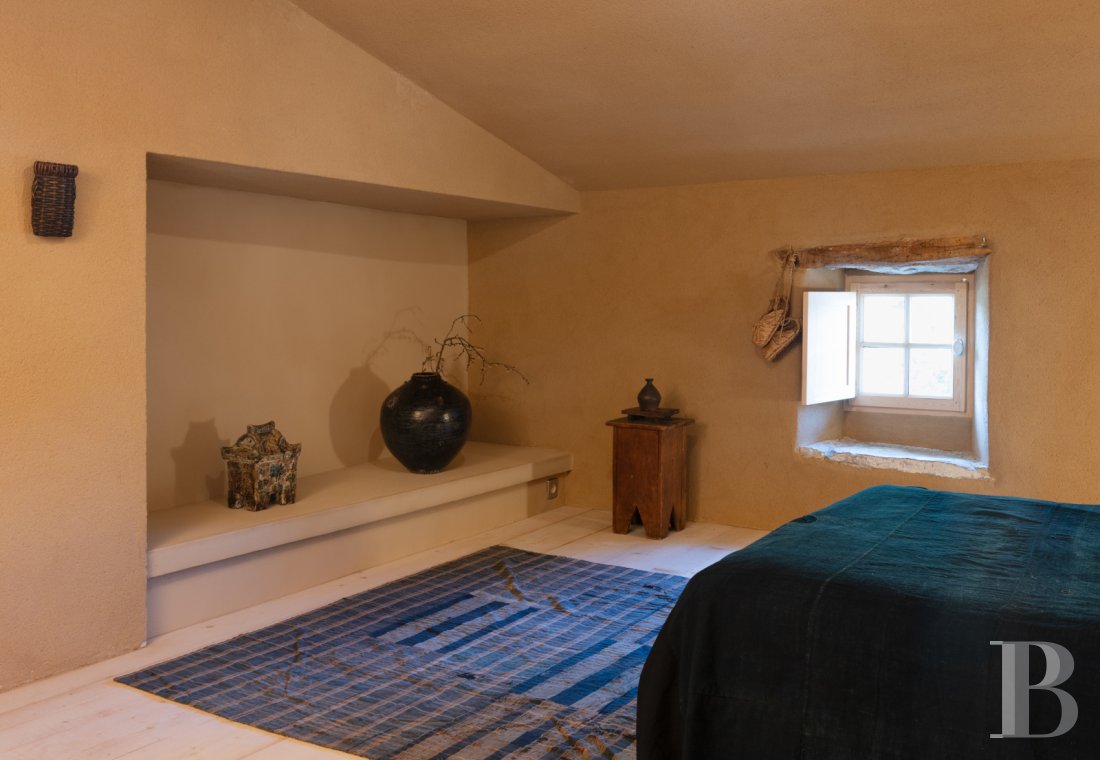
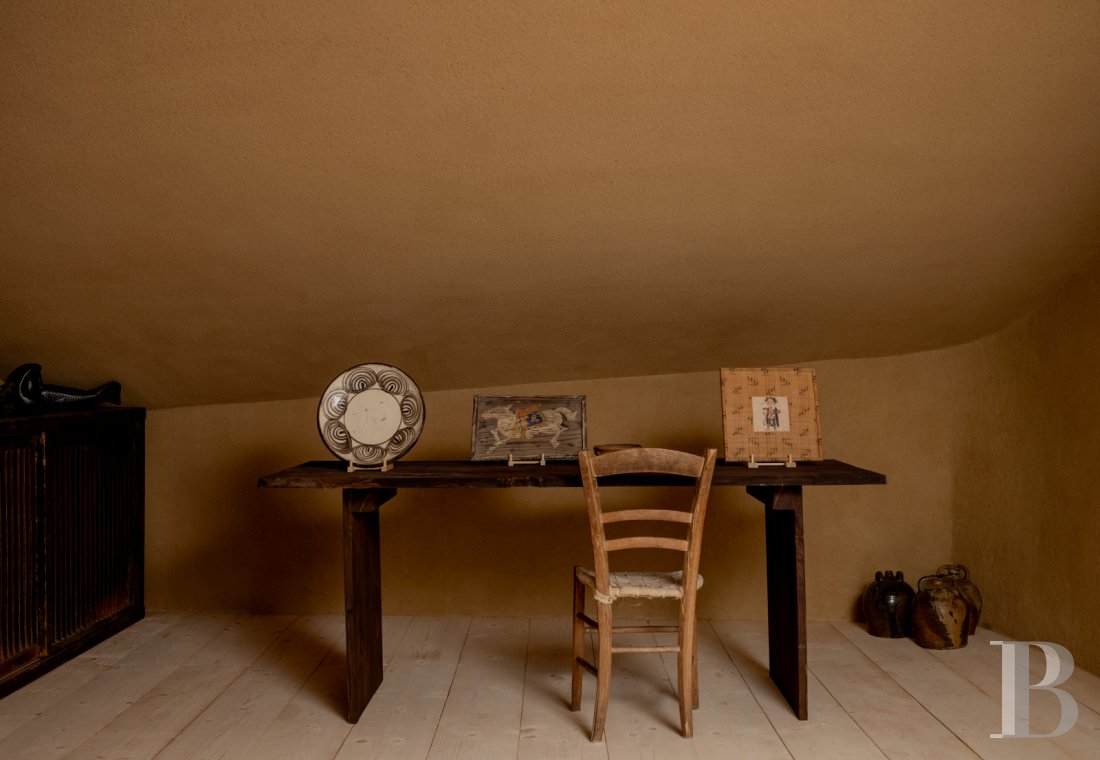
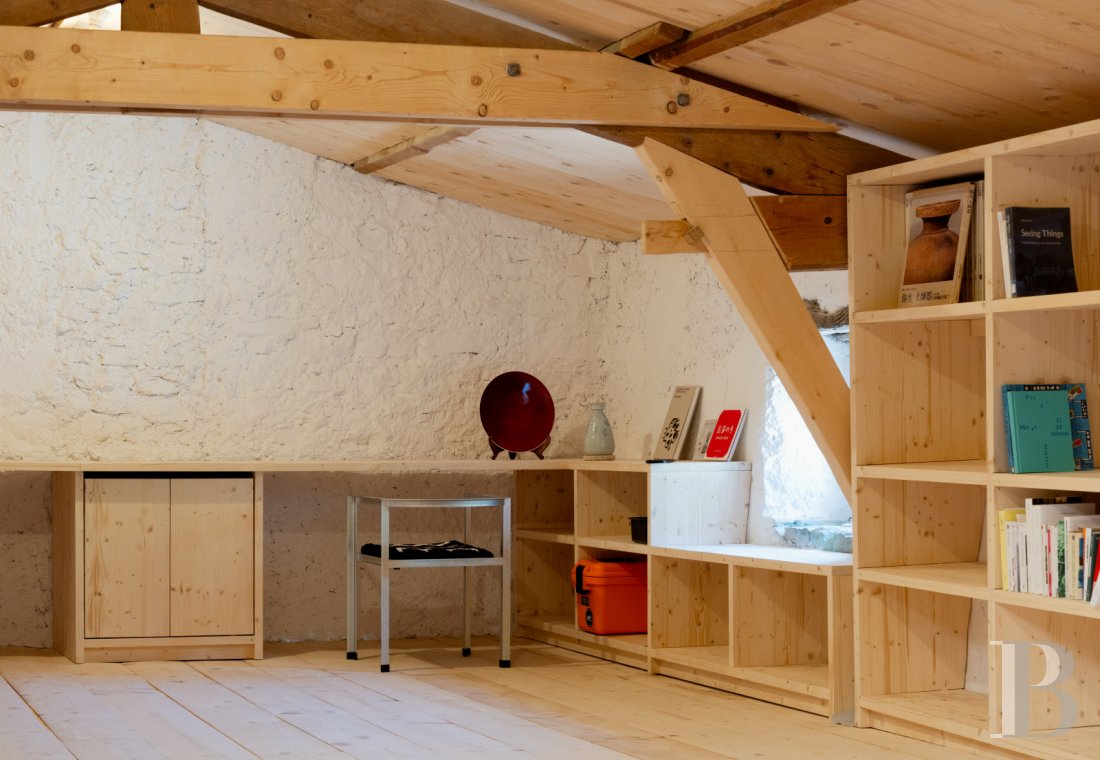
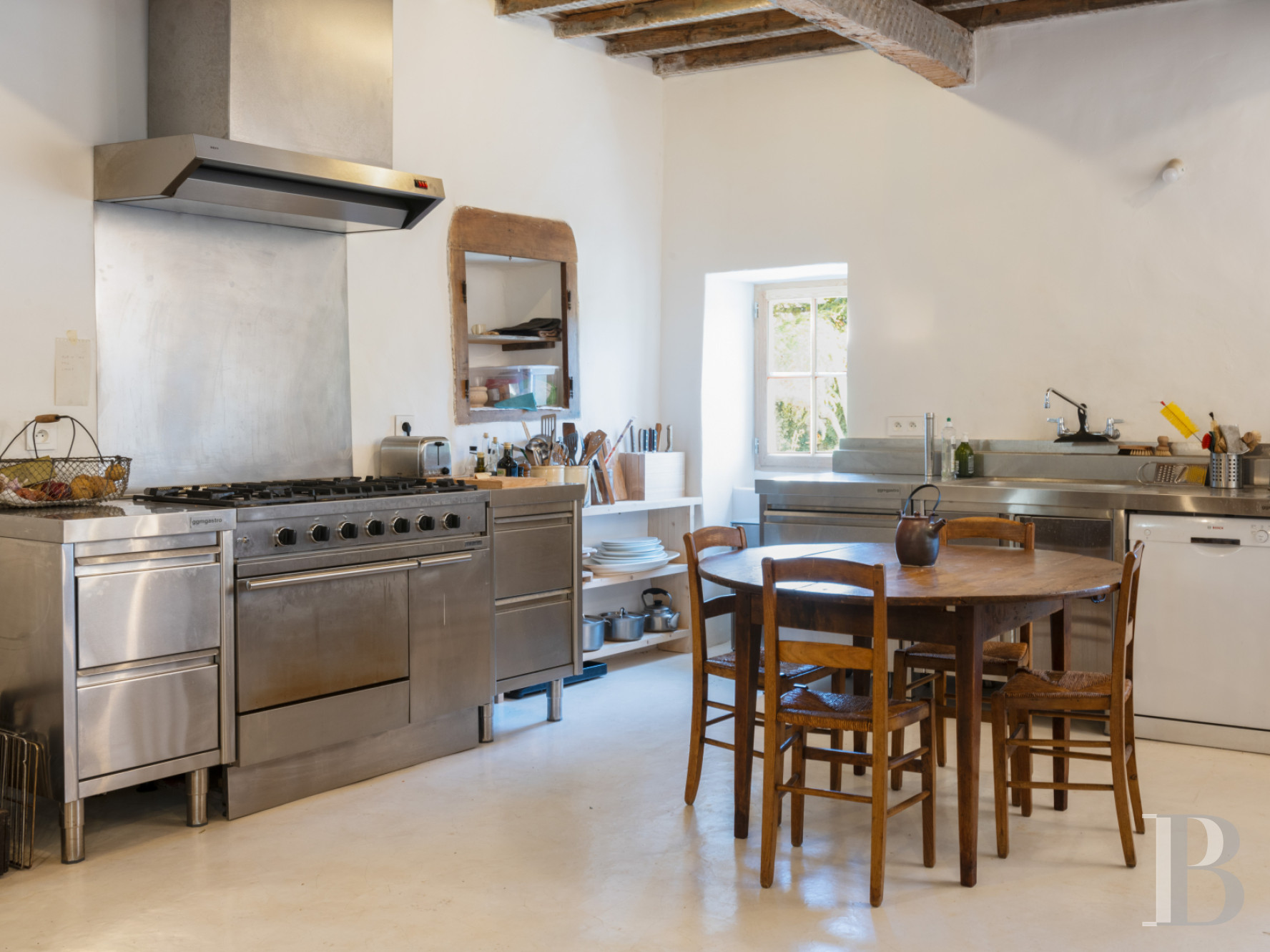
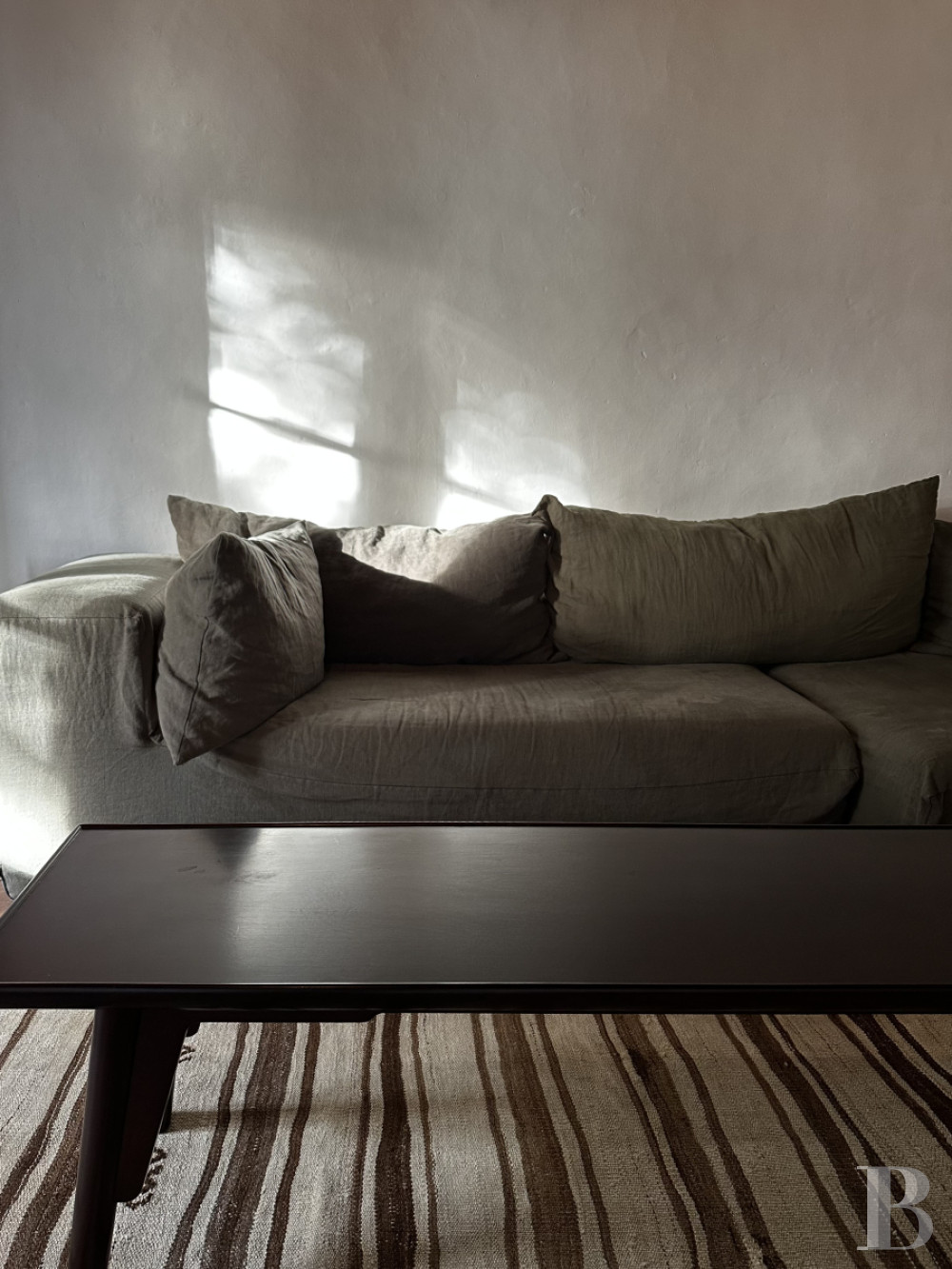
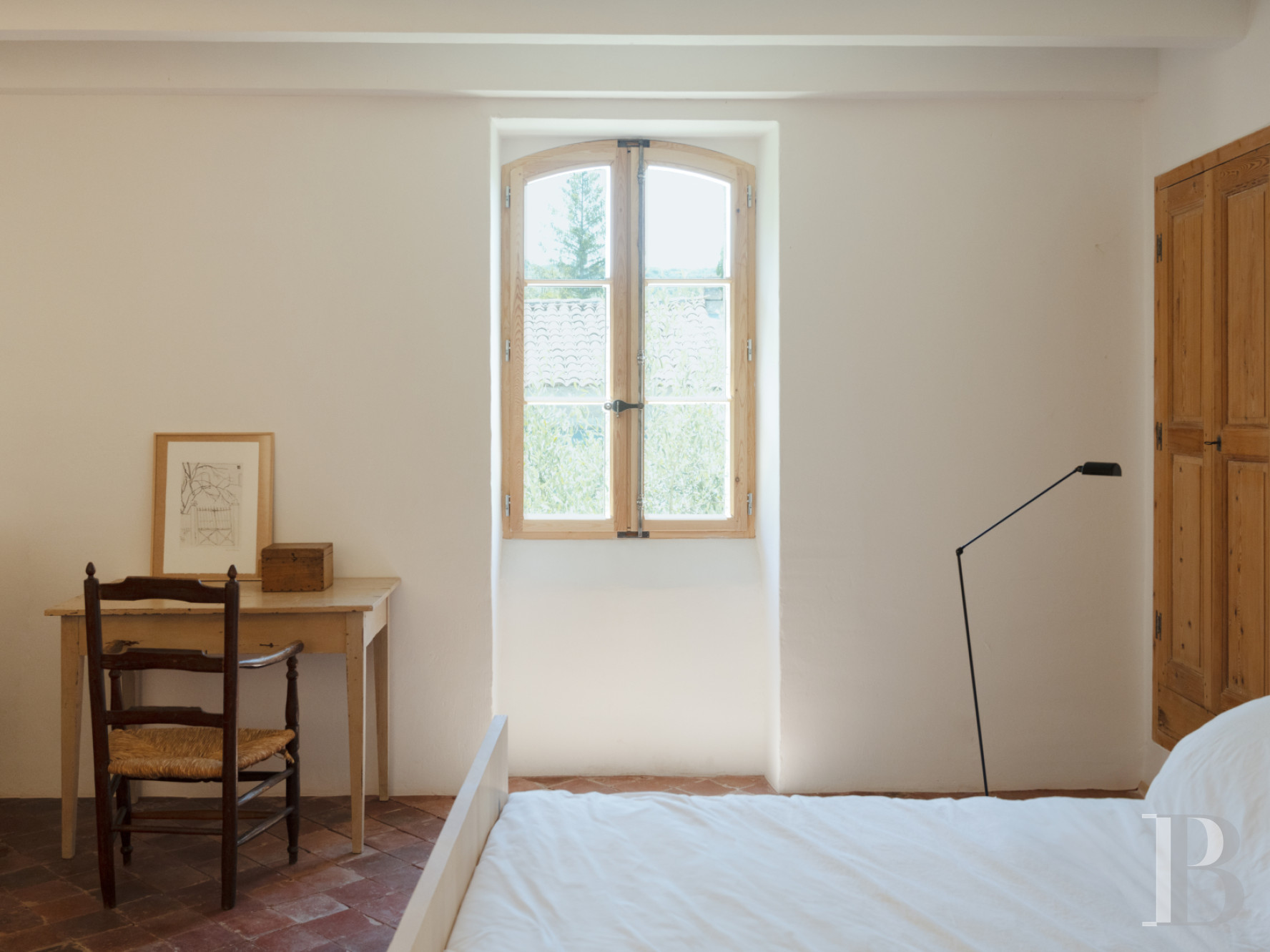
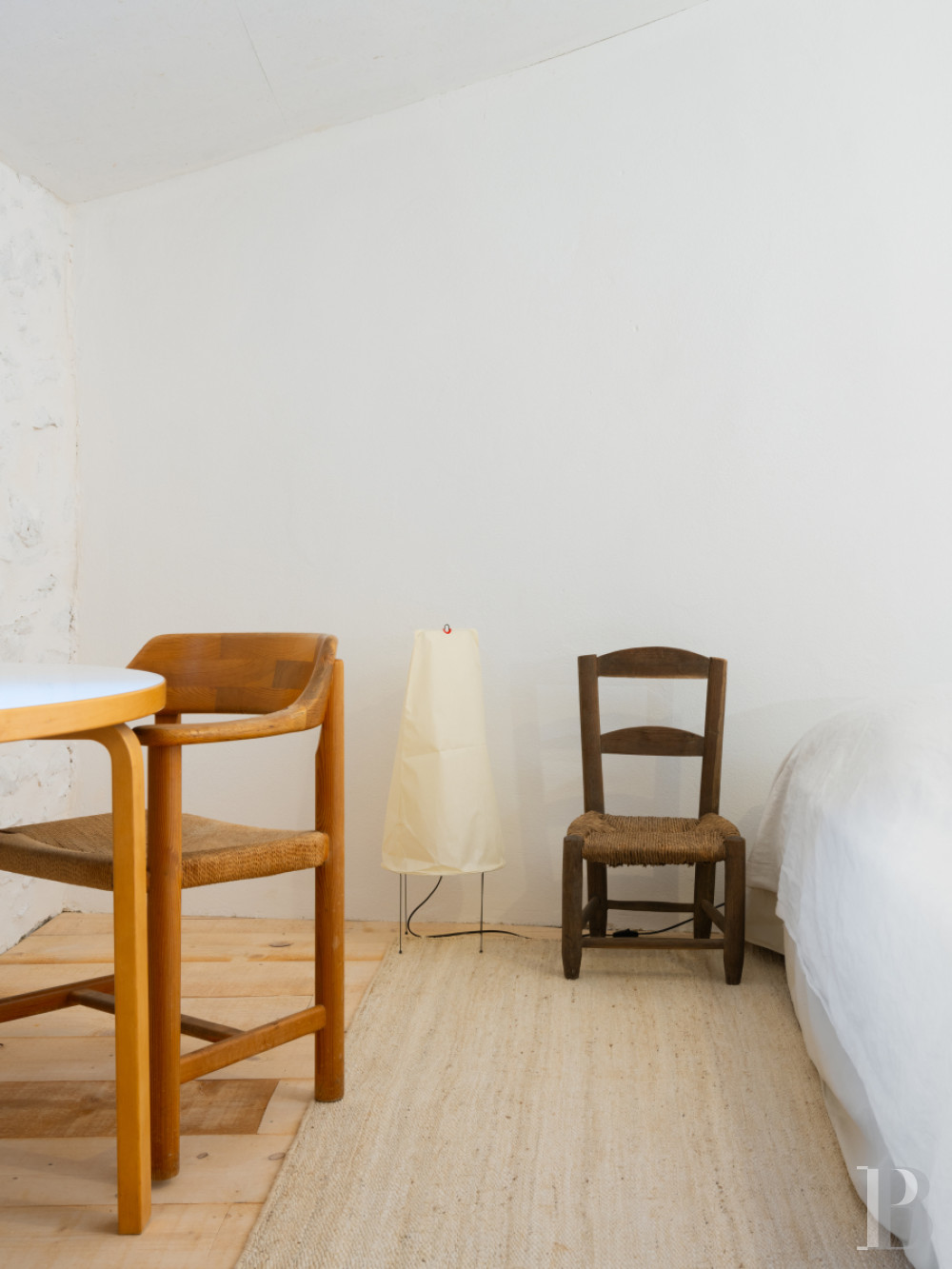
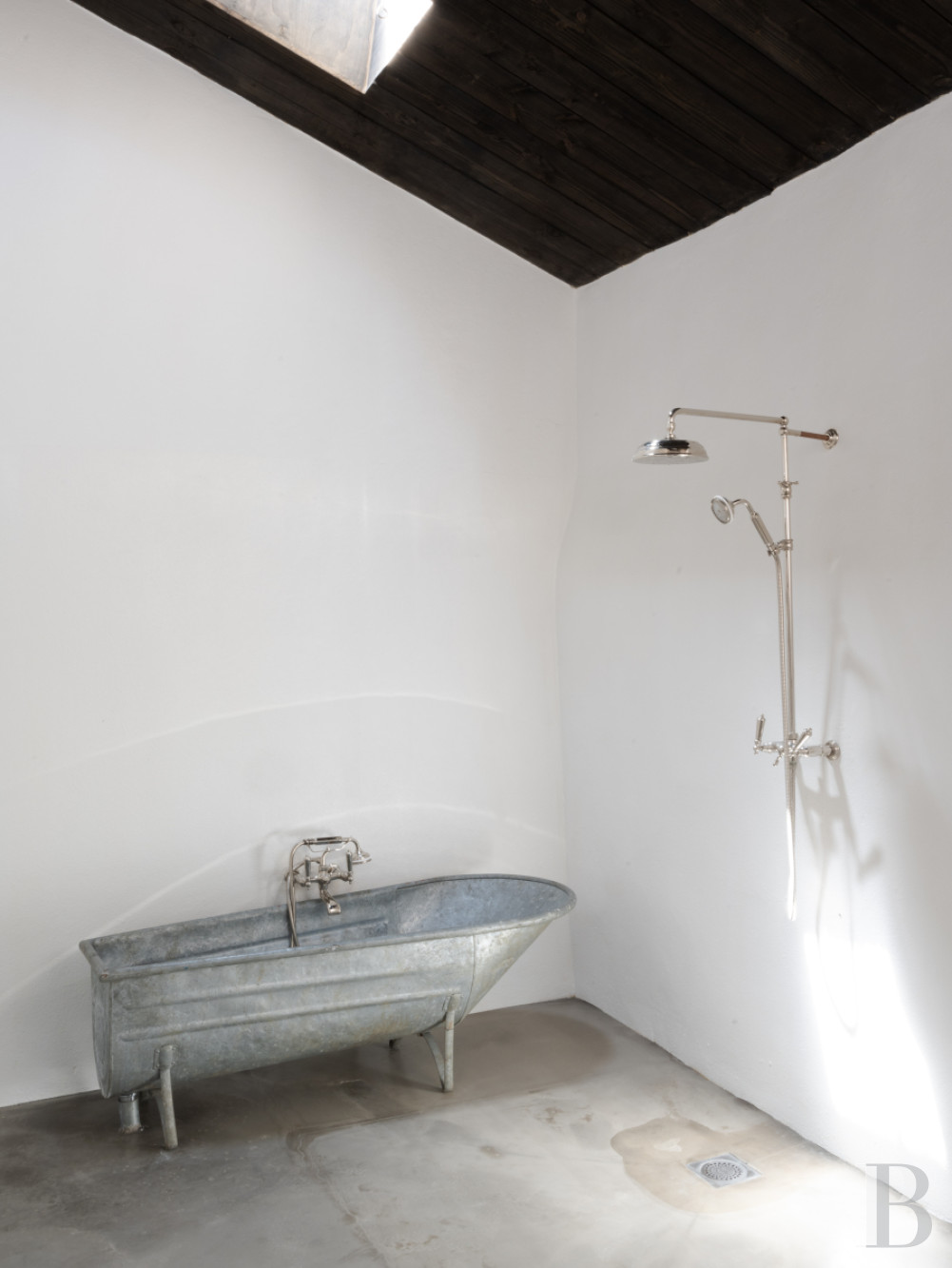
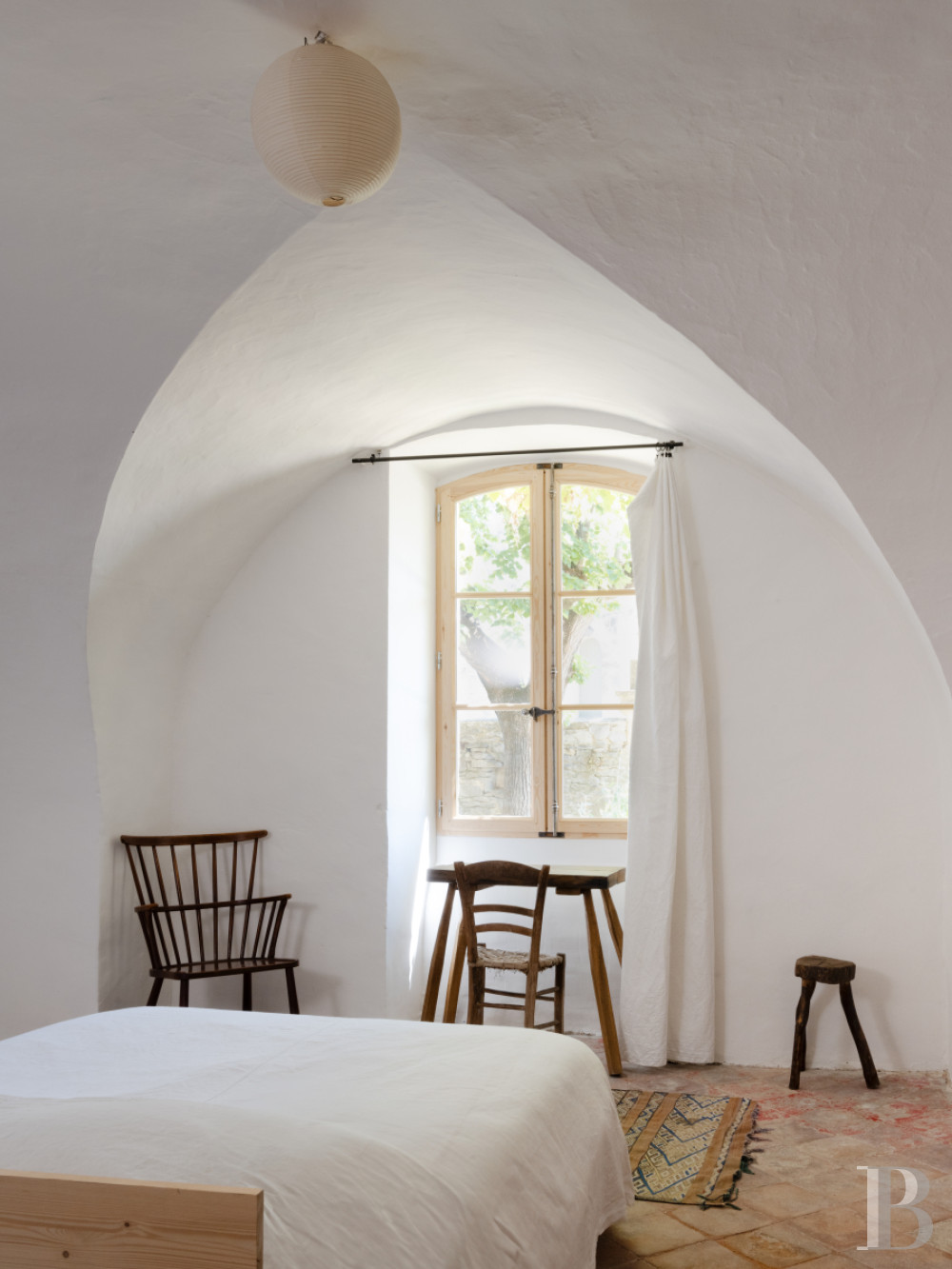
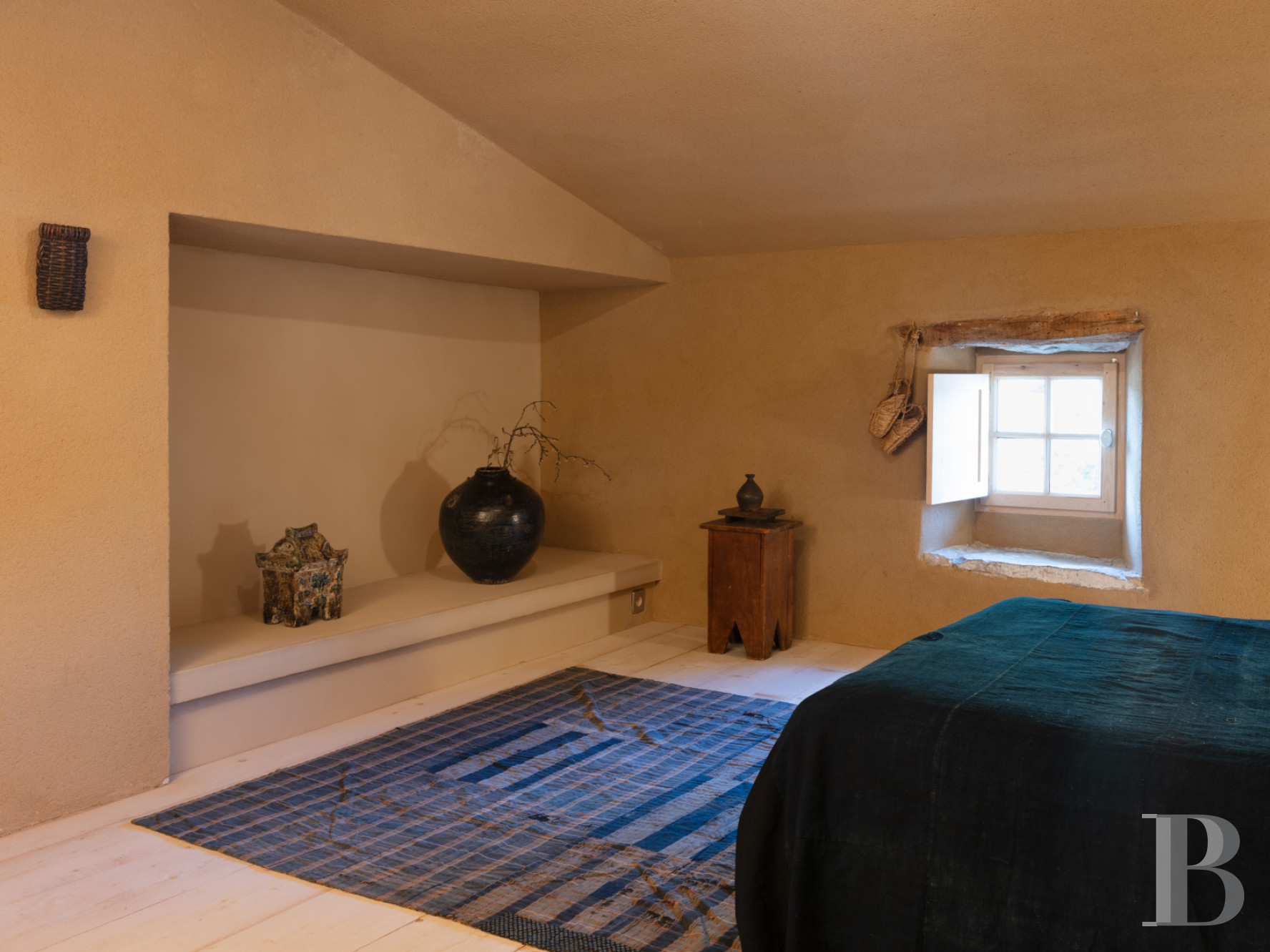
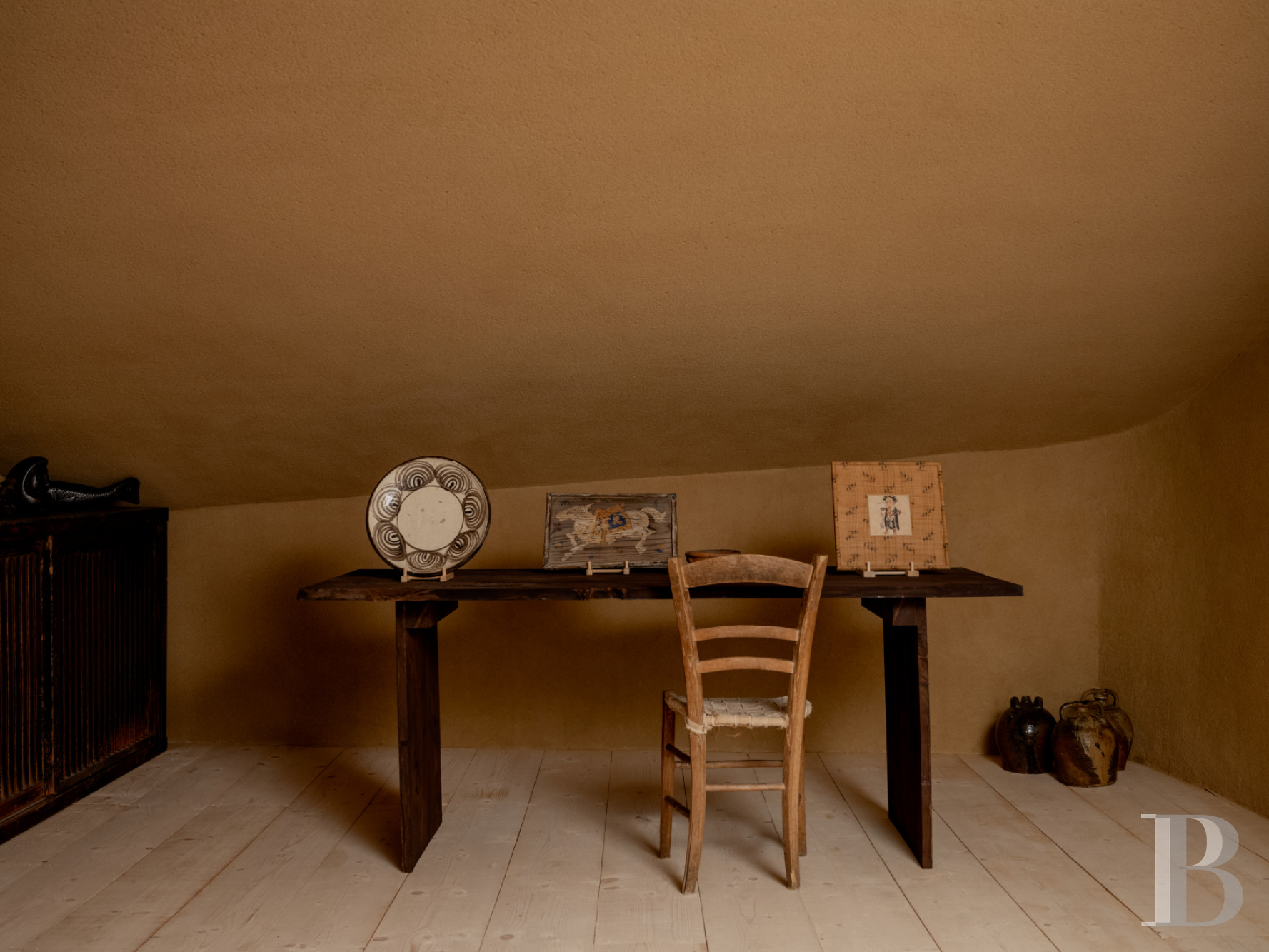
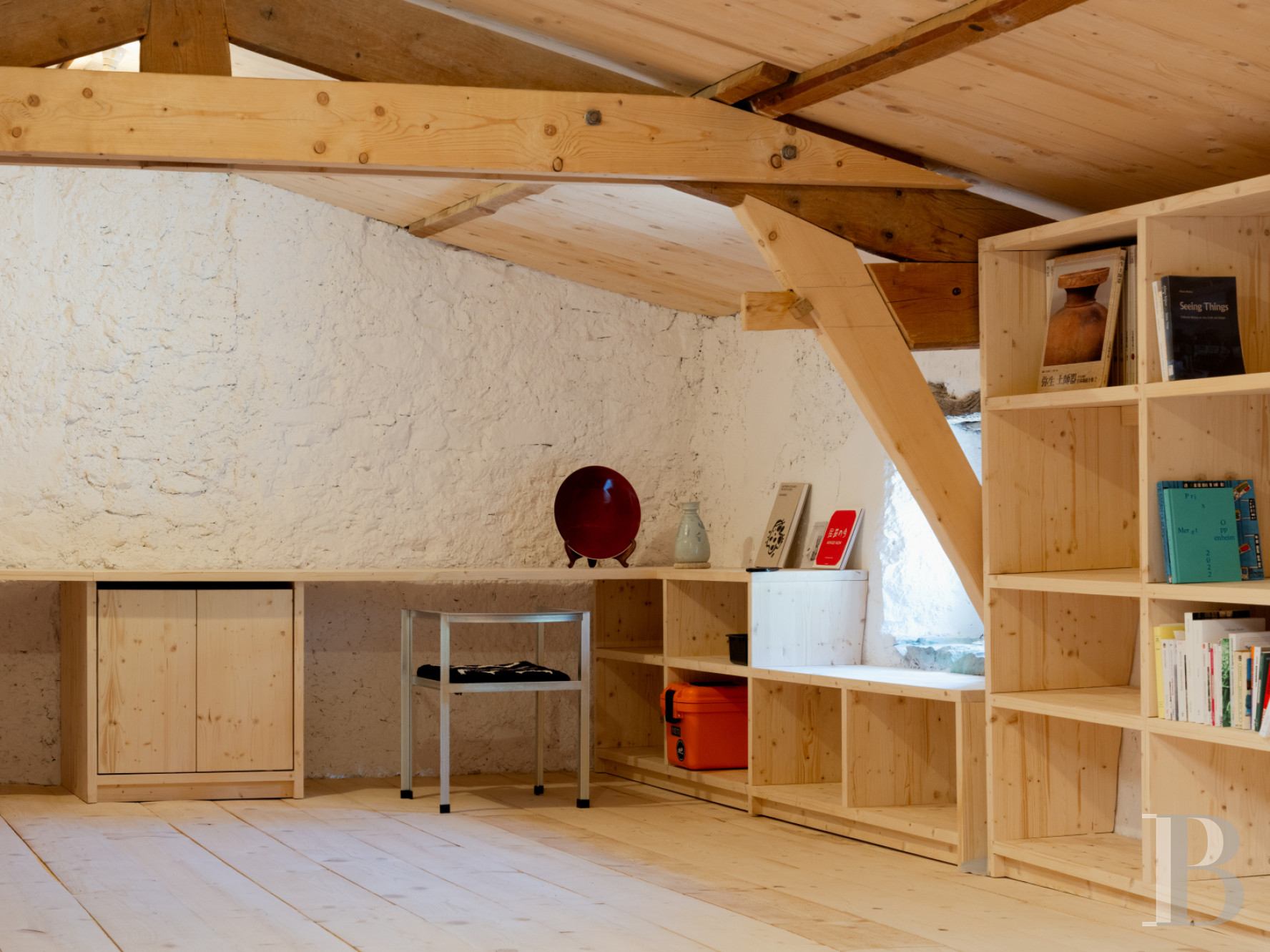
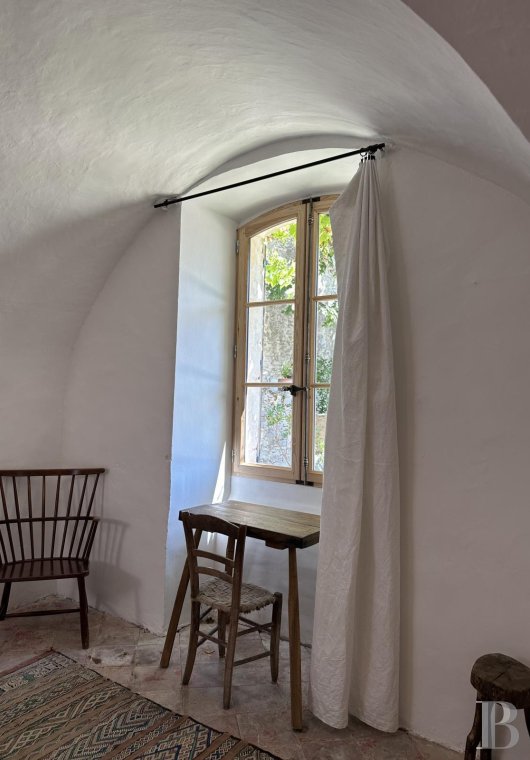
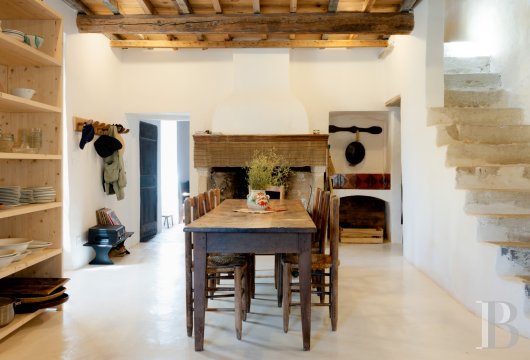
The house features two bedrooms on the ground floor sharing a large bathroom, as well as a laundry room and the old medieval cellars with a bread oven. On the first floor there are an open kitchen, a dining room, a living room opening onto a terrace, a master suite with a private bathroom, a mezzanine bedroom, and an additional bedroom sharing a bathroom. The second floor features two double bedrooms with a shared bathroom and a large office/library space.
ref 110391
A link to enter a new password has been sent to you by email.
By continuing your navigation, you accept the use of cookies to offer you services and offers adapted to your centers of interest and to measure the frequentation of our services. Learn more