

Add to favorites
Log in to your personal space
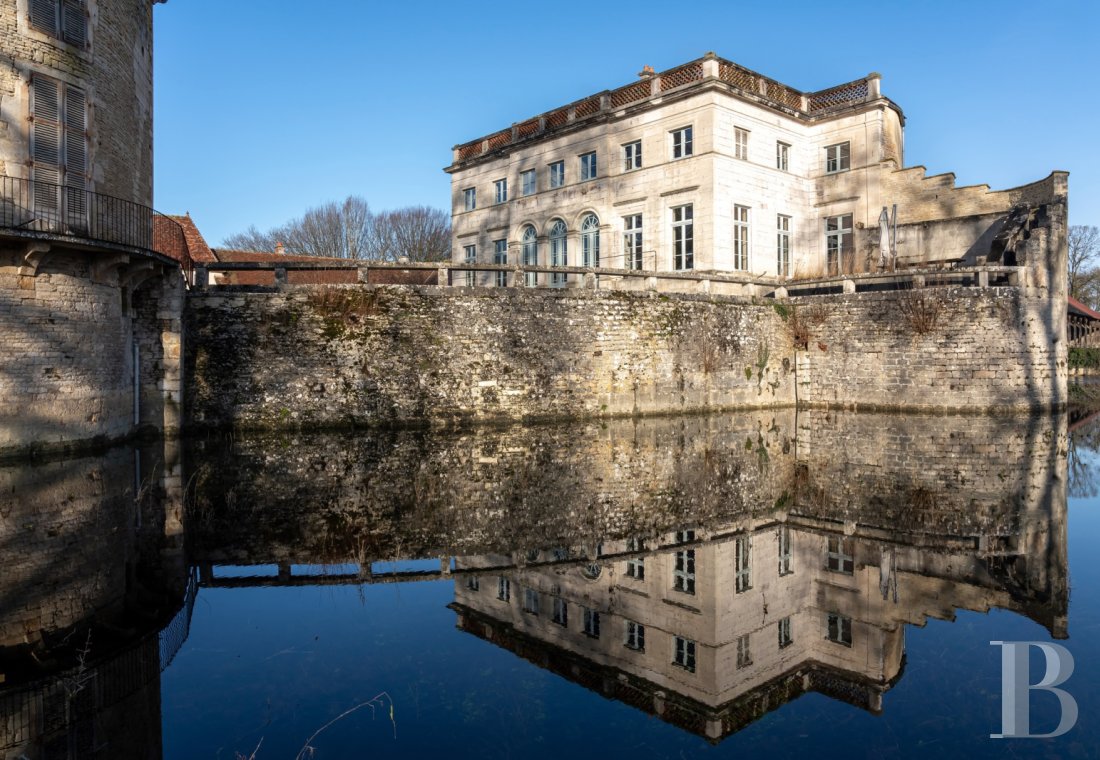
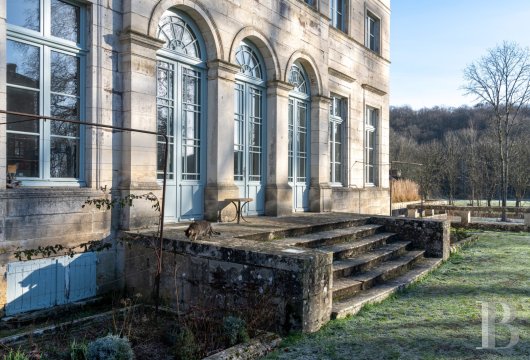
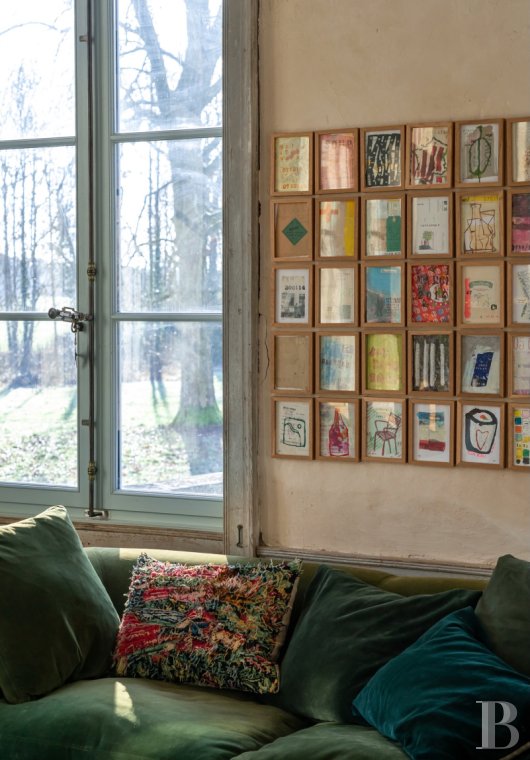
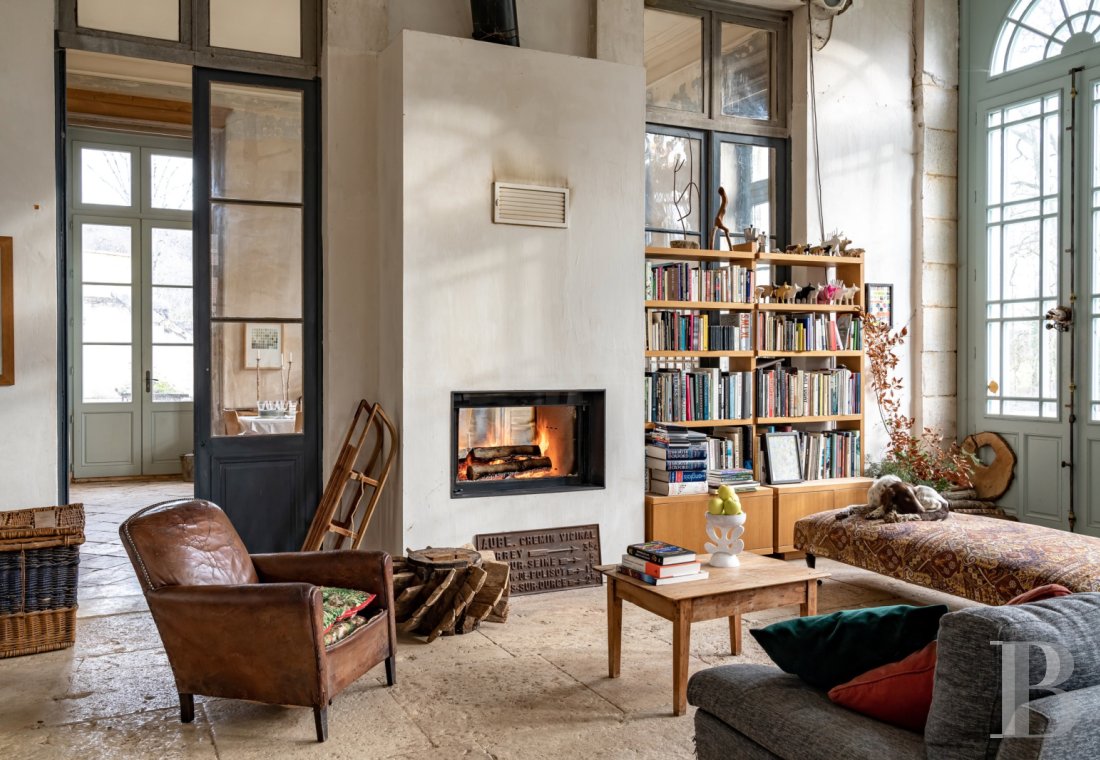
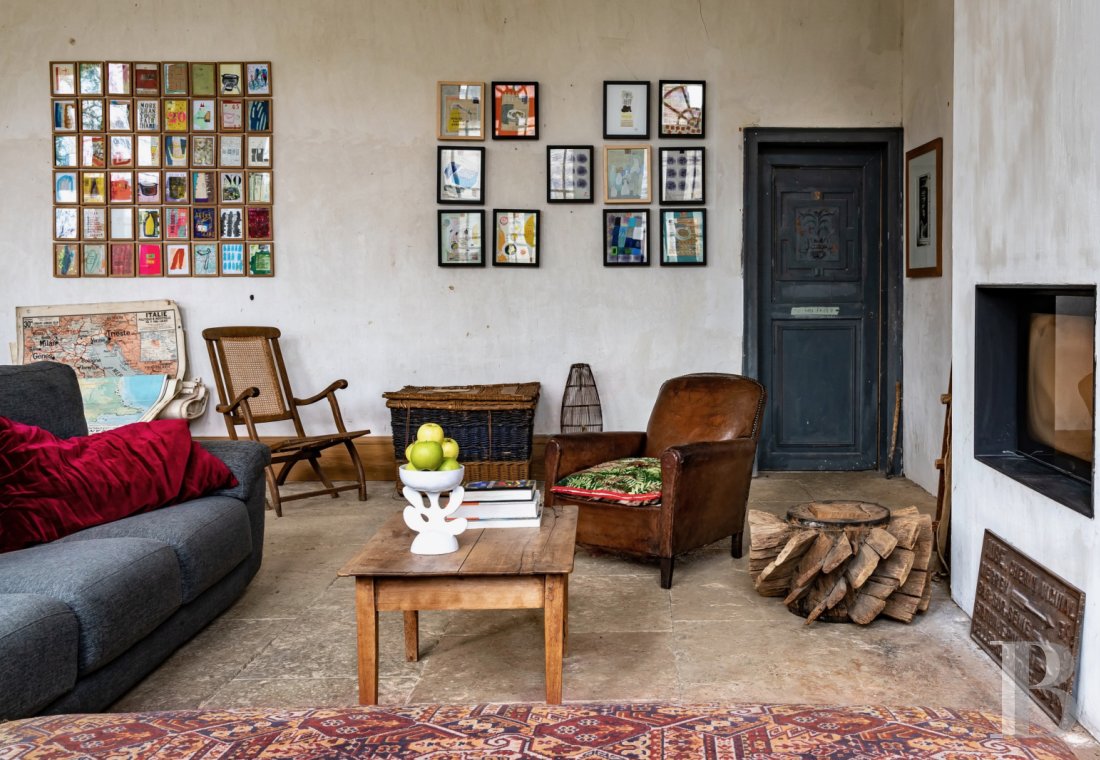
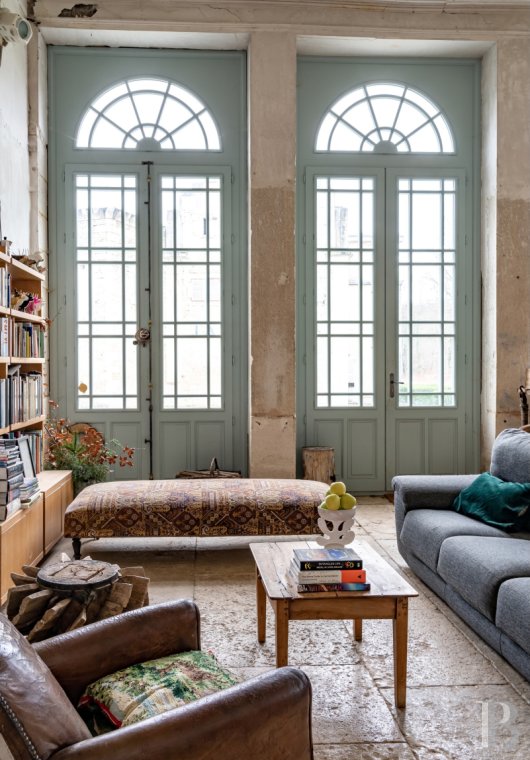
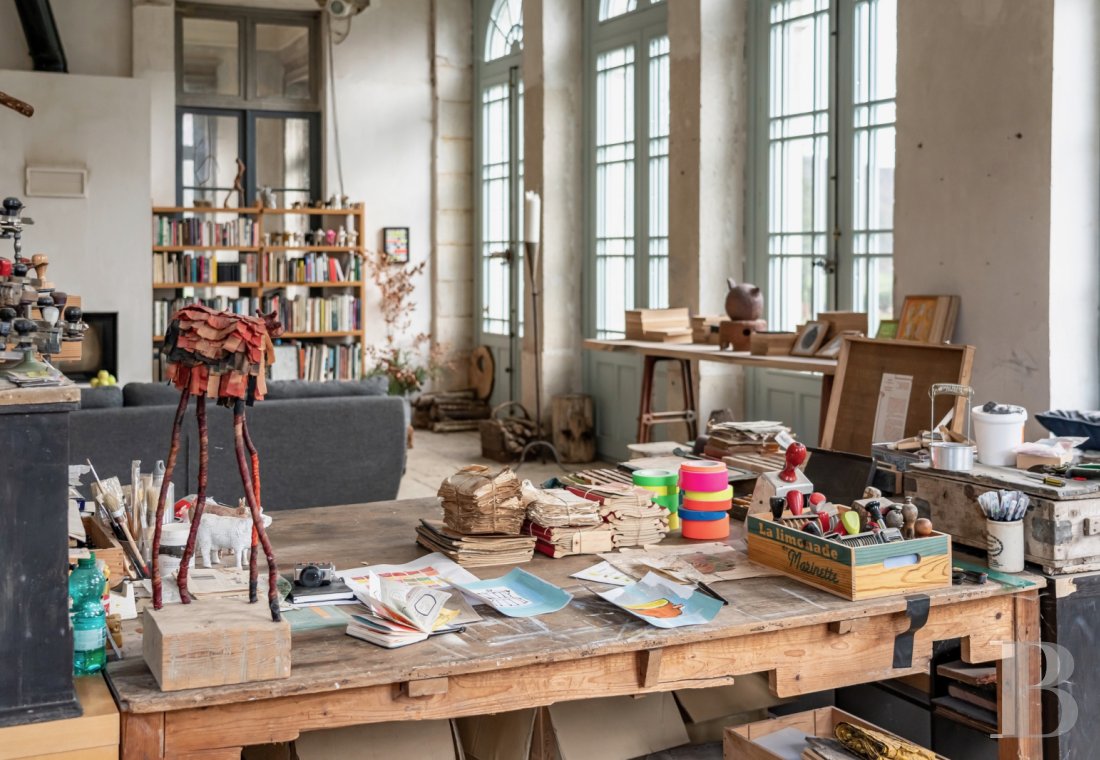
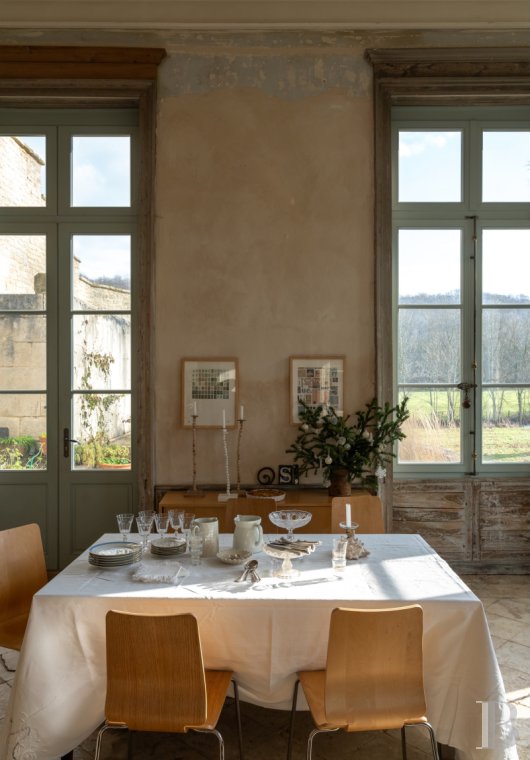
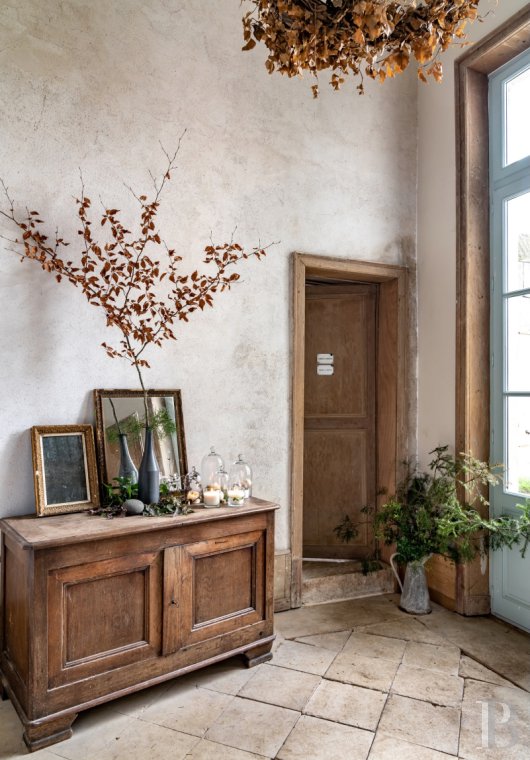
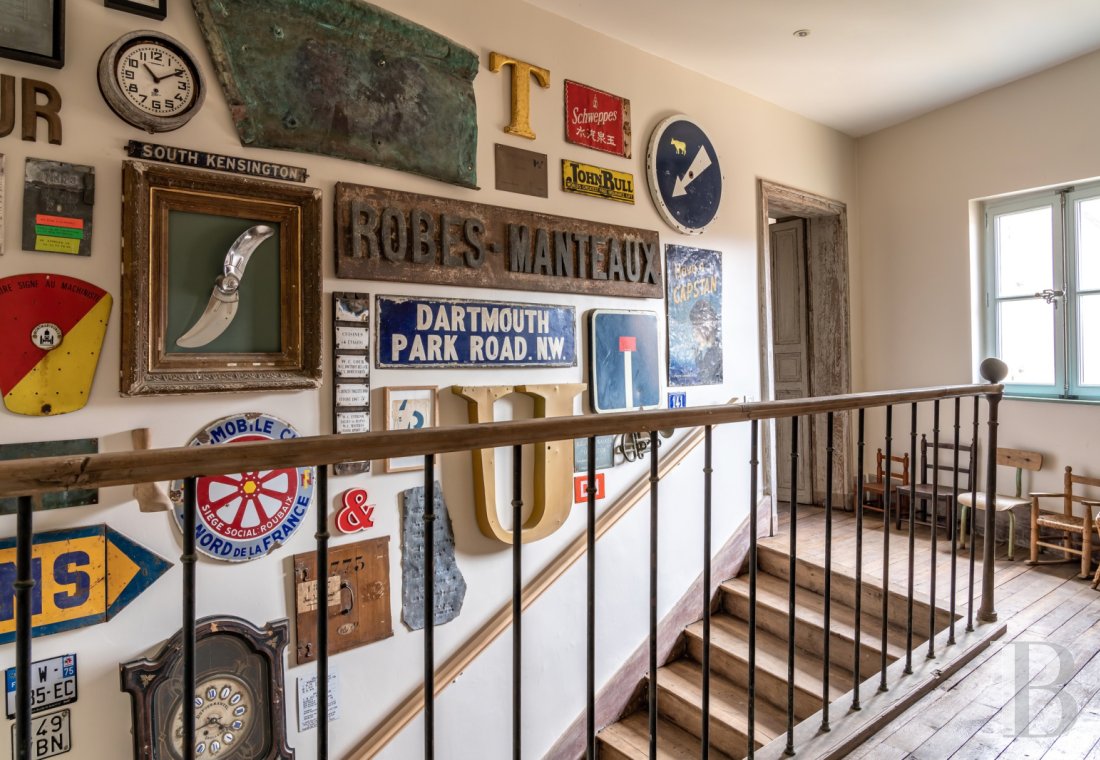
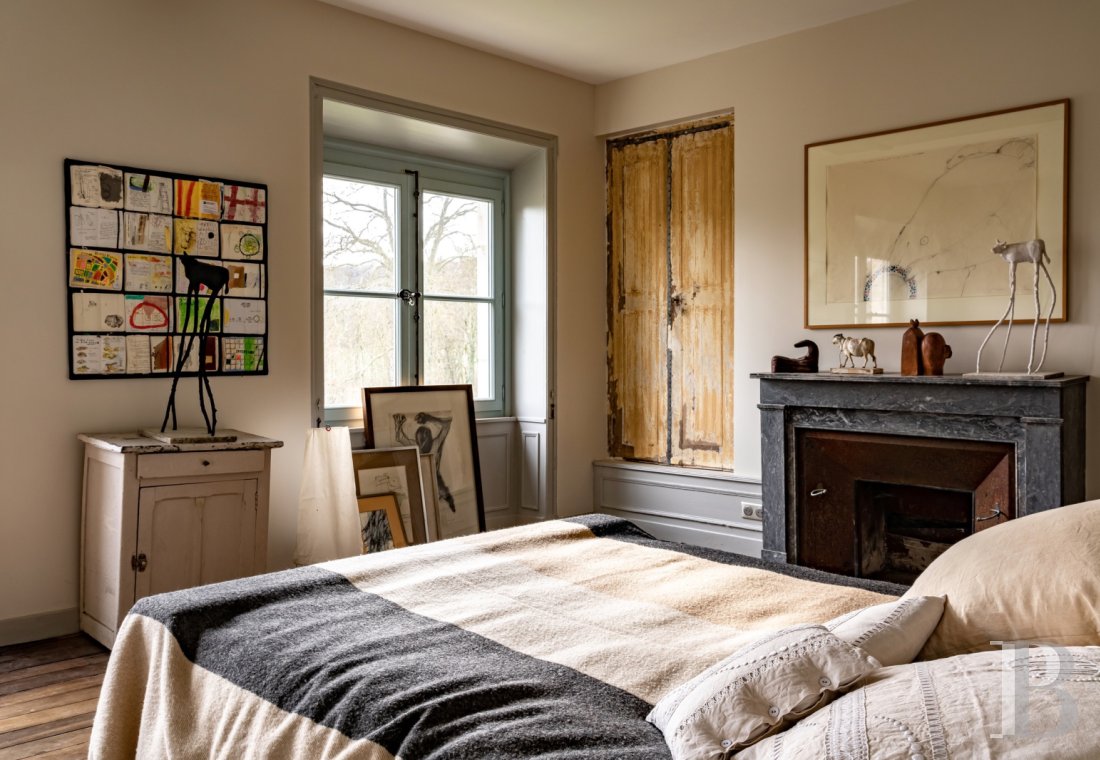
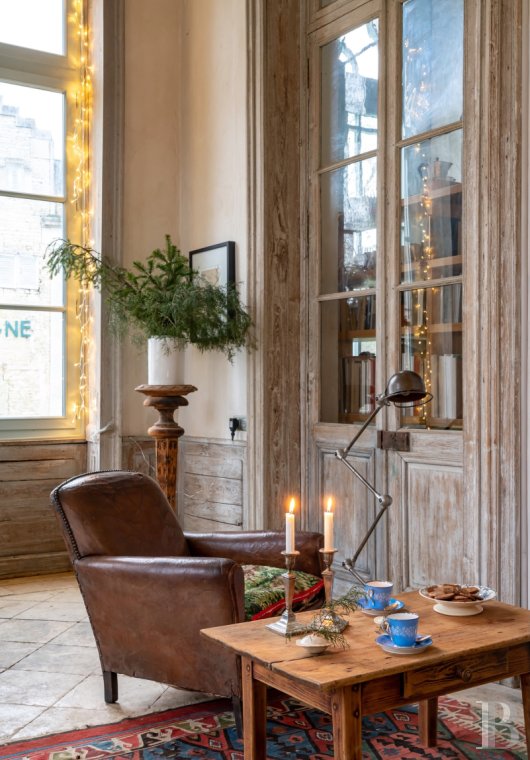
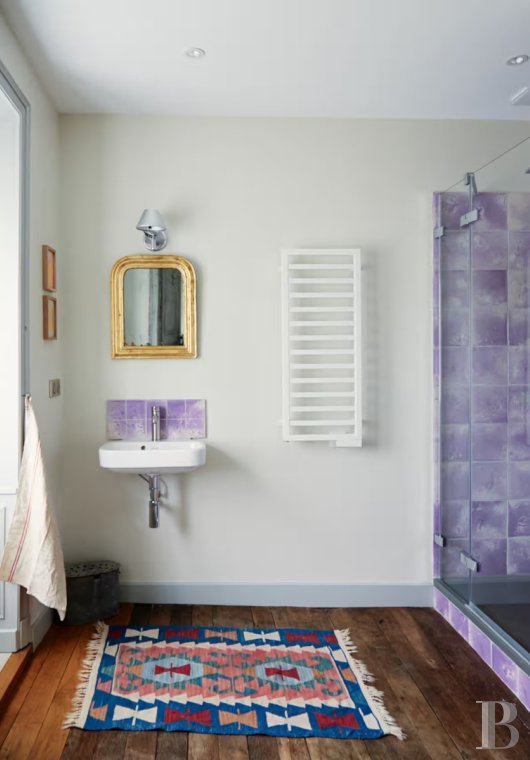
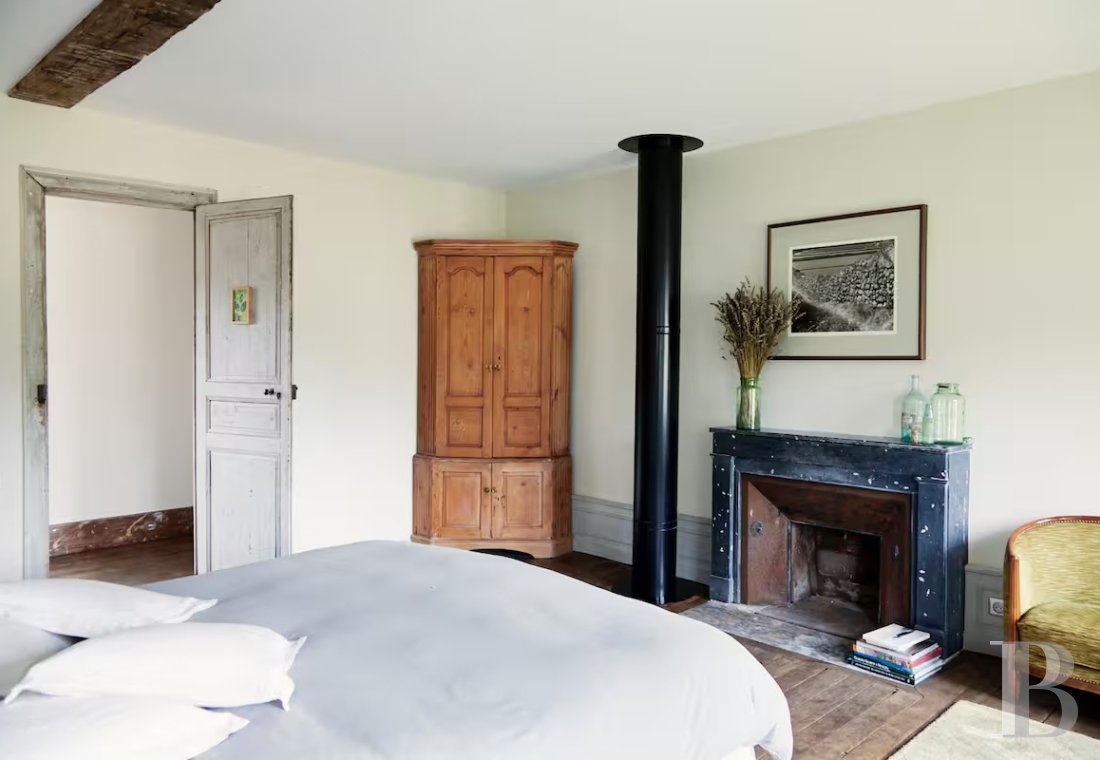
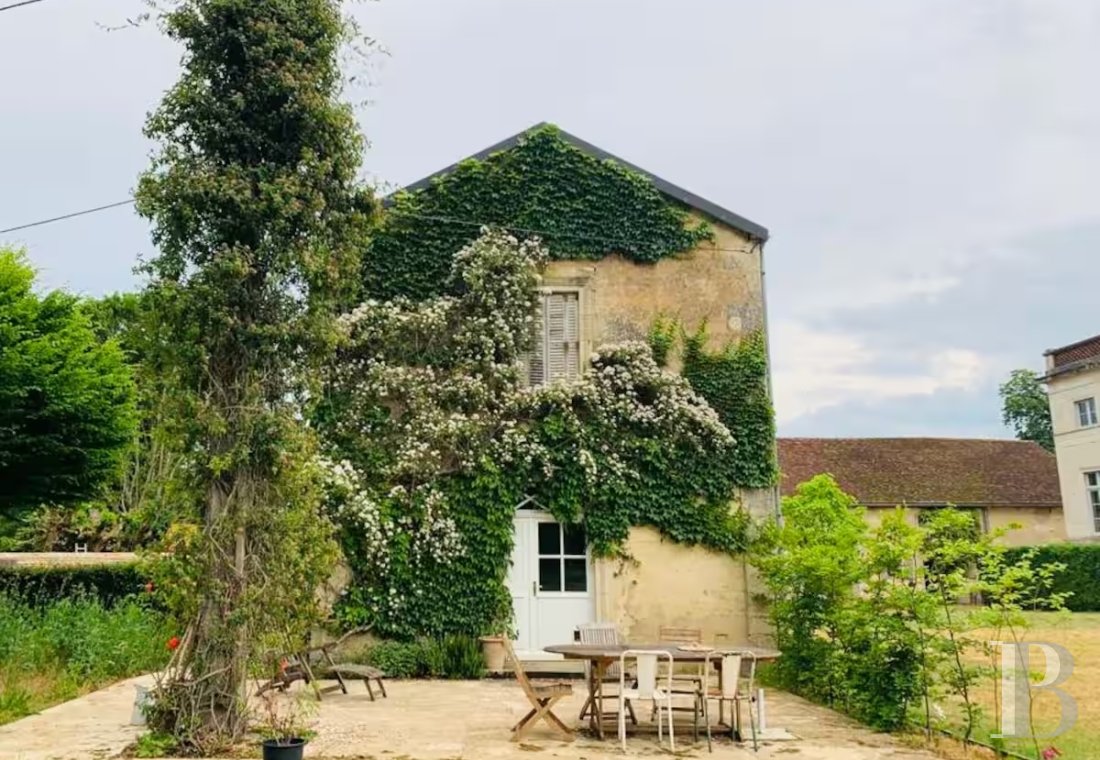
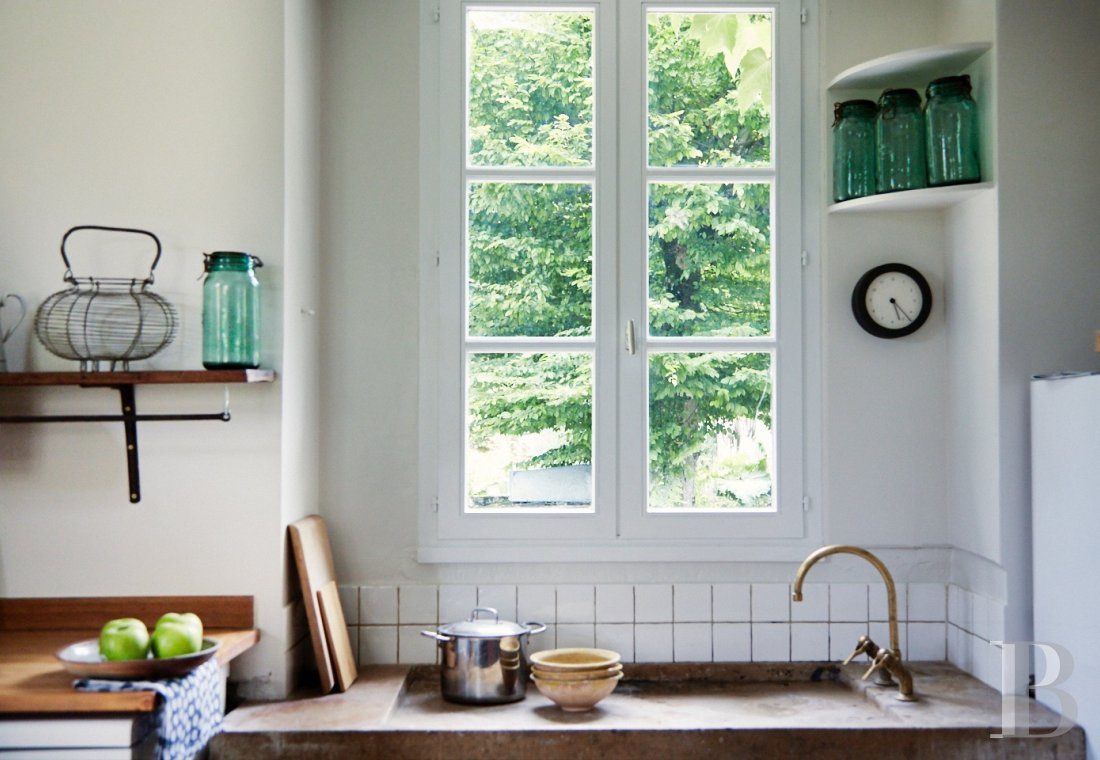
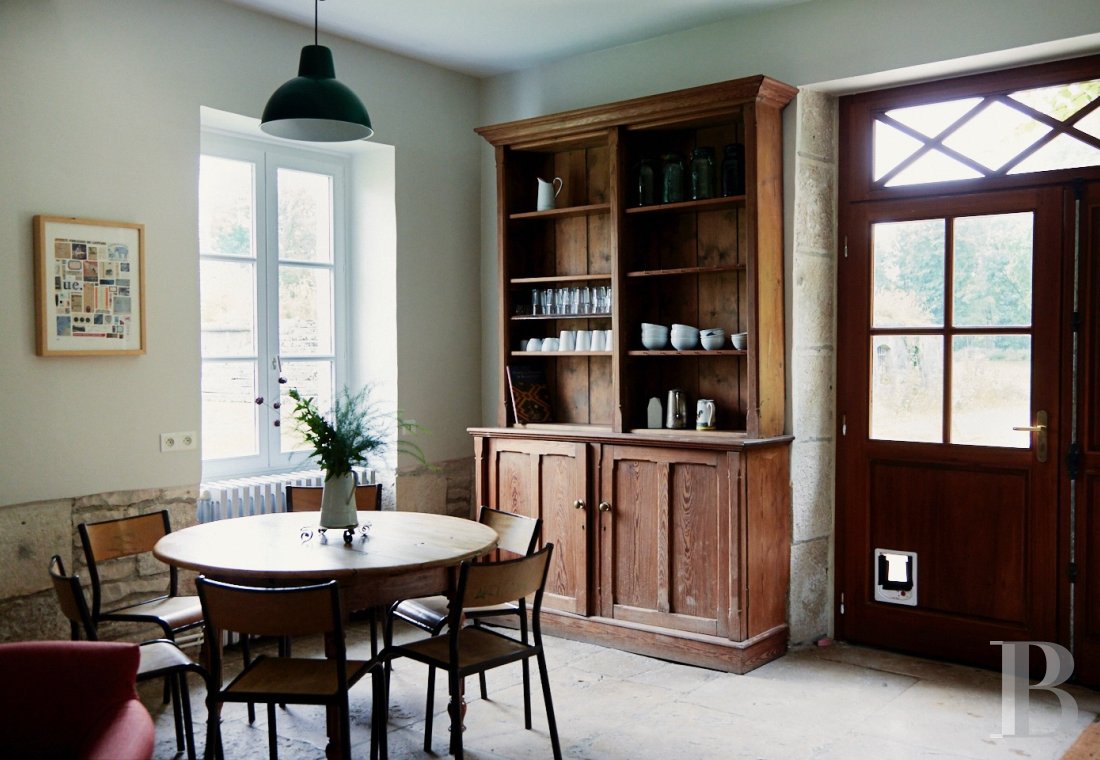
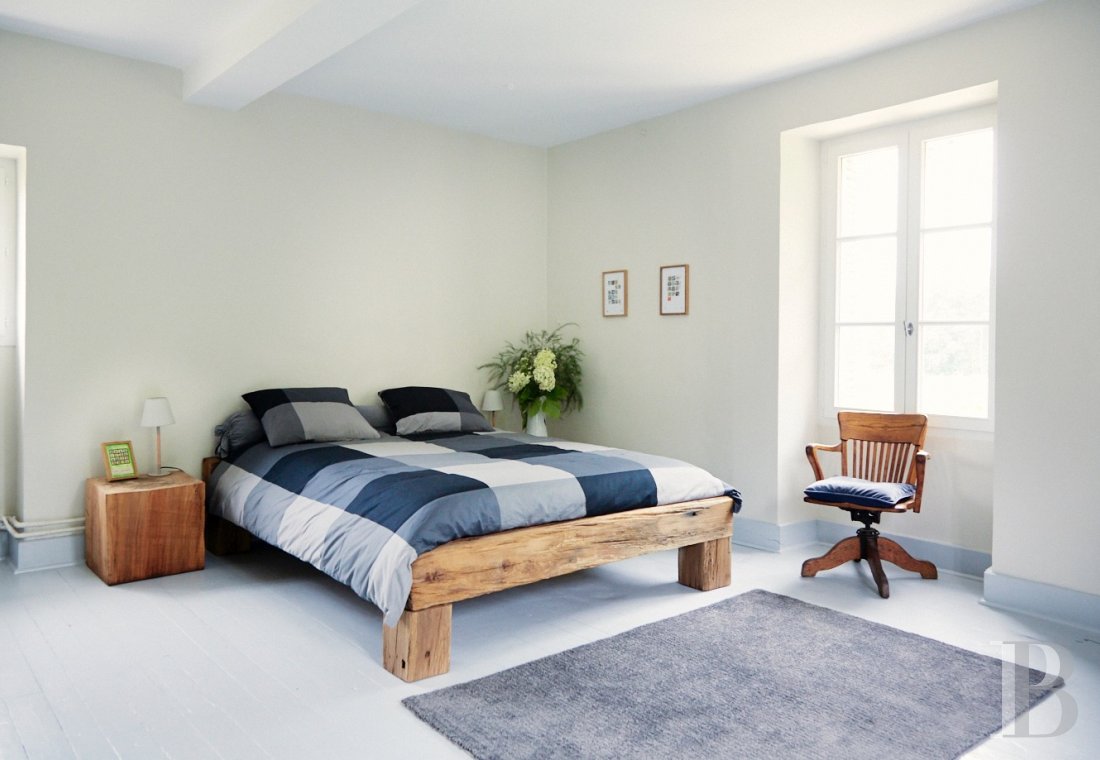
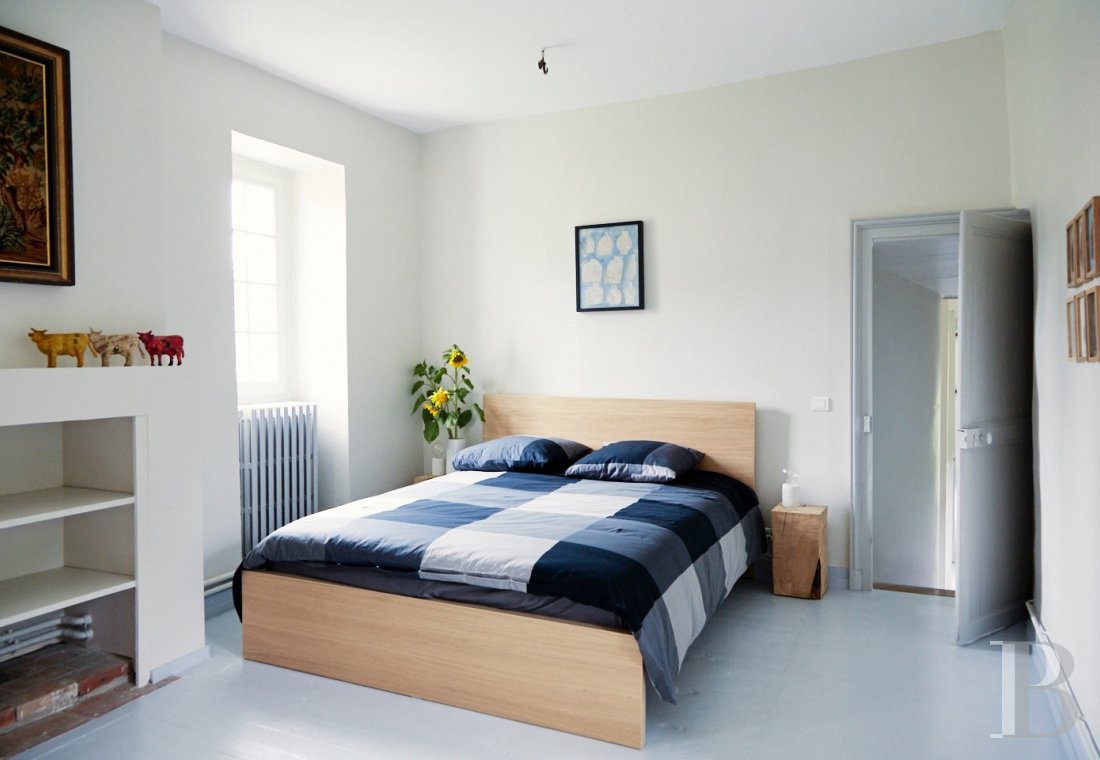
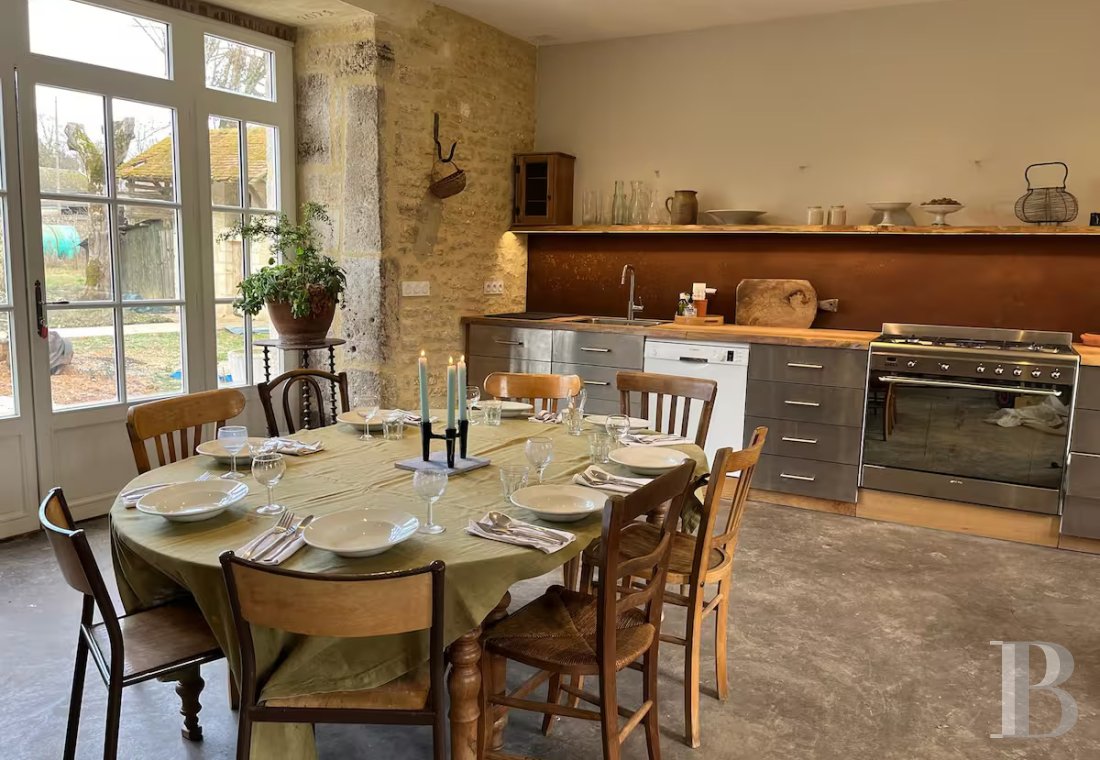
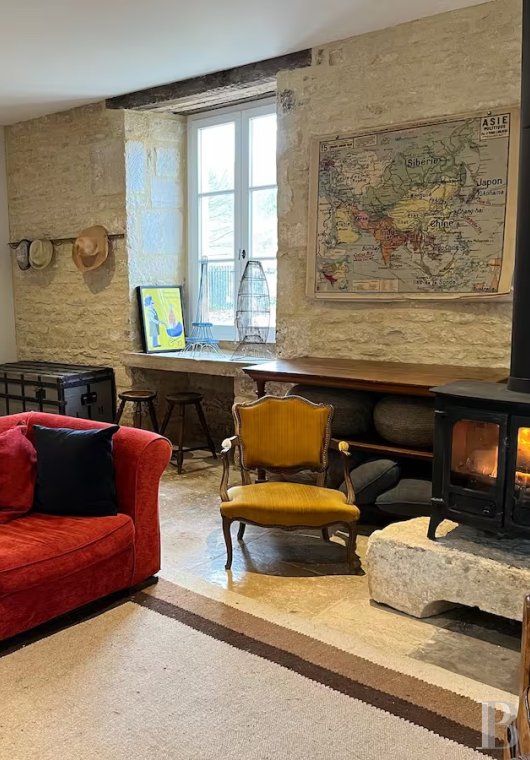
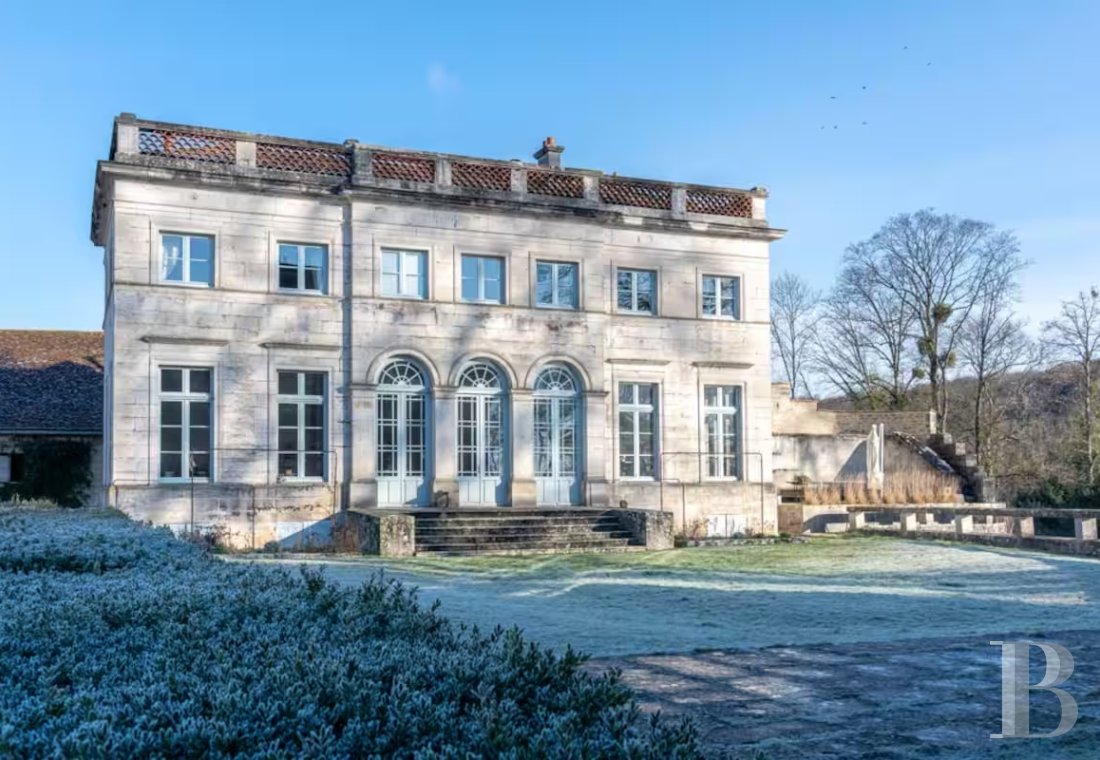
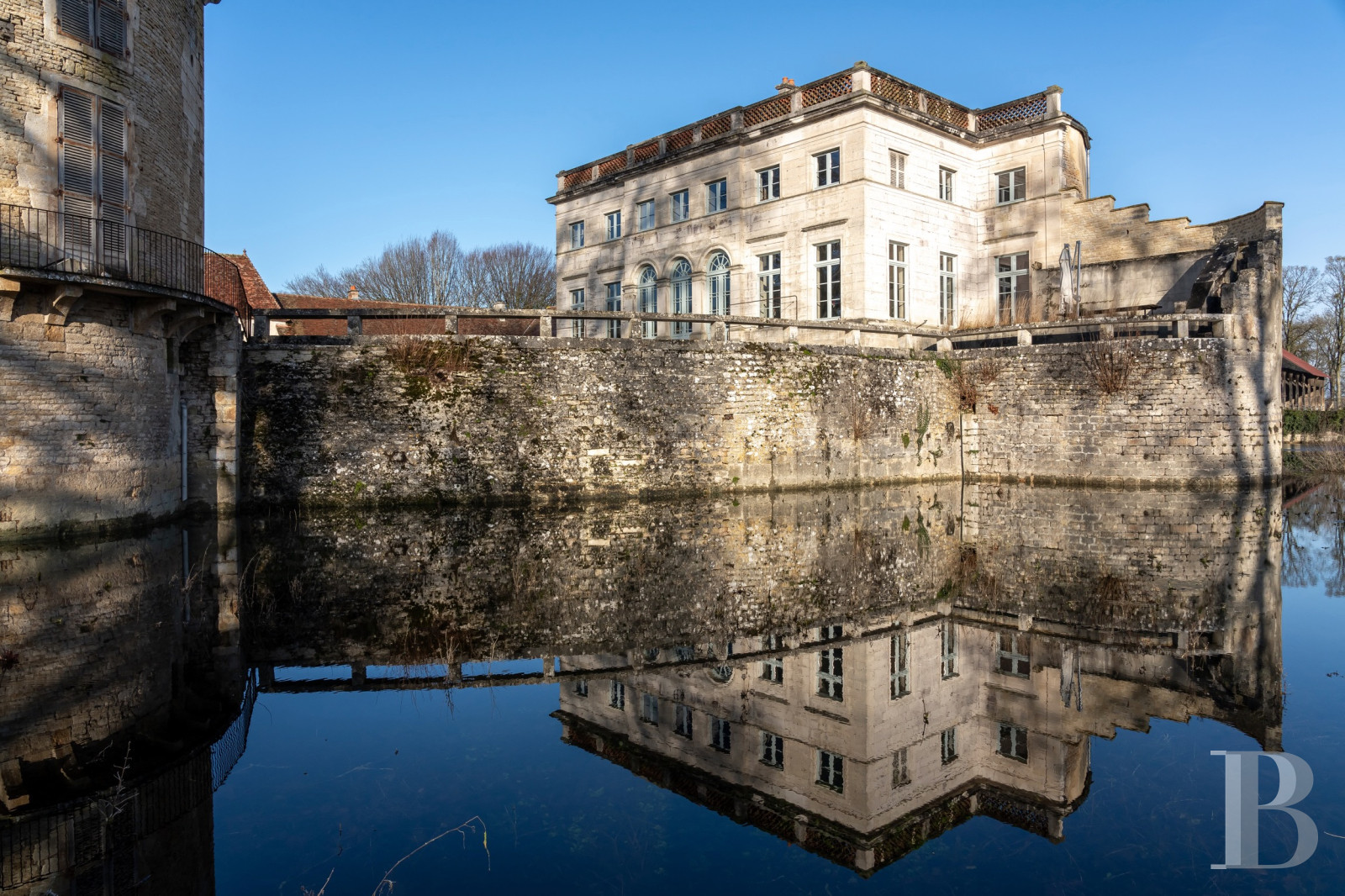
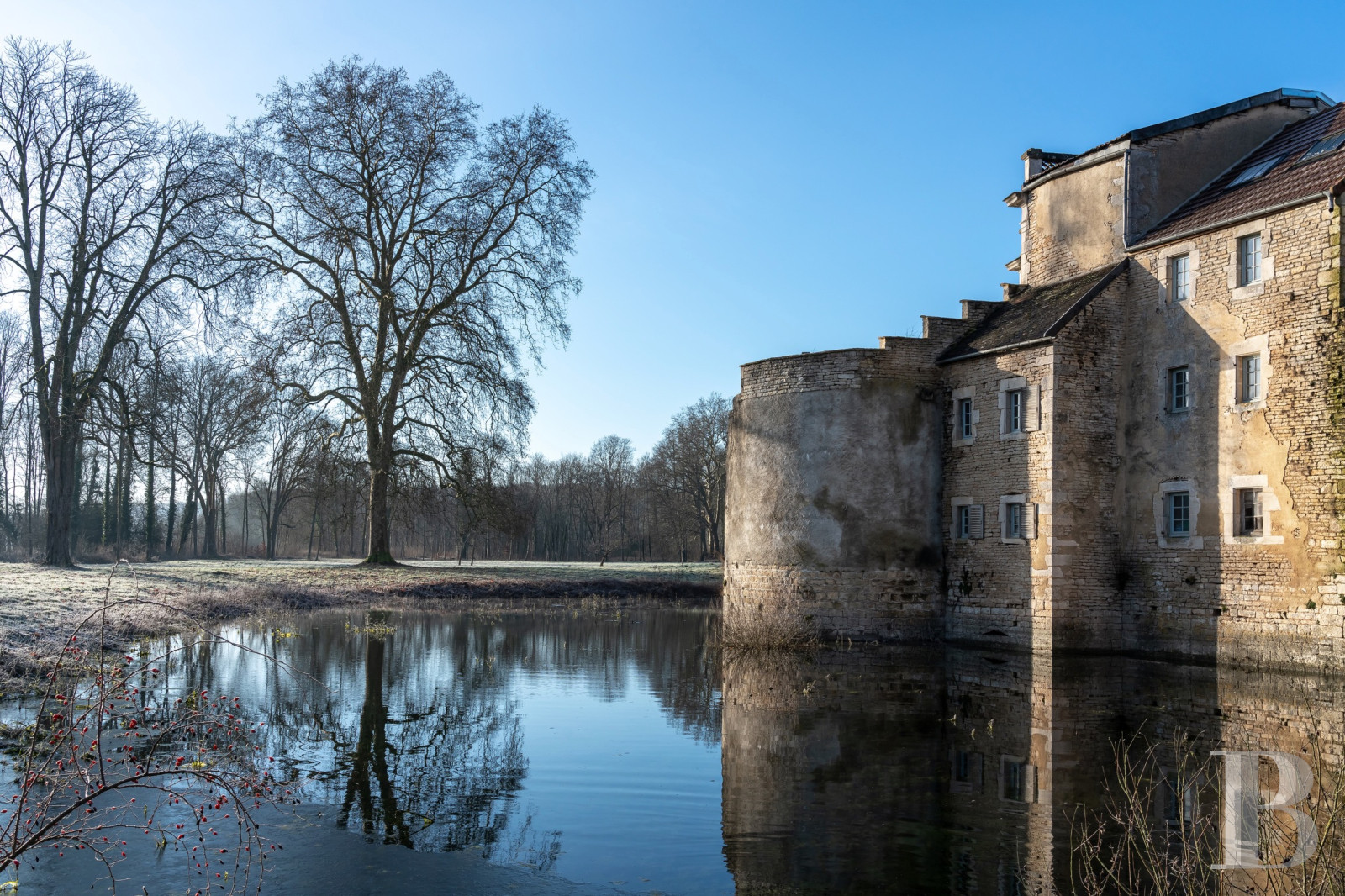
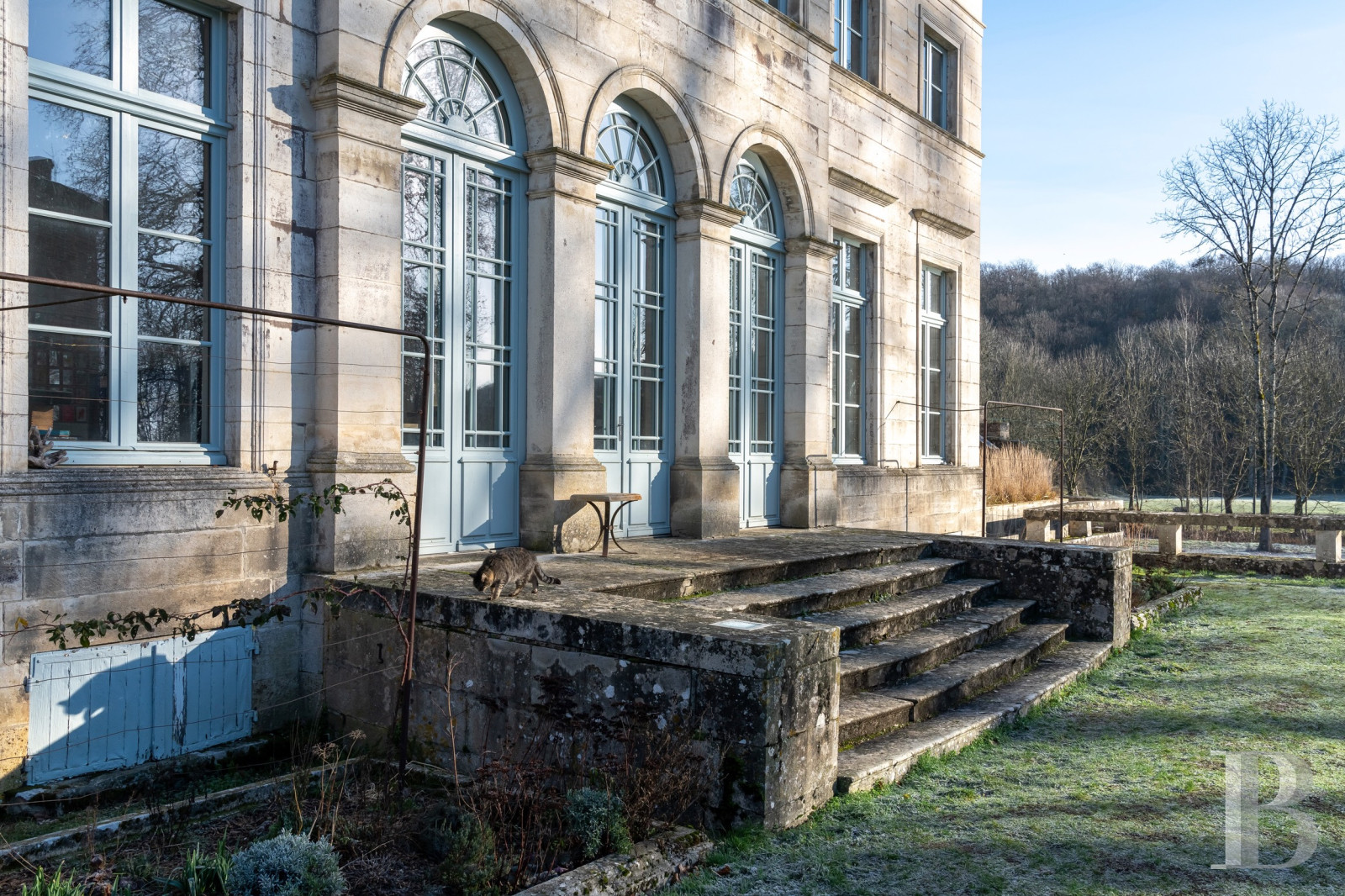
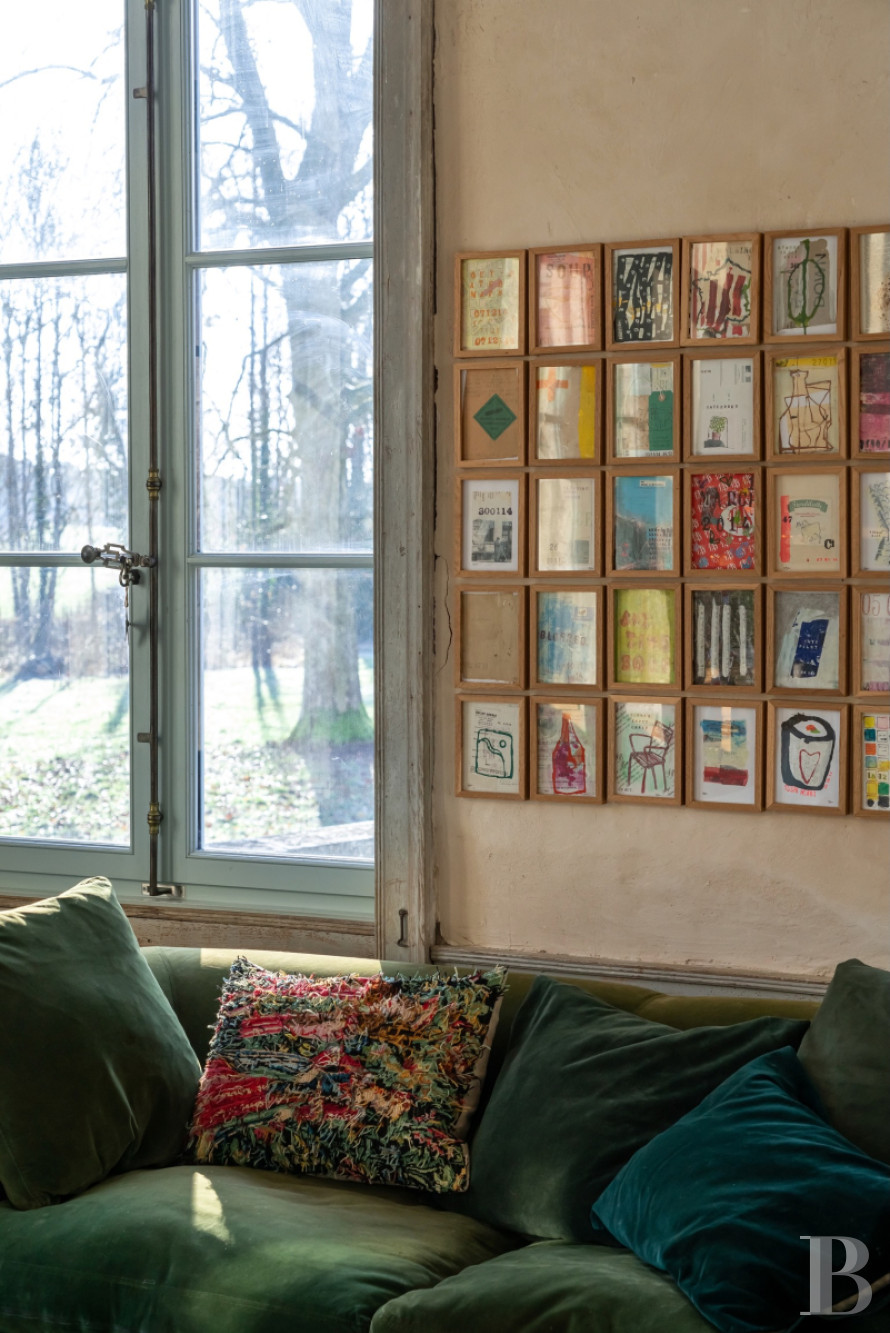
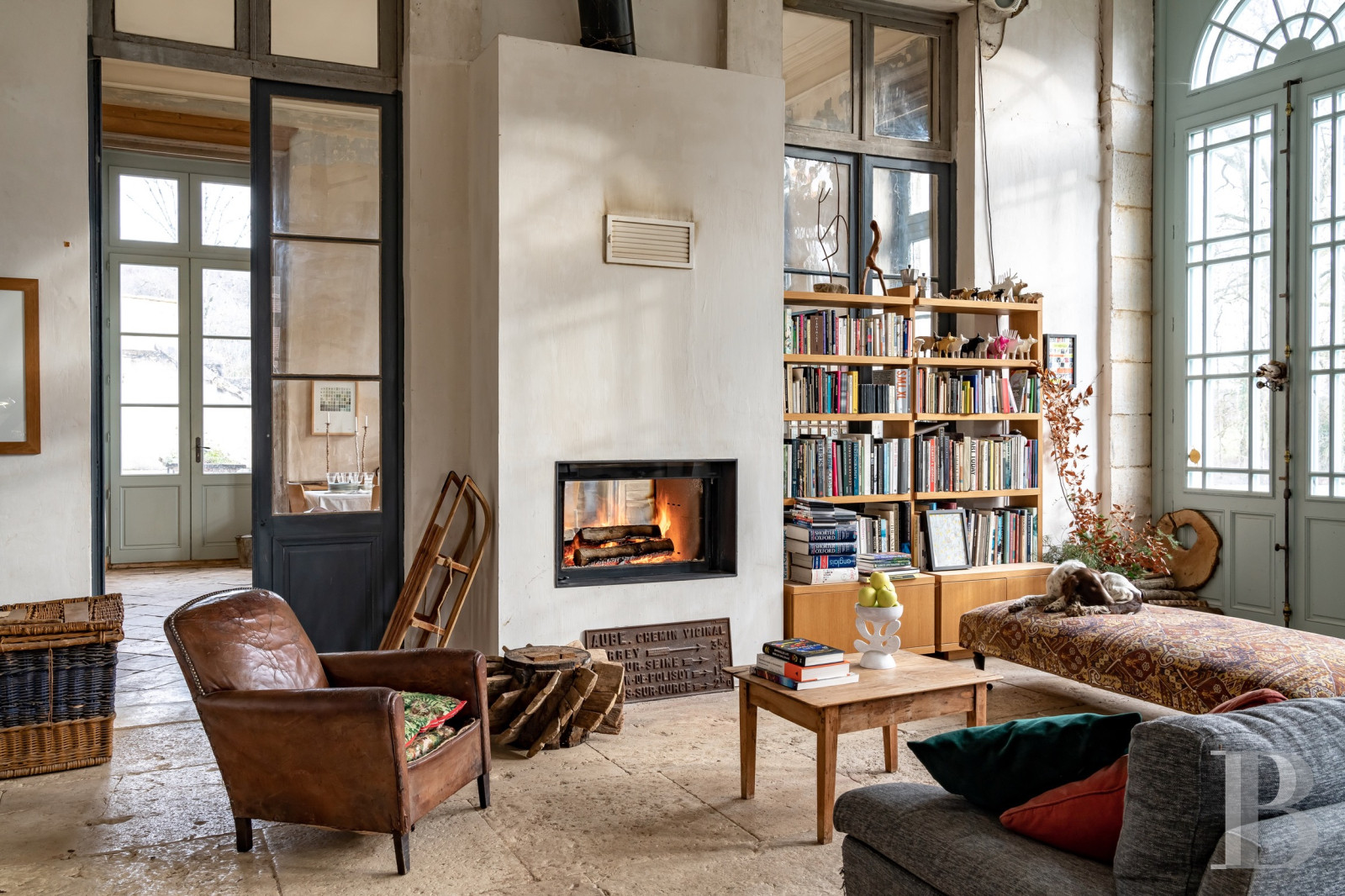
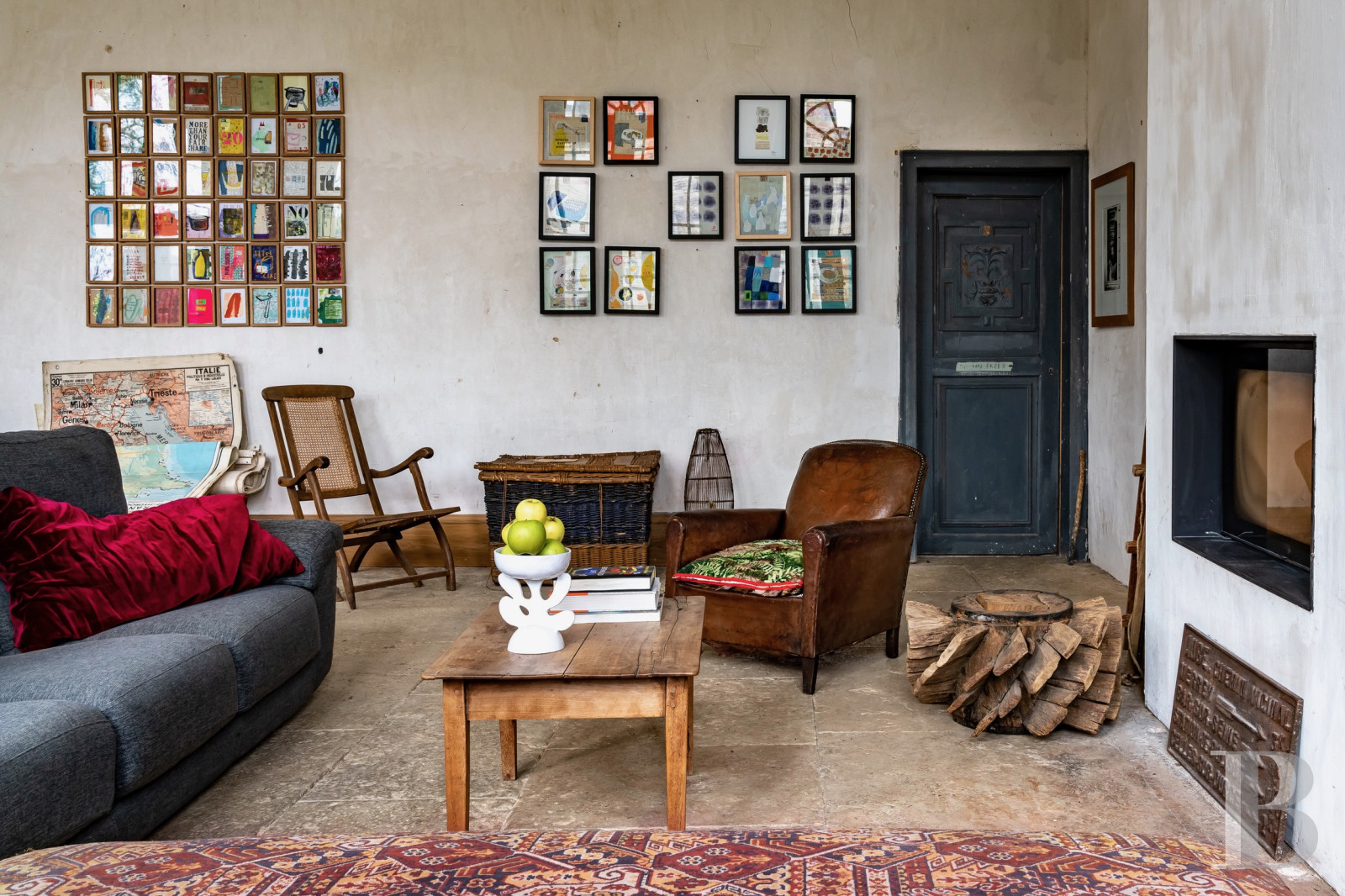
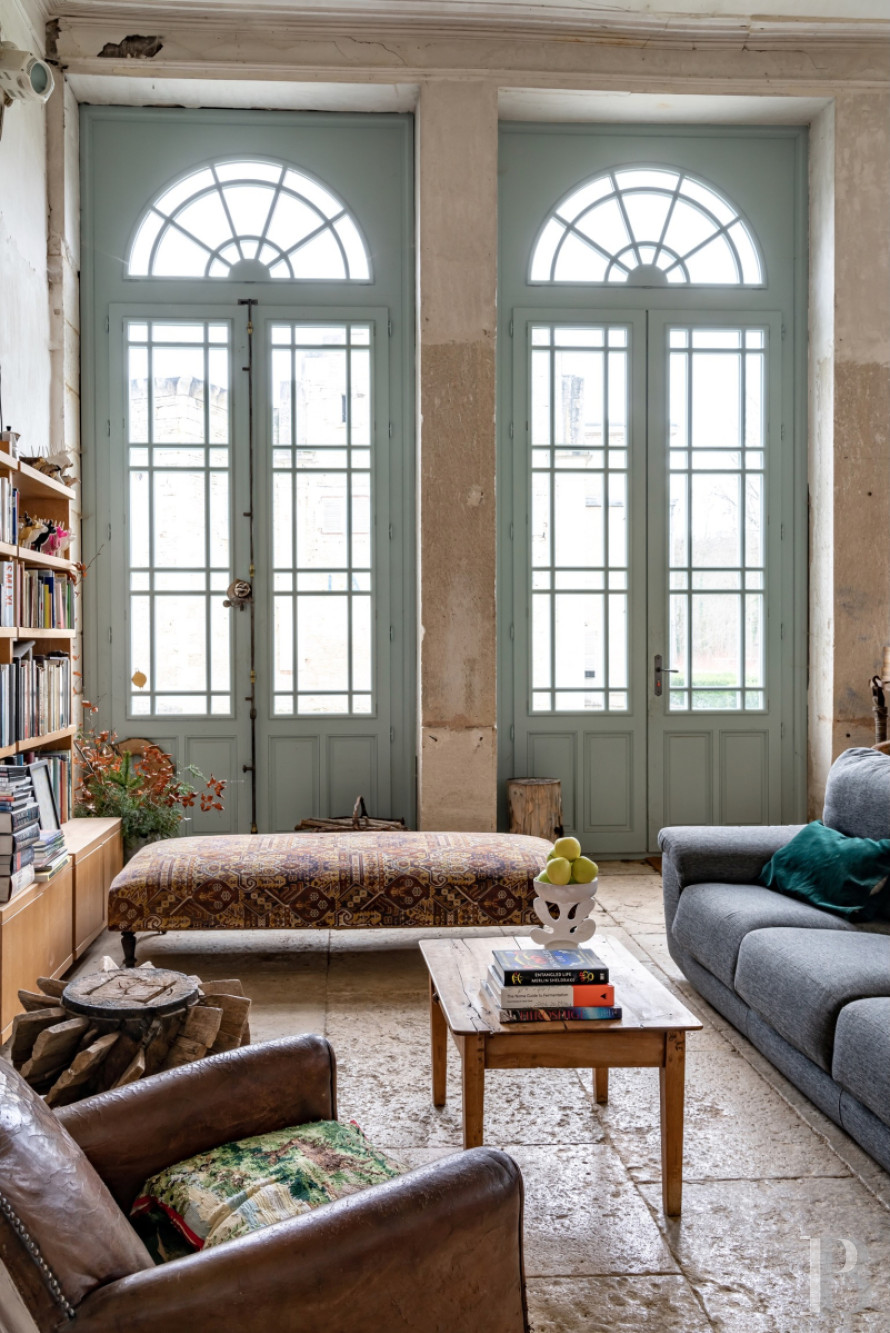
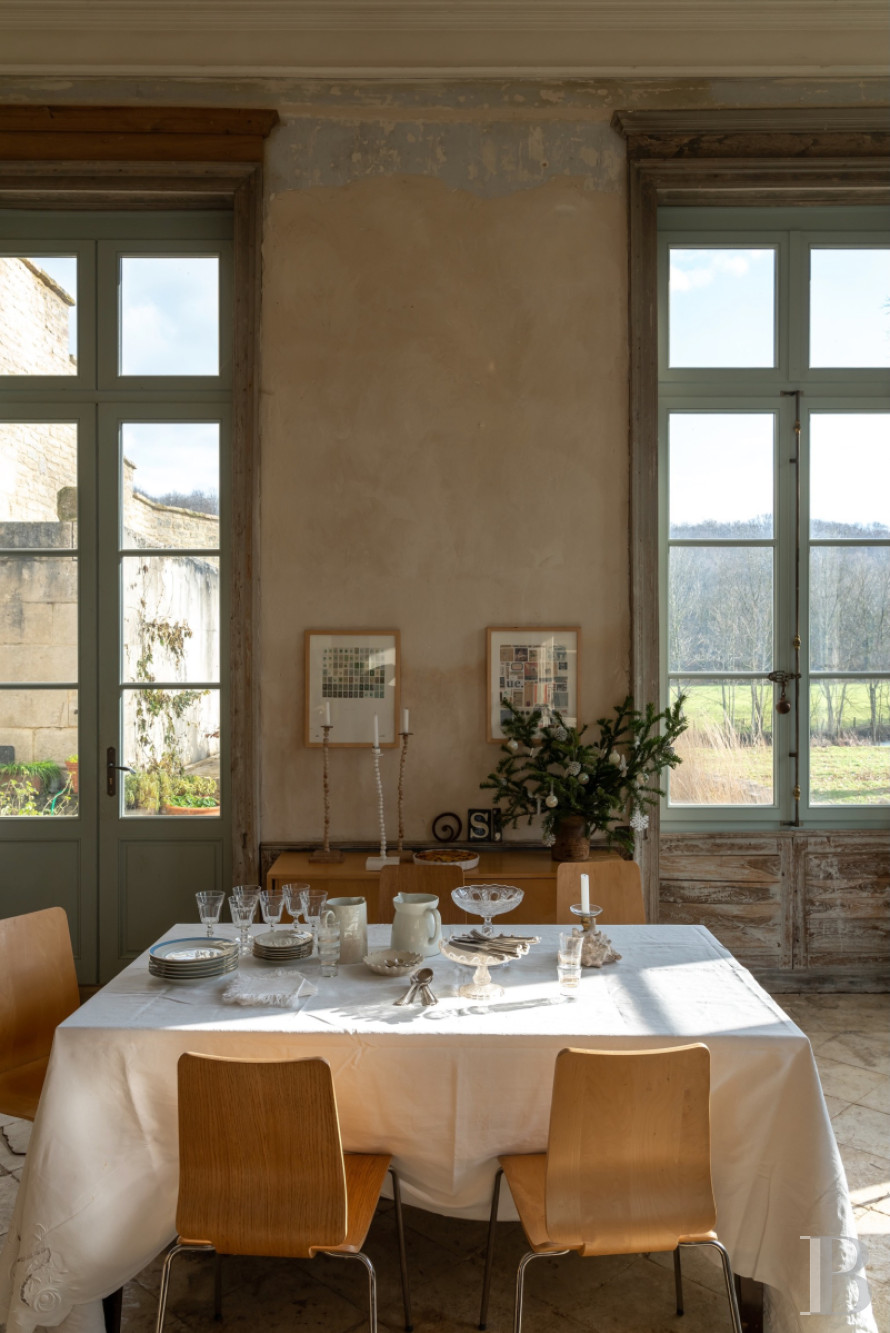
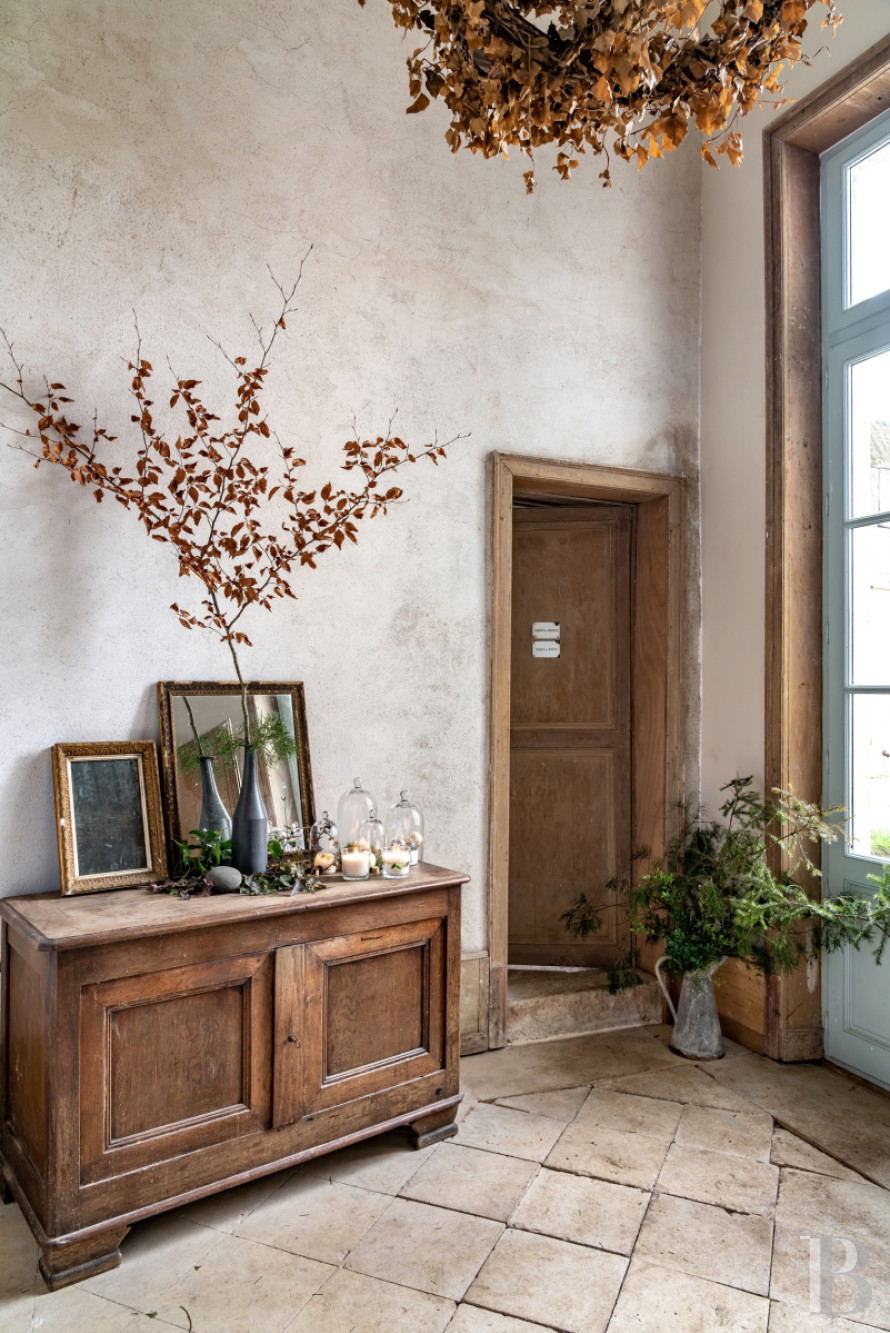
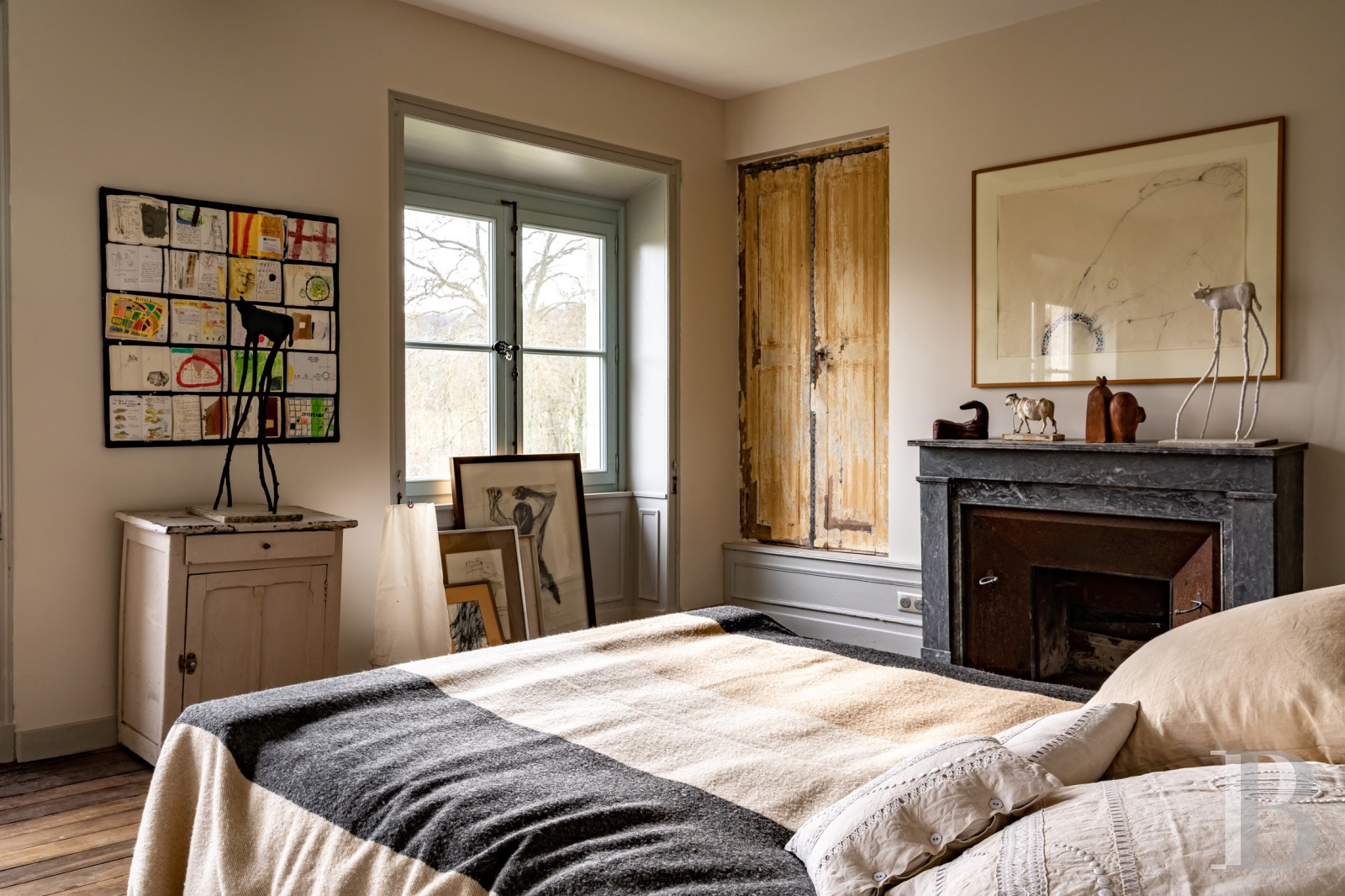
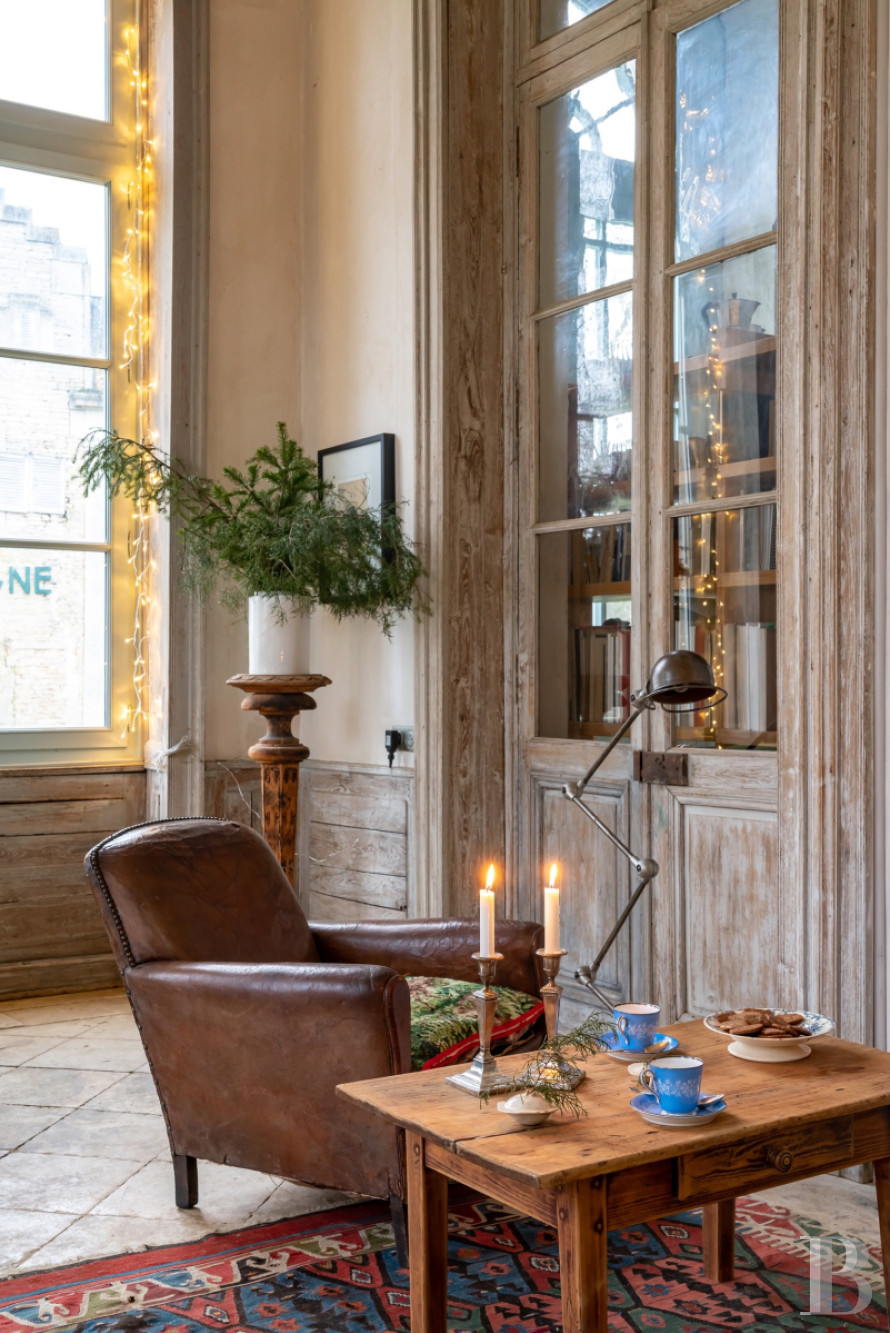
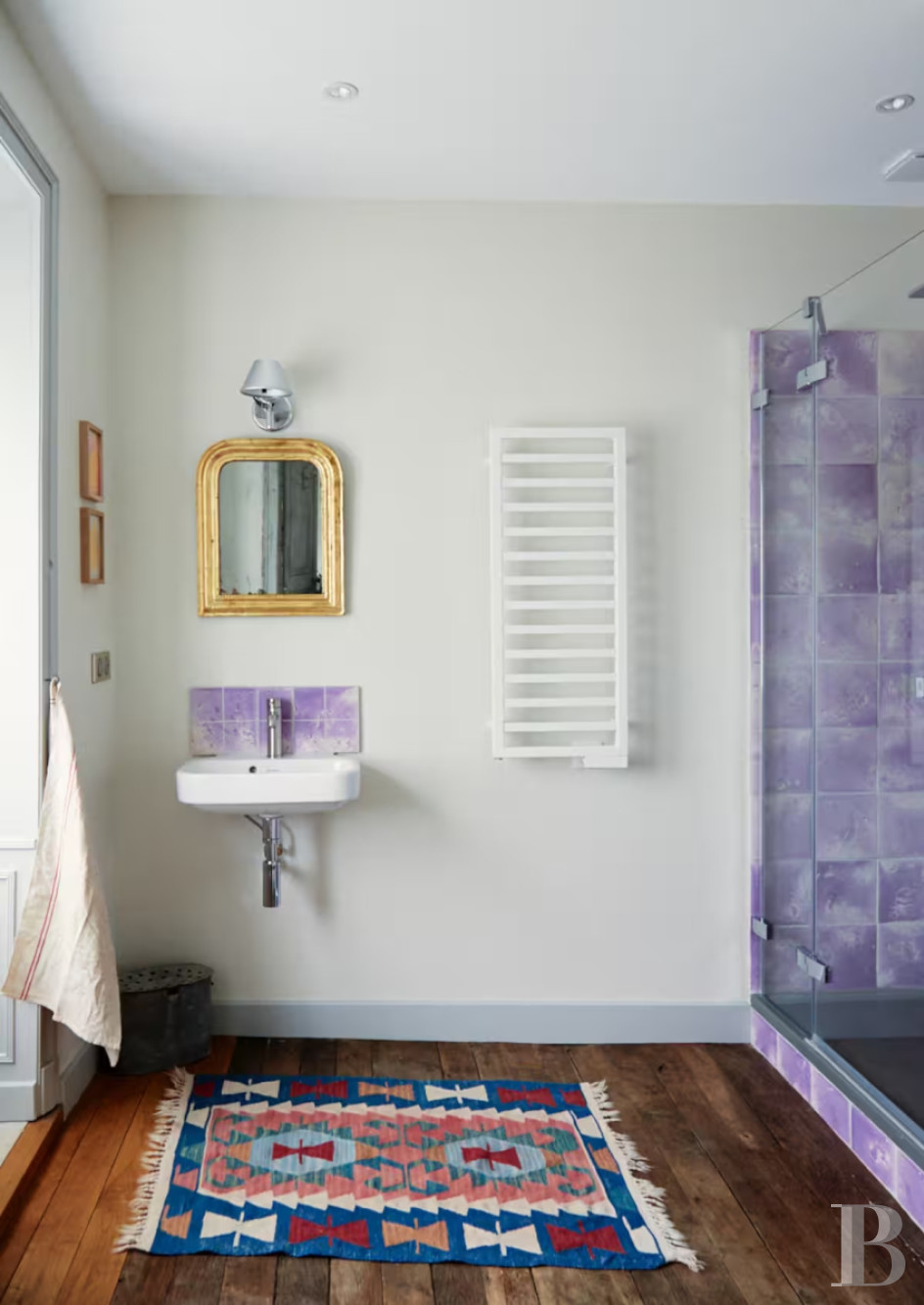
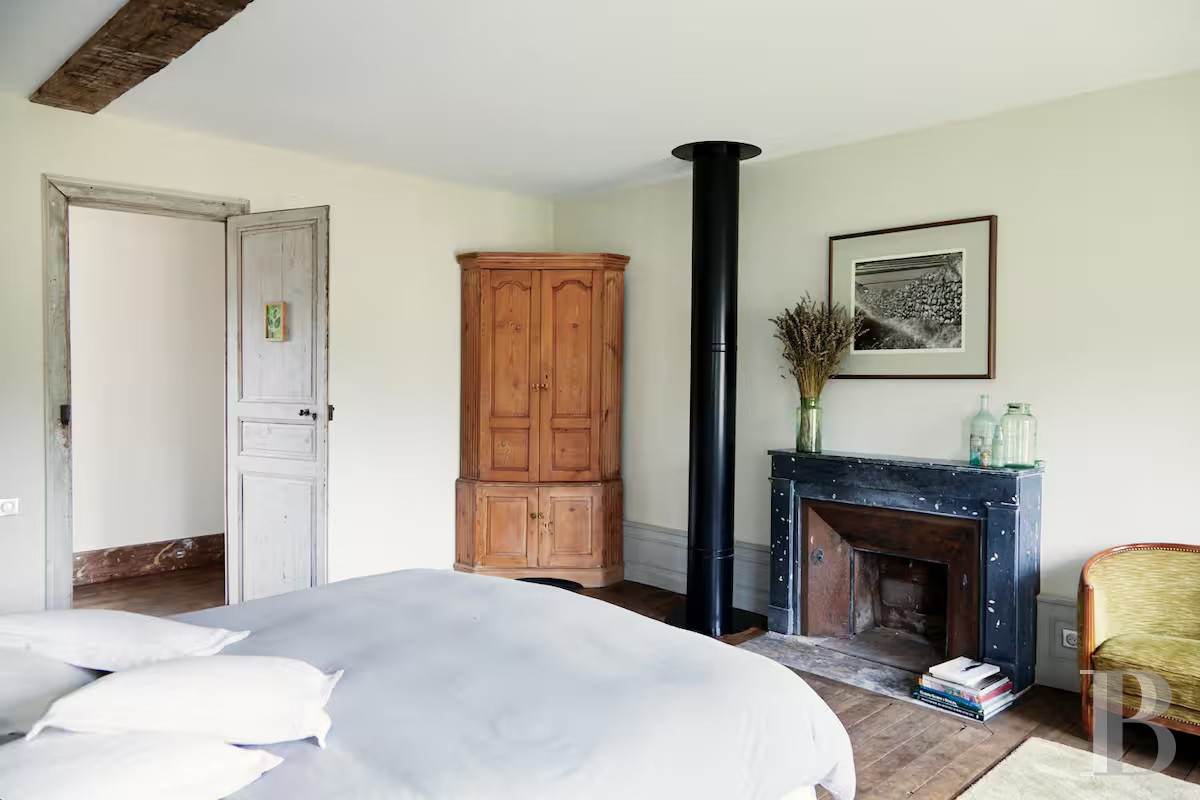
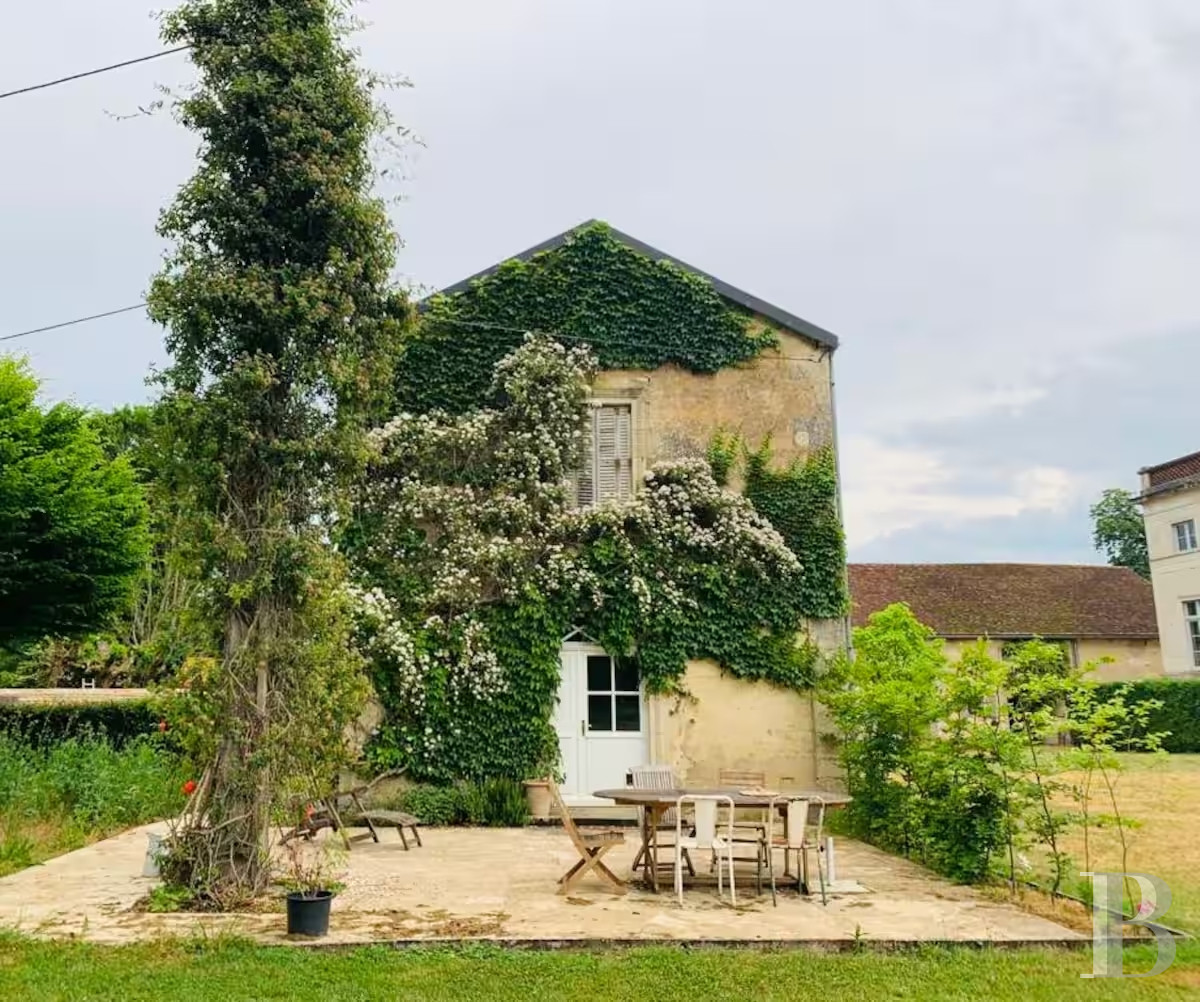
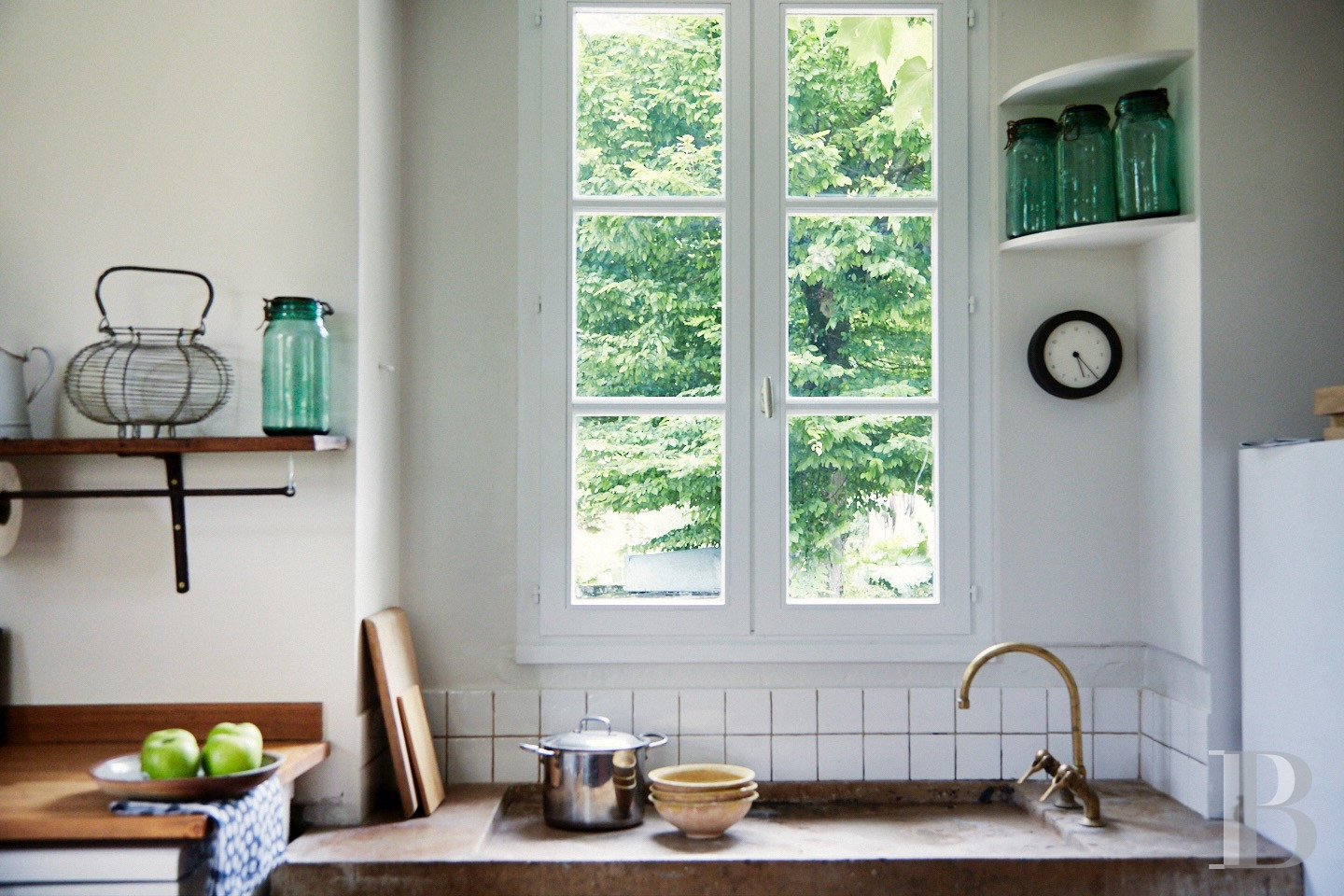
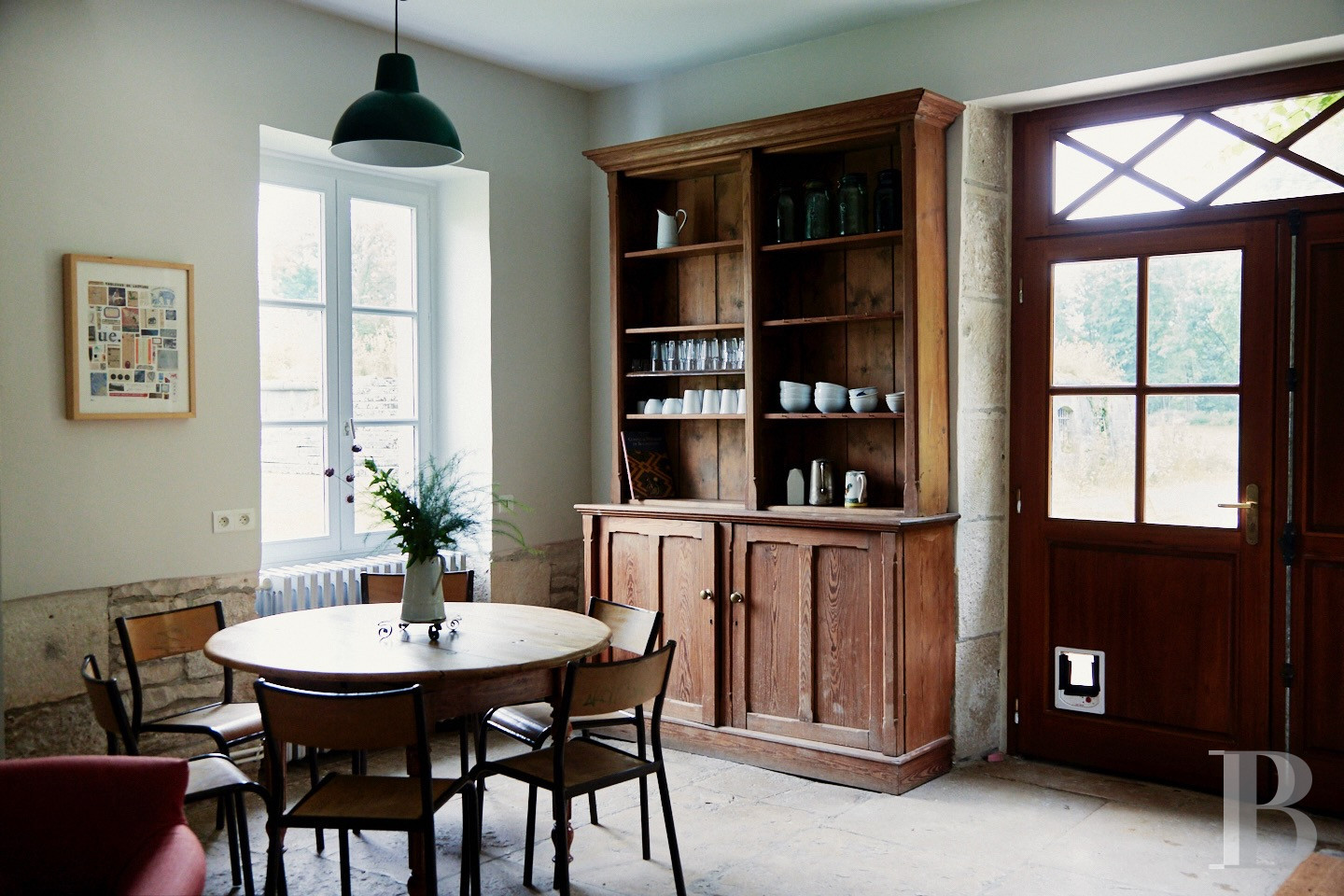
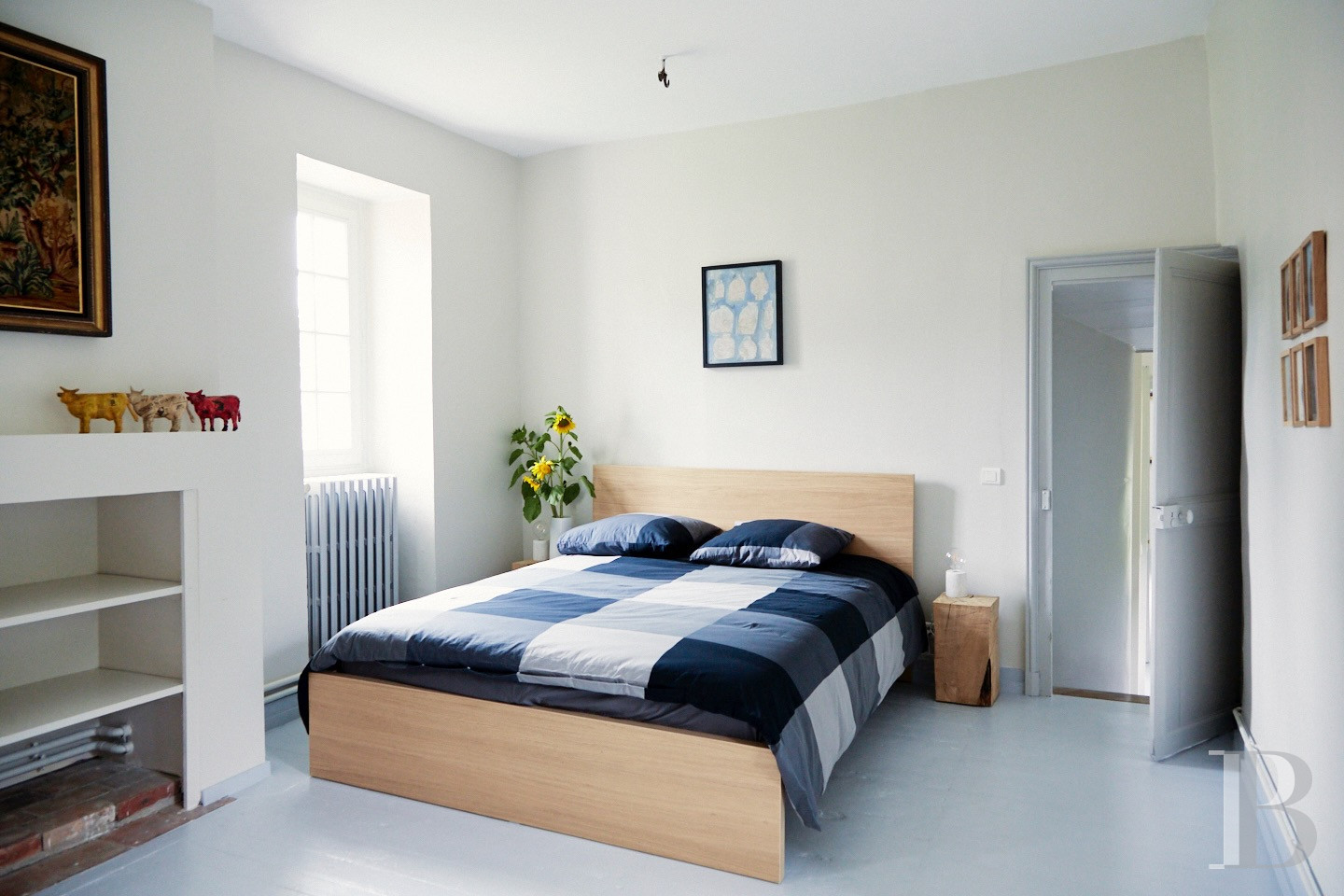
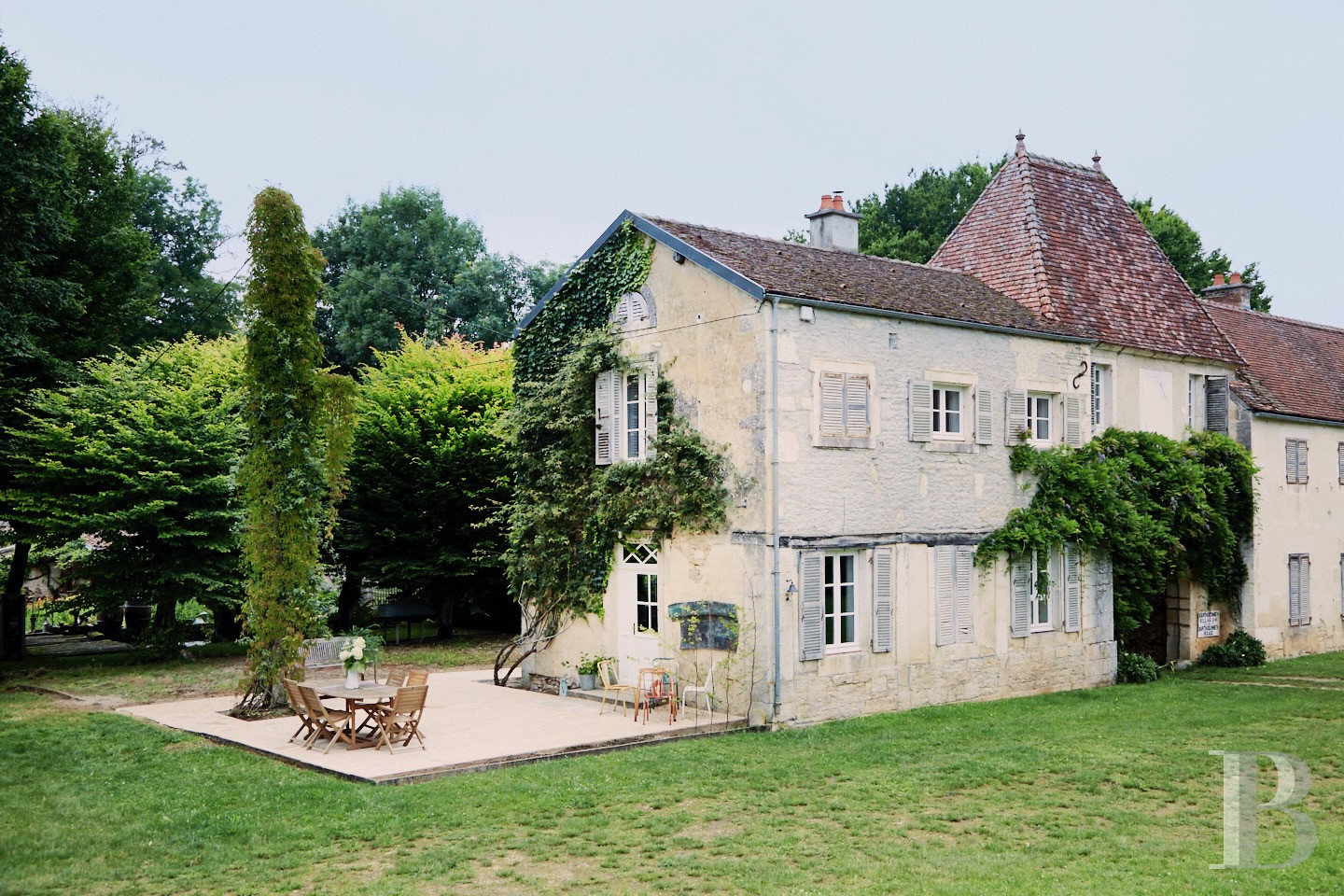
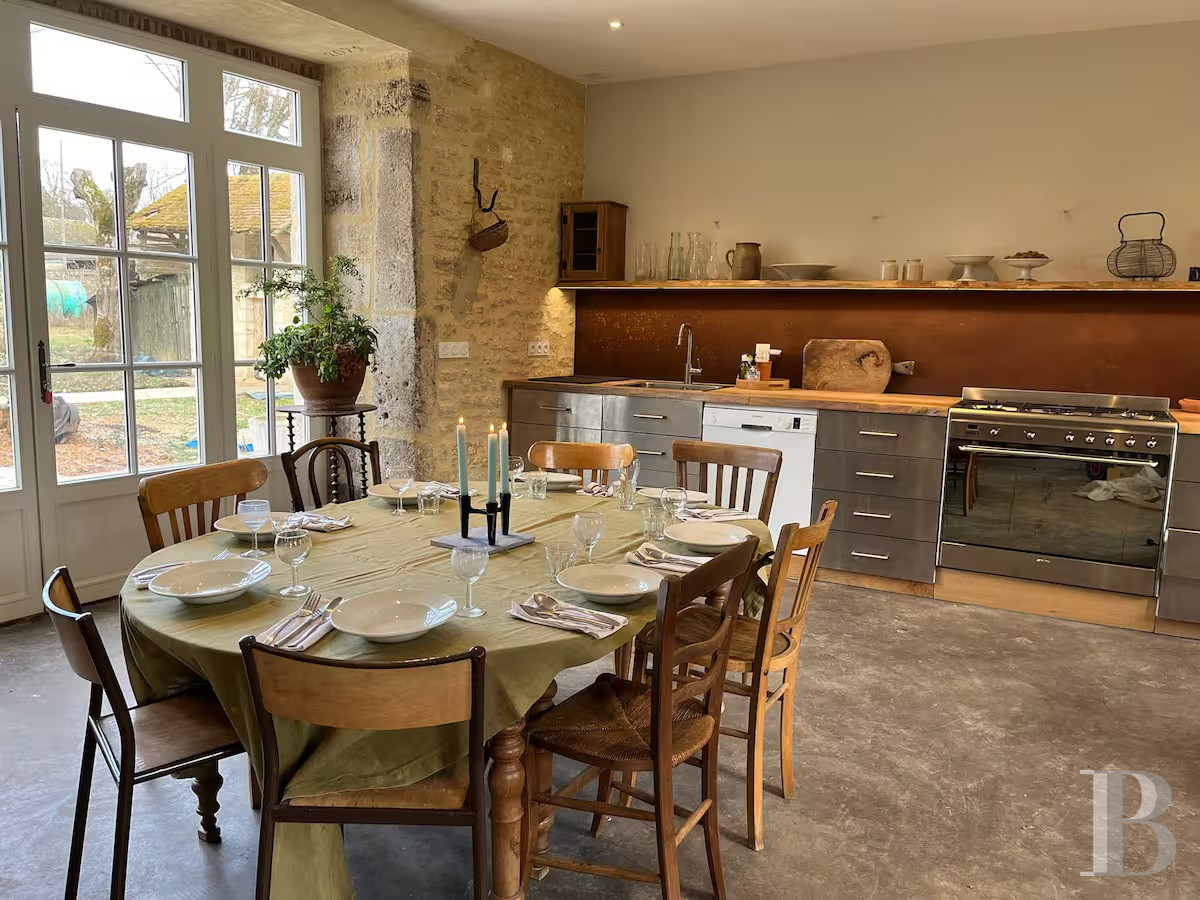
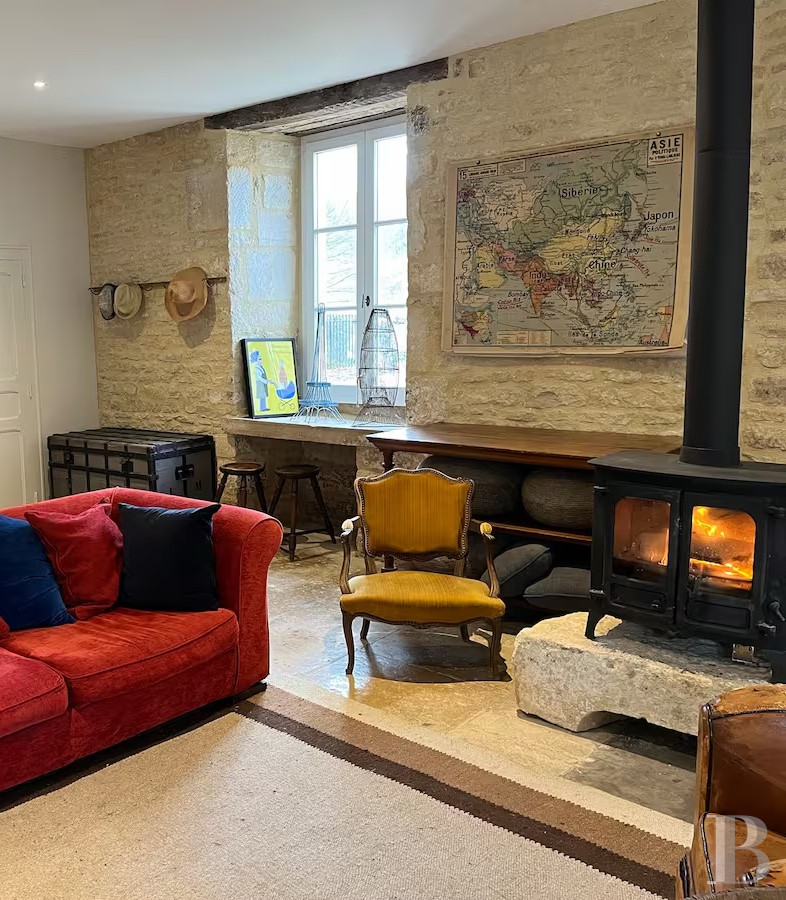
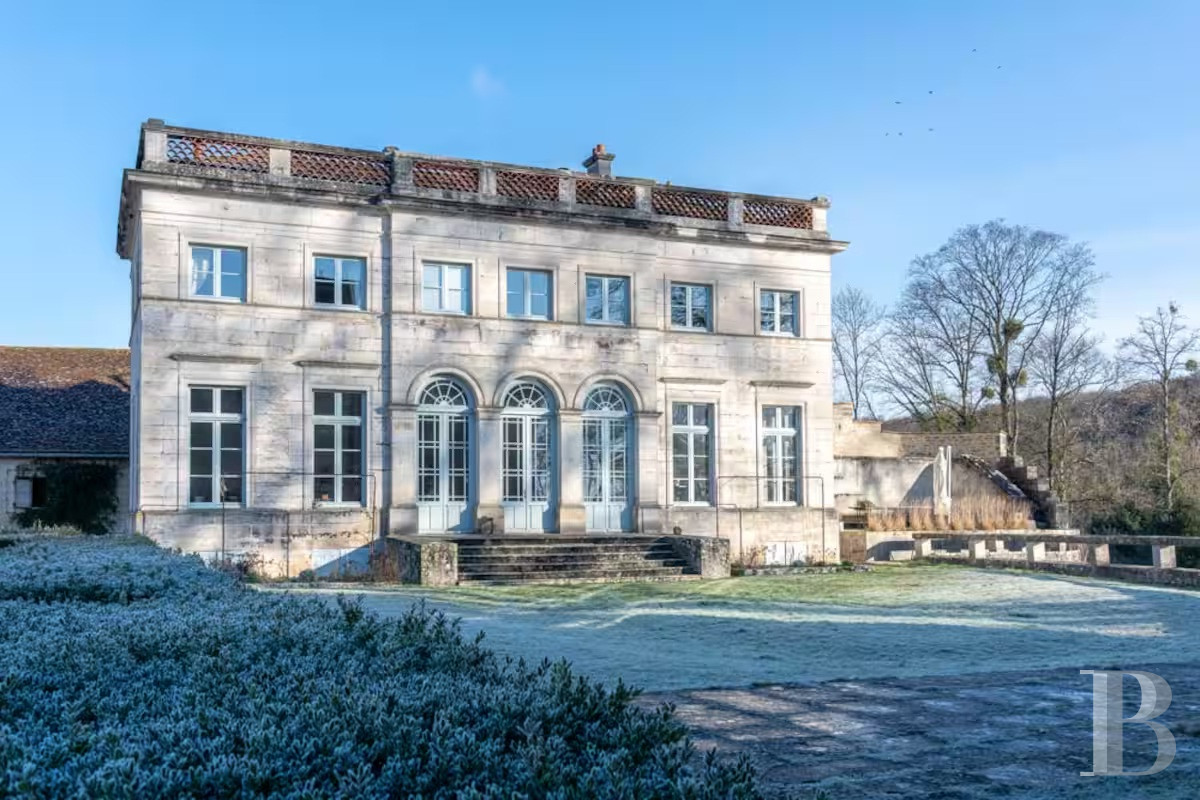
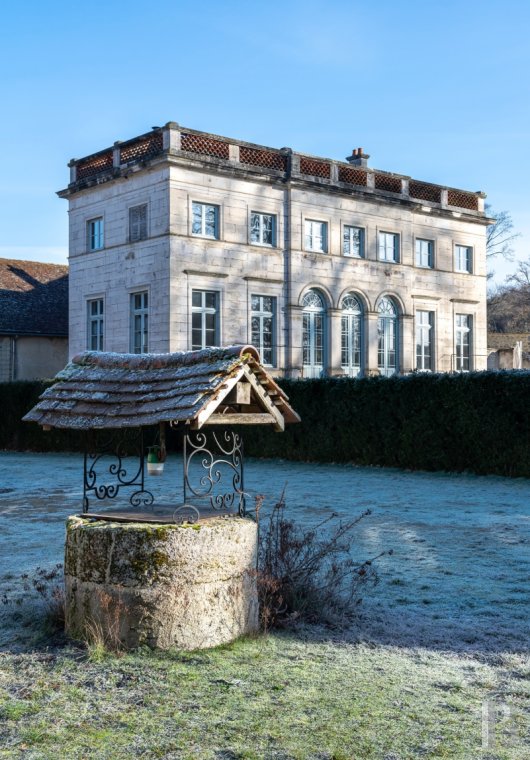
Crépan is invisible from the country road, which runs through long stretches of farmland bordered by woodland. As you walk down the estate's driveway, the ancient stronghold, altered over the centuries, gradually comes into view. The names given to the accommodation evoke the functions different buildings. The most spectacular is undoubtedly the orangery, which is reminiscent of a palace overlooking the old moat. But behind the high windows on the ground floor, there's no solemnity; here the atmosphere is warm, comfortable and sometimes even mischievous, reflecting the owner's artistic talents and English origins. The other two houses have the same atmosphere, combining simplicity, humour, modernity and a sense of comfort. The promise of a very pleasant stay in the middle of nature and at the gateway to Burgundy.
I'm English and moved to Paris from London in 1990, where I was working as a film lawyer. This intense, yet exciting life soon made me feel the need for a place to recharge my batteries, one that was easy to get to, original and a little eccentric, just like me. From then on, I set myself the priority of door-to-door access in less than two hours. It was in Montbard, a small town linked to Paris by the TGV in an hour from Lyon station, an essential asset for me, that I came across this estate, formerly owned by the de Clermont-Tonnerre family. After a fire in 1986, everything was abandoned and in a very poor state of repair. Even though it was less than two hours from Paris, with a river, a pond and buildings to renovate, the location was still affordable. In 1997, driven by intuition combining ignorance and mild madness, I bought this estate. Initially a weekend retreat, the place gradually won me over. After a change of career and my children leaving home, I moved here full time before the Covid-19 crisis, discovering that it now suited my personality and lifestyle.
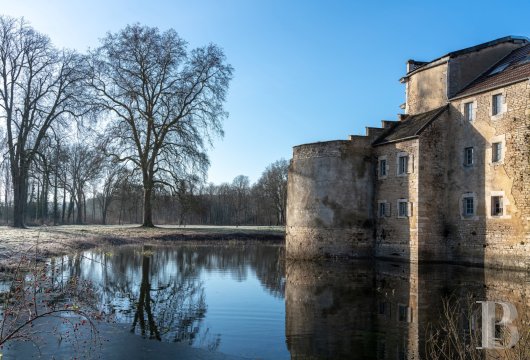
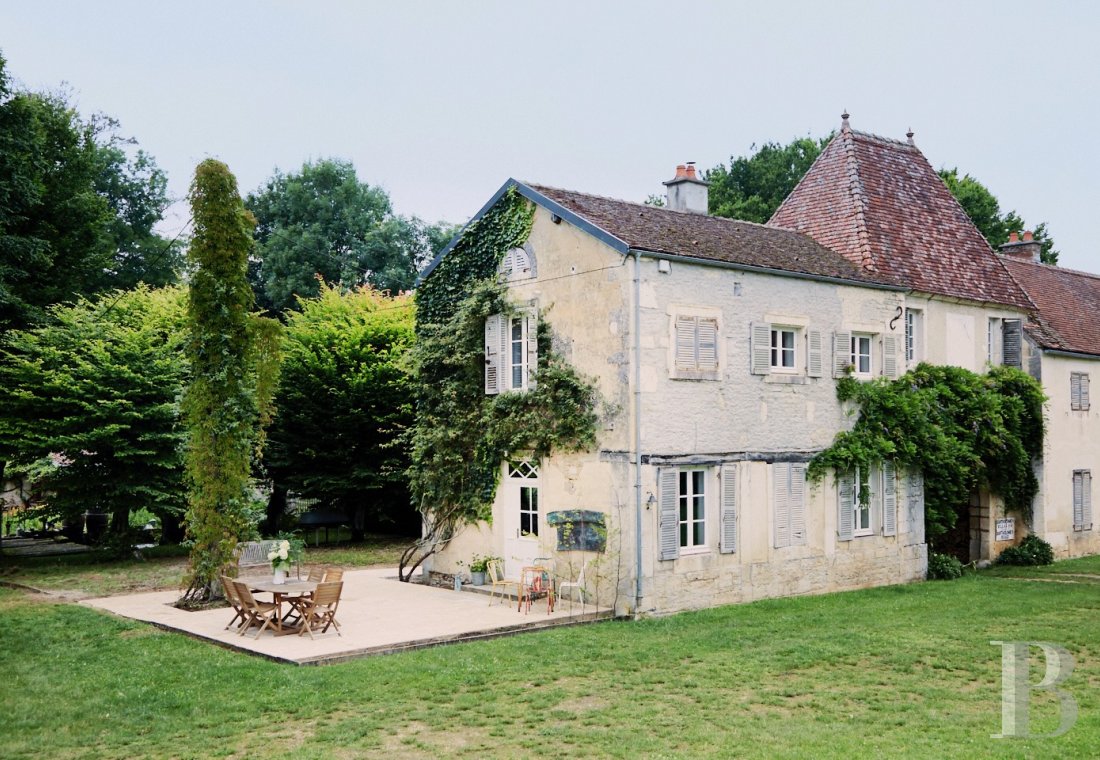
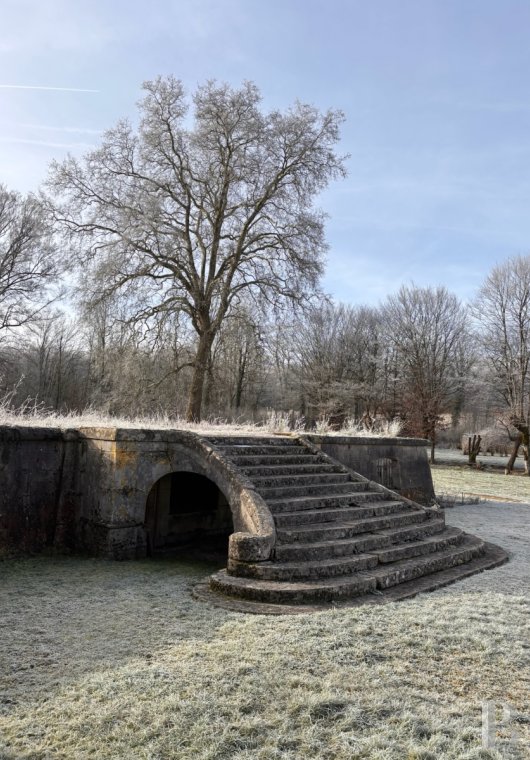
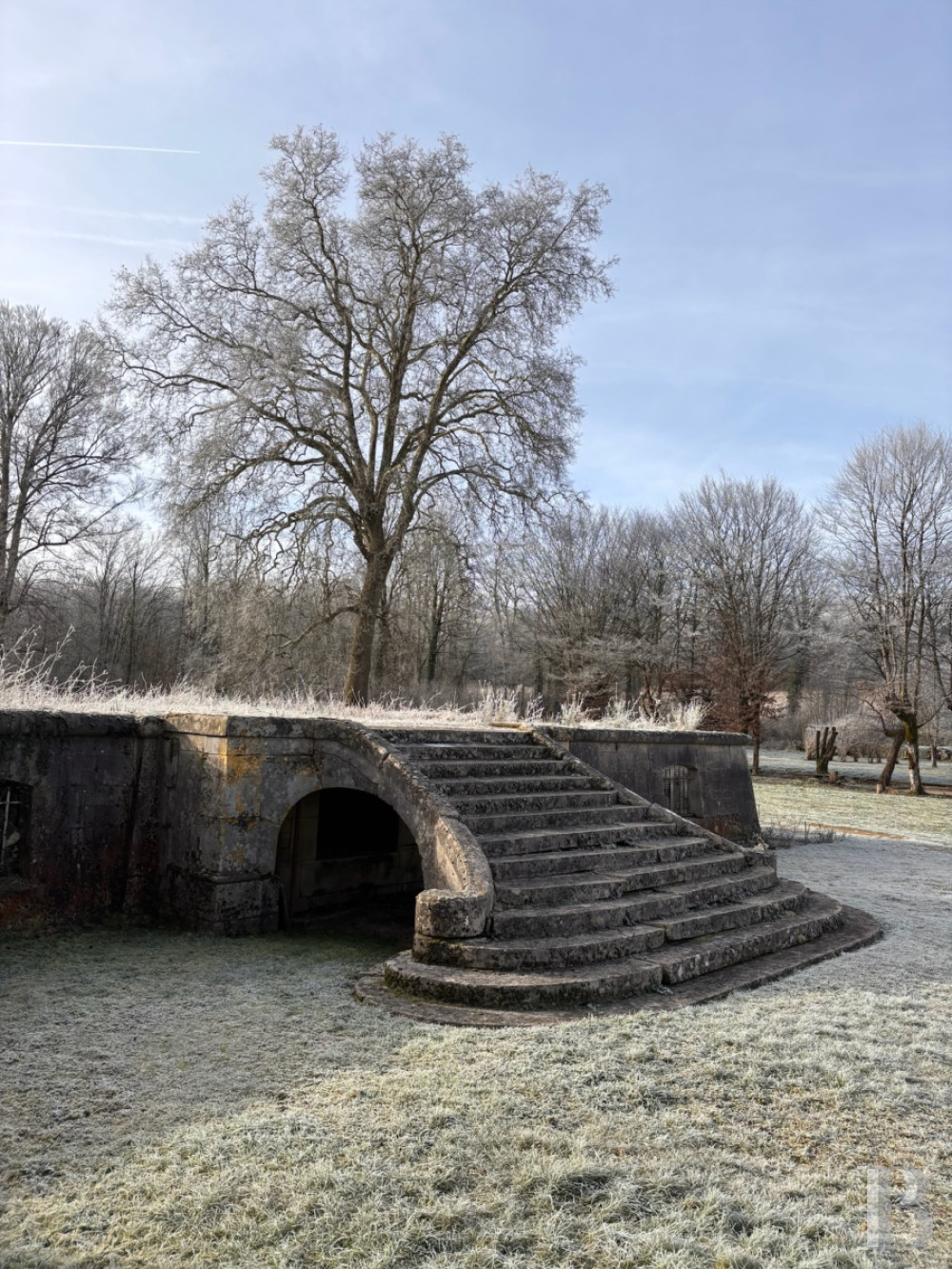
The estate's architectural complexity bears witness to over a thousand years of history punctuated by construction, destruction, fire and reconstruction. It combines elements of a 15th-century fortress with neoclassical main buildings. All that remains of the original castle is the eastern moat, 25 metres wide, two towers, one round, the other almond-shaped, the curtain wall linking these towers and a drawbridge gate tower in the middle of the western façade. The ruins of a second castle remain as an imposing and historic backdrop. The complex now comprises three main buildings. The gardener's house, the millstream cottage, once belonging to the person in charge of the woods and farms, now converted into gîtes, and the 1860 orangery, the heart of the estate.
The history of the estate begins with the existence of a Roman villa - Gallo-Roman remains were unearthed during the works. A fortified castle was built in the Middle Ages by the Lords of Crépan. It was then attached to the bishopric of London before becoming the property of several great families, including the Clermont-Tonnerre family, from the 19th century until the 1970s. In 1986, a fire destroyed a large part of the main château and the estate was abandoned, accelerating the deterioration of the buildings.
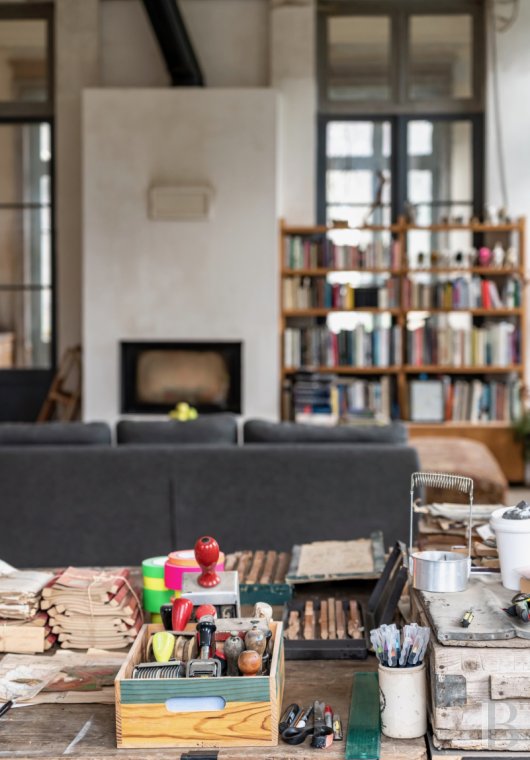
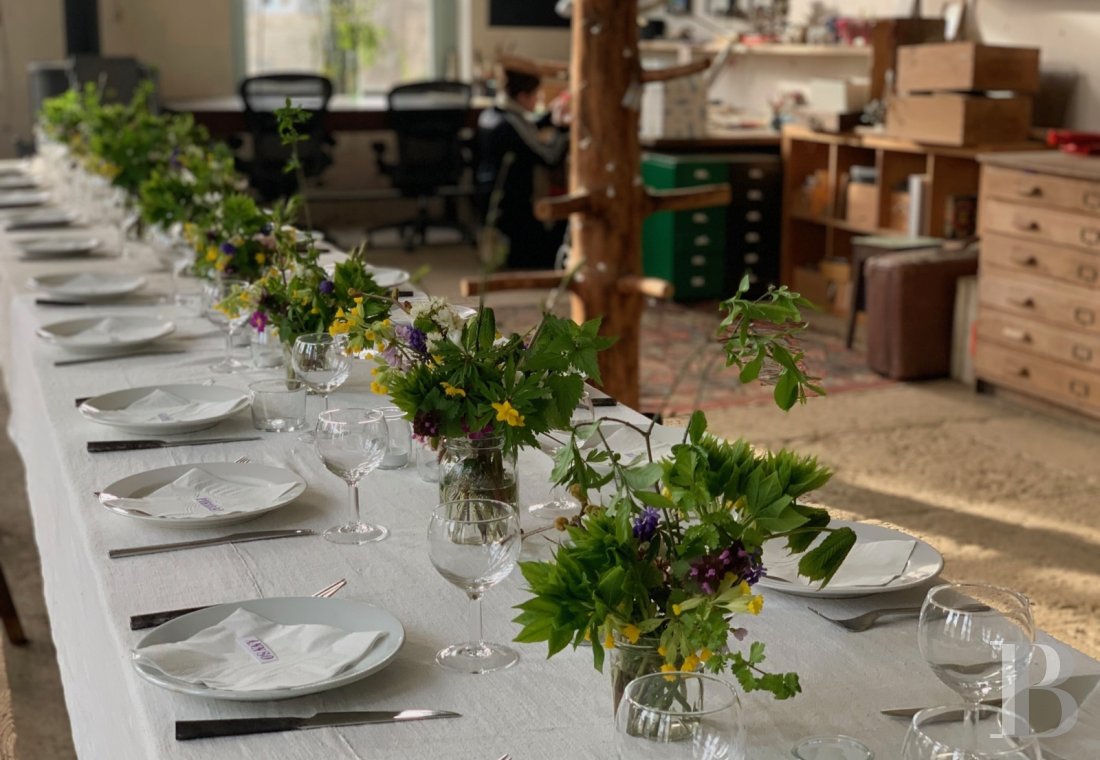
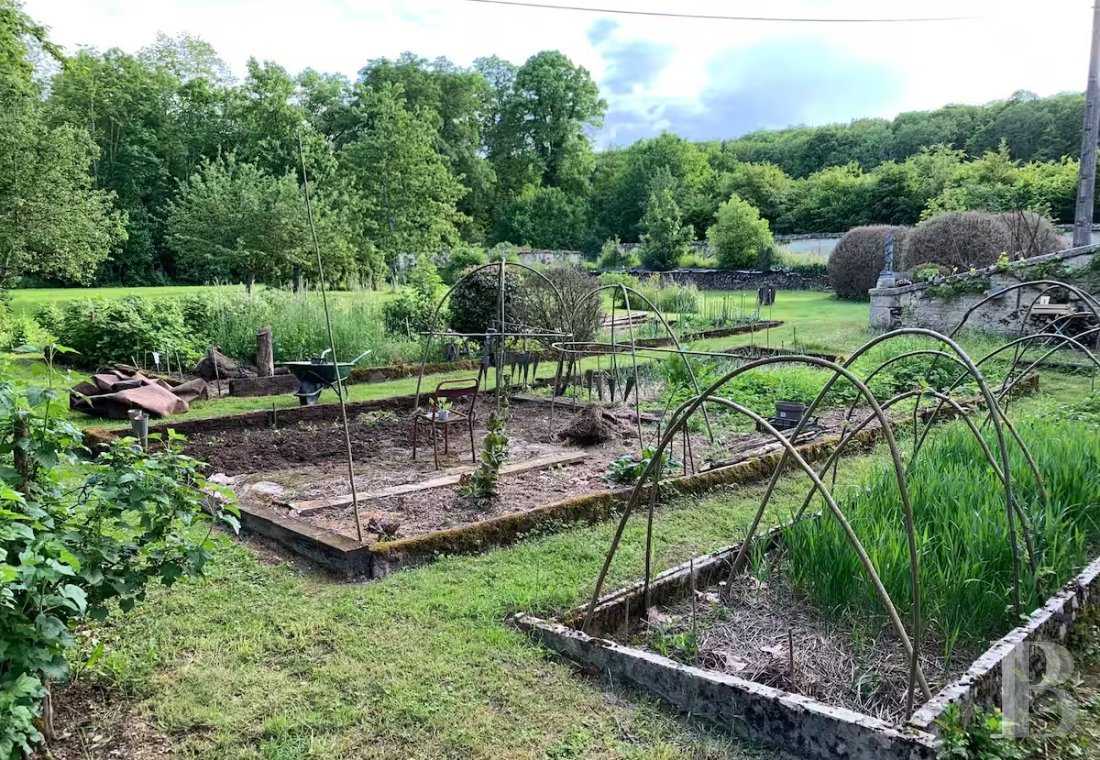
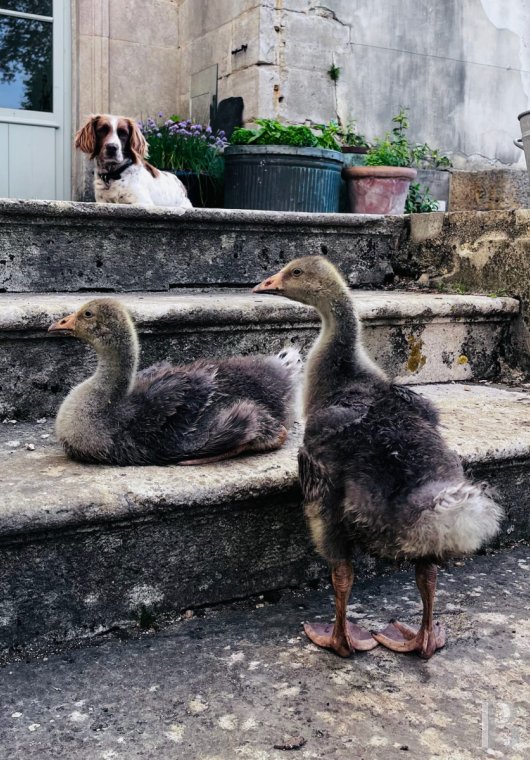
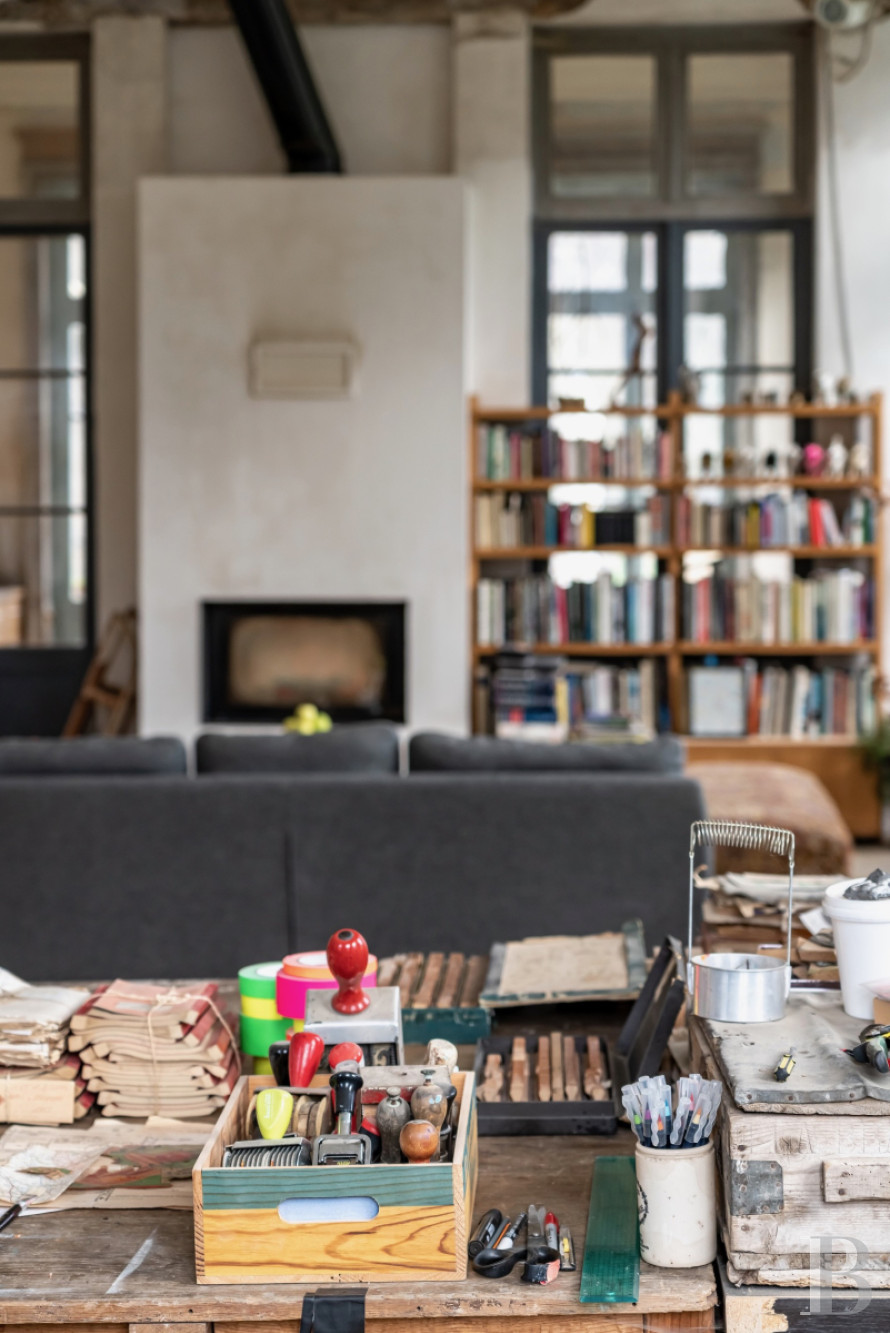
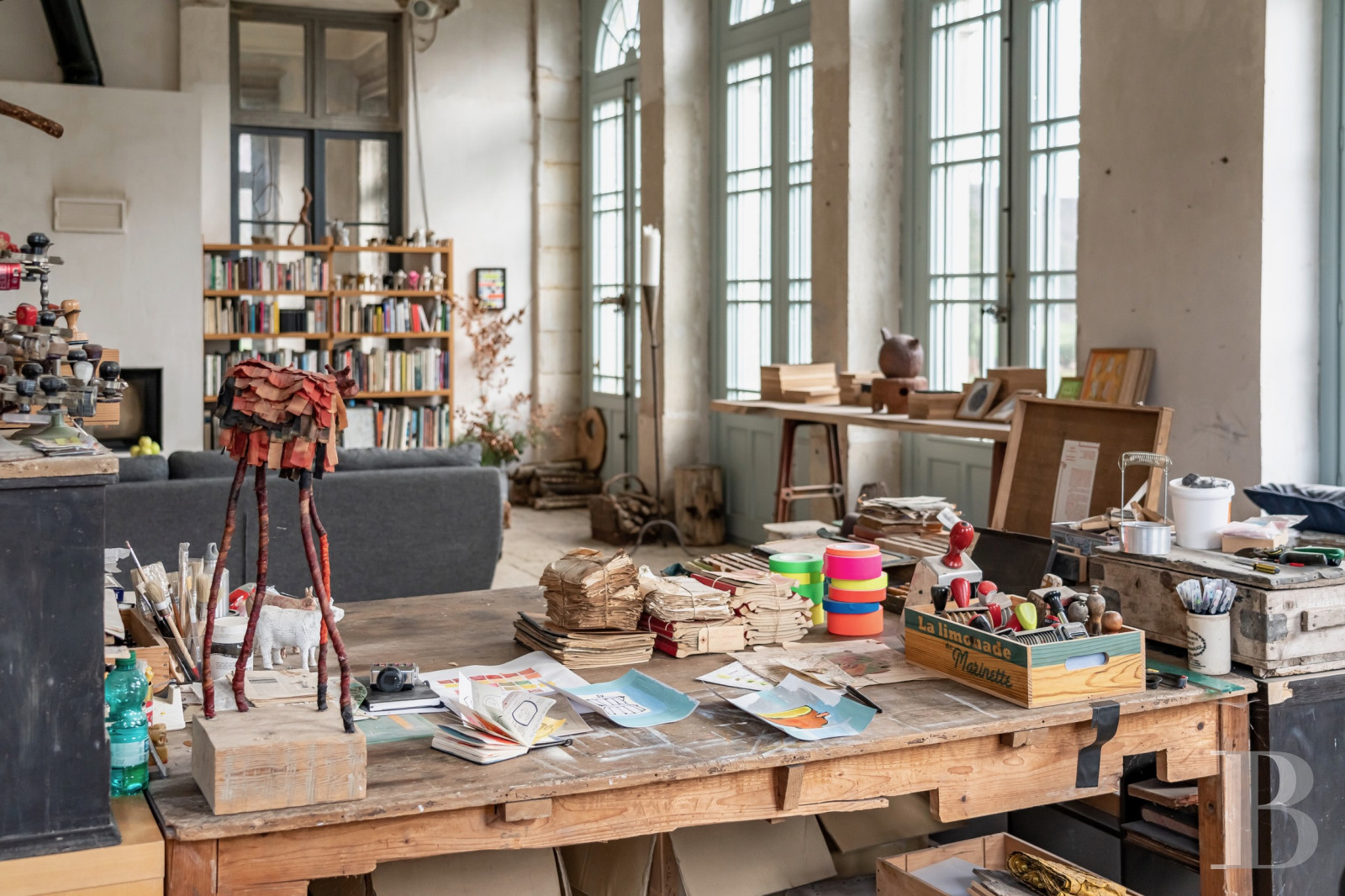
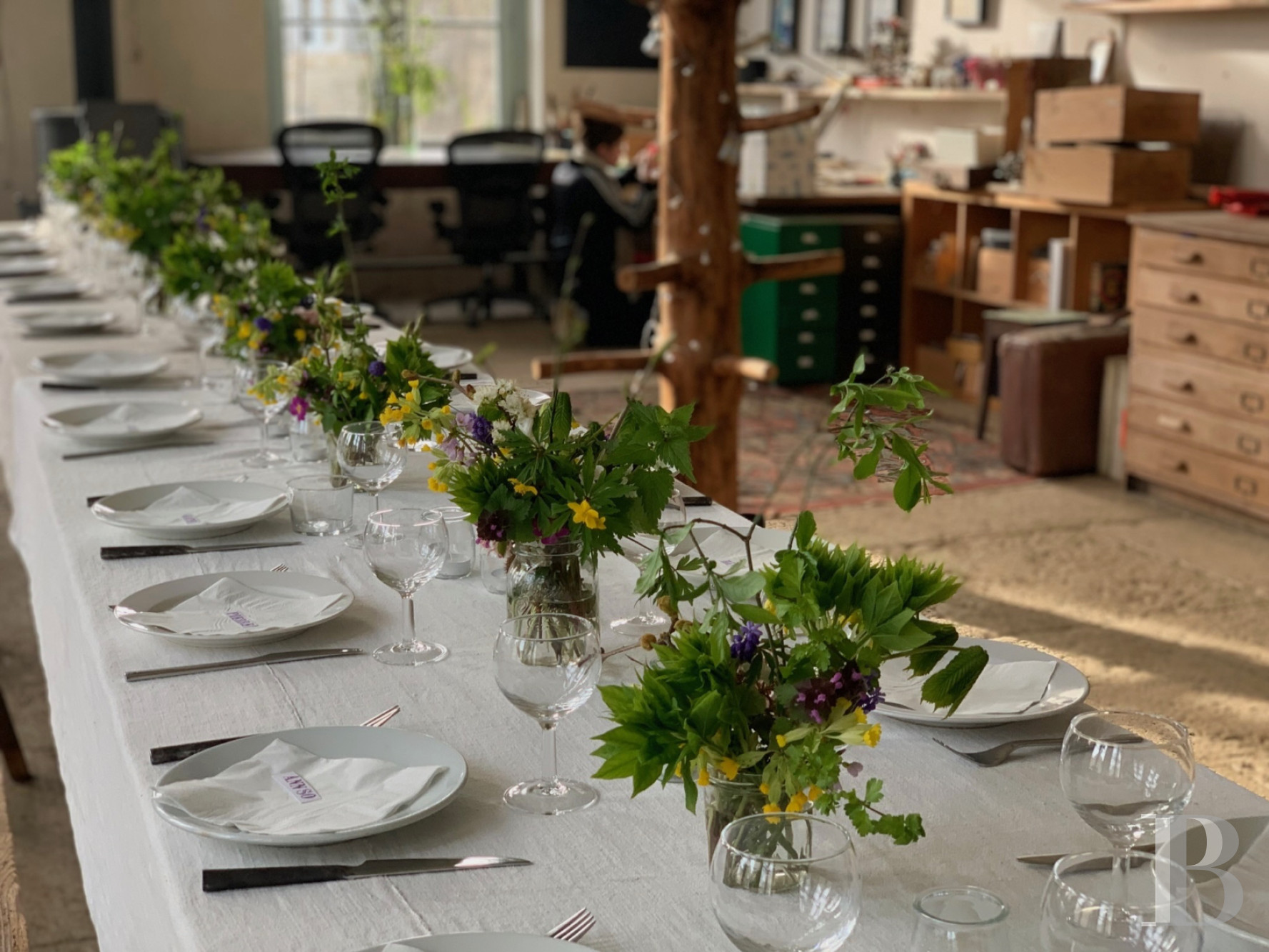
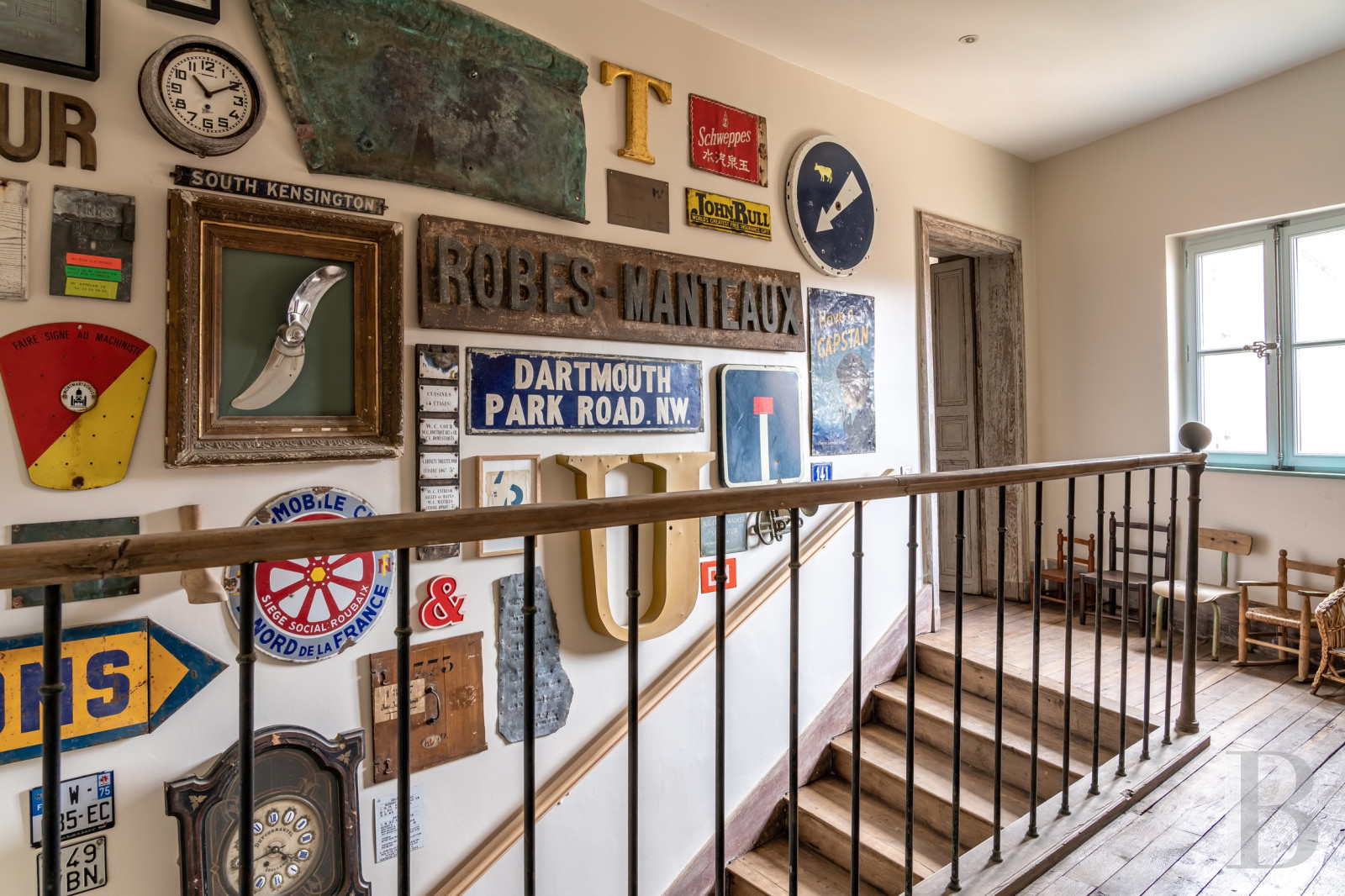
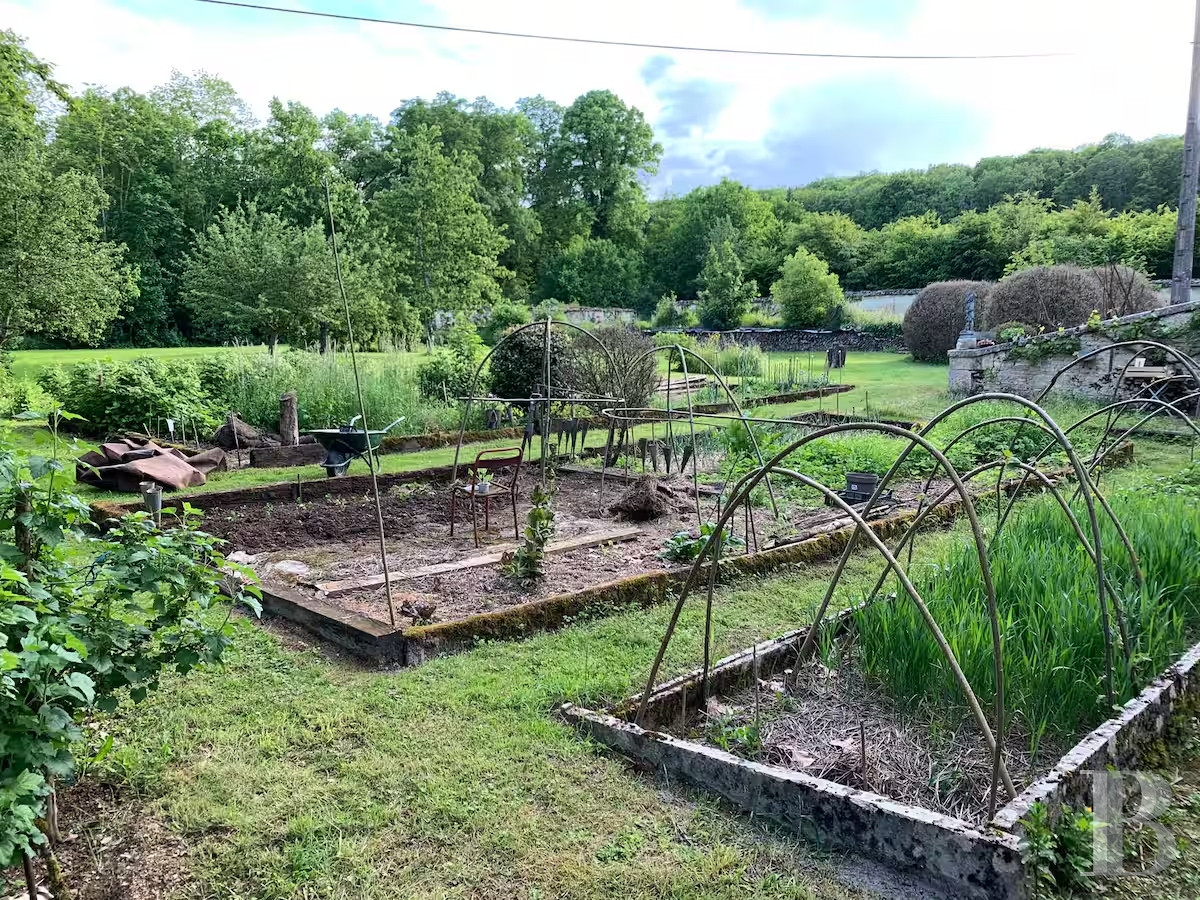
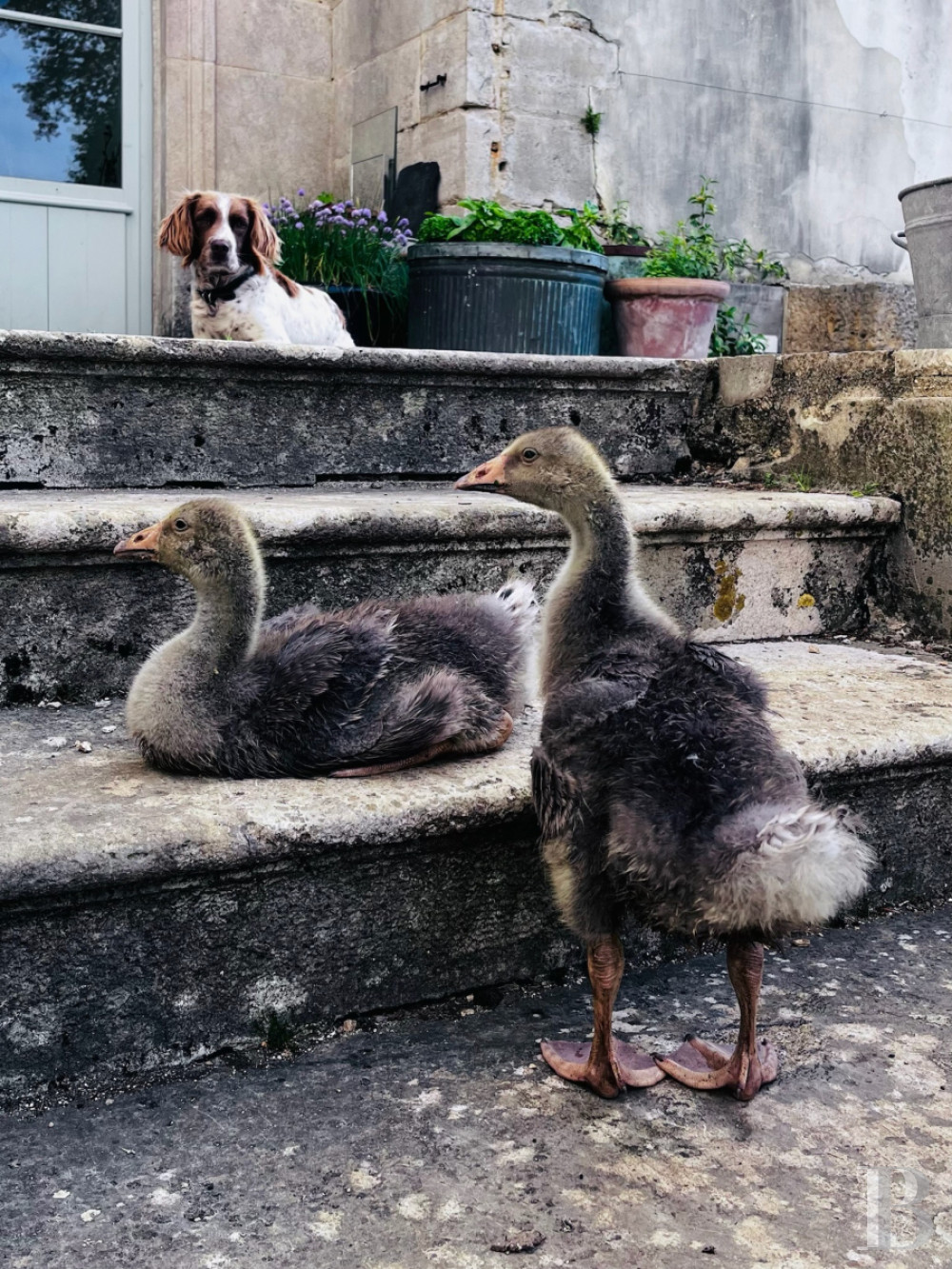
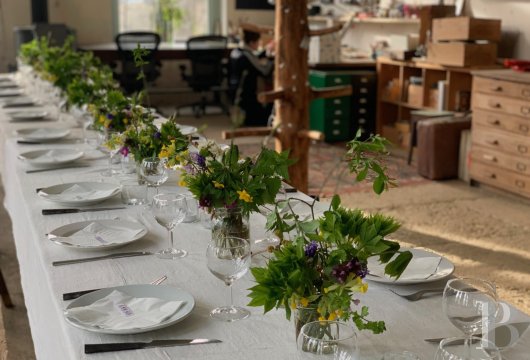
I offer my guests a multifaceted, authentic experience that is rooted in the life of the estate. In summer, there is a shop selling produce from the vegetable garden, which we share with our gîte guests. The shop also reflects my love of antiques, with unusual objects and local finds. Finally, I exhibit and sell my own works of art - drawings, sculptures and candles. I run the reception with my partner and my two sons, one of whom is a chef at the château and the other who helps to organise events. We serve breakfasts made with eggs from our own poultry and organise tailor-made meals and events: chic or convivial dinners, menus from the garden or evenings around the fire in the forest.
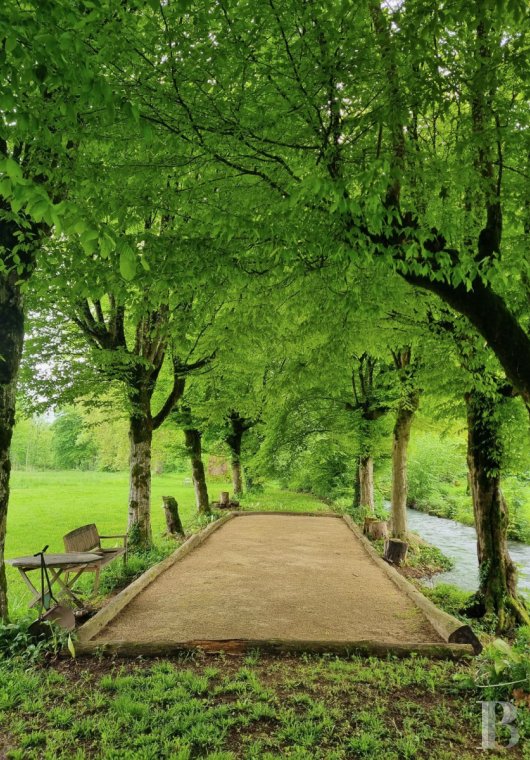
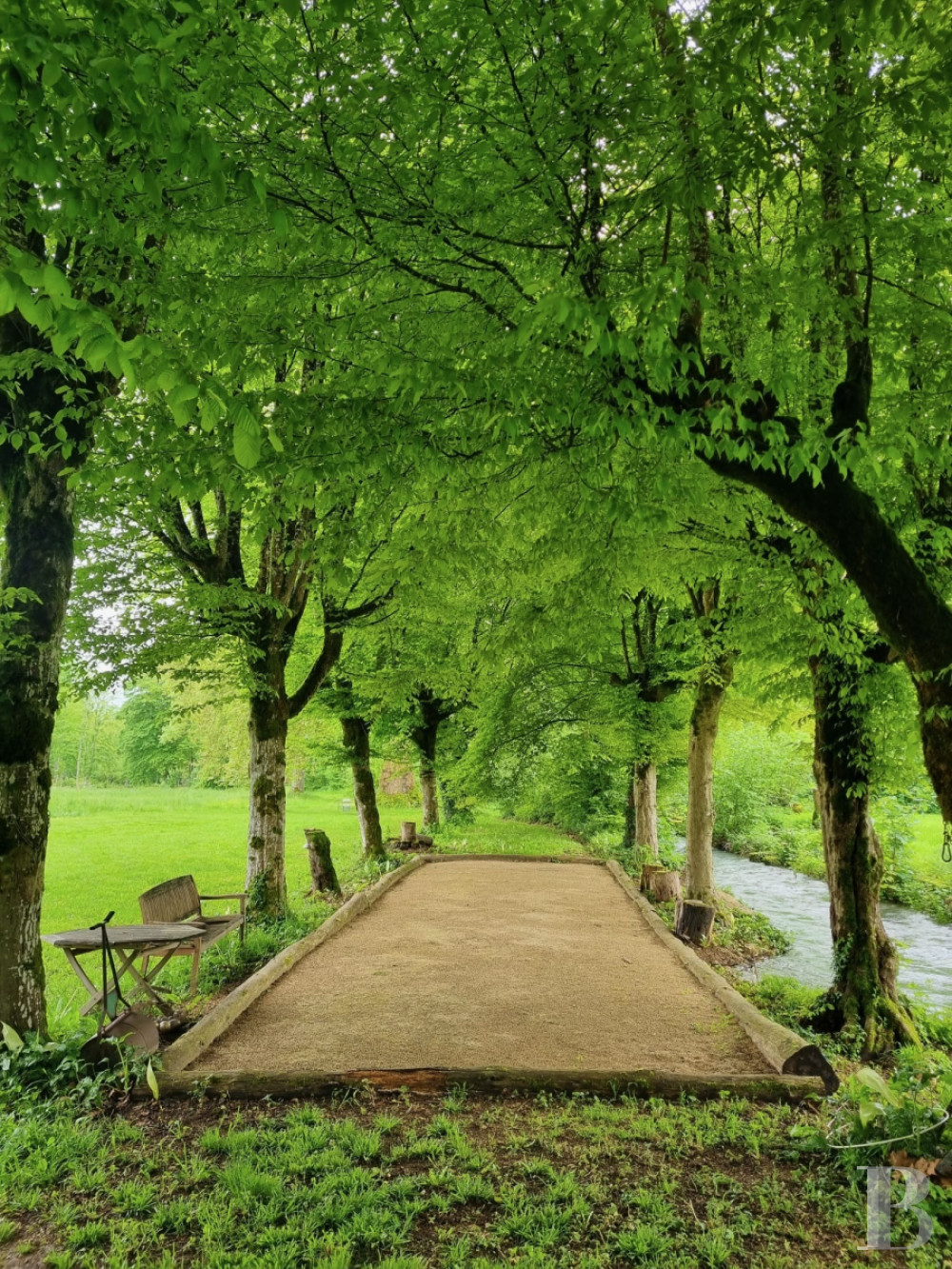
The natural areas and the property's vast eleven-hectare park for walkers and nature lovers. In Leuglay, "Table and Airplane Parts", a spectacular work by Nancy Rubins, nestles in a former railway shed. In Chamesson, the "Cabinet de Curiosités des Z'uns Possible", a small museum-gallery created by Fabien Ansault, showcases unique works of art. The "Fromagerie du Coin" in Châtillon-sur-Seine offers a wide choice of French and foreign cheeses. A tasting of the organic wines of our friend Grégoire Kalt at Brion-sur-Seine, where we organise private visits on request. The Cistercian Abbey of Fontenay, founded in 1118, is a UNESCO World Heritage Site.
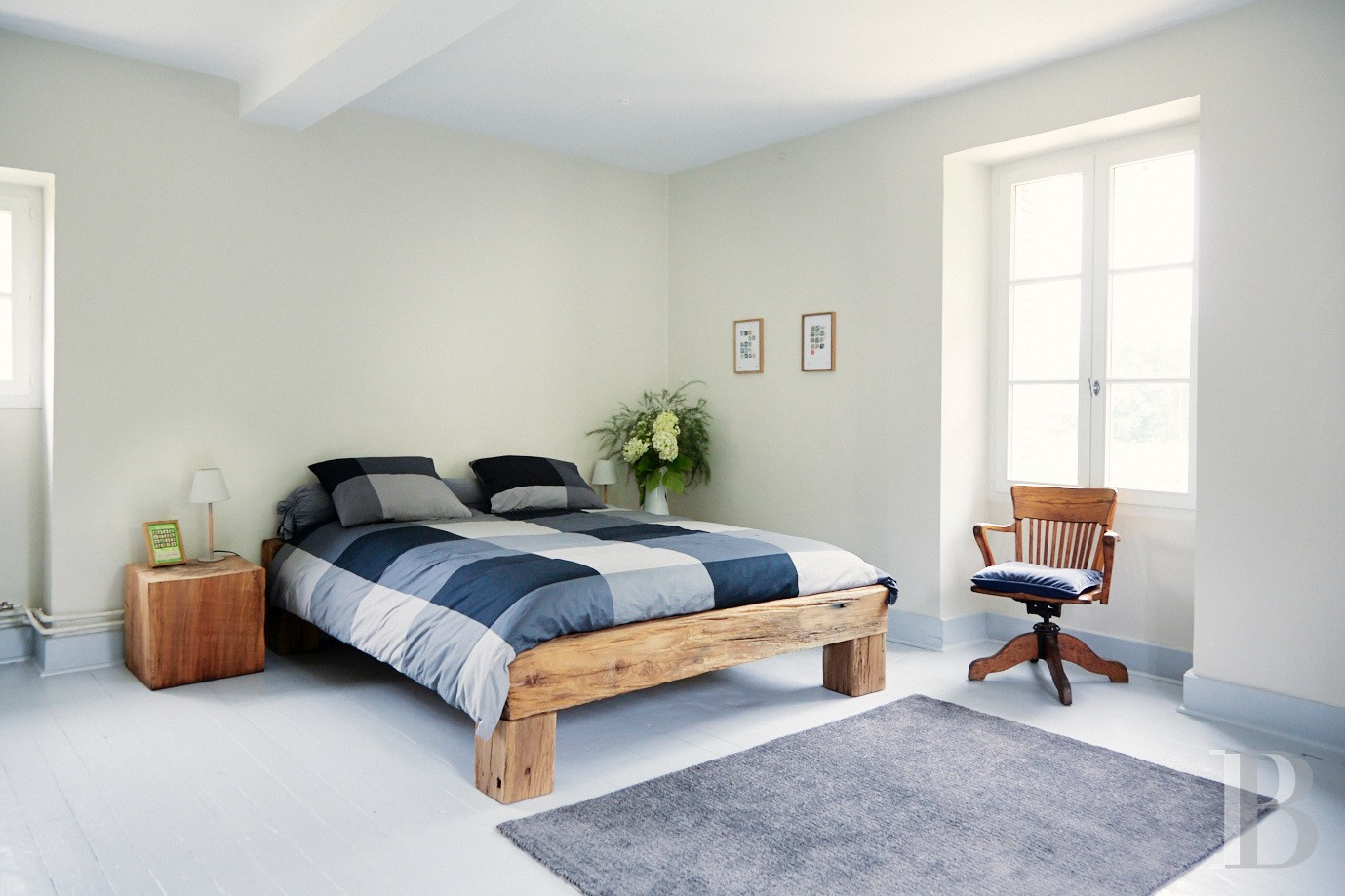
The entire estate - the orangery, the gardener's house, the stream house, the eleven-hectare park, the forest, the meadow, the banks of the pond and the river - is open for business events, team building, work sessions, seminars, conferences, training courses and retreats. Two large function rooms, located in the orangery and the millstream cottage, can be fitted out with professional equipment. The accommodation, divided between the three buildings, comprises ten rooms. The owner is an artist, and can organise creative or scrapbooking workshops on request.
ref 507362
A link to enter a new password has been sent to you by email.
By continuing your navigation, you accept the use of cookies to offer you services and offers adapted to your centers of interest and to measure the frequentation of our services. Learn more