

Add to favorites
Log in to your personal space
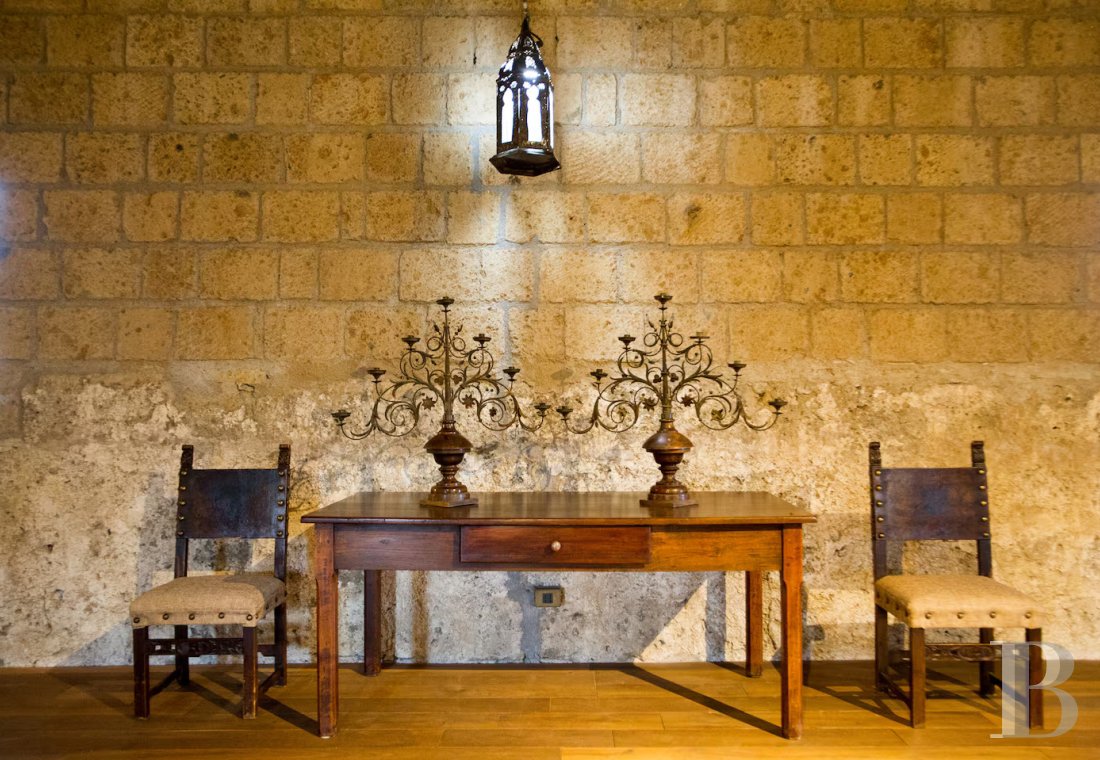
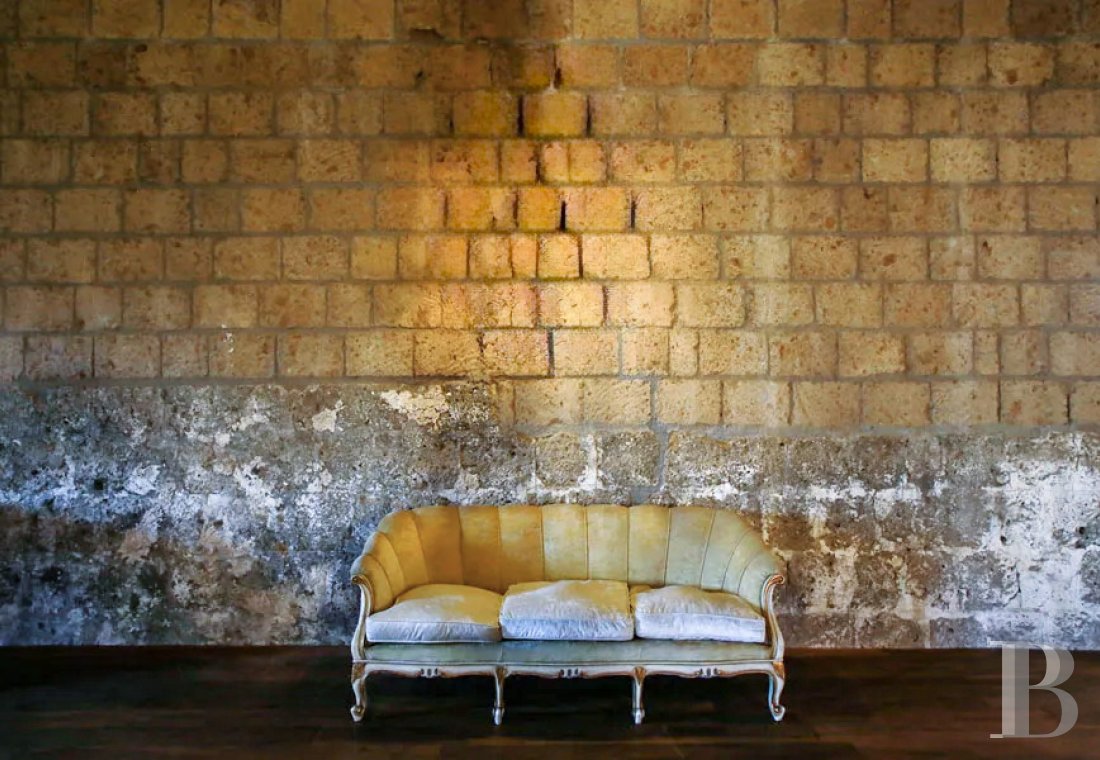
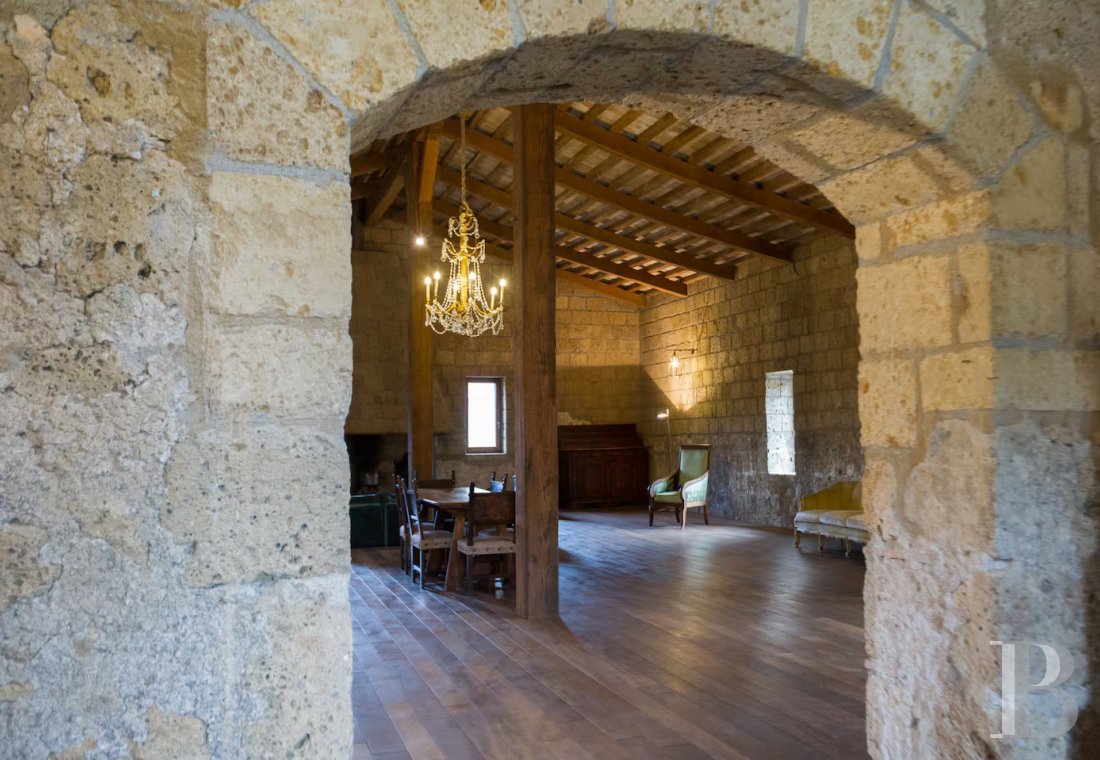
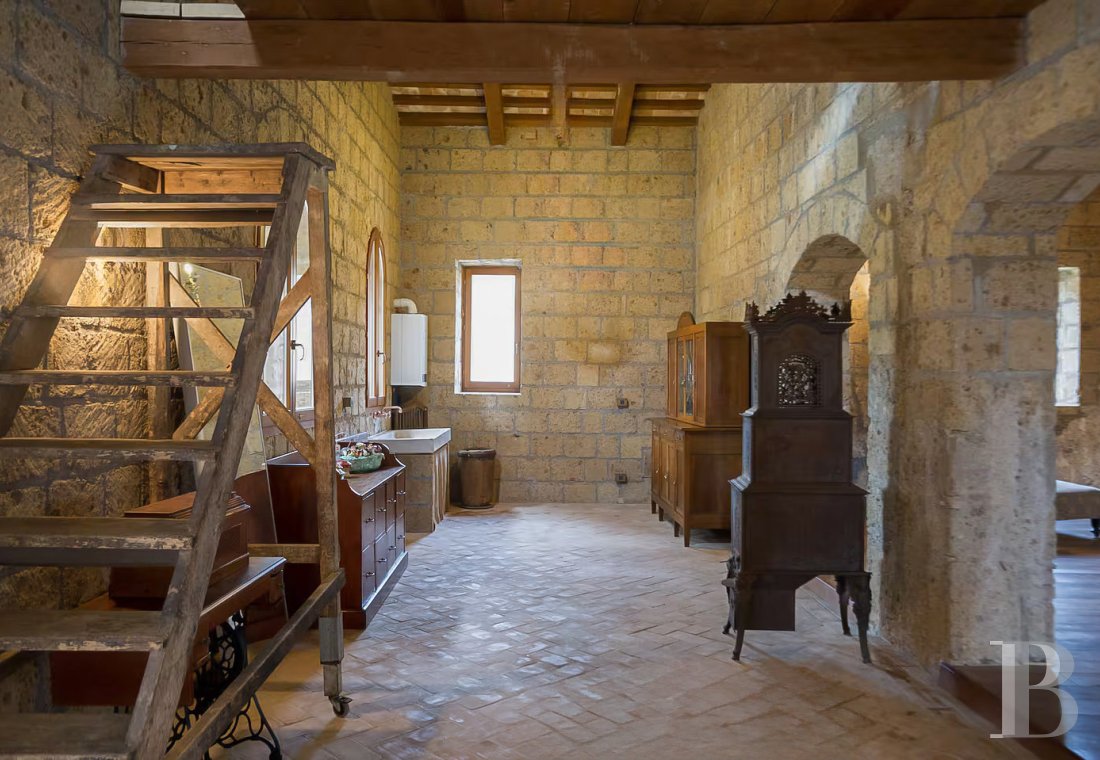
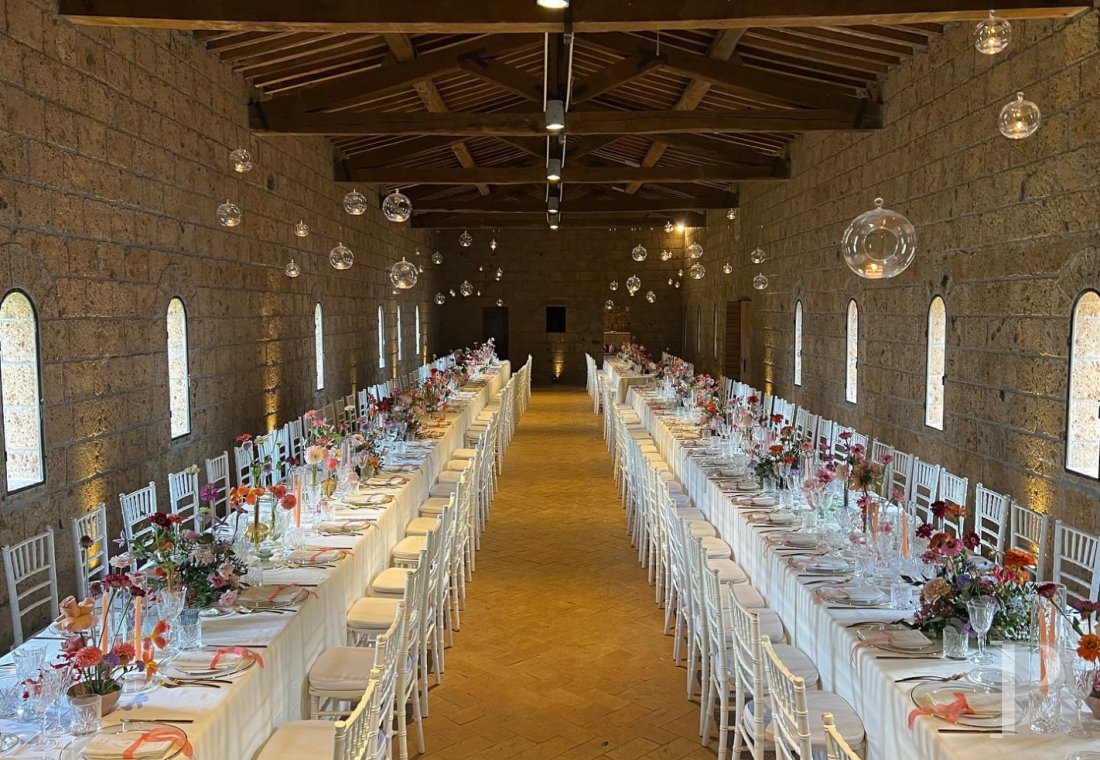
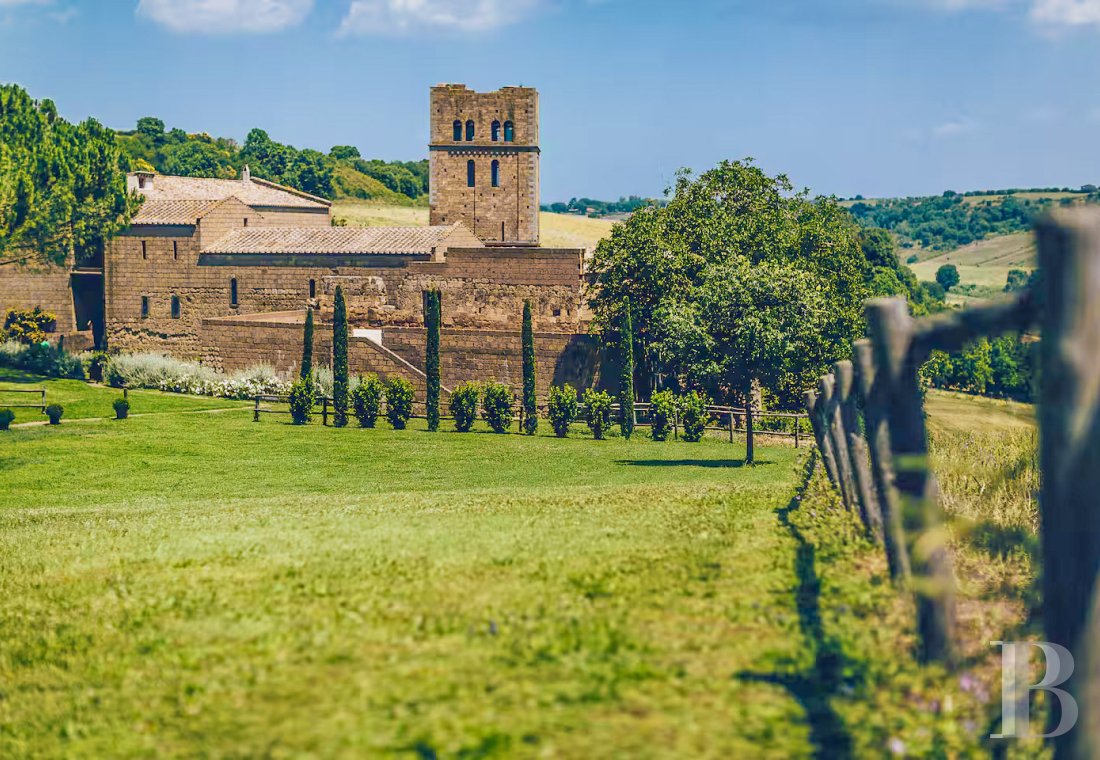
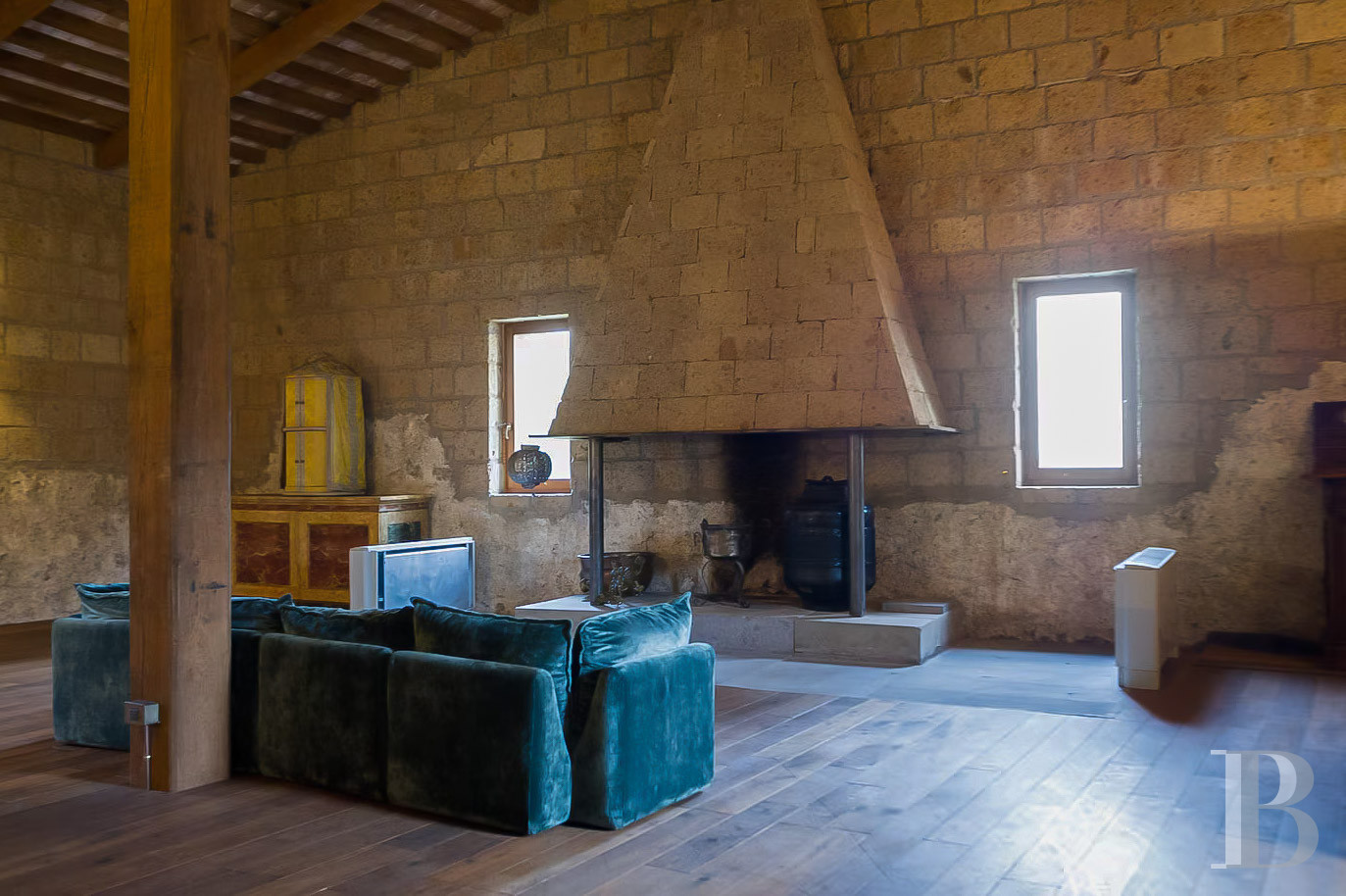
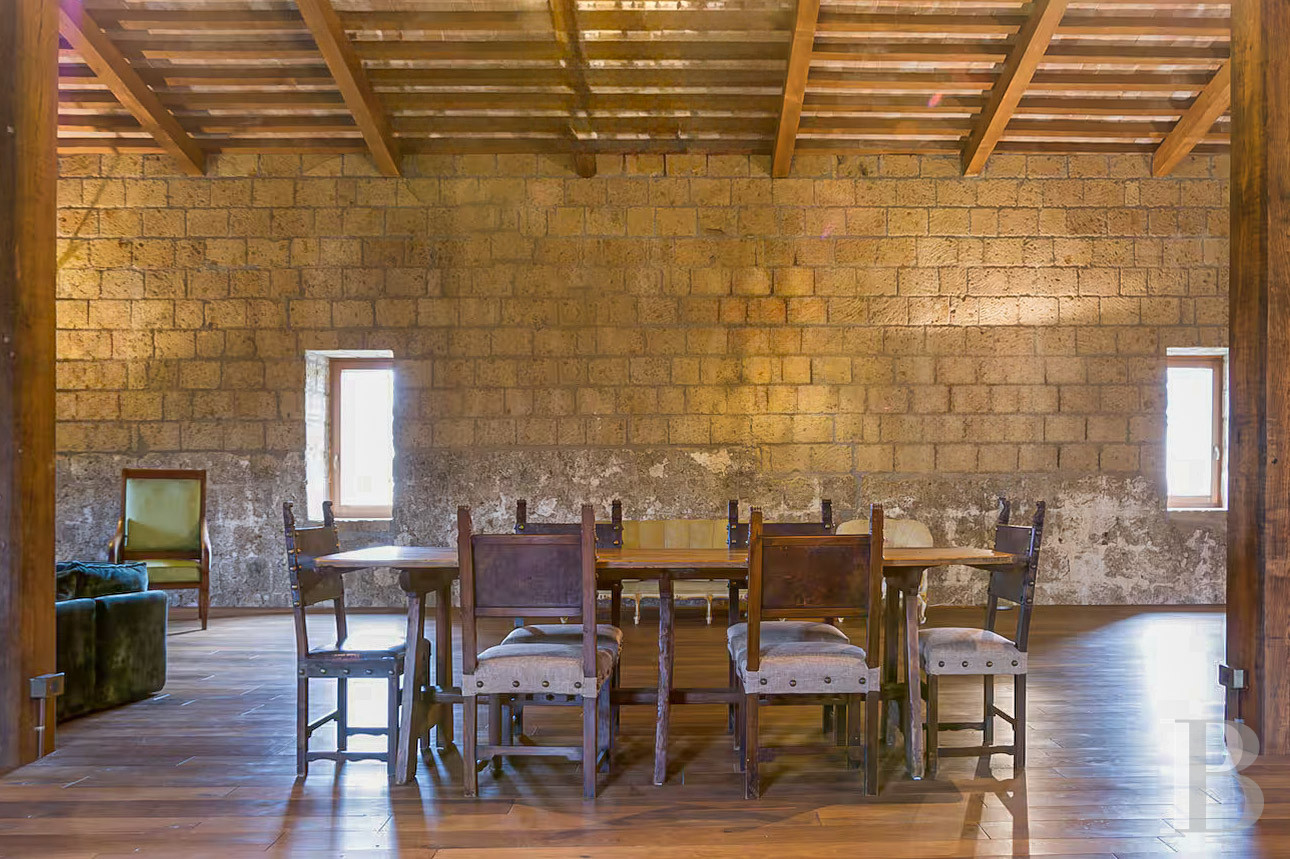
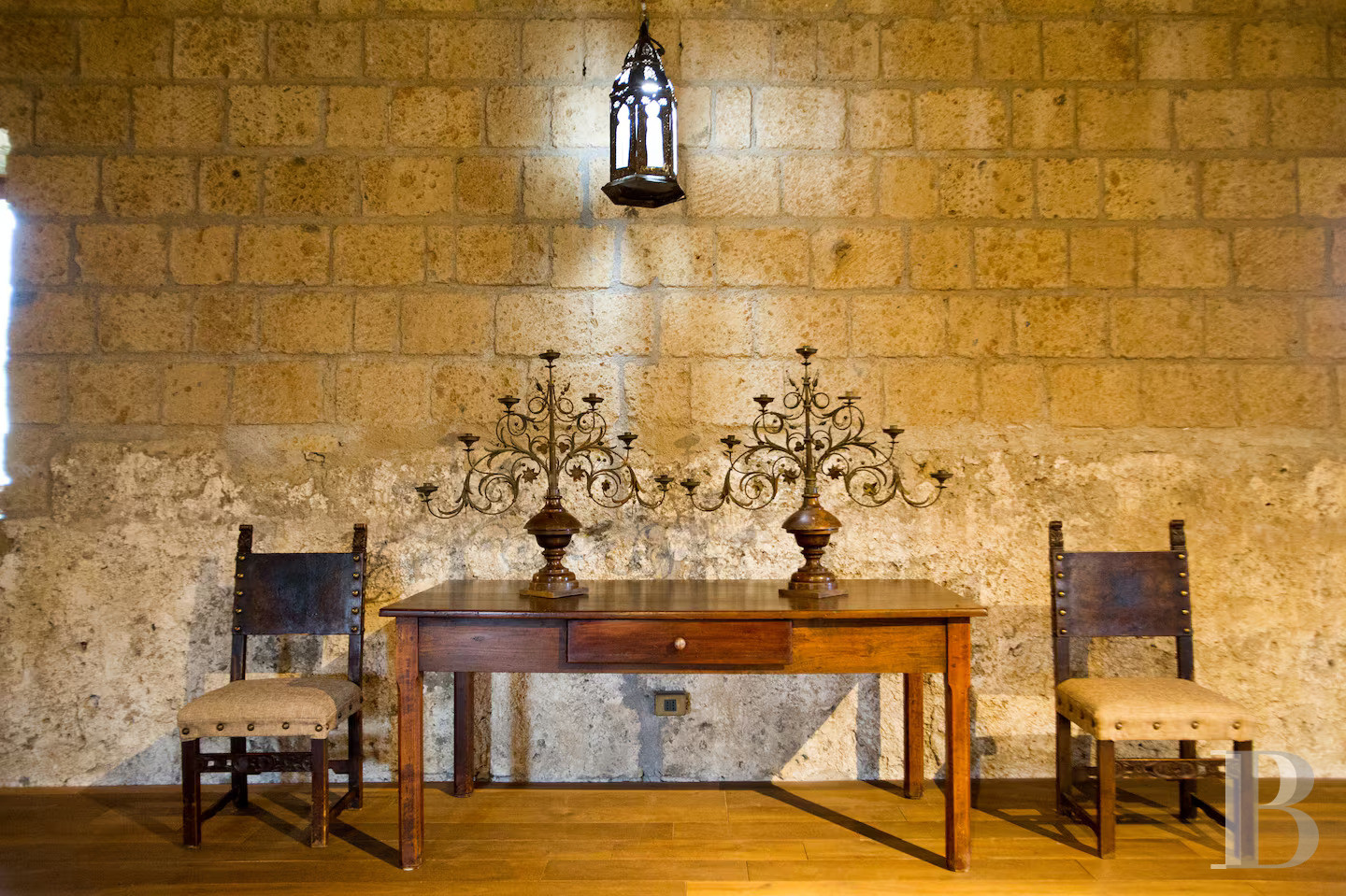
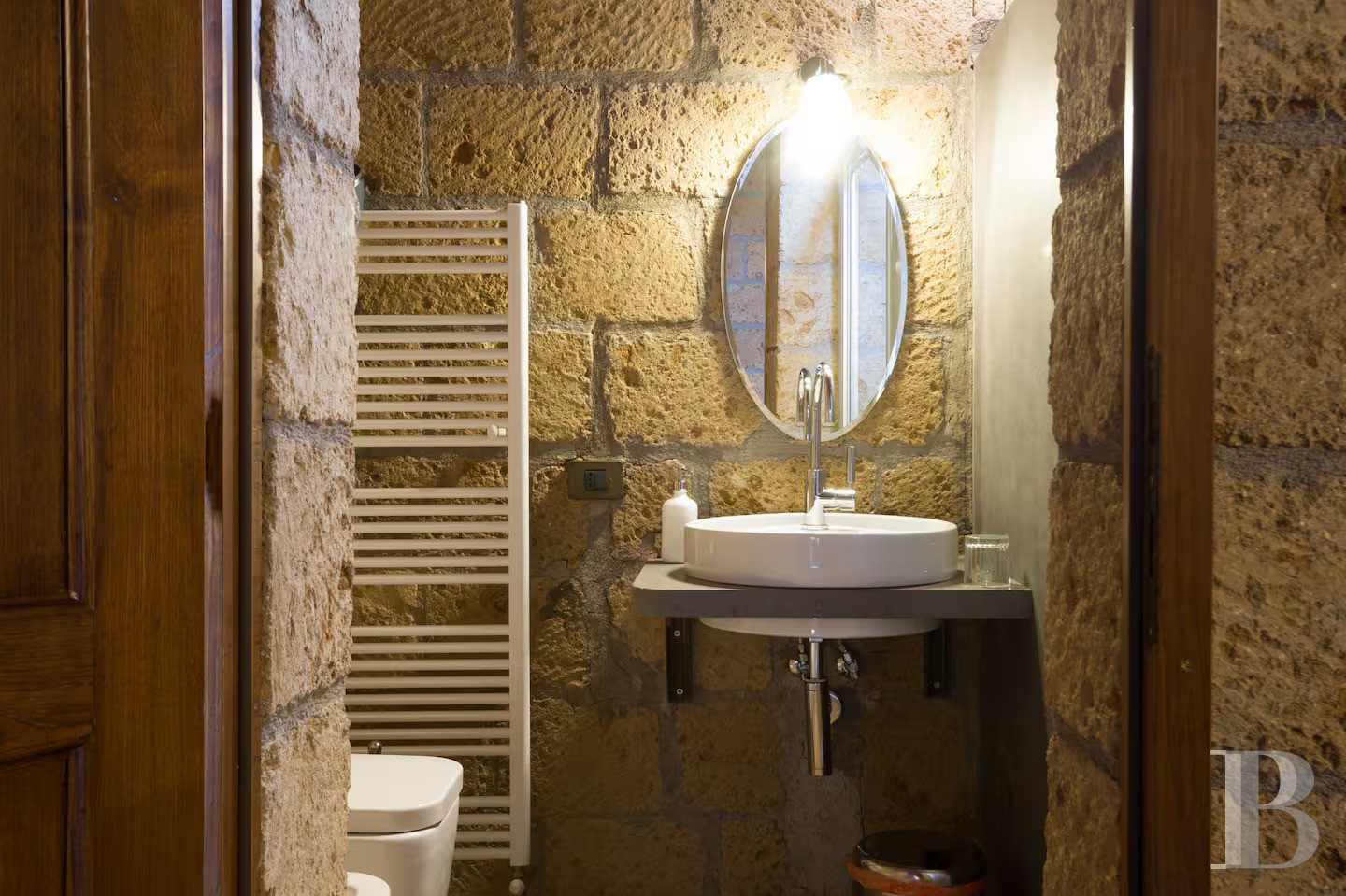
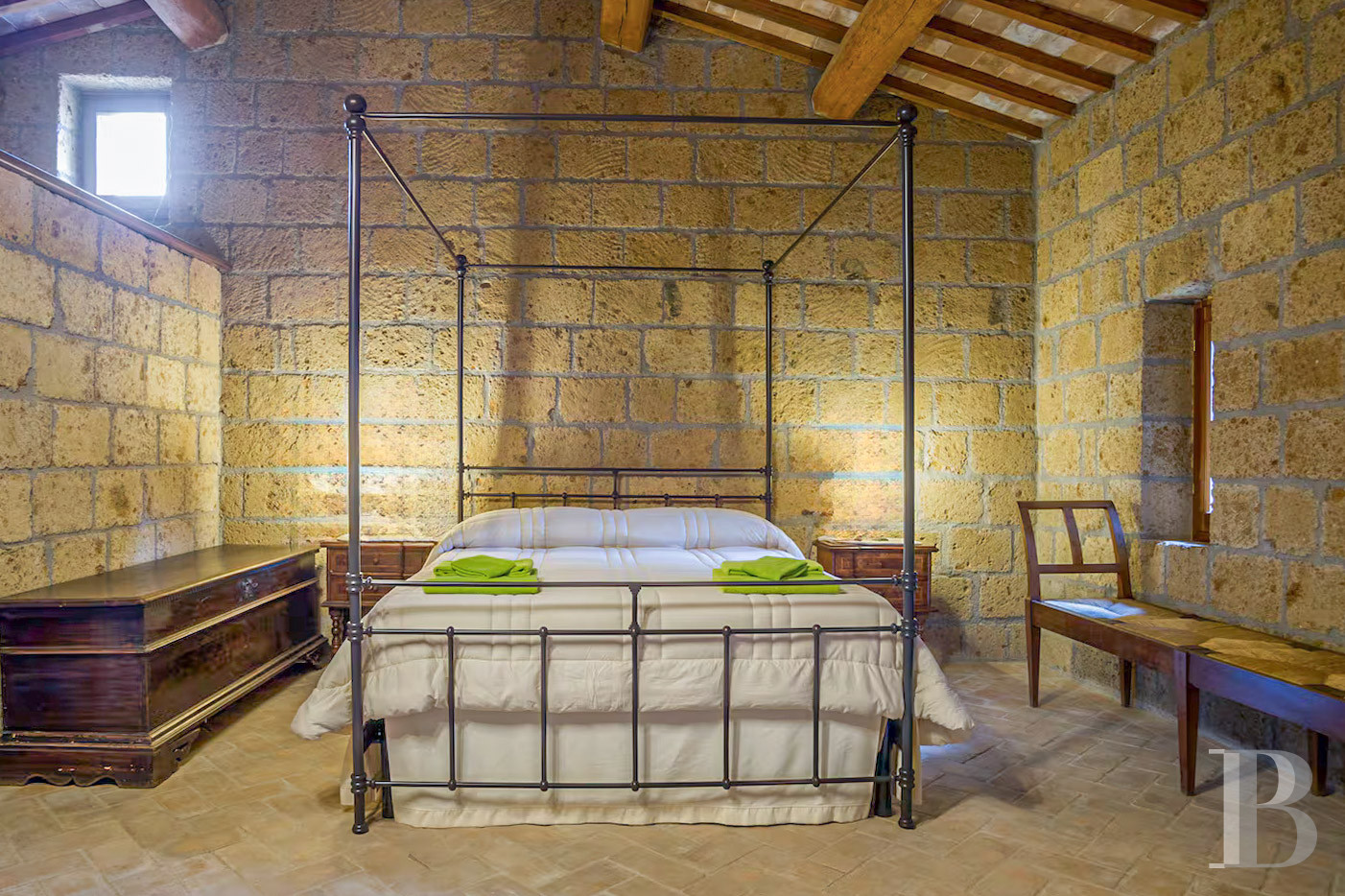
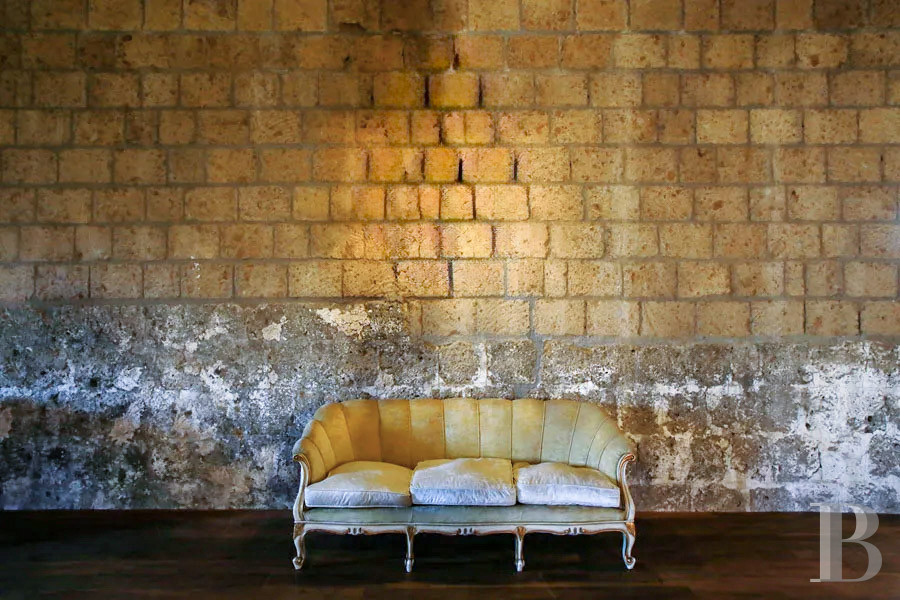
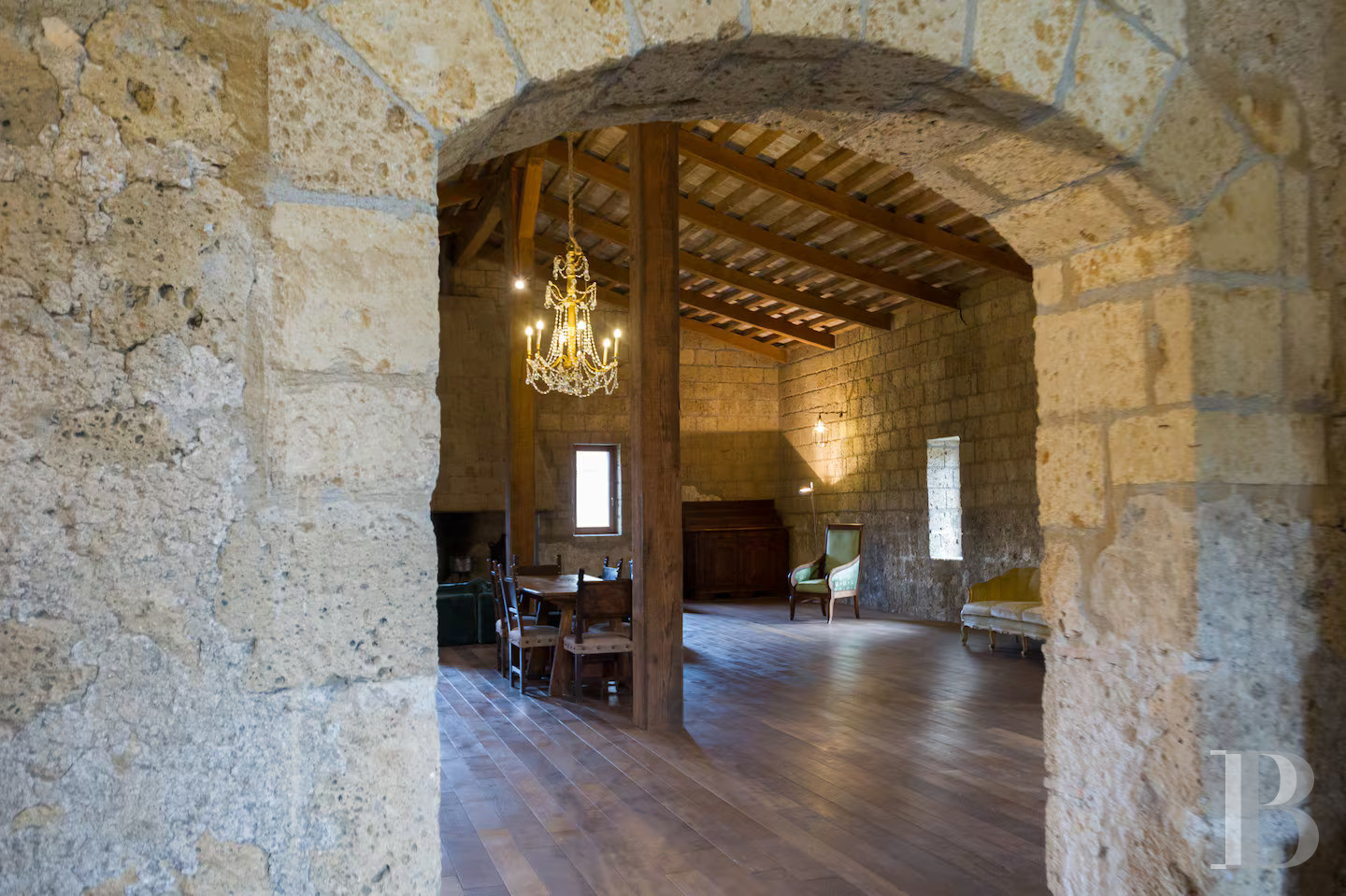
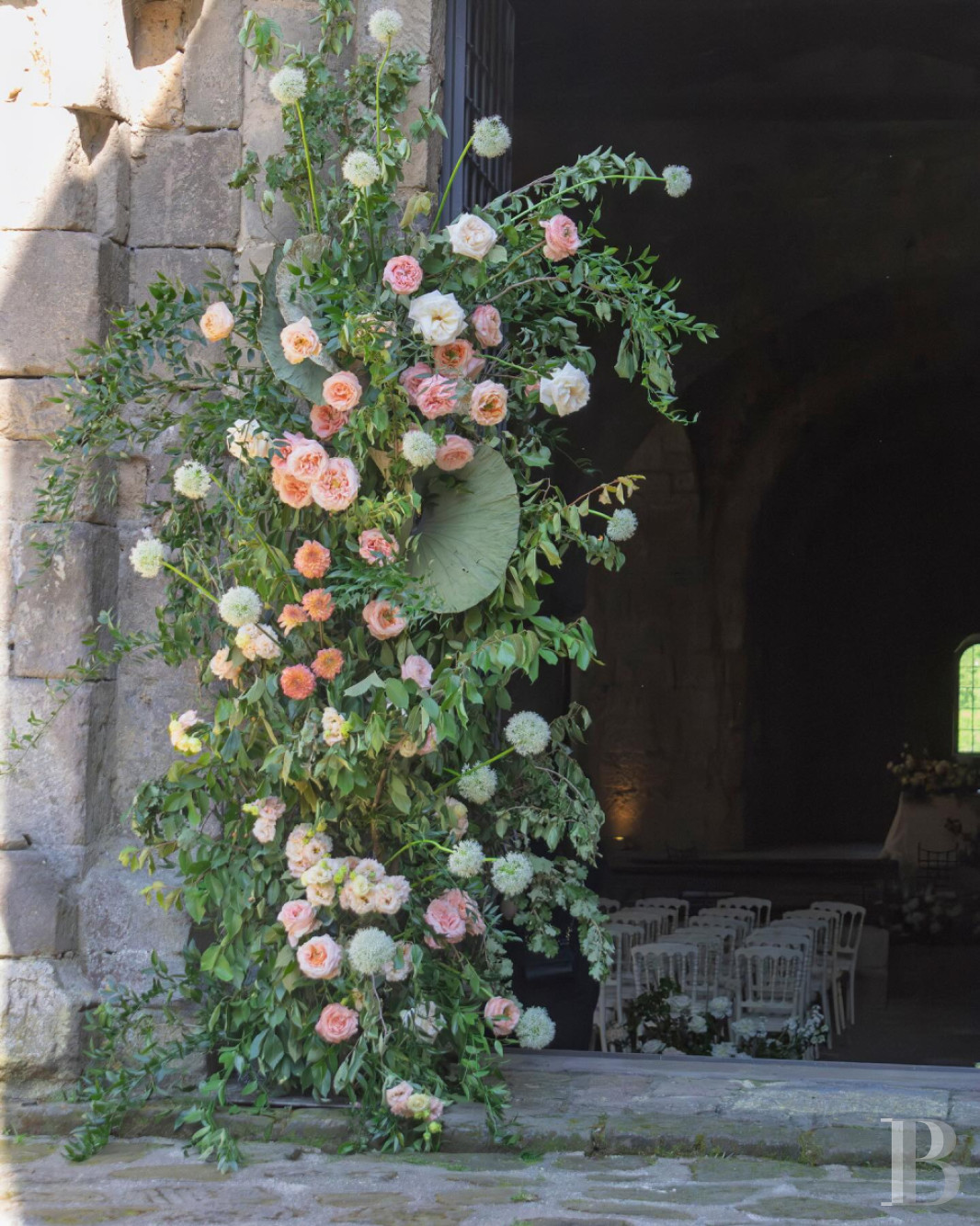
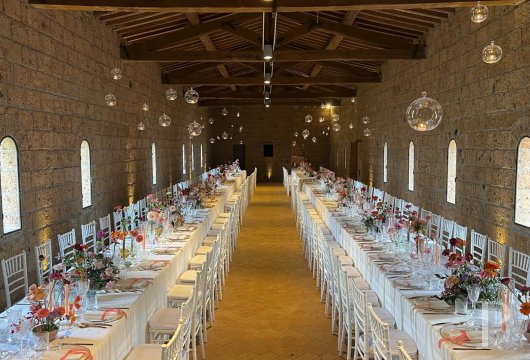
If miracles do exist, San Giusto is proof of them. Who could imagine today that just three decades ago, the former abbey was nothing but ruins and neglect? Thanks to the initiative of an entire family, committed with their passion and perseverance, this exceptional piece of heritage has undergone a masterful restoration that has literally brought it back to life. Although they have been desecrated for centuries, the walls have retained an extra touch of soul that is still magnificently maintained by the sobriety of the architecture, the bare stonework and the simplicity of the layout. Everything is here to make your stay and important events as memorable as the highlights of your life.
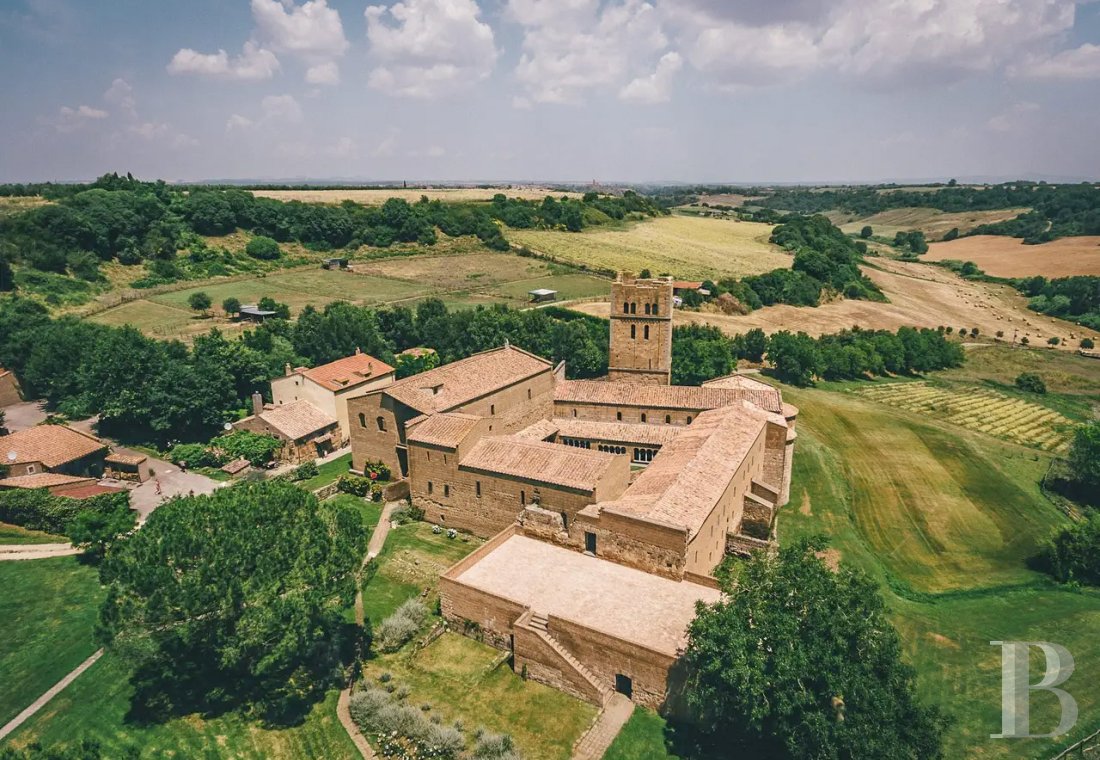
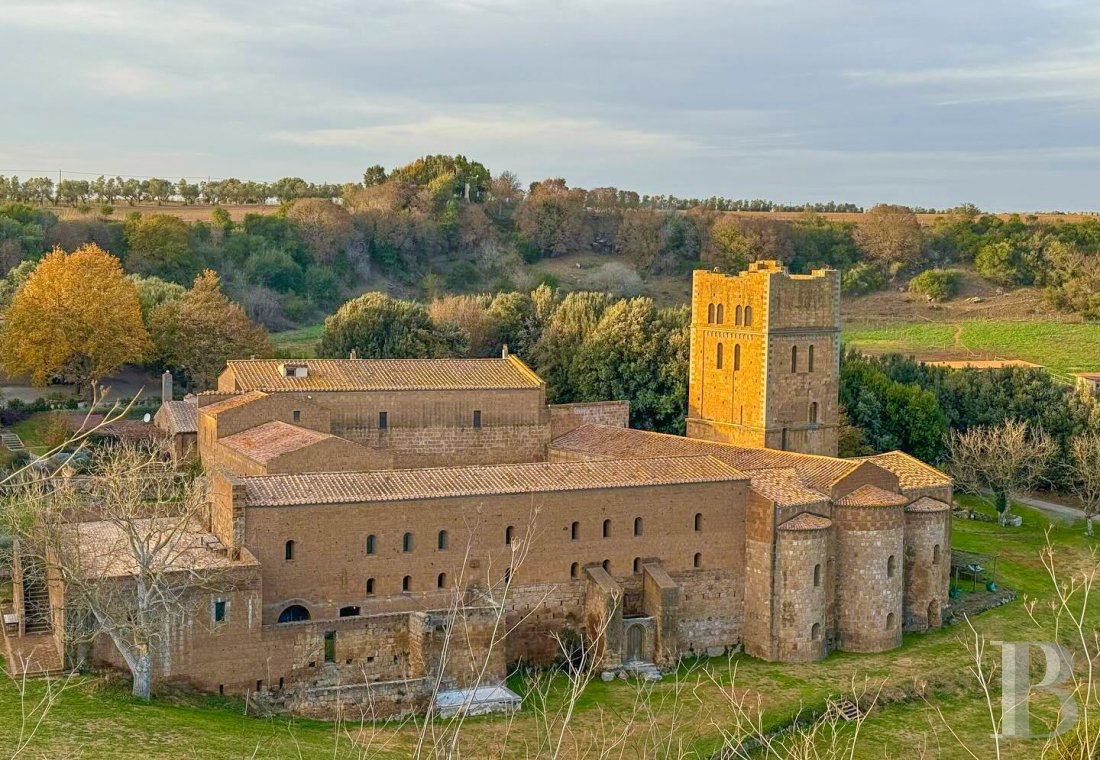
In the 1990s, my father, Mauro Checcoli, an engineer from Bologna and an Olympic champion, bought the ruined abbey from a shepherd, after 600 years of abandonment, destruction and neglect. Our family fell in love with this place and decided to make it their home and their life's work, restoring it with love, passion and a great deal of effort. Meticulous and demanding historical and architectural restoration work has restored it to its former splendour.
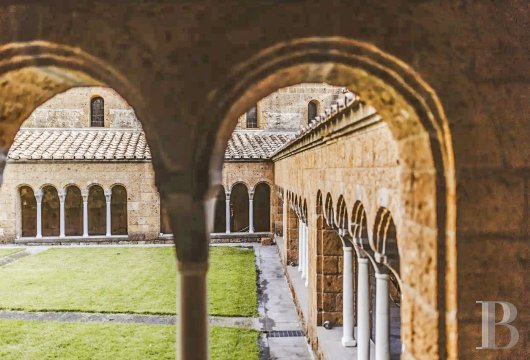
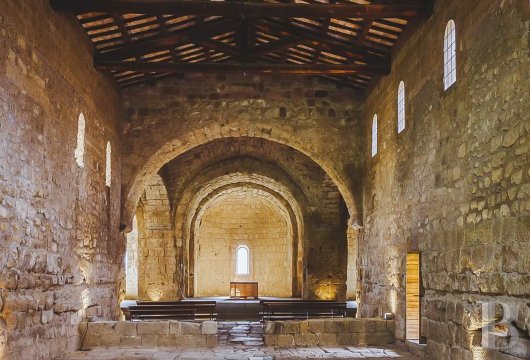
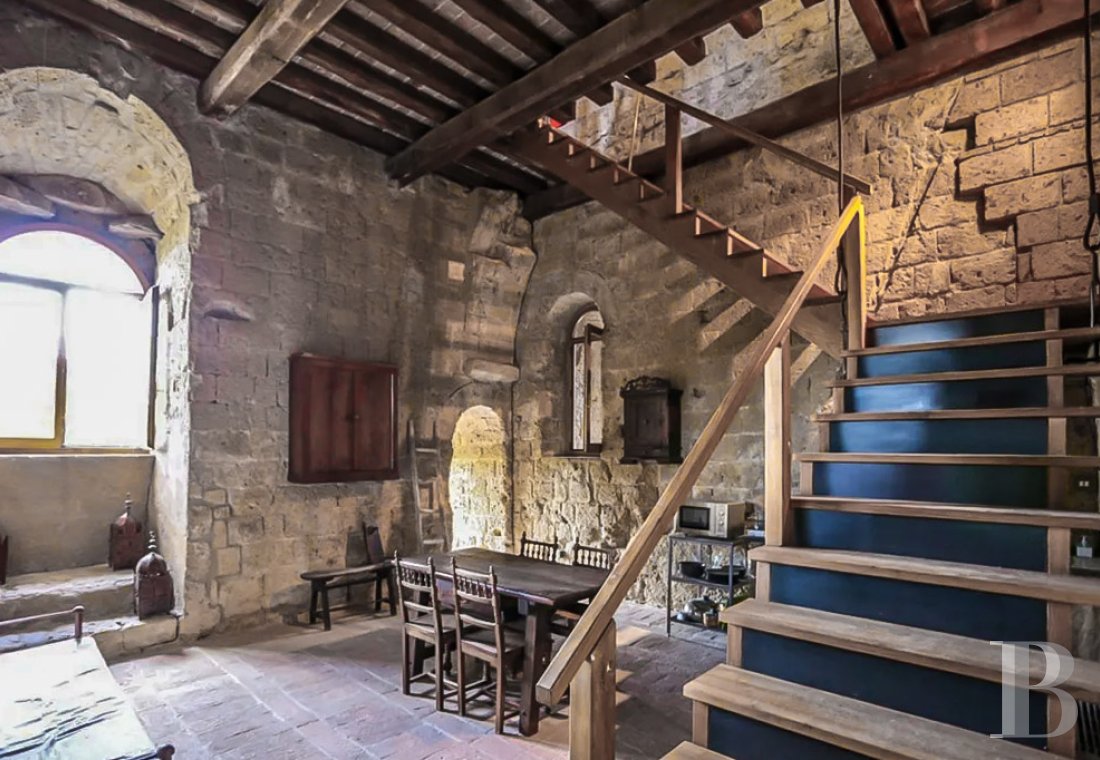
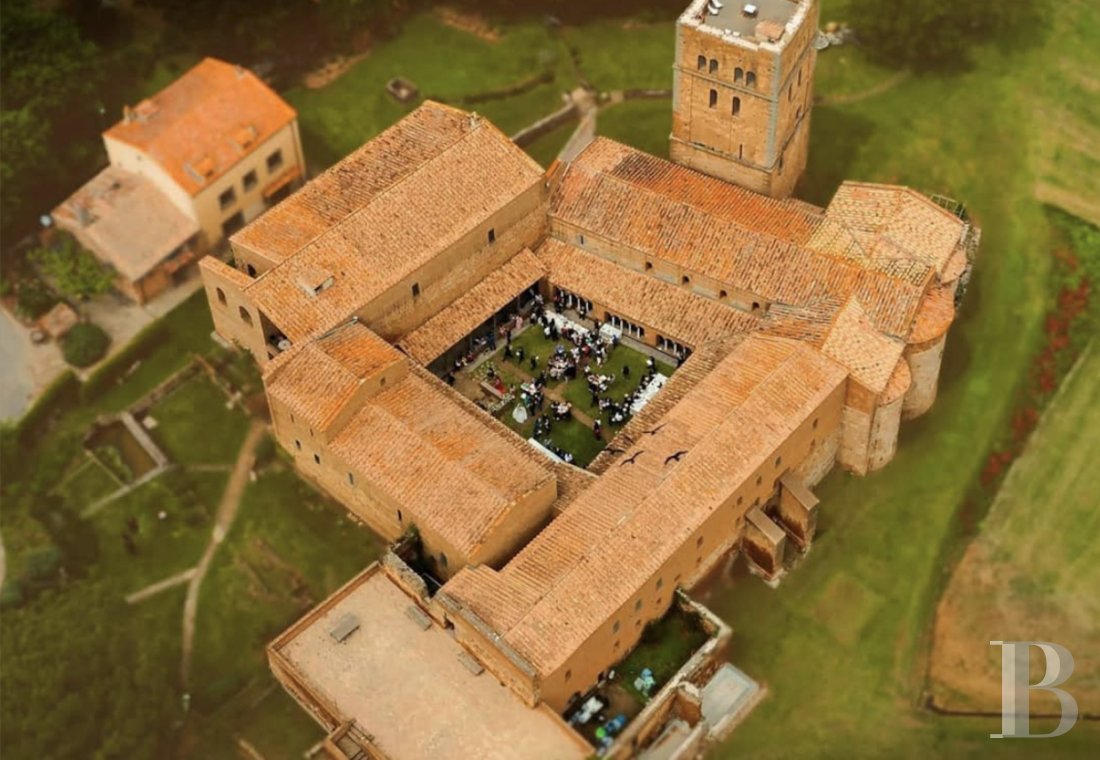
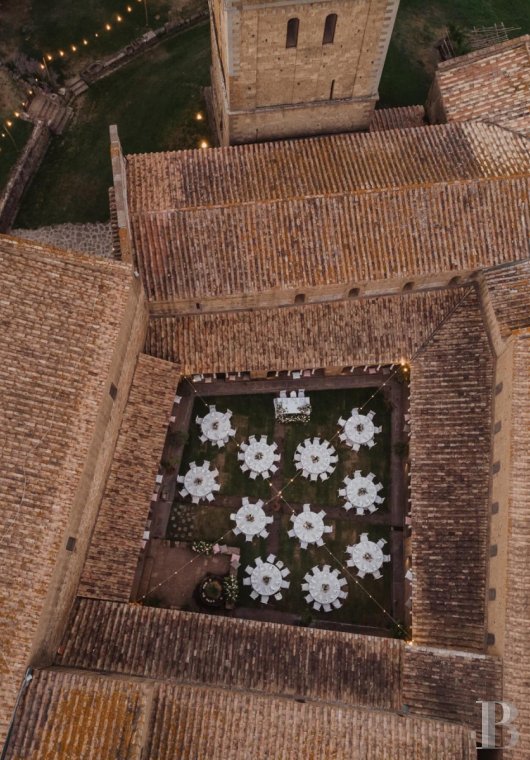
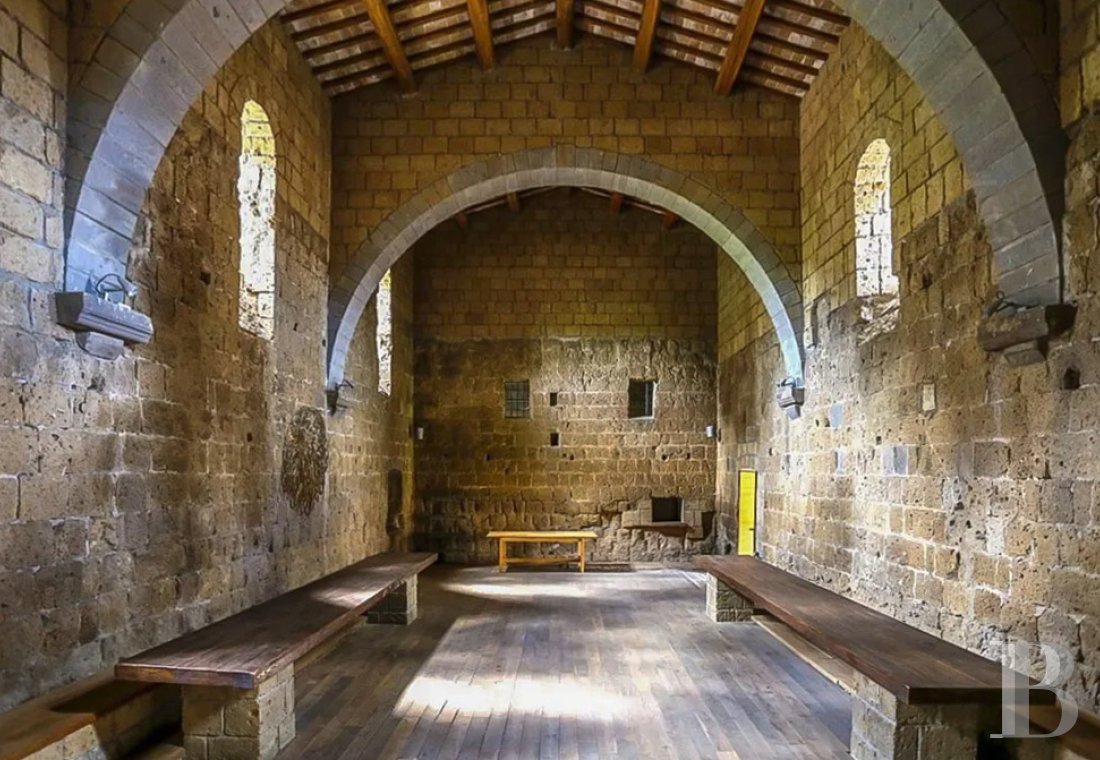
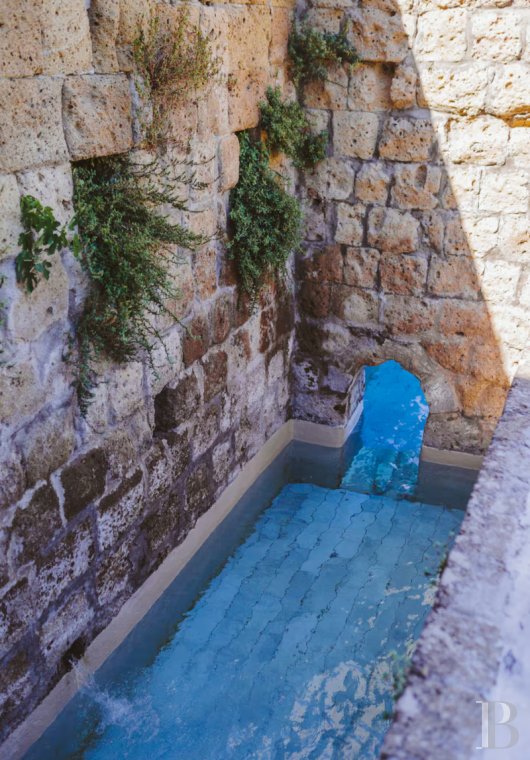
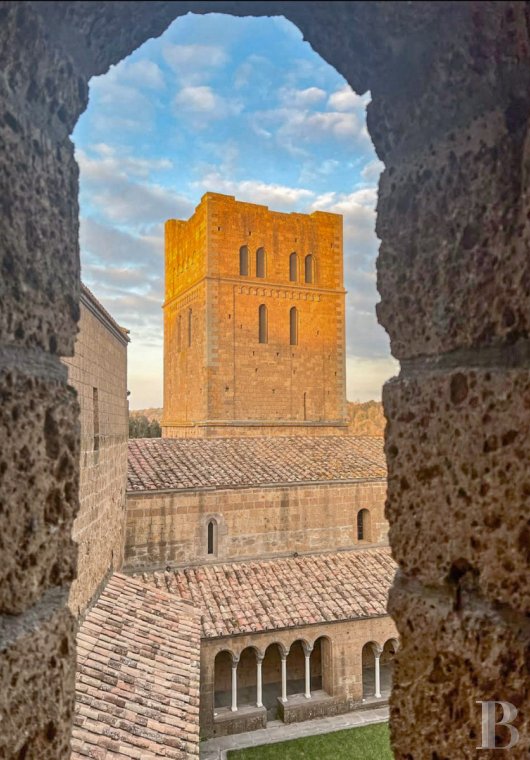
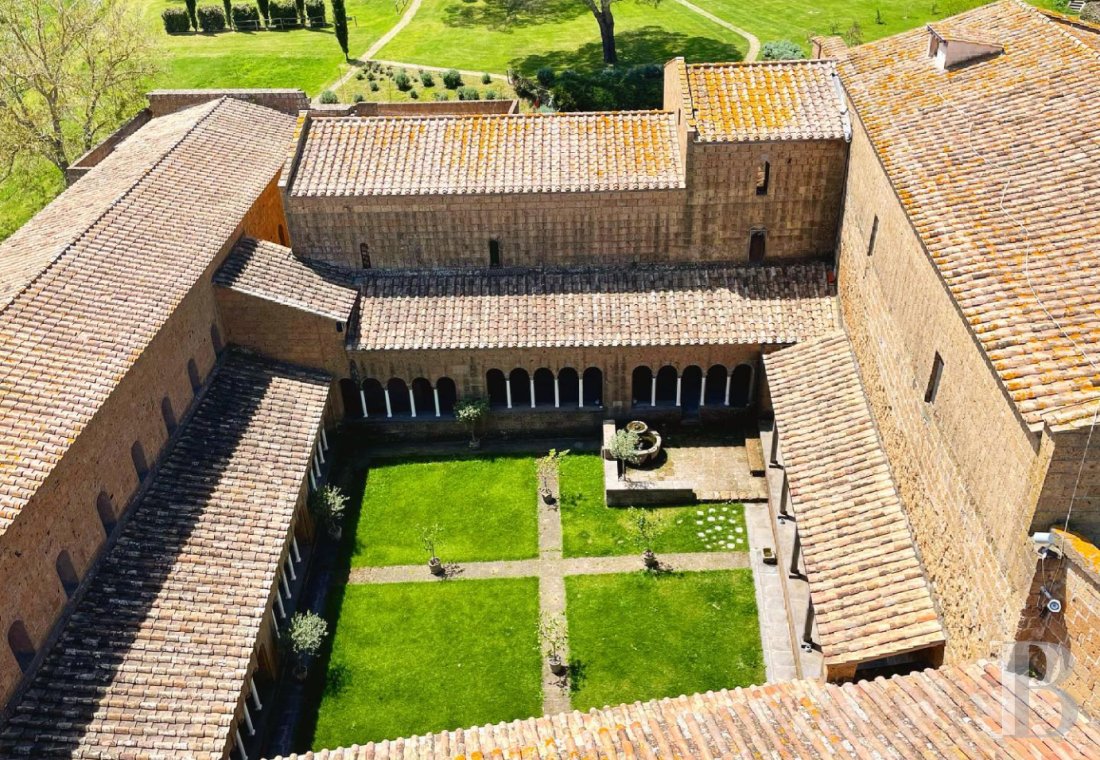
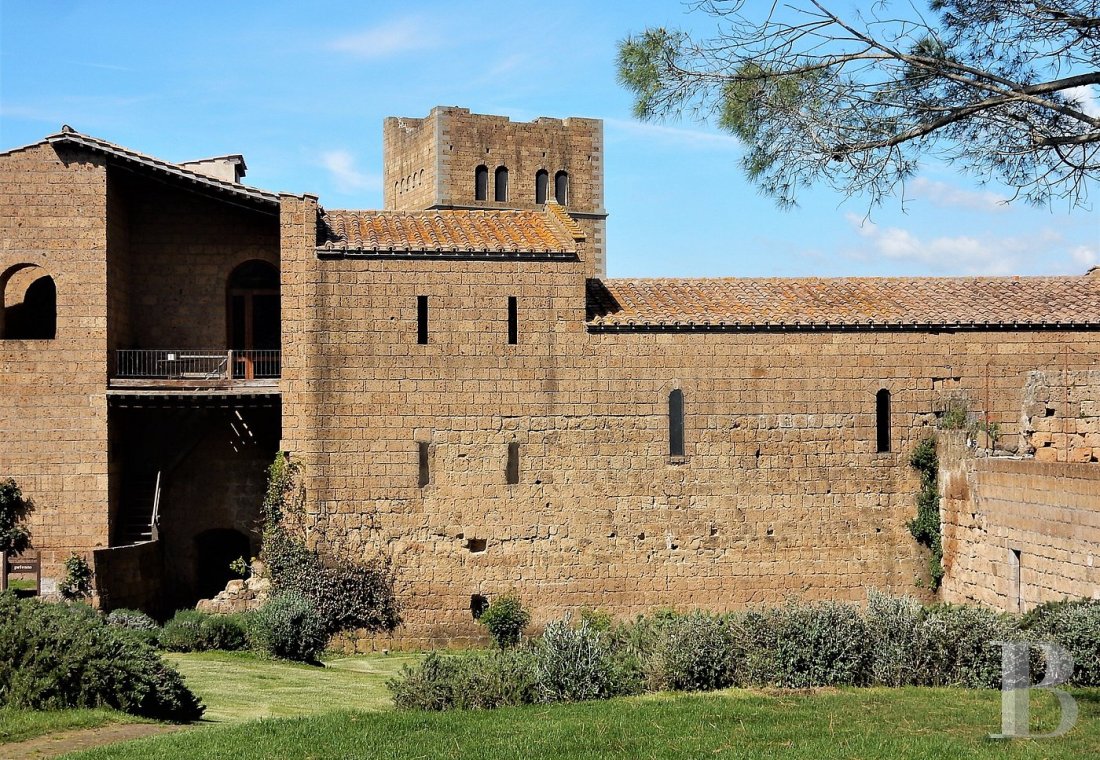
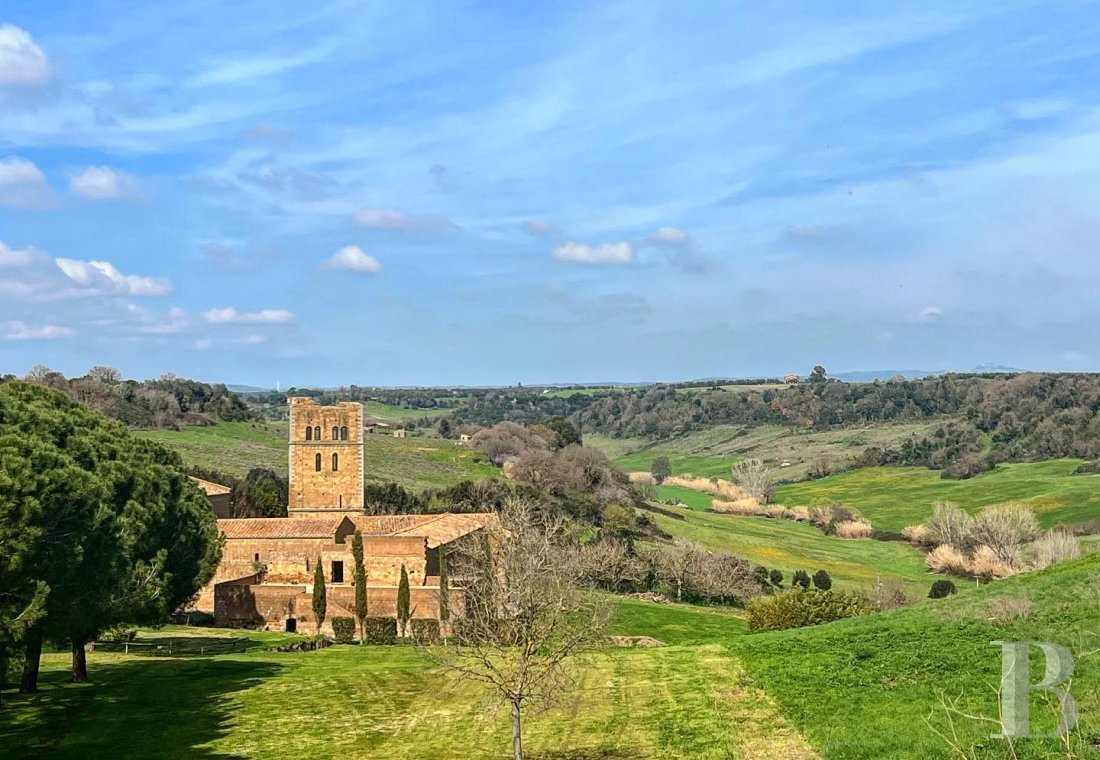
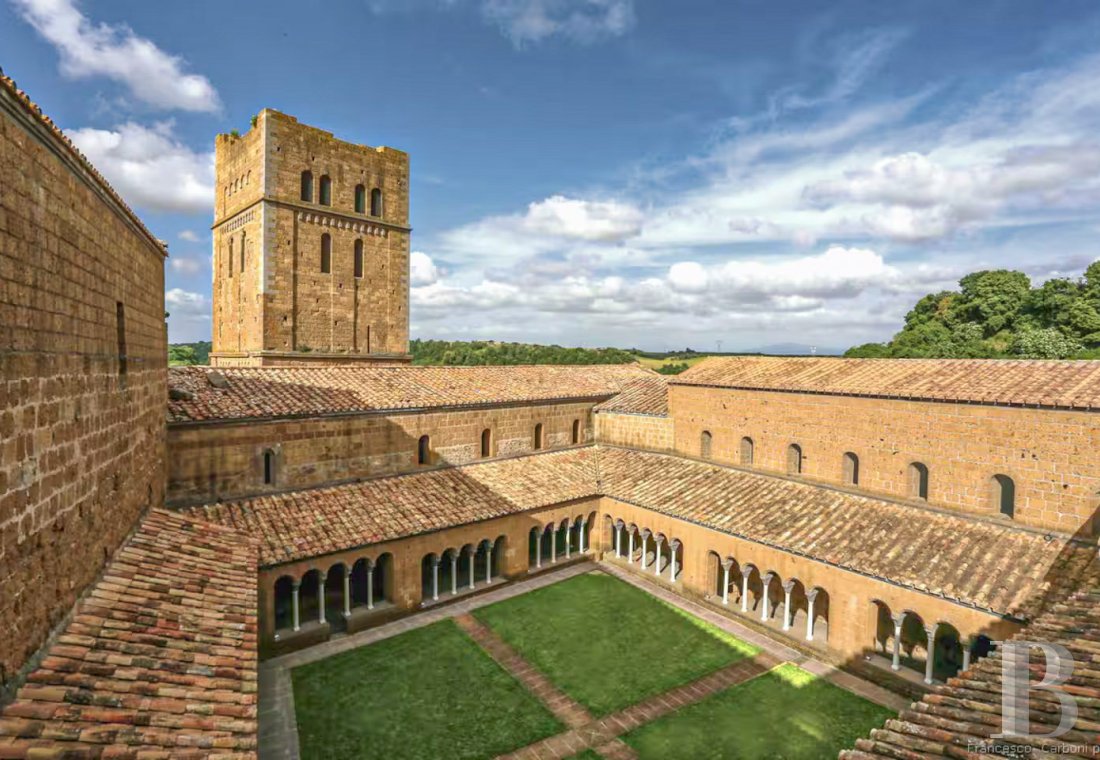
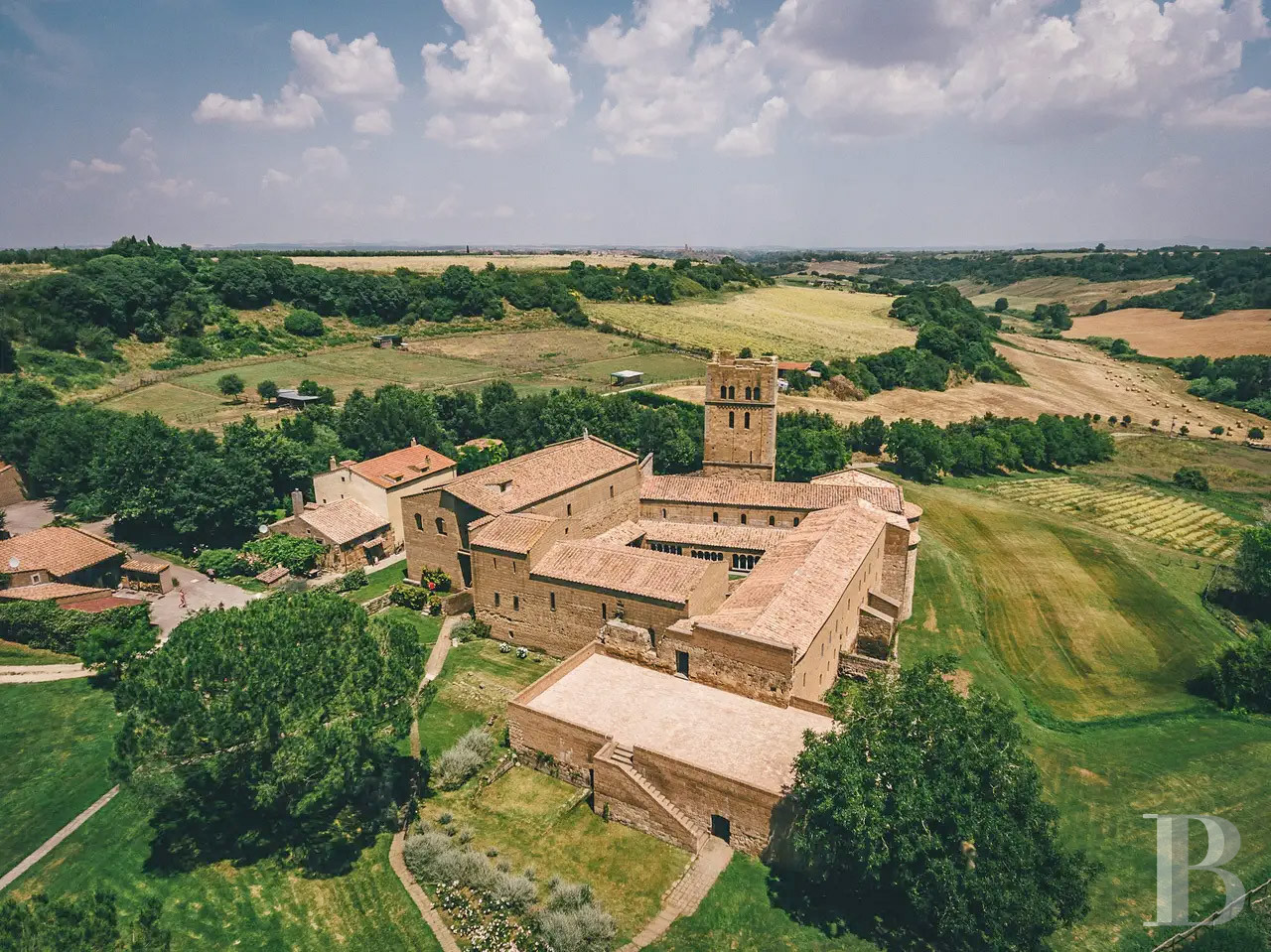
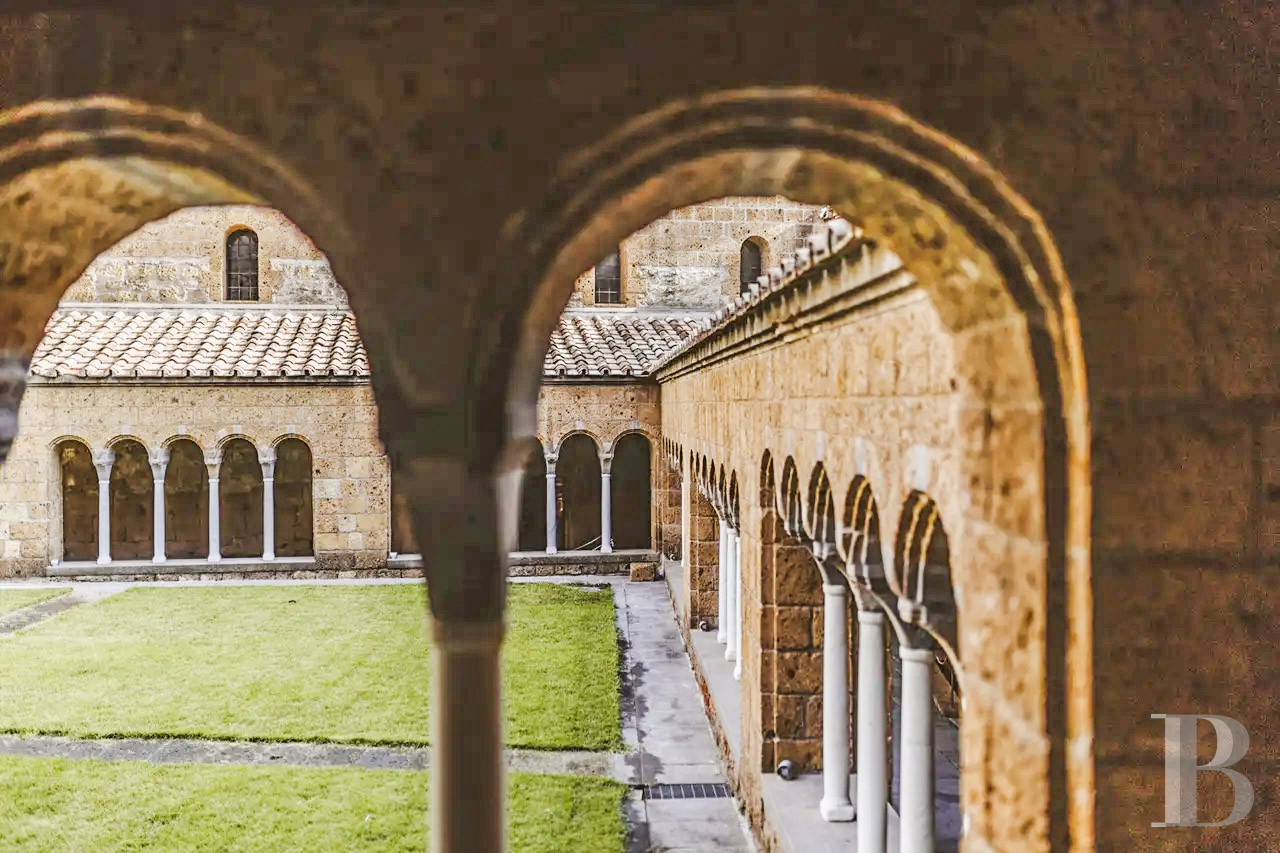
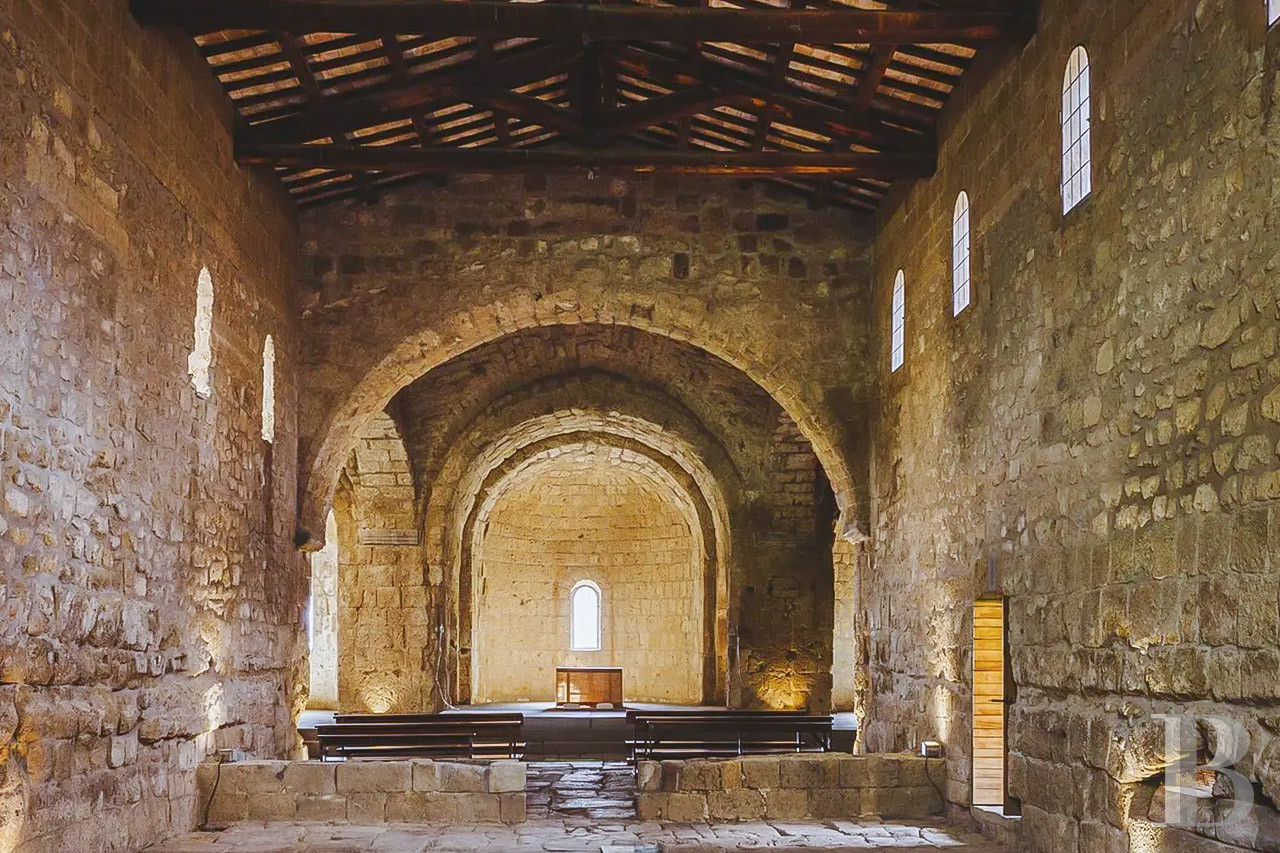
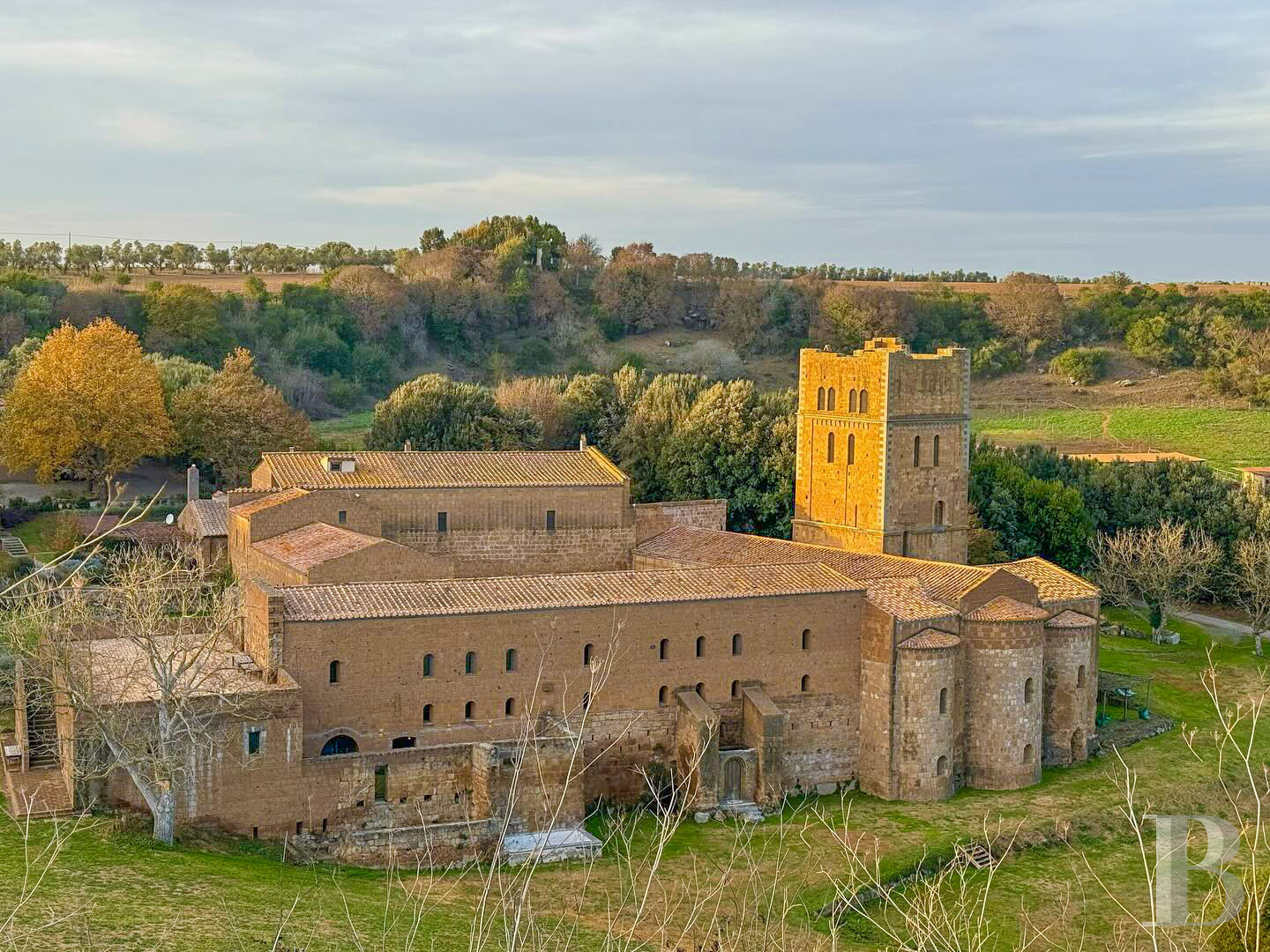
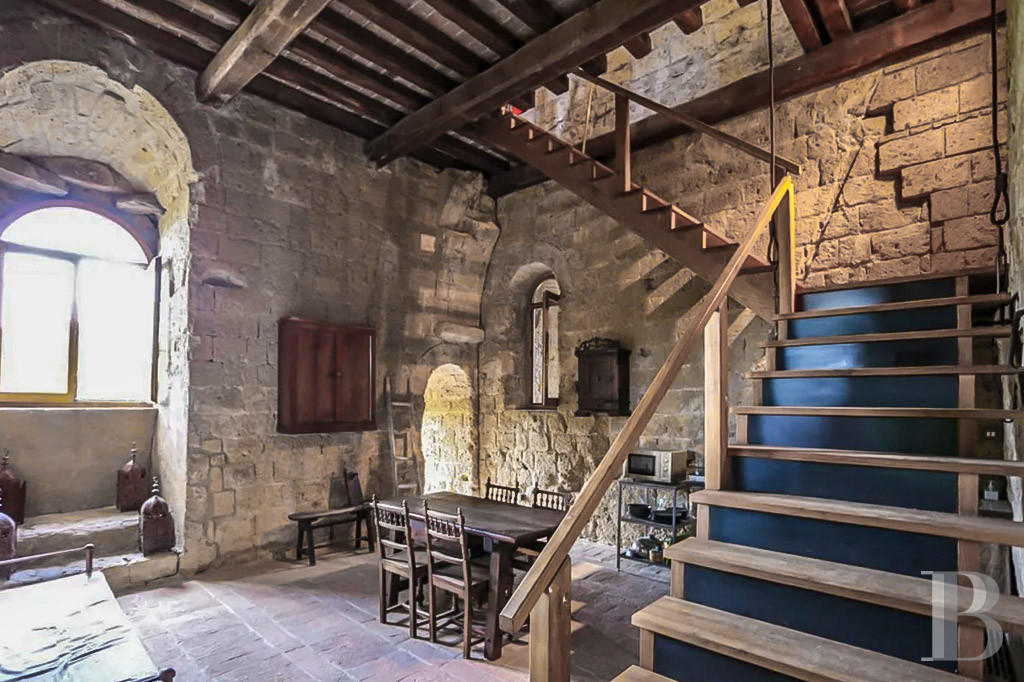
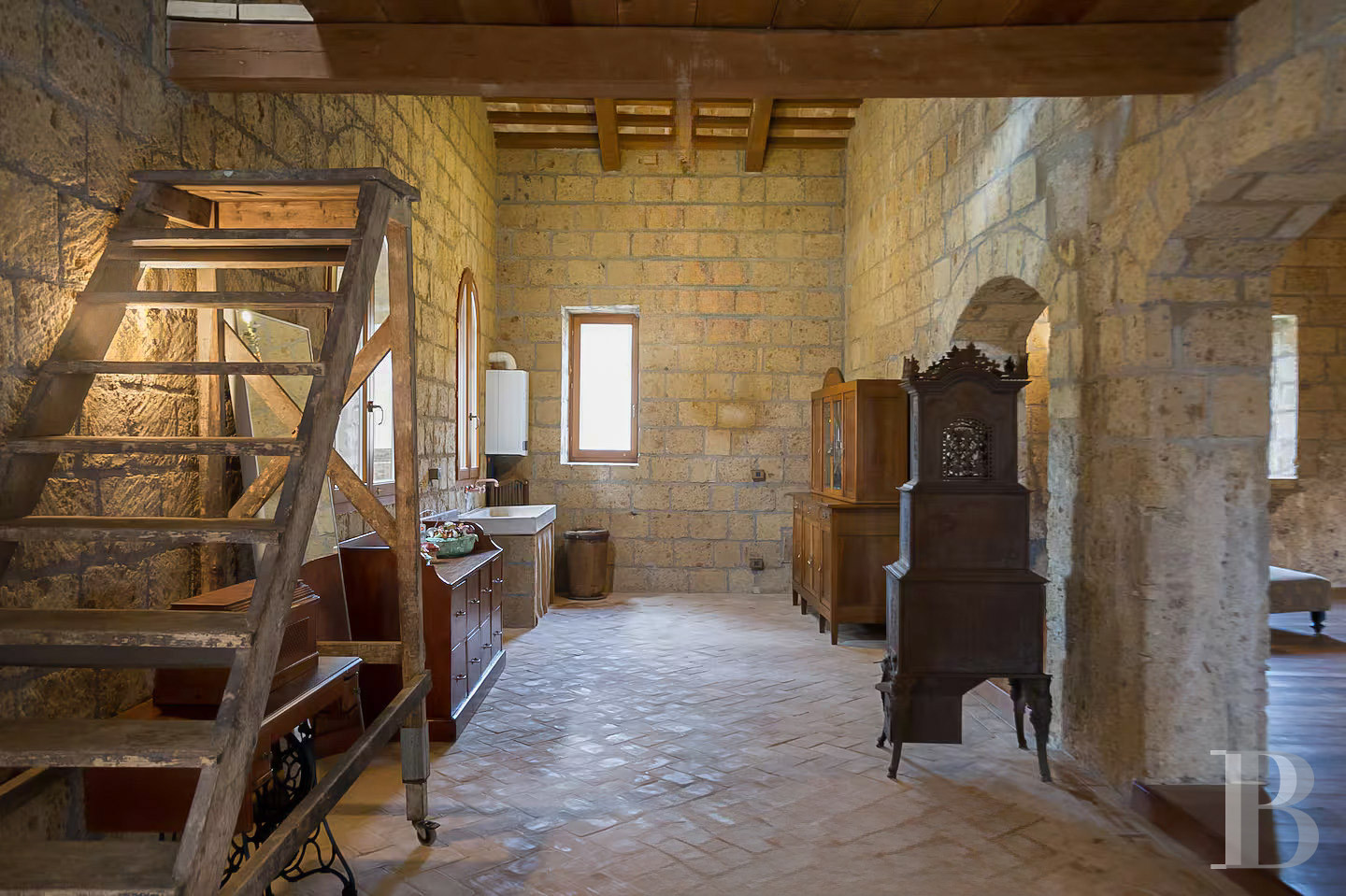
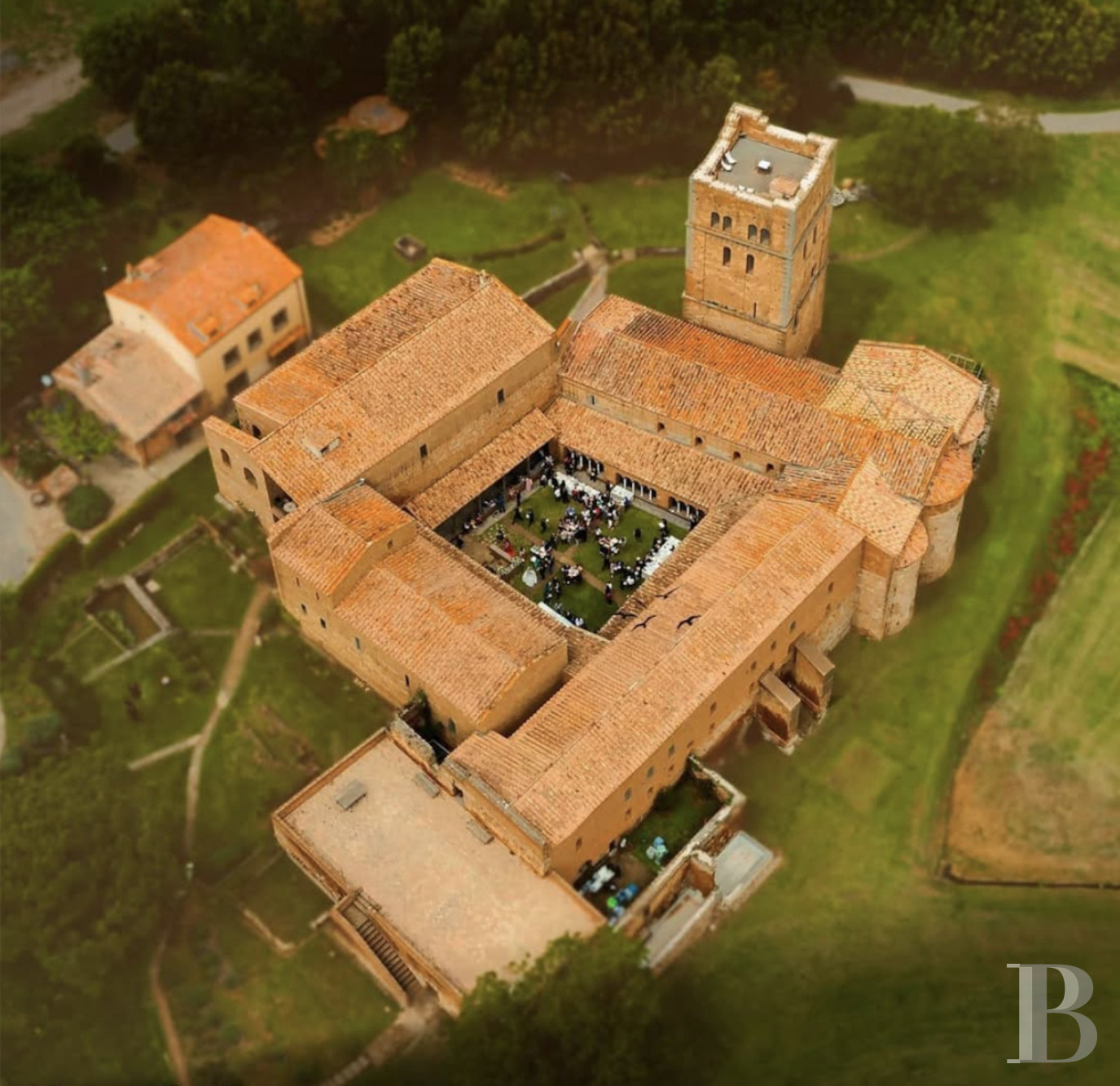
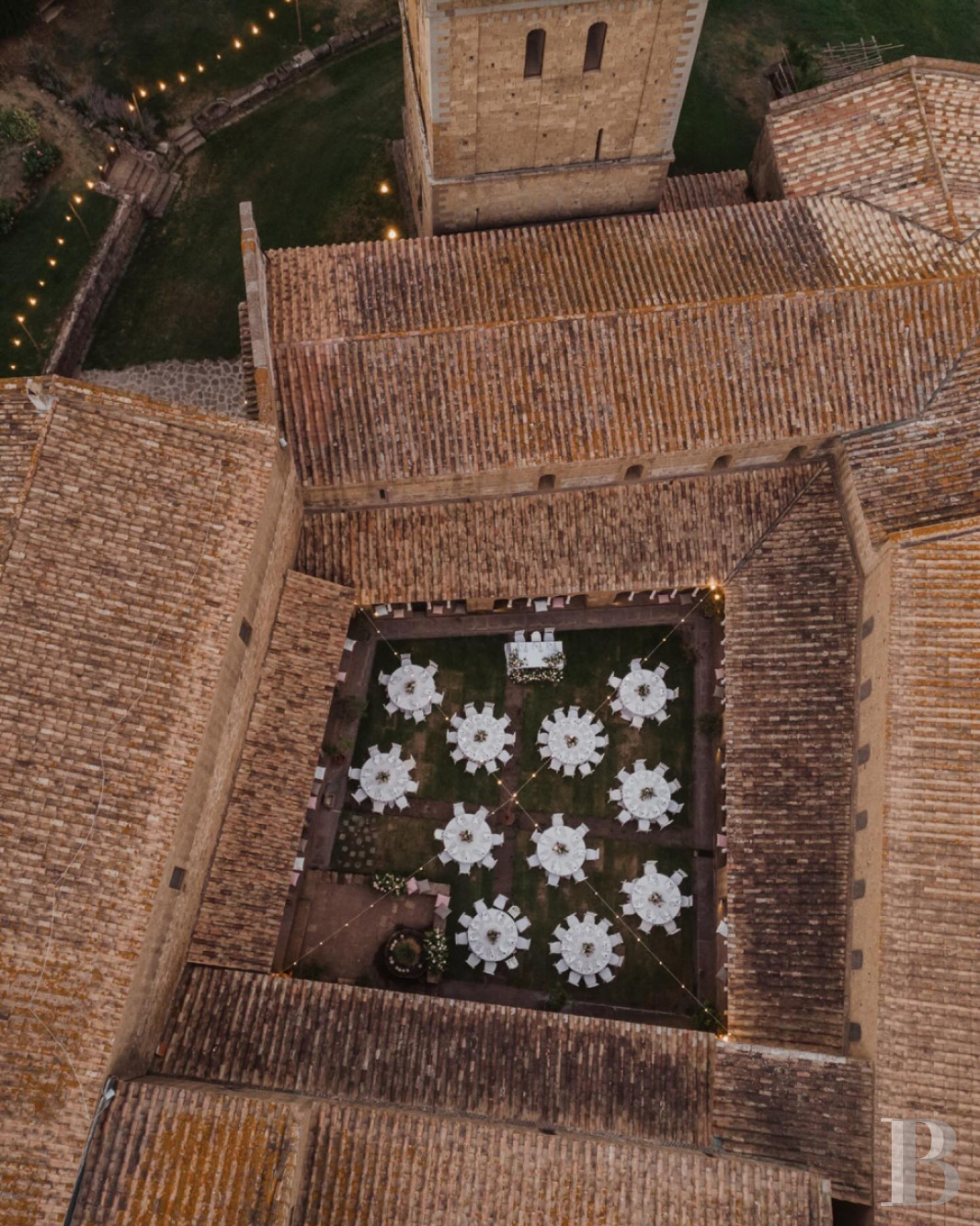
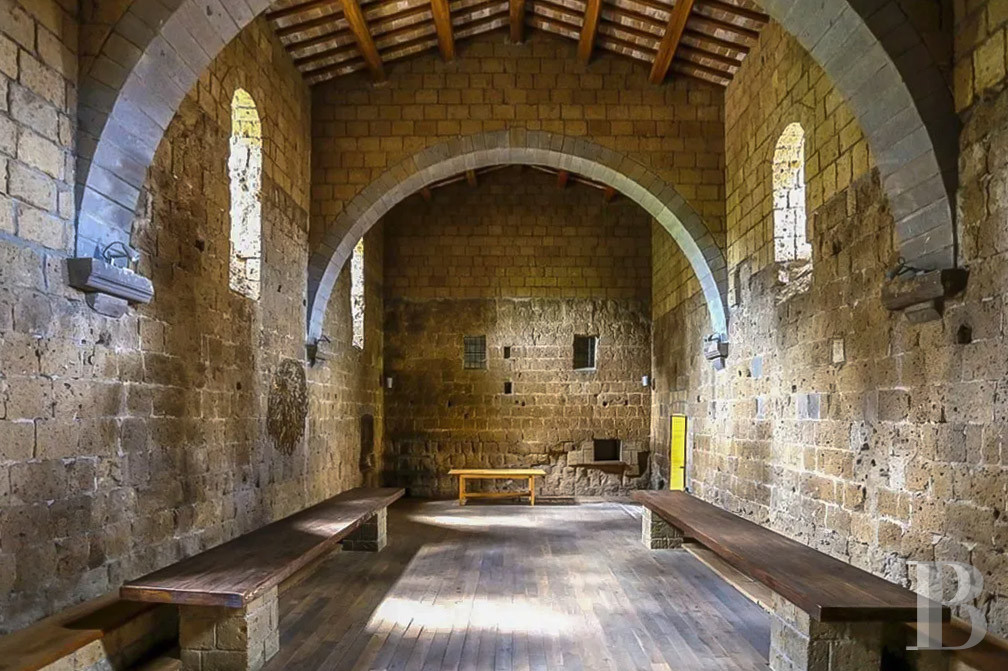
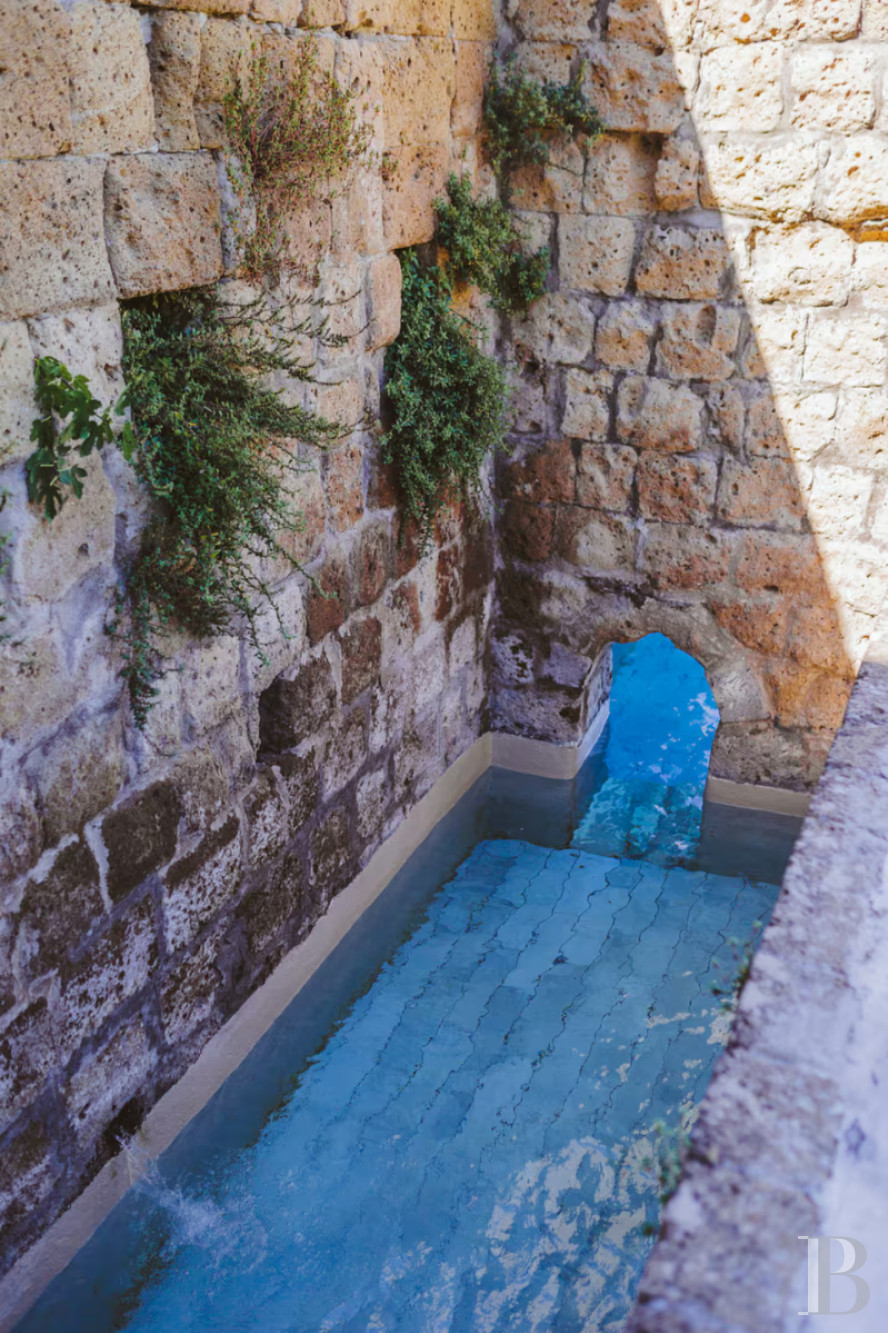
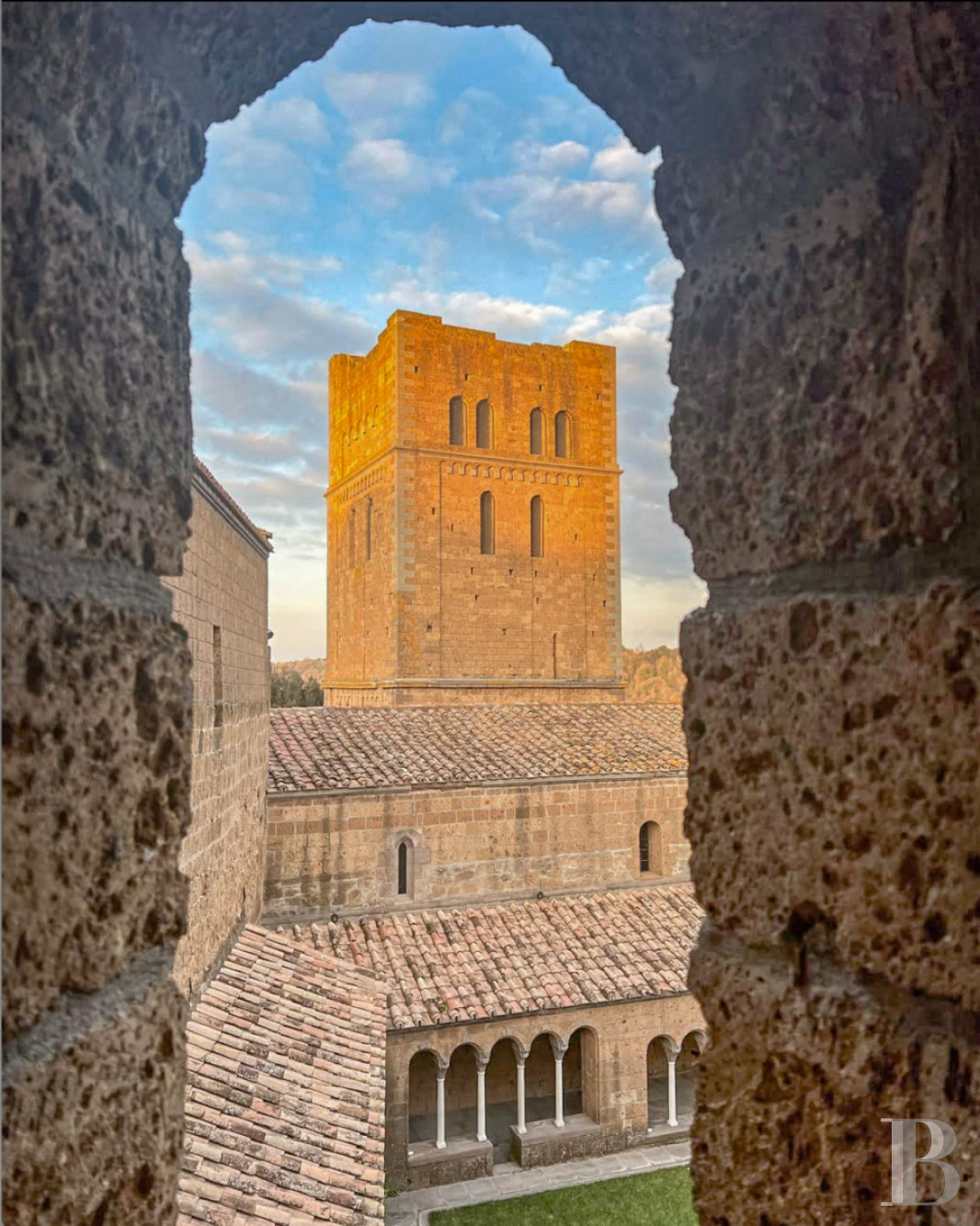
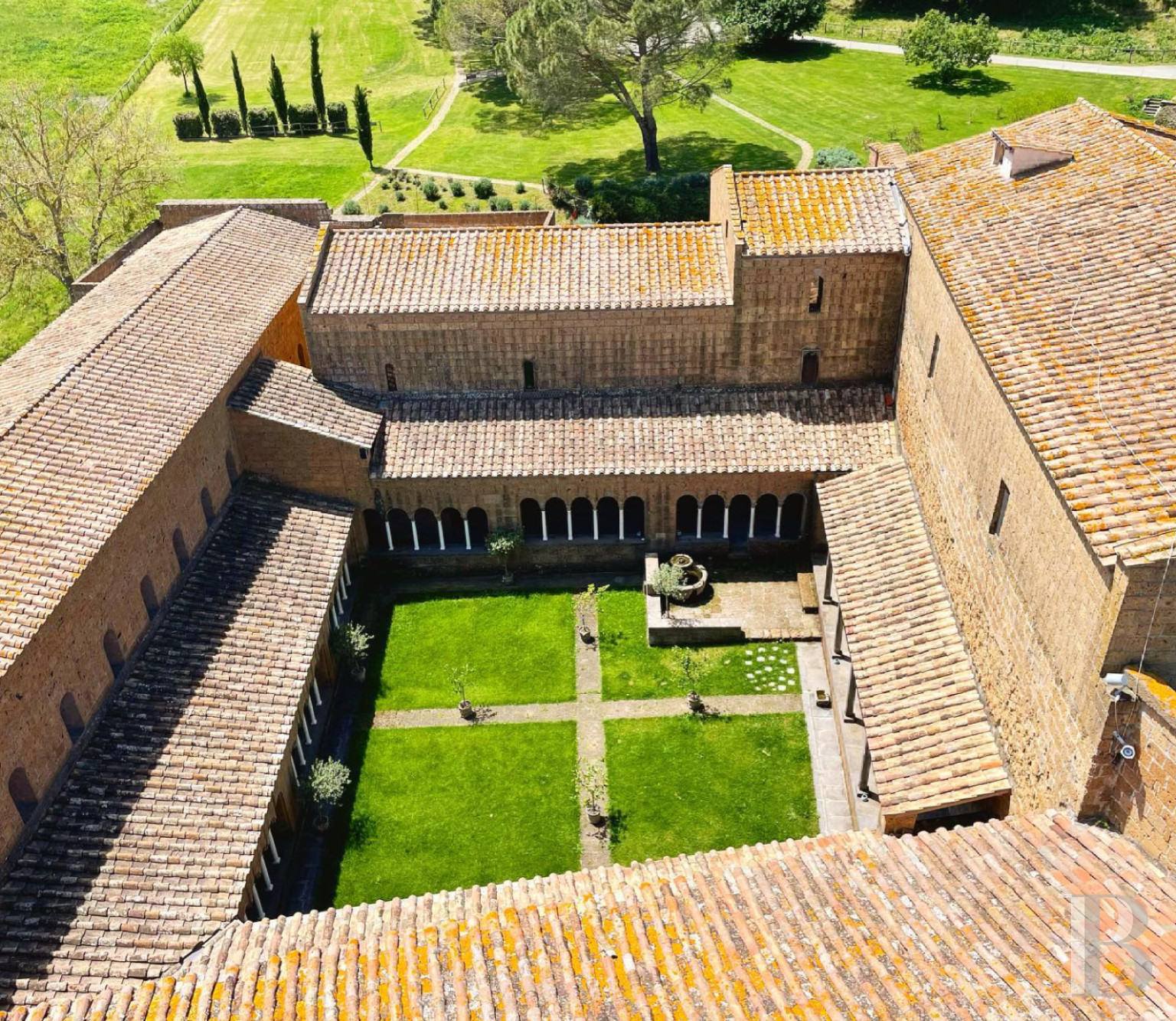
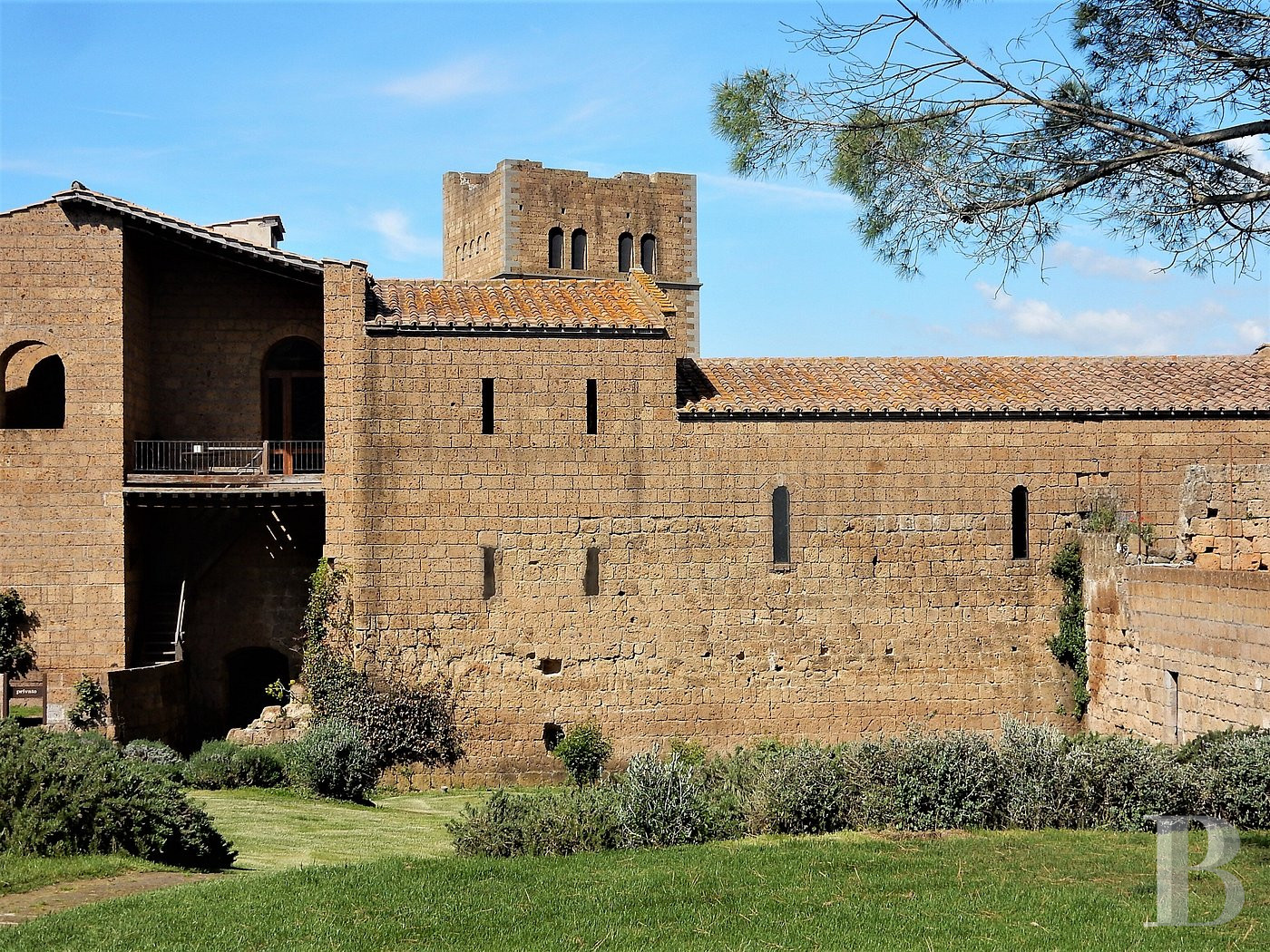
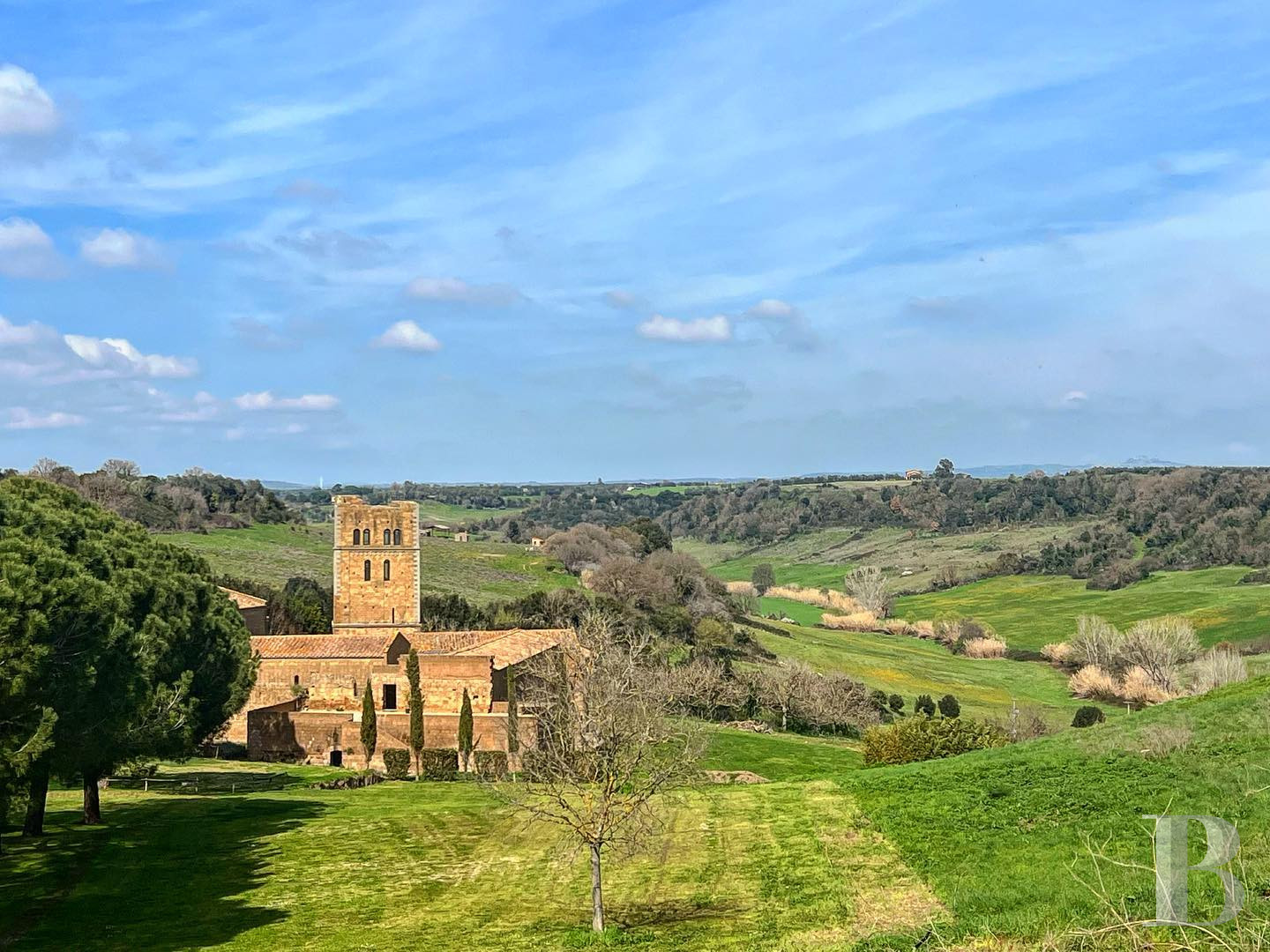
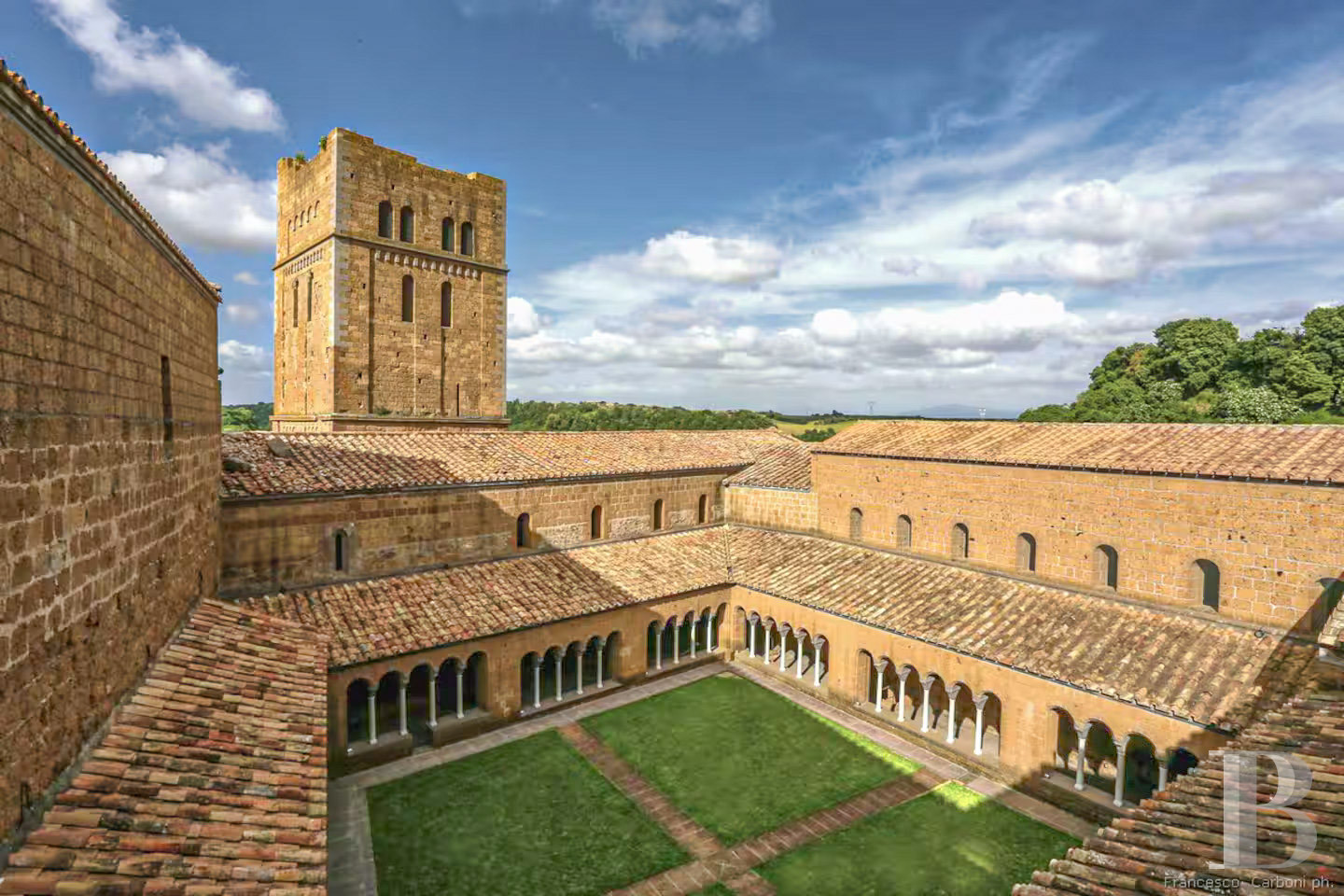
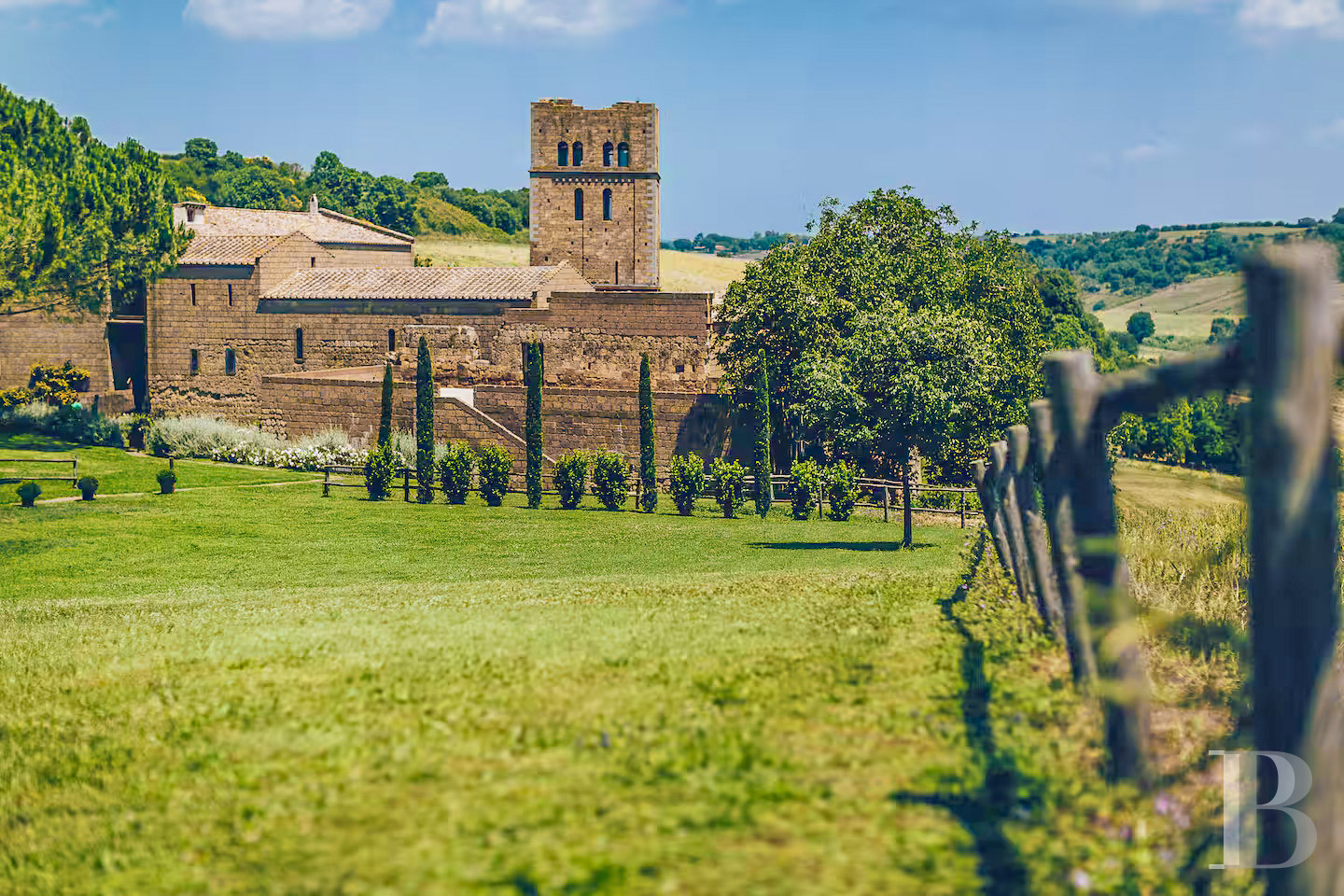
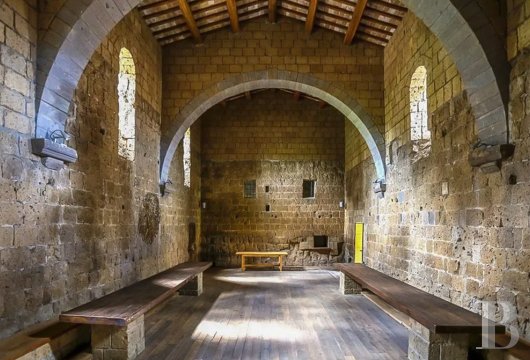
Nestling in a silent, almost timeless landscape, the abbey is part of a mosaic of mystical spirituality, despite having lost its original function. A majestic, compact square tower rises above it all. In the centre is the cloister, with a fountain on one side, which was probably used to purify food, which was then stored in the "cellarium". Shaped like a Latin cross and with reduced dimensions, the church has only one nave. Its façade is square, with a rose window in the centre reminiscent of a four-leaf clover. In keeping with all Cistercian churches, the interior is both sober and austere. The presbytery for the monks is next to the altar and in the centre are the rooms that were once used to house the lay people, while the building adjacent to the church housed rooms for guests, pilgrims and the sick. You can still see the chapter house or "capitolum", where the monks met, the "parlatorium" where they could talk to the abbot, the "scriptorium", a temple of culture and learning where texts were written and copied, the monks' refectory, the kitchen and the "cellarium", a room where everyone, lay people and monks alike, could work.
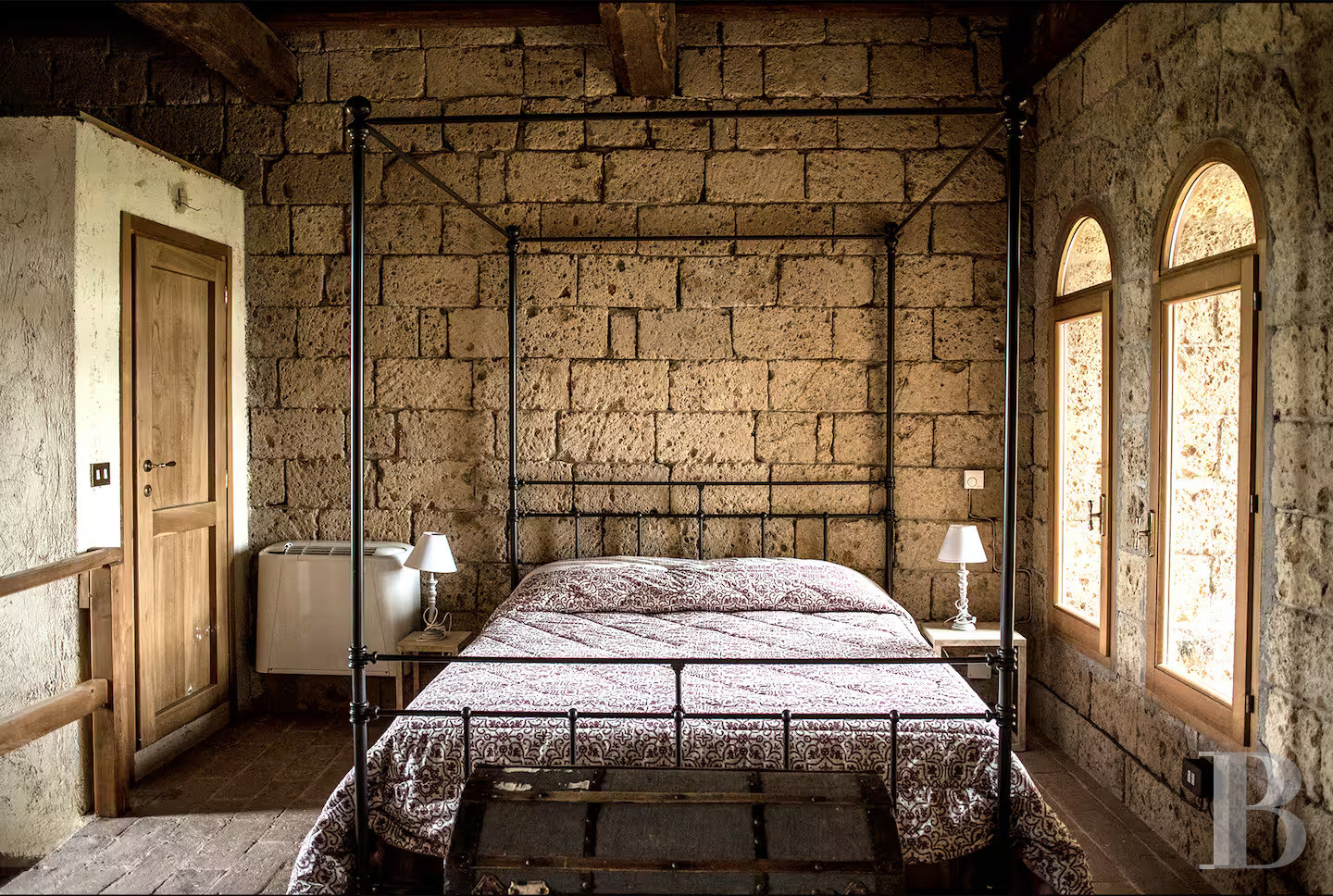
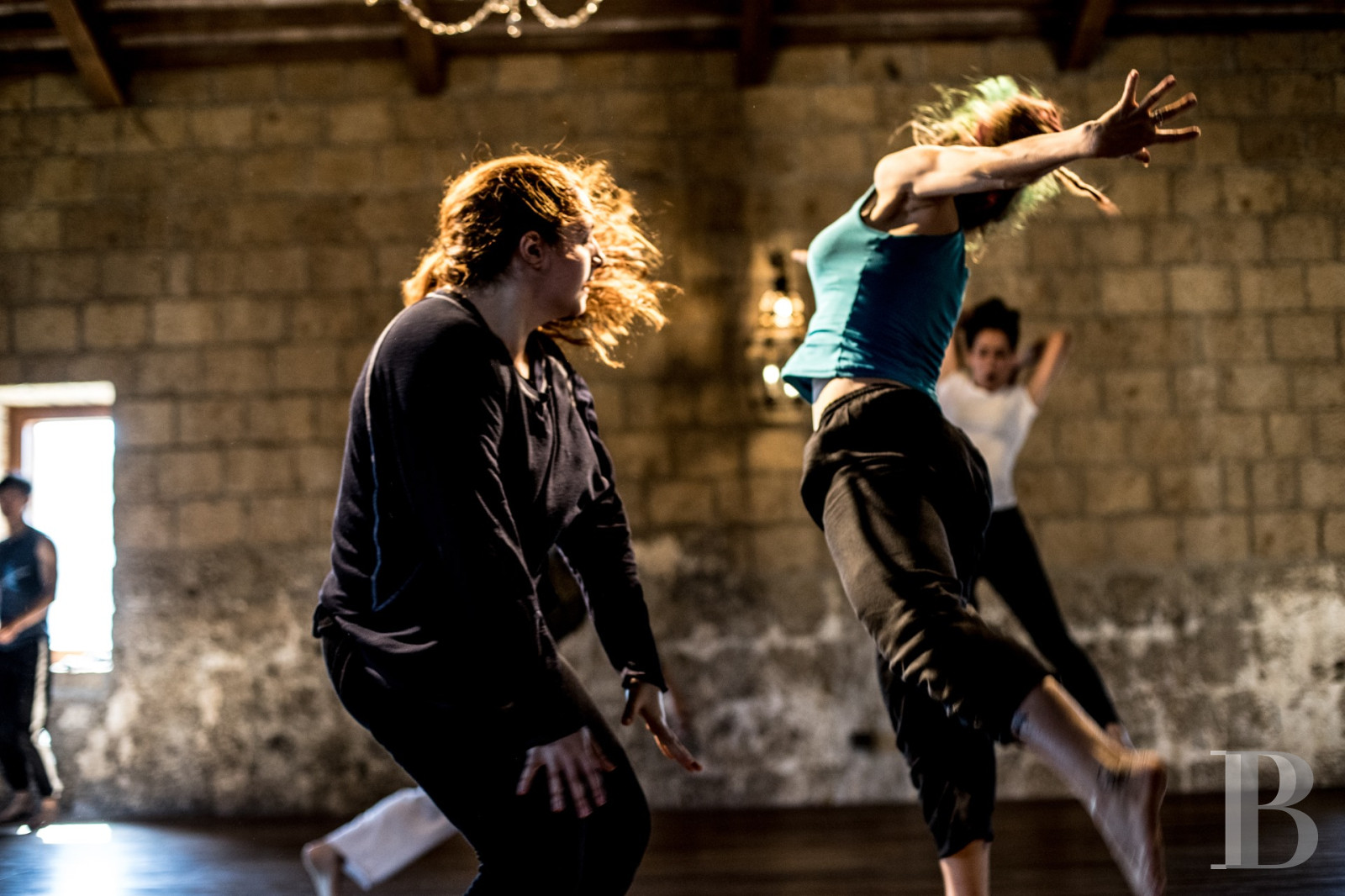
Written sources from the 10th century mention a Benedictine monastery founded in 962, with a community of around 20 monks. In 1146, the abbey became Cistercian, in the Fontevivo filiation, and therefore in the Clairvaux filiation. There is proof of the presence of abbots in the monastic complex until the 14th century. The abbey was dissolved and abandoned at the end of the Middle Ages, and was used as a stable in the following century. From 1870, the building was occupied by a farm. The church was used as a stable, the crypt as a pigsty, the lay building as a warehouse, the guest house as a boathouse and the bell tower as a barn. The restoration project, which began in 1994, took around 20 years to complete and required considerable resources. The abbey has retained its agricultural vocation, which is now organic, and offers bed and breakfast accommodation. Since 2012, it has been home to the Flöz Akademie, a centre for artistic creation and meetings.
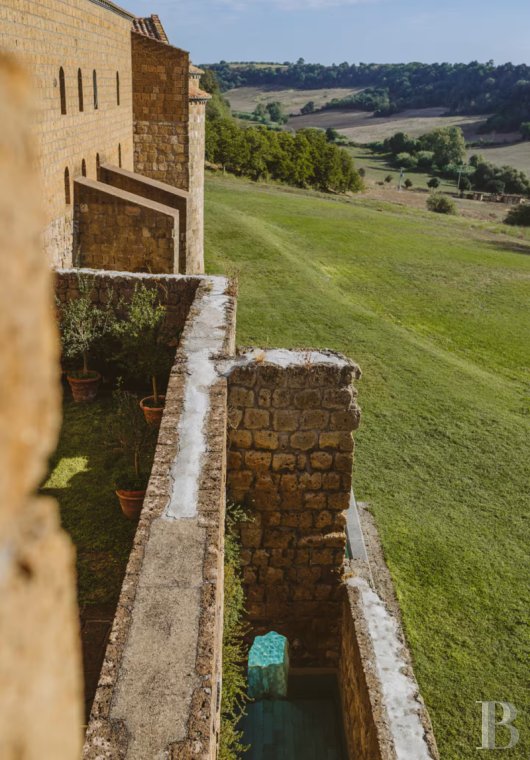
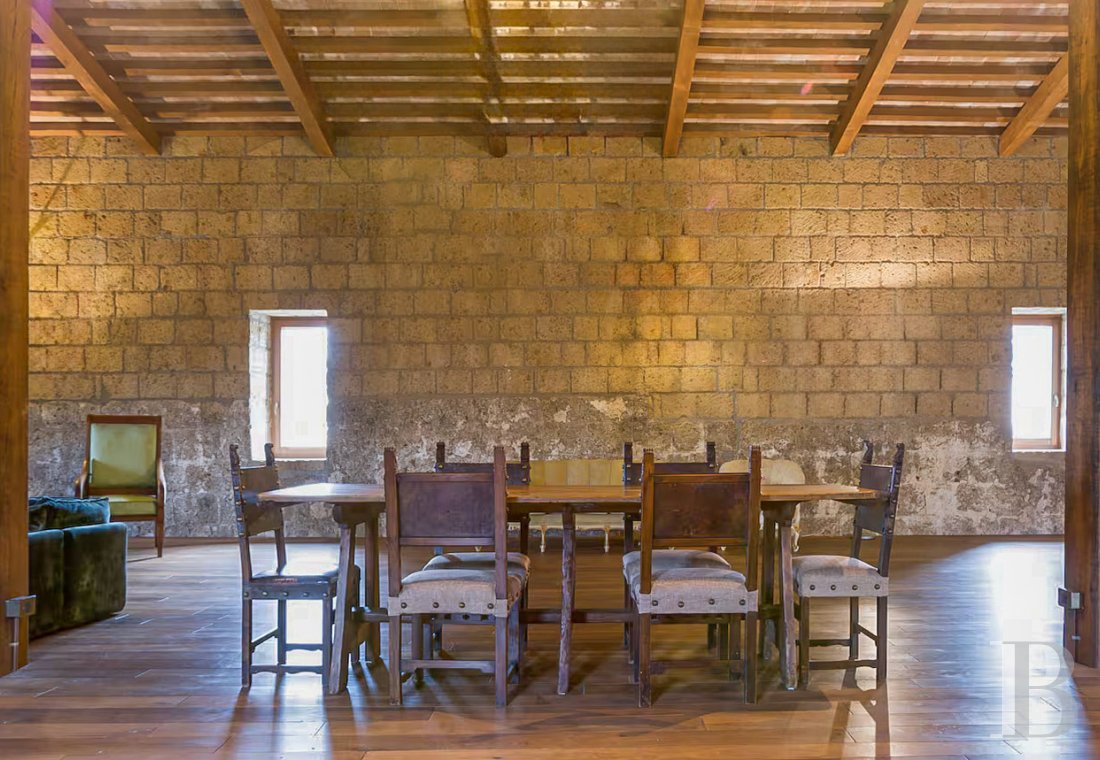
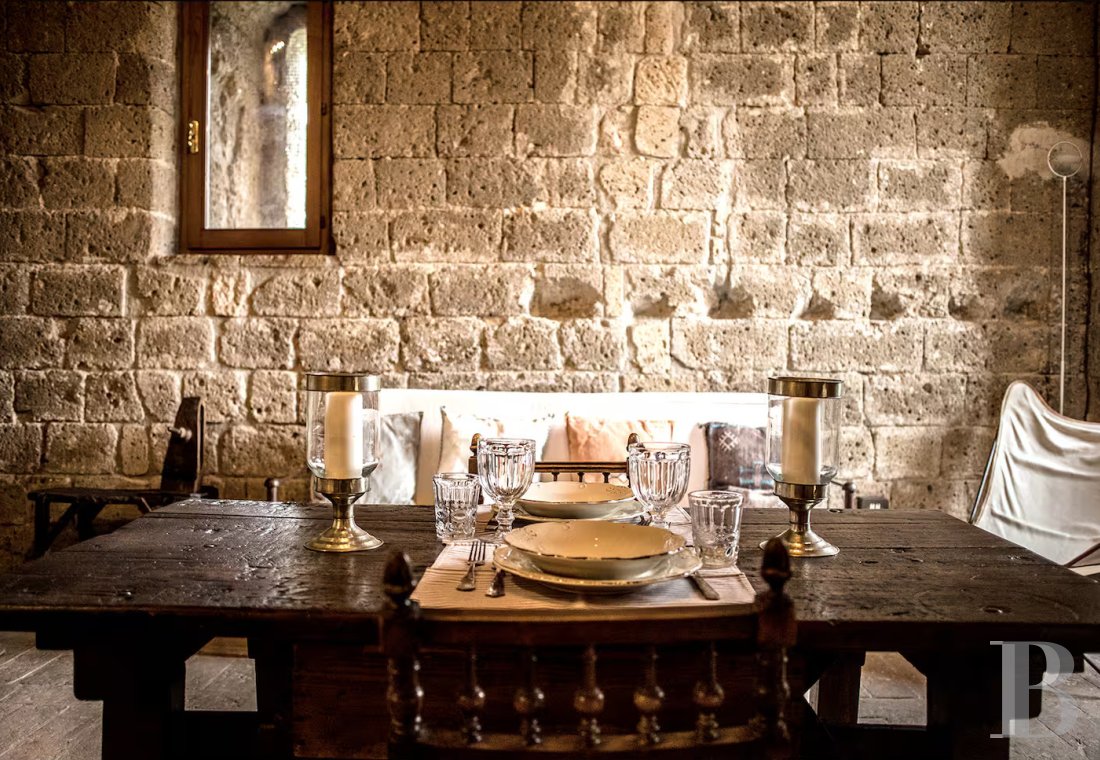
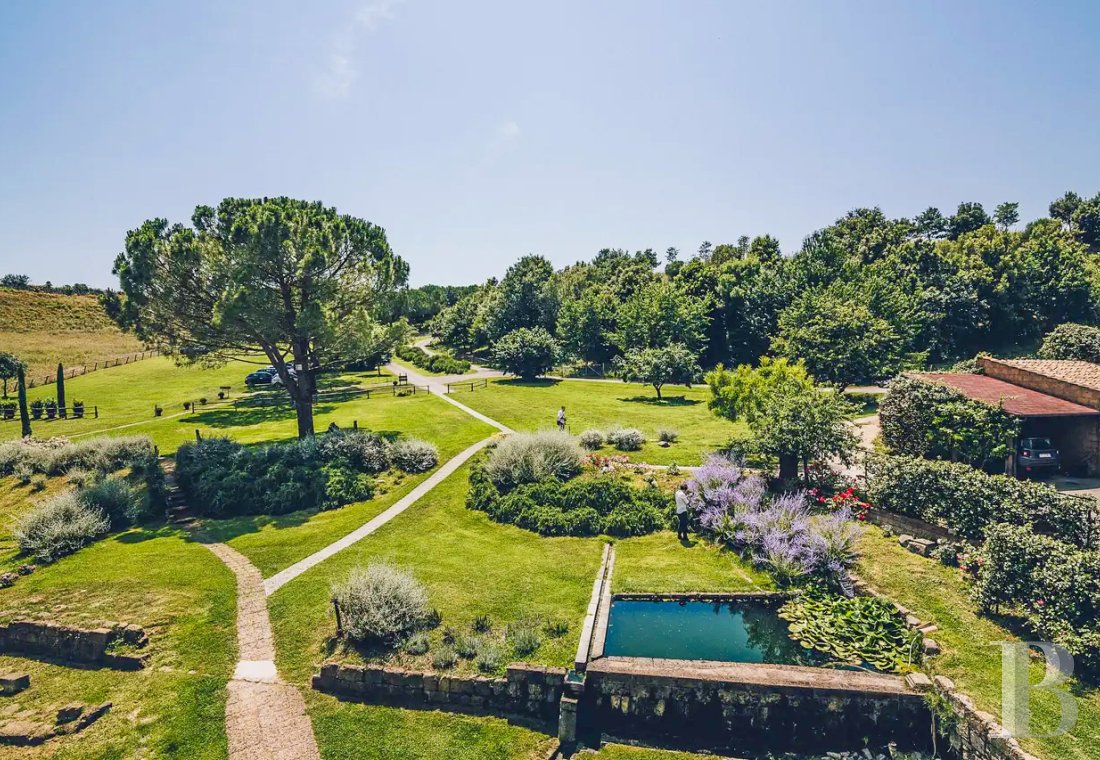
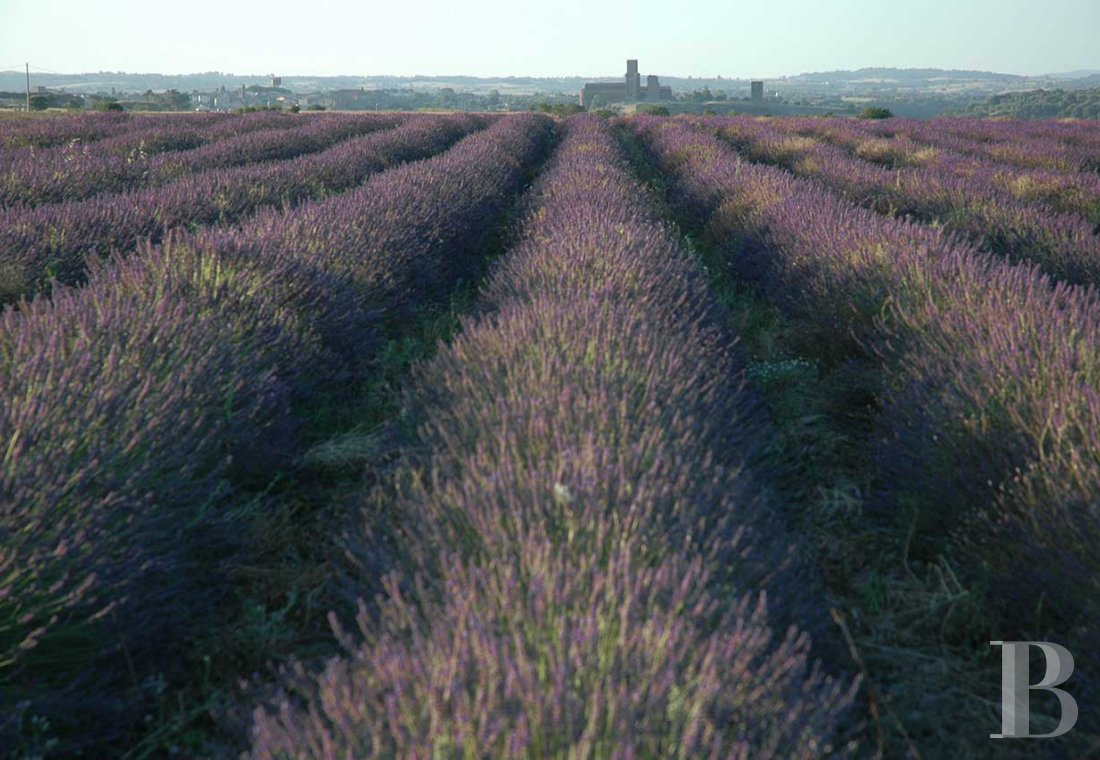
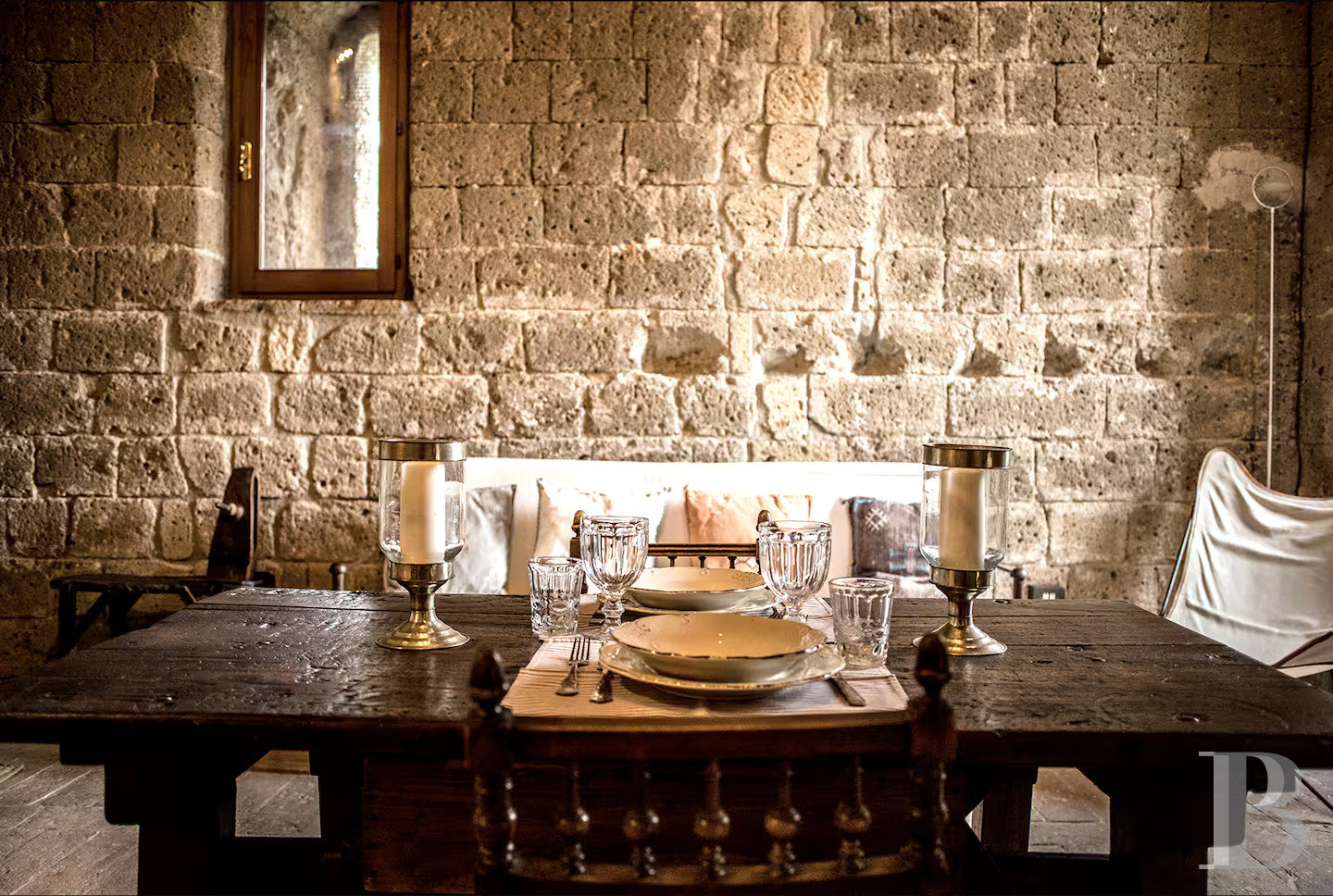
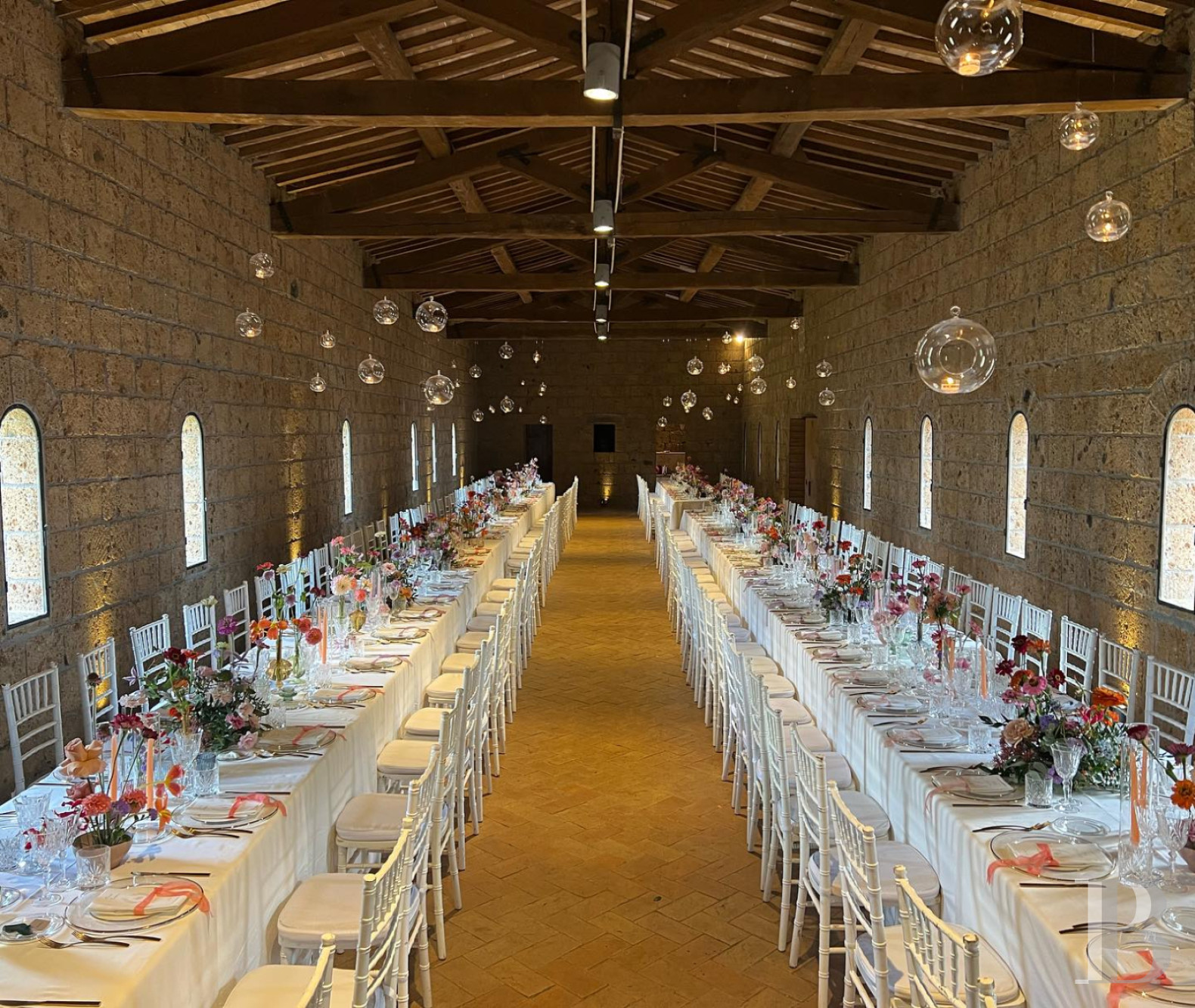
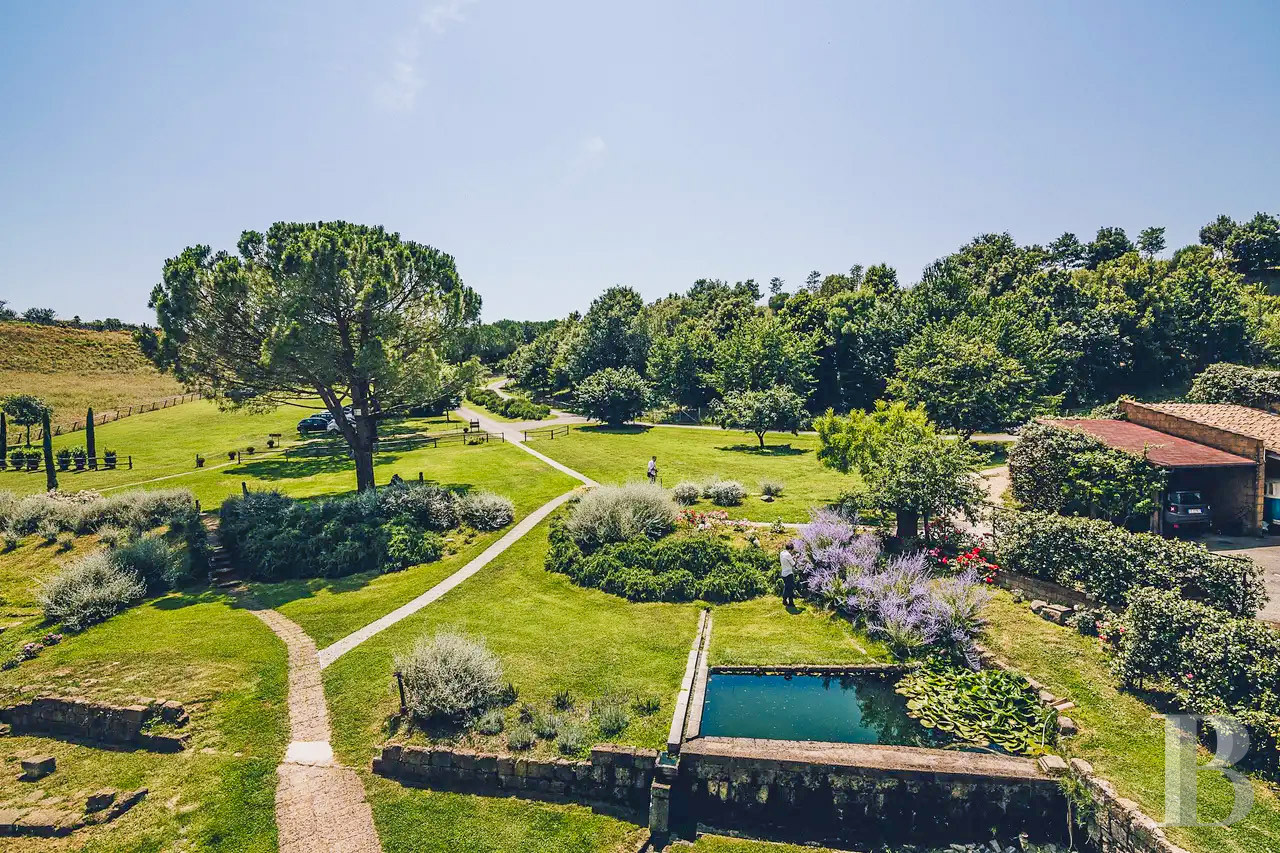
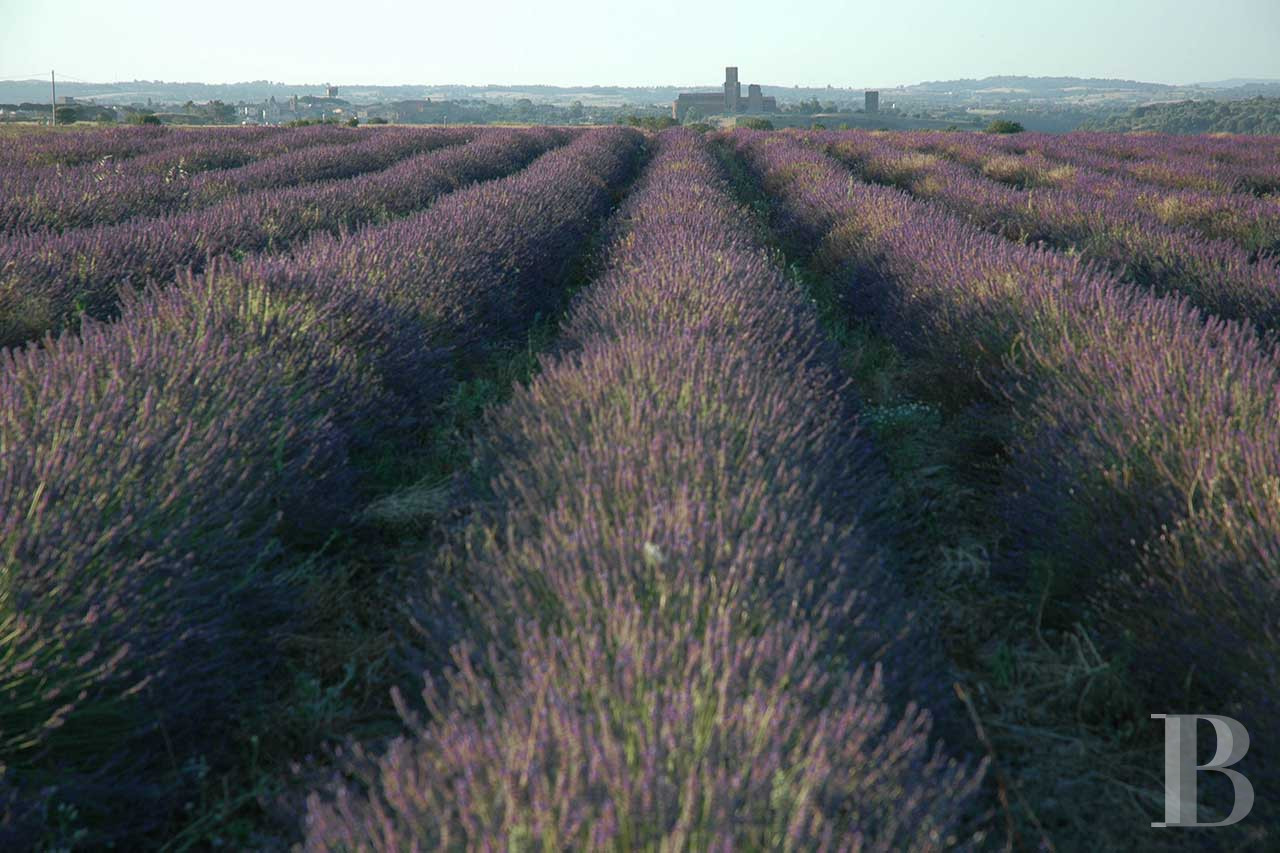
It is a magical place, for those who love the simplicity of the Italian countryside, the beauty and grandeur of an ancient monastery surrounded by the valley of the river Marta, and nestled among fields of lavender and olive trees. Breakfast is homemade, using local, seasonal ingredients from our 100% organic farm. We are eco-sustainable and energy self-sufficient. Meals are available in the monks' refectory or in the cloister, by prior arrangement. We grow six hectares of helichrysum and twelve hectares of lavender, whose fields flower between June and July. Our guests can then pick lavender and discover the distillation process for extracting essential oils from medicinal plants.
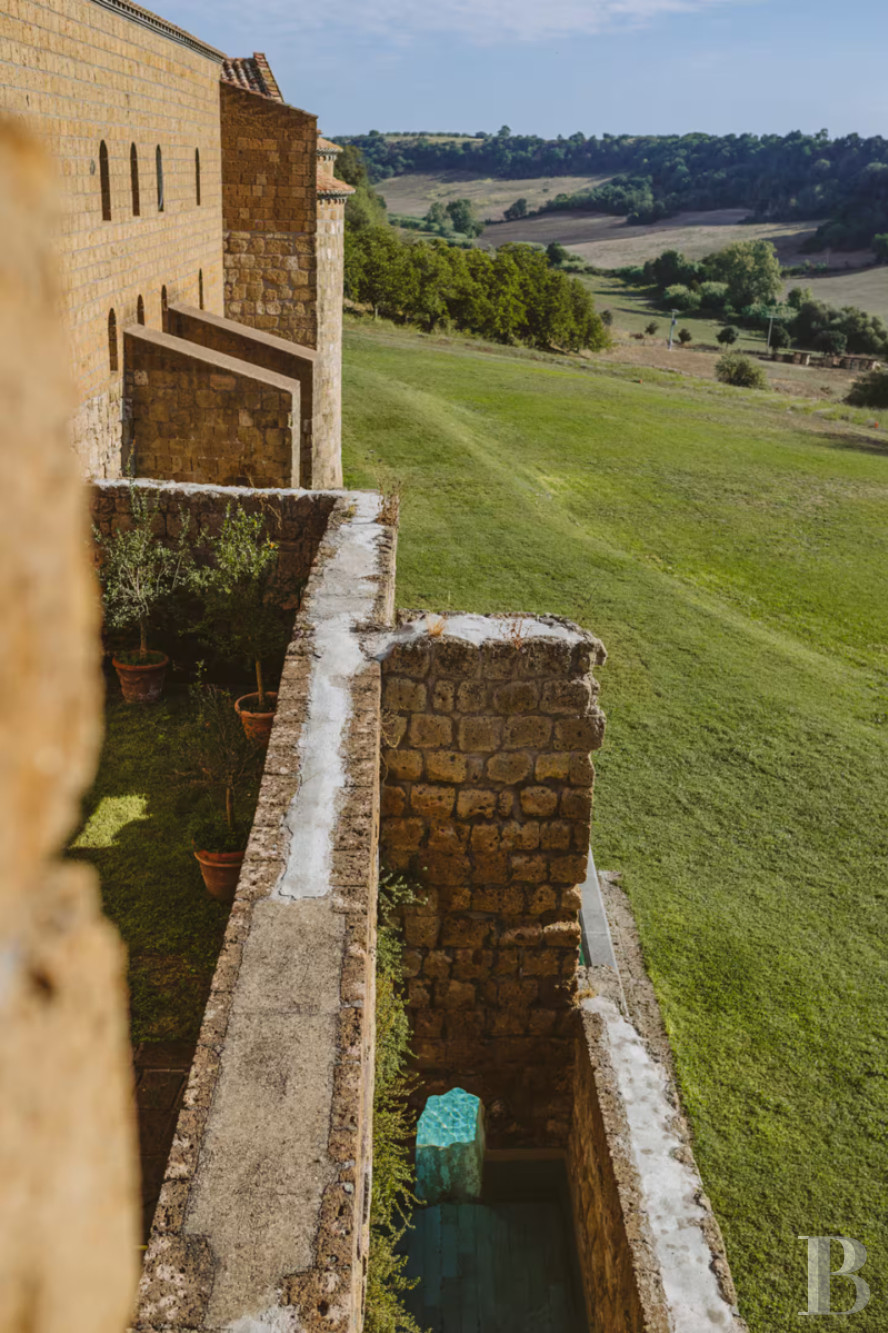
The Torre di Lavello park offers magnificent views of San Pietro and Santa Maria, as well as the Marta river valley. Sutri, a medieval village, is home to Etruscan tombs, a Roman theatre and a famous Mitreo. Civita di Bagnoregio is one of Italy's most beautiful villages, and the surrounding landscape is breathtaking. The Palazzo Farnese in Caprarola is one of the finest examples of Renaissance architecture. Giardino dei Tarocchi, a sculpture garden created by Niki de Saint Phalle in Pescia Fiorentina. The Moutan botanical centre in Vitorchiano is Europe's largest peony garden. Feniglia and Giannella are the most beautiful beaches in the region. Chiarone beach, with its 14 kilometres of coastline and nature, is our favourite.
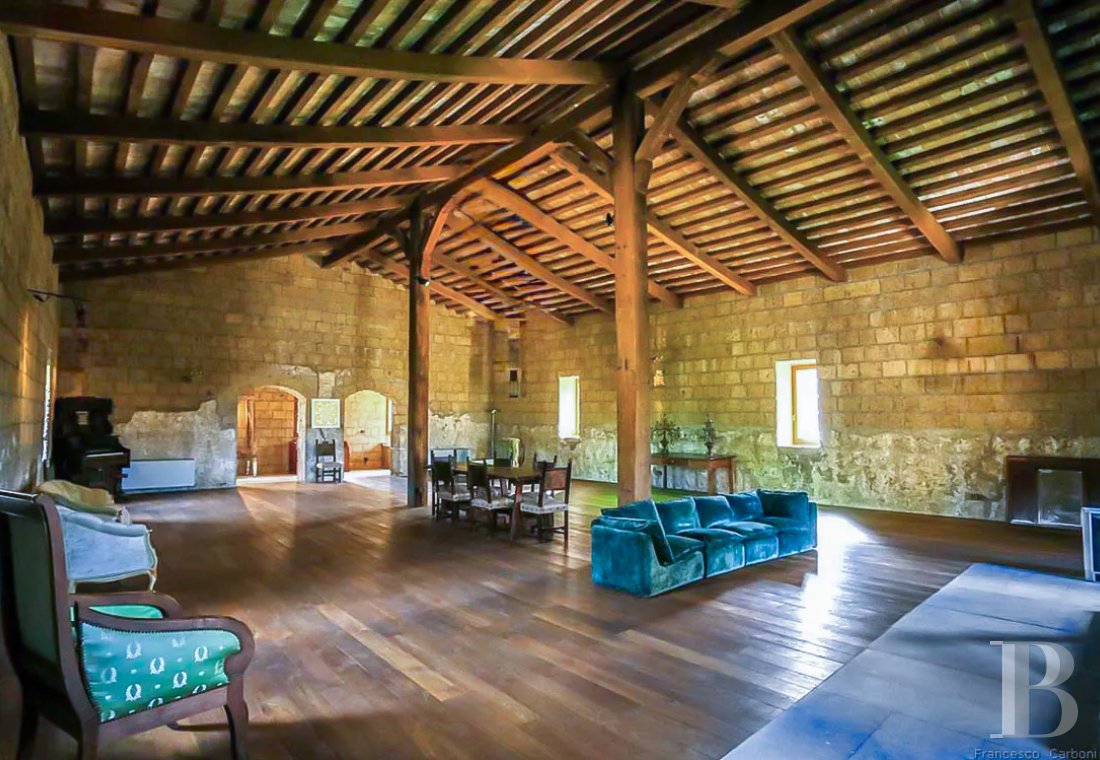
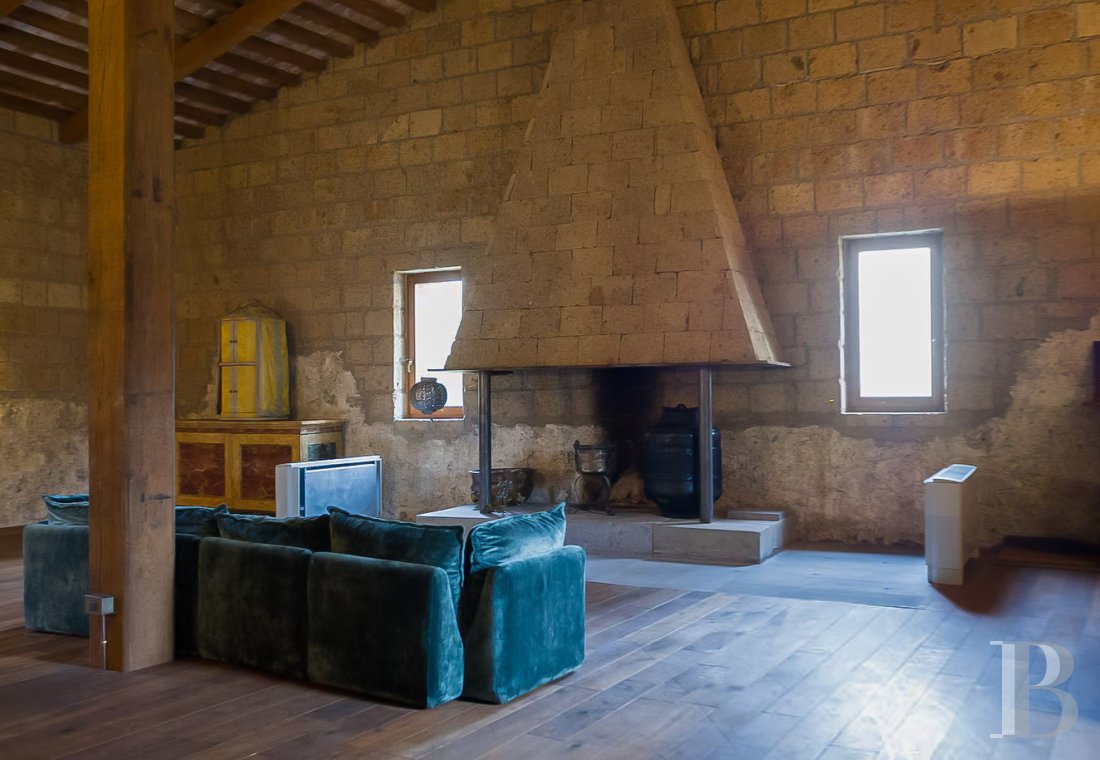
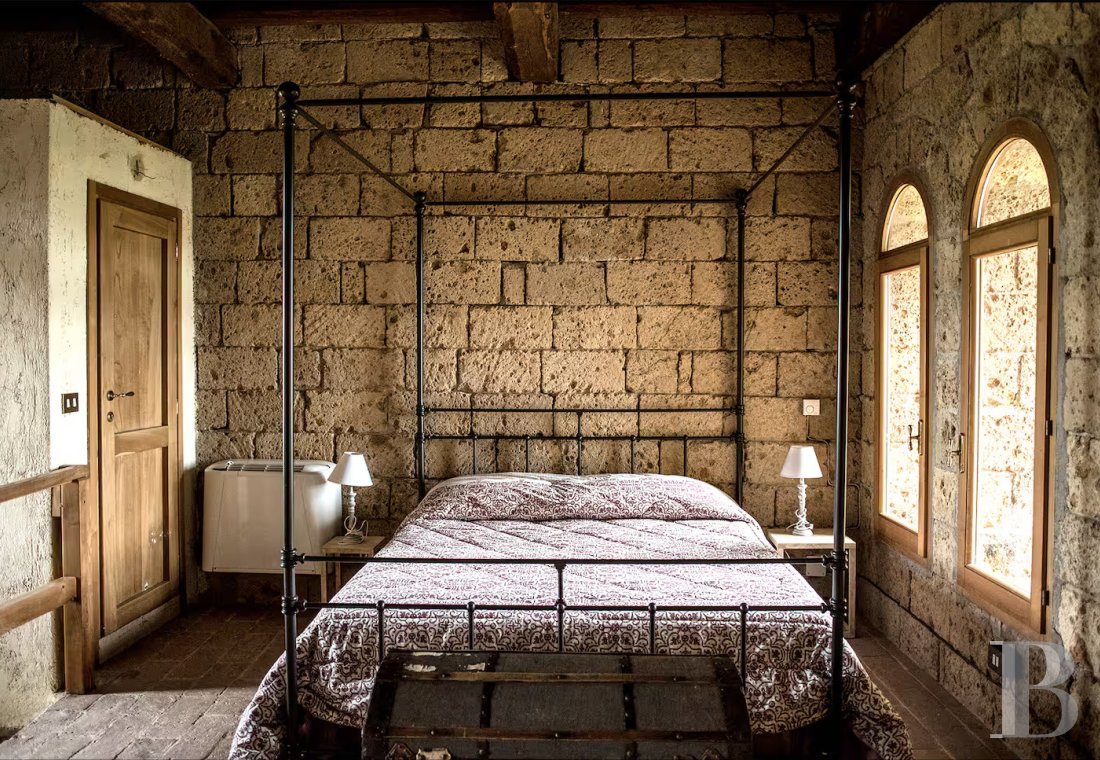
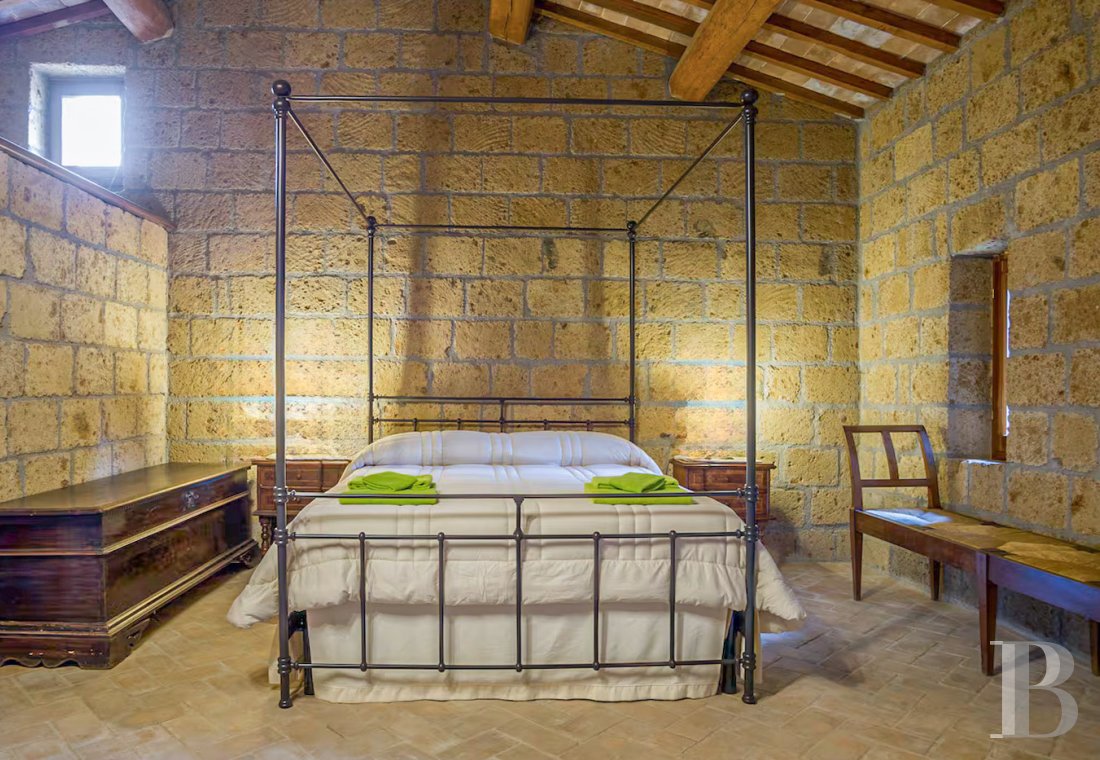
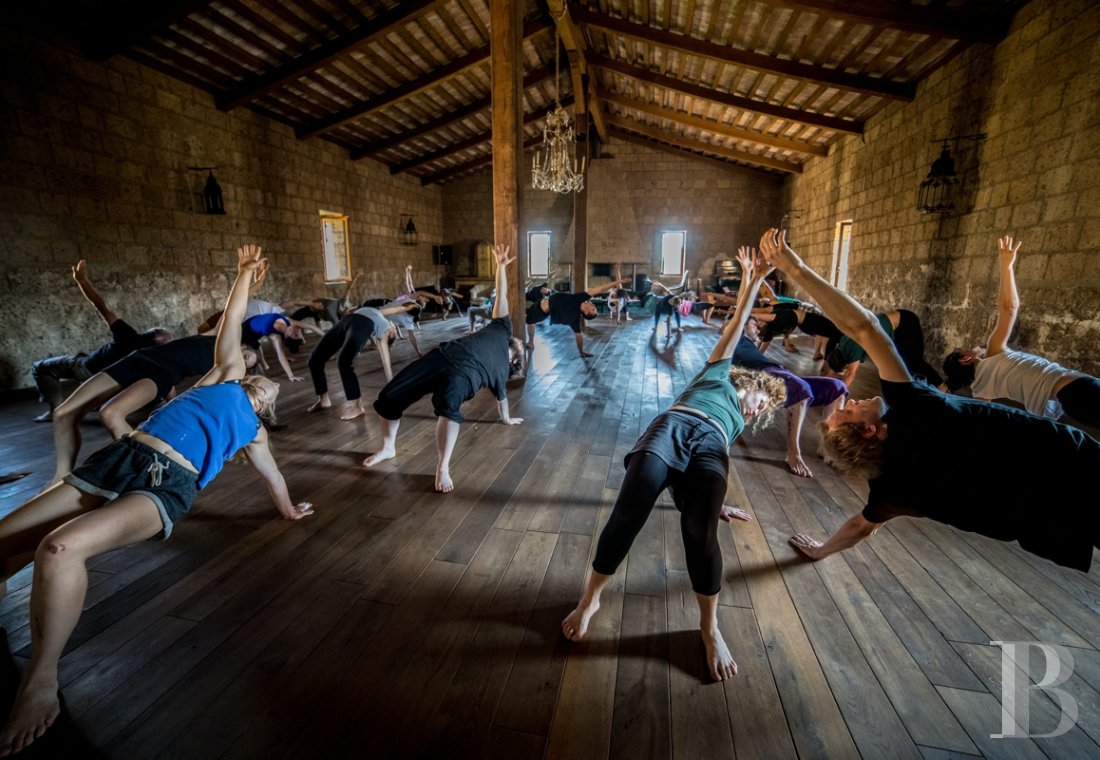
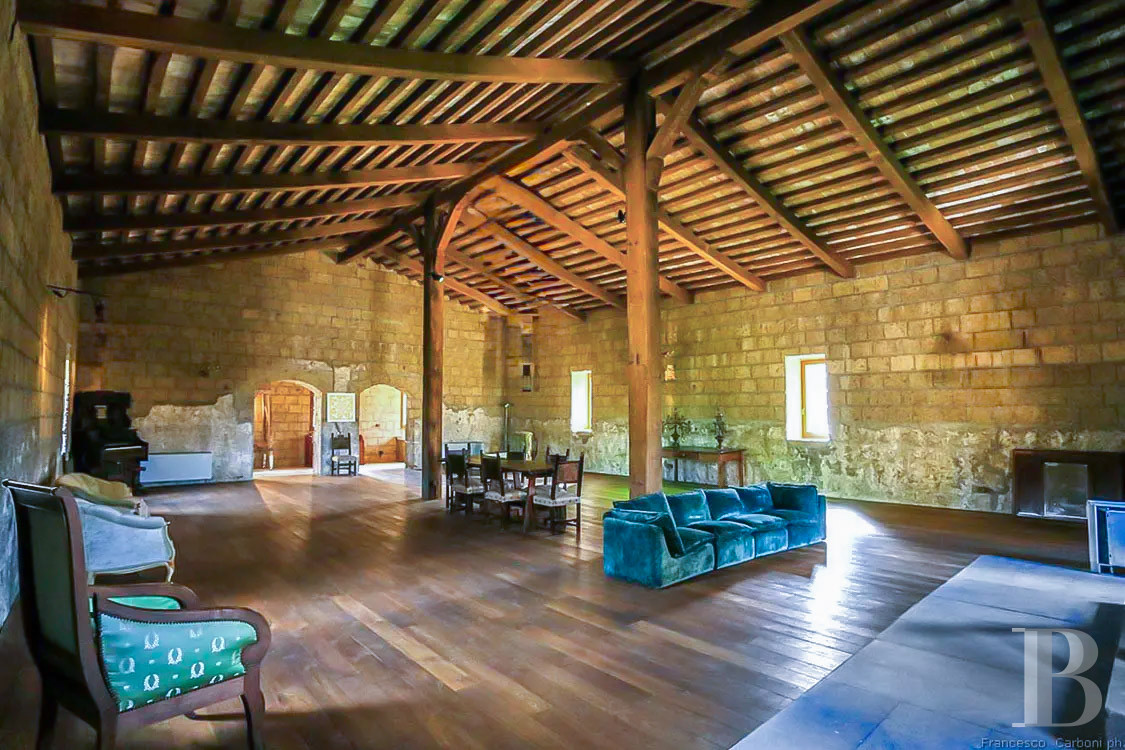
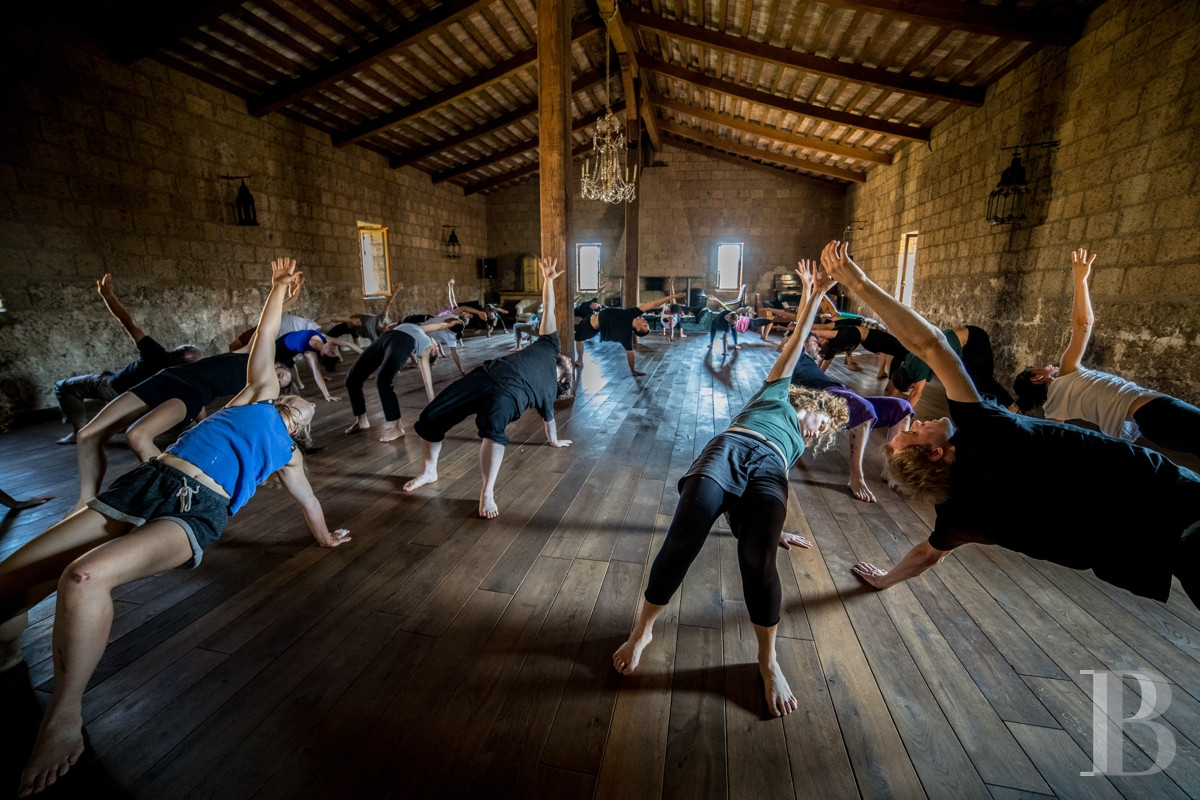
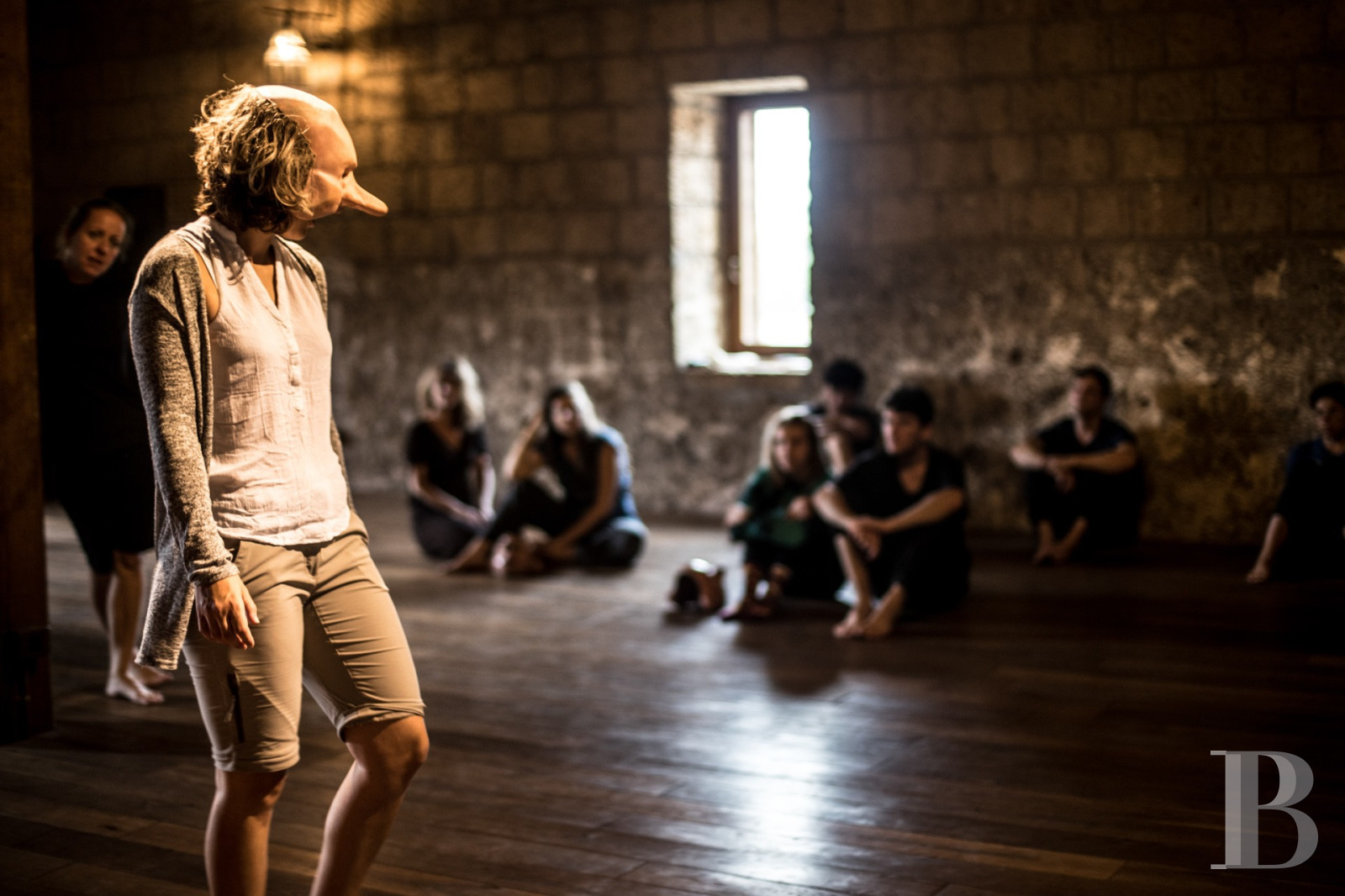
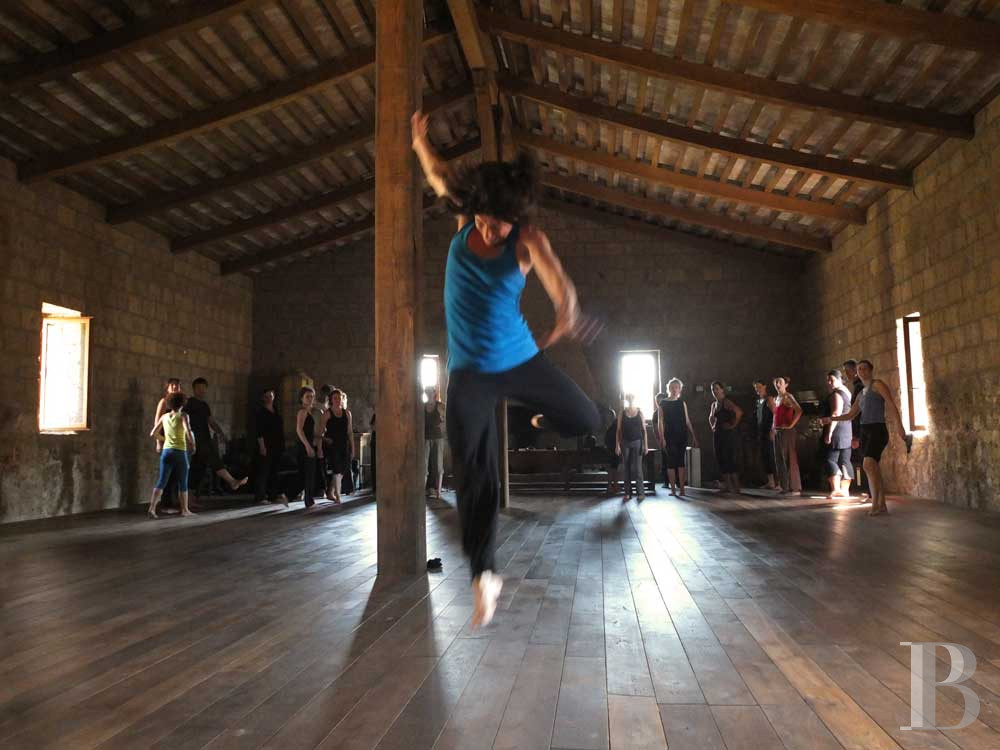
Set in a tranquil valley conducive to study and reflection, with rustic nature as a source of inspiration, the abbey is an ideal venue for working seminars, theatre workshops and yoga/meditation retreats. Participants can relive the monastic experience by sleeping in the medieval dormitory, sharing meals in the refectory and using the same rooms in which the monks themselves lived eight centuries ago for their activities.
ref 134535
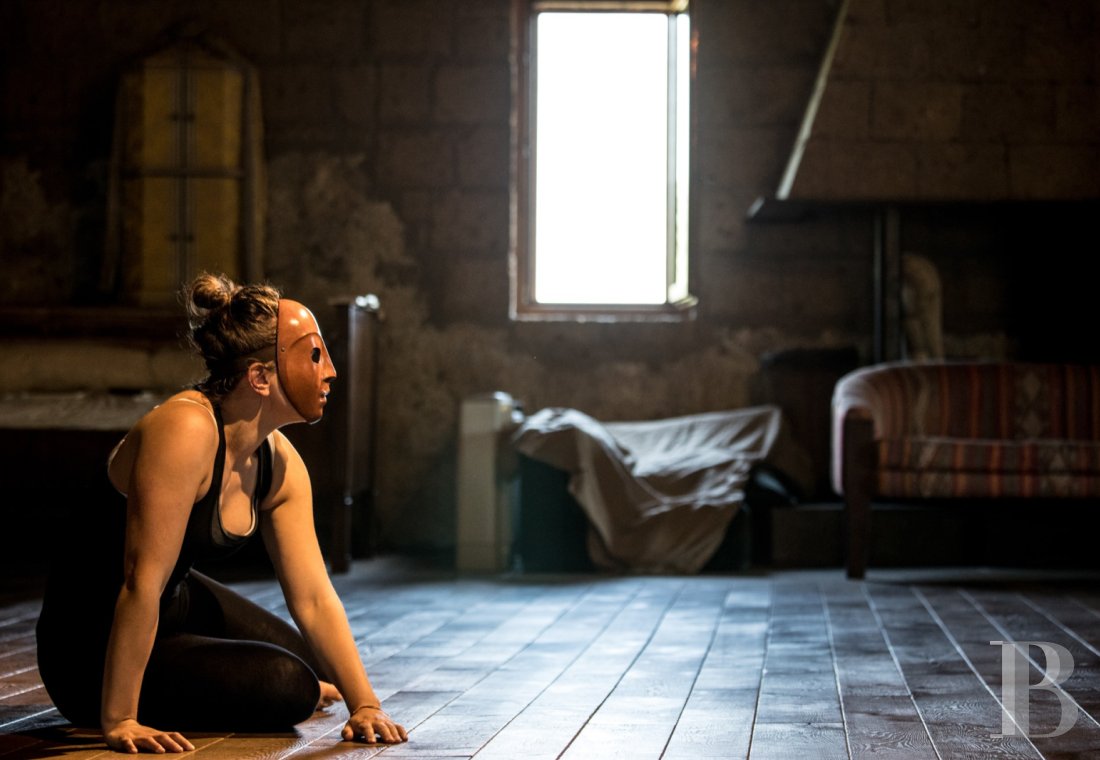
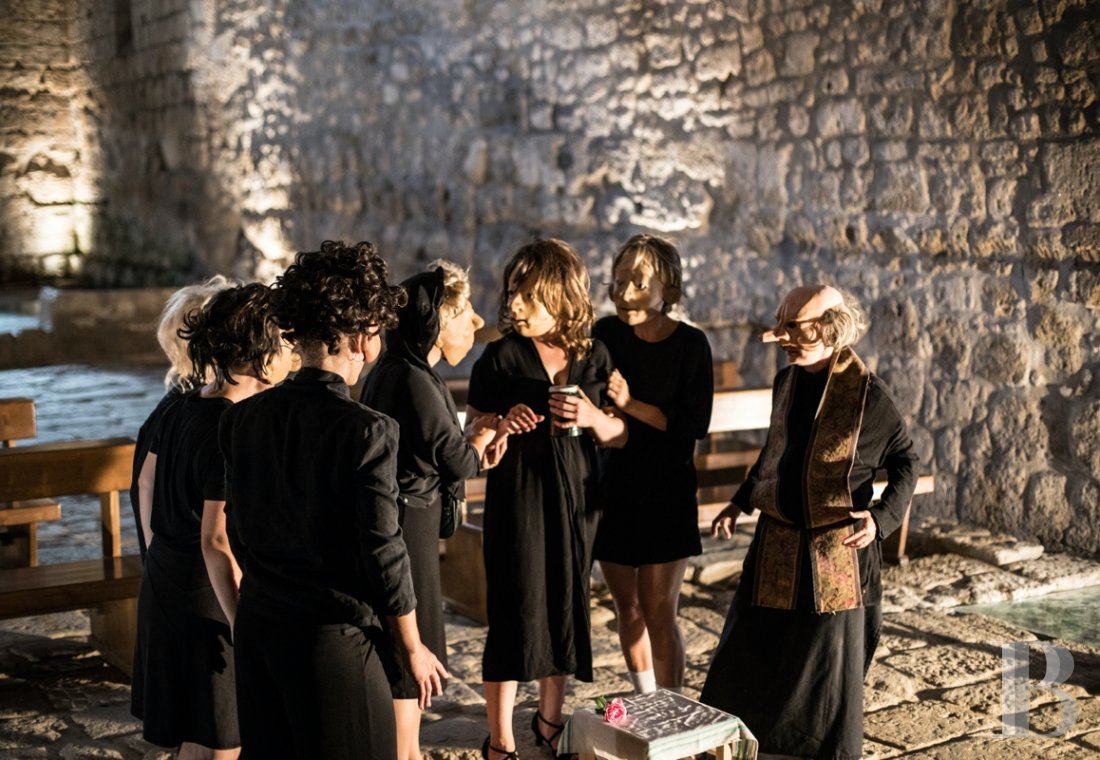
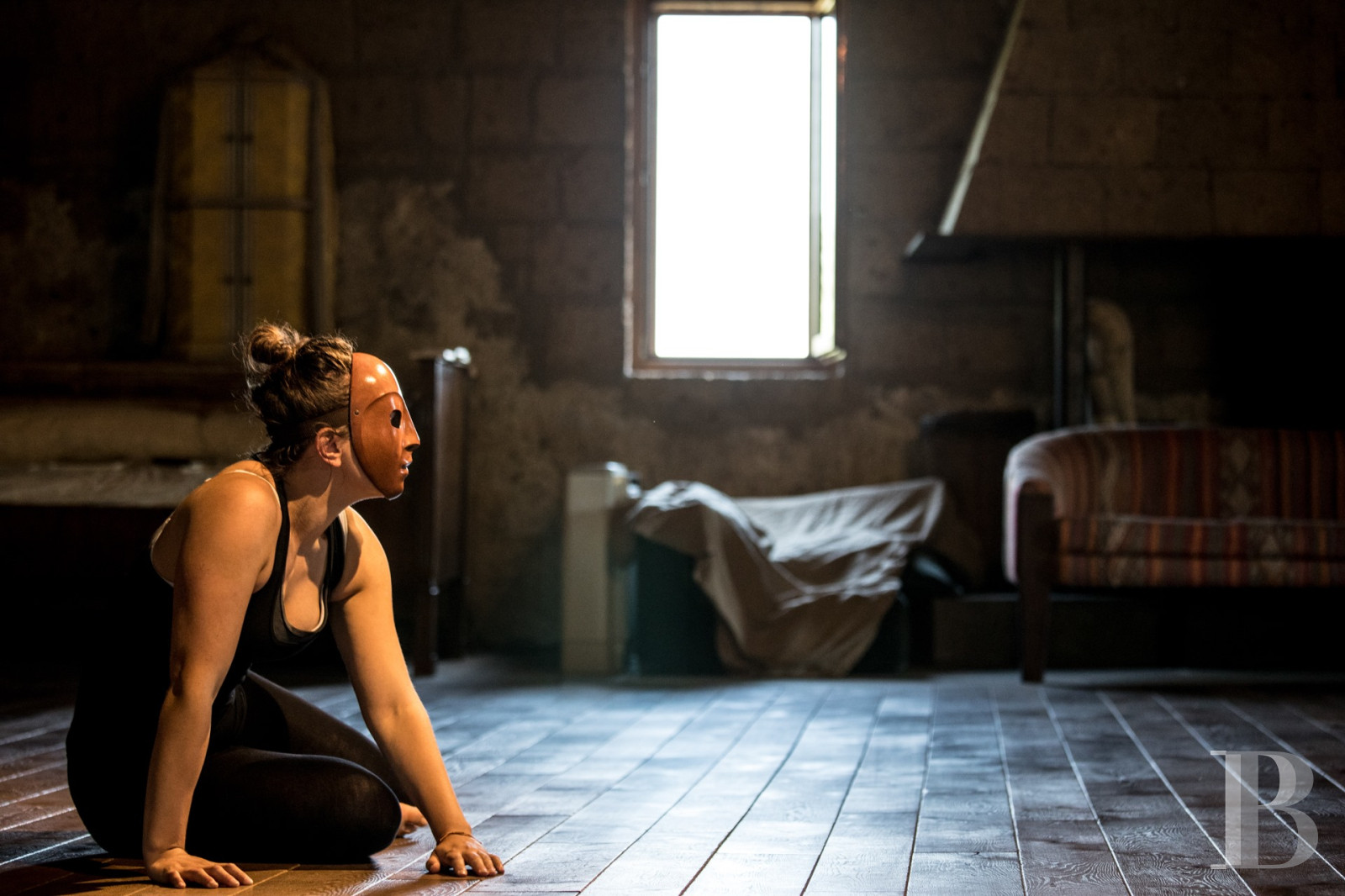
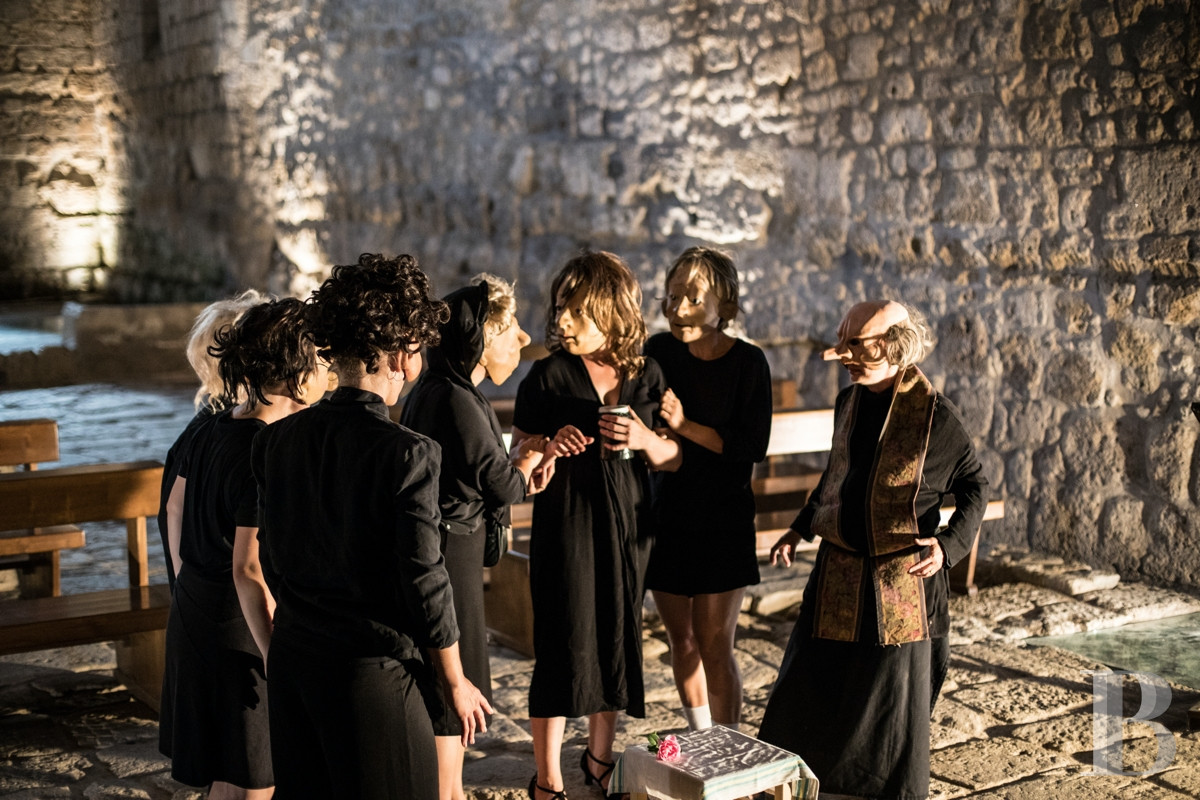
Since 2012, the abbey has been home to the Flöz Sommer Akademie, whose main aim is to share and promote the potential of masked play, an art form that gave birth to European theatre 2,500 years ago.
The abbey is also a certified organic farm that produces lavender, lavandin (lavandula hybrida) and helichrysum, to extract essential oils. It also produces millefiori, lavender and chestnut honeys and a variety of sheep's milk cheeses, from ricotta to robiola, from the youngest to the oldest. It also harvests organic olive oil from the 200 olive trees.
The abbey is open to visitors in summer, from Monday to Friday, and in winter by prior arrangement. Admission is free, but everyone is invited to leave a contribution or to buy one of the products made on the farm.
A link to enter a new password has been sent to you by email.
By continuing your navigation, you accept the use of cookies to offer you services and offers adapted to your centers of interest and to measure the frequentation of our services. Learn more