

Add to favorites
Log in to your personal space
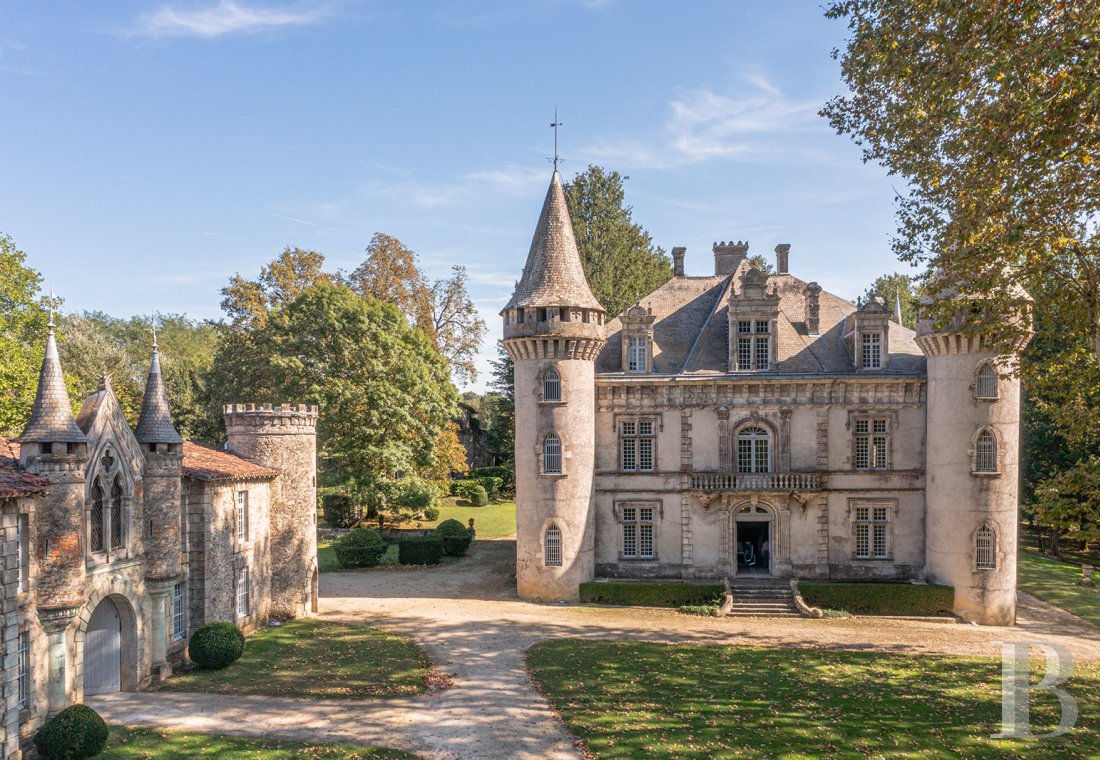
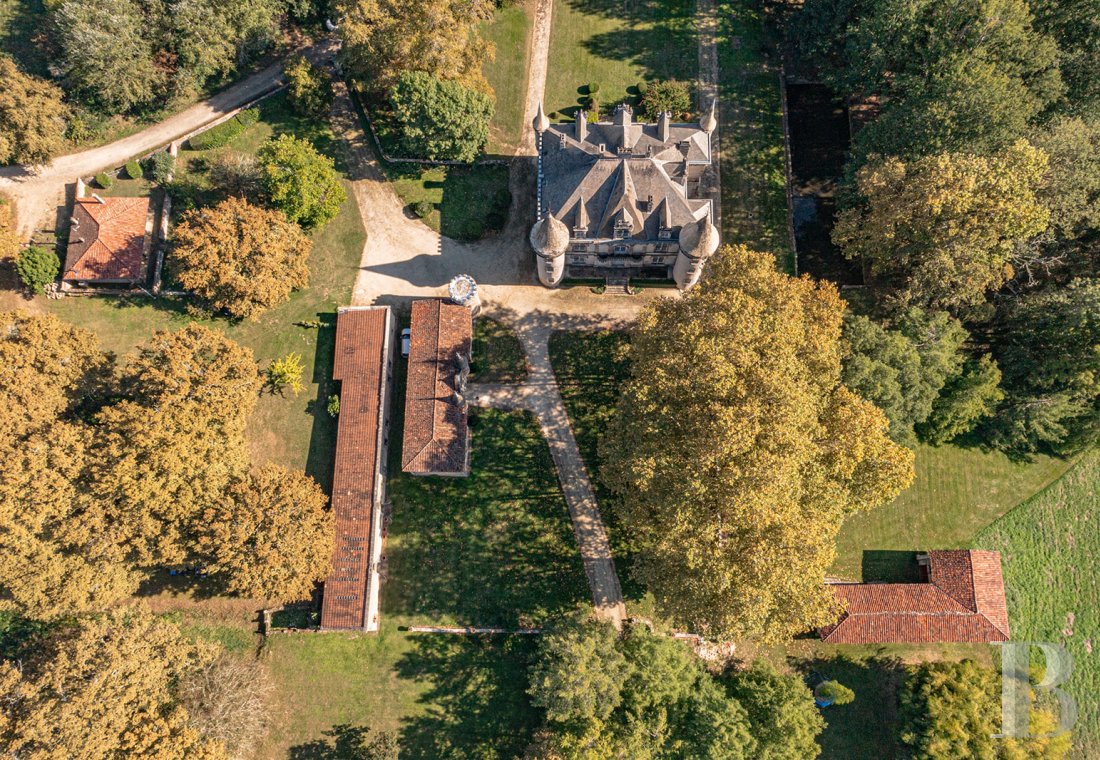
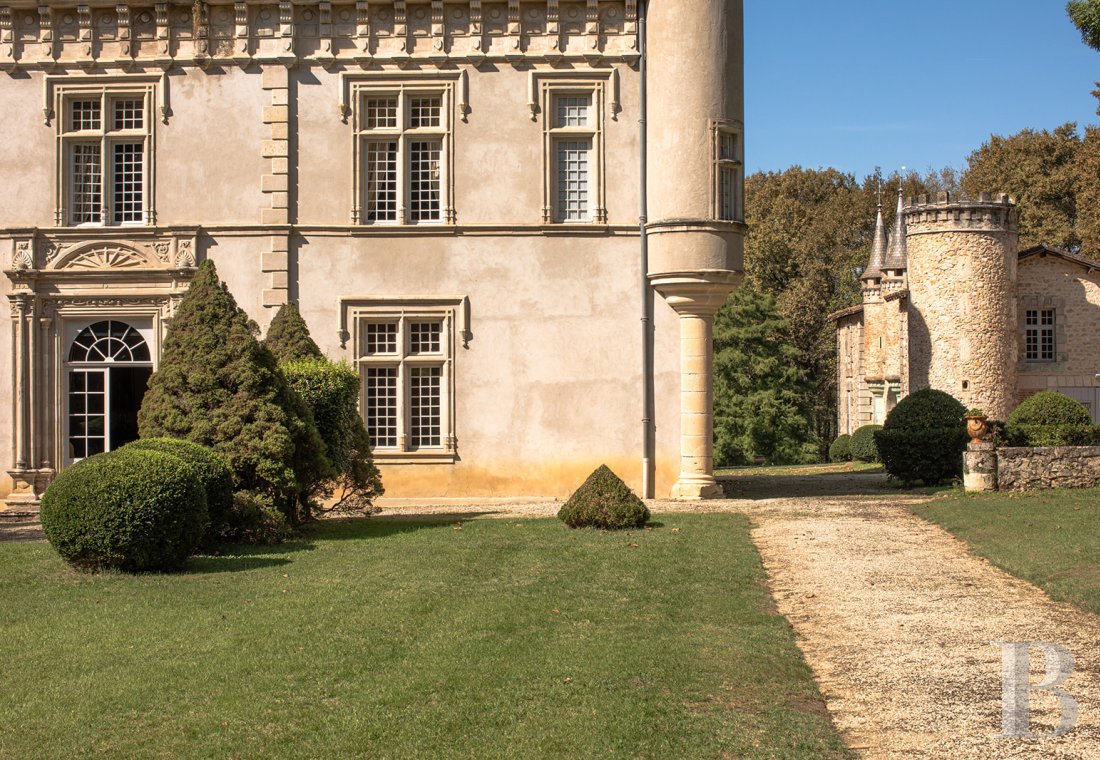
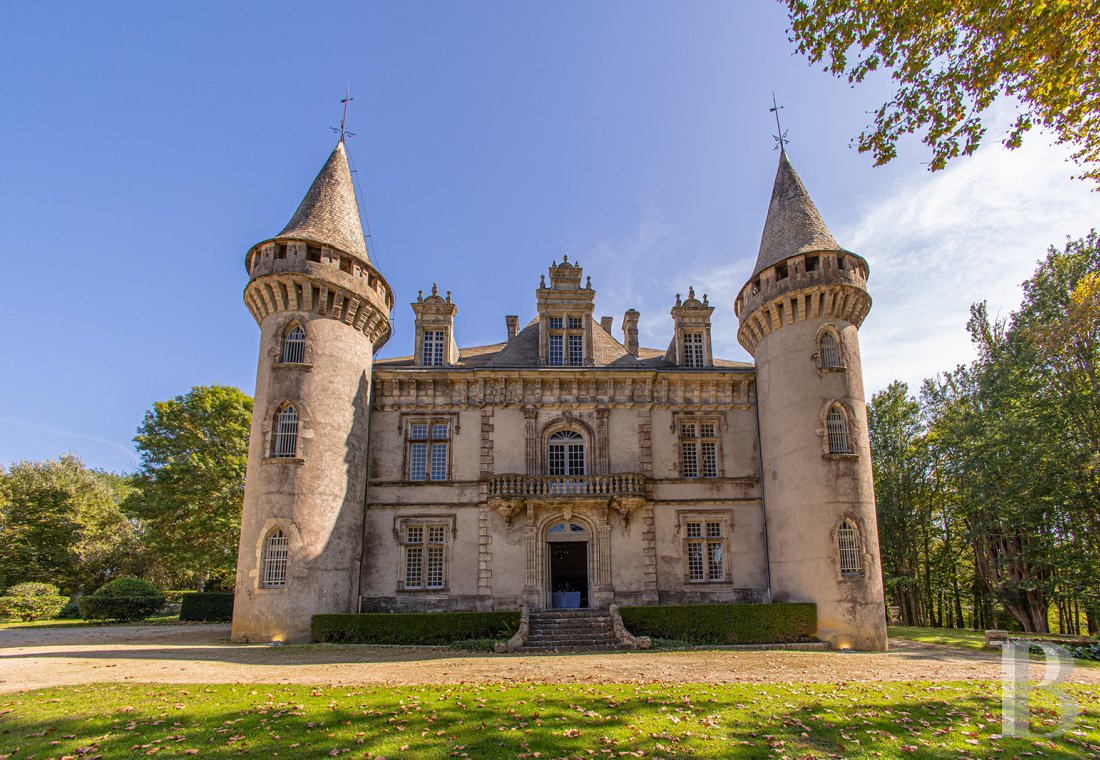
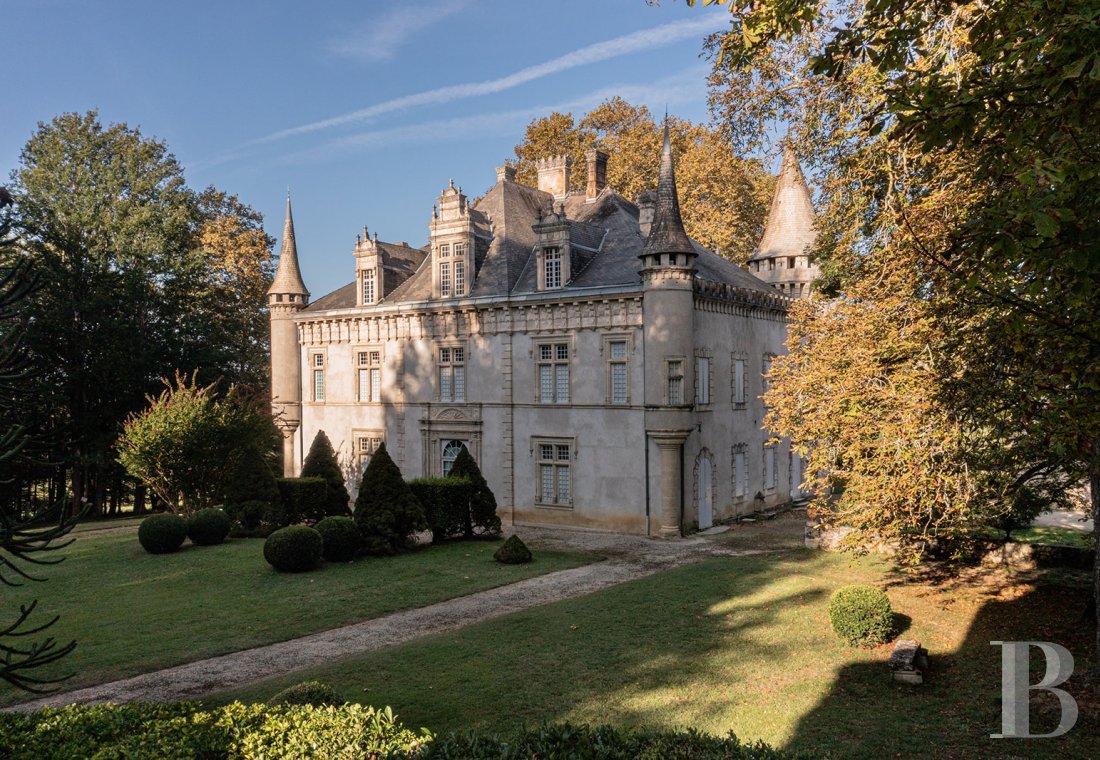
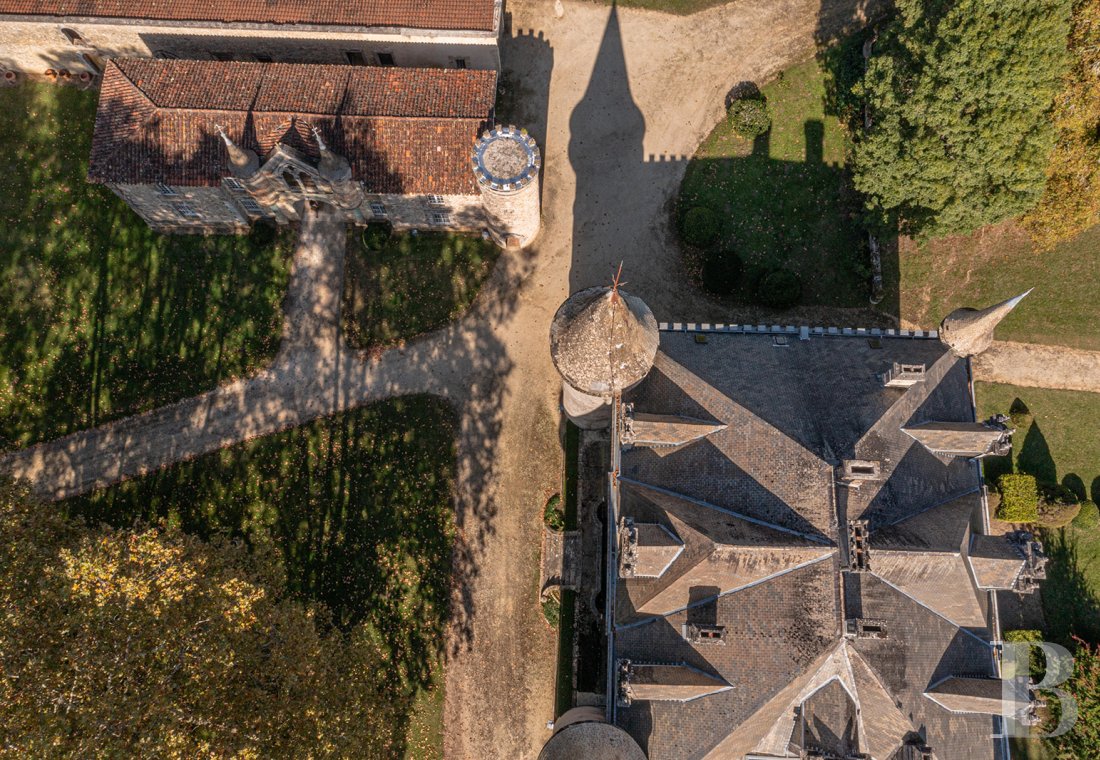
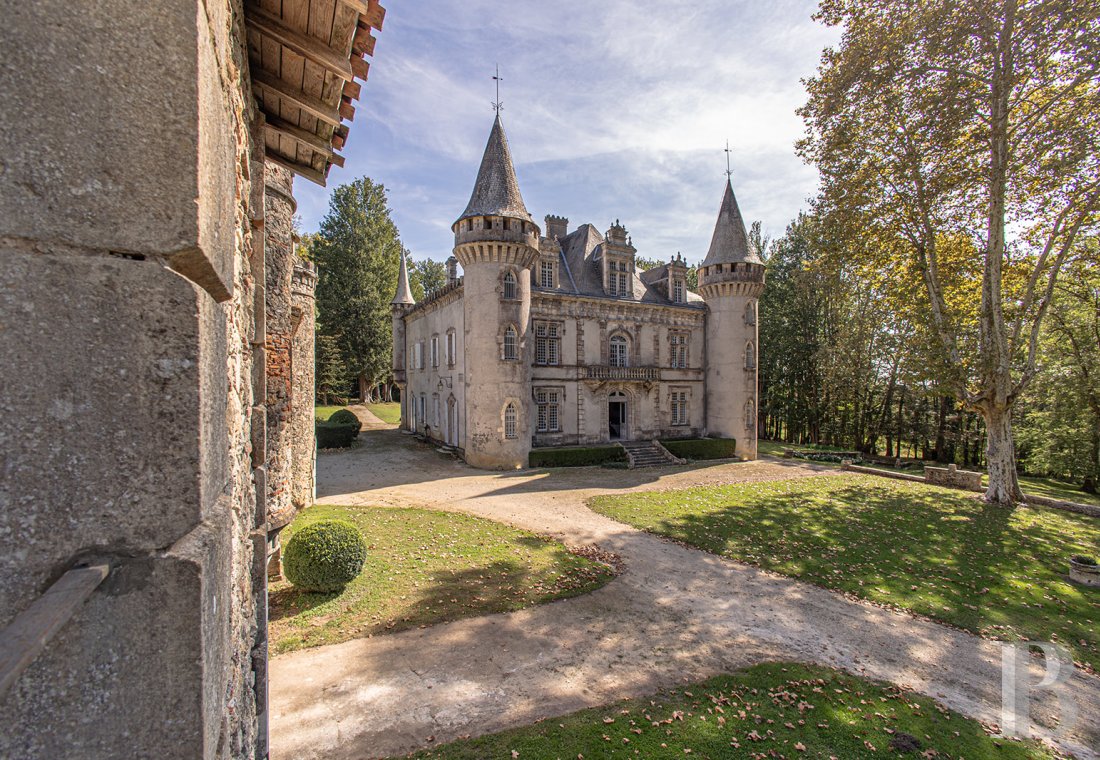
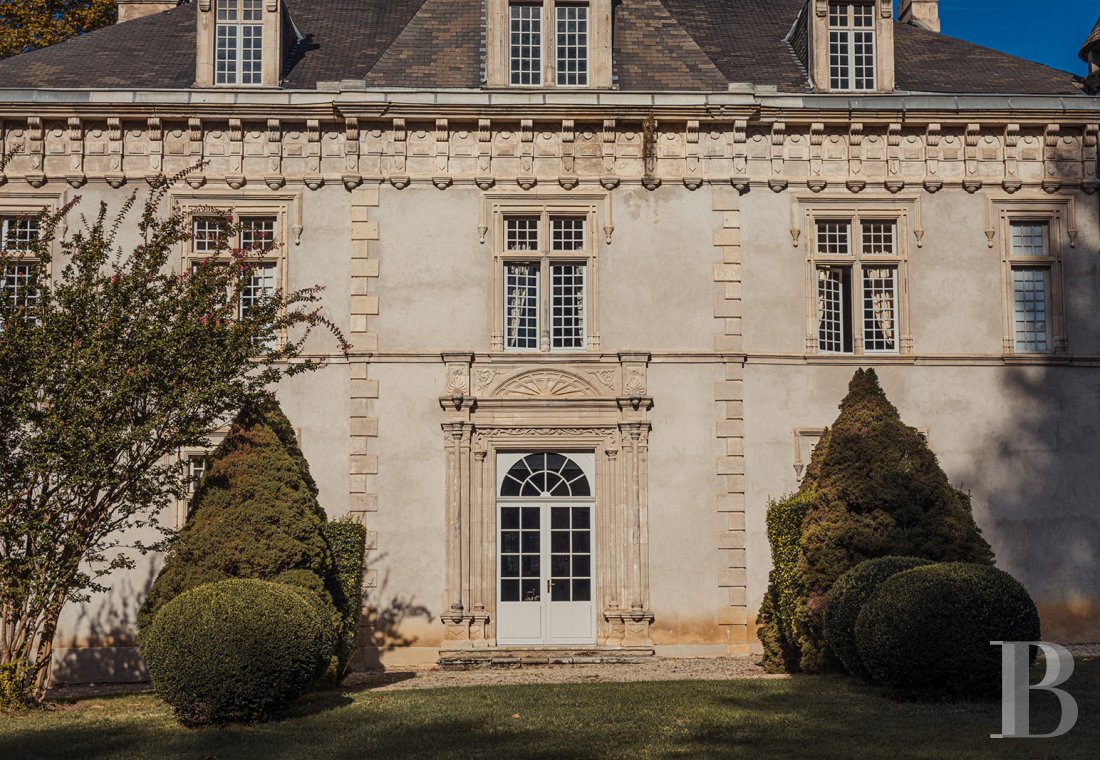
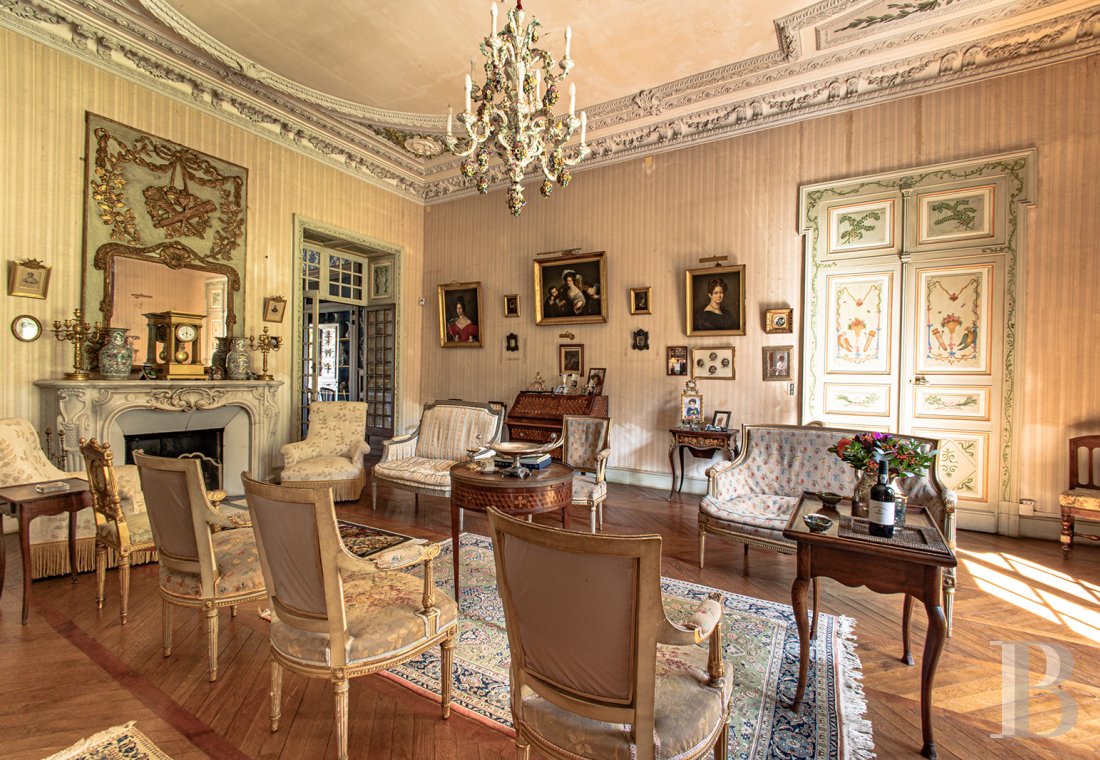
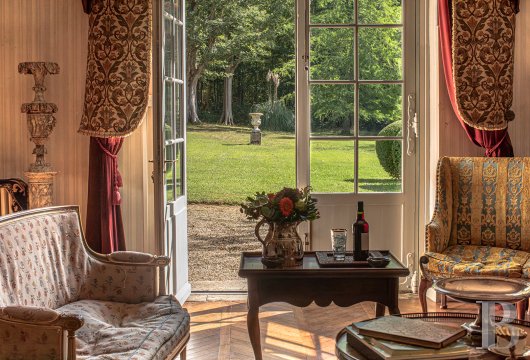
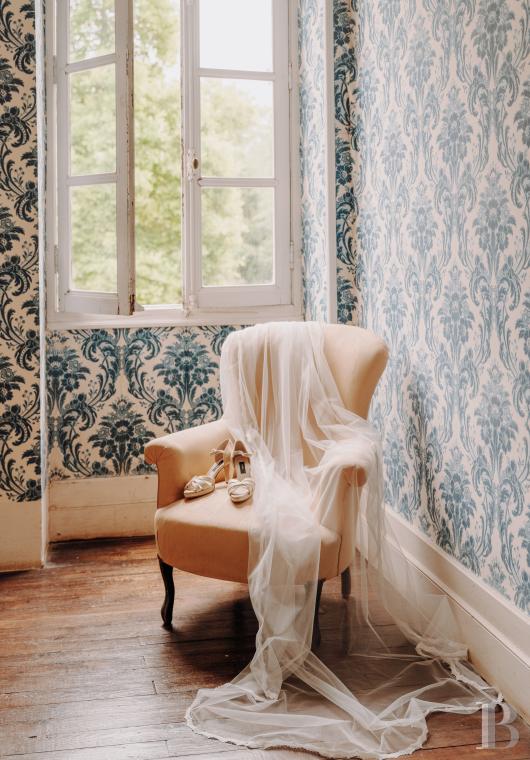
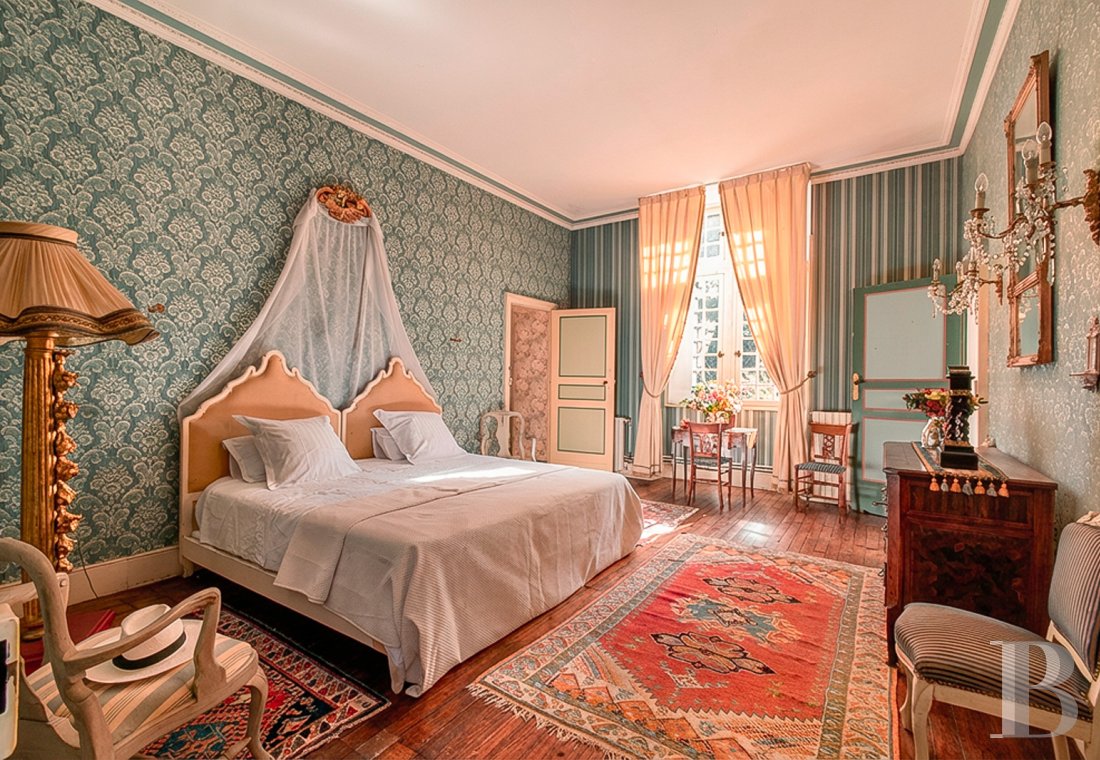
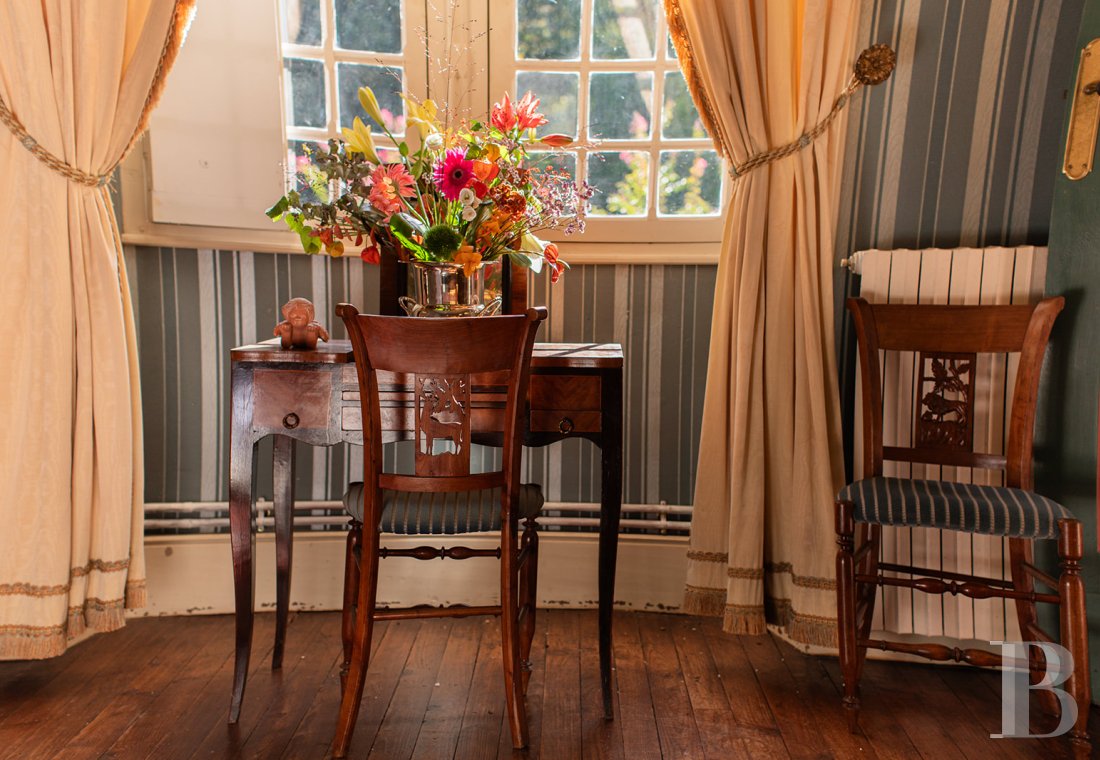
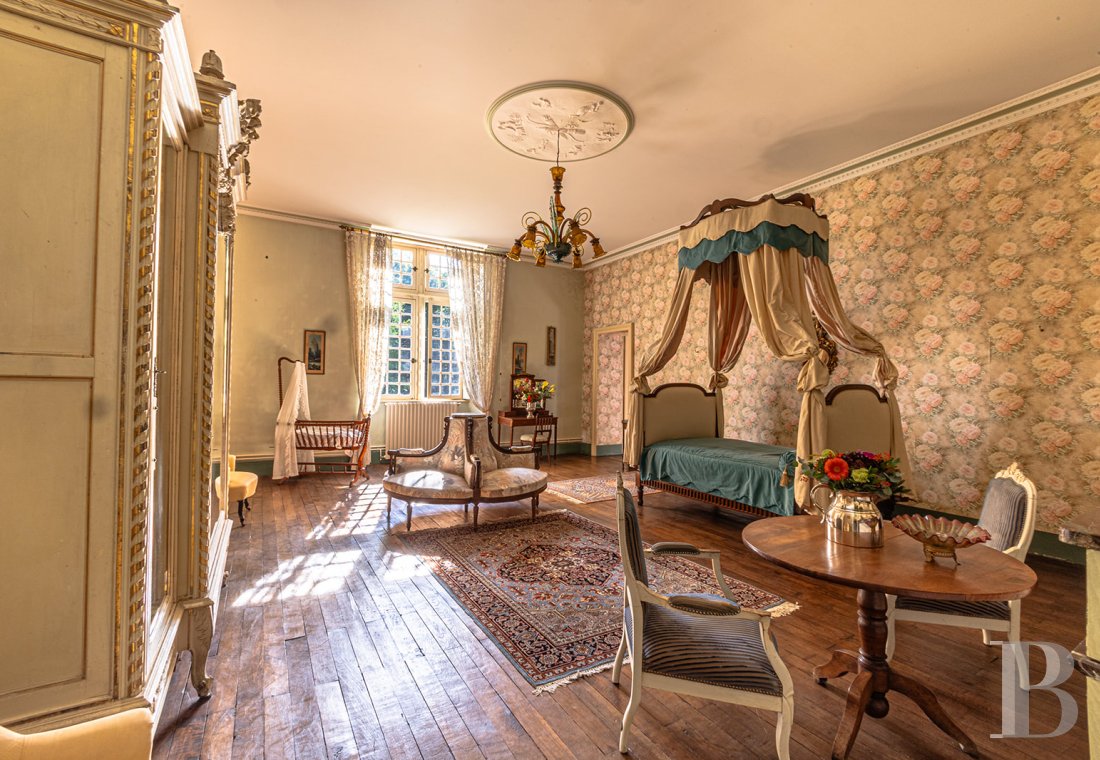
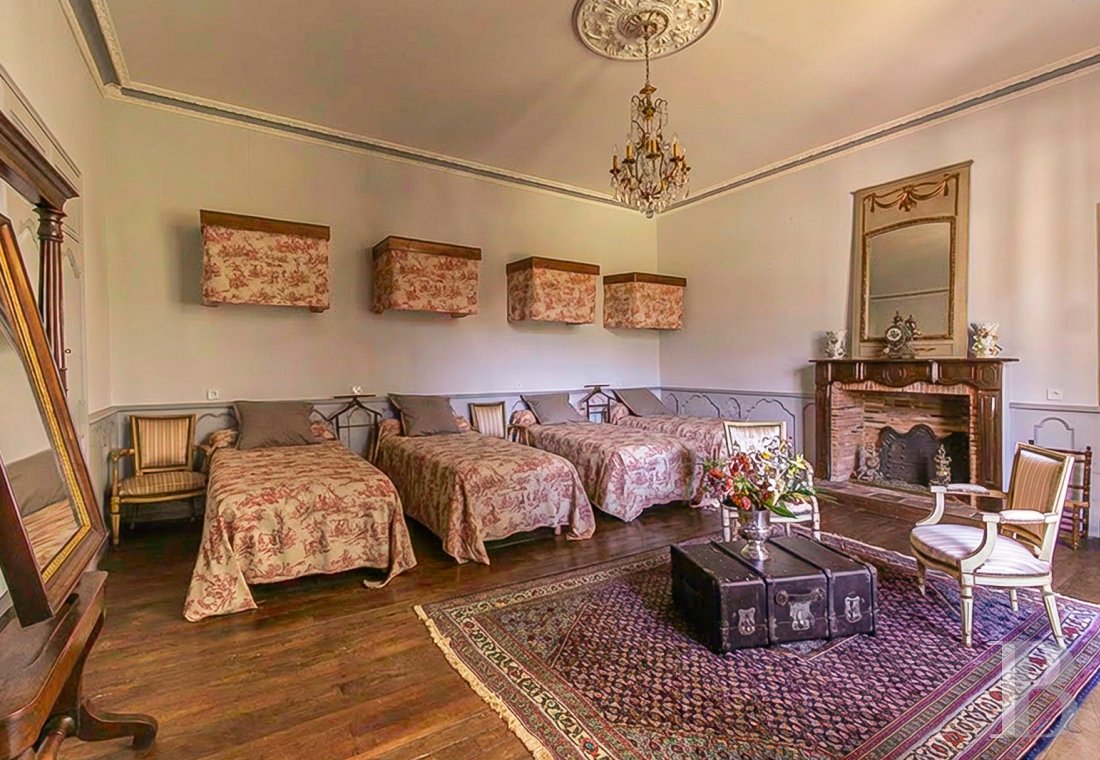
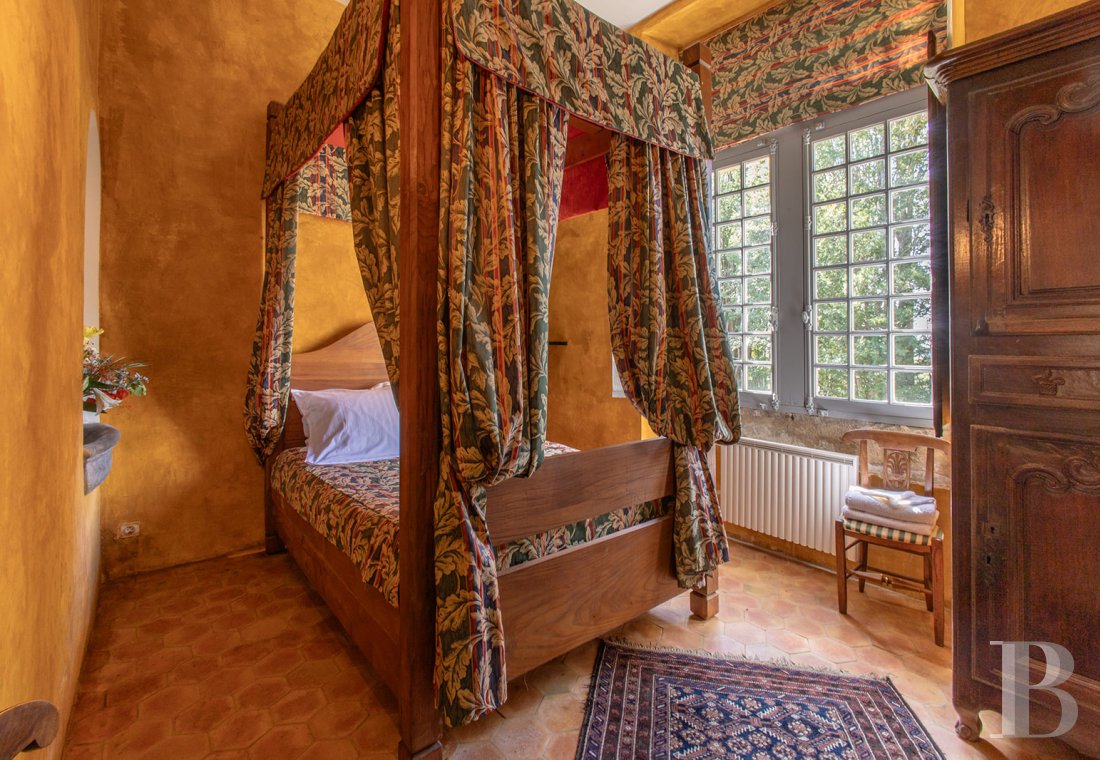
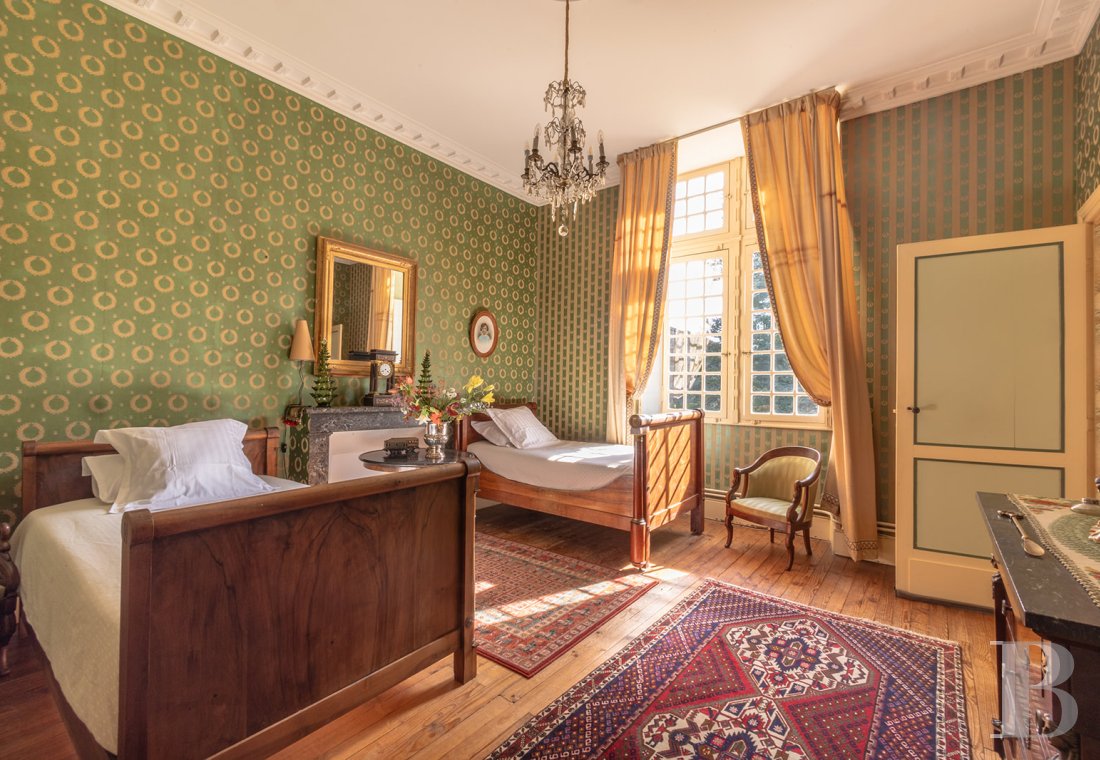
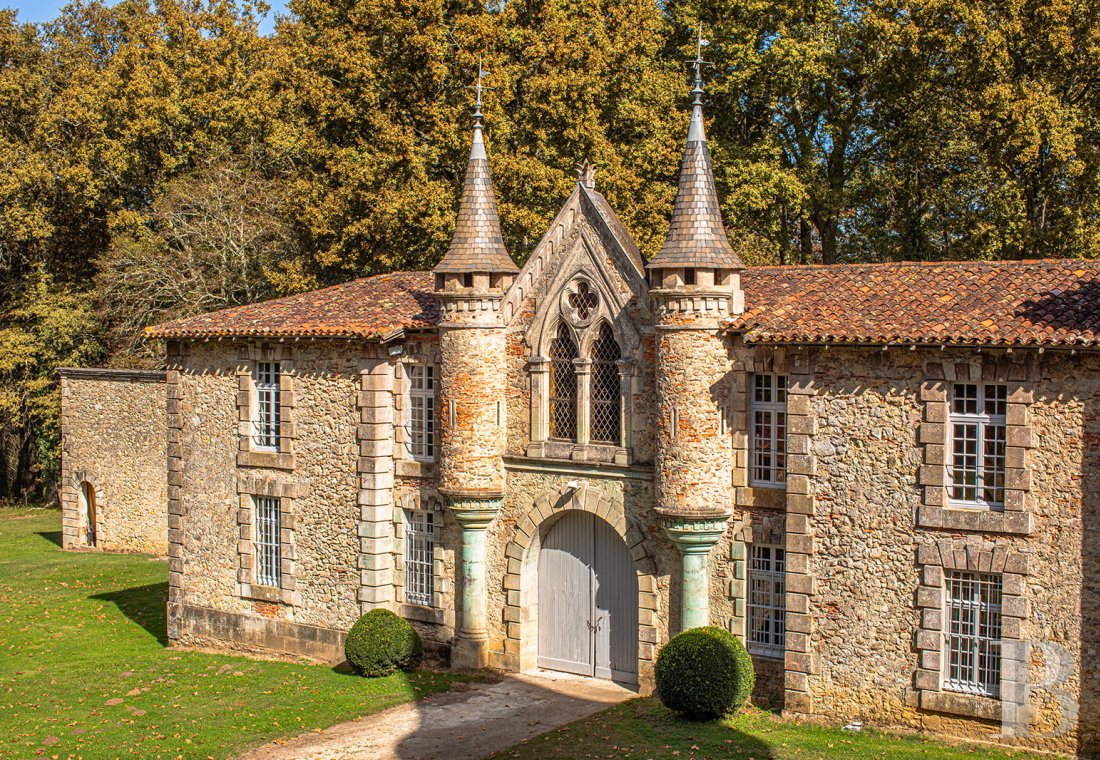
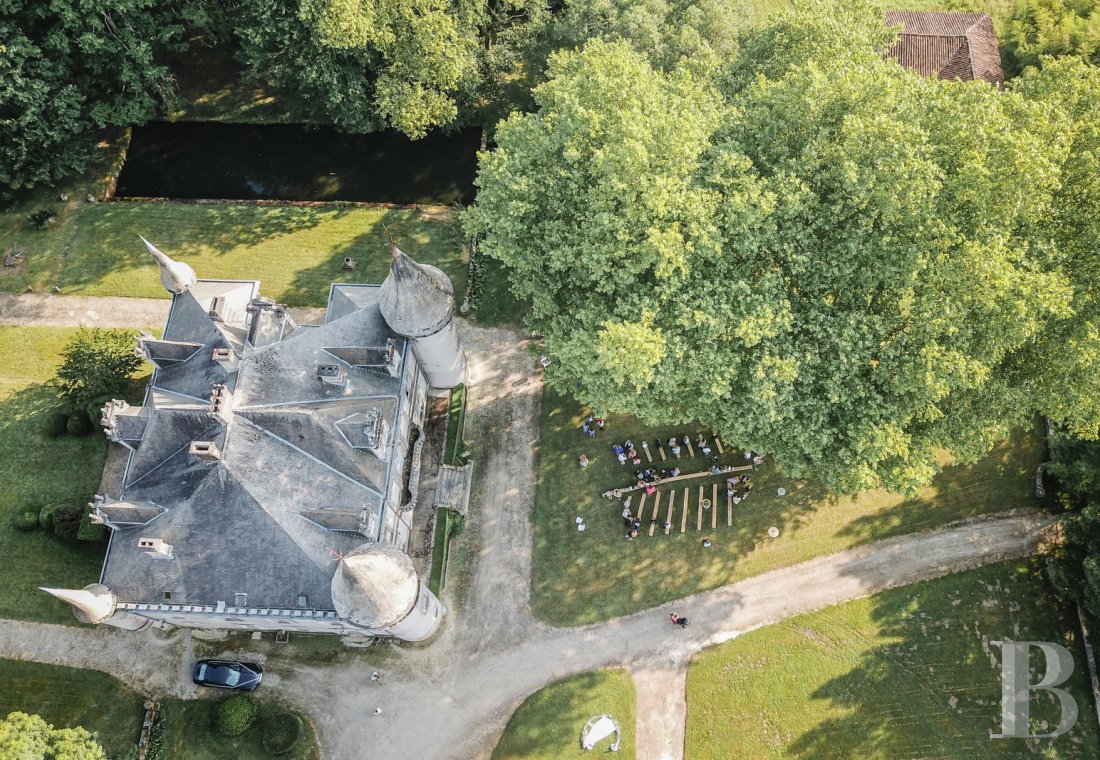
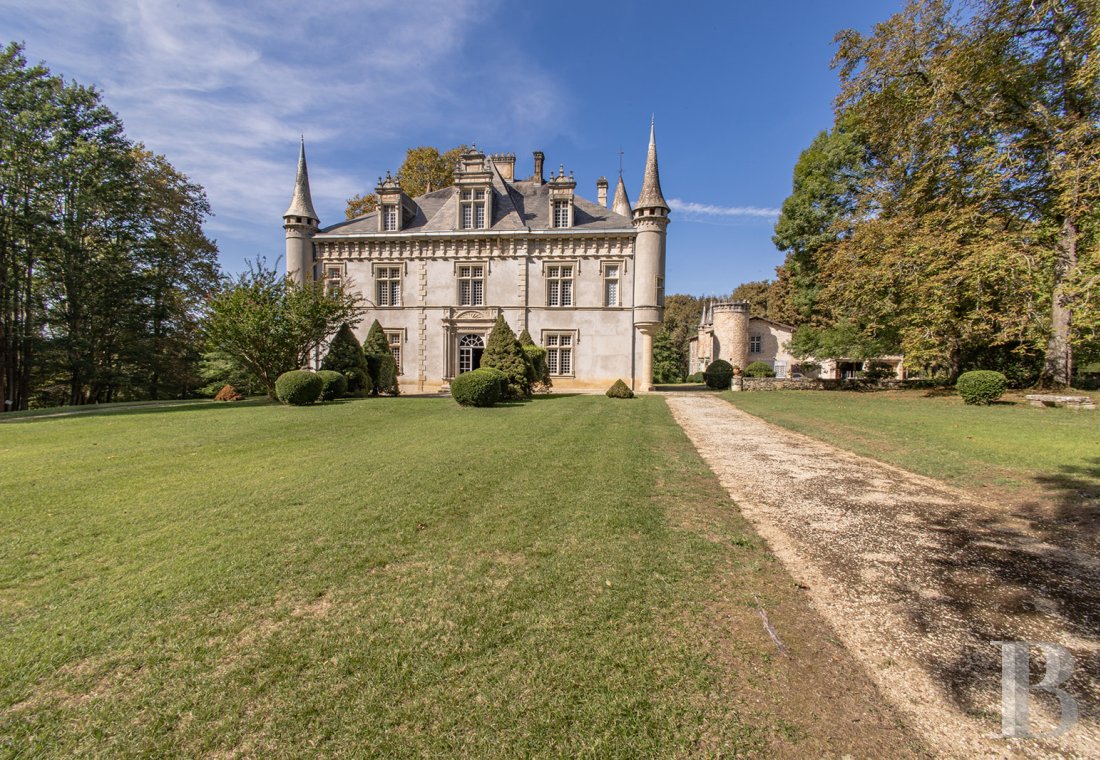
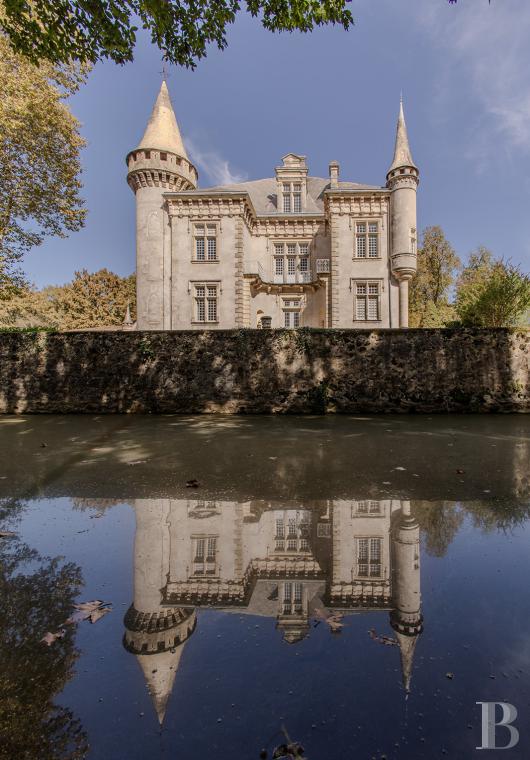
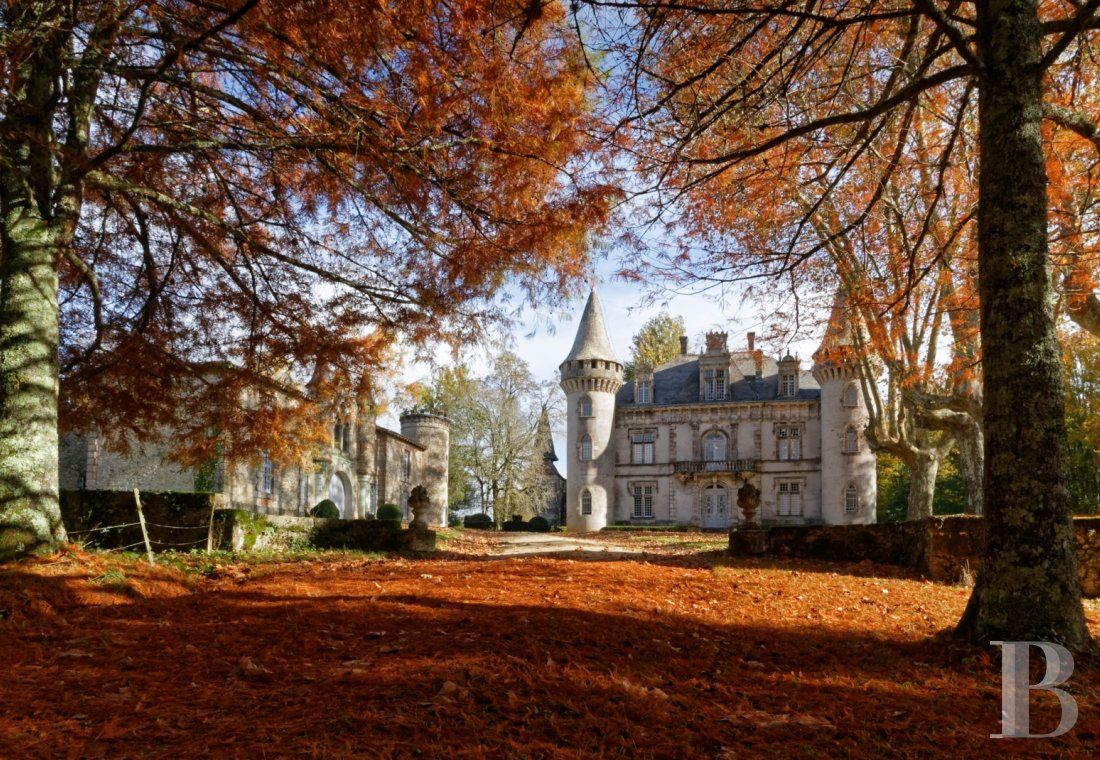
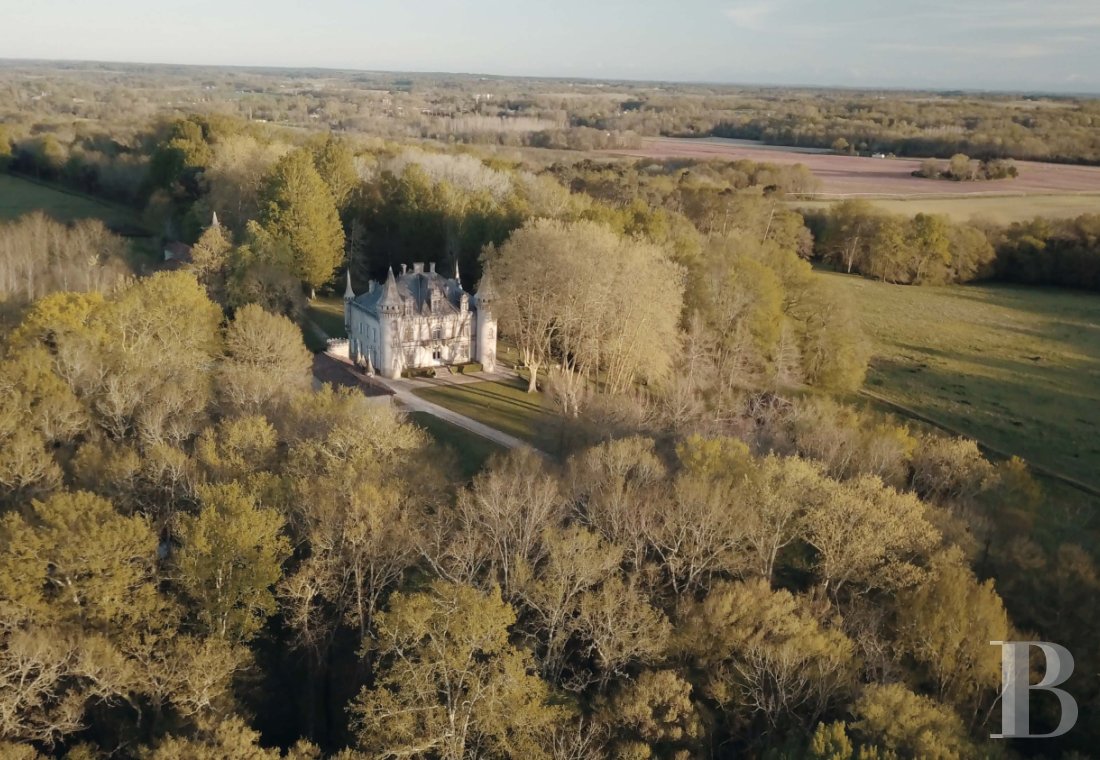
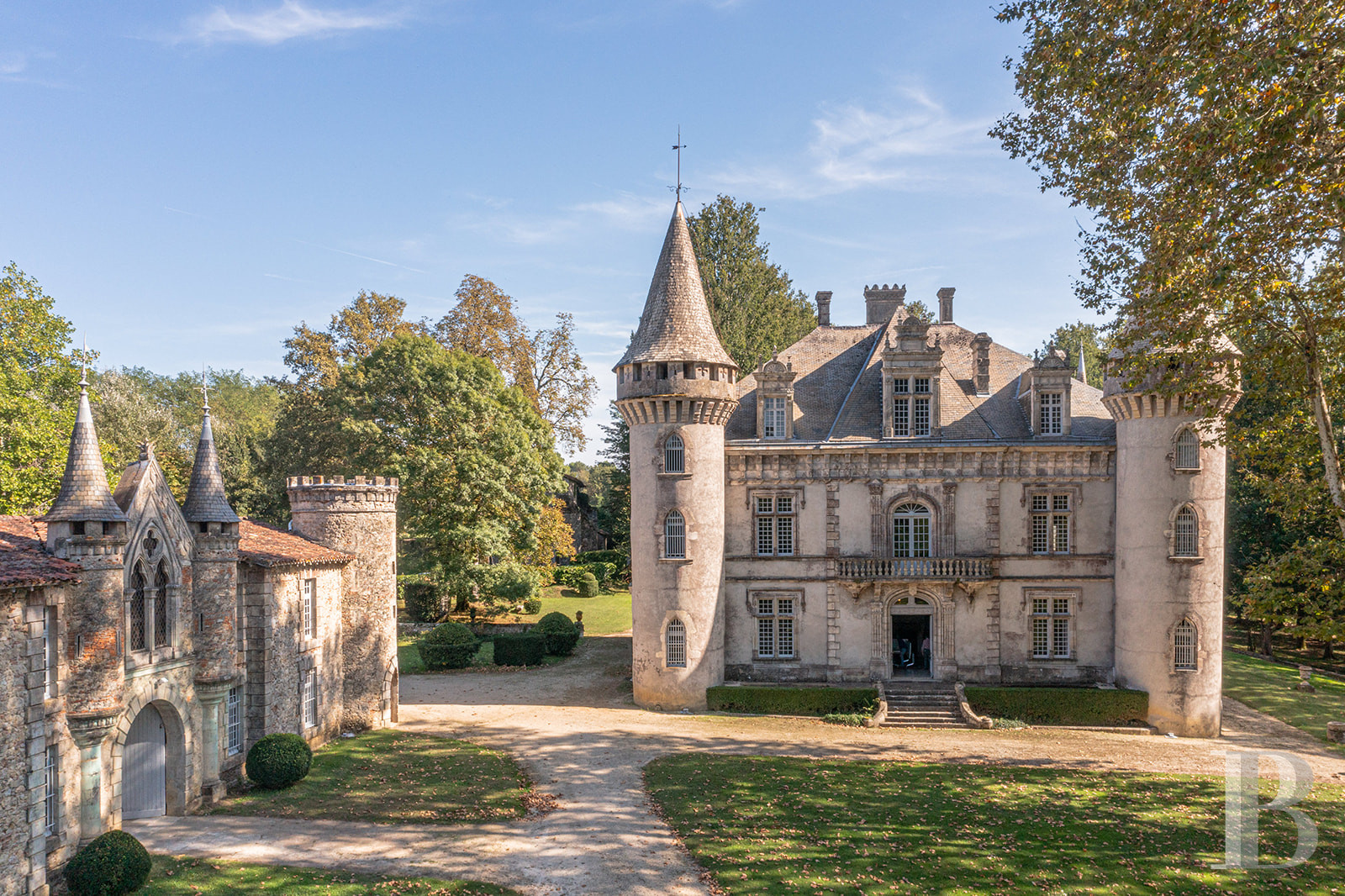
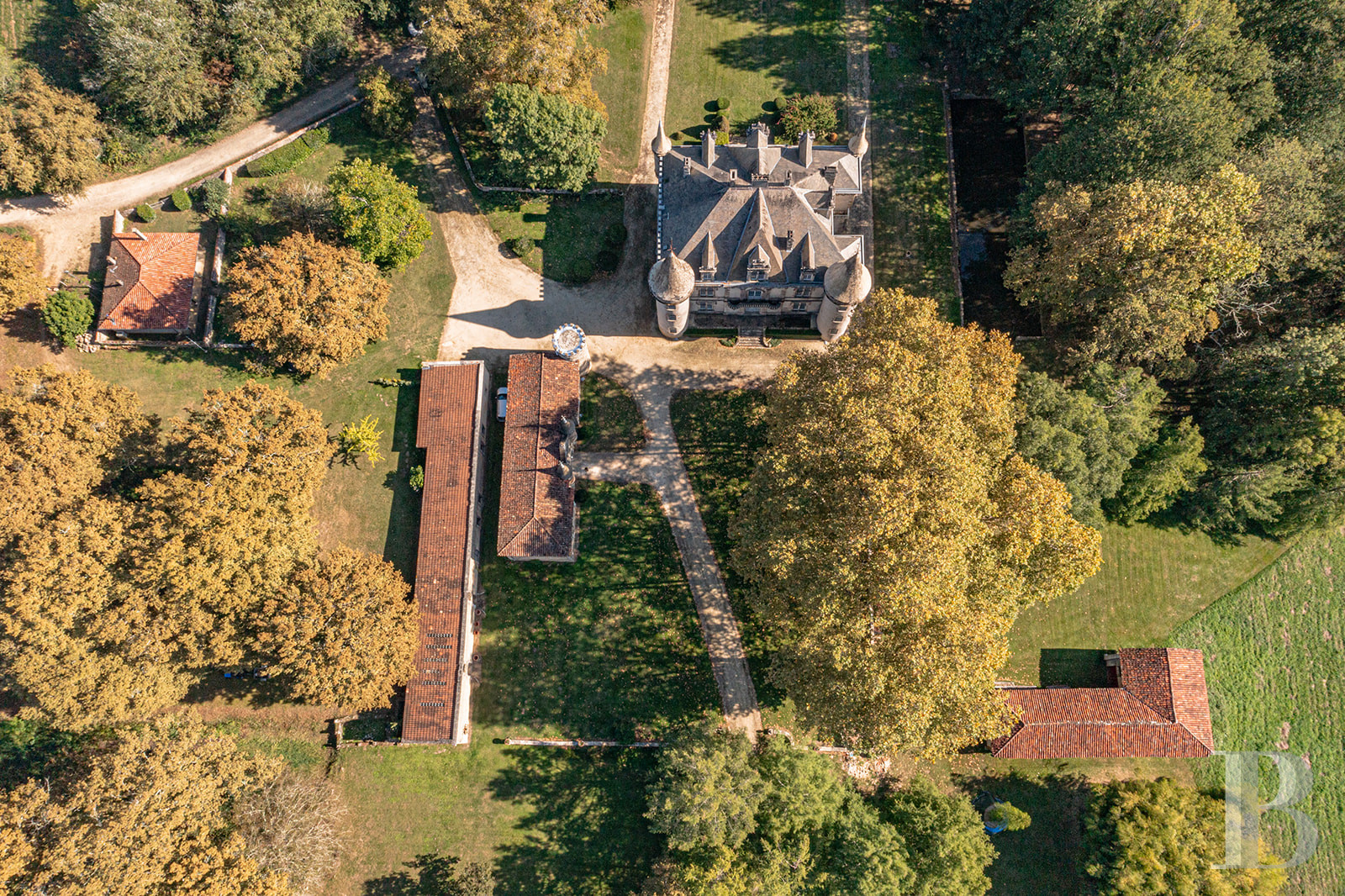
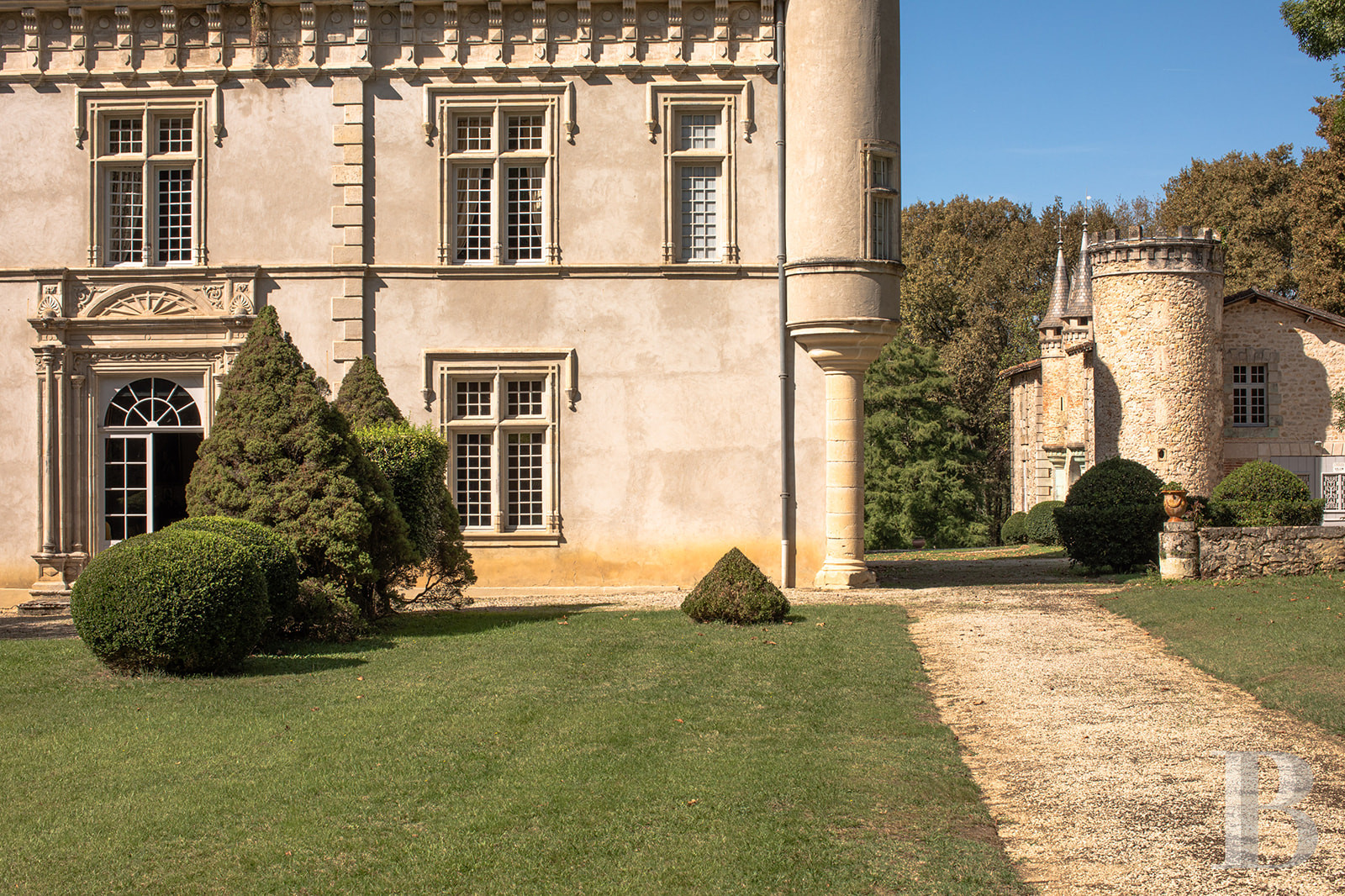
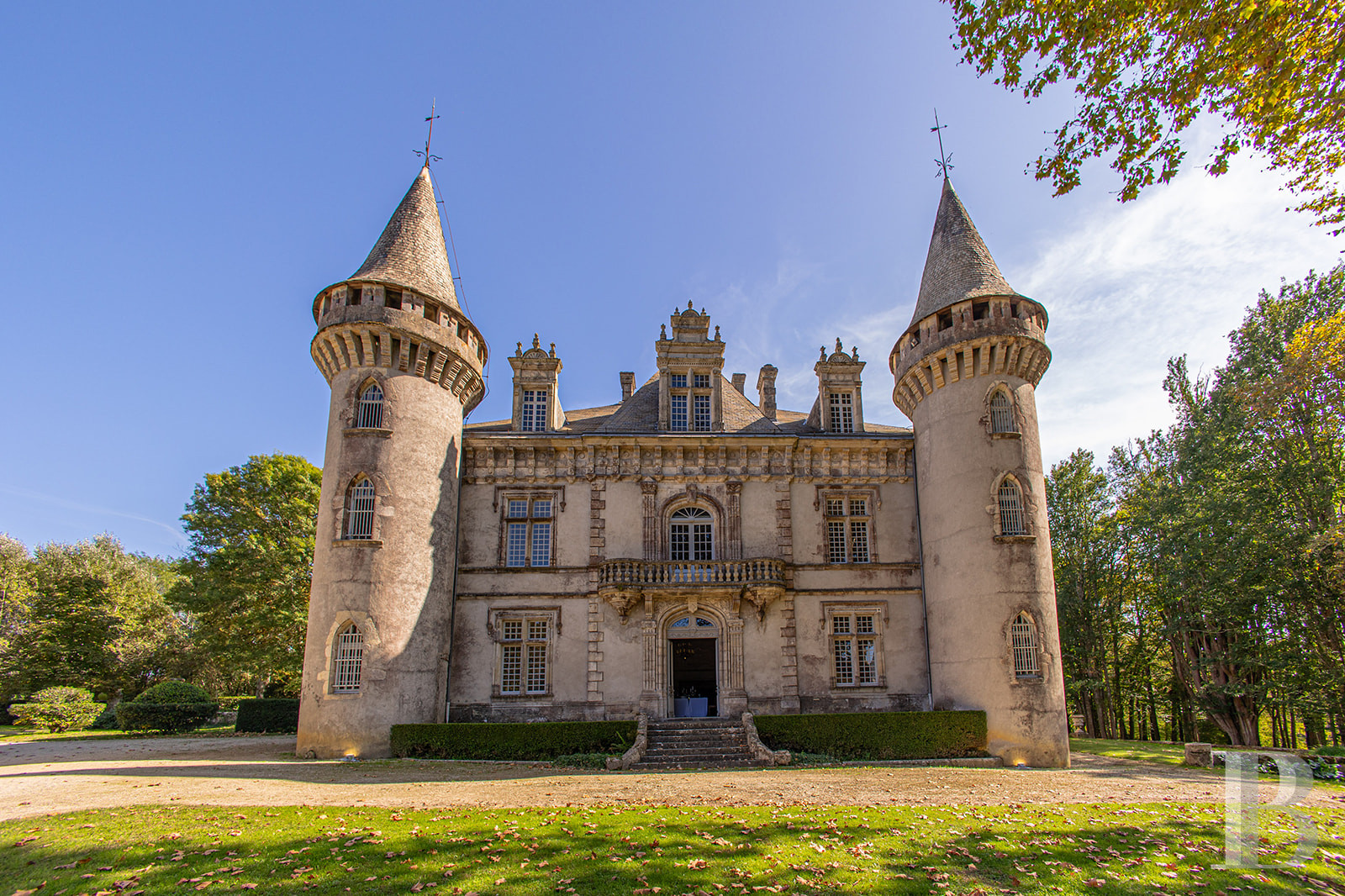
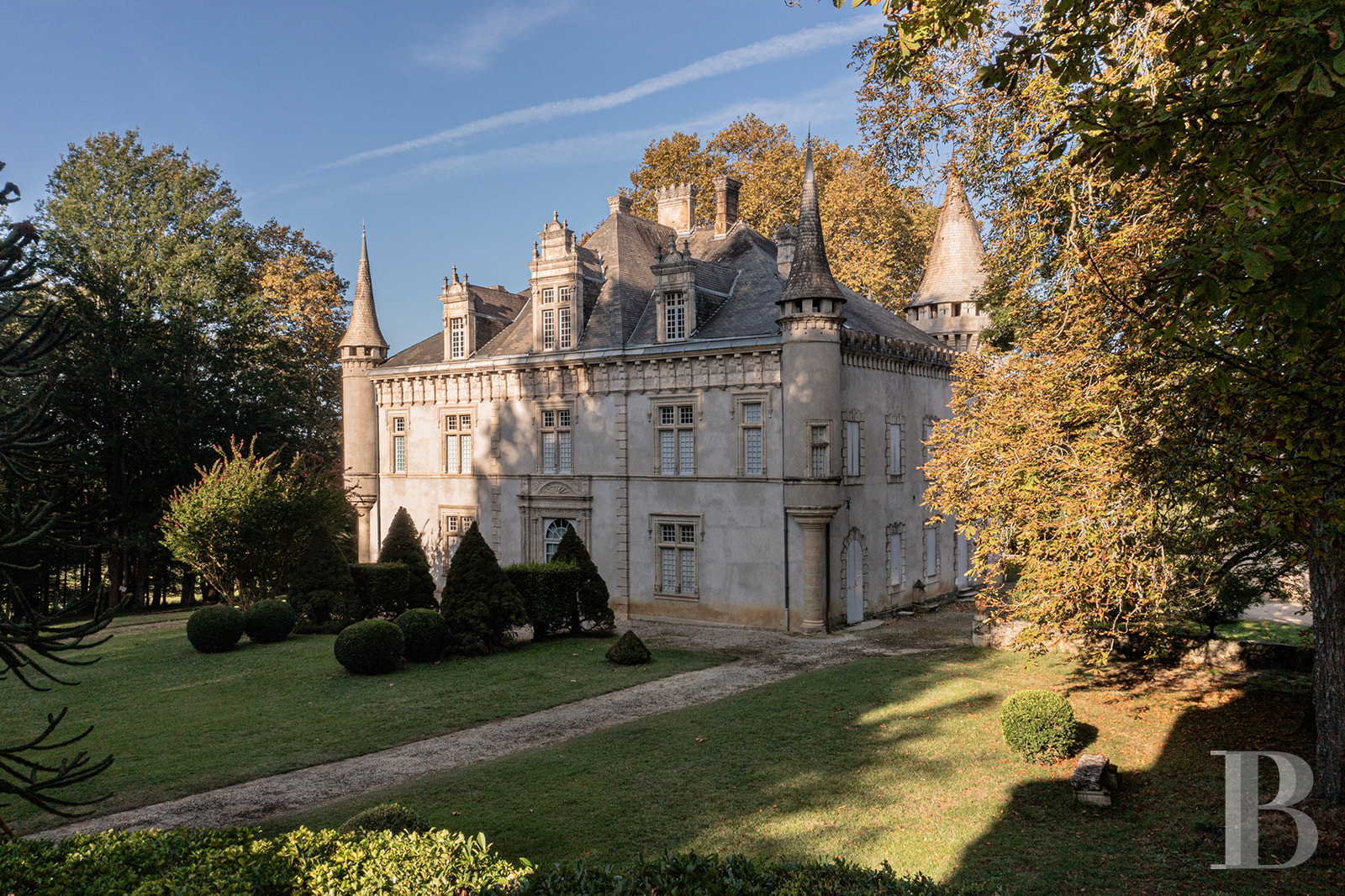
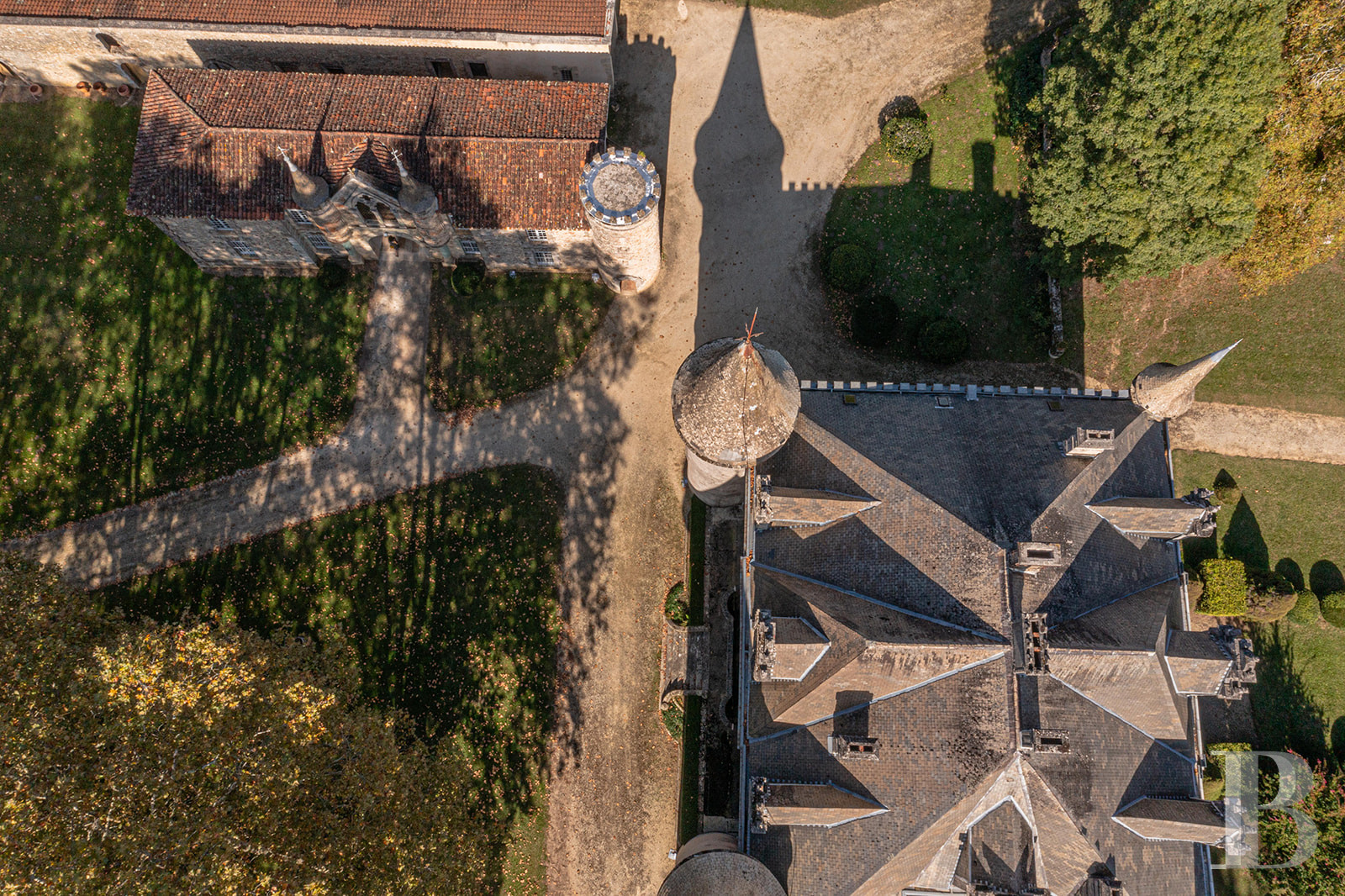
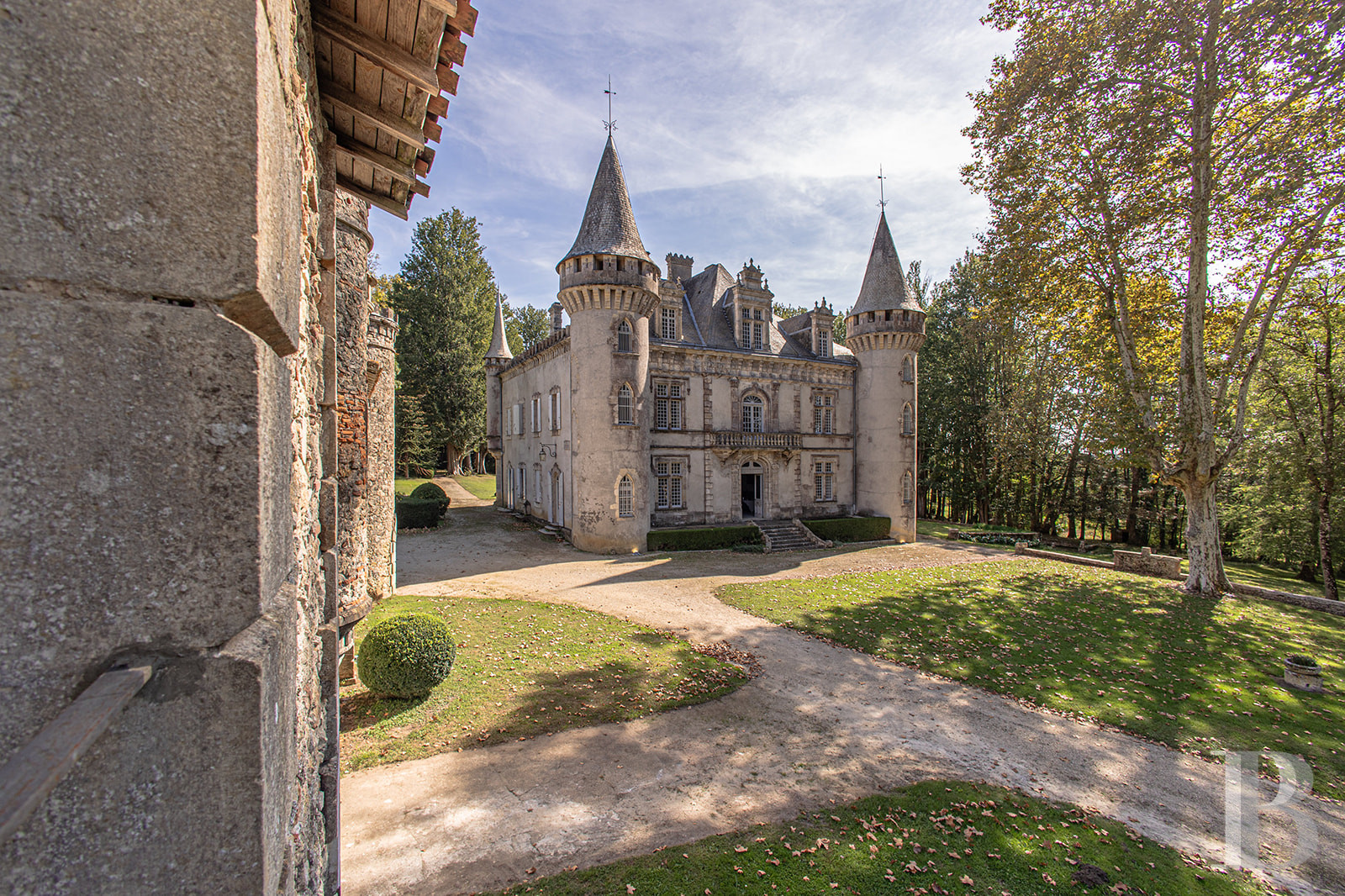
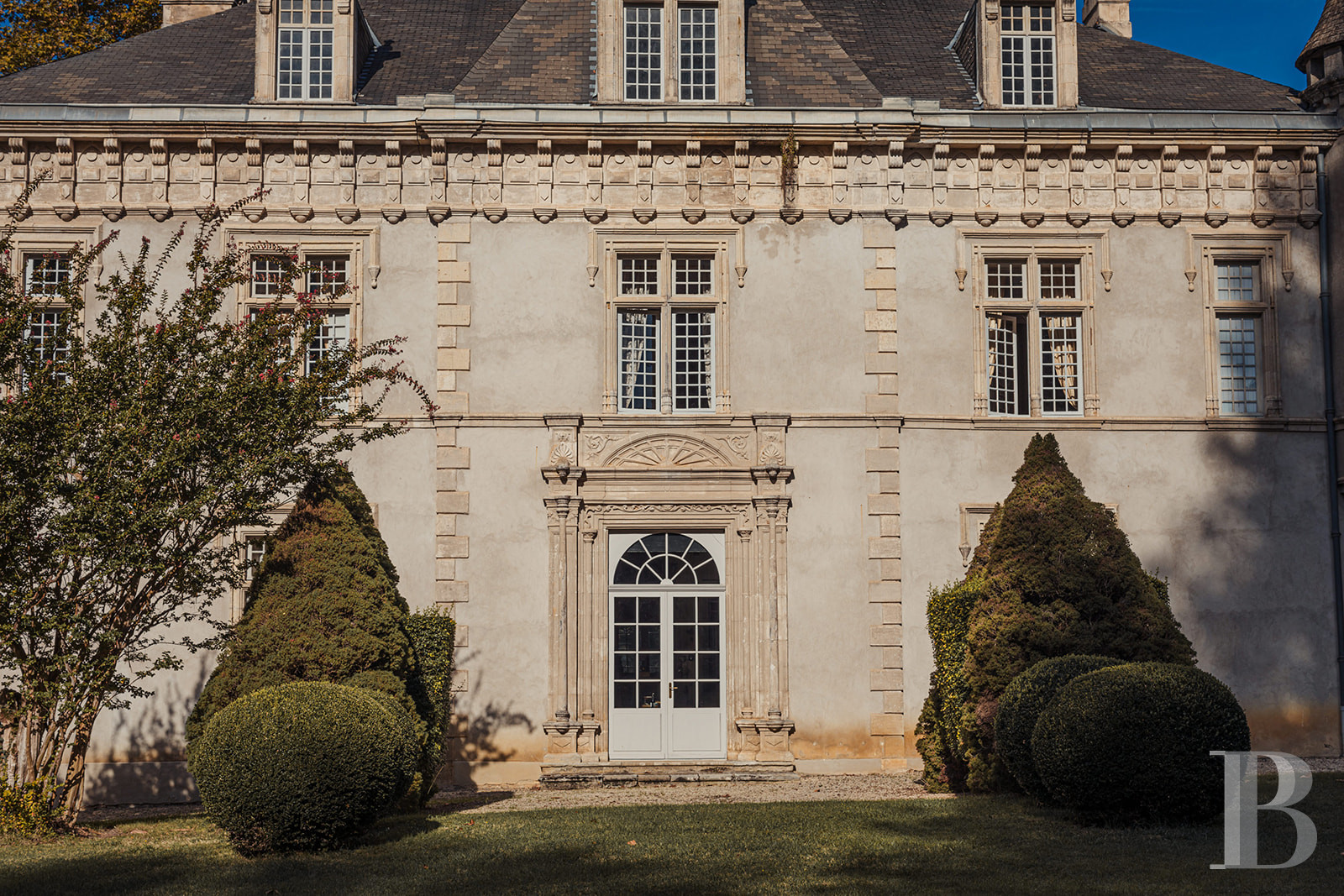
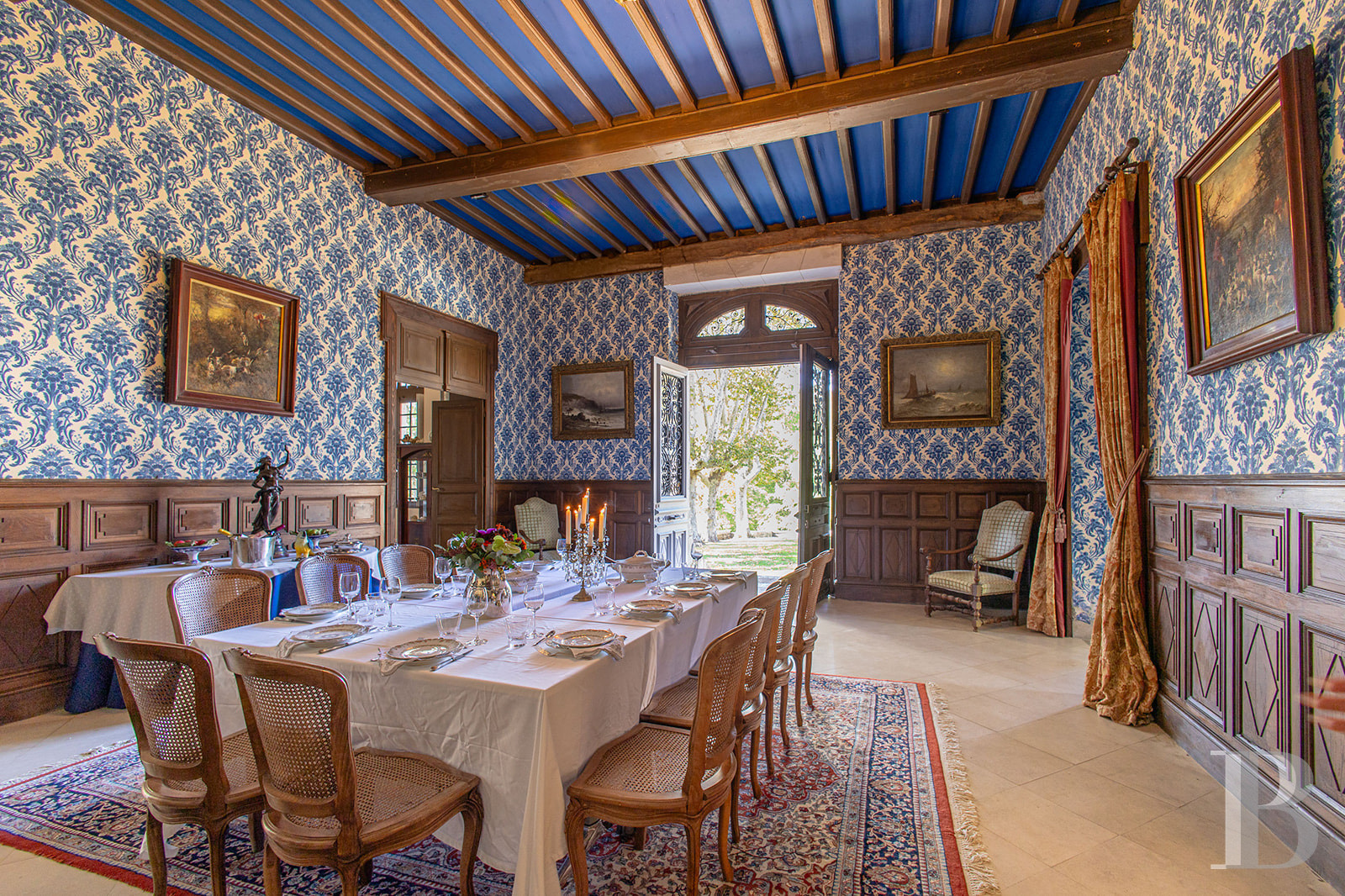
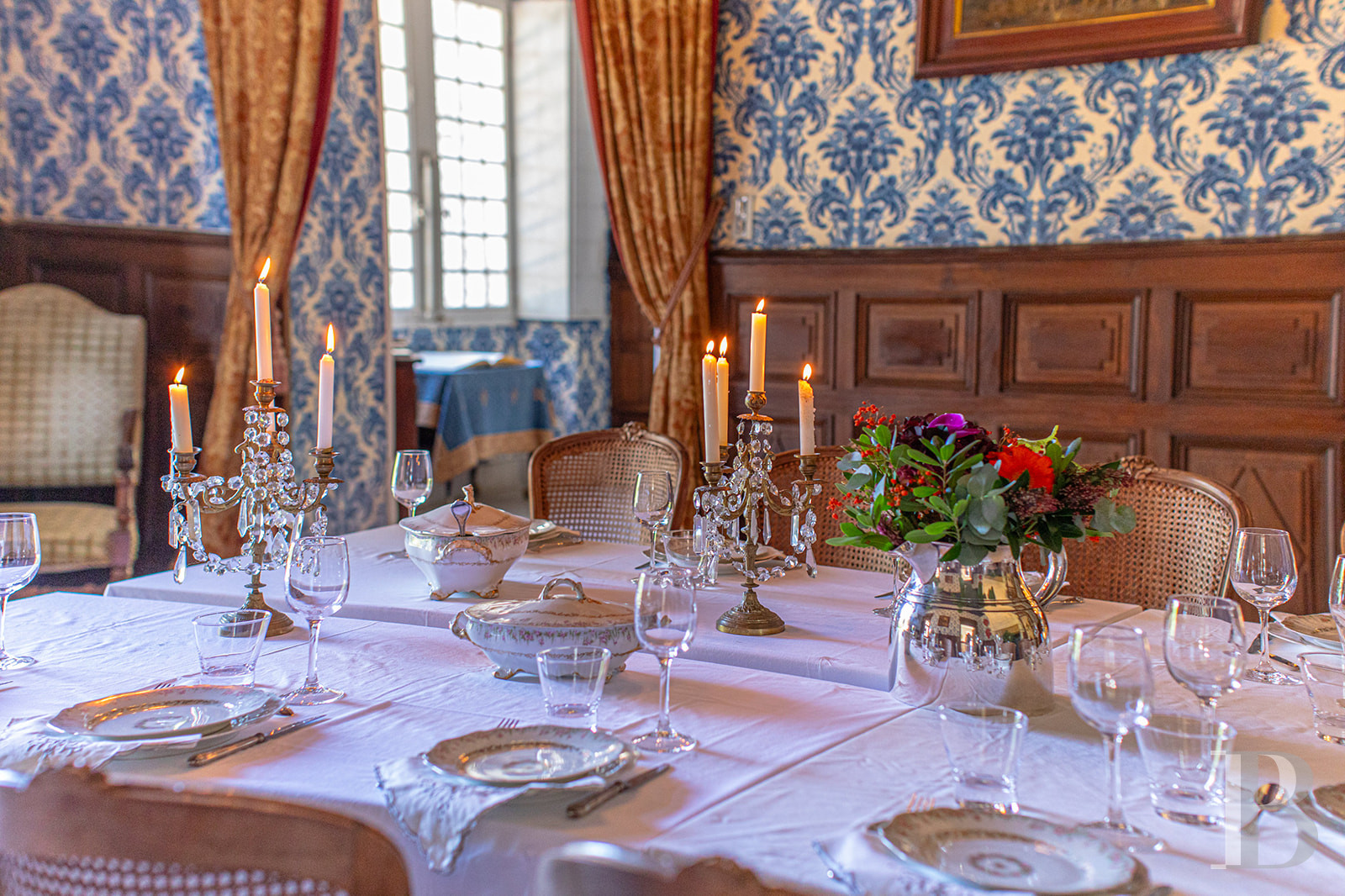
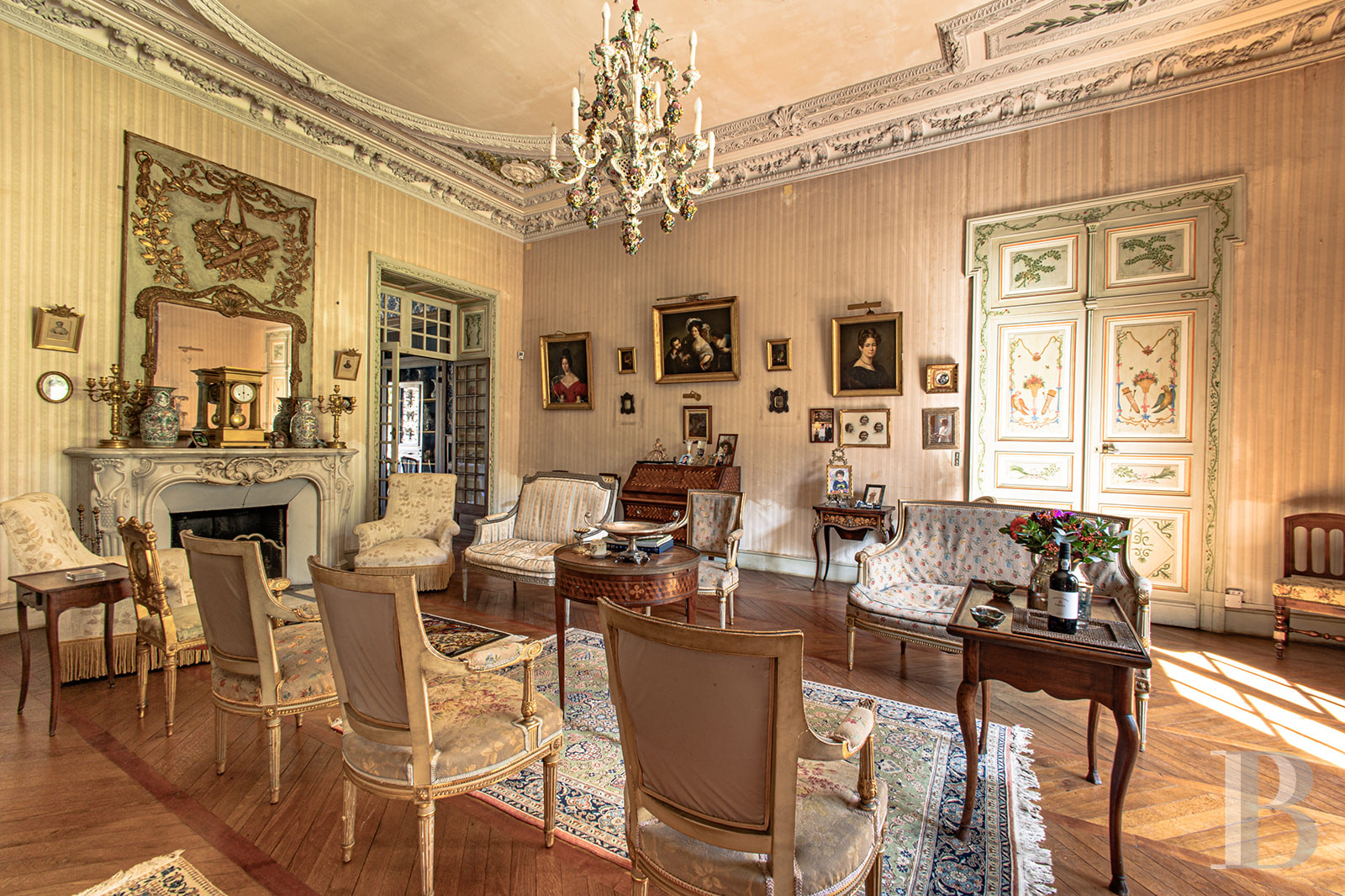
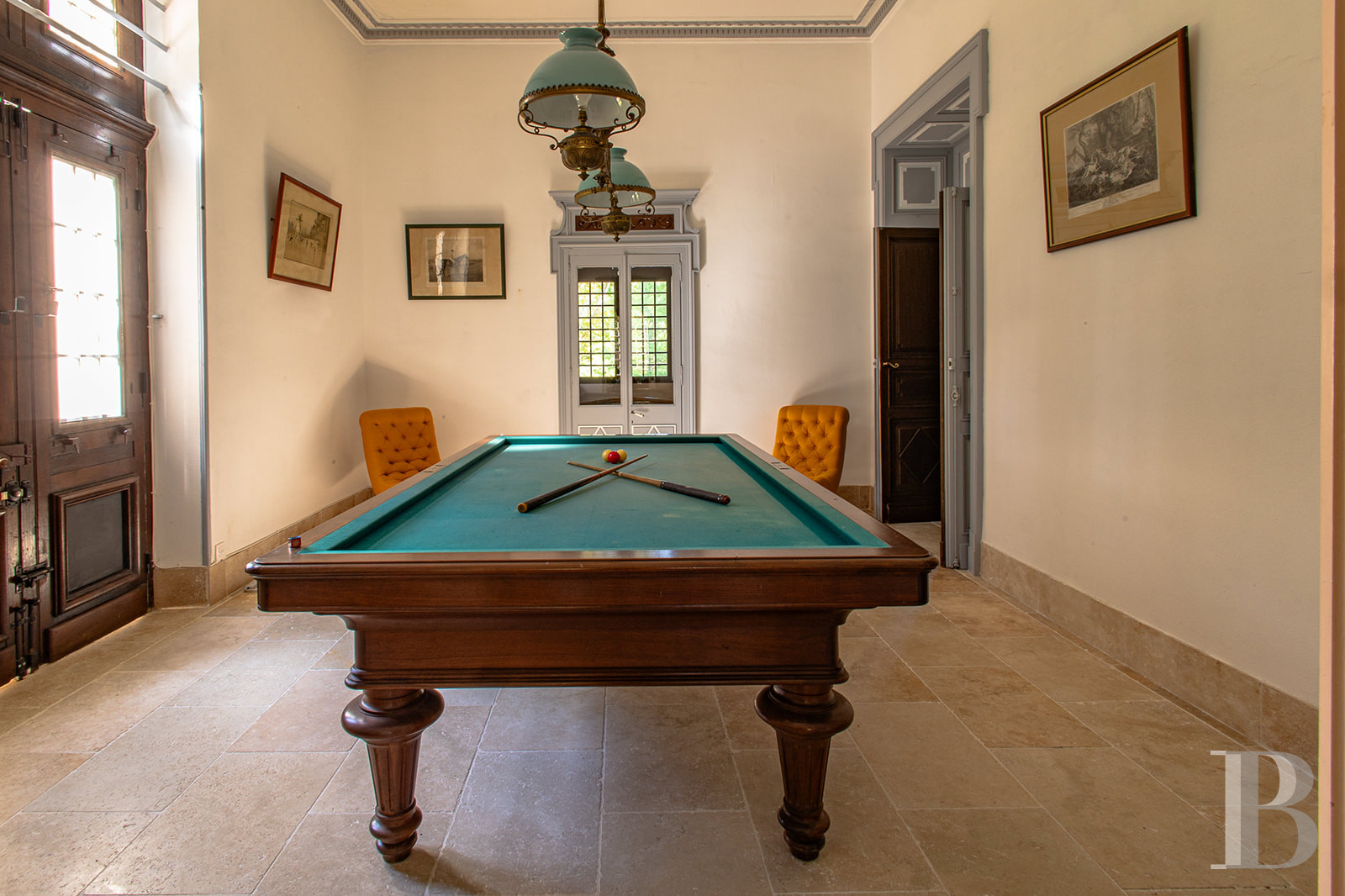
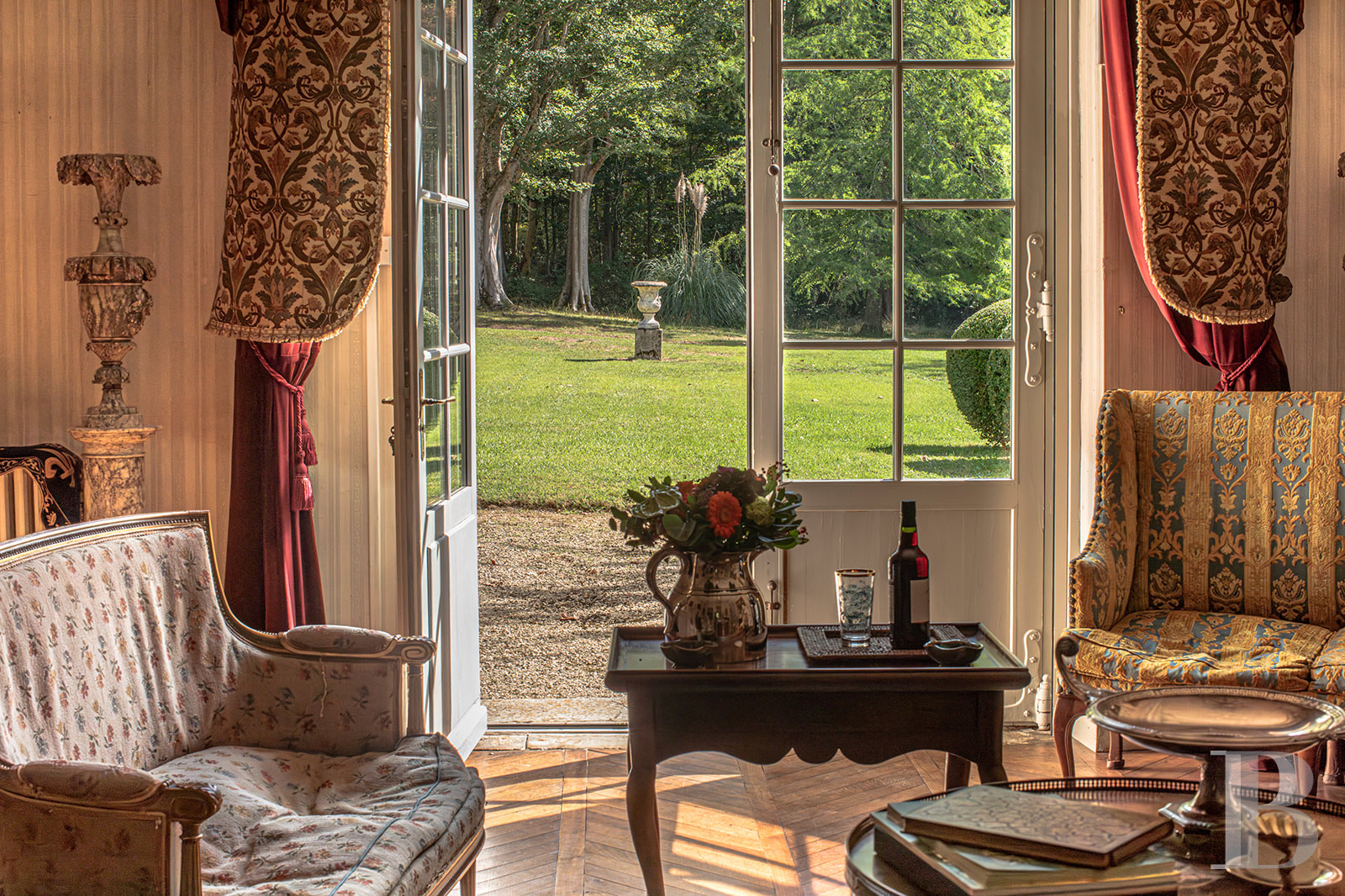
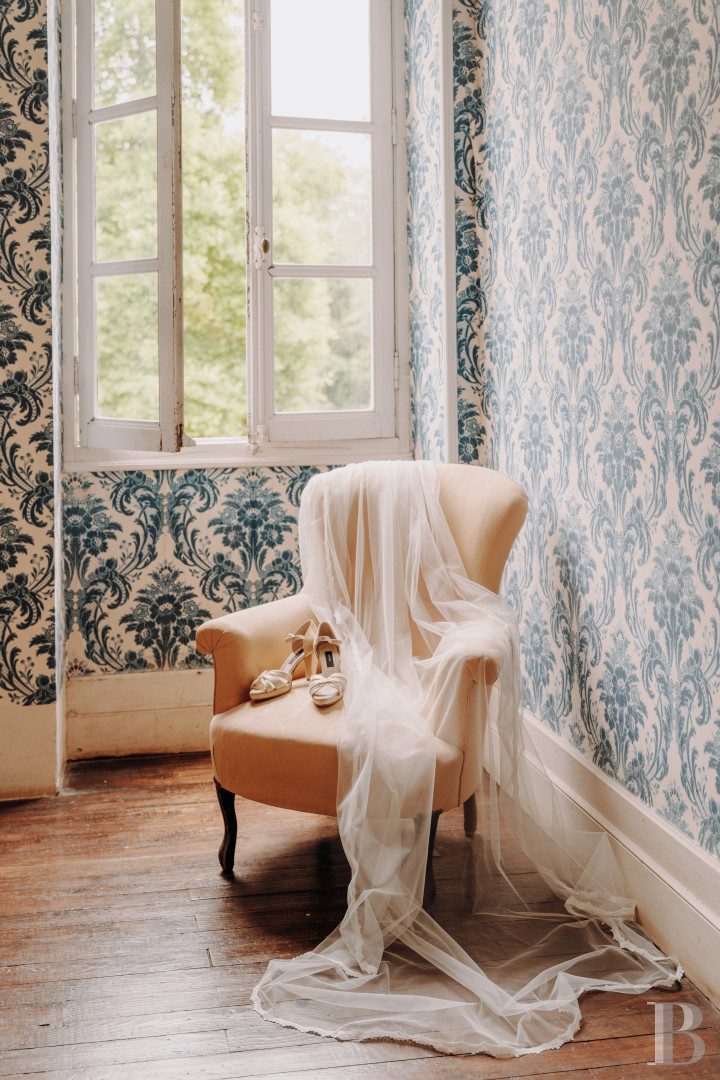
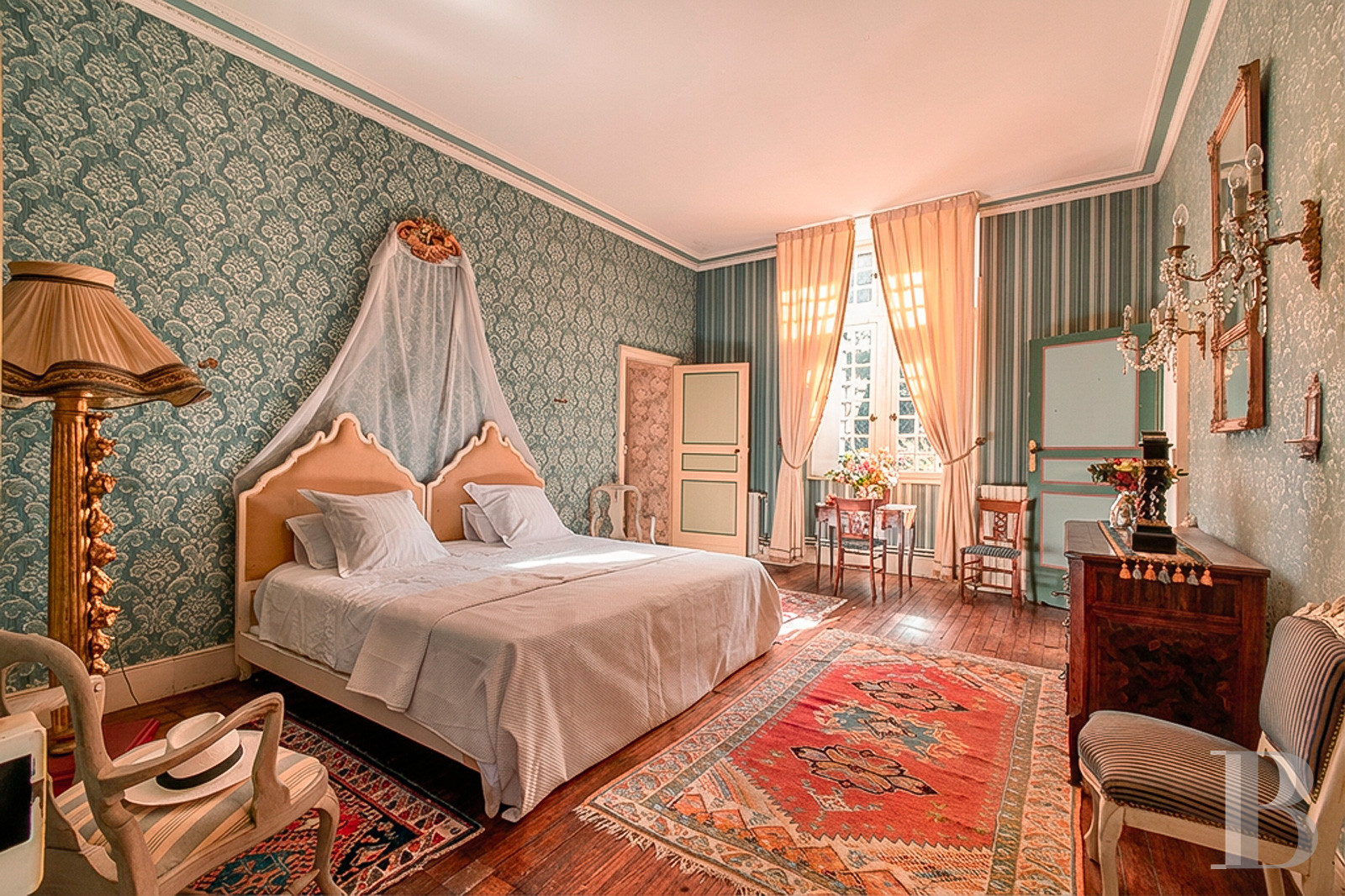
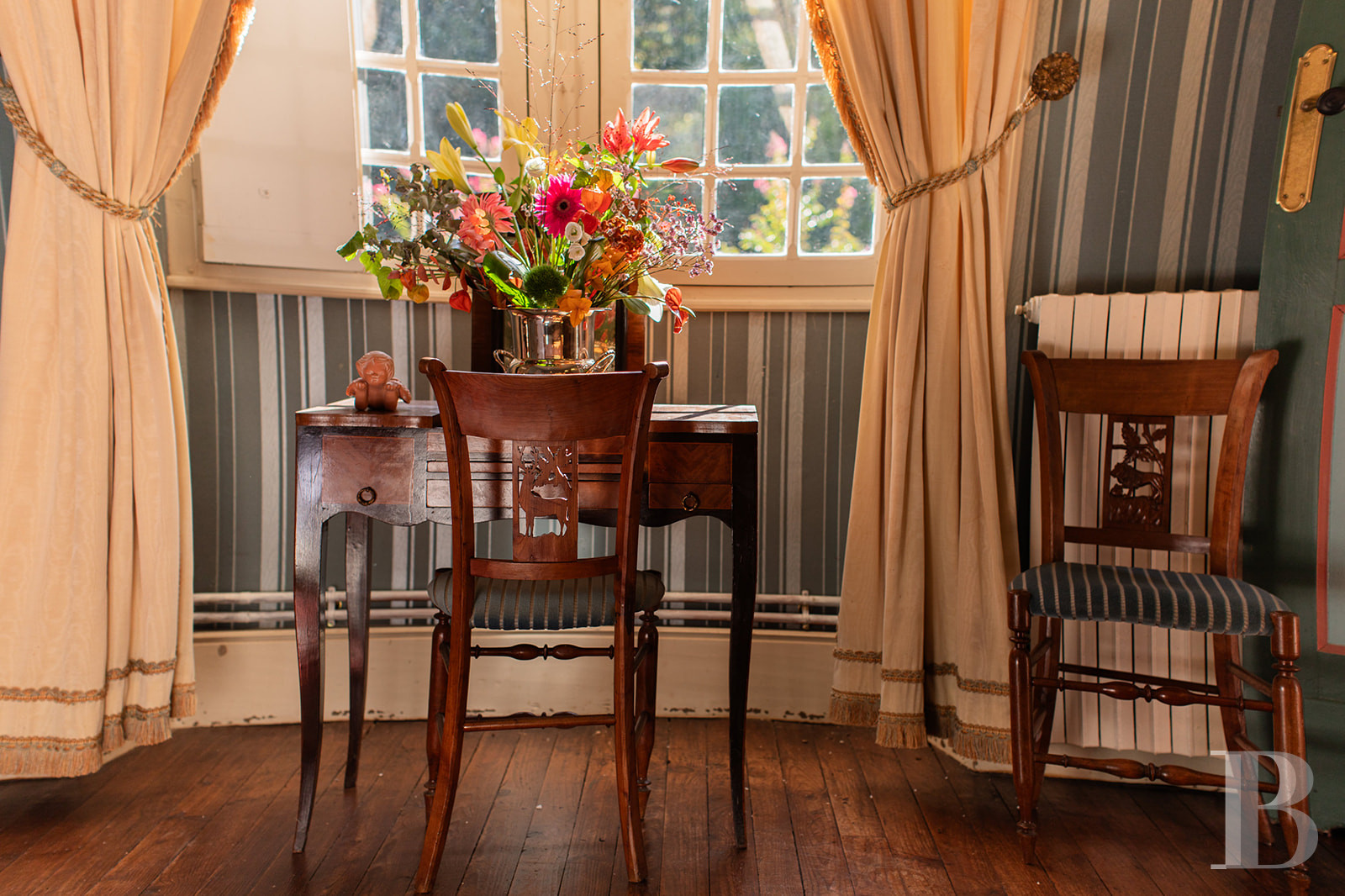
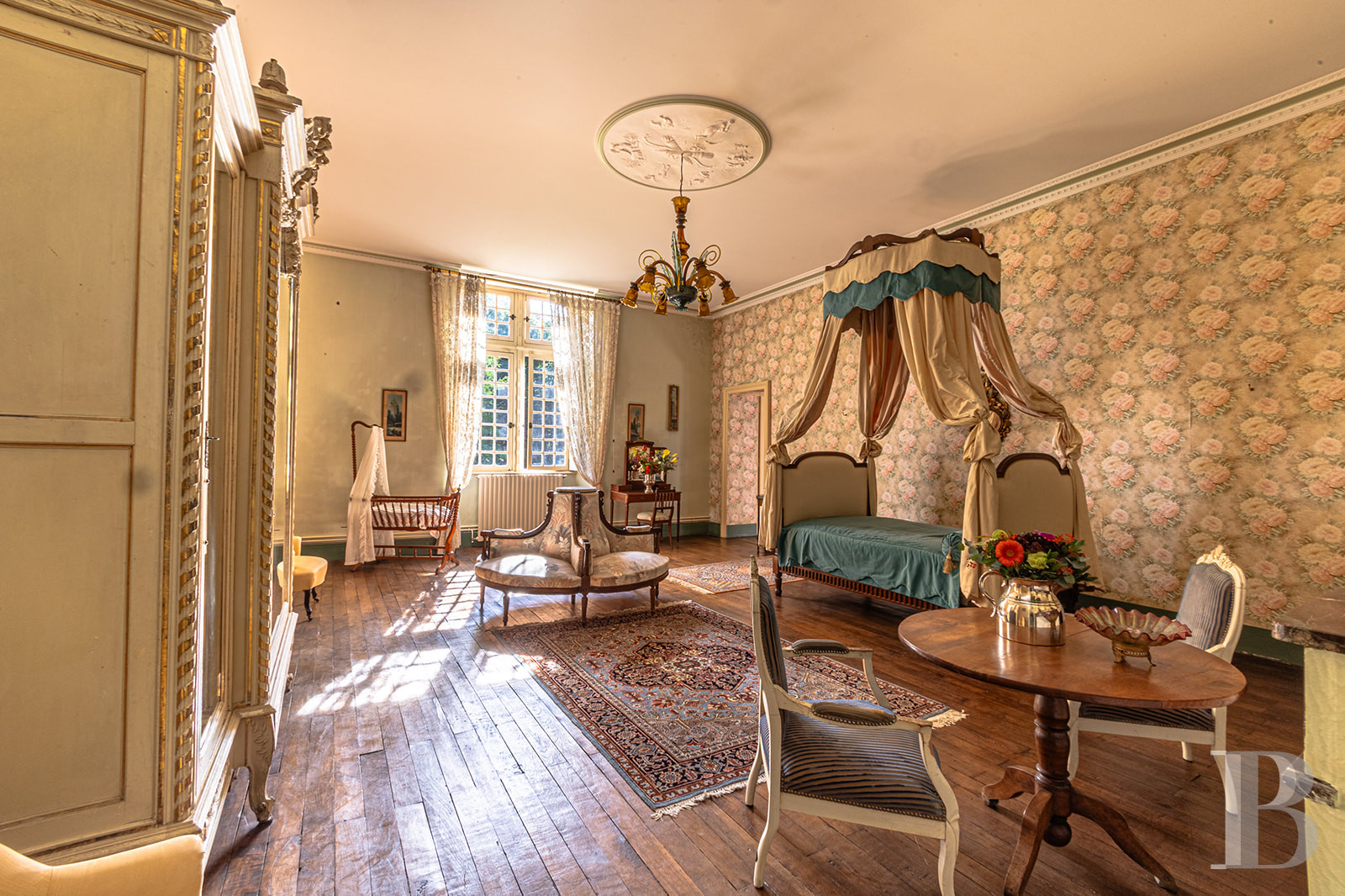
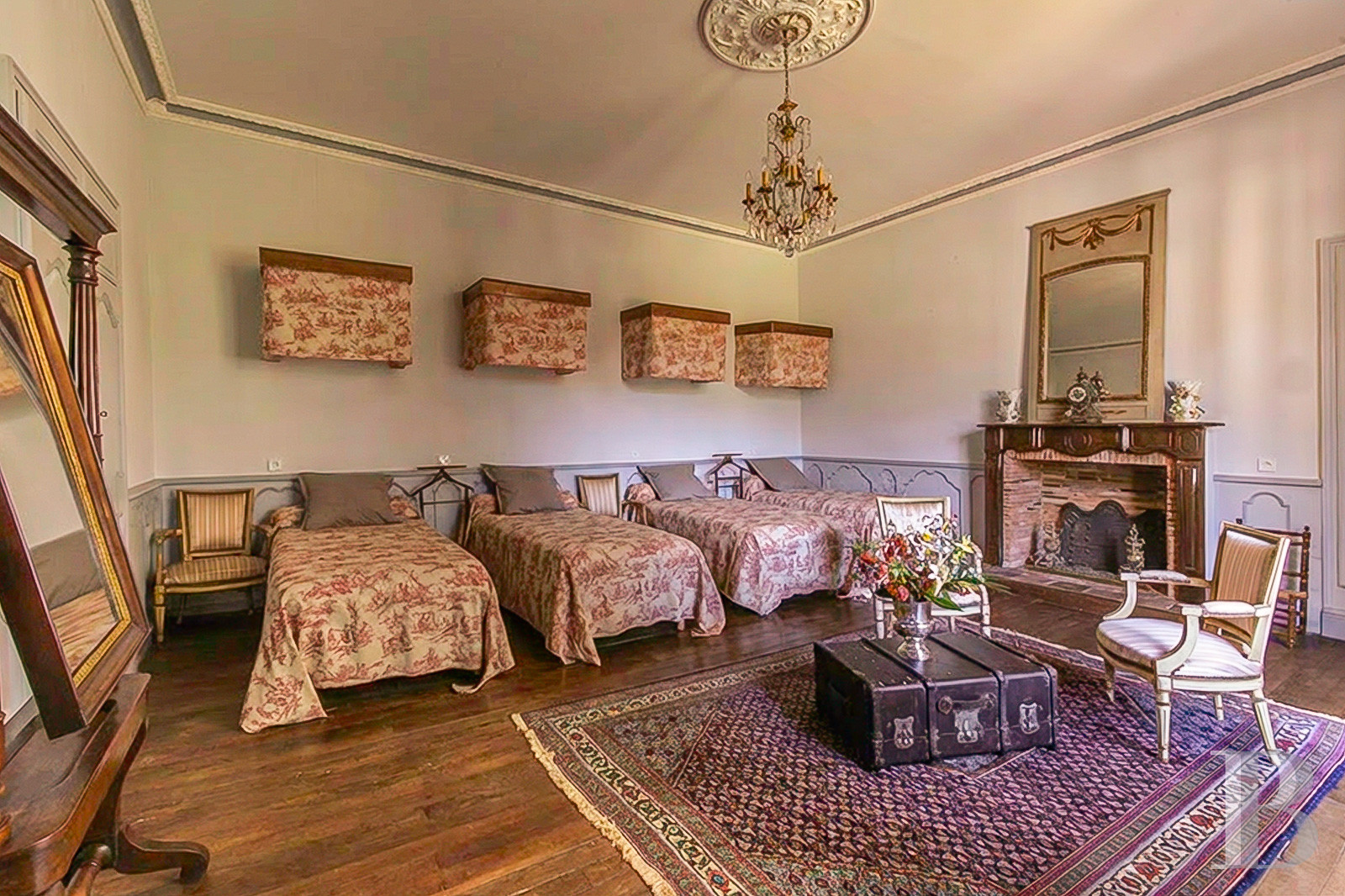
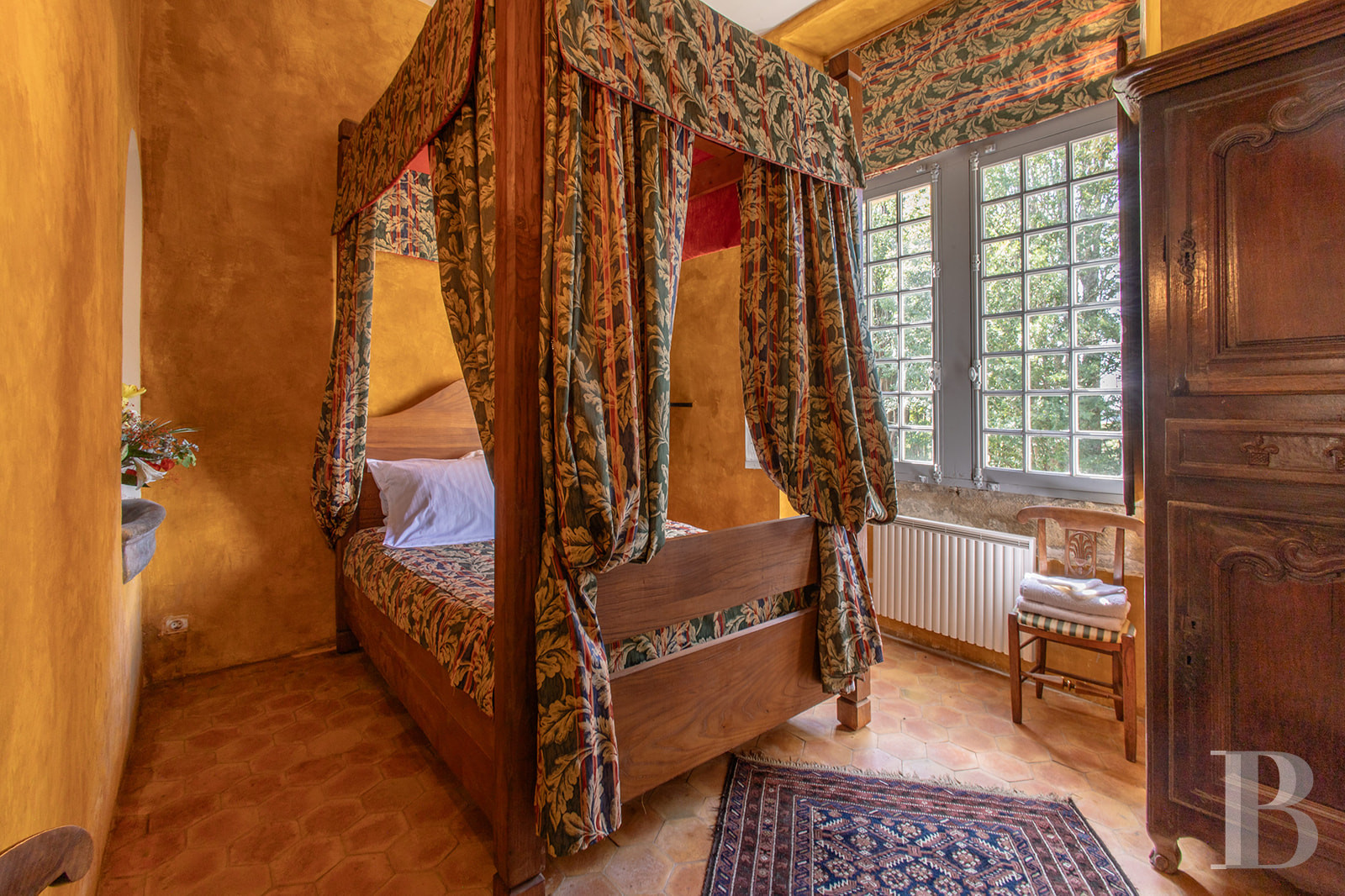
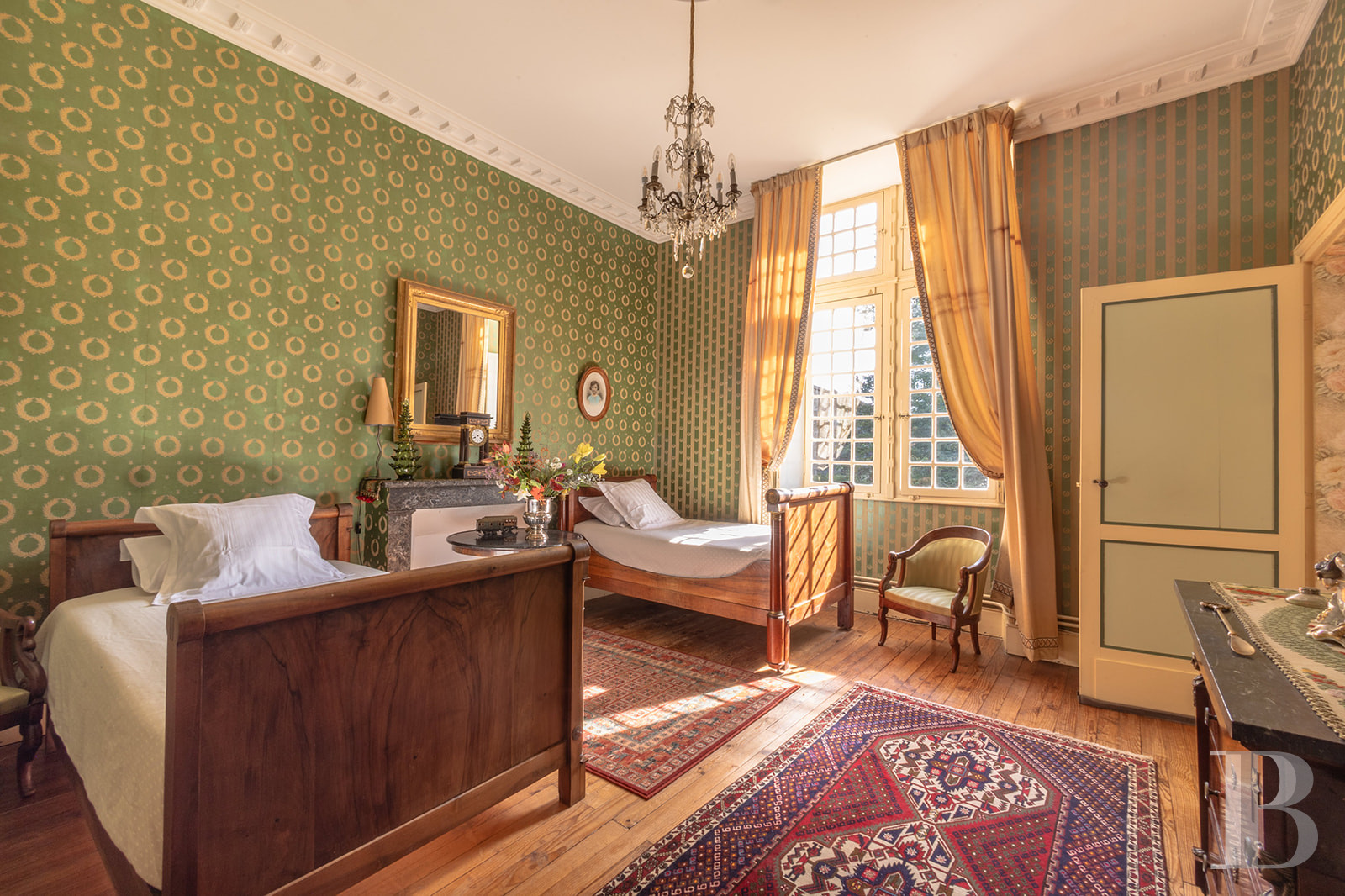
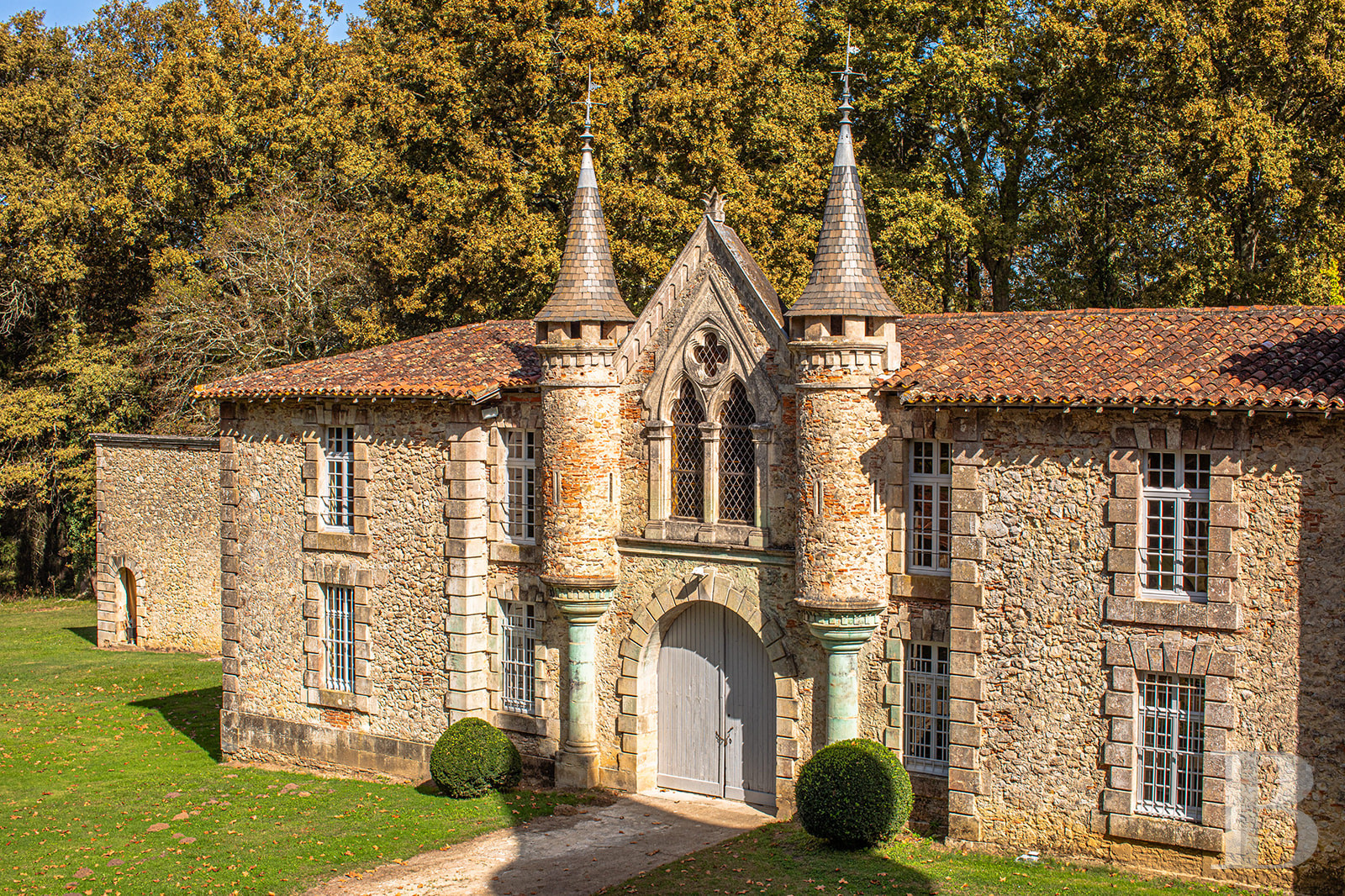
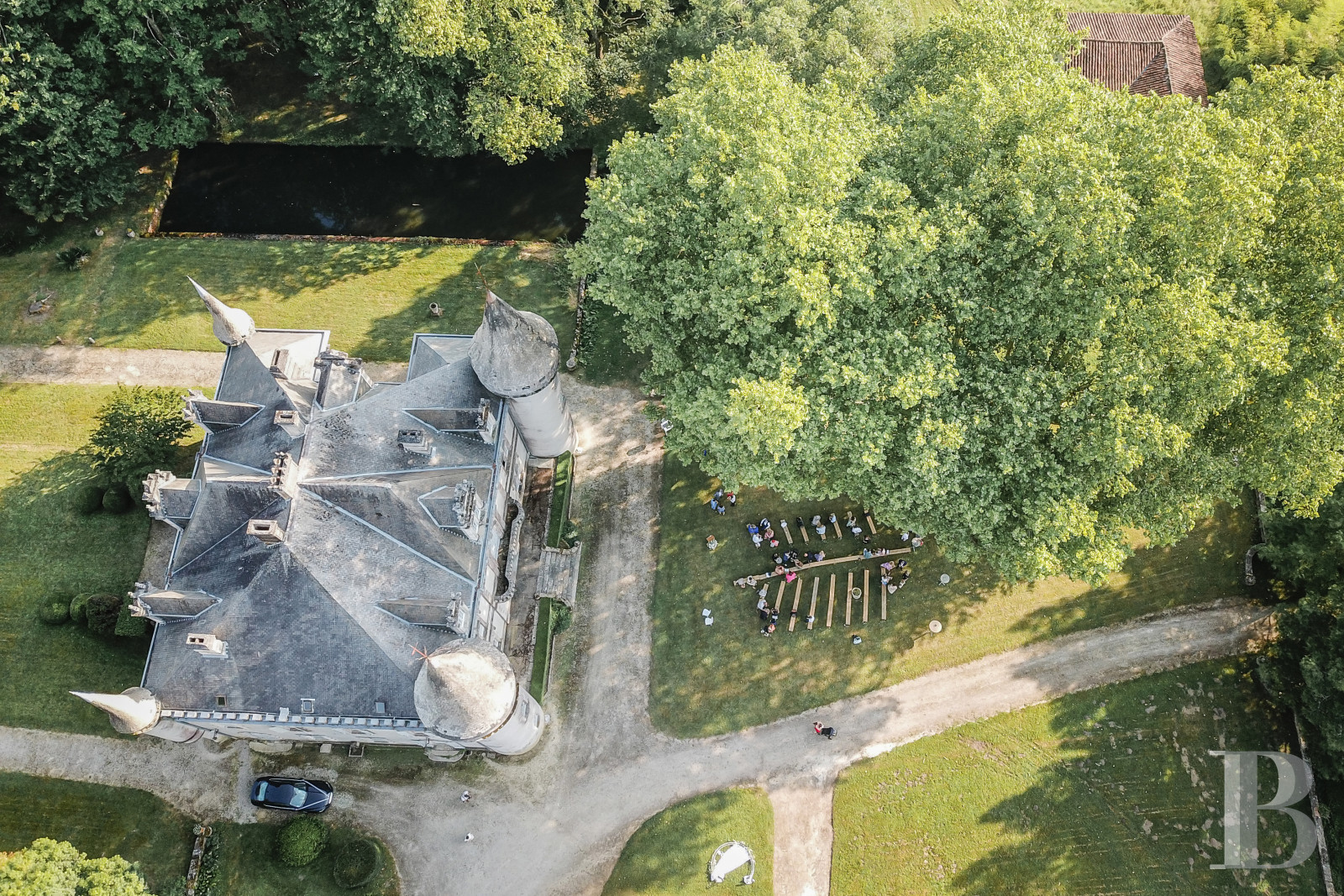
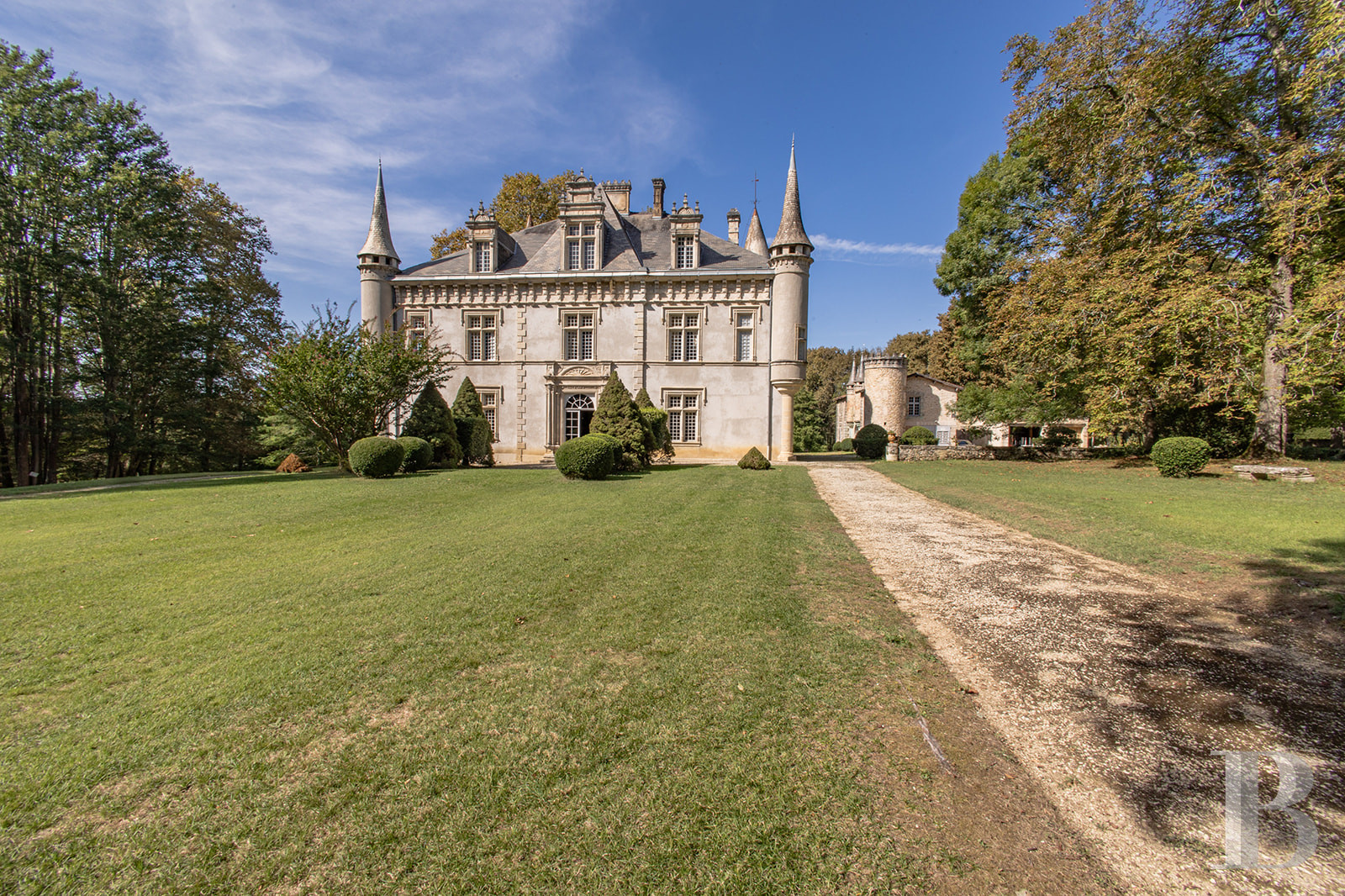
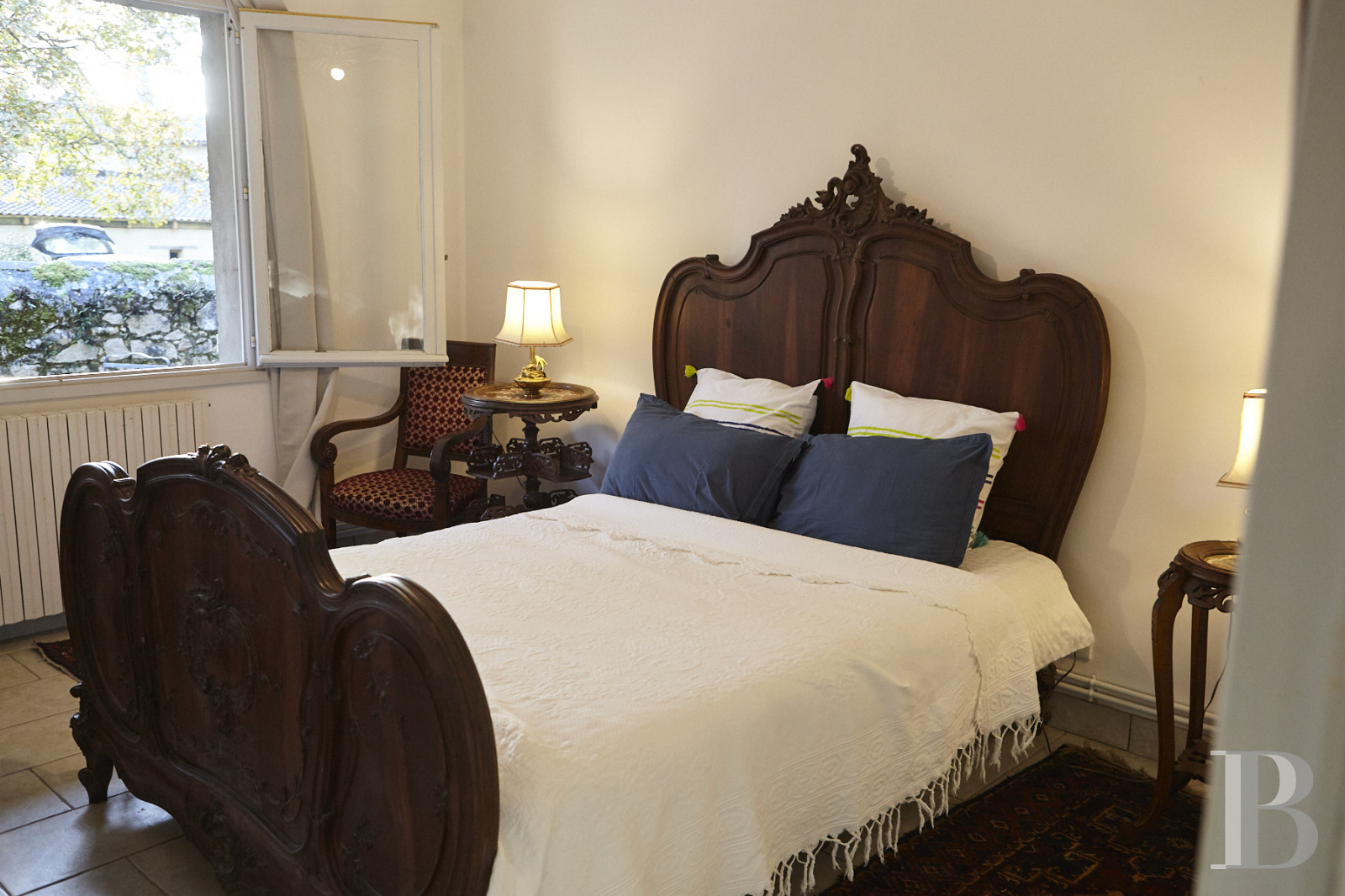
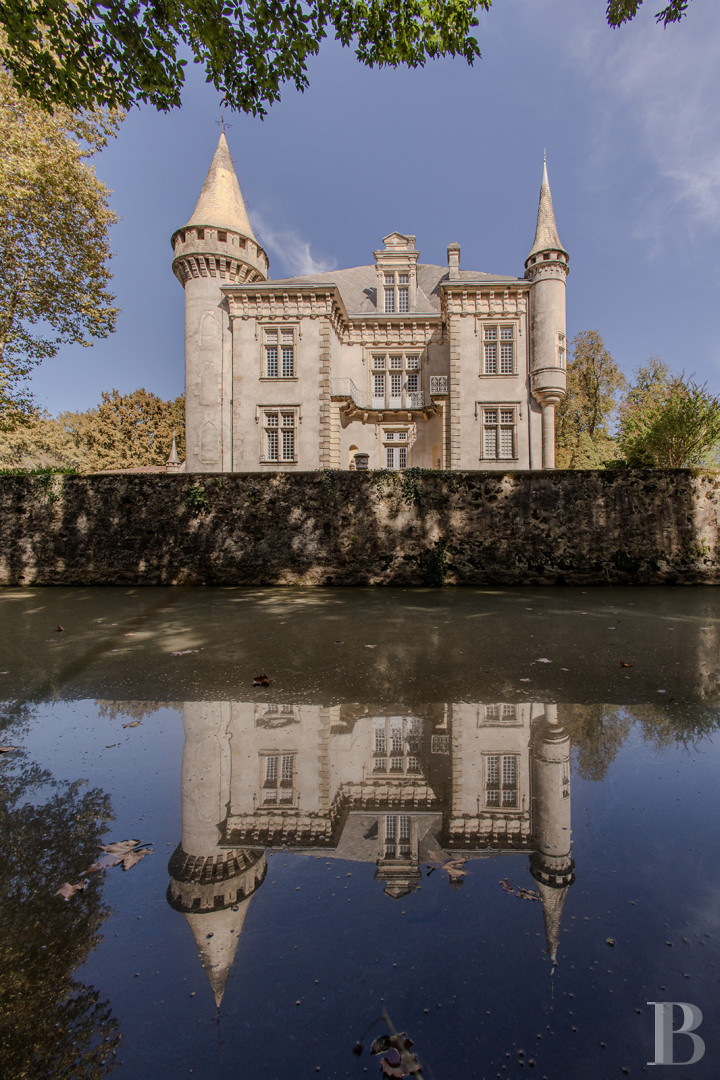
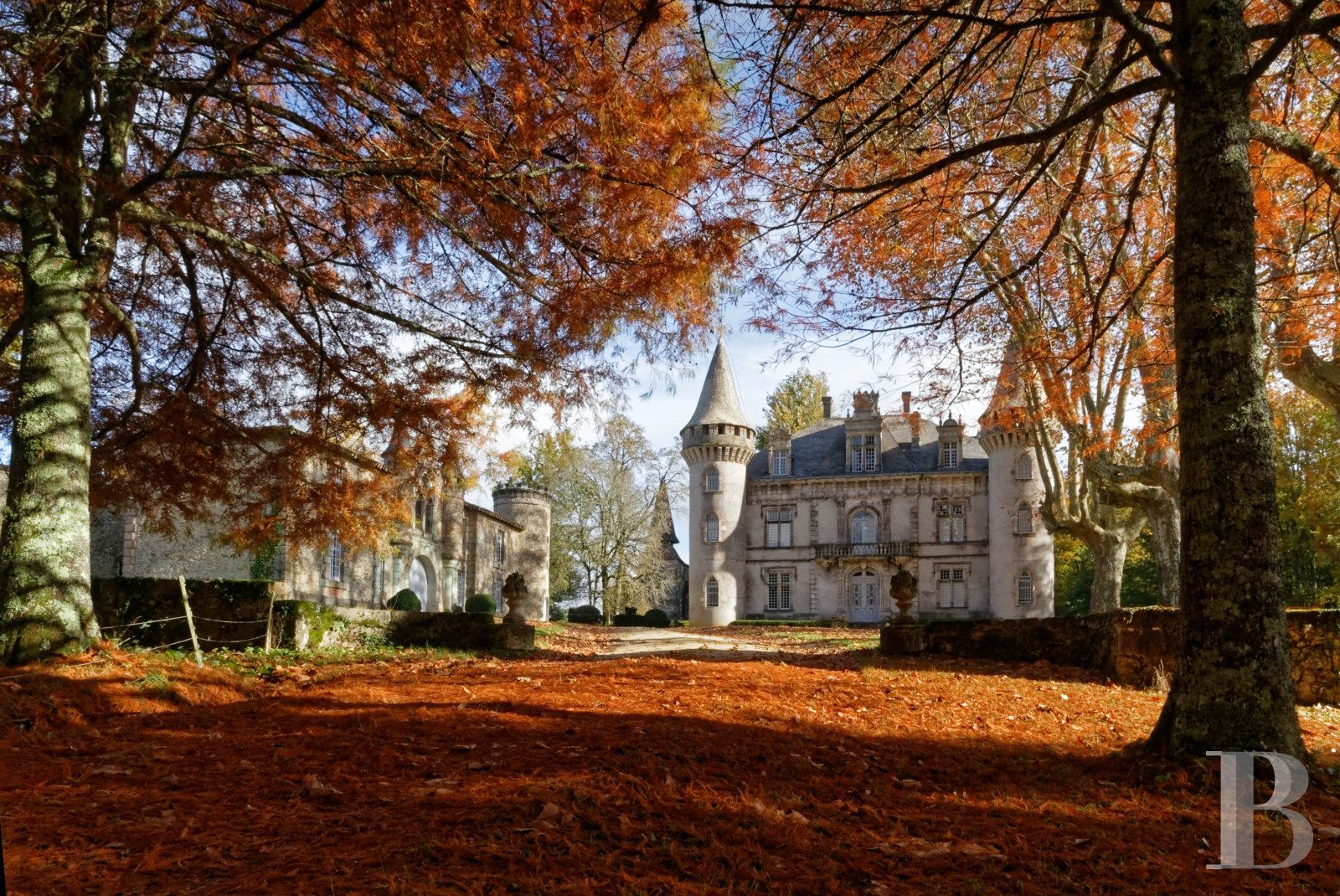
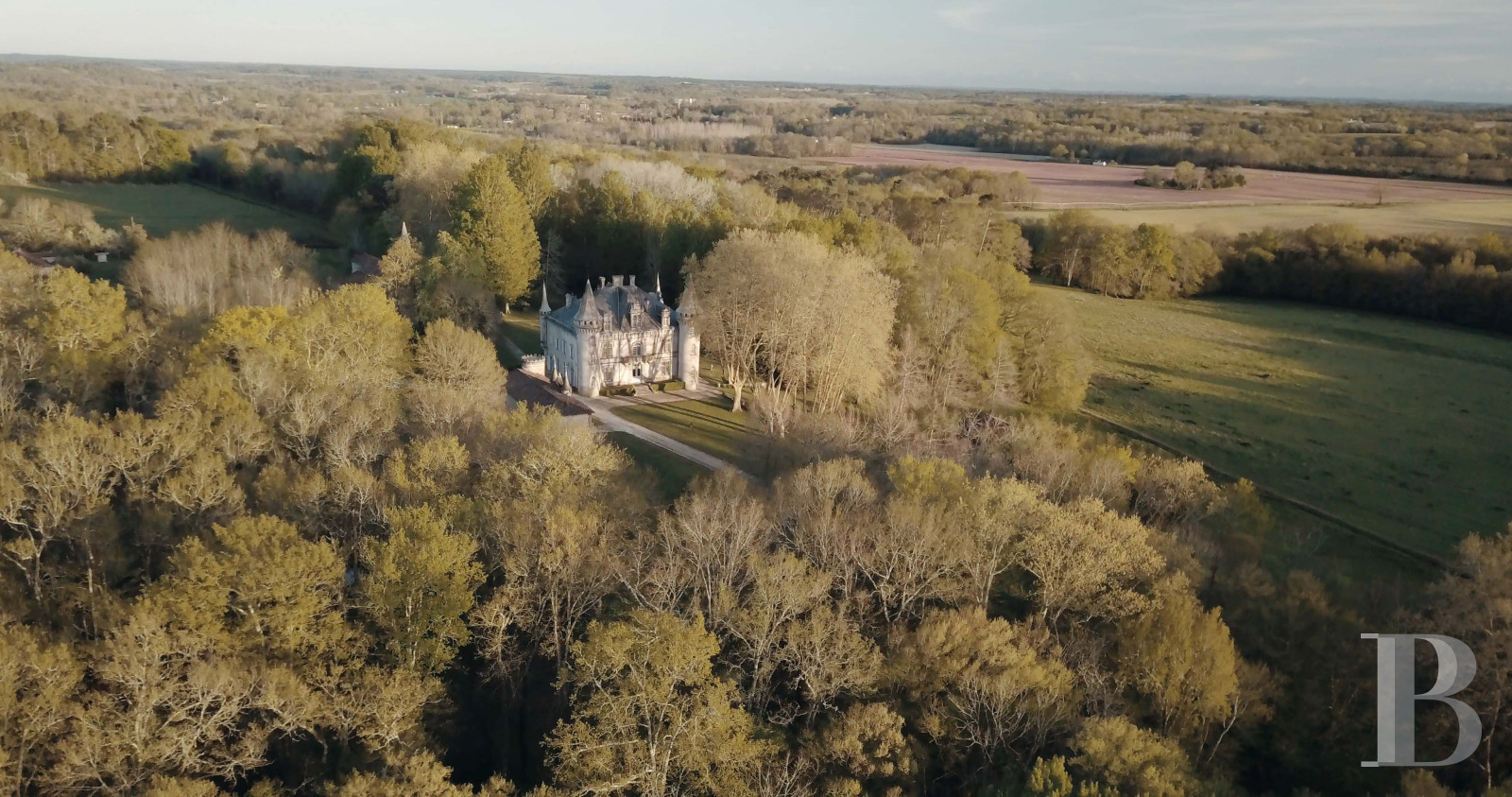
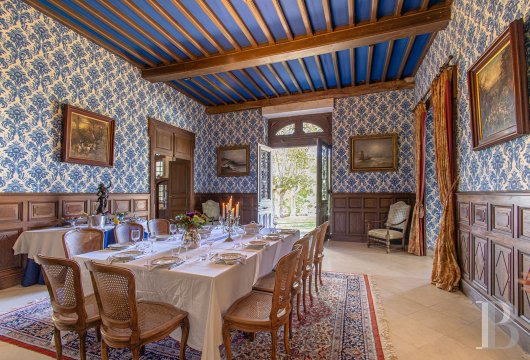
From the main road, a long white driveway leads through the foliage to Fondat, surrounded by its outbuildings and deciduous woods. A quadrilateral shape dominated by four towers at each corner, the chateau is a unique blend of authentic Renaissance and the troubadour style that was very much in vogue in the 19th century. A synthesis of several overlapping eras, both inside and out, it is first and foremost a family home, which is now open to holidaymakers and events. The vast reception rooms, like the bedrooms decorated with an obvious taste for detail, will appeal to visitors looking for a refined setting in the heart of the countryside.
I'm Gasco-Béarnaise by birth and descended from a noble family from the Pyrenees on my mother's side, historically linked to royal power. Planning not to inherit the family property, my father decided to buy his own home at the age of 35. He set his sights on Fondat, precisely because this property was located in our home region and was a 'nod' to history. This expression takes on its full meaning in the light of the chateau's remarkable history and a family continuity that stretches from the middle of the 12th century to the present day. Despite 78 years of interruption, there is a common thread, fully documented by our genealogies, linking my grandchildren's ancestors to the families of origin.
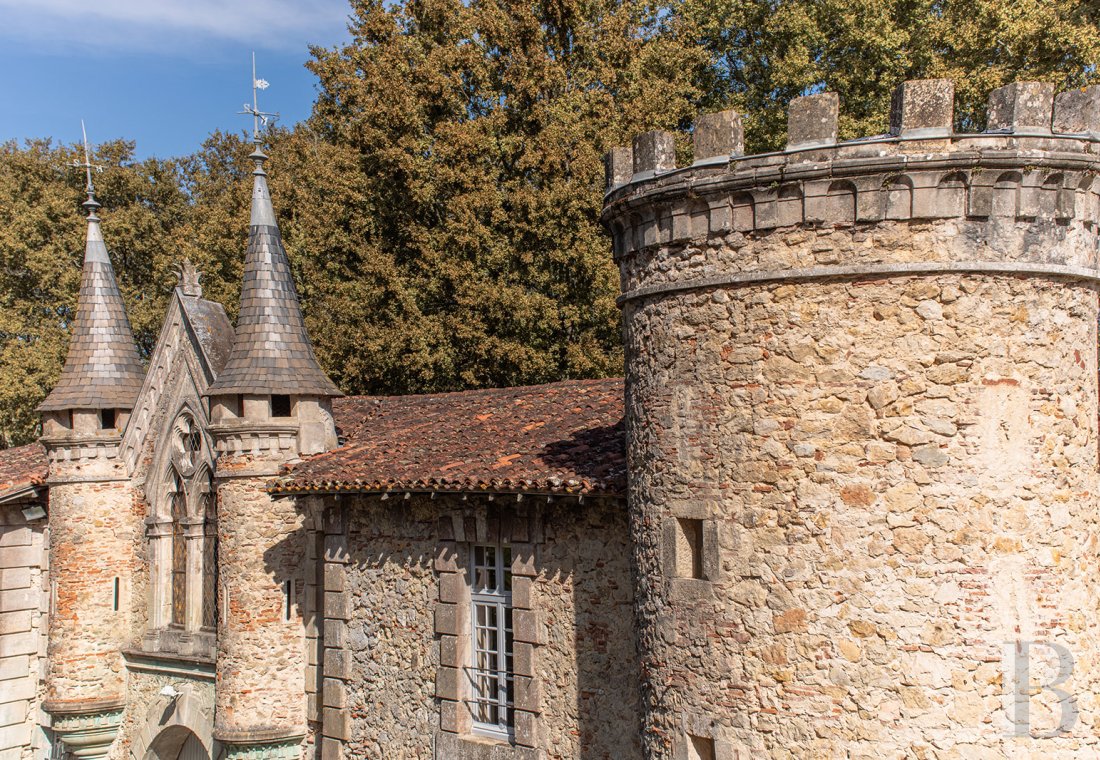
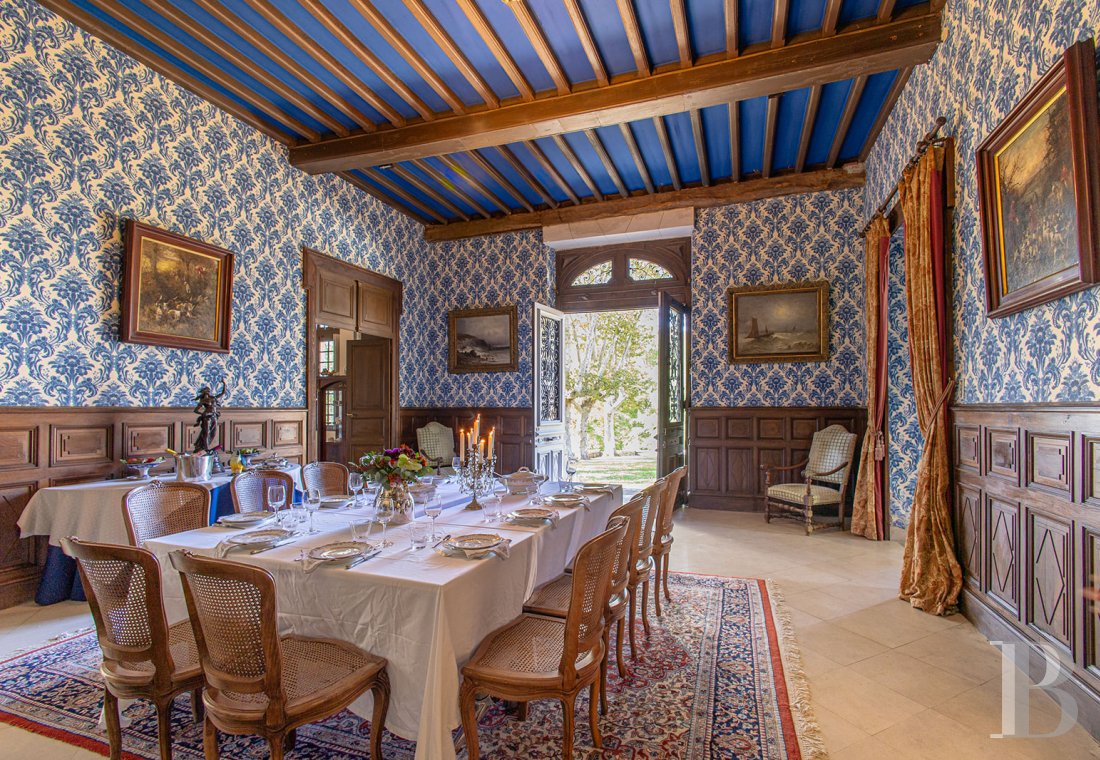
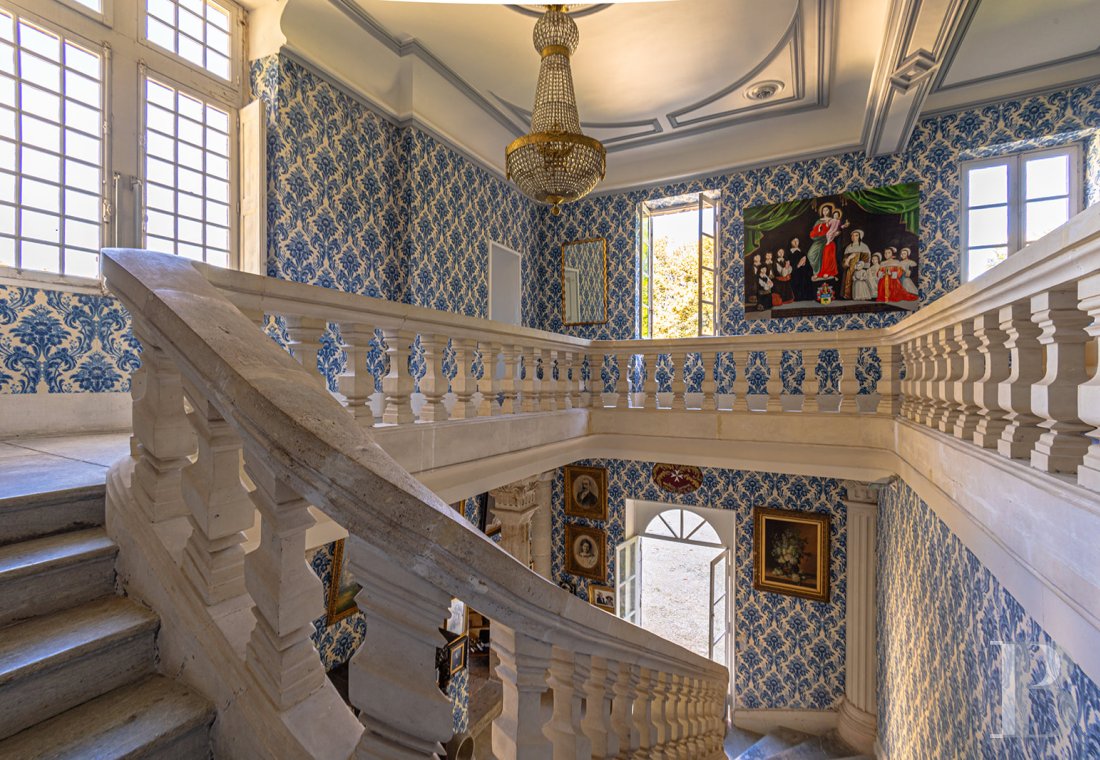
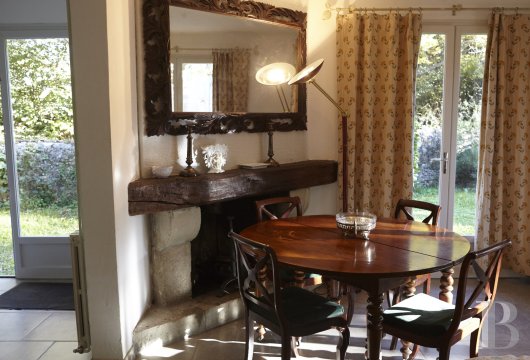
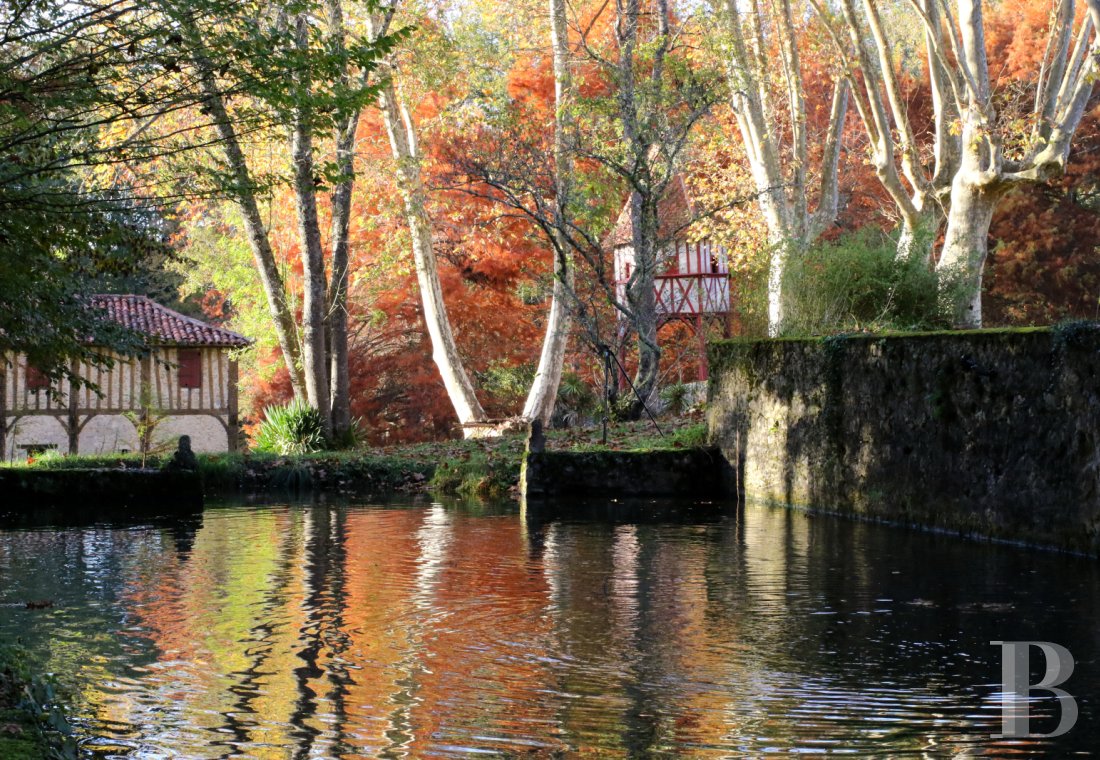
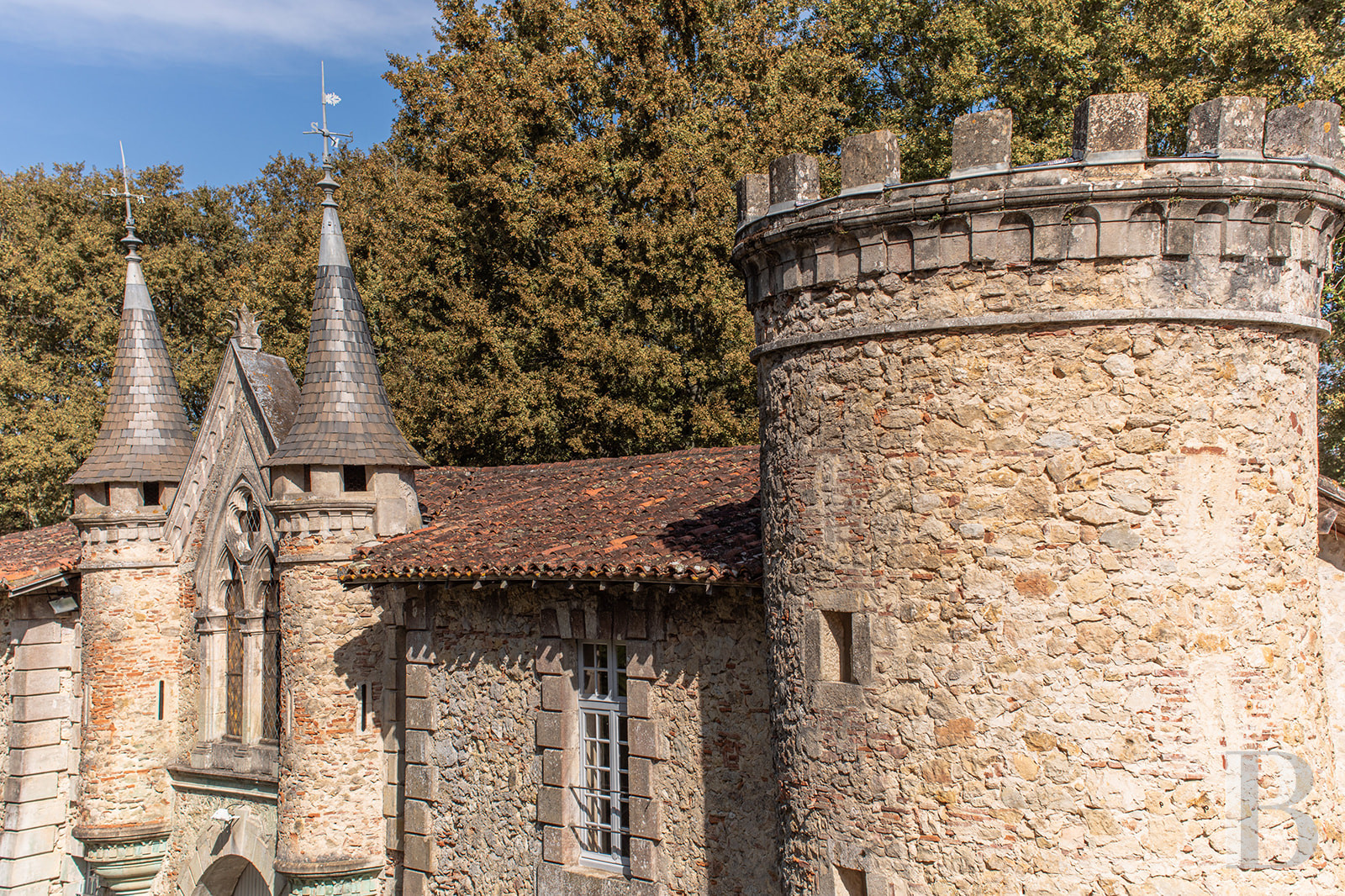
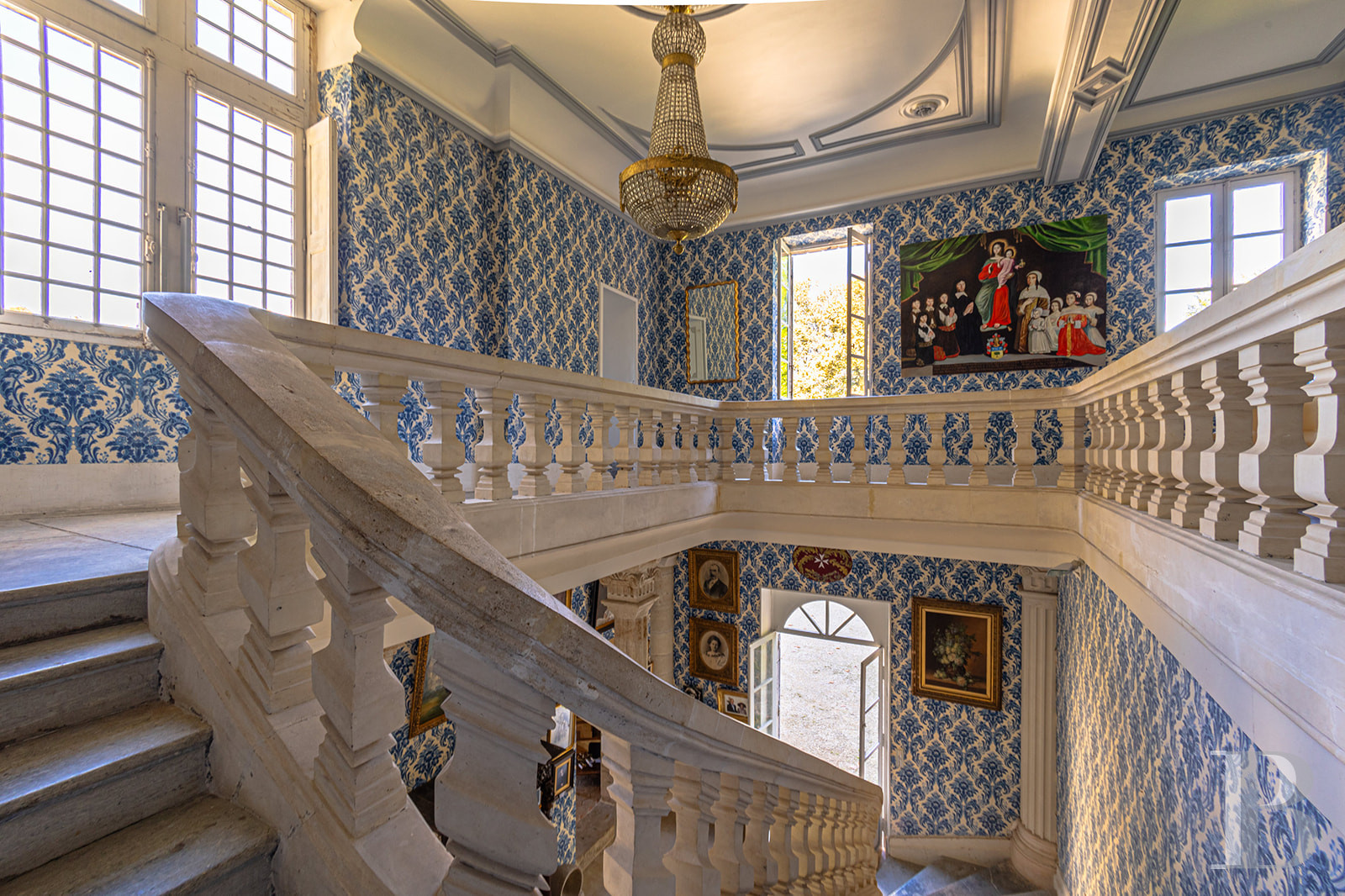
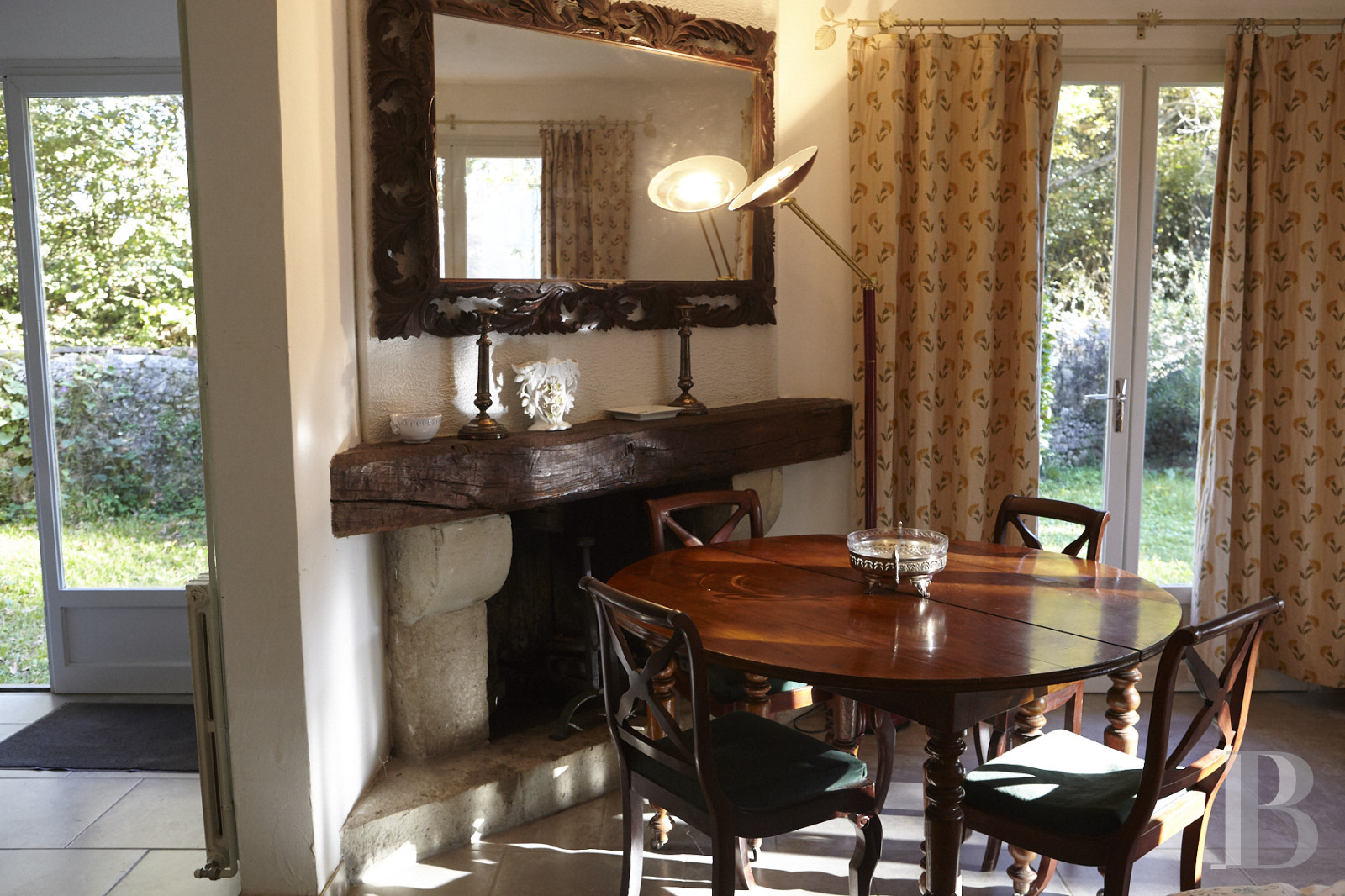
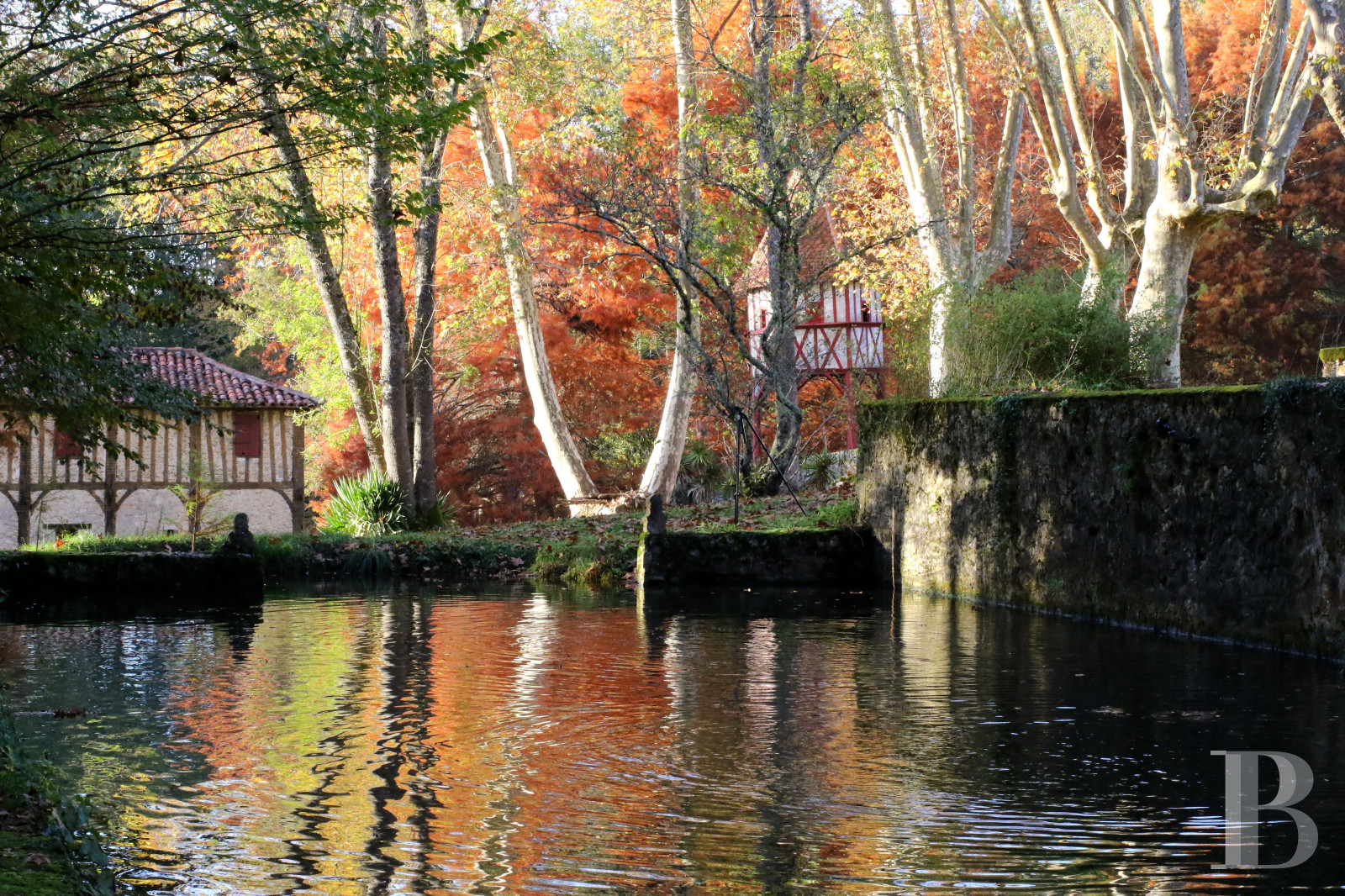
The most remarkable feature is a monumental staircase dating from 1670, a manifestation of pure classicism, typical of the 17th century and atypical for a less prosperous Gascony region. Comprising a large cage with logia, balusters and Doric-style columns, it opens onto a large dining room with a monumental stone fireplace rising to a 4.80 m high ceiling. Fondat's exterior architecture combines elements from the 17th and 19th centuries, as evidenced by its double crenellations: one dating from around 1610, the other from around 1860. Outside there is an 18th-century dovecote, granted by Louis XV by royal decree. The name Fondat, derived from "Fontaine", reveals the hydrological nature of the site. A Carrara marble fountain inlaid in the wall of the small preparatory room was created by the Mazzetti brothers, sculptors from Verona, and represents a remarkable advance for its time, as it provided running water. In the park, a Renaissance wine cellar dating back to the time of King François I.
In 1175, King Henry II Plantagenet offered the chateau to one of his loyal Scottish knights, Walter d'Argel. His descendants integrated into Gascon society through marriage alliances and became the lords of Argelouse from 1275. Argel gradually became Gasconised and became Argelouse, literally meaning "the house of Argel". In 1607, the estate was acquired by Jean de Malartic, an ancestor of my paternal grandchildren, a close friend of Henri IV. From 1888 to 1966, the chateau went into decline and changed owners several times. Only this 78-year interlude interrupted the family lineage. Through my mother-in-law, I can confirm that the property has belonged to the same lineage since 1275, with the Lord of Argelouse, who was a bastard son of the Prince of Bearn. My mother-in-law is directly descended from Miramonde d'Algelouse. The property can therefore be considered to have been in the family from 1275 to 1888, and again since 1966, when my parents acquired it. The estate has been listed as a Historic Monument since 1999.
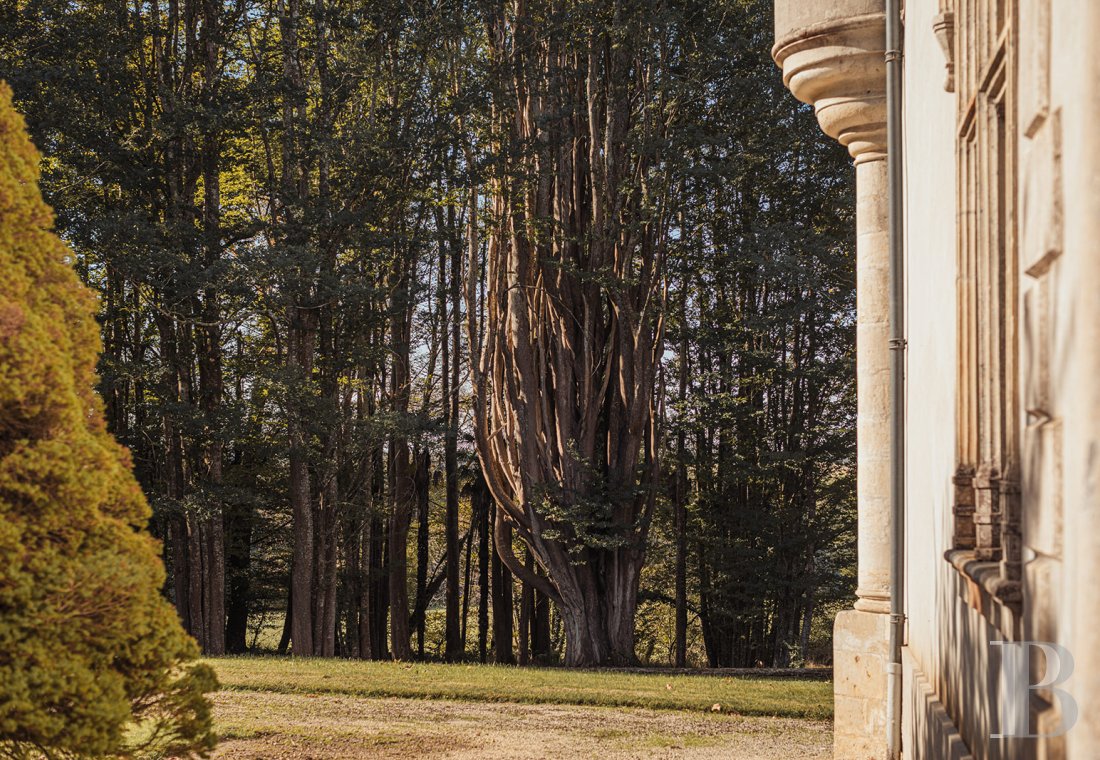
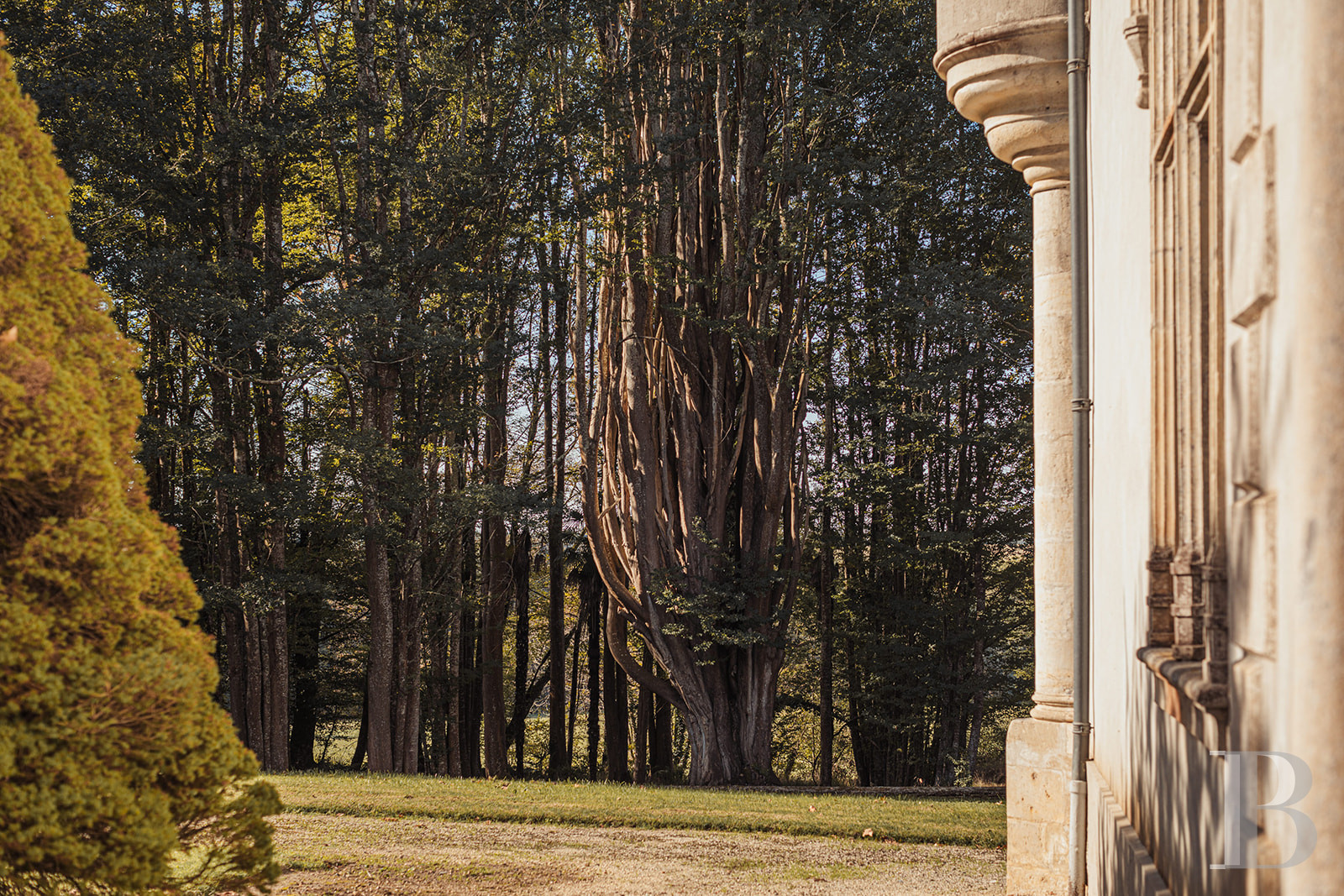
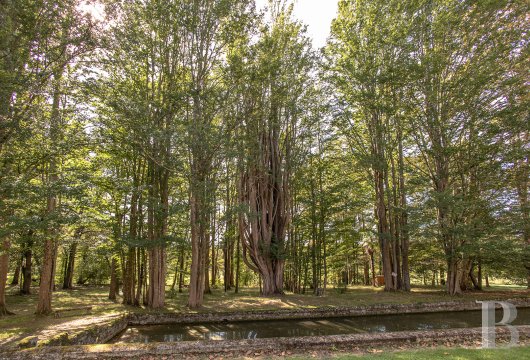
Our offering is based on three pillars: a natural environment, a historical and architectural heritage and services tailored to the needs of our guests. The estate offers an atmosphere of great calm and serenity due in particular to the presence of Zelkova, majestic trees several centuries old, measuring between 30 and 37 metres in height, originating in northern Persia or the southern Caucasus and labelled "Remarkable Trees of France". A miraculous spring, the Sainte-Quitterie spring, is connected to the chapel. I offer a free tour of the estate, focusing on its history, architecture and botany. Chefs, caterers and a rotisserie service selected by us can work in the chateau's professional kitchen, and troubadours can entertain on request.
Chateau de Lacquy, owned by the same family since 1711, is the oldest family estate to produce award-winning Armagnac. The "La Bastide en Gascogne" restaurant, housed in a former monastery and awarded a Michelin star, is owned to the daughters of famous chef Michel Guérard, who is responsible for its menu of seasonal French classics. On foot, by bike, by canoe or even on horseback, the Landes de Gascogne Regional Nature Park has been classified since 1970. Discover it while respecting the environment you pass through and the species that live there! Numerous hiking trails, itineraries, cycle paths and greenways allow you to explore this wooded area in all seasons.
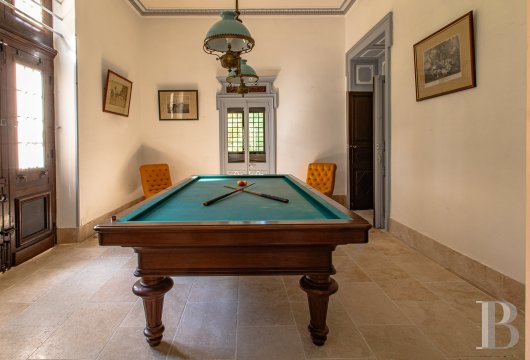
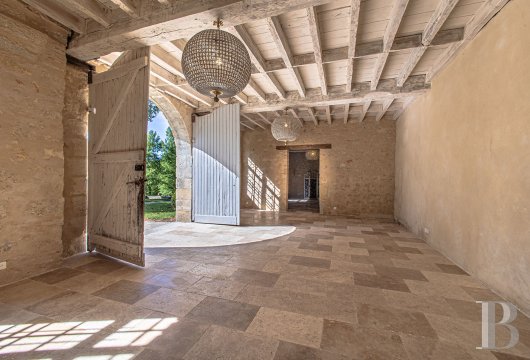
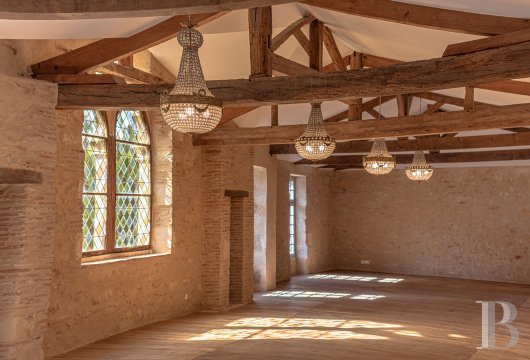
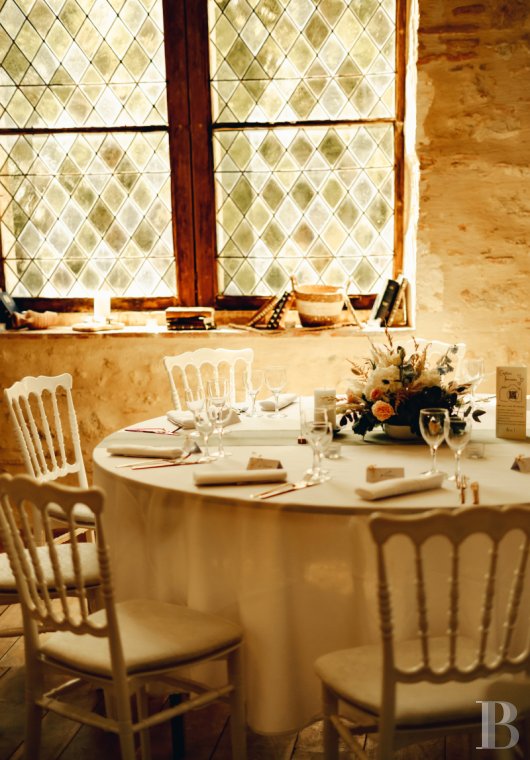
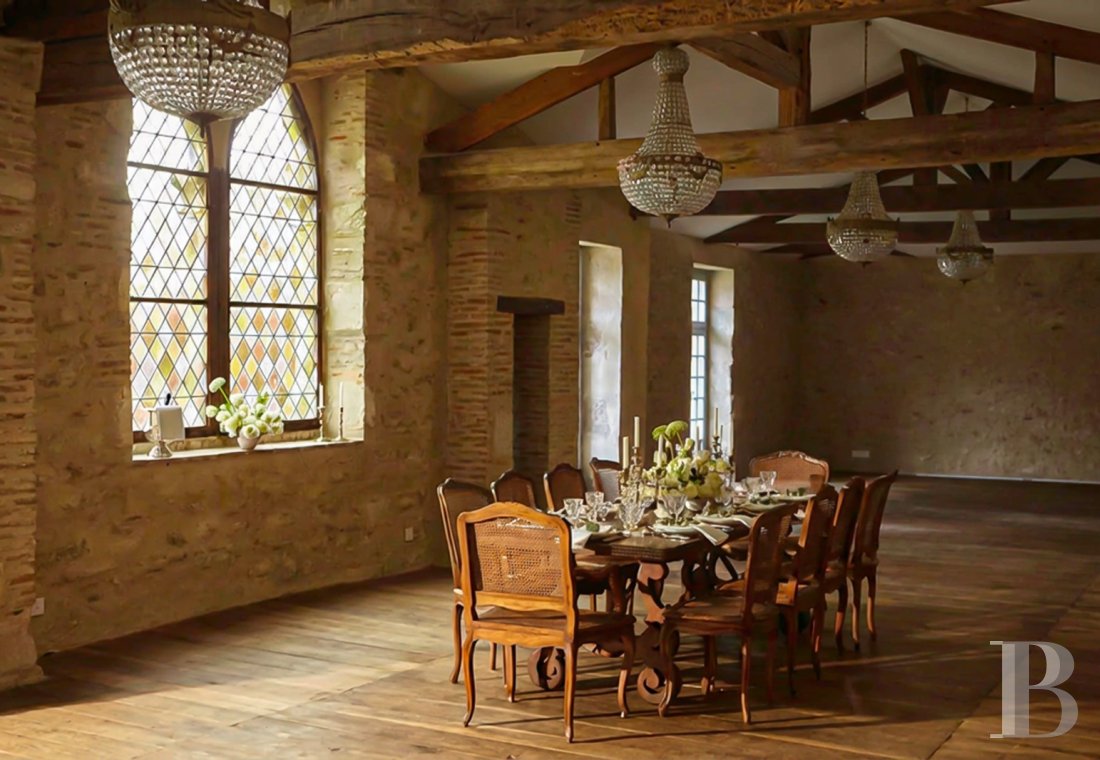
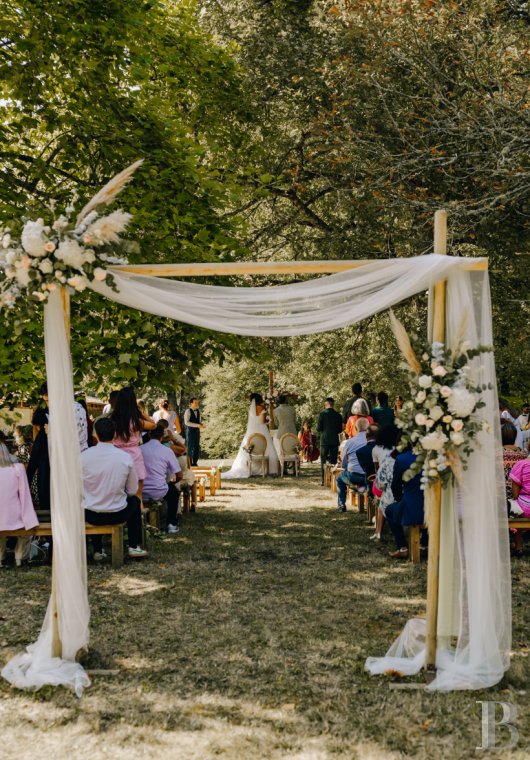
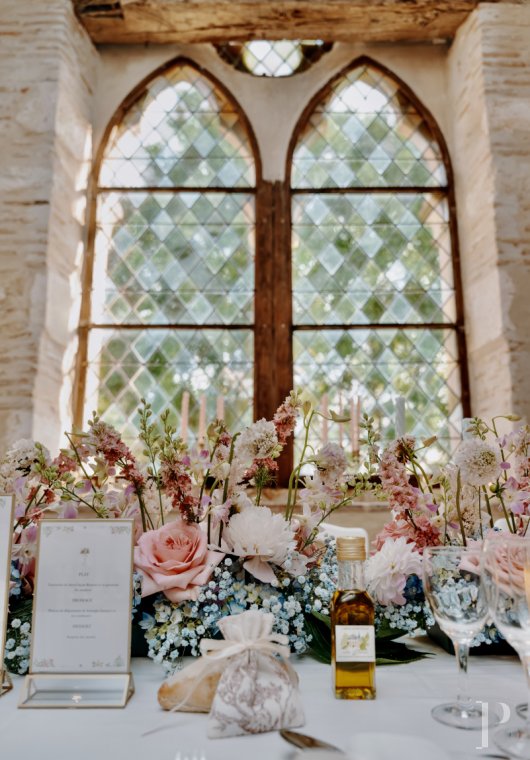
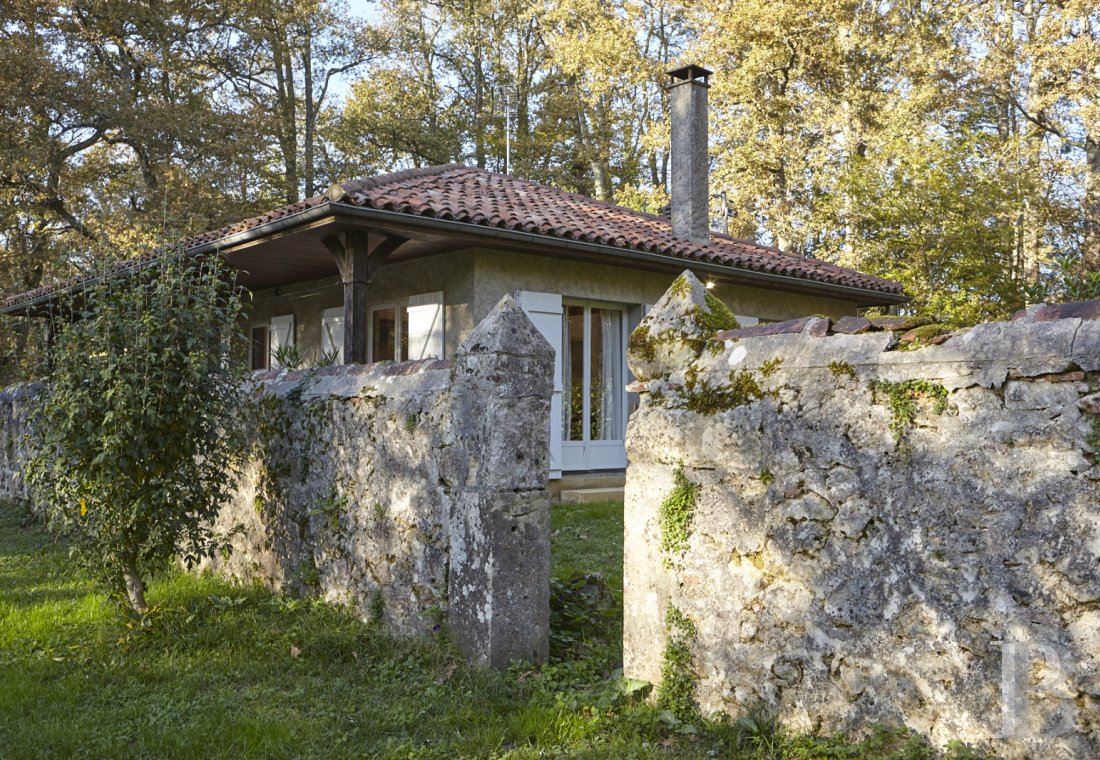
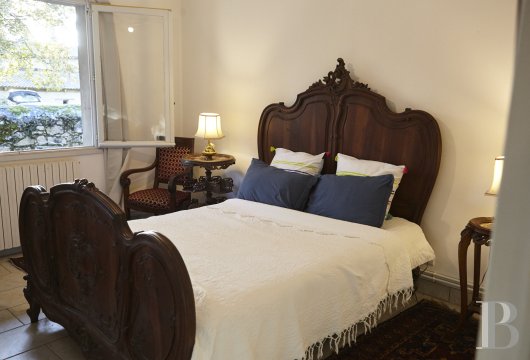
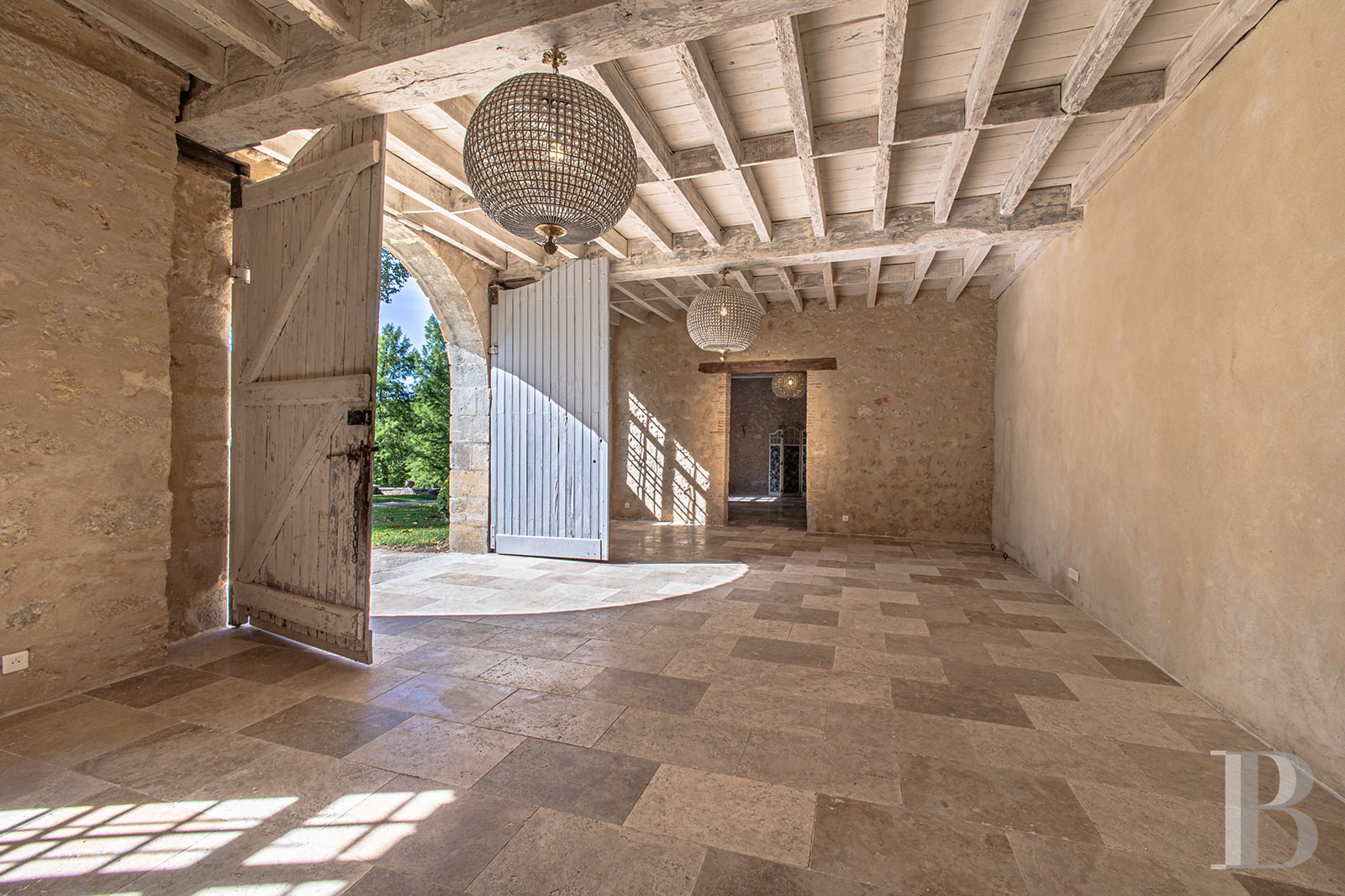
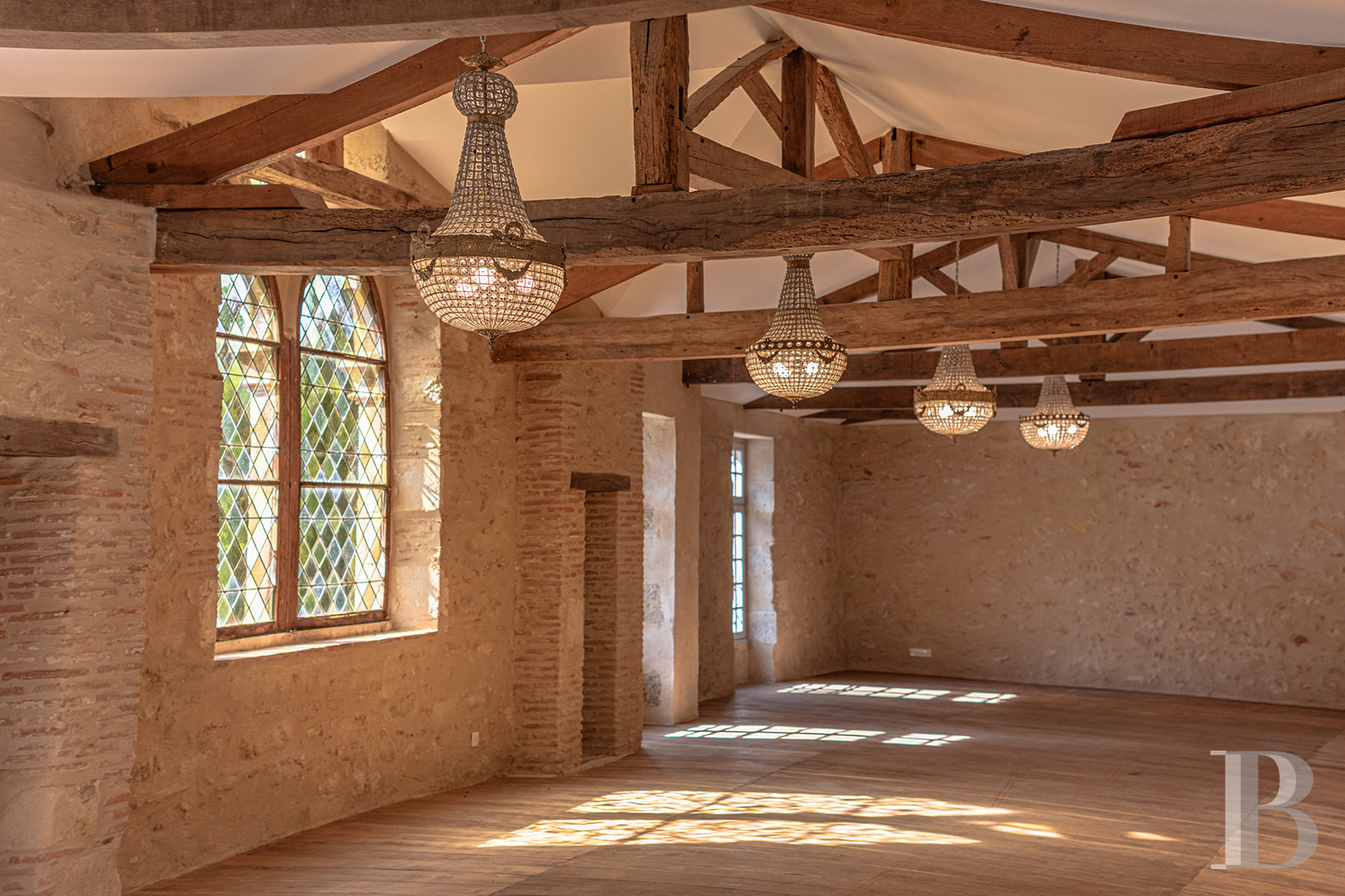
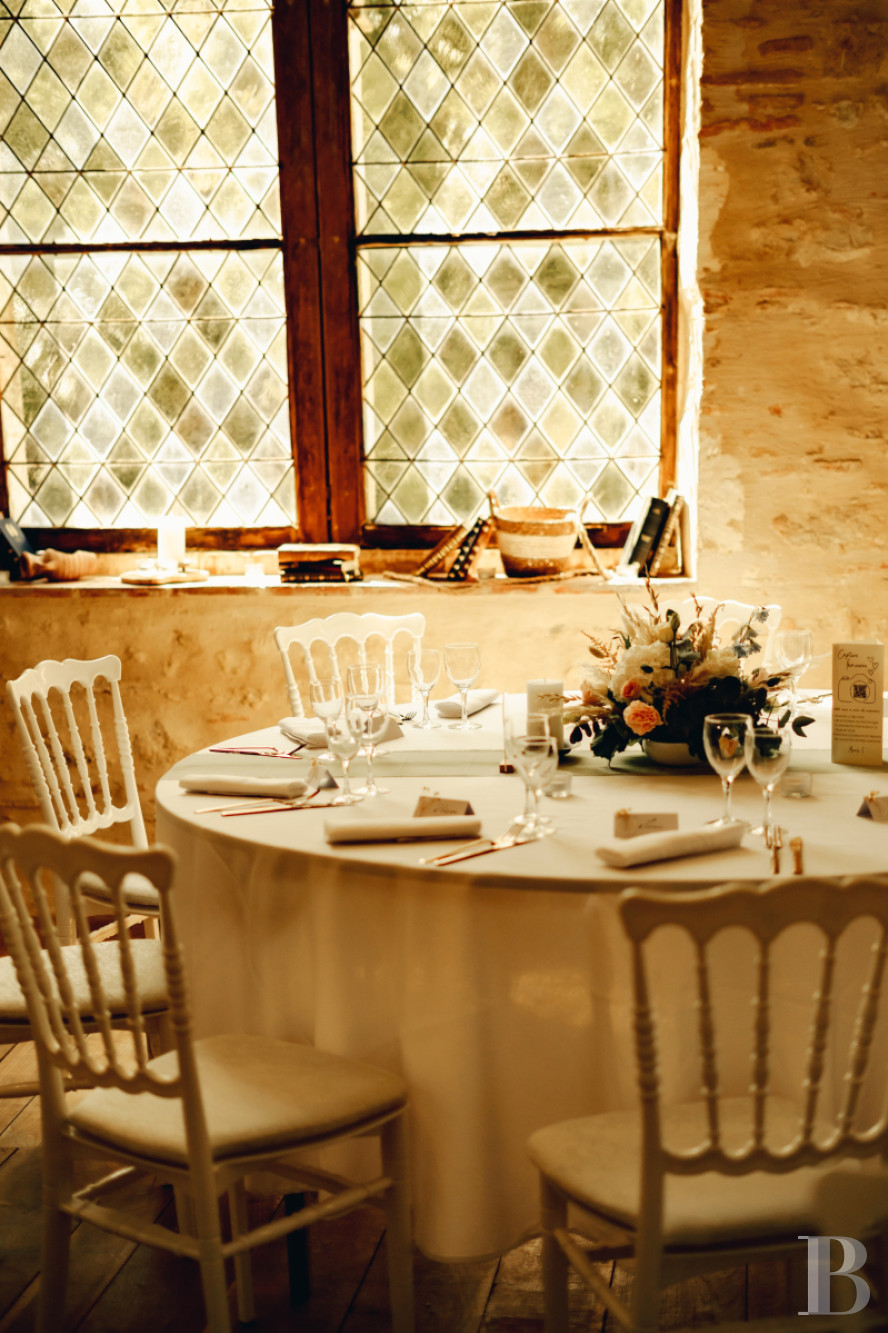
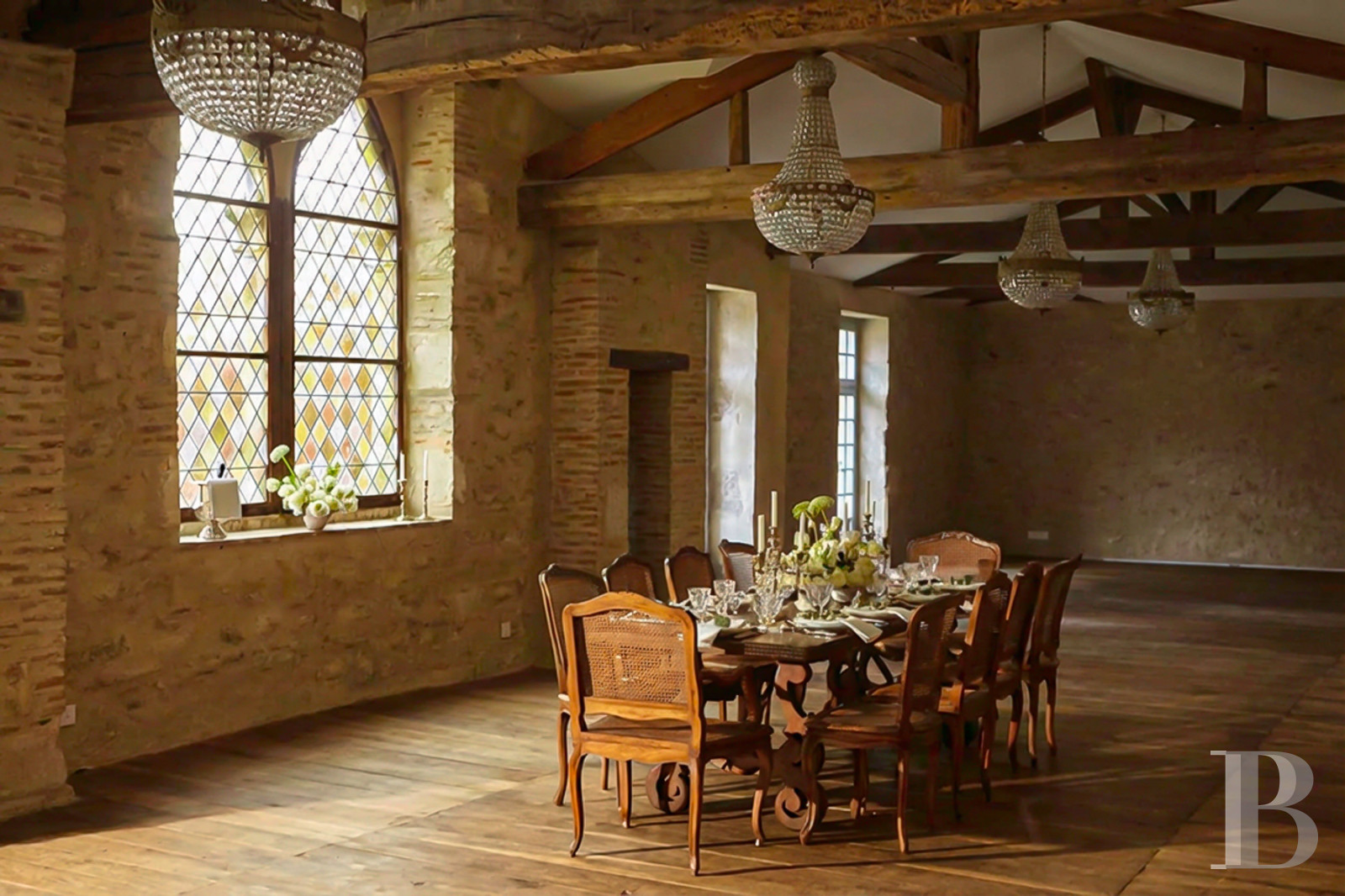
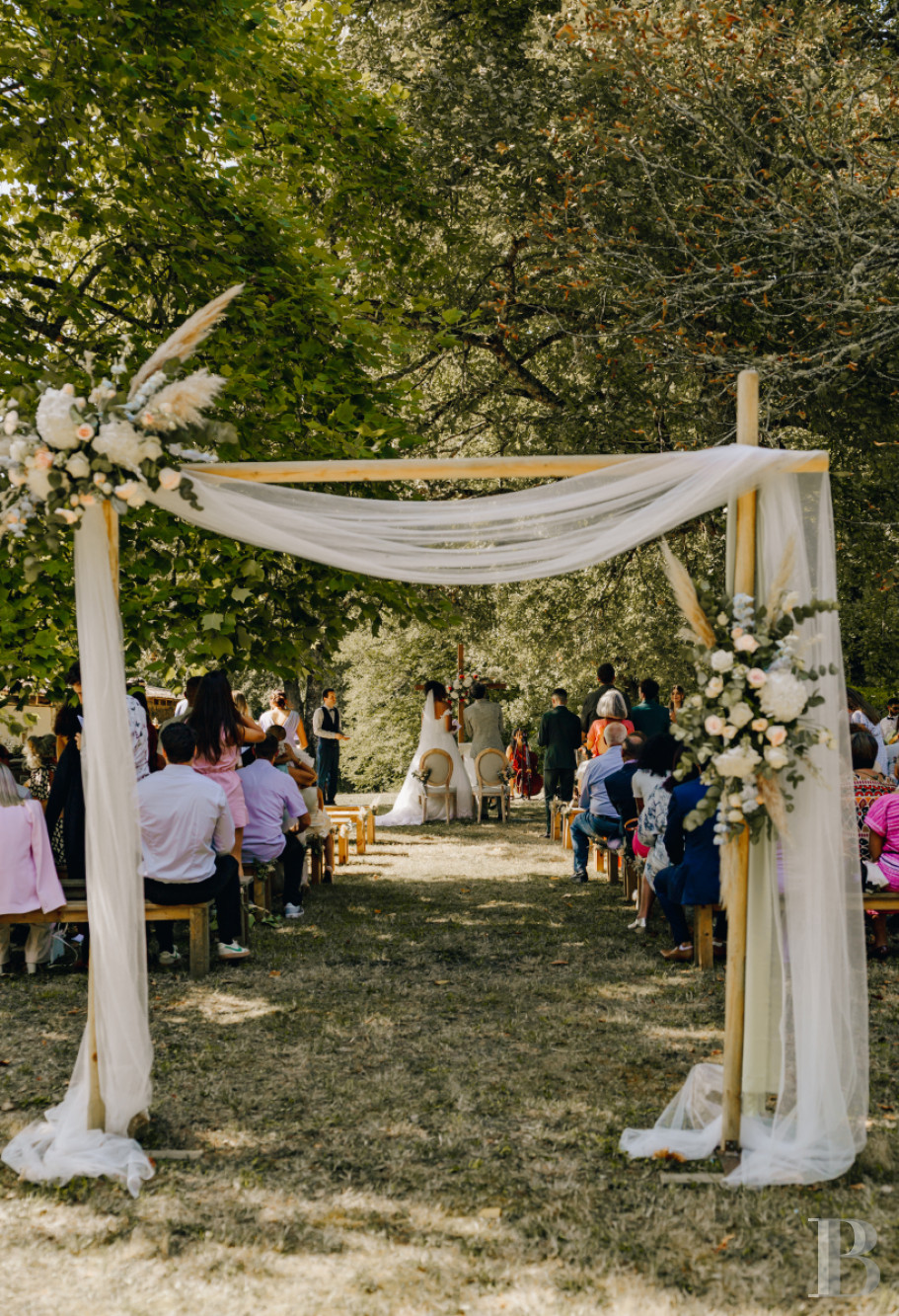
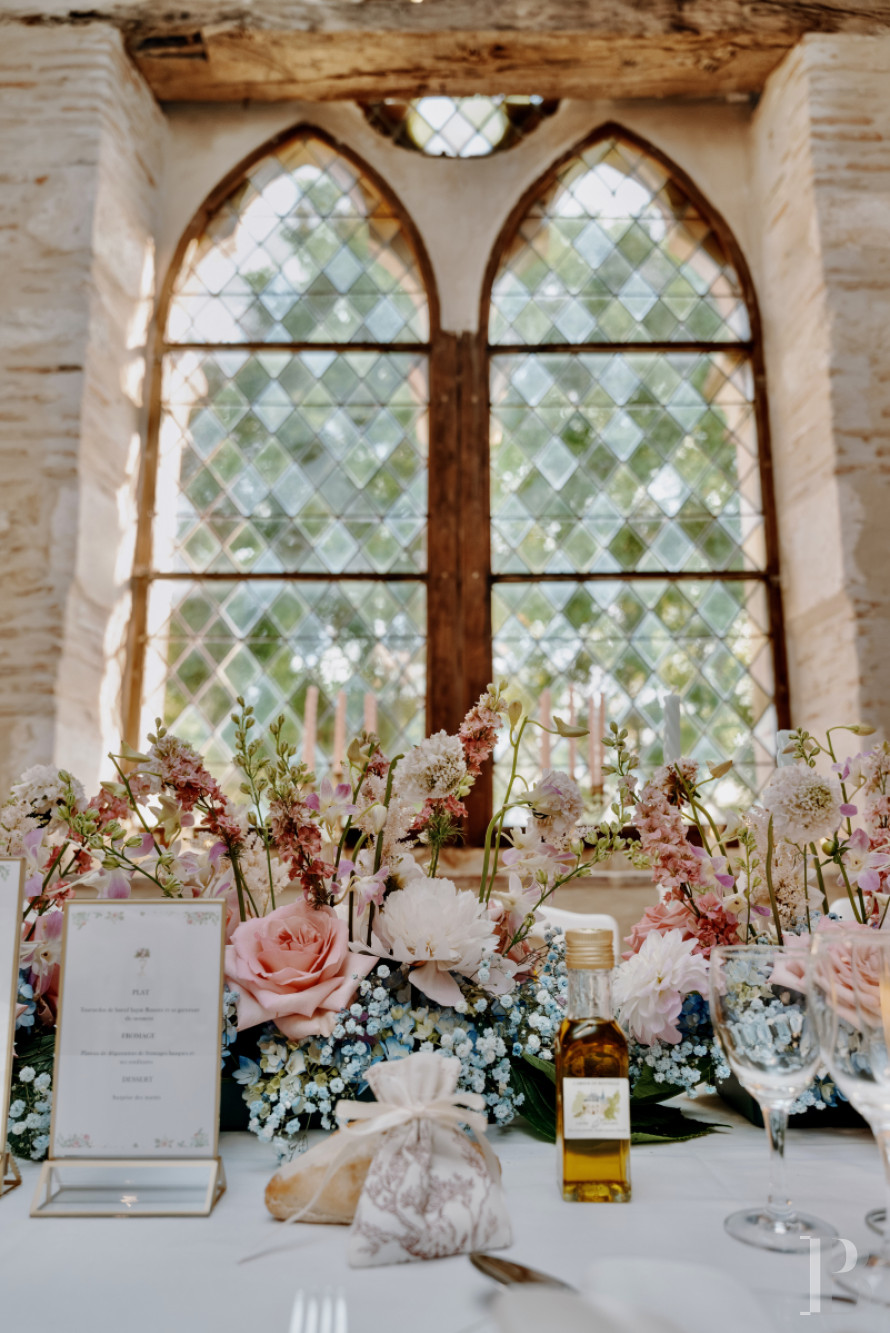
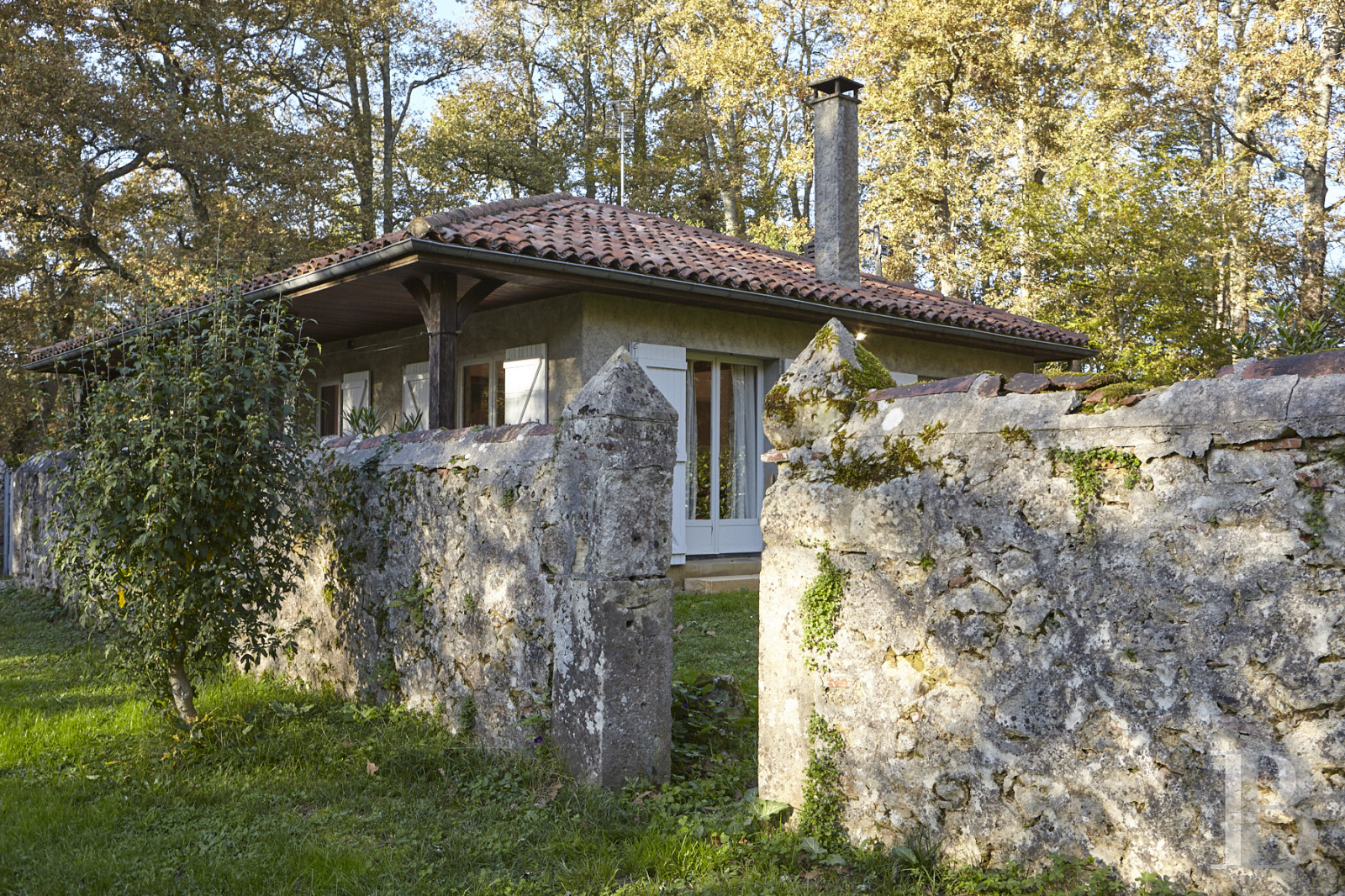
The property can host outdoor events for up to 150 guests under a marquee. Inside, the chateau has three reception areas: a 120 m2 room on the ground floor, complemented by two smaller rooms of 70 and 40 m2, and a 145 m2 room on the first floor of the main lodge, accessible to people with reduced mobility by lift. The venue has a professional kitchen, a large fireplace for roasting meats and a large two-metre-long barbecue. 20 beds are available in the château and the hunting lodge, with additional accommodation nearby.
ref 312608
From April to September, the owners offer guided tours of the chateau and its grounds, which are listed as Historic Monuments.
A link to enter a new password has been sent to you by email.
By continuing your navigation, you accept the use of cookies to offer you services and offers adapted to your centers of interest and to measure the frequentation of our services. Learn more